Artwork
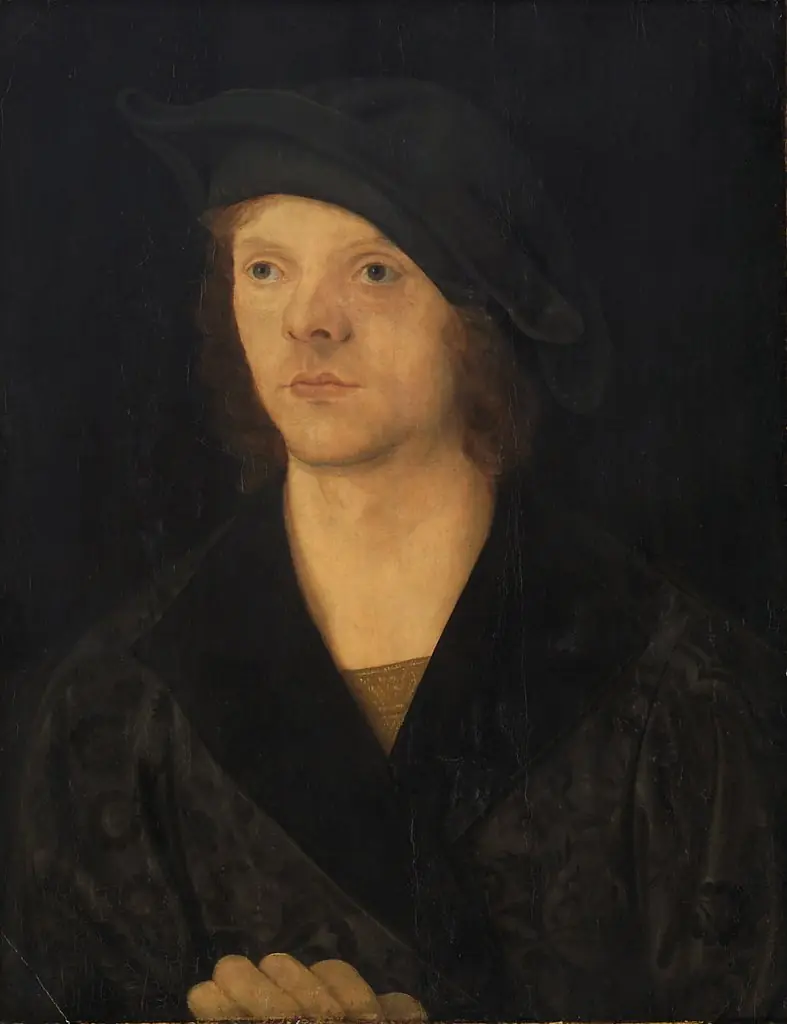
Portrait of a Young Man
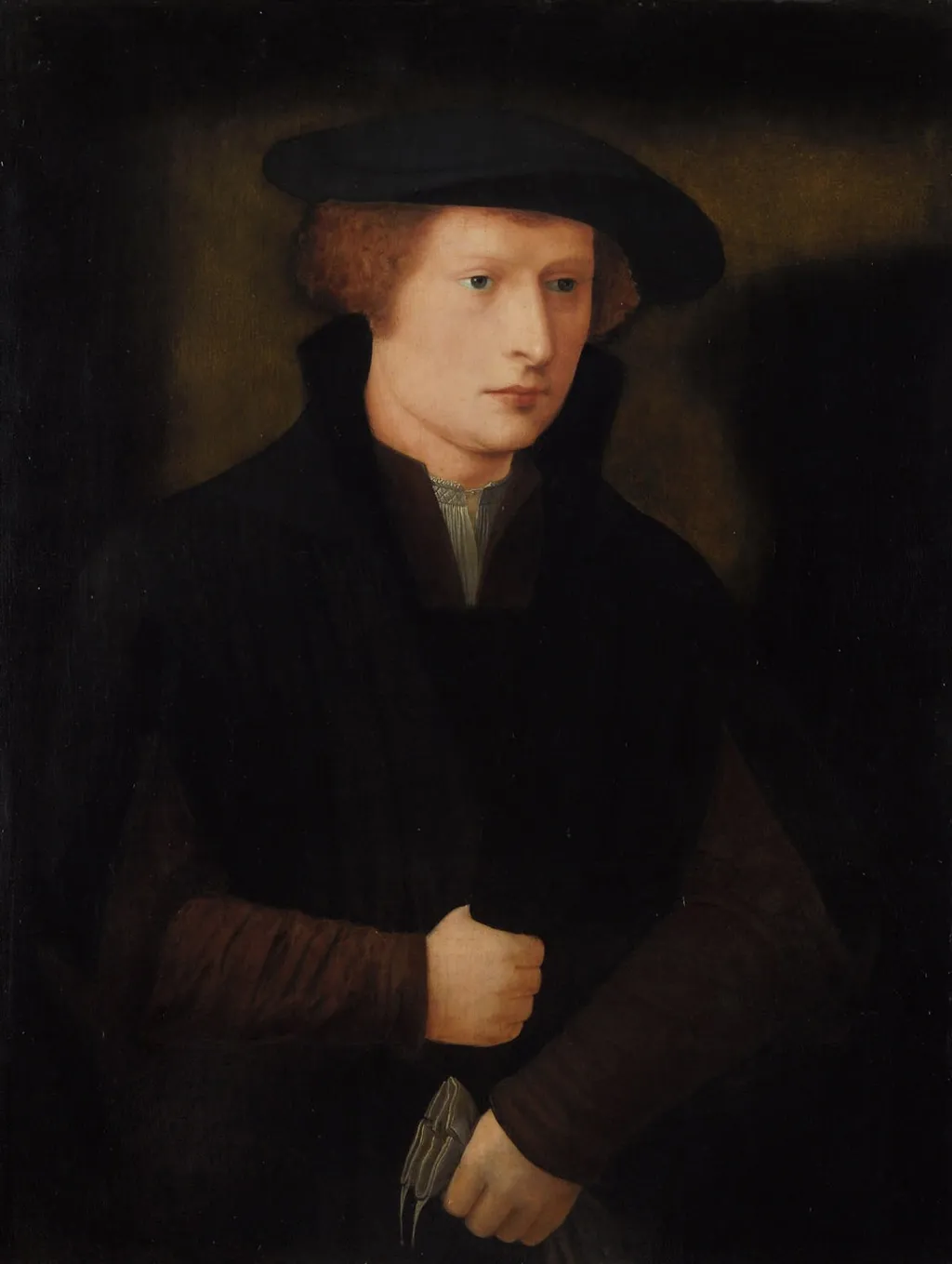
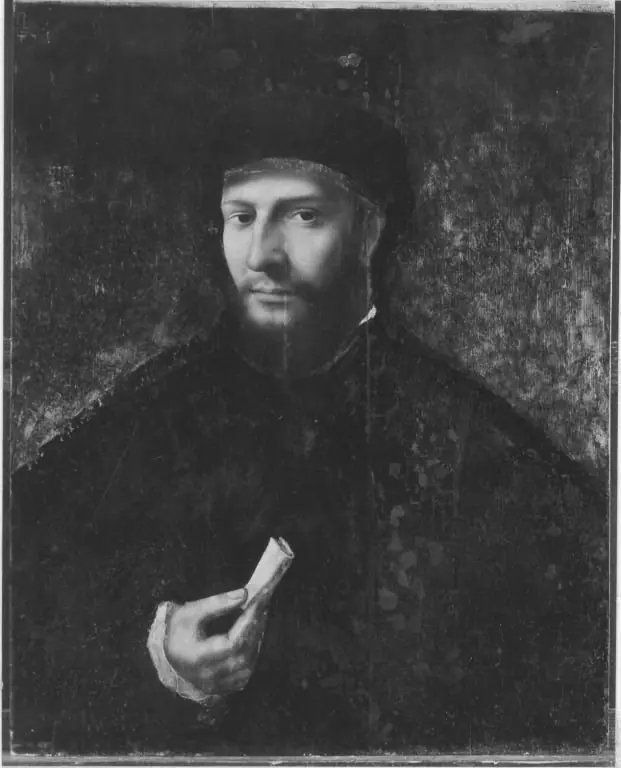
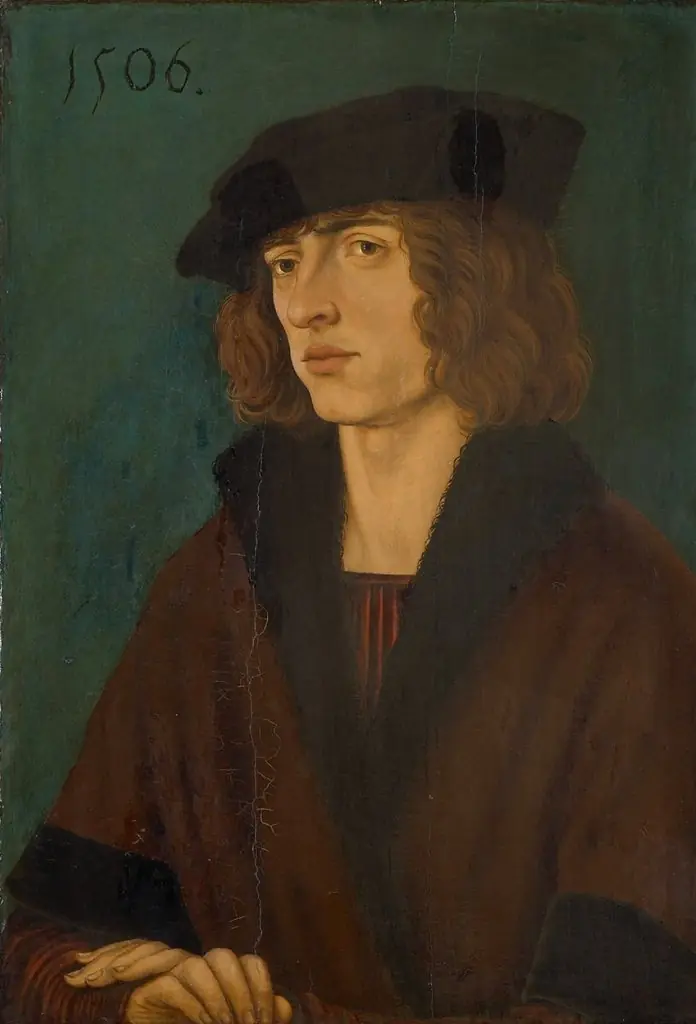
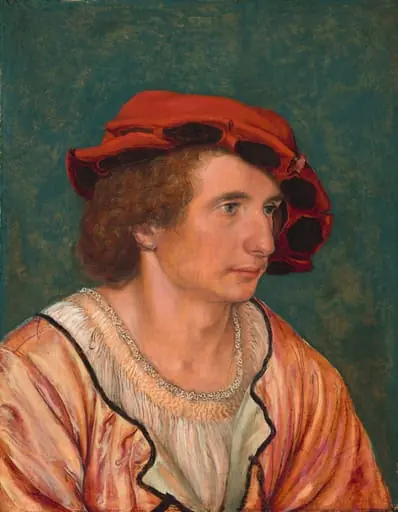
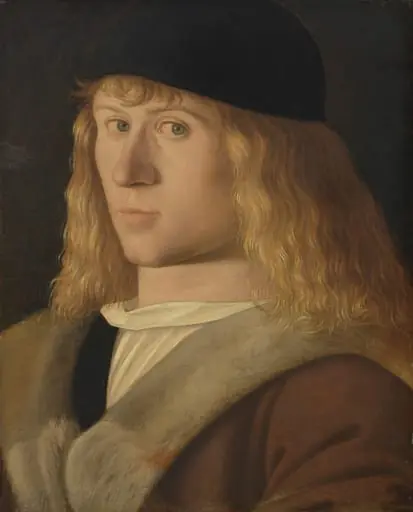
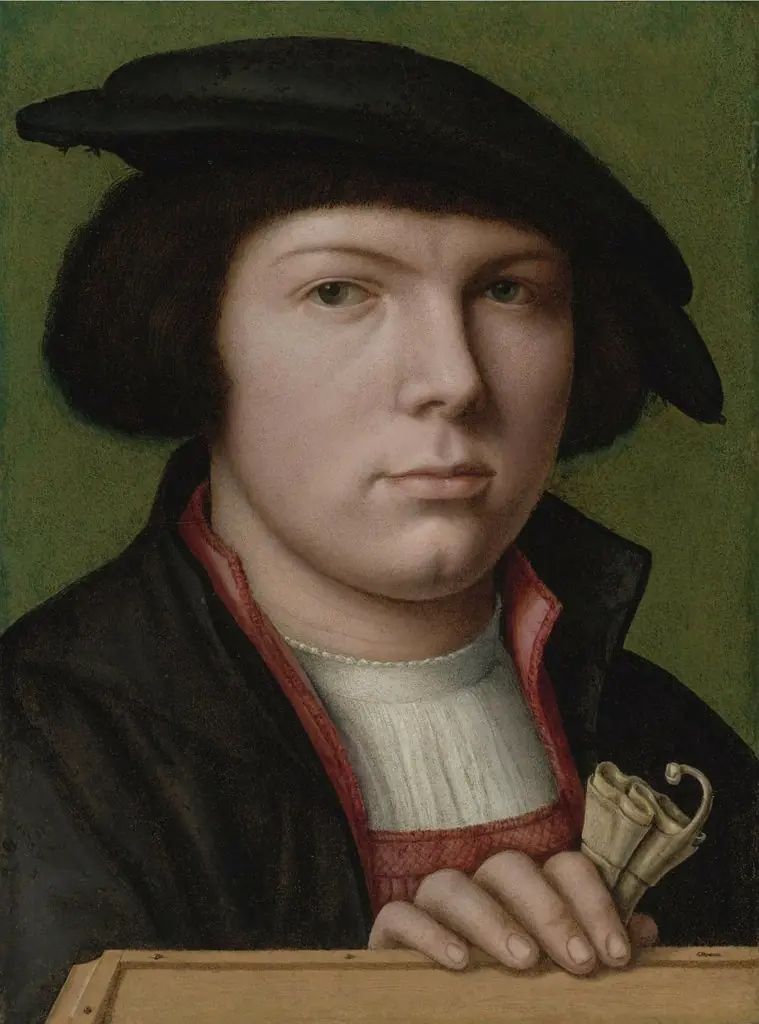
Portrait of a Young Man is an oil painting by the Mannerist artist Master of the Female Half-Lengths. It dates from 1550 and is held in the collection of the Kunsthistorisches Museum.
About this work
Overview
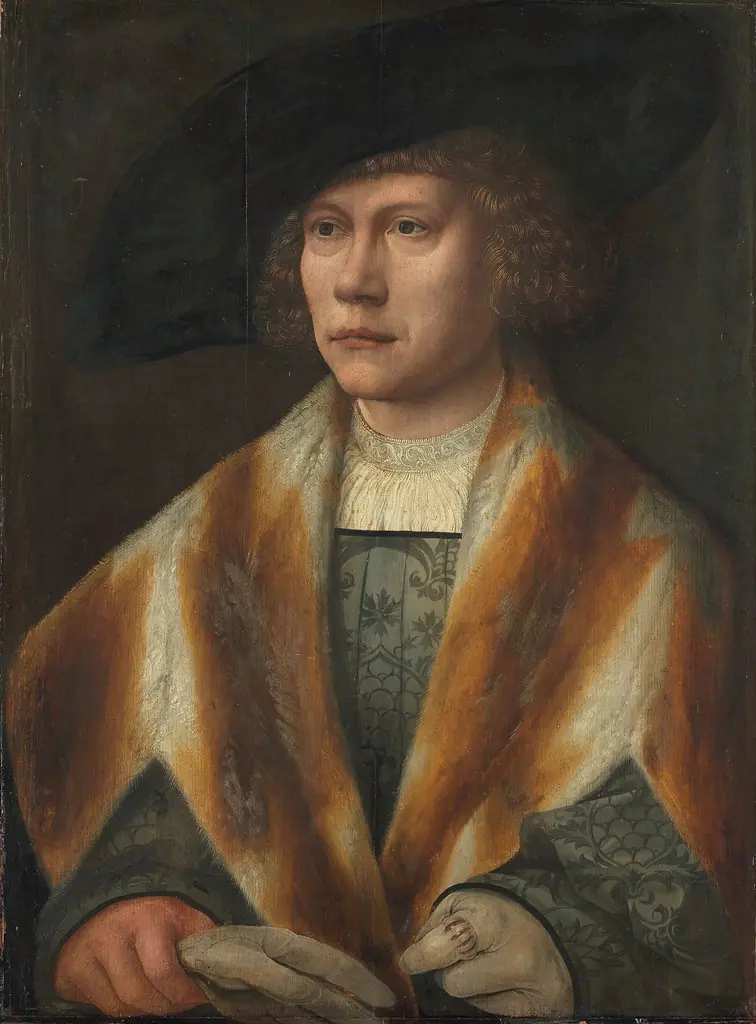
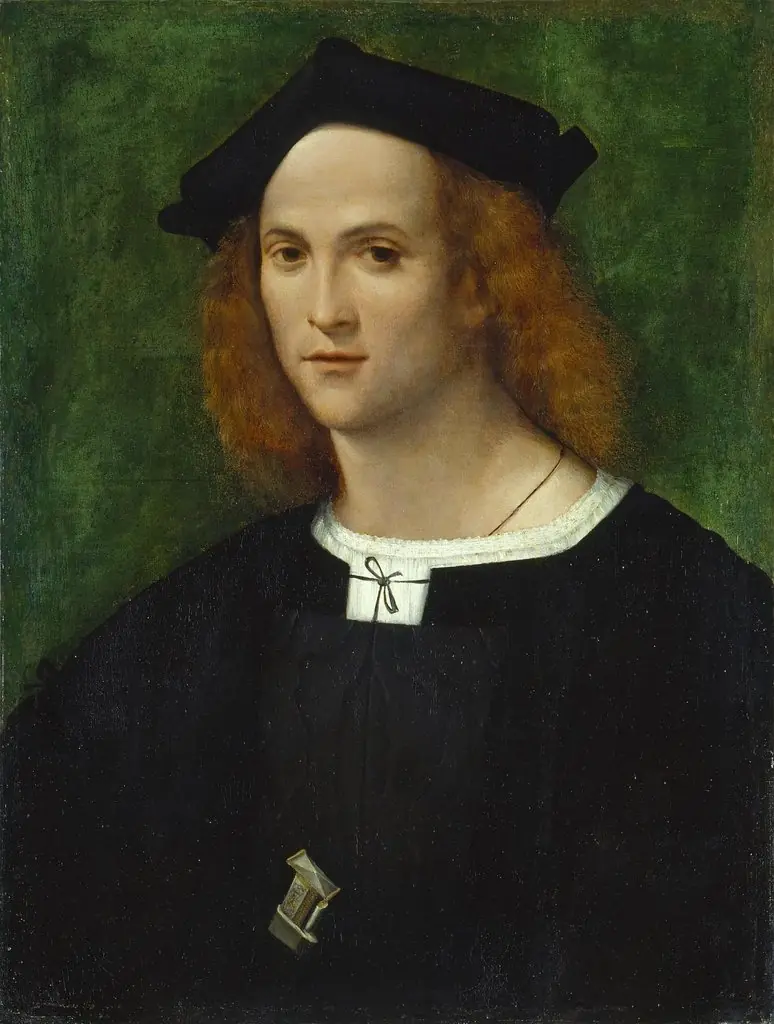
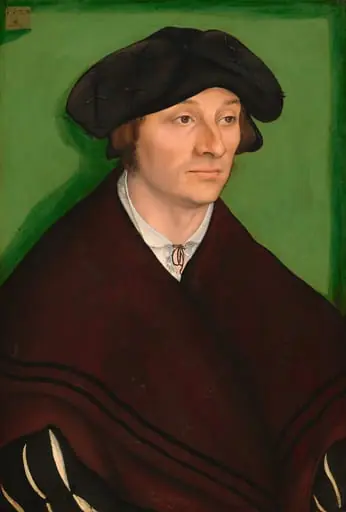
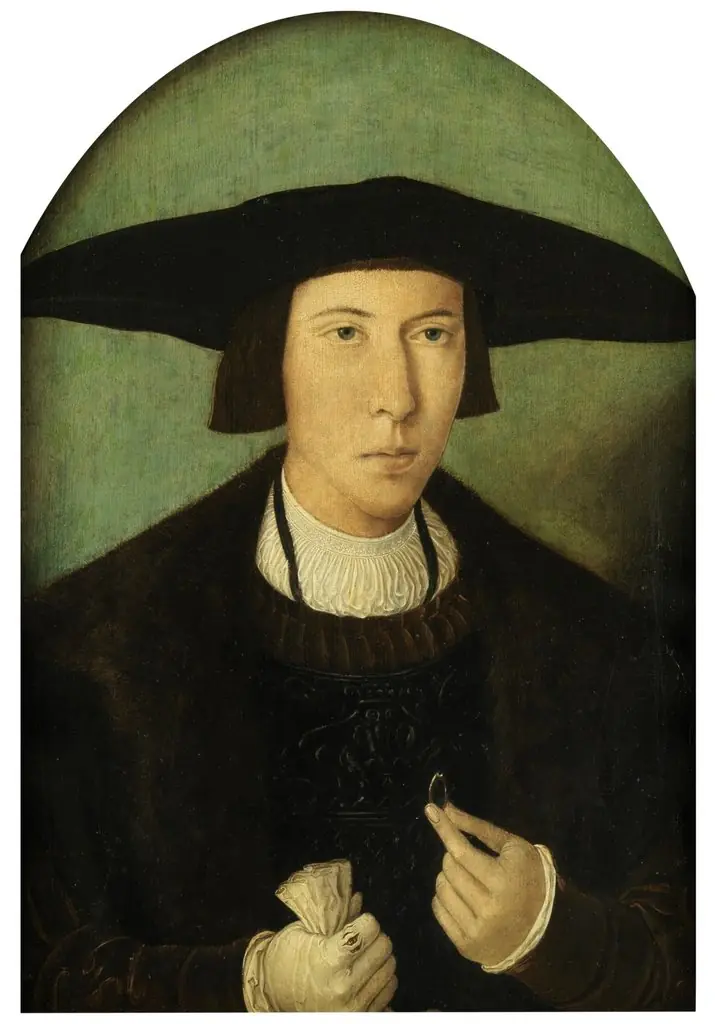
Portrait of a Young Man is an oil painting executed around 1550 and attributed to the anonymous workshop known as the Master of the Female Half‑Lengths. The work measures a modest size and is part of the collection of the Kunsthistorisches Museum in Vienna. It presents a solitary male sitter rendered against a uniform black backdrop, emphasizing his facial features and hands.
Subject & Meaning
The composition shows a young man in a dark, high‑collared shirt, his hair trimmed short and a slightly tipped hat atop his head.
The composition shows a young man in a dark, high‑collared shirt, his hair trimmed short and a slightly tipped hat atop his head. His right hand rests on a folded cloth, while his left grasps a small object, possibly a glove or a slip of paper, suggesting a personal or professional attribute. The restrained pose and muted attire convey a sense of quiet dignity typical of mid‑sixteenth‑century portraiture.
Technique & Style
The painter employs chiaroscuro, using a soft, focused light that illuminates the sitter’s face and hands while the surrounding space recedes into deep shadow. This contrast sharpens the anatomical details and creates a three‑dimensional presence. The brushwork is smooth in the flesh tones, with a more impasto handling of the dark shirt, reflecting the artist’s skill in manipulating oil paint to model form.
History & Provenance
Created circa 1550, the portrait entered the Kunsthistorisches Museum’s holdings through the imperial collections, though the exact acquisition path remains undocumented. Its attribution to the Master of the Female Half‑Lengths rests on stylistic parallels with other works bearing similar treatment of light and drapery, linking it to a workshop active in the German‑Austrian region during the Renaissance.
Context
The painting belongs to a period when portraiture served both personal commemoration and social signaling. The austere background and emphasis on the sitter’s features align with contemporary trends in Northern European art, where artists sought to convey character through subtle facial expression and controlled lighting rather than elaborate settings.
Artist & collection
Artist
Master of the Female Half-Lengths
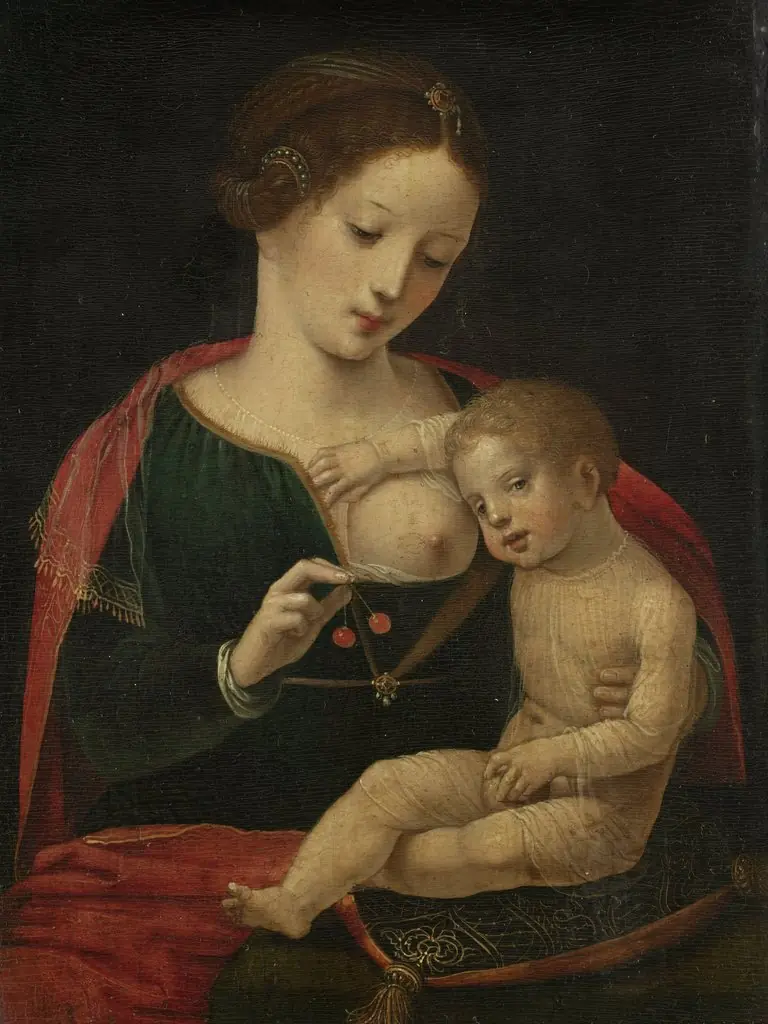
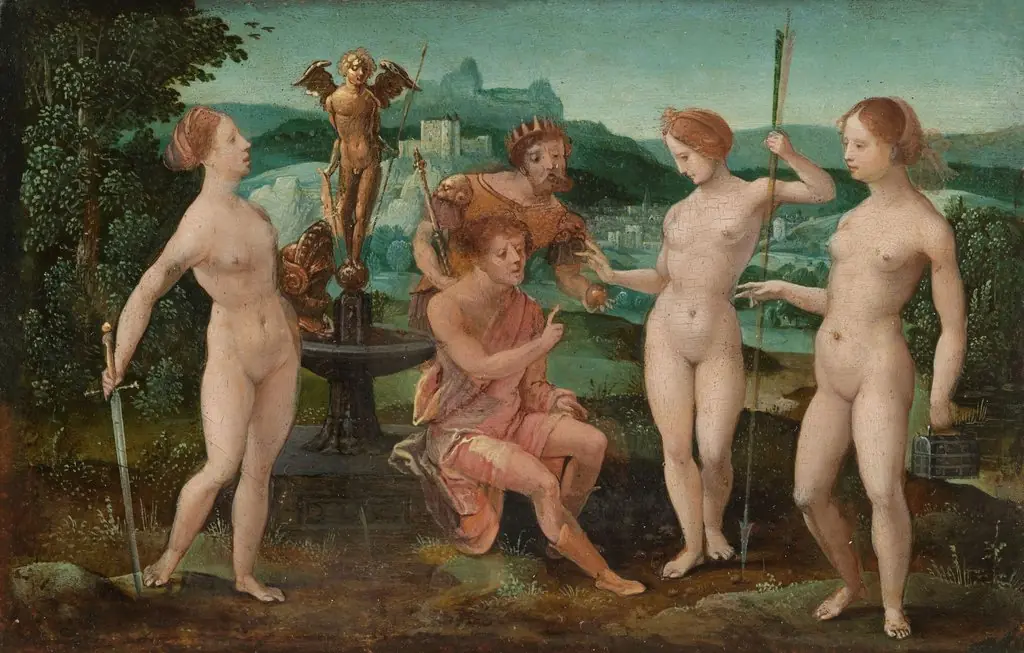
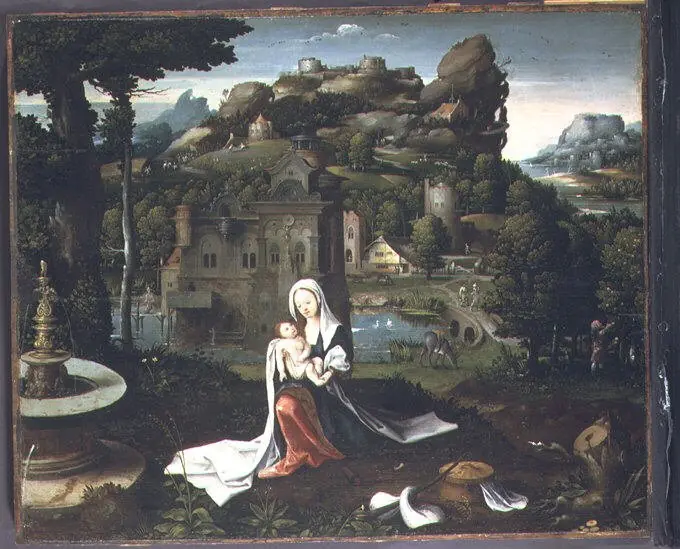
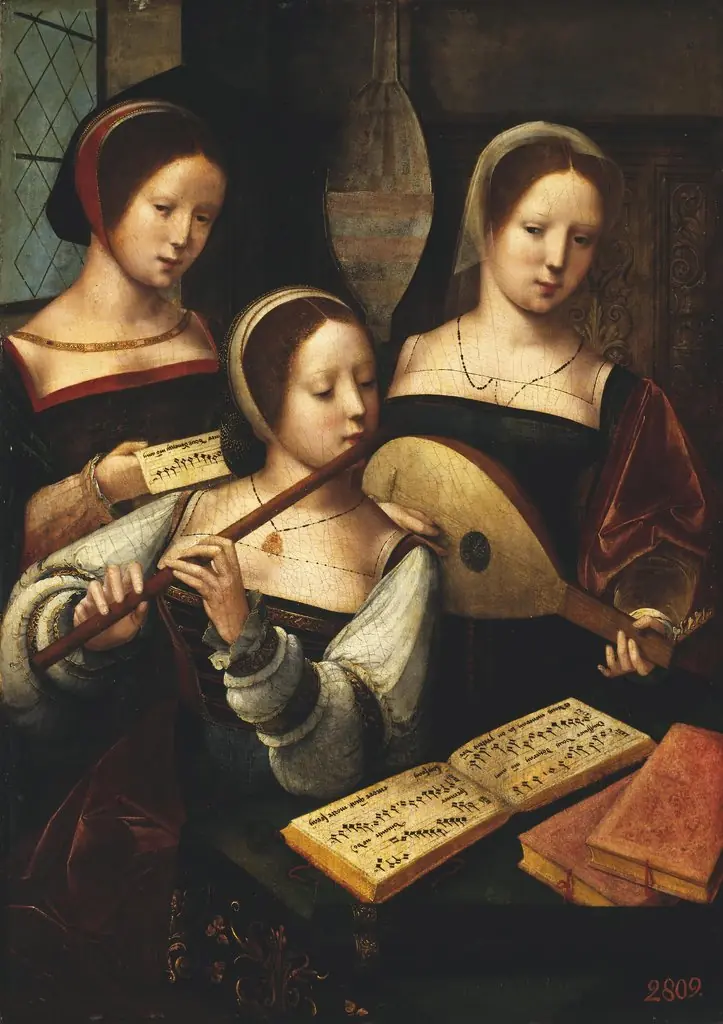
The Master of the Female Half-Lengths is a notname coined by the German art historian Max J.