Artwork
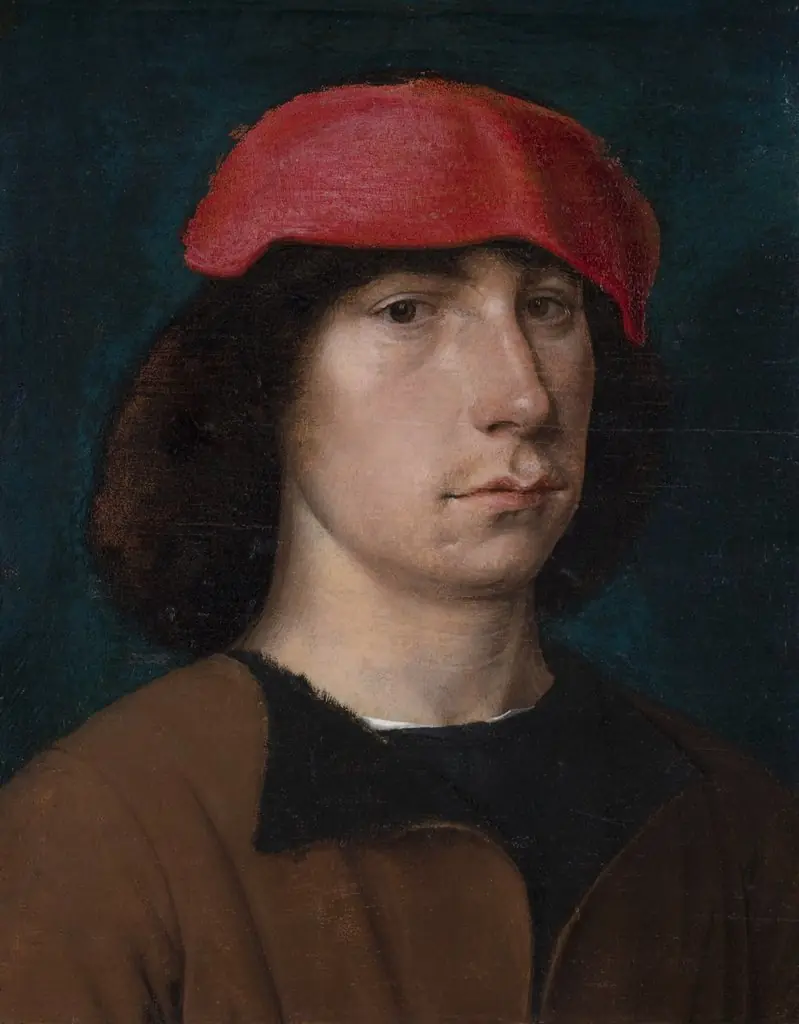
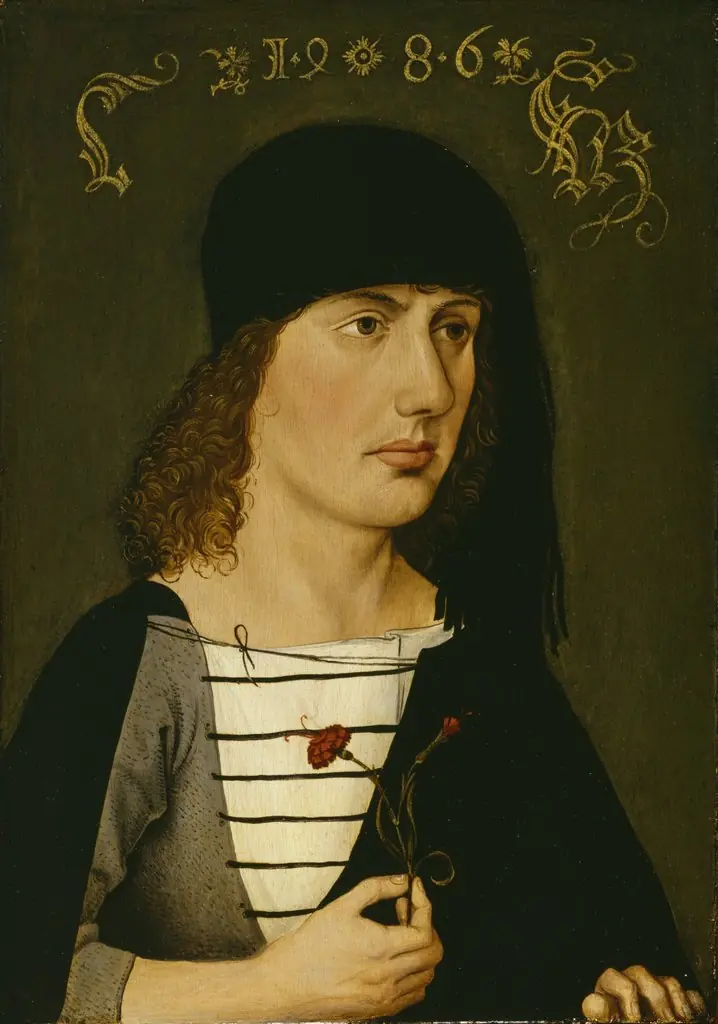
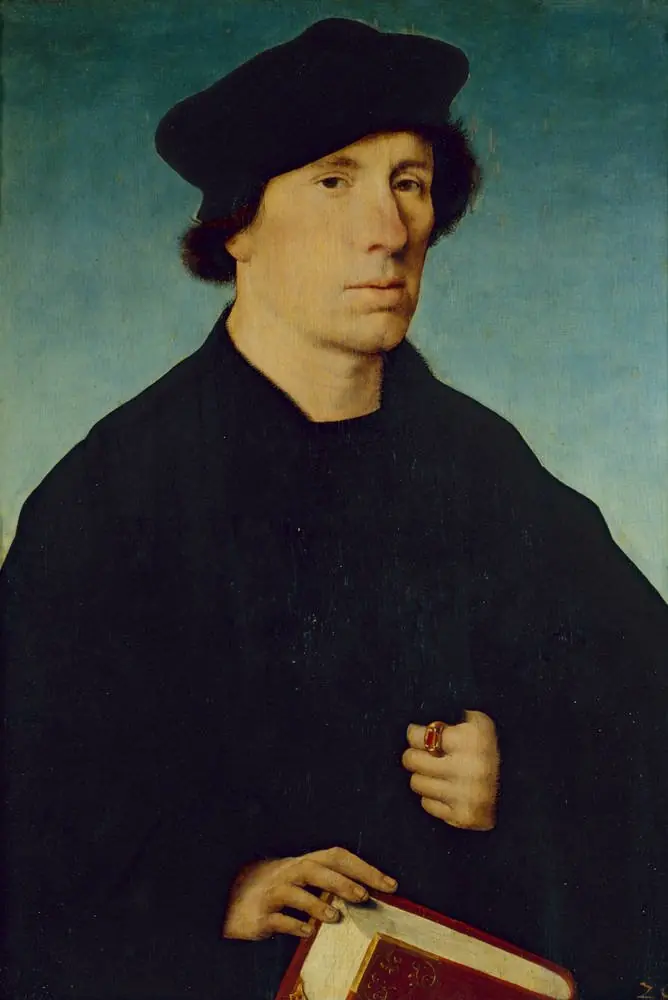
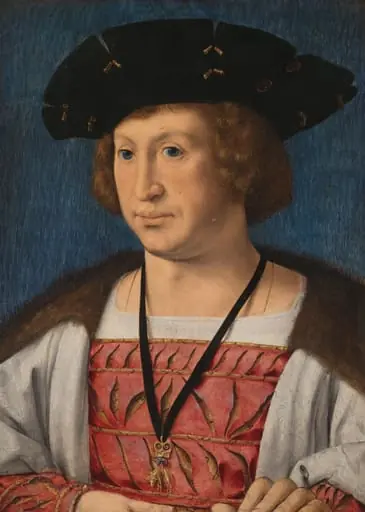
Portrait of a young man
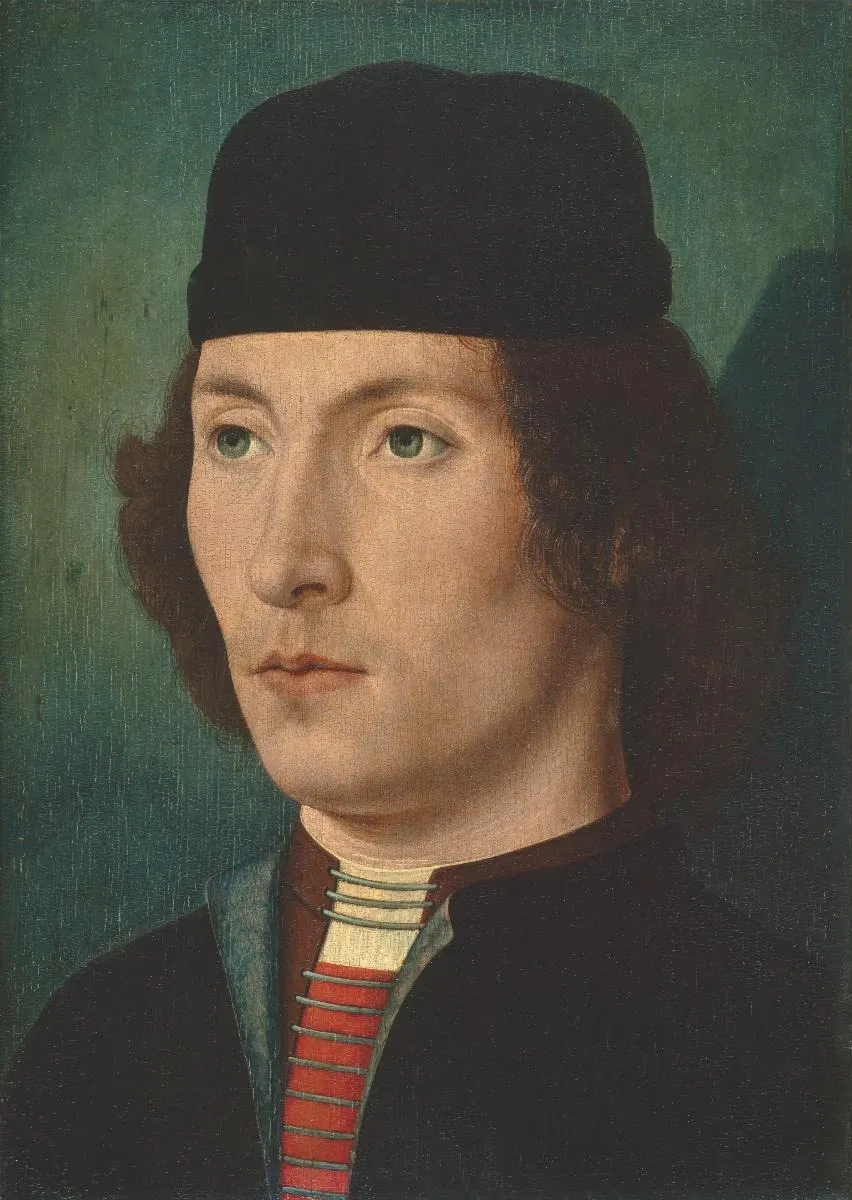
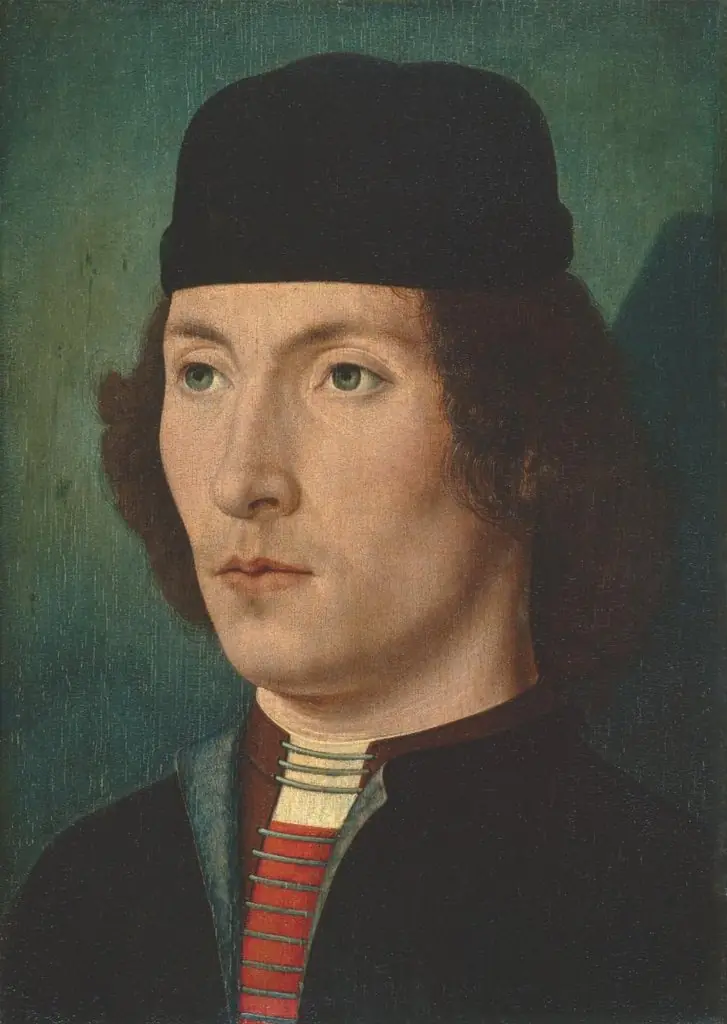
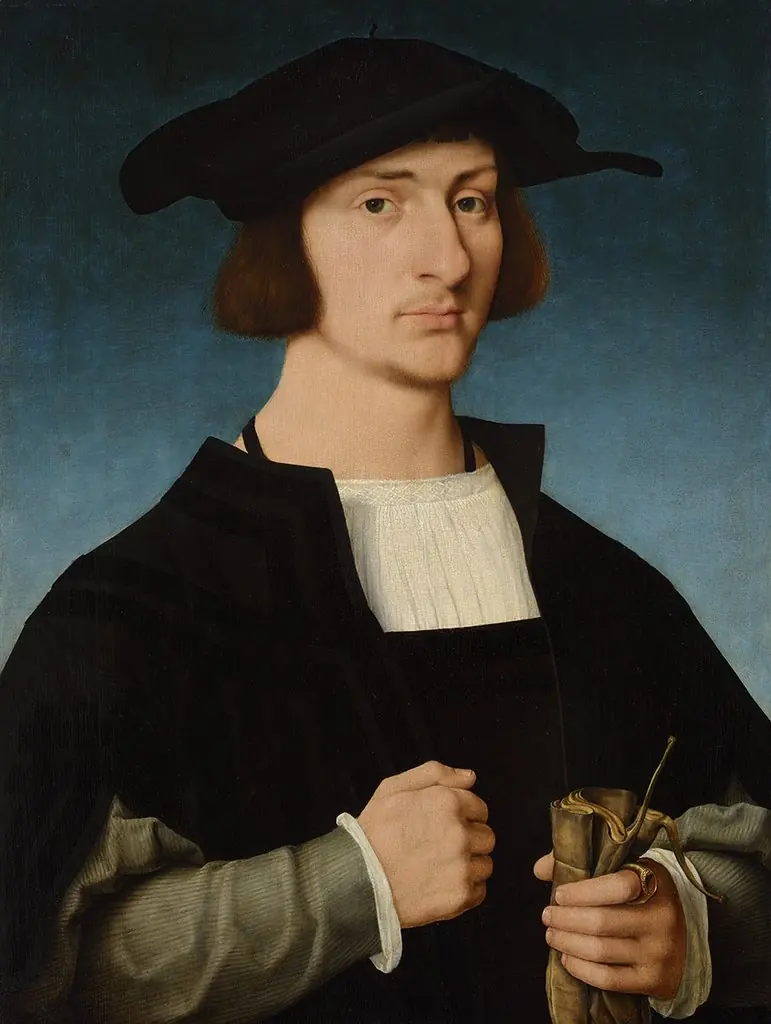
Portrait of a young man is an oil painting by the Northern Renaissance artist Master of the Bruges Legend of St. Ursula. It dates from 1494 and is held in the collection of the Kunsthaus Zürich. Painted in 1494, this oil portrait depicts a young man in quiet contemplation.
About this work
Overview
It resides in the collection of Kunsthaus Zürich, where it is valued for its technical precision and psychological nuance.
Painted in 1494, this oil portrait depicts a young man in quiet contemplation. It is attributed to an anonymous Flemish artist known as the Master of the Bruges Legend of St. Ursula, named after a series of religious panels linked to Bruges. The work exemplifies Northern Renaissance portraiture through its restrained elegance and attention to subtle detail. It resides in the collection of Kunsthaus Zürich, where it is valued for its technical precision and psychological nuance.
Subject & Meaning
The subject is a young man, likely from a merchant or civic elite family, rendered with solemn composure. His direct gaze and still posture suggest self-possession rather than theatrical display. The absence of symbols or context invites focus on his presence alone, reflecting a shift toward individual identity in late 15th-century Flemish art. His attire—black outer garment over a striped underlayer—signals modest affluence without ostentation.
Technique & Style
The artist employed oil glazing to build depth in skin tones and fabric textures, achieving a lifelike luminosity. Fine brushwork defines the curl of dark hair, the sheen of the black hat, and the subtle folds of the striped shirt. The muted green background isolates the figure, enhancing focus on facial expression. The technique reflects the Northern Renaissance emphasis on material realism, where every surface is rendered with quiet precision.
History & Provenance
The painting’s early history is undocumented, but it entered the Kunsthaus Zürich collection in the 20th century. Its attribution stems from stylistic parallels with a polyptych of St. Ursula, which includes identifiable Bruges landmarks. The artist remains anonymous, known only through a small corpus of works linked by technique and regional motifs. The portrait’s survival without provenance prior to modern times underscores the fragmentary nature of early Netherlandish records.
Context
Created during the height of Flemish portraiture, the work aligns with trends in Bruges and Ghent, where civic elites commissioned intimate likenesses to assert personal dignity. Unlike Italian contemporaries, Northern artists avoided idealization, favoring unembellished observation. The painting’s quiet intensity reflects a cultural moment where inner character, not social status, became a subject of artistic inquiry.
Legacy
Though the artist’s name is lost, this portrait contributes to understanding the evolution of secular portraiture in the late Middle Ages. Its restrained realism influenced later Netherlandish painters who prioritized psychological depth over narrative. Today, it stands as a quiet testament to the skill of anonymous artisans whose work shaped the visual language of Northern European art.
Artist & collection
Artist
Master of the Bruges Legend of St. Ursula
The Master of the Legend of St. Ursula (1436–1505) was a Flemish painter active in the fifteenth century. His name is derived from a polyptych depicting scenes from the life of Saint Ursula painted for the convent of…

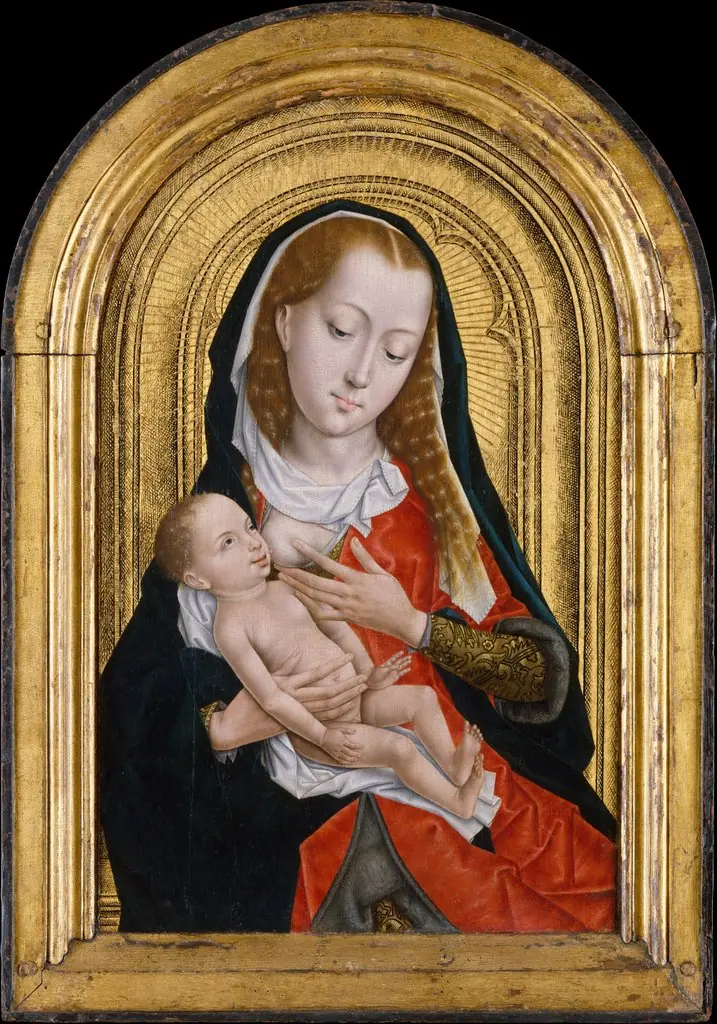 Virgin and Child
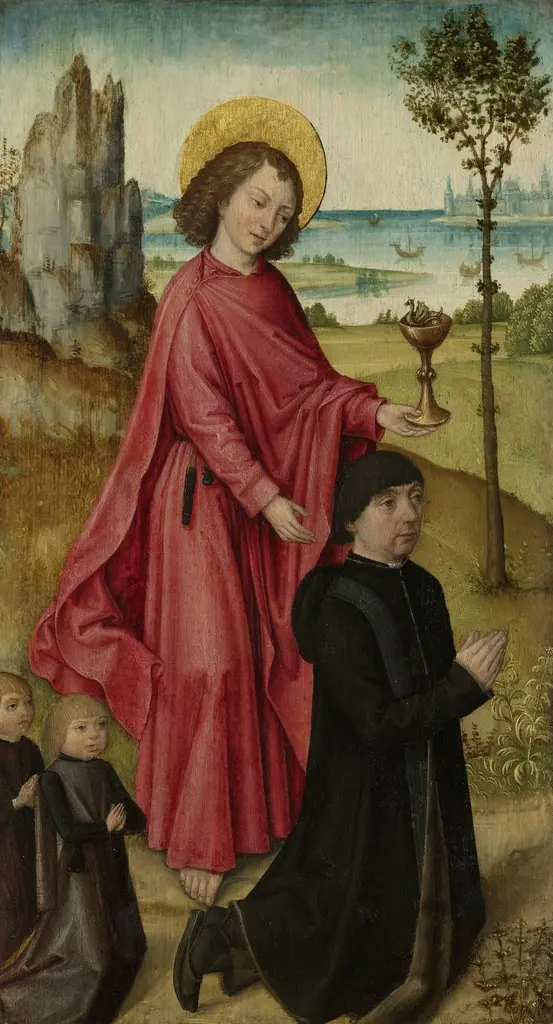 Inner left wing of a triptych with the donor, his two sons and St John the Evangelist
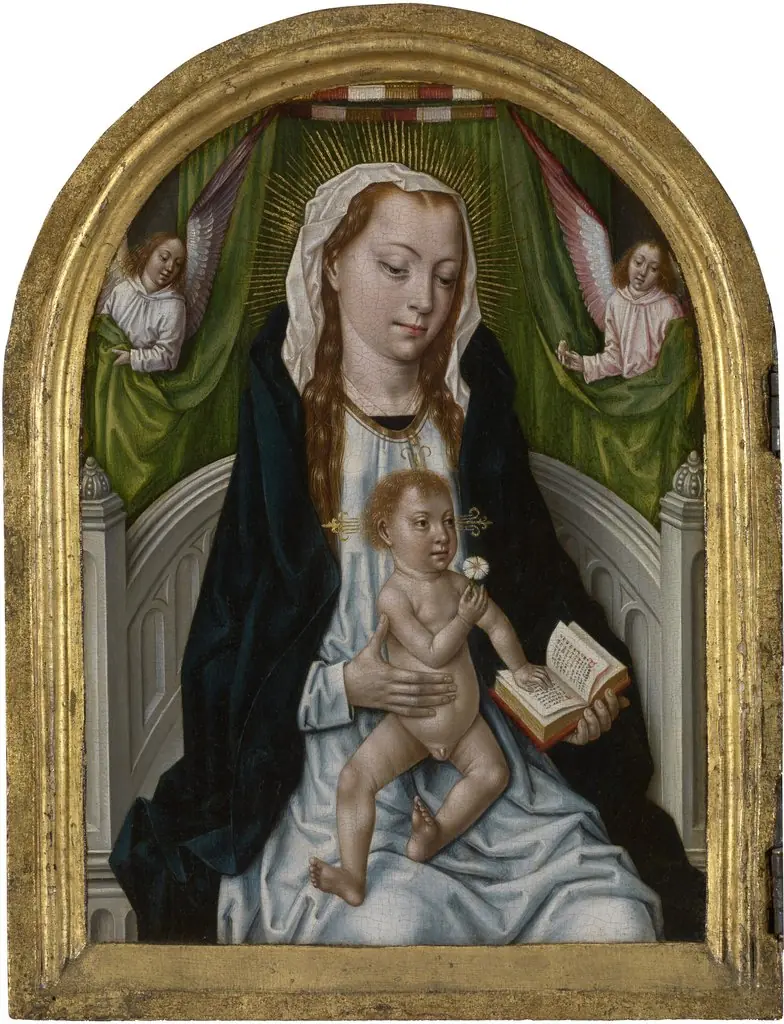 Virgin and Child with Angels
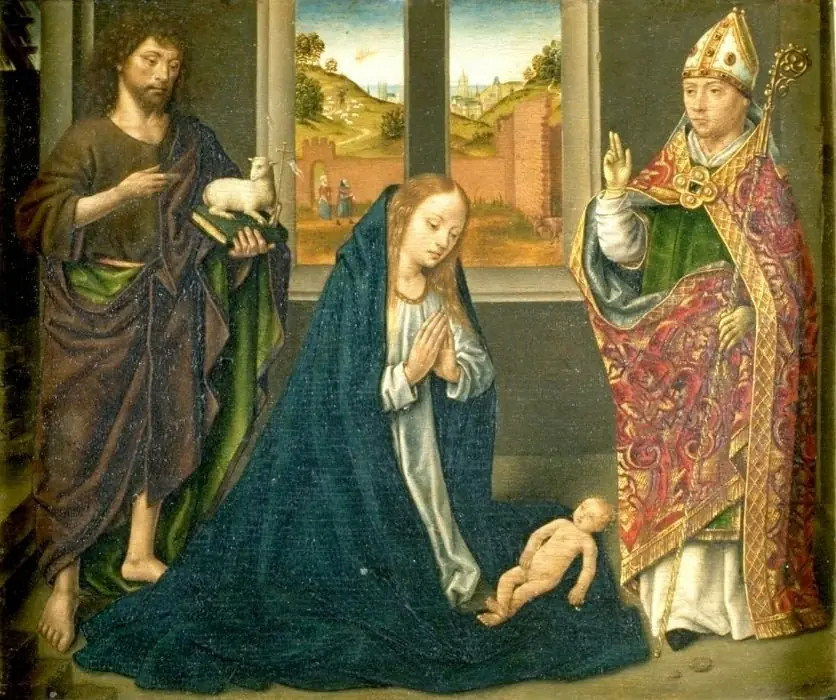 The adoration of the Christ-child and Saints John the Baptist and Donatius
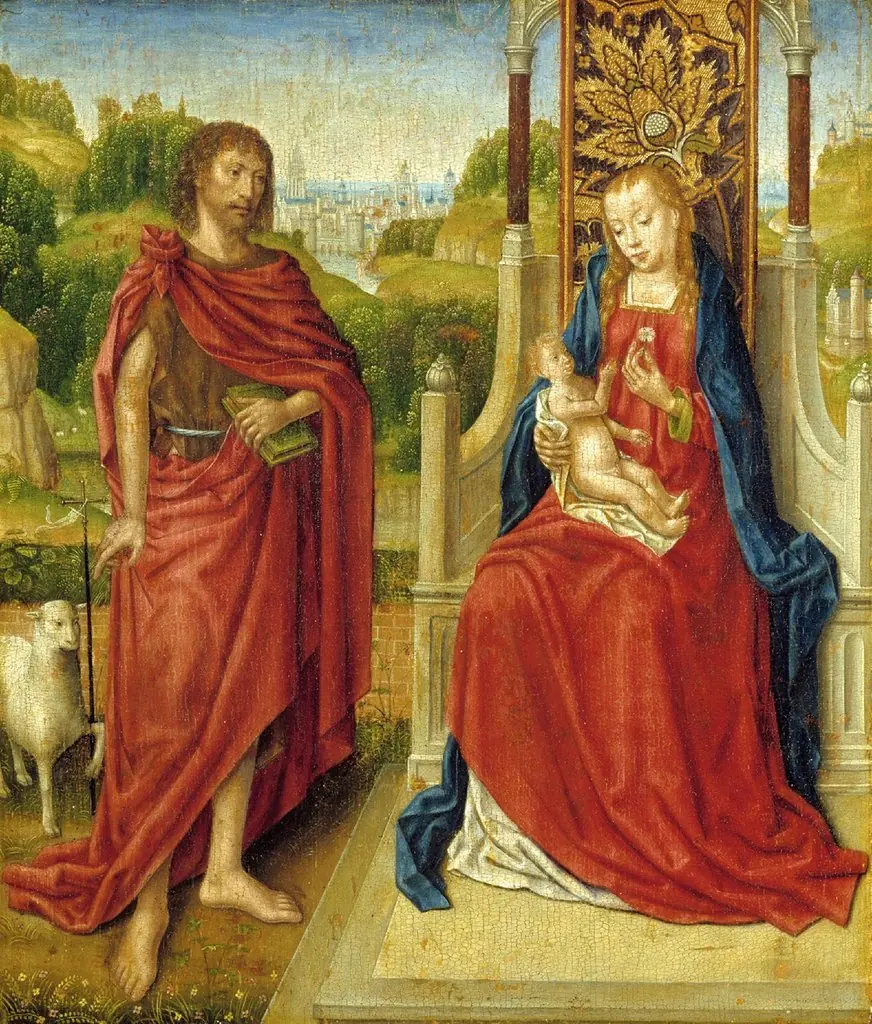 Virgin and Child and Saint John the Baptist
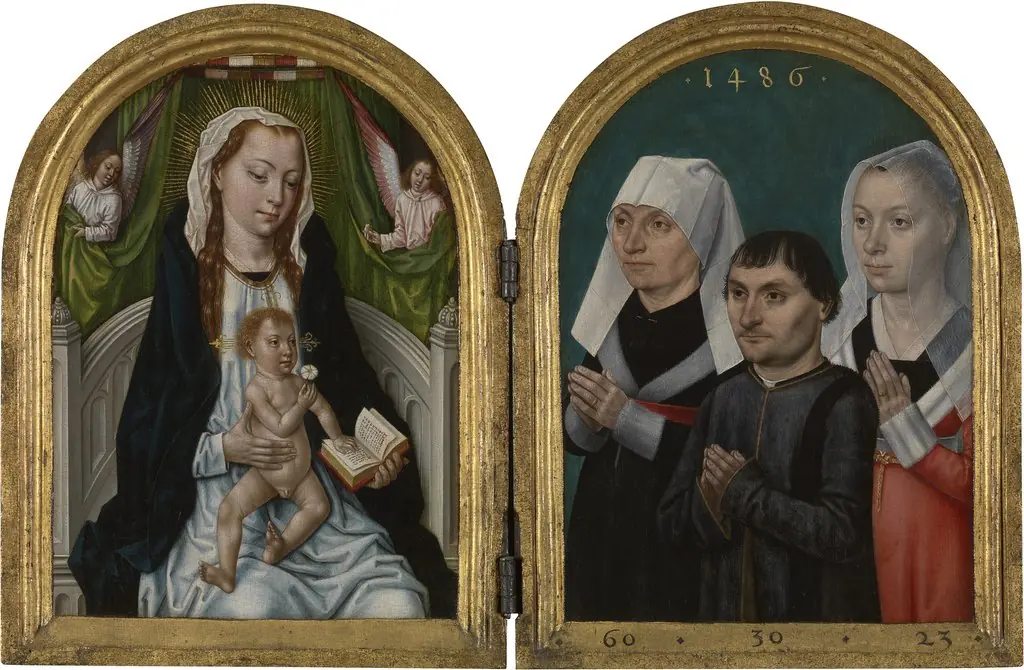 Diptych with the Virgin and Child and Three Donors
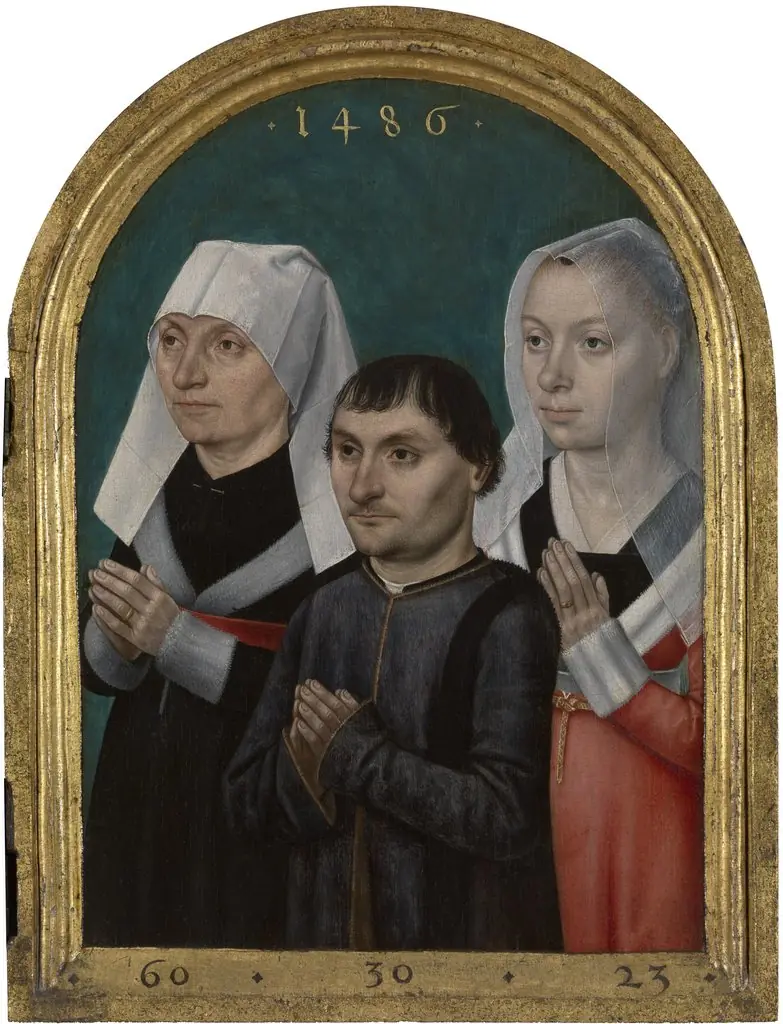 Three Donors
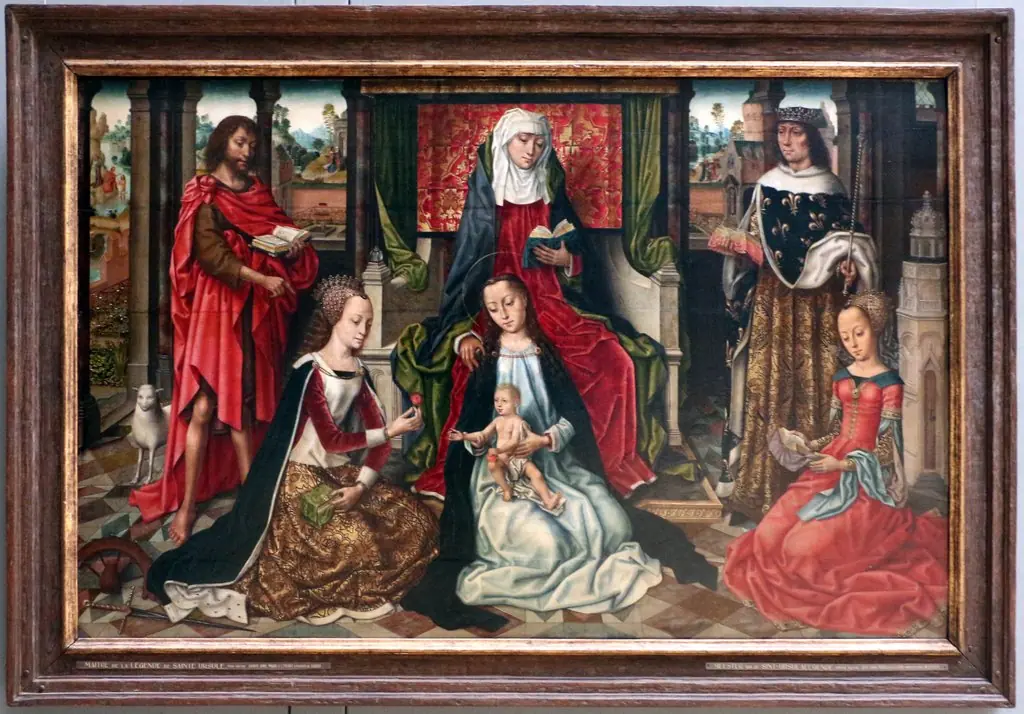 Saint Anne with the Virgin and Child and four saints (John the Baptist, Louis IX, Catherine and Barbara)