Artwork
Card Players
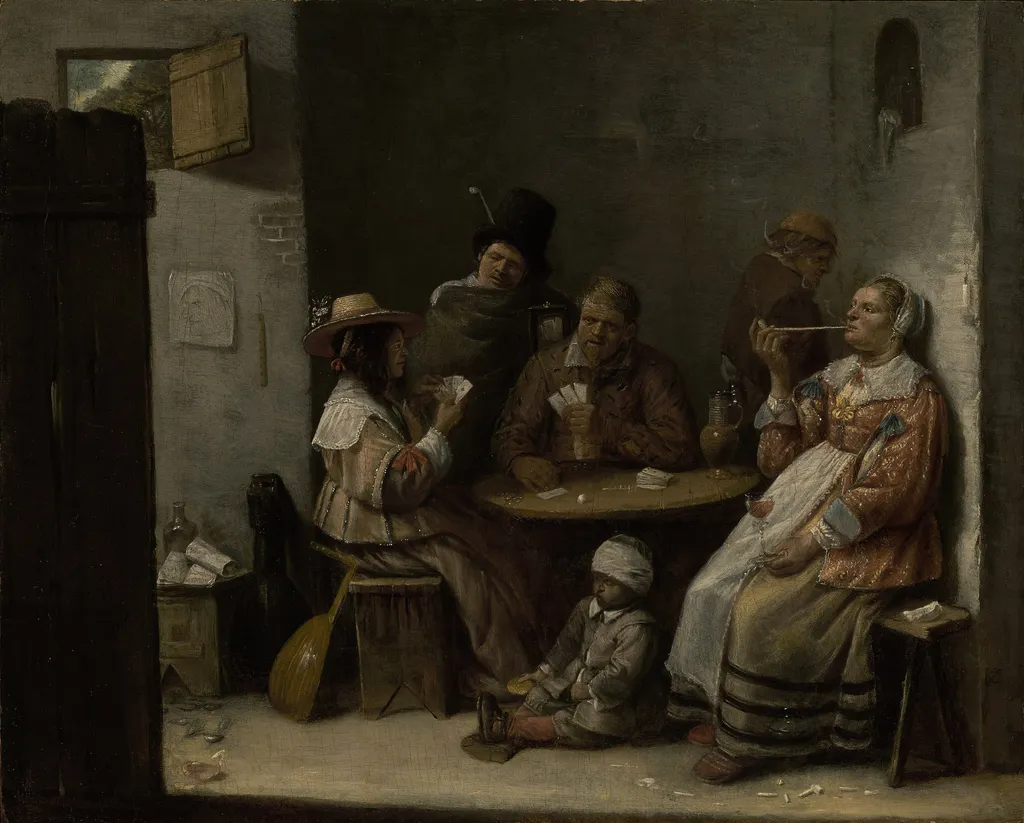
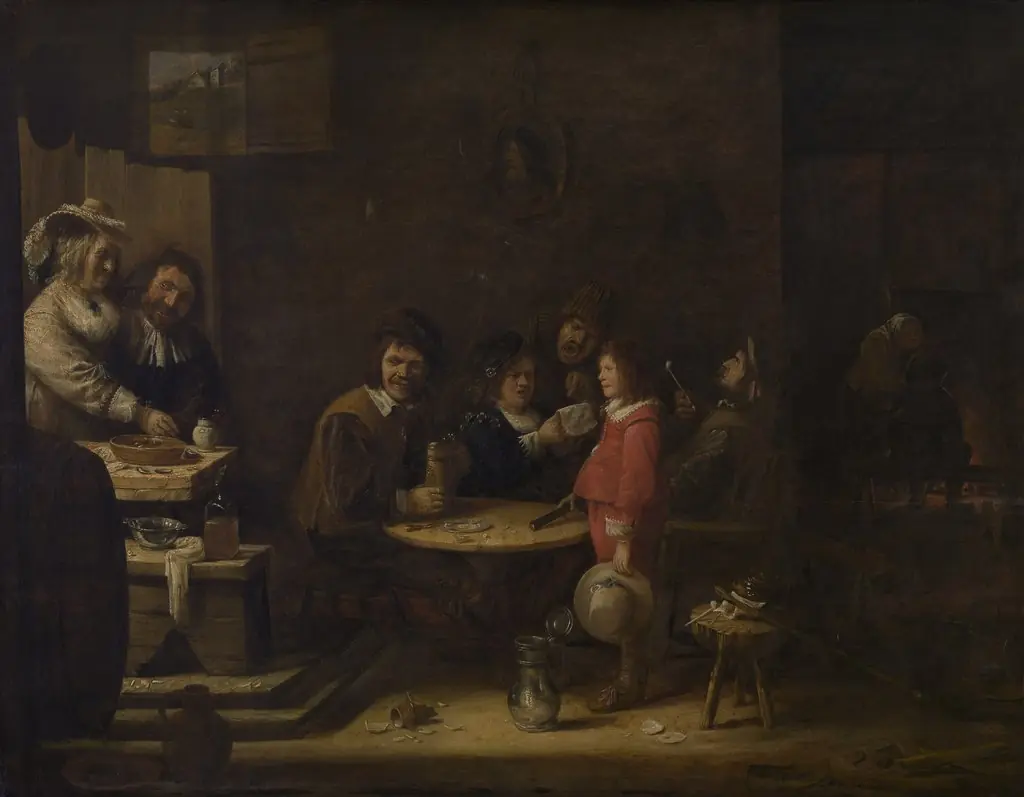
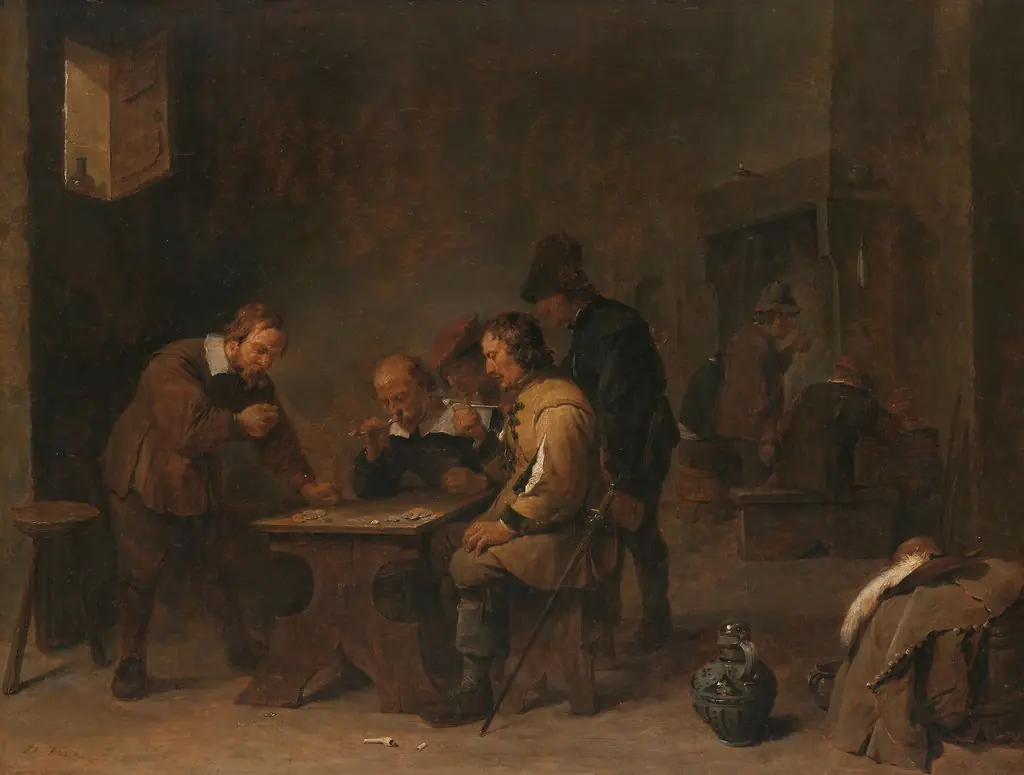
Card Players is an oil painting by the Flemish Baroque painting artist Joos van Craesbeeck. It dates from 1645 and is held in the collection of the J. Paul Getty Museum.
About this work
Overview
Joos van Craesbeeck’s *Card Players* (1645) is an oil painting that captures a modest interior scene of a card game. Executed in the mid‑17th century, the work exemplifies the Flemish Baroque interest in everyday subjects and is part of the J. Paul Getty Museum’s collection.
Subject & Meaning
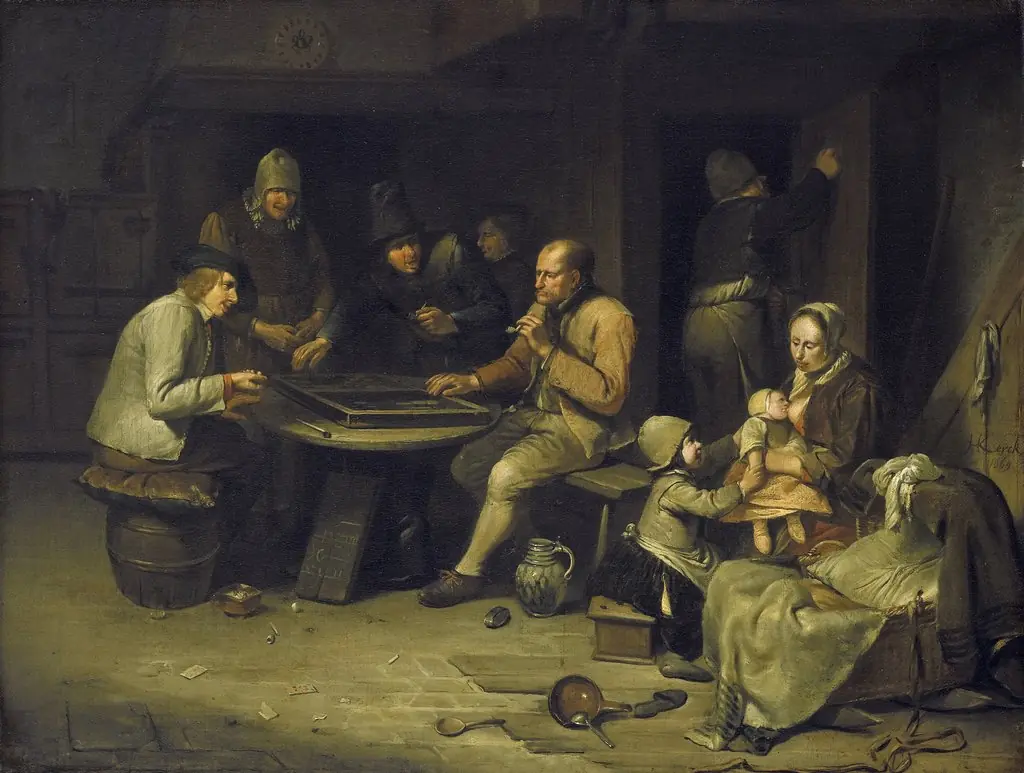
The composition shows several figures gathered around a table, absorbed in a game of cards. A young boy watches from the floor, while the participants, dressed in period attire, convey a quiet focus. The scene reflects a slice of domestic leisure, hinting at social interaction across age and gender within a modest setting.
Technique & Style
Craesbeeck employs chiaroscuro, allowing a single window on the left to illuminate the figures against a darkened room. The contrast of light and shadow creates depth and emphasizes the textures of clothing and objects. The brushwork is detailed yet restrained, typical of Flemish genre painting of the era.
History & Provenance
Created in 1645, the painting remained within private collections before entering the Getty Museum. Its provenance traces through several European owners, reflecting the work’s appreciation among collectors of Flemish Baroque genre scenes.
Context
During the 17th century, Flemish artists frequently portrayed tavern and domestic interiors, focusing on ordinary people rather than aristocratic subjects. Van Craesbeeck, a contemporary of David Teniers the Younger, contributed to this tradition by depicting everyday leisure activities with a realistic eye.
Own this work as a print
Artist & collection
Artist
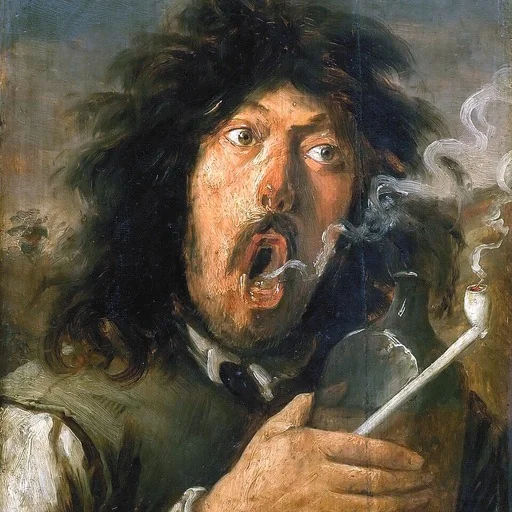
Joos van Craesbeeck (c. 1605/06 – c. 1660) was a Flemish baker and a painter who played an important role in the development of Flemish genre painting in the mid-17th century through his tavern scenes and dissolute…