Artwork
El terceto burlesco
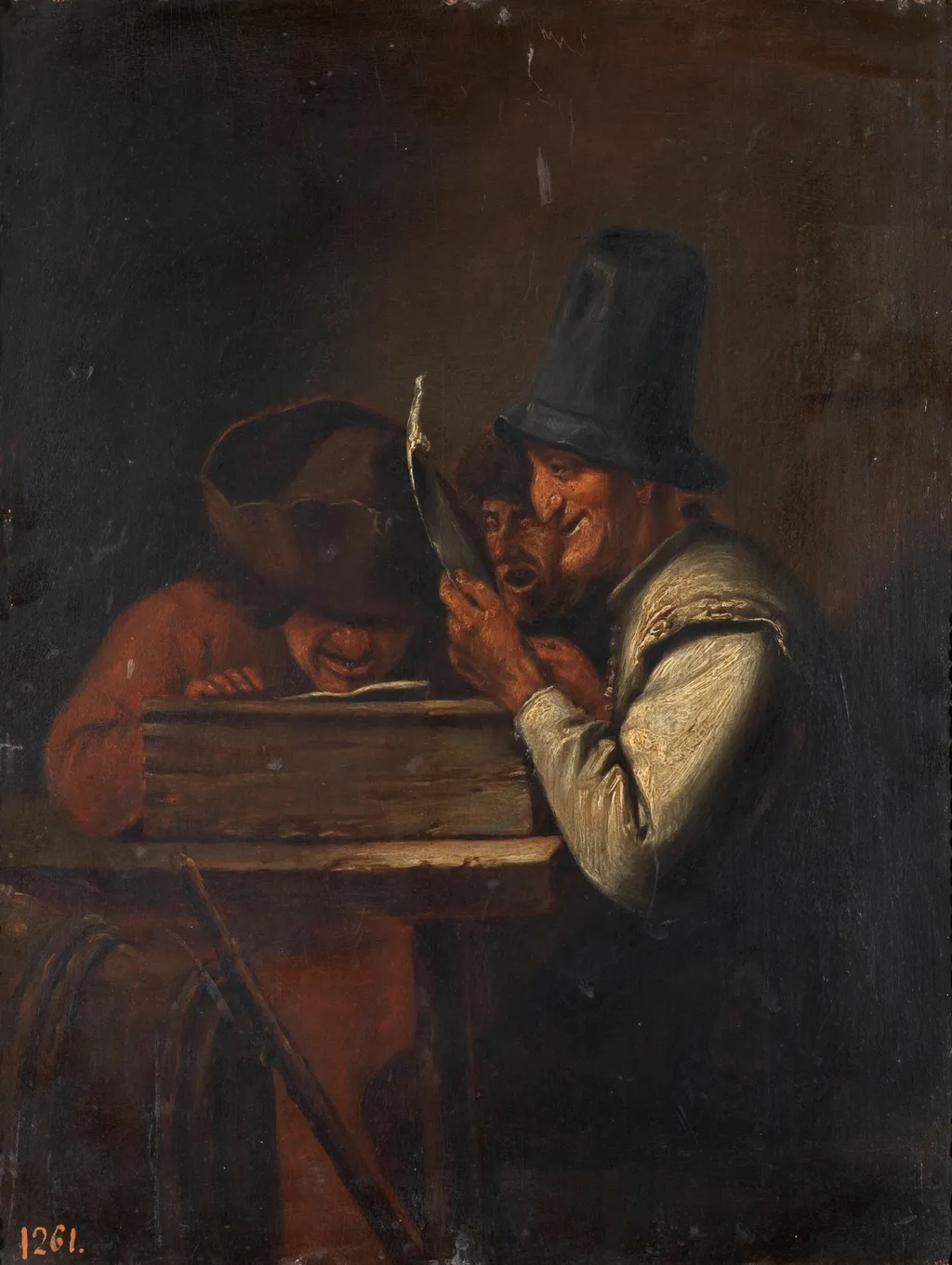
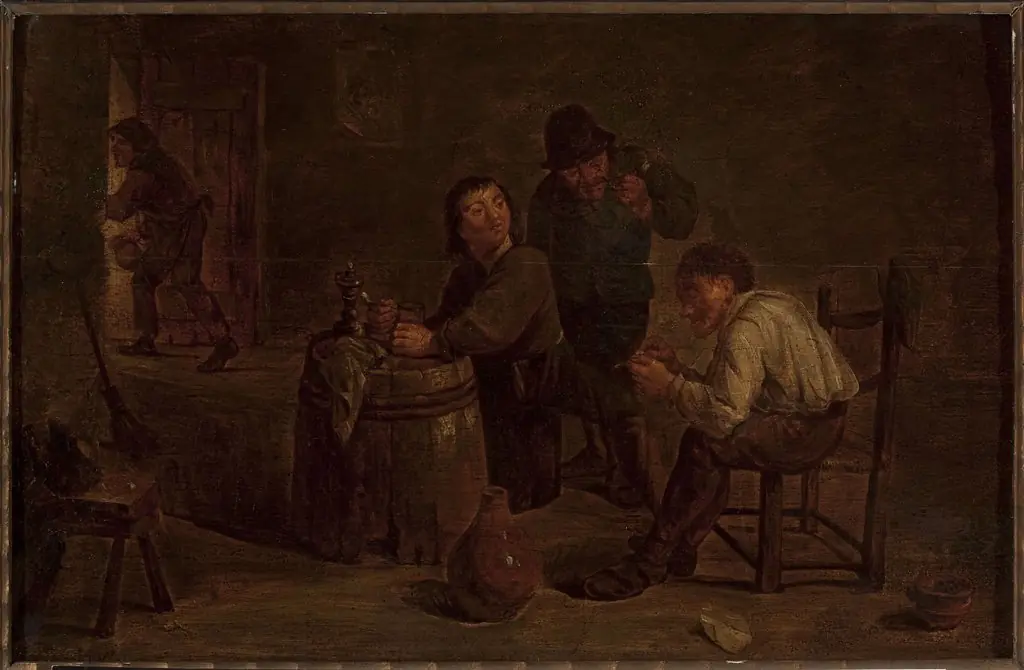
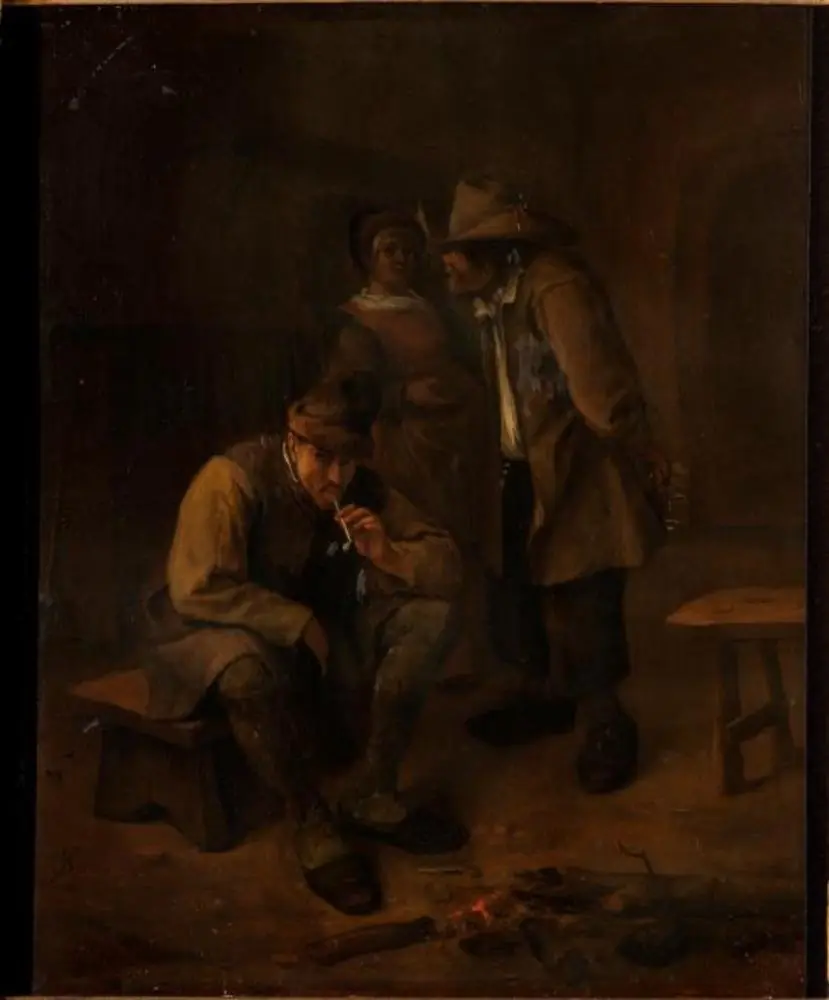
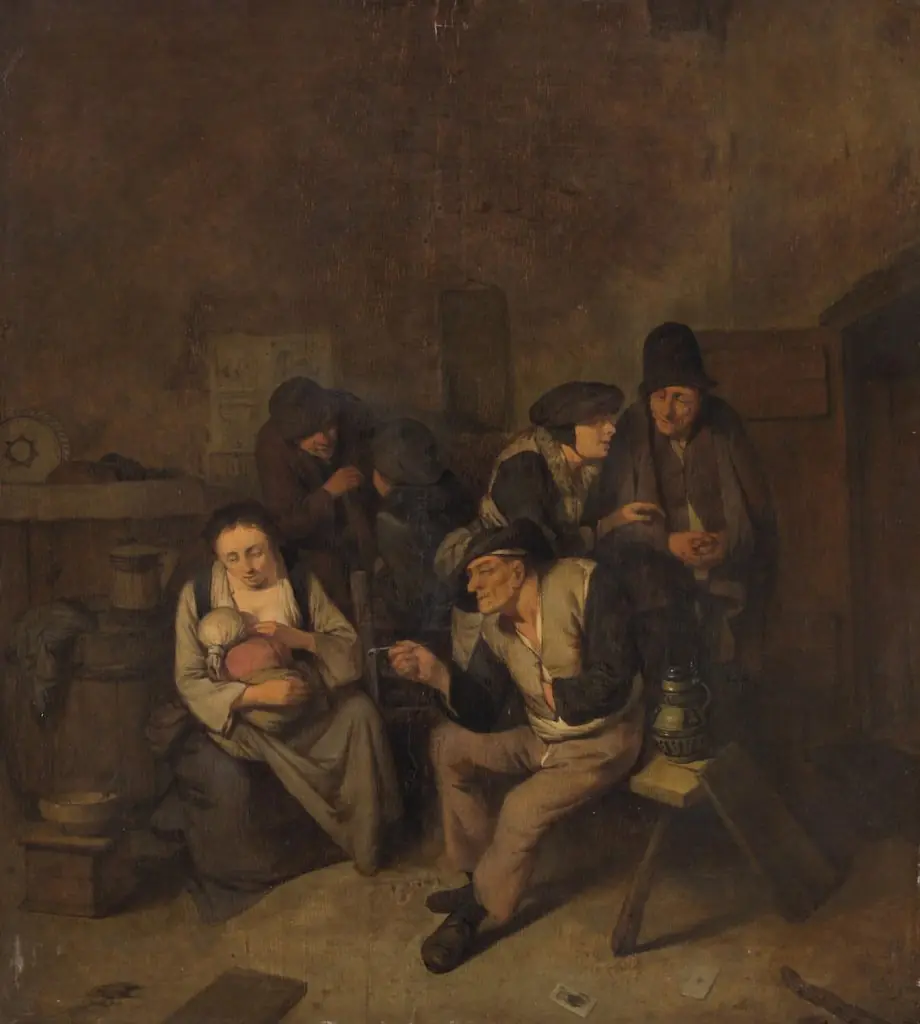
El terceto burlesco is an oil painting by the Flemish Baroque painting artist Joos van Craesbeeck. It dates from 1601 and is held in the collection of the Museo del Prado.
About this work
Overview
El terceto burlesco is an oil-on-panel painting by Joos van Craesbeeck, a Flemish artist active in the early to mid-17th century.
El terceto burlesco is an oil-on-panel painting by Joos van Craesbeeck, a Flemish artist active in the early to mid-17th century. Though sometimes misattributed to an earlier date, the work aligns with his mature period around the 1630s–1650s. It depicts a quiet, intimate moment among common figures, characteristic of van Craesbeeck’s focus on ordinary life. The painting resides in the Museo del Prado’s collection, where it exemplifies Flemish genre painting of the Baroque era.
Subject & Meaning
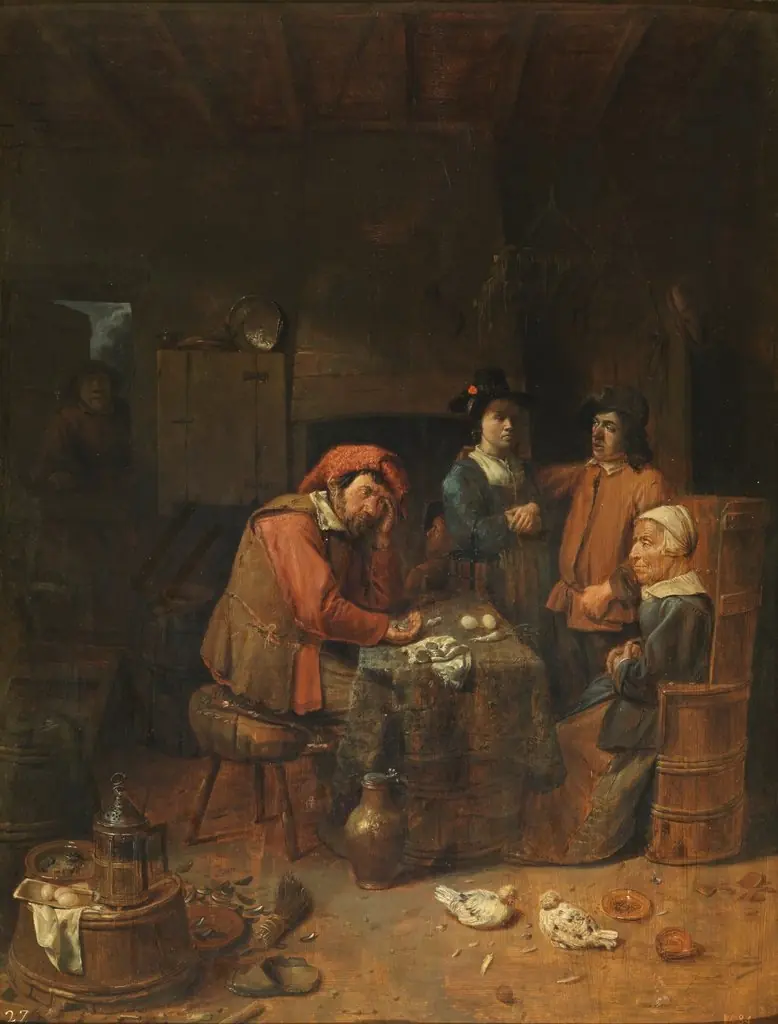
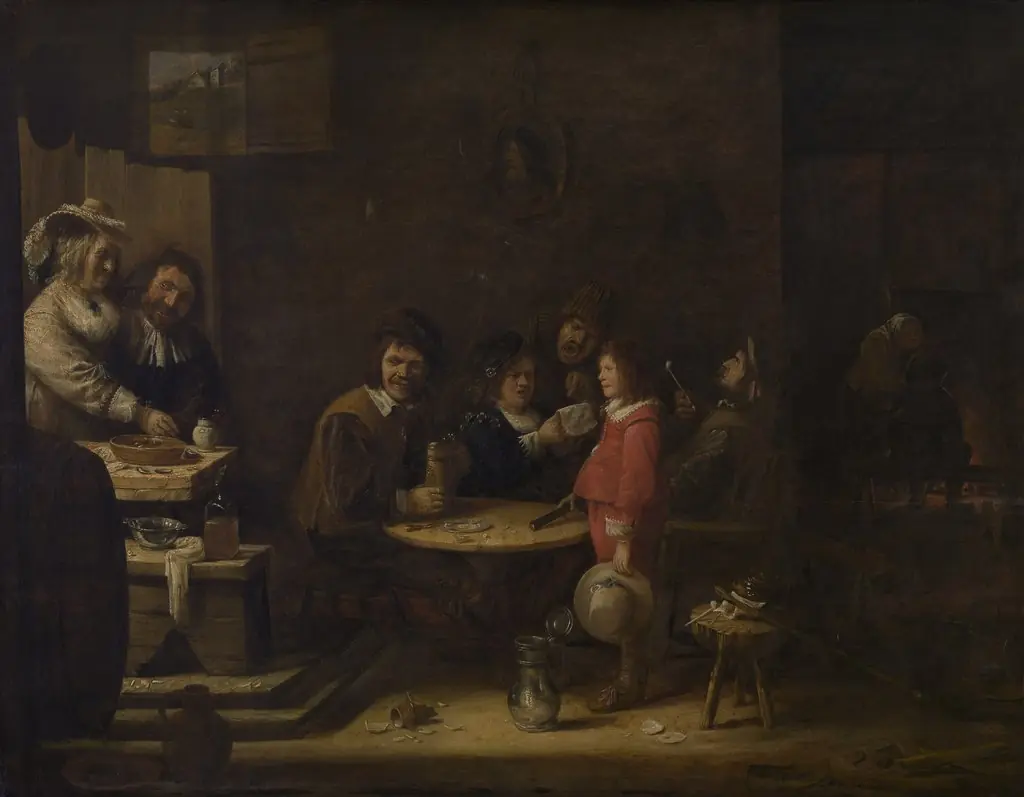
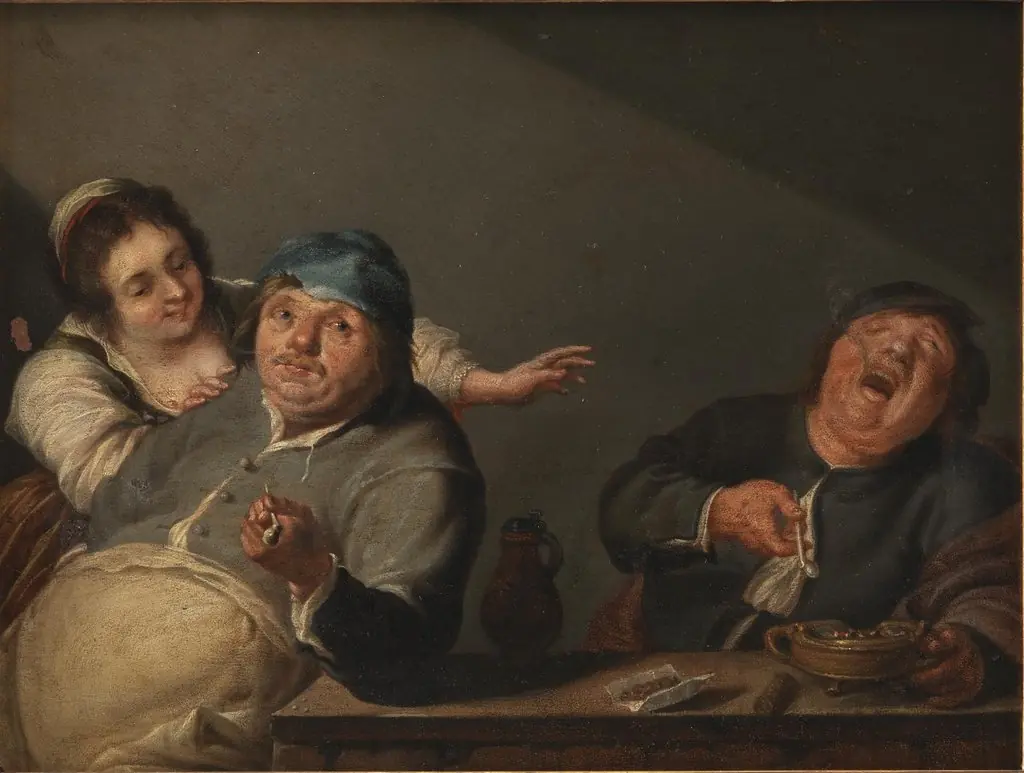
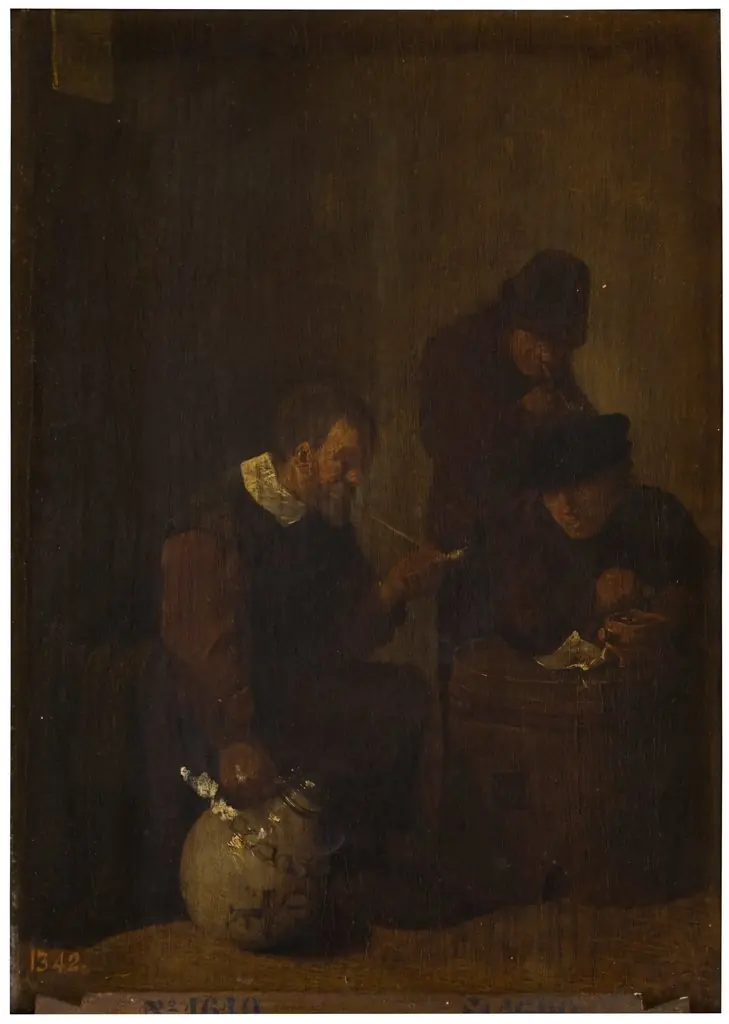
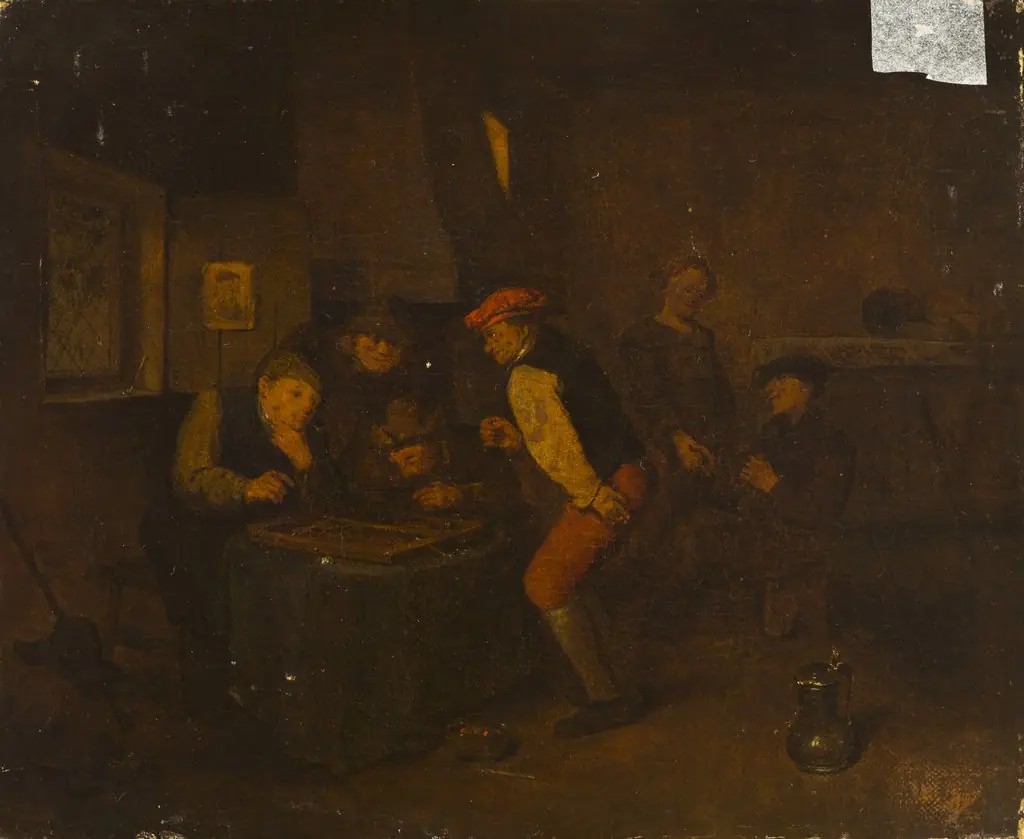
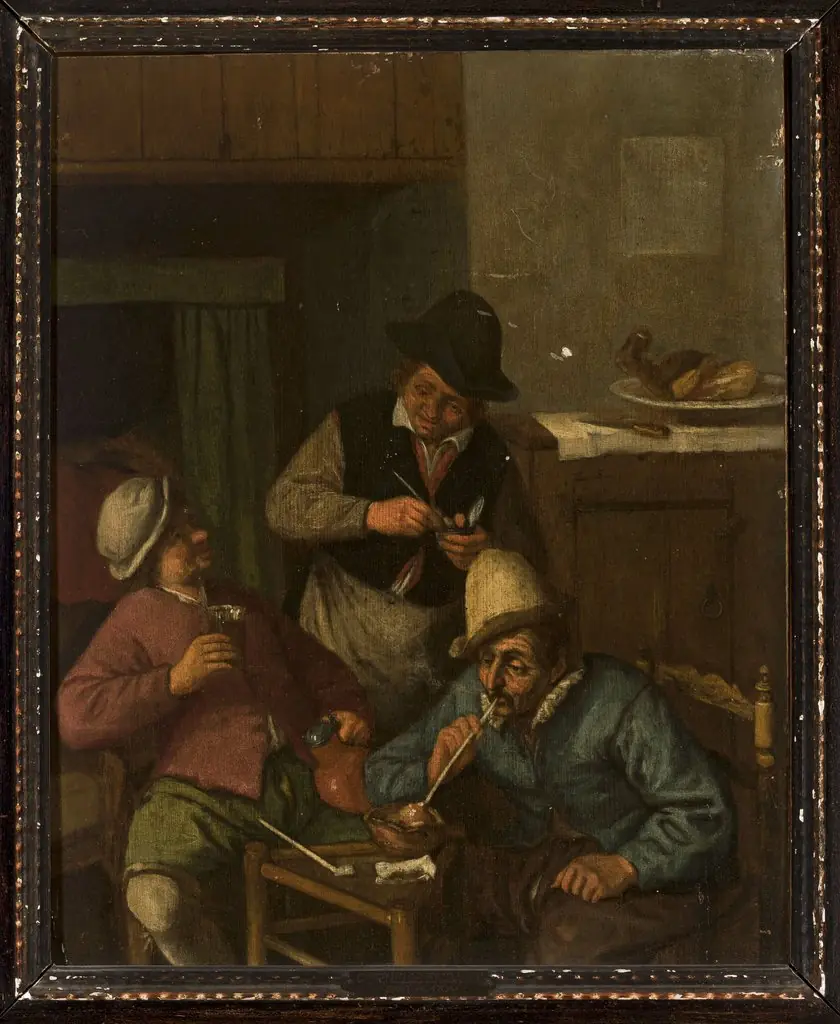
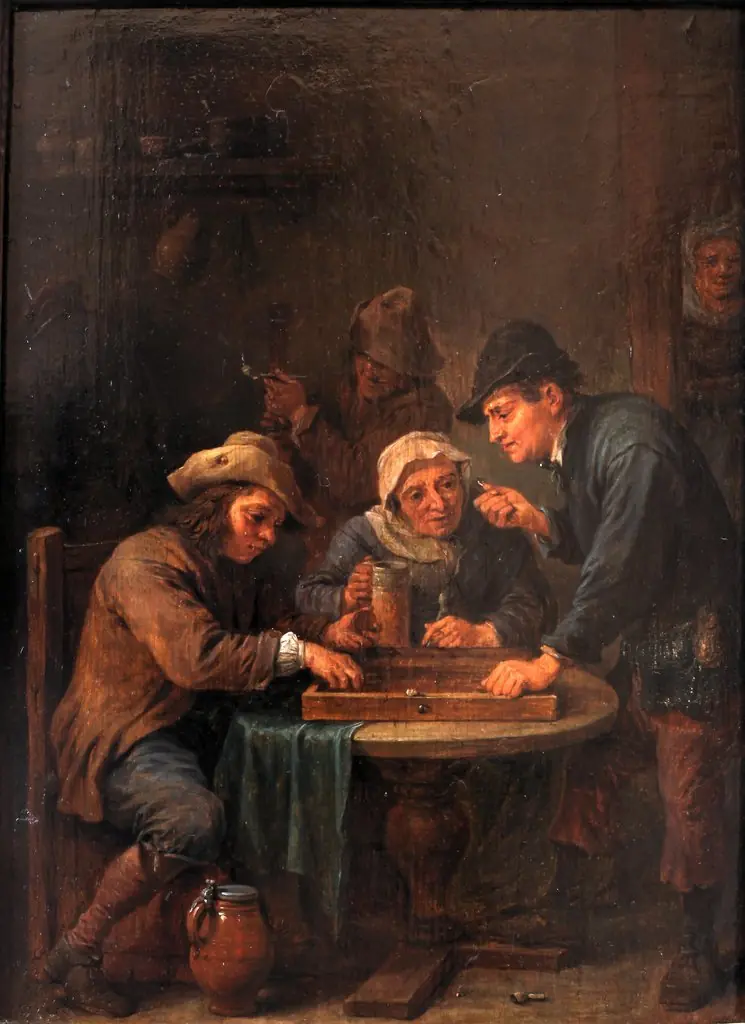
The painting shows two men hunched over a table, their faces intent on a small, unseen object—perhaps a coin, a card, or a trinket. Their expressions suggest concentration, possibly deception or amusement. No clear narrative is given, but the scene evokes the informal, sometimes rowdy social rituals of tavern culture. The absence of a third figure, implied by the title, adds a subtle tension, leaving the viewer to imagine the missing participant’s role.
Technique & Style
Van Craesbeeck employs chiaroscuro to isolate the figures against a near-black background, heightening the drama of their interaction. Warm tones in their skin and clothing emerge from deep shadows, creating a sense of volume and immediacy. The brushwork is precise yet unembellished, favoring naturalism over idealization. The composition’s tight framing and focused lighting draw attention to the subtle gestures and expressions of the subjects, reinforcing the painting’s intimate tone.
History & Provenance
The painting entered the Museo del Prado’s collection in the 19th century, likely through royal or aristocratic acquisitions. Its attribution to van Craesbeeck was confirmed through stylistic analysis and comparison with his signed works. Though its early ownership is undocumented, its preservation in Spain suggests it may have been acquired during the Habsburg period, when Flemish art was highly valued in Spanish courts.
Context
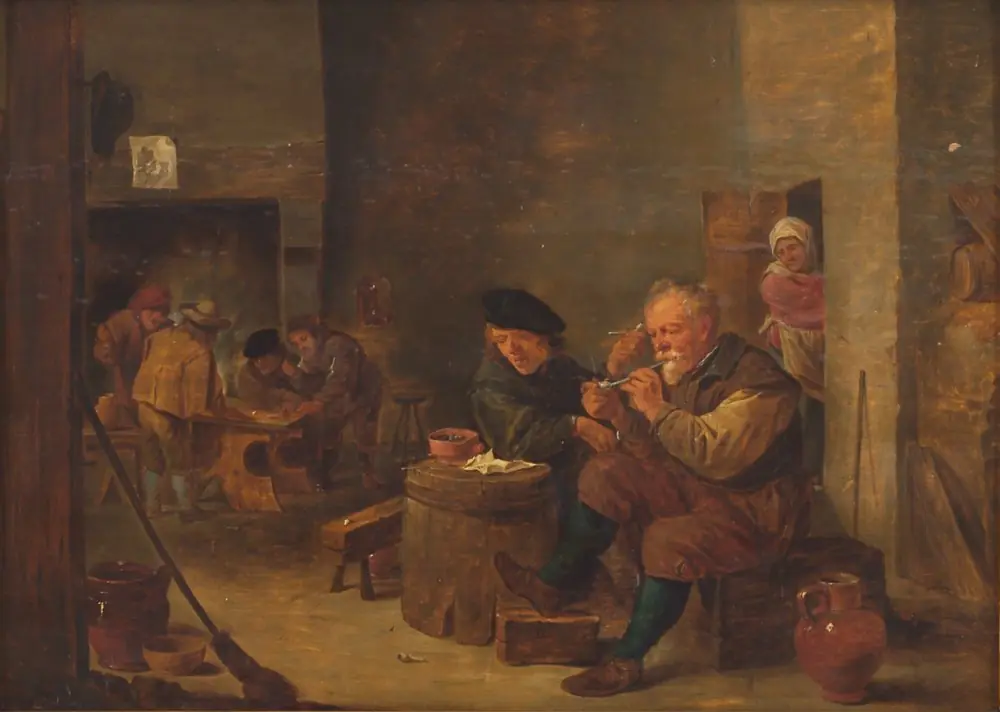
Van Craesbeeck worked within a tradition of Flemish genre painting that included artists like Pieter Bruegel the Elder and Adriaen Brouwer. His scenes of taverns, drinkers, and quiet moments reflected broader European interest in the lives of common people. Unlike moralizing depictions, his work avoids overt judgment, instead presenting everyday behavior with observational neutrality, aligning with the regional shift toward secular, human-centered subjects in the 17th century.
Legacy
El terceto burlesco remains a representative example of van Craesbeeck’s contribution to Flemish genre painting. It illustrates how light, composition, and subtle expression could convey psychological depth without narrative spectacle. While not widely known outside scholarly circles, the painting continues to inform studies of Baroque realism and the depiction of ordinary life in early modern Europe.
Own this work as a print
Artist & collection
Artist
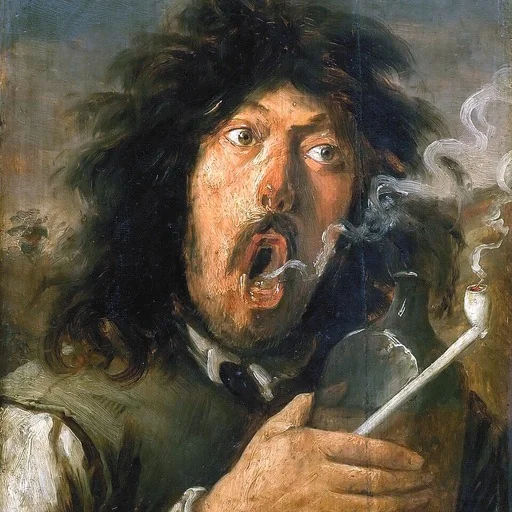
Joos van Craesbeeck (c. 1605/06 – c. 1660) was a Flemish baker and a painter who played an important role in the development of Flemish genre painting in the mid-17th century through his tavern scenes and dissolute…