Artwork
Mann mit Totenkopf
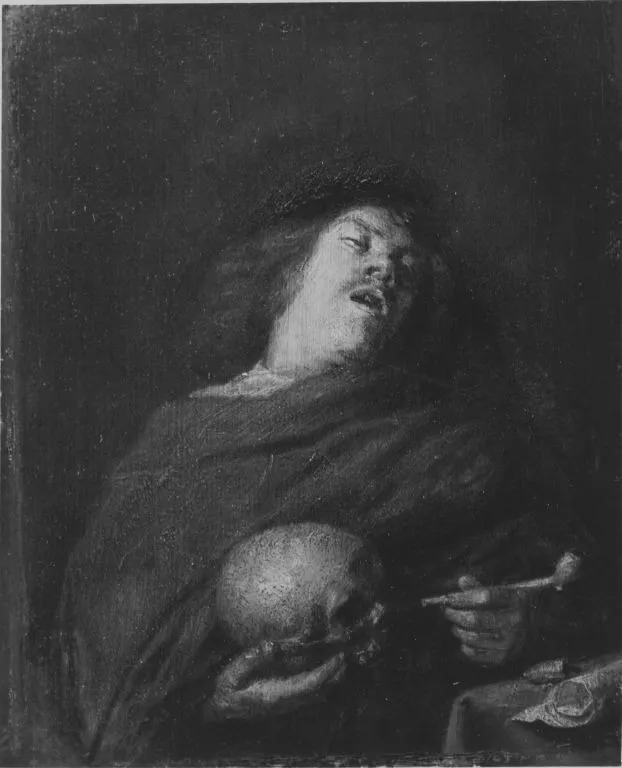
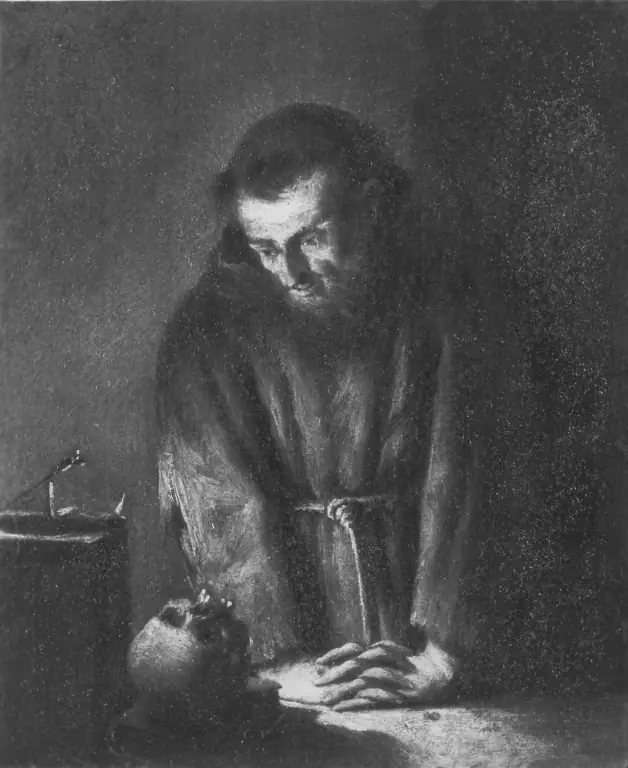
Mann mit Totenkopf is an unspecified painting by the Flemish Baroque painting artist Joos van Craesbeeck. It dates from 1633 and is held in the collection of the Bavarian State Painting Collections.
About this work
Overview
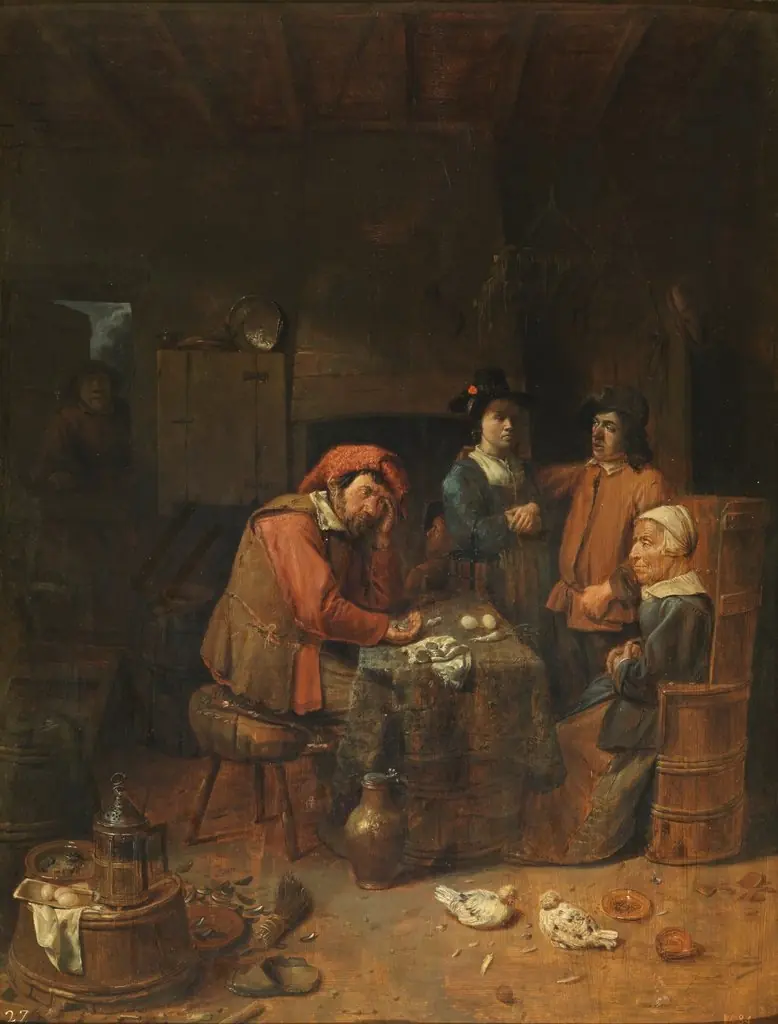
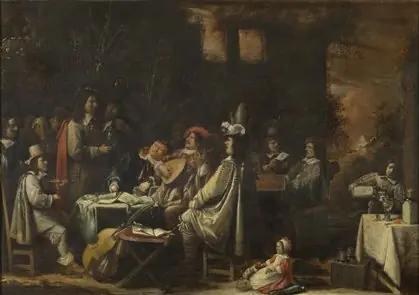
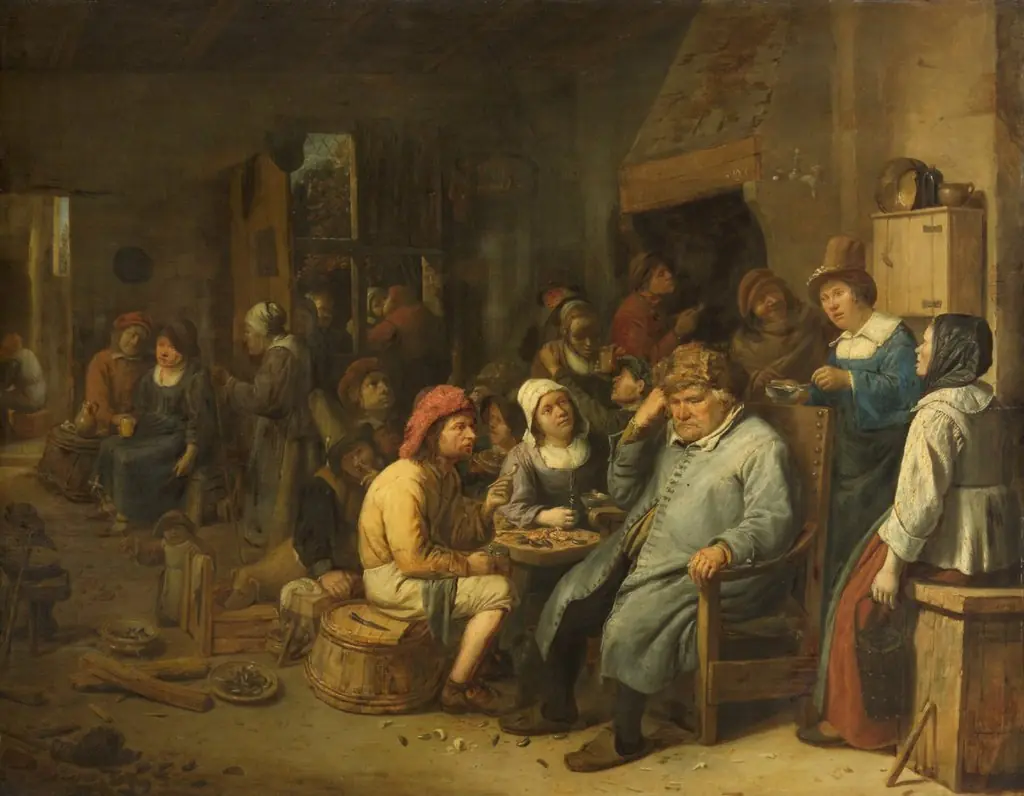
Joos van Craesbeeck, a Flemish painter active in the first half of the seventeenth century, completed the work titled *Mann mit Totenkopf* in 1633. Executed during the height of the Flemish Baroque, the painting belongs to his series of genre scenes that often focus on everyday figures, ranging from tavern patrons to members of the middle class.
Subject & Meaning
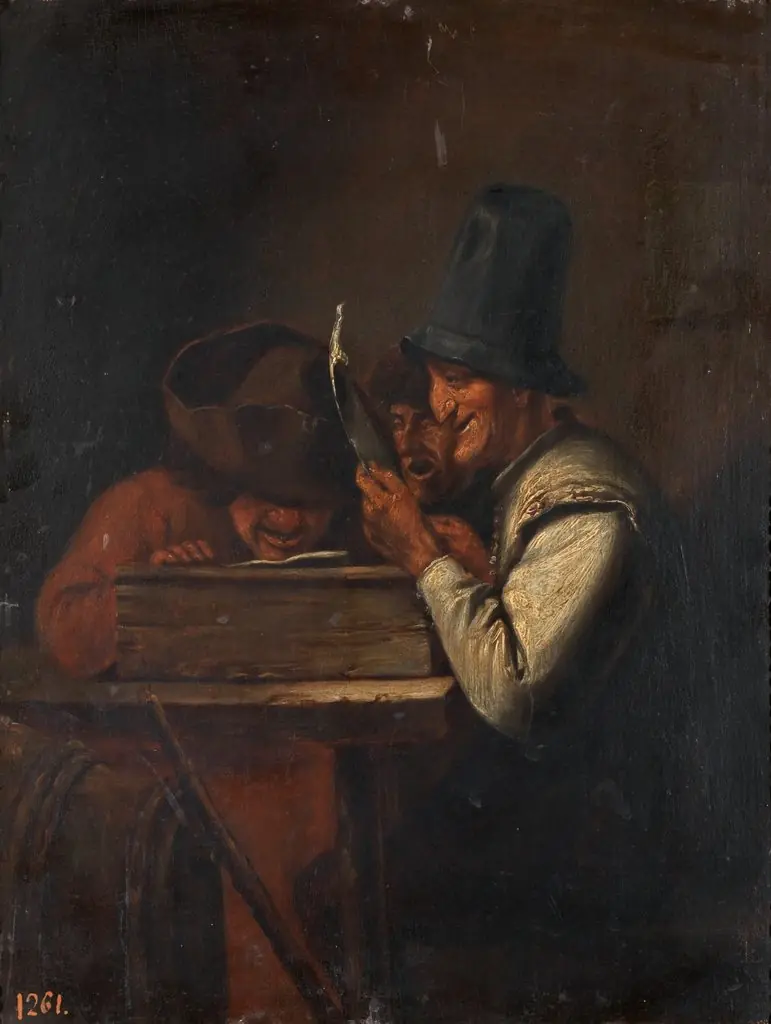
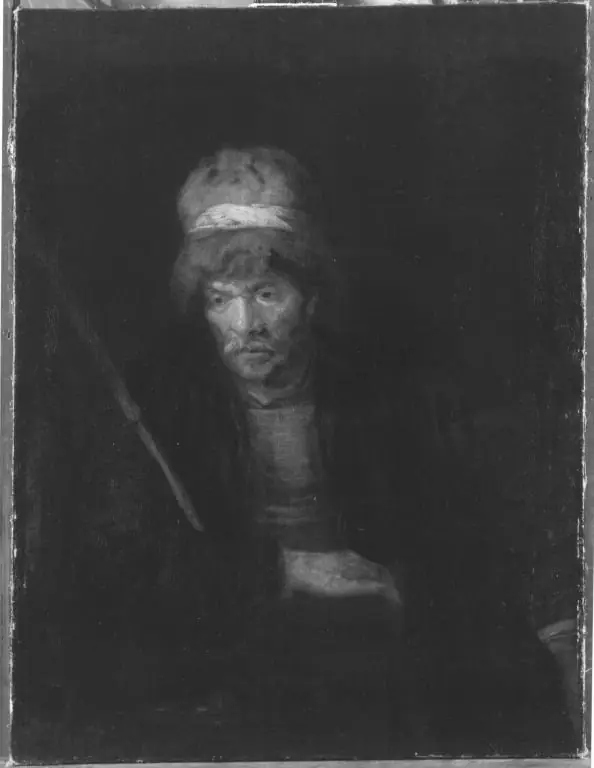
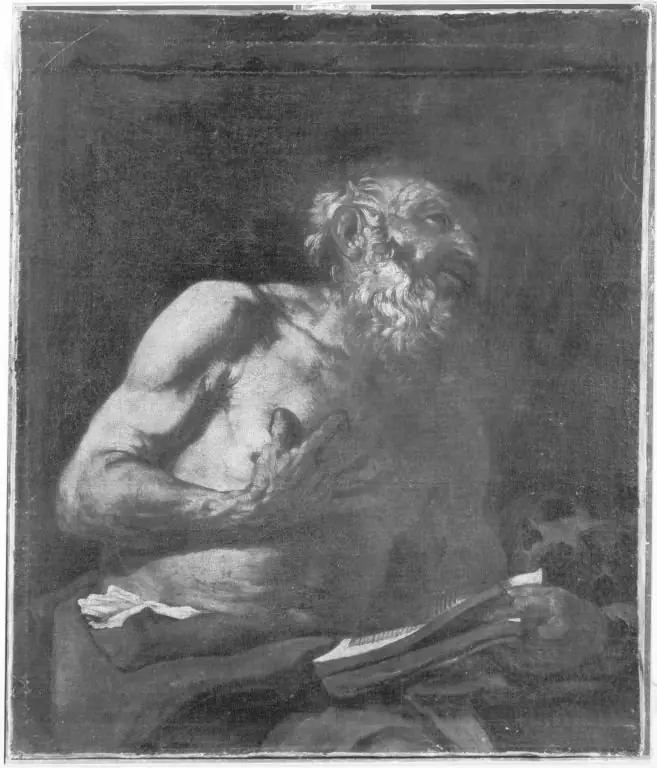
The composition depicts a solitary figure reclined in deep shadow, head tipped back, grasping a human skull in one hand while a small knife‑like implement rests in the other. The proximity of the skull to the sitter’s face suggests a contemplative engagement with mortality, echoing the vanitas tradition that reminds viewers of life's transience.
Technique & Style
Van Craesbeeck employs a stark chiaroscuro, allowing the illuminated forms of the figure and the skull to emerge from an almost black background. The rendering of the skull is rendered with such tactile realism that it appears to occupy the same space as the sitter, while the dark clothing absorbs light, heightening the dramatic contrast.
History & Provenance
Created in 1633, the painting reflects the artist’s mature period after his apprenticeship in Antwerp. Although specific ownership records are scarce, the work has been documented in several European collections of Baroque genre painting and is now held in a public institution that specializes in Flemish art.
Context
During the early 1630s, Flemish artists frequently explored moralizing themes through everyday scenes. Van Craesbeeck’s focus on a solitary, introspective figure aligns with contemporary concerns about the fleeting nature of worldly pleasures, a motif also found in the works of his peers such as David Teniers the Younger.
Legacy
*Mann mit Totenkopf* illustrates van Craesbeeck’s skill in merging genre realism with symbolic content, contributing to the broader Baroque discourse on mortality. The painting continues to be cited in studies of Flemish vanitas imagery and serves as a reference point for the effective use of chiaroscuro in 17th‑century portraiture.
Artist & collection
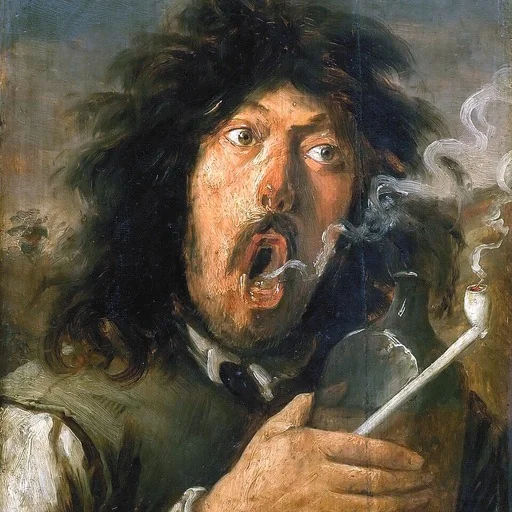
Artist
Joos van Craesbeeck (c. 1605/06 – c. 1660) was a Flemish baker and a painter who played an important role in the development of Flemish genre painting in the mid-17th century through his tavern scenes and dissolute…