Artwork
Soldiers and Women
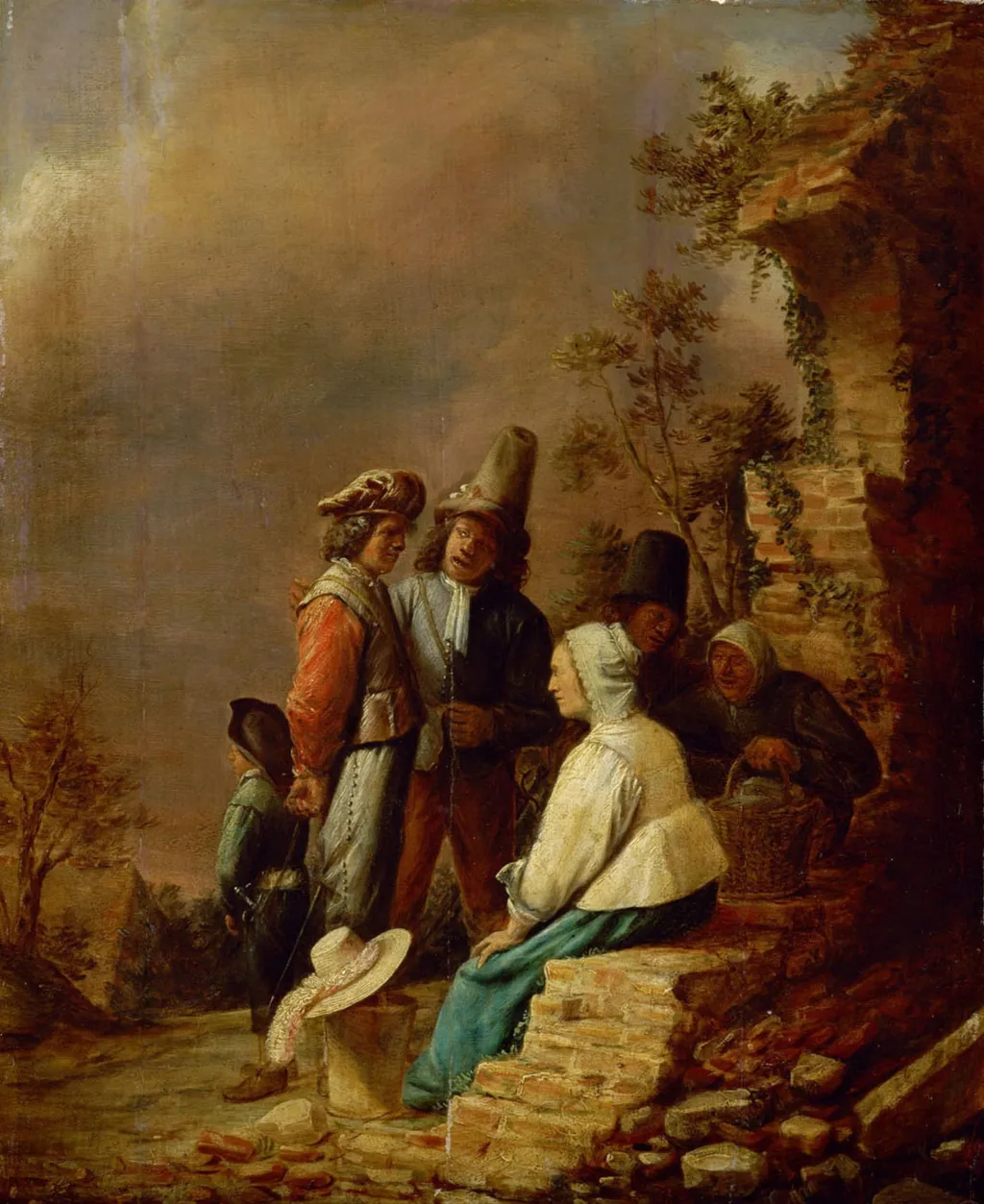
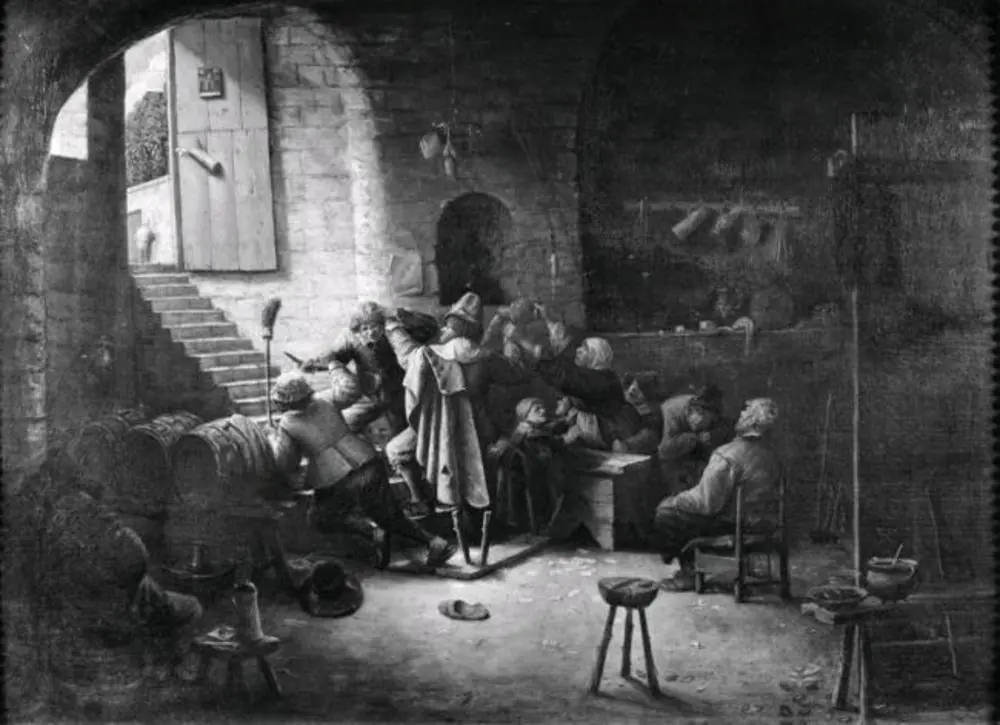
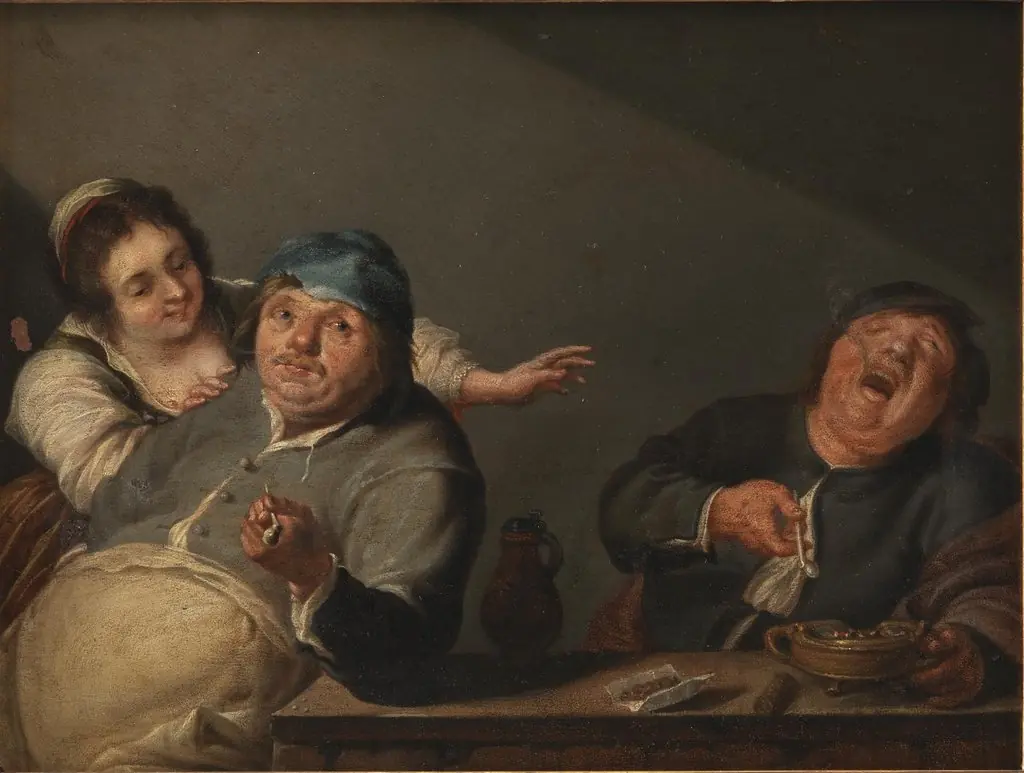
Soldiers and Women is an oil painting by the Flemish Baroque painting artist Joos van Craesbeeck. It dates from 1640 and is held in the collection of the Kunsthistorisches Museum.
About this work
Overview
Craesbeeck, who began his career as a baker before turning to painting, specialized in intimate portrayals of ordinary life.
Painted in 1640 by Joos van Craesbeeck, this oil-on-panel work belongs to the Flemish Baroque tradition of genre scenes. Craesbeeck, who began his career as a baker before turning to painting, specialized in intimate portrayals of ordinary life. His compositions often centered on unidealized figures engaged in quiet, sometimes tense, moments of social exchange, avoiding grand narratives in favor of subtle human observation.
Subject & Meaning
The painting depicts a group of soldiers and women in a domestic or semi-public interior, their postures and glances suggesting unspoken tensions or fleeting connections. No clear narrative is offered; instead, the scene invites contemplation of class, gender, and power in daily interactions. The figures appear neither heroic nor comic, but grounded in the mundane rhythms of 17th-century Flemish society.
Technique & Style
Craesbeeck employed a restrained palette and soft, diffused lighting to enhance the realism of his figures. Brushwork is precise yet unobtrusive, allowing textures of fabric, skin, and wood to emerge naturally. His compositions are tightly framed, drawing attention to facial expressions and gestures rather than architectural detail, reinforcing the psychological weight of the moment.
History & Provenance
The painting has remained within private collections since its creation, with no documented public exhibition until the 20th century. Its attribution to Craesbeeck is supported by stylistic parallels with his other known works, particularly in figure types and interior settings. No archival records confirm its original commission or ownership, suggesting it was likely produced for the open market.
Context
In mid-17th-century Flanders, genre painting flourished as urban patrons sought art that reflected their world, not religious or mythological ideals. Craesbeeck’s scenes aligned with this trend, capturing the social friction and quiet intimacy of civilian and military life after decades of war. His work stood apart from the theatricality of contemporaries by favoring restraint over spectacle.
Legacy
Though less celebrated than his peers, Craesbeeck’s focus on unadorned human behavior influenced later genre painters in the Low Countries. His paintings are now recognized for their psychological nuance and avoidance of moralizing. Scholars value his work as a quiet record of everyday life, offering insight into the social fabric of a region recovering from prolonged conflict.
Own this work as a print
Artist & collection
Artist
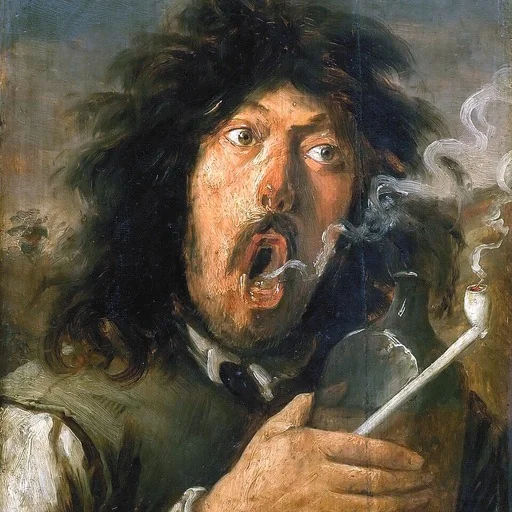
Joos van Craesbeeck (c. 1605/06 – c. 1660) was a Flemish baker and a painter who played an important role in the development of Flemish genre painting in the mid-17th century through his tavern scenes and dissolute…

 The Approach
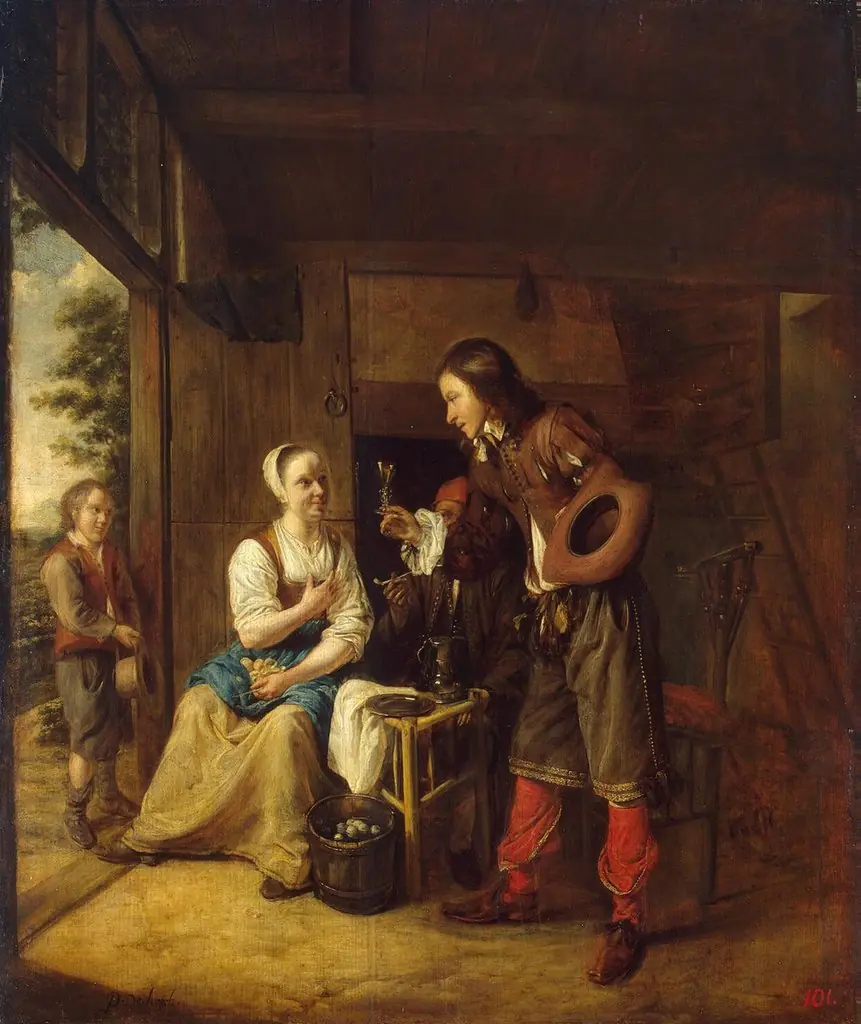 Soldier Offering a Woman a Glass of Wine
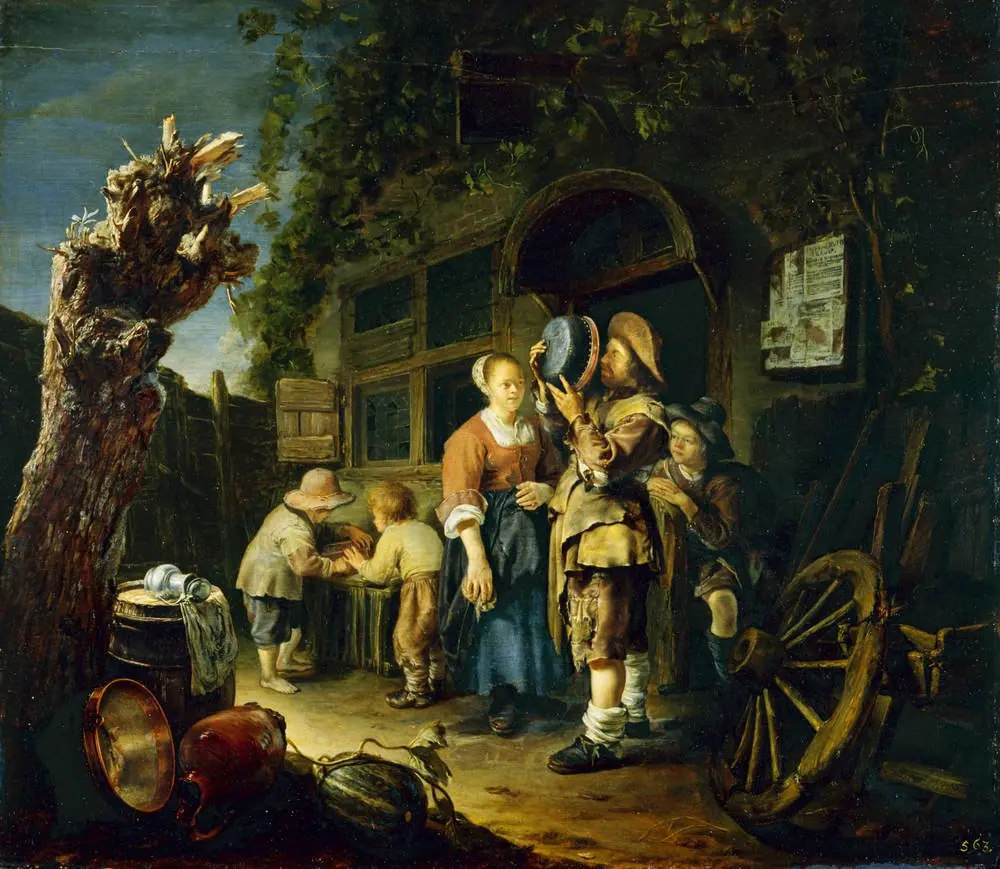 The Tinker
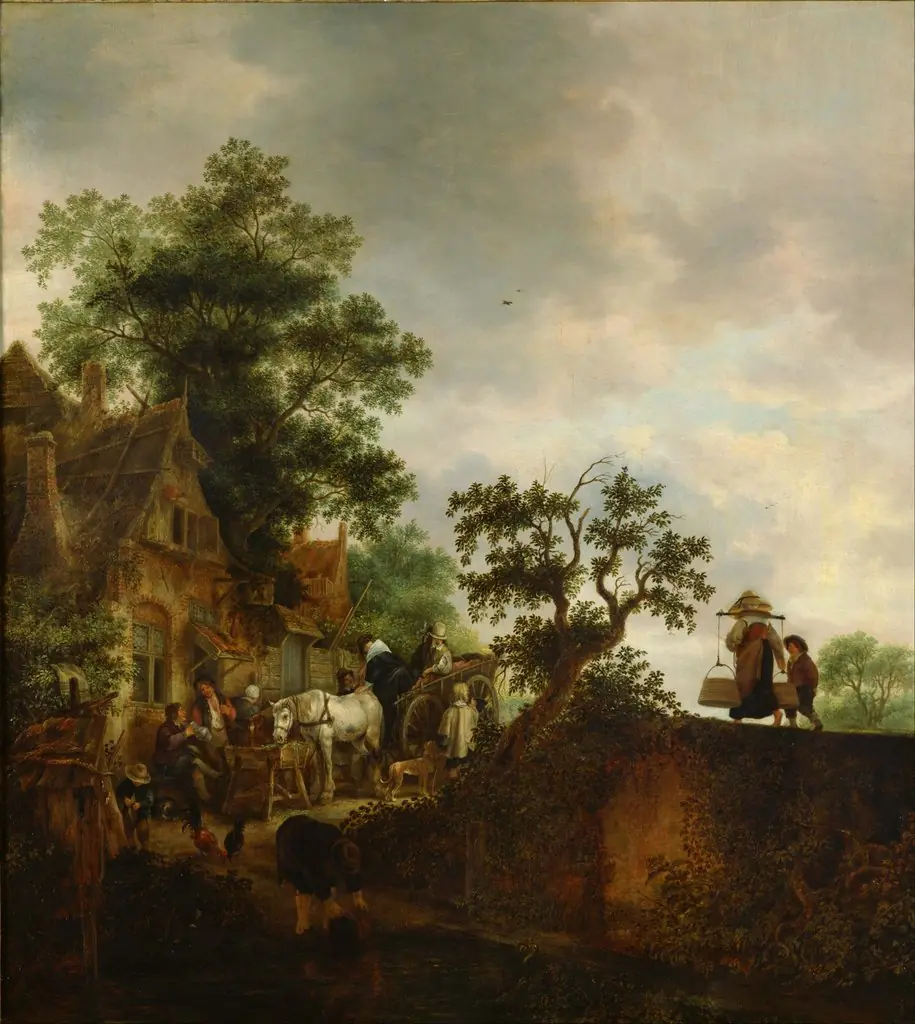 Travellers Halting at an Inn
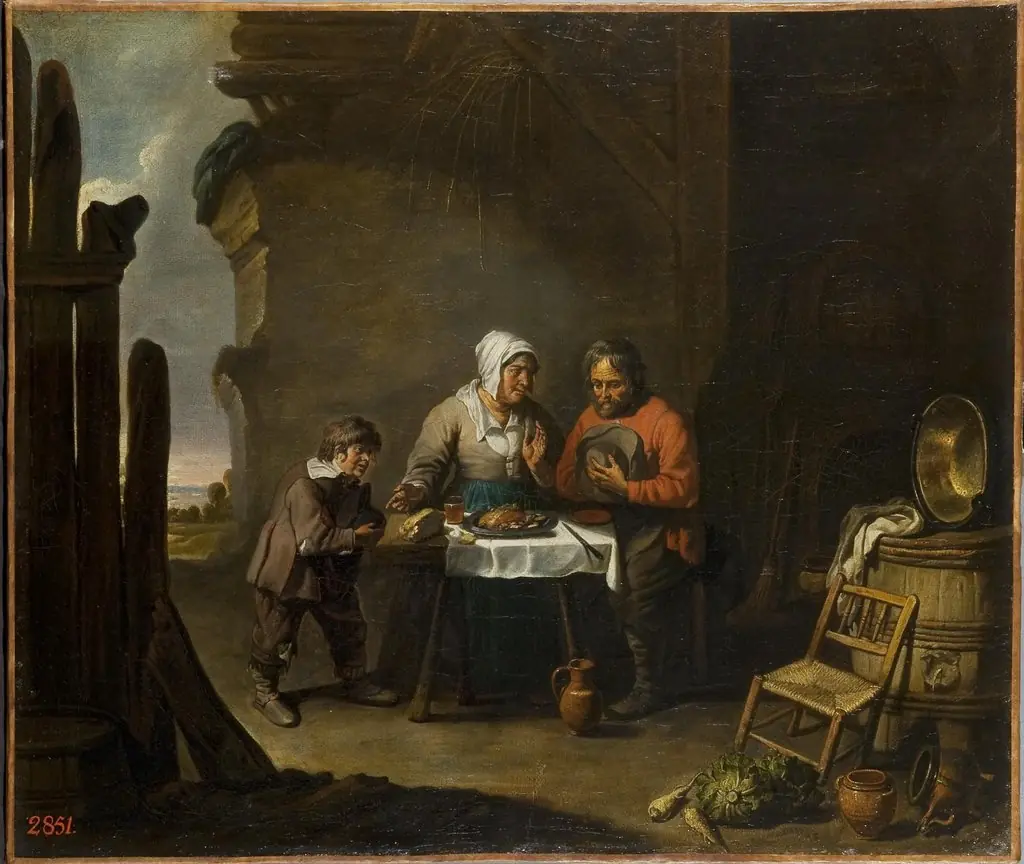 Saying Grace
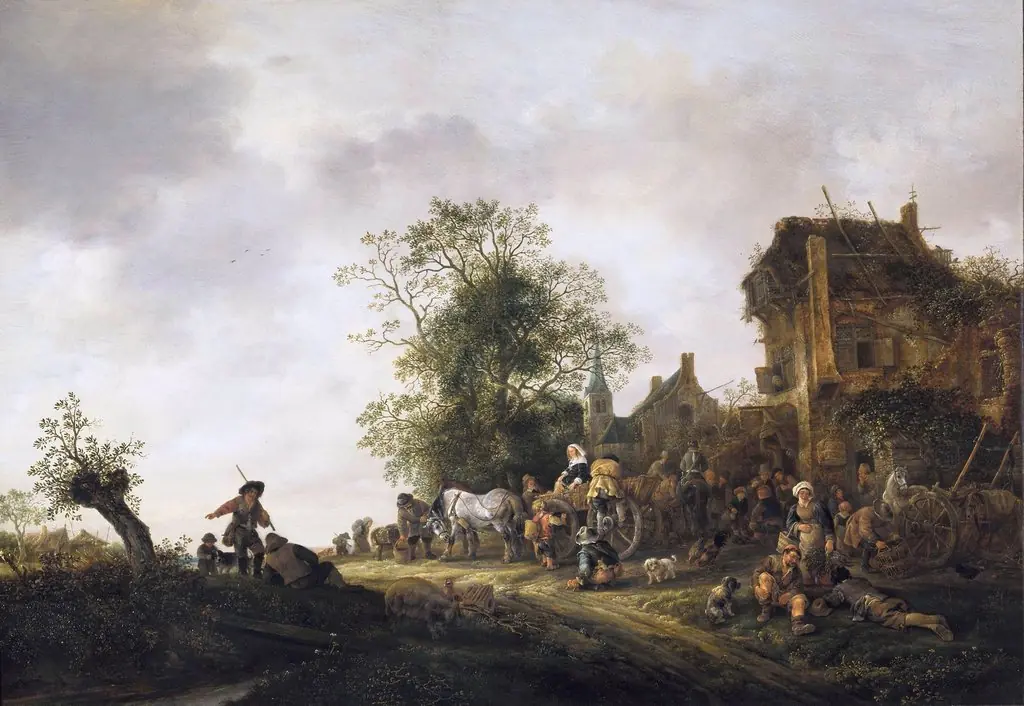 Travellers before an Inn
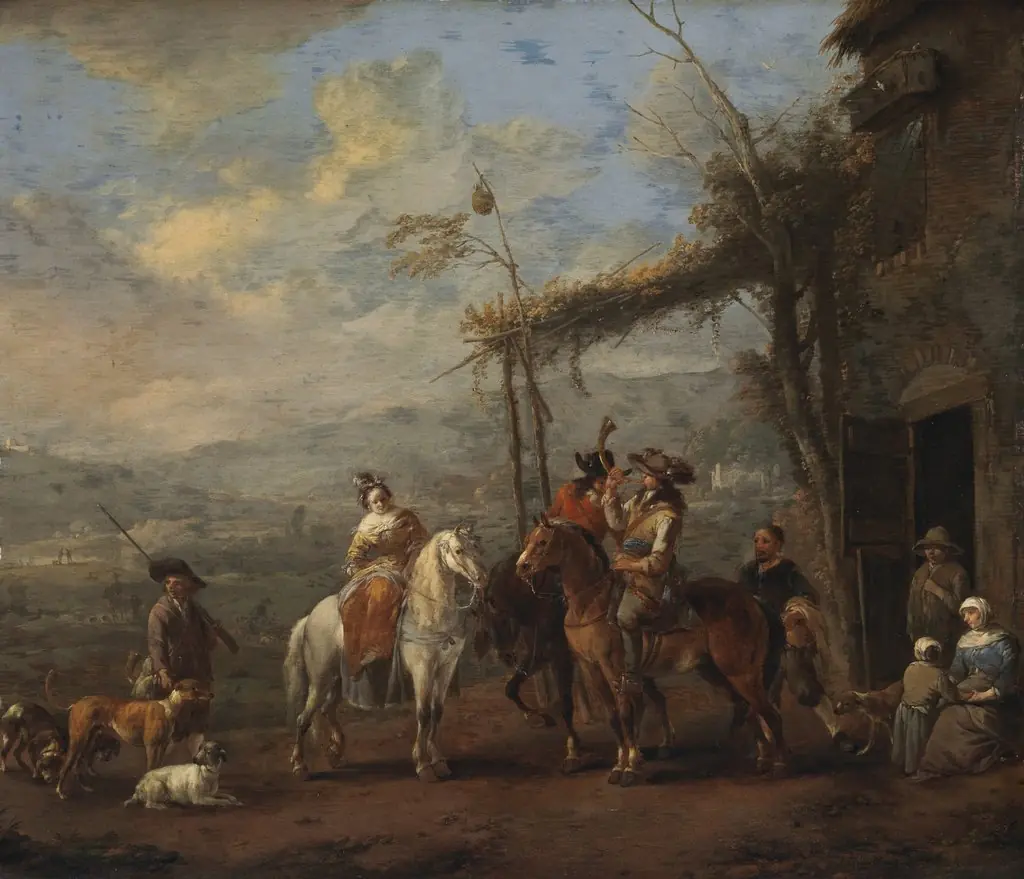 A Hunting Party
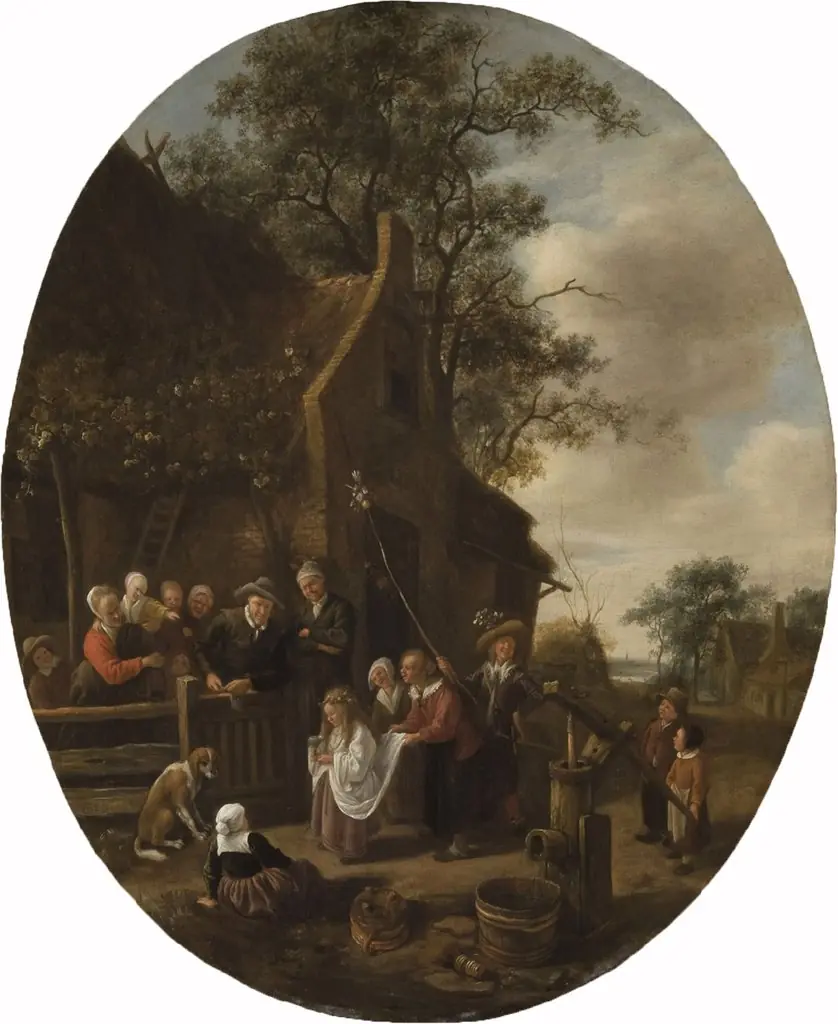 The May Queen
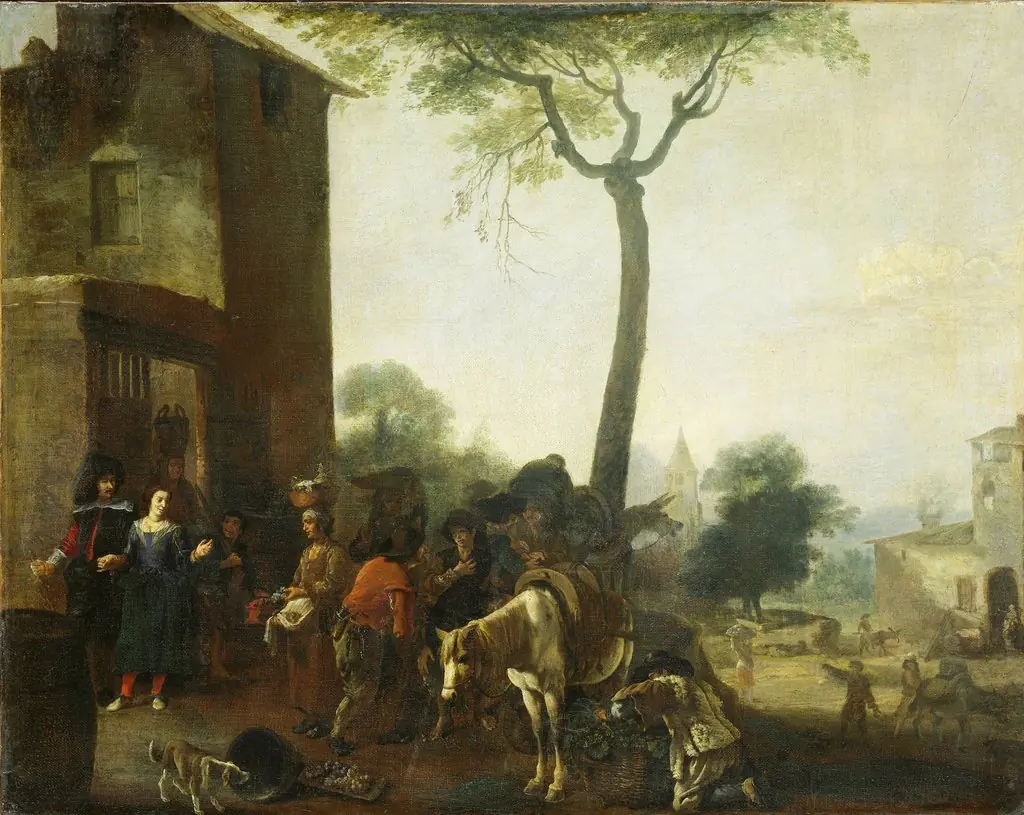 Harvesting the Vines
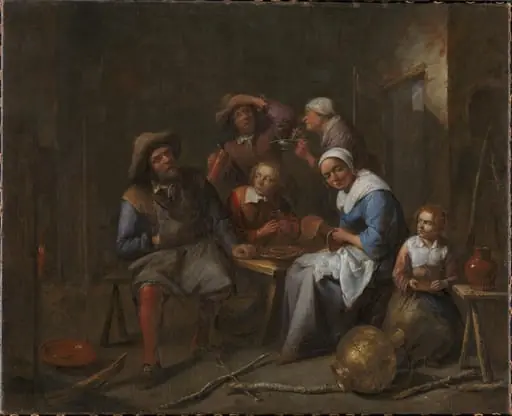 An Interior with Artisans and Peasants Eating and Drinking
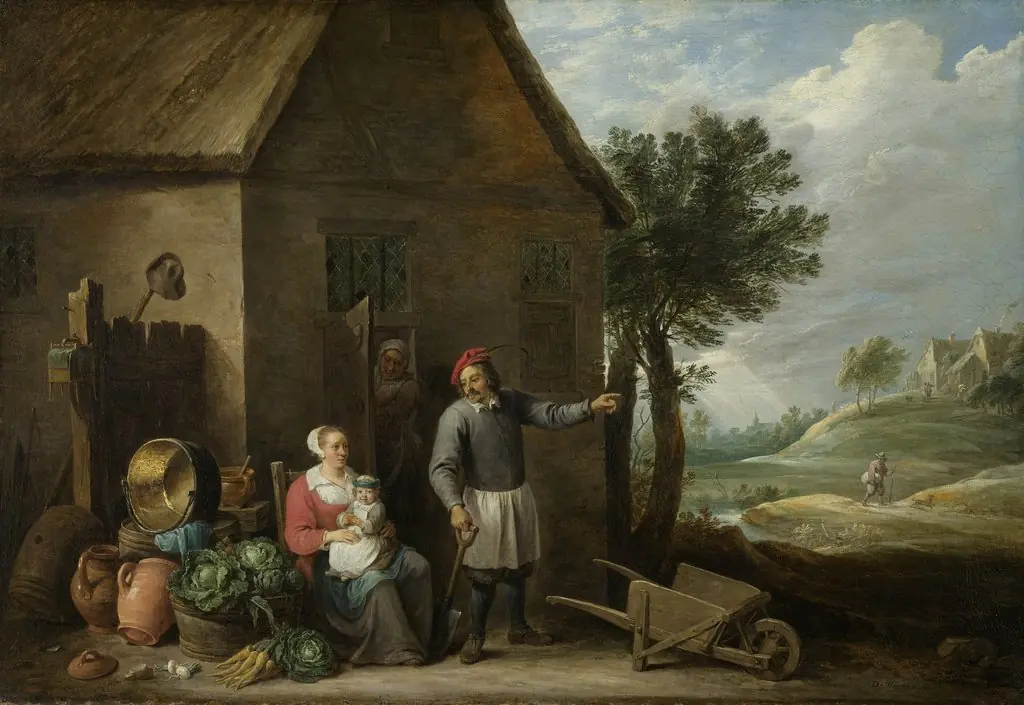 A peasant with his wife and child in front of the farmhouse
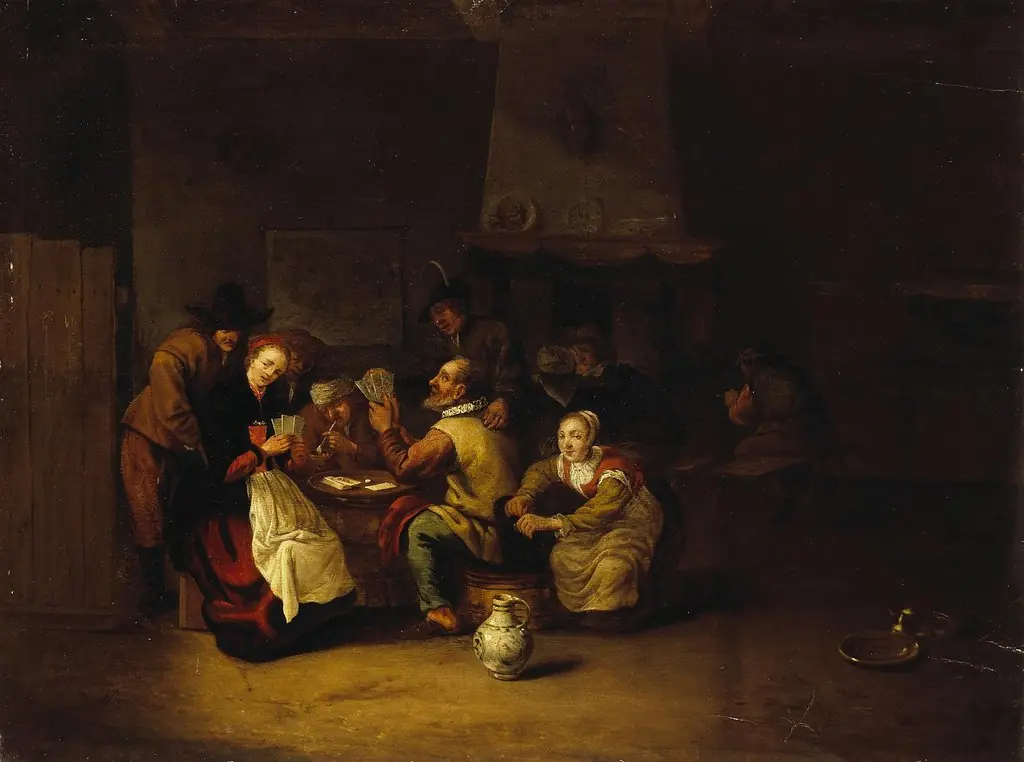 Card-Playing