Artwork
Untitled
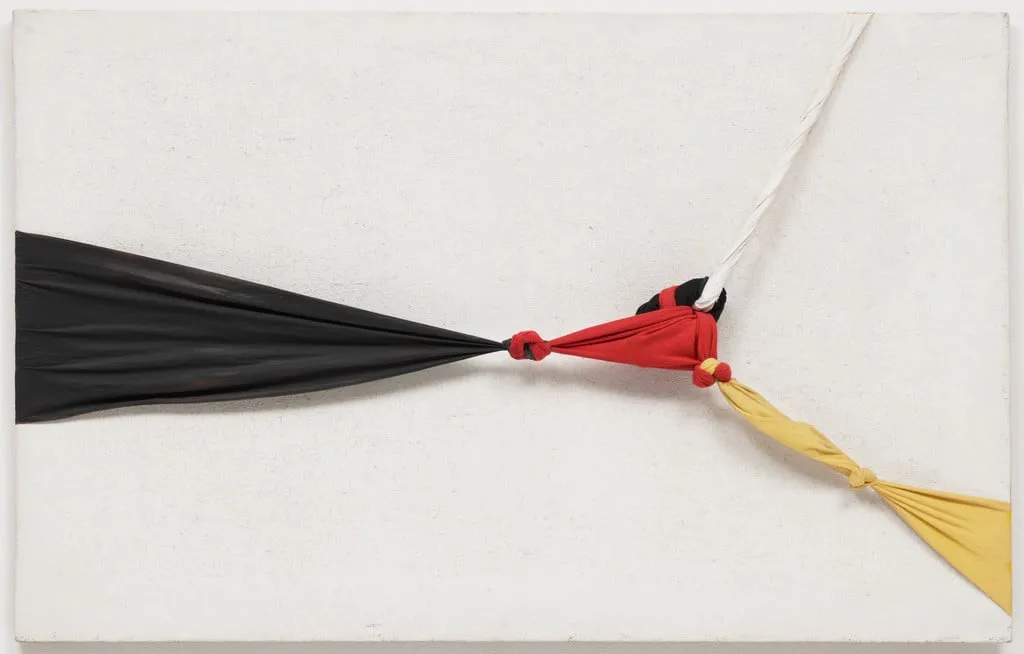
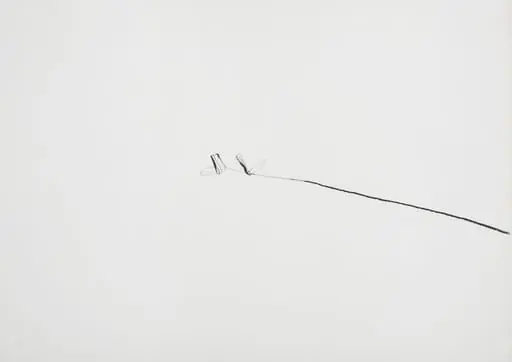
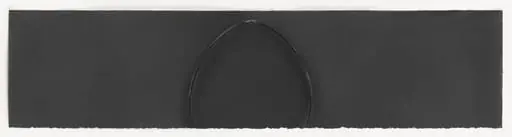
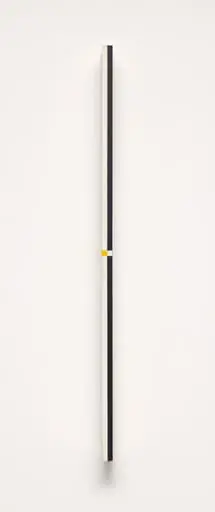
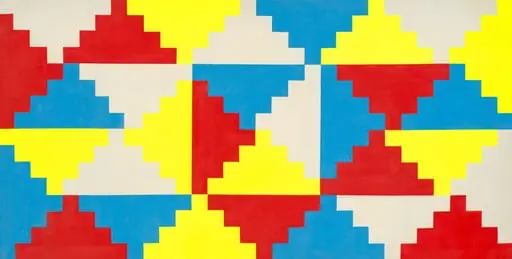
Untitled is a tempera painting by the Contemporary Abstract artist Jorge Eielson. It dates from 1964 and is held in the collection of the Museum of Modern Art.
About this work
Overview
The work belongs to The Museum of Modern Art’s collection and exemplifies the artist’s experimental approach to materiality.
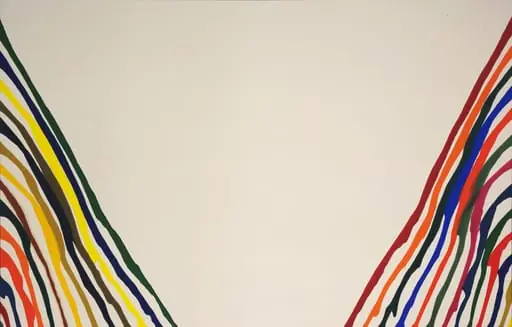
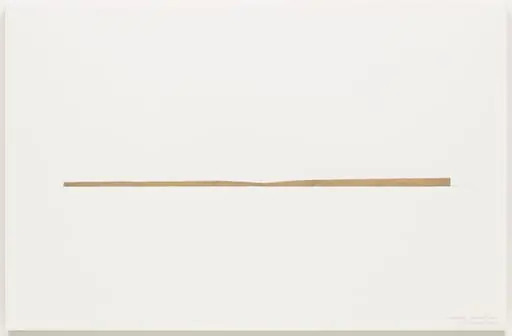
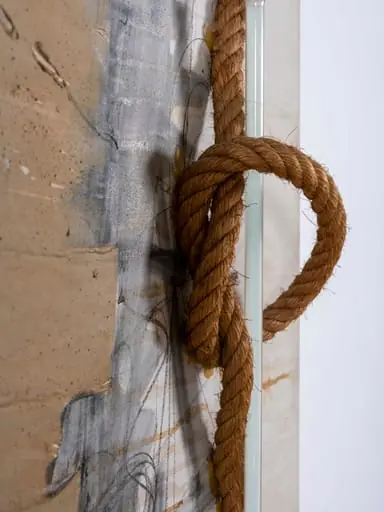
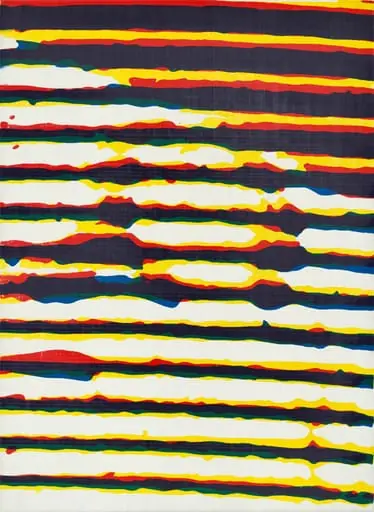
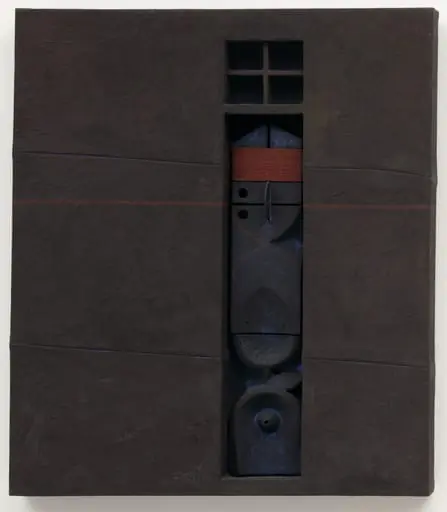
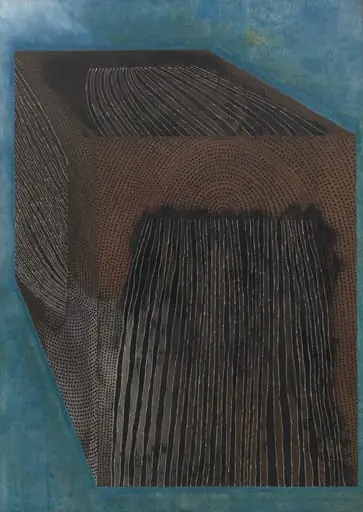
Jorge Eielson's Untitled, dated 1964, is an abstract composition combining cloth and tempera on canvas. The work belongs to The Museum of Modern Art’s collection and exemplifies the artist’s experimental approach to materiality. A diagonal band of fabric—black, red, and yellow—stretches across a white ground, its edges stitched and knotted at the center, merging textile and paint into a single surface.
Subject & Meaning
The work resists literal interpretation, instead evoking spatial tension through color and form. The knotted cloth at the center suggests a gesture of binding or interruption, while the stark division of hues implies a rupture or transition. Eielson’s use of non-traditional materials points to a broader inquiry into the boundaries between painting, sculpture, and textile, challenging conventional definitions of the pictorial.
Technique & Style
Eielson applied tempera paint over a canvas base, then affixed strips of dyed cloth, securing them with stitching and a central knot. The fabric’s texture contrasts with the matte, even finish of the tempera, creating a tactile dialogue between flatness and relief. The diagonal arrangement introduces dynamic movement, while the limited palette—black, red, yellow, and white—emphasizes formal contrast over narrative detail.
History & Provenance
Created in 1964, the work emerged during a period when Eielson was deeply engaged with material experimentation, following his move to Europe. It entered The Museum of Modern Art’s collection in the late 20th century, recognized for its role in expanding postwar Latin American abstraction. Its provenance reflects the artist’s international recognition and the museum’s interest in non-Western contributions to modernist practice.
Context
Eielson’s work in the 1960s aligned with broader global movements that questioned the limits of painting, including Arte Povera and the use of everyday materials. His integration of textile into canvas echoed contemporaneous explorations in Europe and Latin America, where artists sought to dismantle hierarchies between fine art and craft. Untitled reflects this cross-cultural dialogue, rooted in Peruvian aesthetics yet informed by international avant-garde currents.
Legacy
The work remains a significant example of Eielson’s contribution to material-based abstraction. It influenced later generations of Latin American artists who embraced hybrid media and non-traditional supports. Its presence in MoMA’s collection underscores its role in redefining painting’s possibilities, positioning textile not as decoration but as structural and conceptual element within modernist discourse.
Artist & collection

Artist
Jorge Eduardo Eielson was a Peruvian artist and writer. As an artist, he is known for his quipus, a reinterpretation of an ancient Andean device; they are considered precursors of conceptual art.