Artwork
Still-life with a lobster
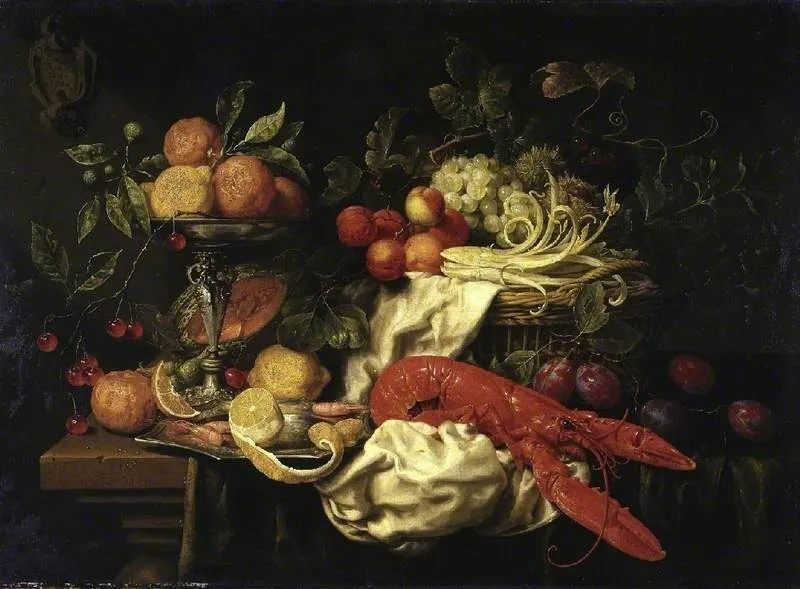
Still-life with a lobster is an oil painting by the Dutch Golden Age artist Joris van Son. It dates from 1660 and is held in the collection of the Fitzwilliam Museum.
About this work
Overview
Still-life with a lobster, painted in 1660 by Joris van Son, is a characteristic example of Flemish still life painting from the Dutch Golden Age. The work showcases a meticulously arranged composition of food and objects on a dark tabletop.
Subject & Meaning
At the center of the painting is a prominent, lifelike red lobster with outstretched claws, accompanied by an assortment of fruits (oranges, lemons, apples, plums, cherries, and grapes) and a metallic bowl, all carefully selected to evoke abundance and sensory appeal.
Technique & Style
Van Son employed oil paint to achieve vivid textures and colors, notably capturing the lobster's shell in sharp reds and whites. The composition utilizes deep shadows against a dark background, a technique reminiscent of chiaroscuro, to enhance the visibility and allure of the subjects.
History & Provenance
Created in 1660 by Joris van Son, a specialist in fruit compositions and banquet scenes, this painting reflects the artist's contribution to the prolific artistic output of the Dutch Golden Age in 17th-century Antwerp.
Context
This work aligns with the Flemish still-life tradition of the time, emphasizing detailed realism and the depiction of luxury items, which would have appealed to the wealthy patrons of Antwerp.
Legacy
While specific legacy details of 'Still-life with a lobster' are not highlighted, it contributes to the broader appreciation of Joris van Son's oeuvre and the enduring influence of Dutch Golden Age still-life painting on European art.
Artist & collection
Artist
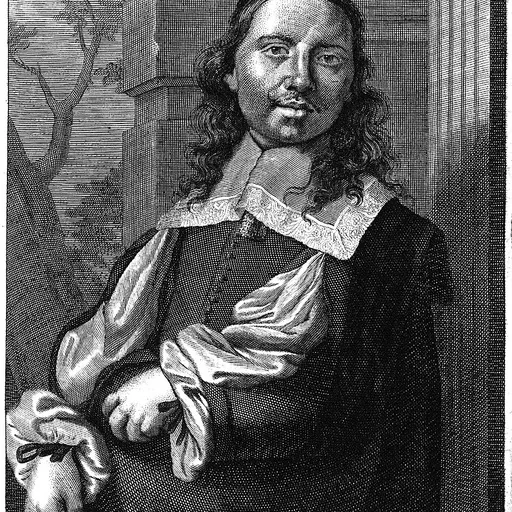
Joris van Son or Georg van Son (baptized 24 September 1623 – buried 25 June 1667 in Antwerp) was a Flemish still life painter who worked in a number of sub-genres but is principally known for his still lifes of fruit.

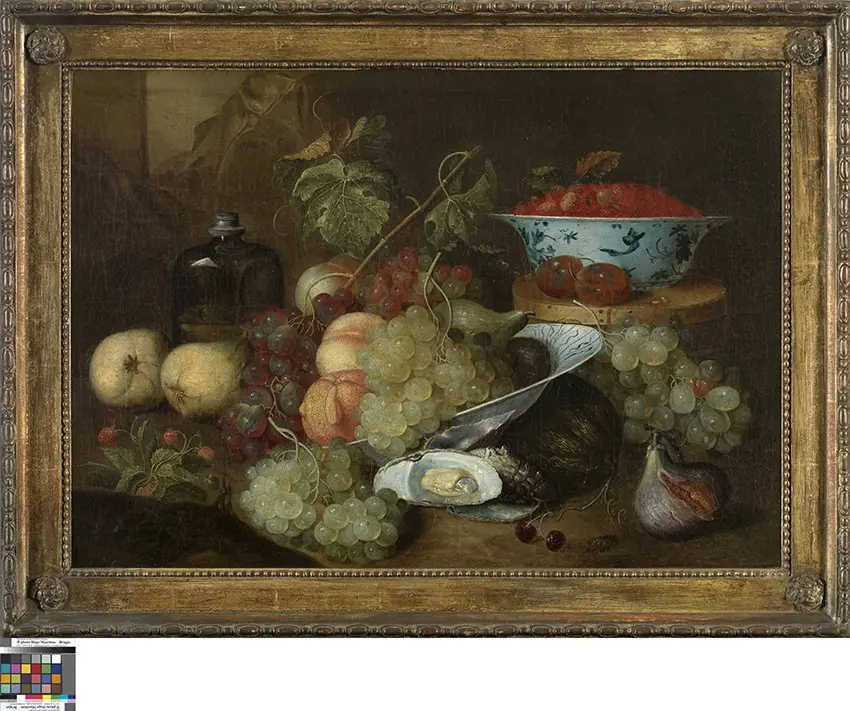
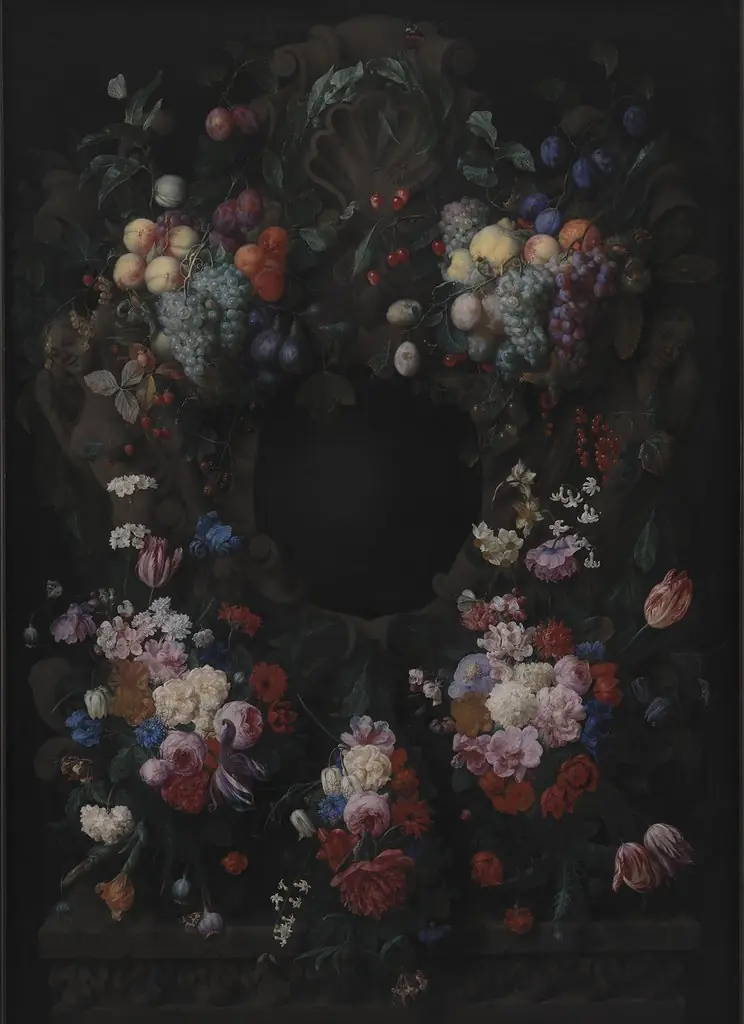
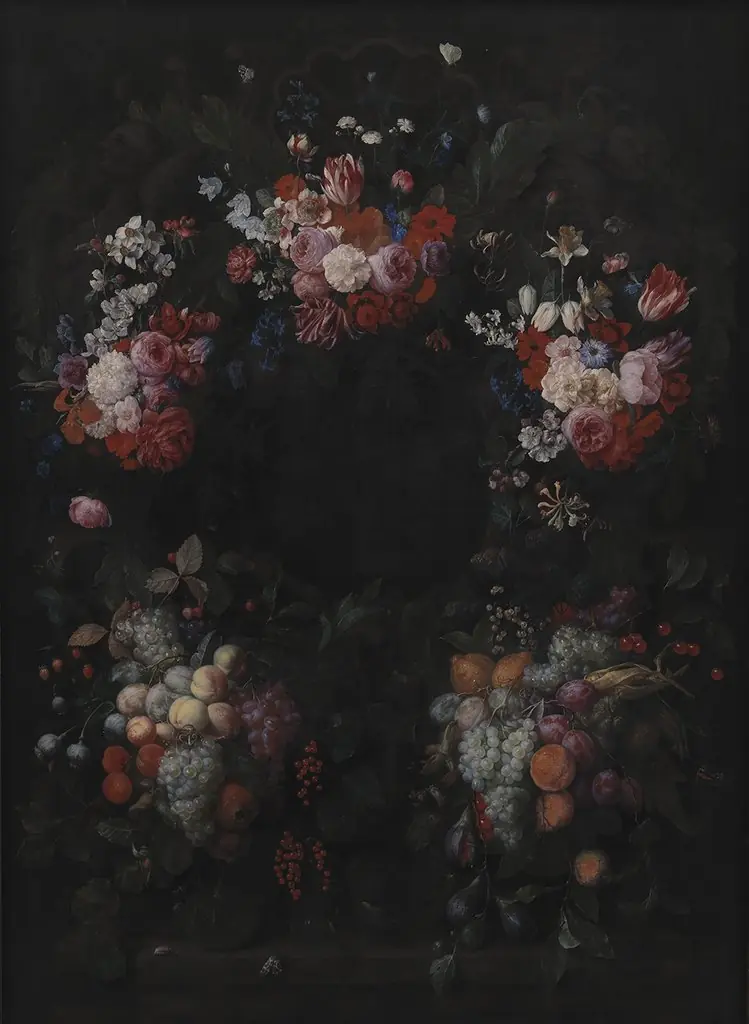
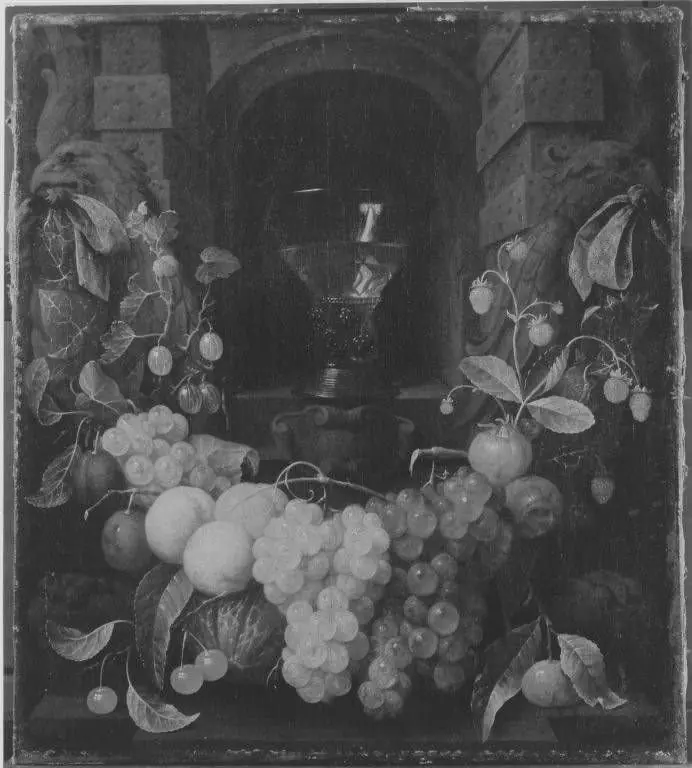
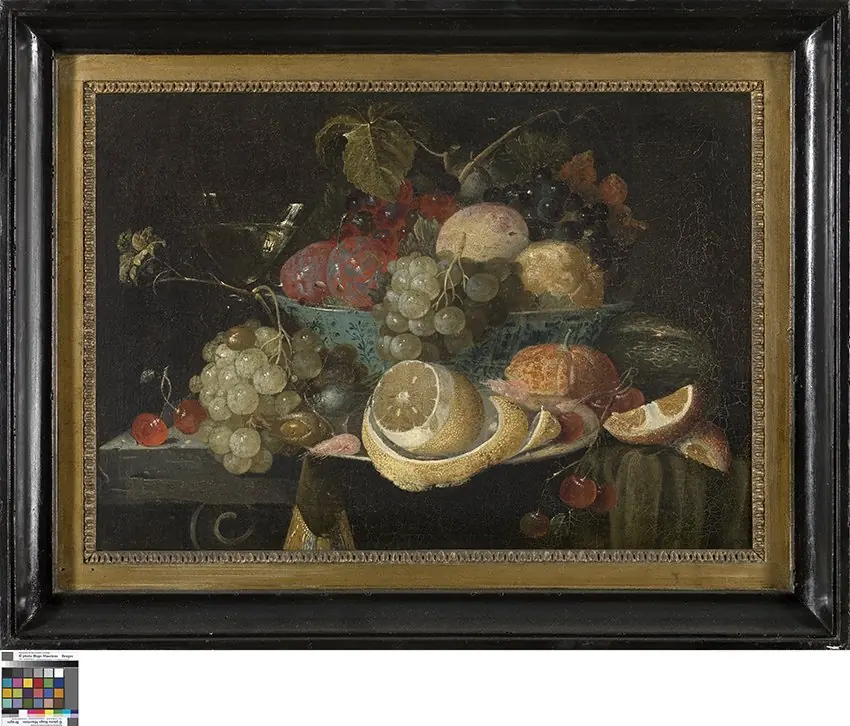
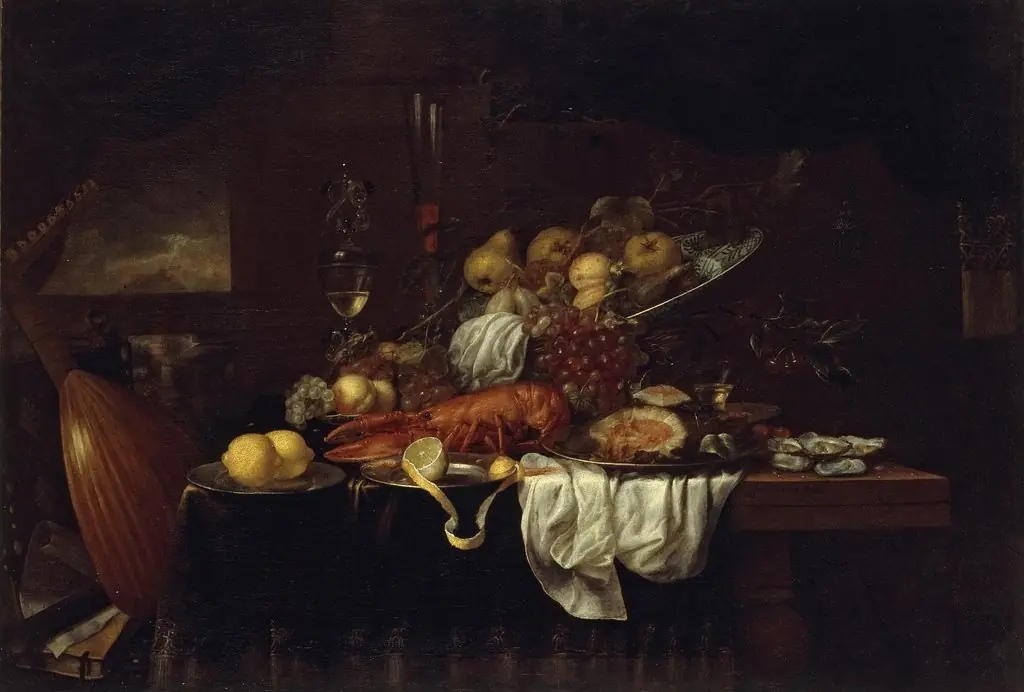
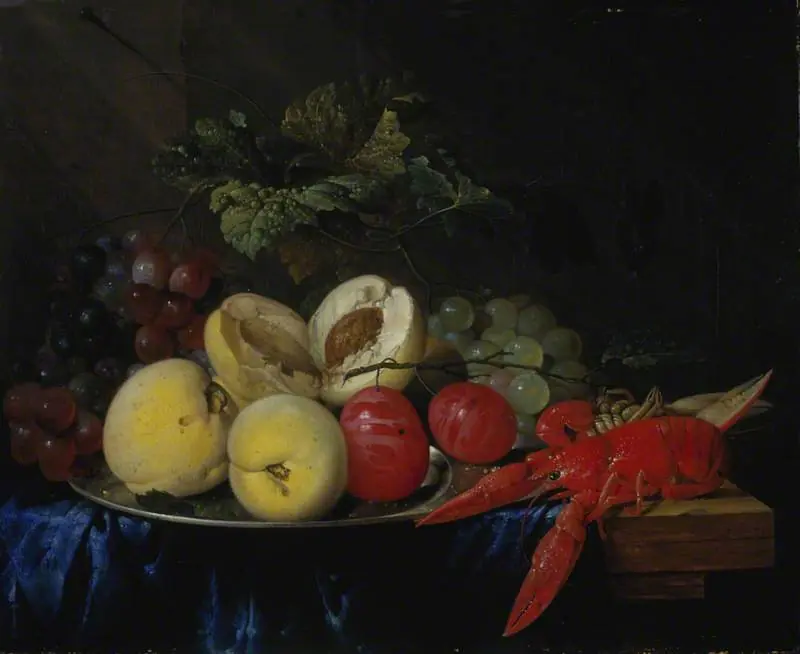 A Still-life with Fruit and Lobster
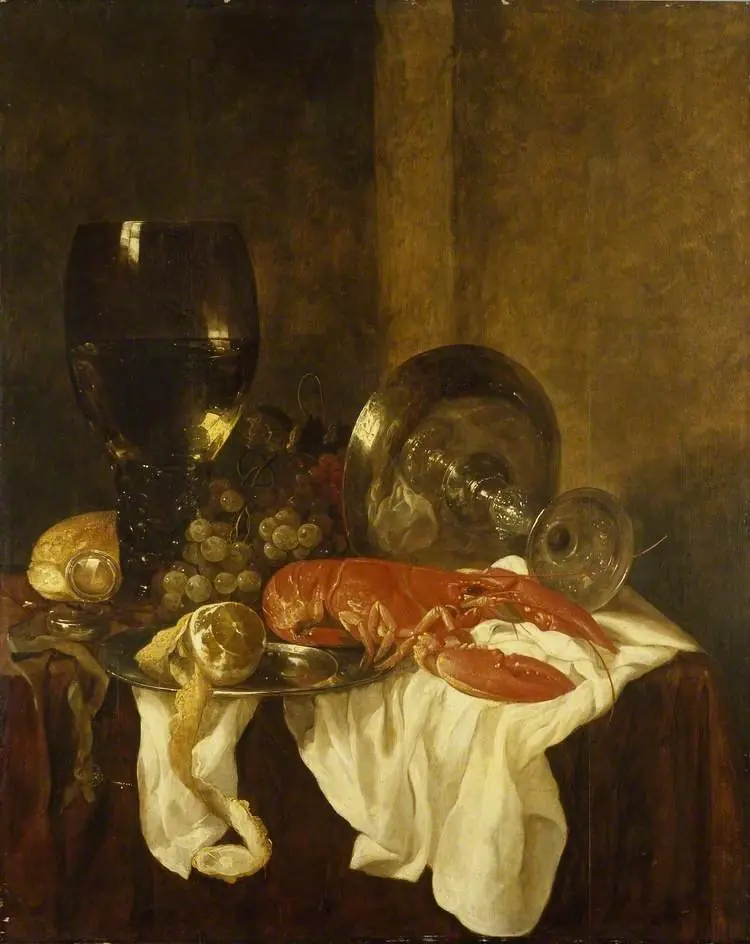 Still Life with a Lobster
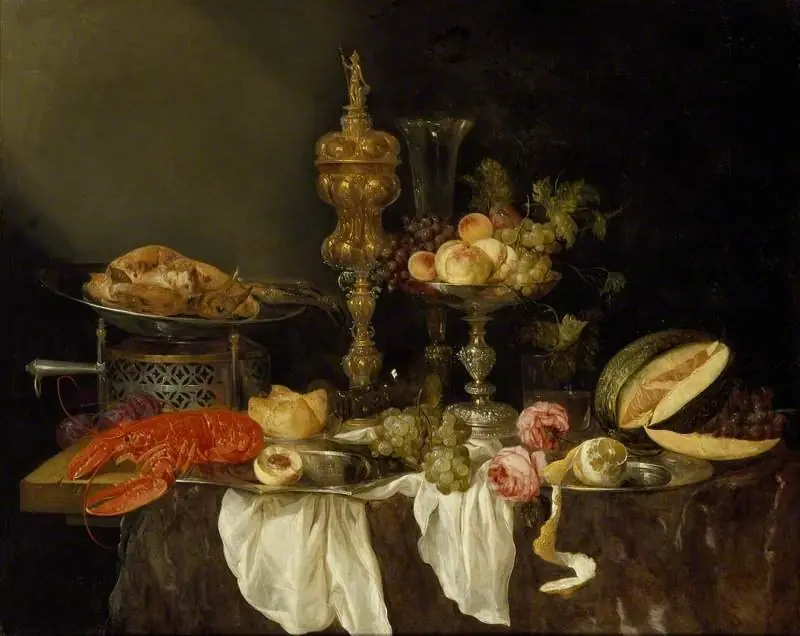 Still Life with a Lobster and Turkey
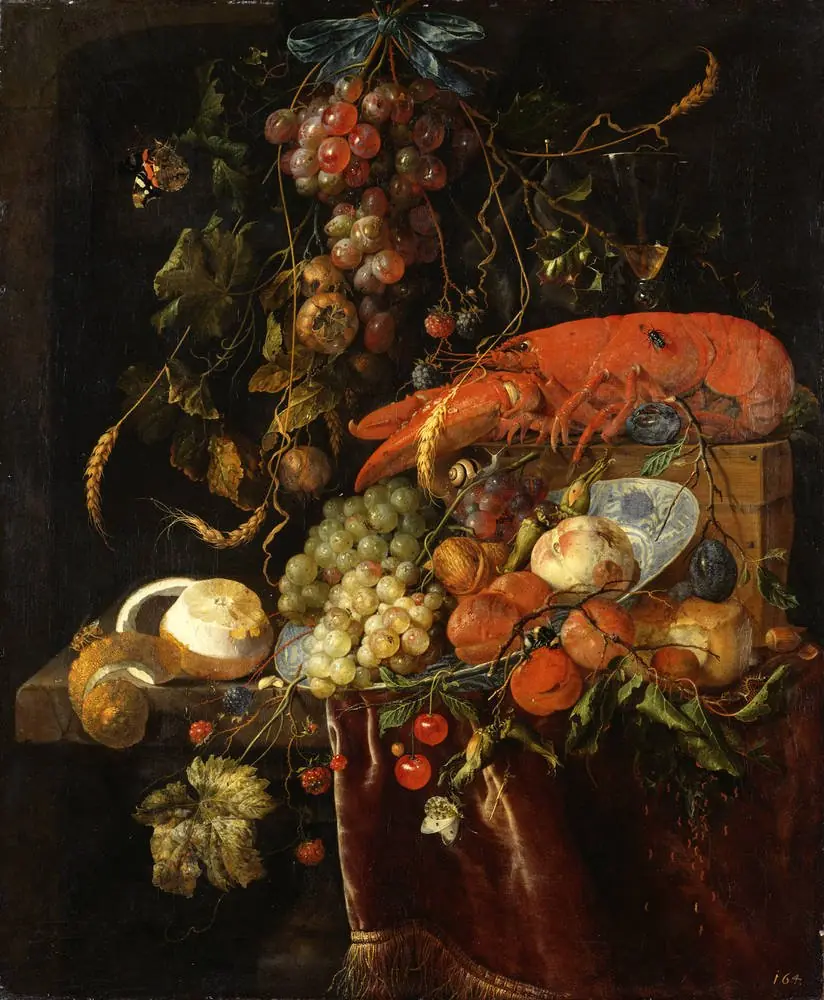 Still Life with a Lobster
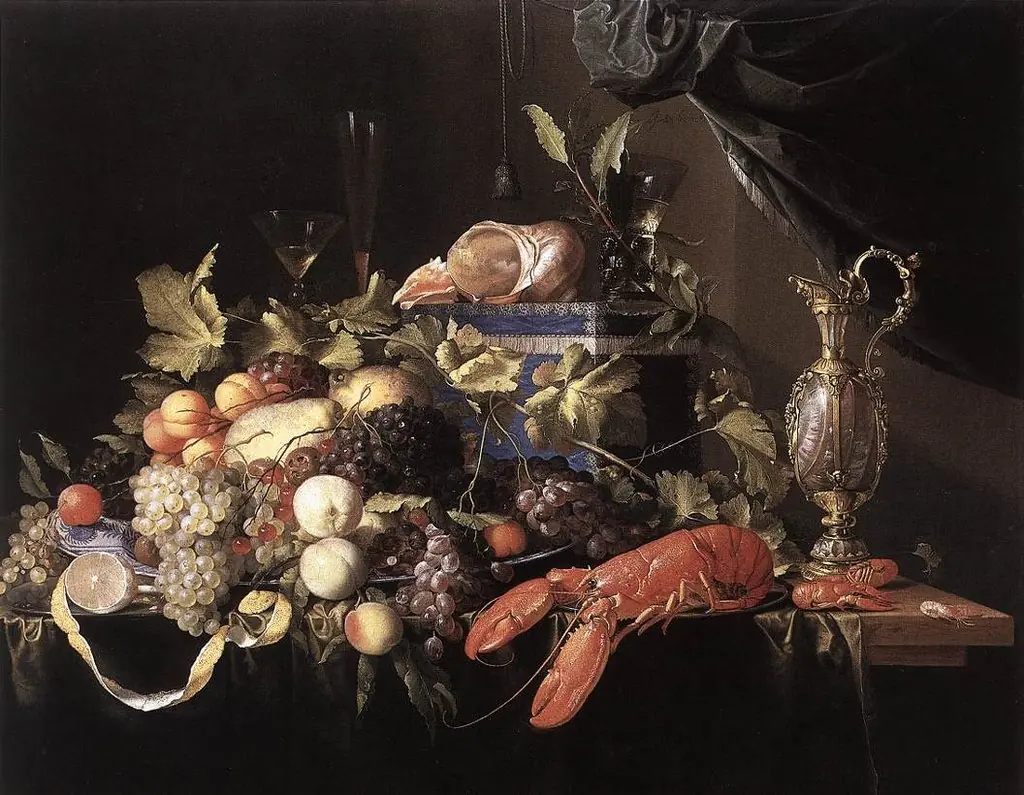 Still Life with Fruit and Lobster
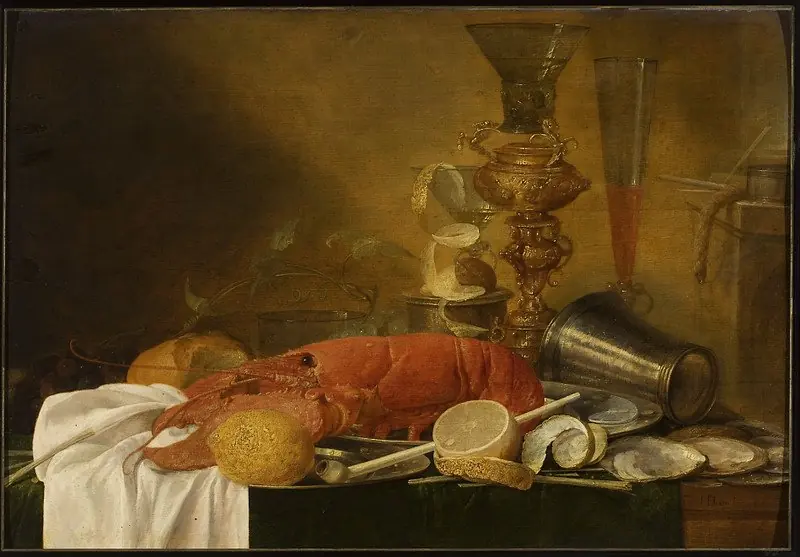 Still life with a lobster
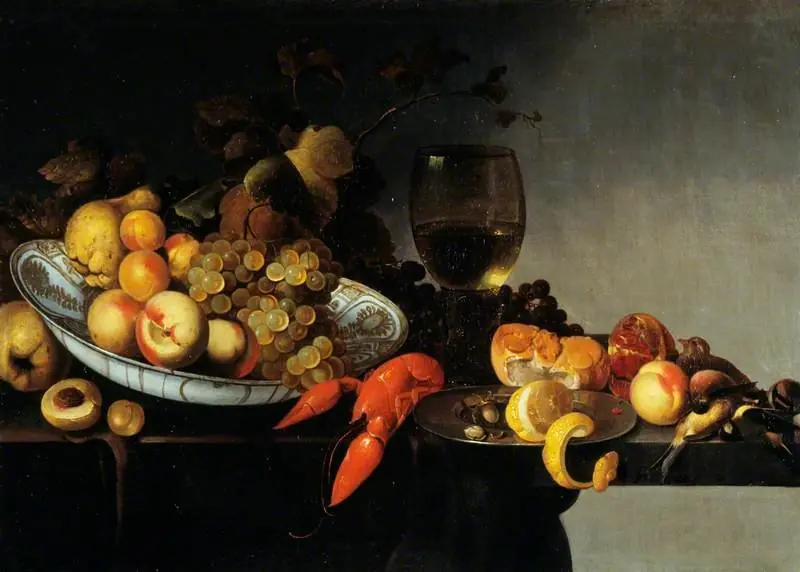 Still Life with Fruit, a Lobster and Dead Game
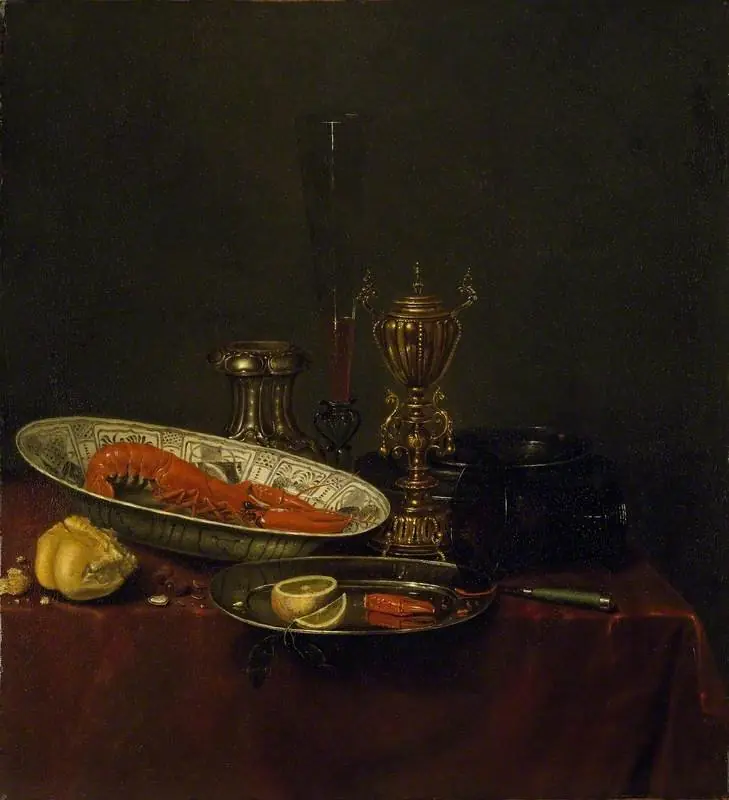 Still Life with a Lobster
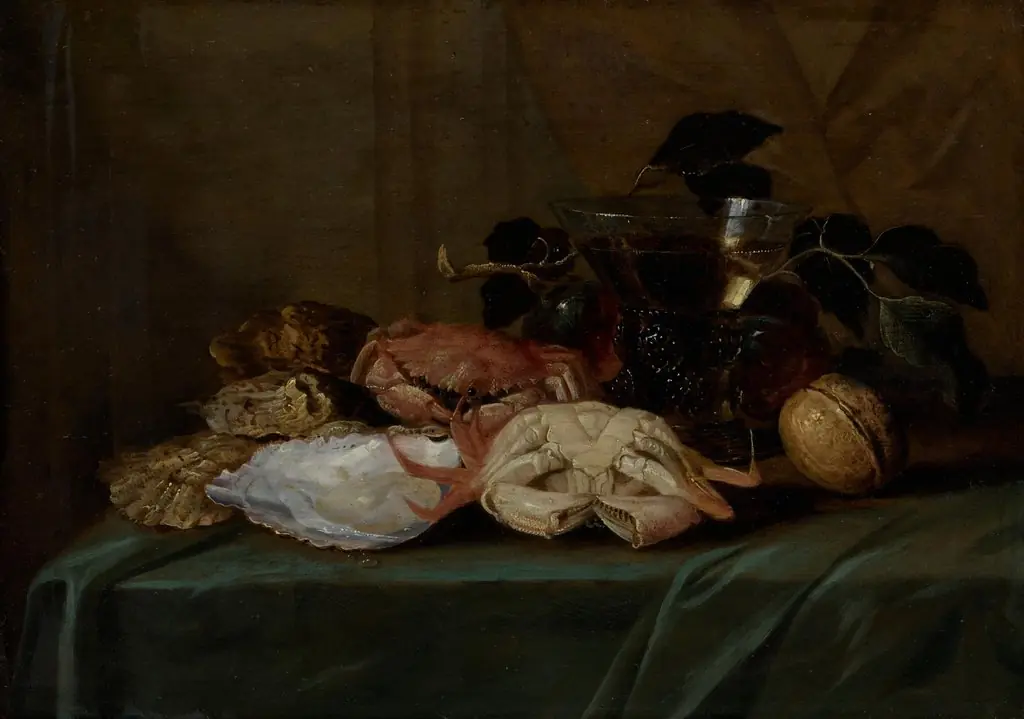 Still Life with Crabs
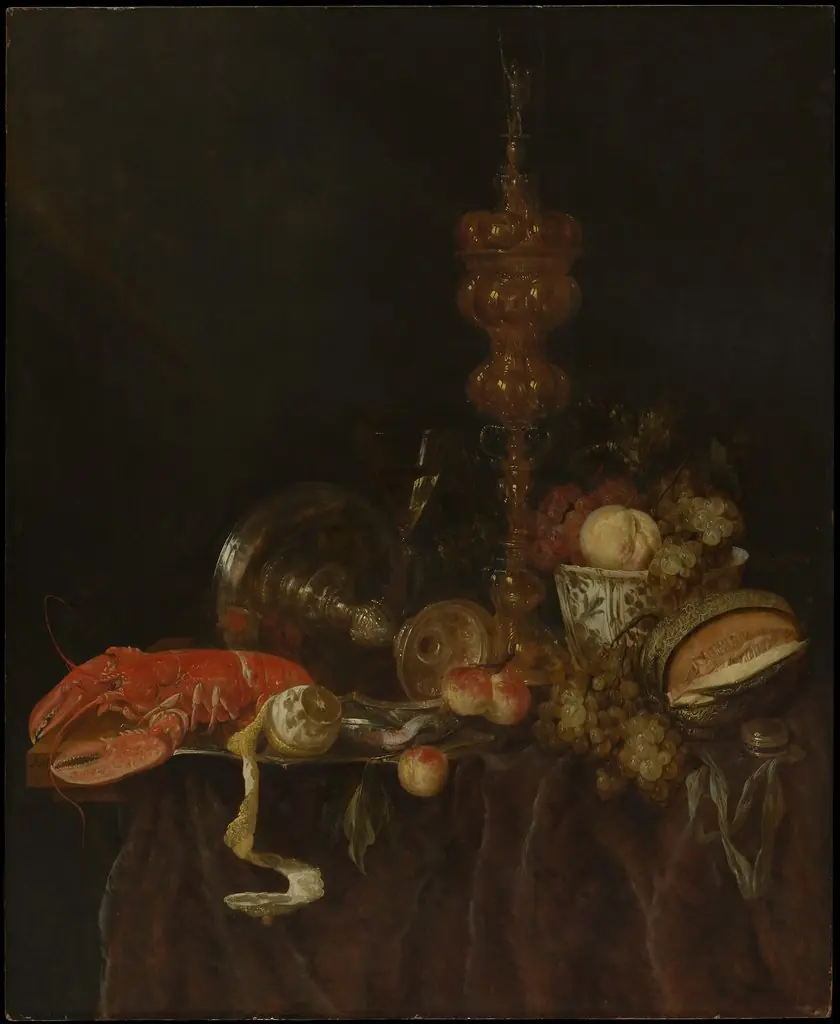 Still Life with Lobster and Fruit
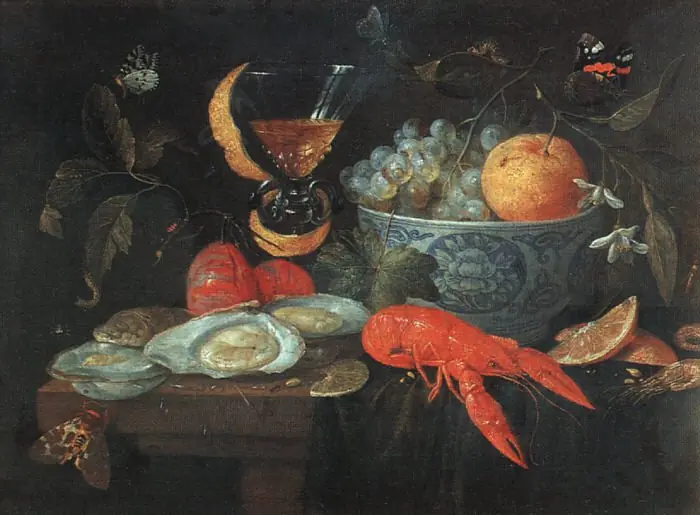 Still-Life with Fruit and Shellfish