Artwork
Still life with a lobster
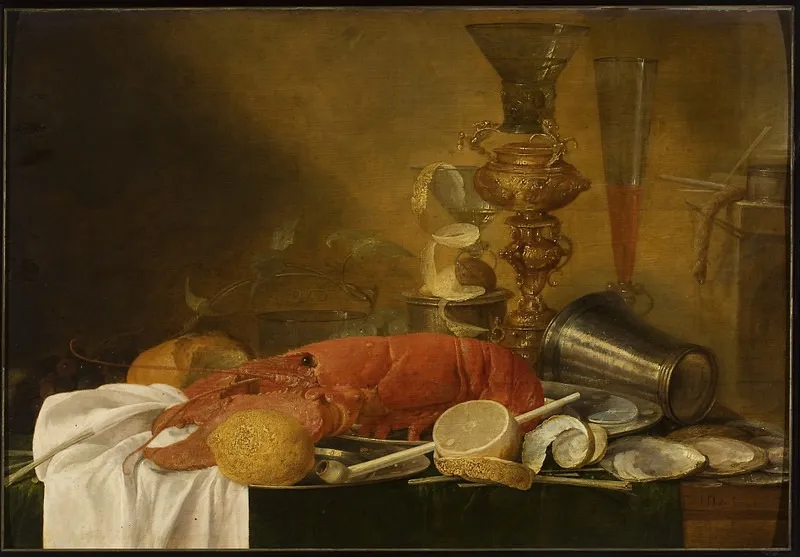
Still life with a lobster is an oil painting by the Dutch Golden Age artist Jan Davidsz. de Heem. It dates from 1671 and is held in the collection of the National Museum in Warsaw.
About this work
Overview
Still life with a lobster, created by Jan Davidsz. de Heem circa 1671, is an oil-on-canvas painting representative of the Dutch Golden Age. Characterized by meticulous detail and opulent arrangements, it typifies the era's still-life genre.
Subject & Meaning
The composition features a lavish spread on a table, centered around a freshly depicted red lobster, accompanied by a lemon, oysters, a glass vase, a silver cup, and a wooden box. These elements symbolize luxury and abundance, common themes in Dutch Golden Age still-life paintings.
Technique & Style
De Heem employed chiaroscuro to achieve a dynamic interplay of light and shadow, accentuating the textures of the various objects. The predominantly warm color palette (golden, brown, deep red) is contrasted with cooler blues and greens in the background, enhancing depth and realism.
History & Provenance
The painting is part of the collection at the National Museum in Warsaw, though its history prior to this acquisition is not detailed here.
Context
Created during the Dutch Golden Age, this work reflects the period's fascination with detailed still-life compositions that conveyed wealth and status through the depiction of luxurious items.
Artist & collection
Artist
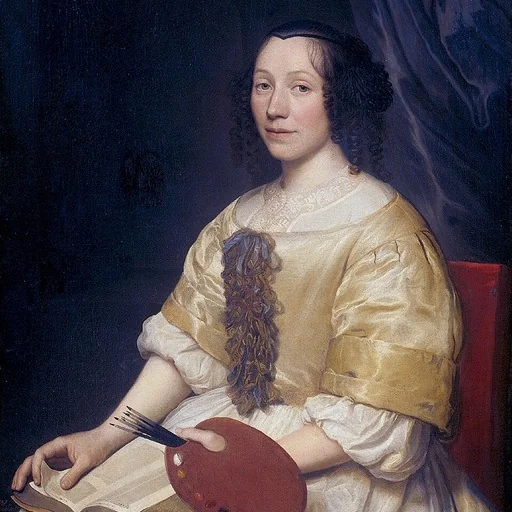
Maria van Oosterwijck (1630–1693), also spelled Oosterwyck, was a Dutch Golden Age painter, specialising in richly detailed flower paintings and other still lifes.

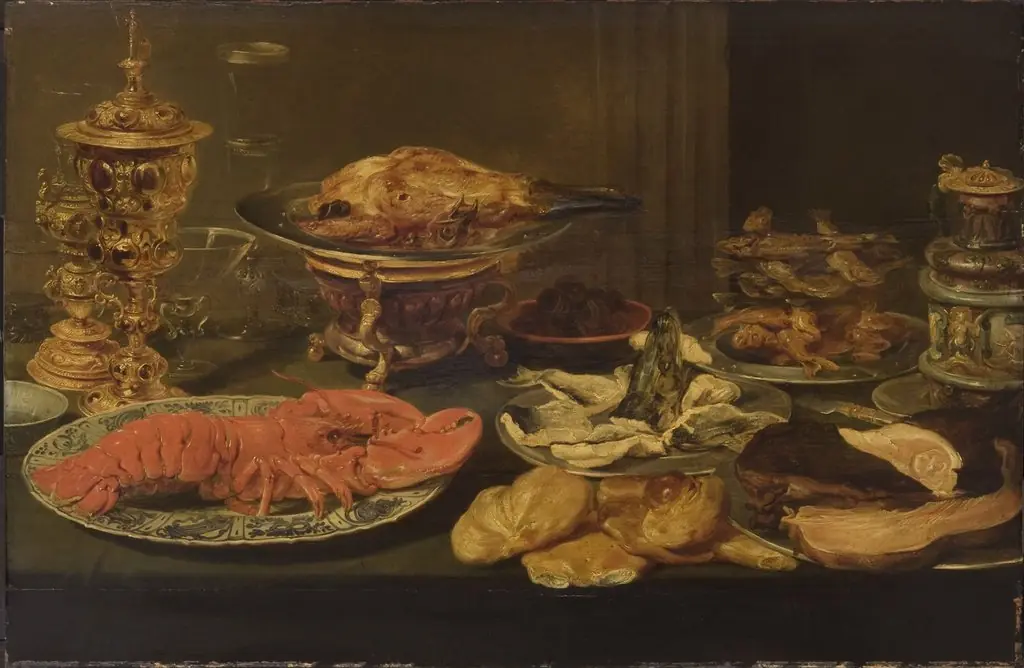 Still Life with a Lobster
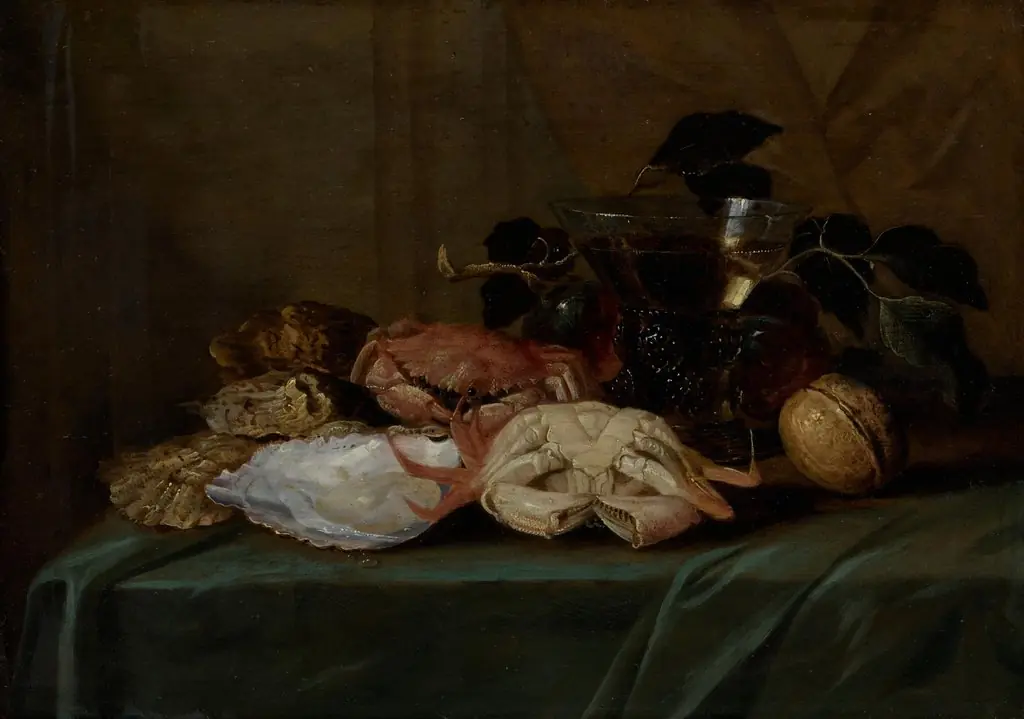 Still Life with Crabs
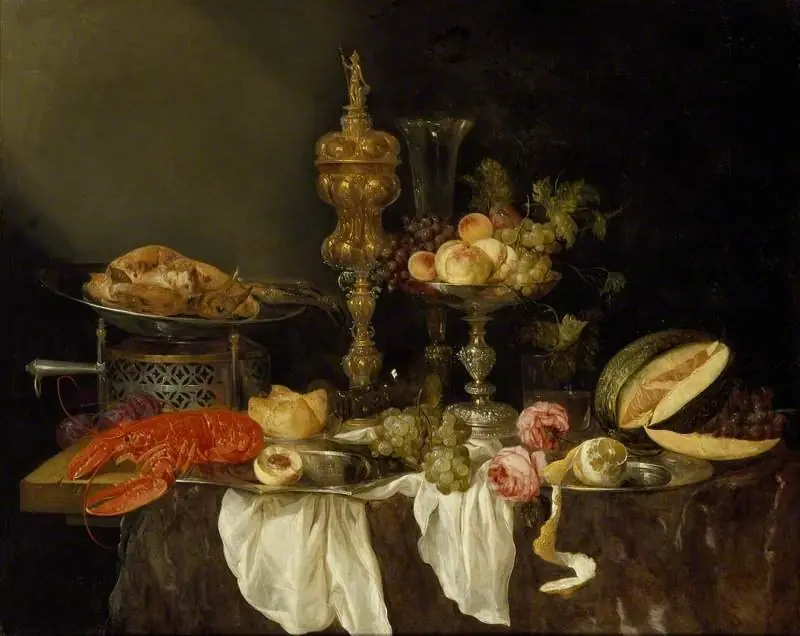 Still Life with a Lobster and Turkey
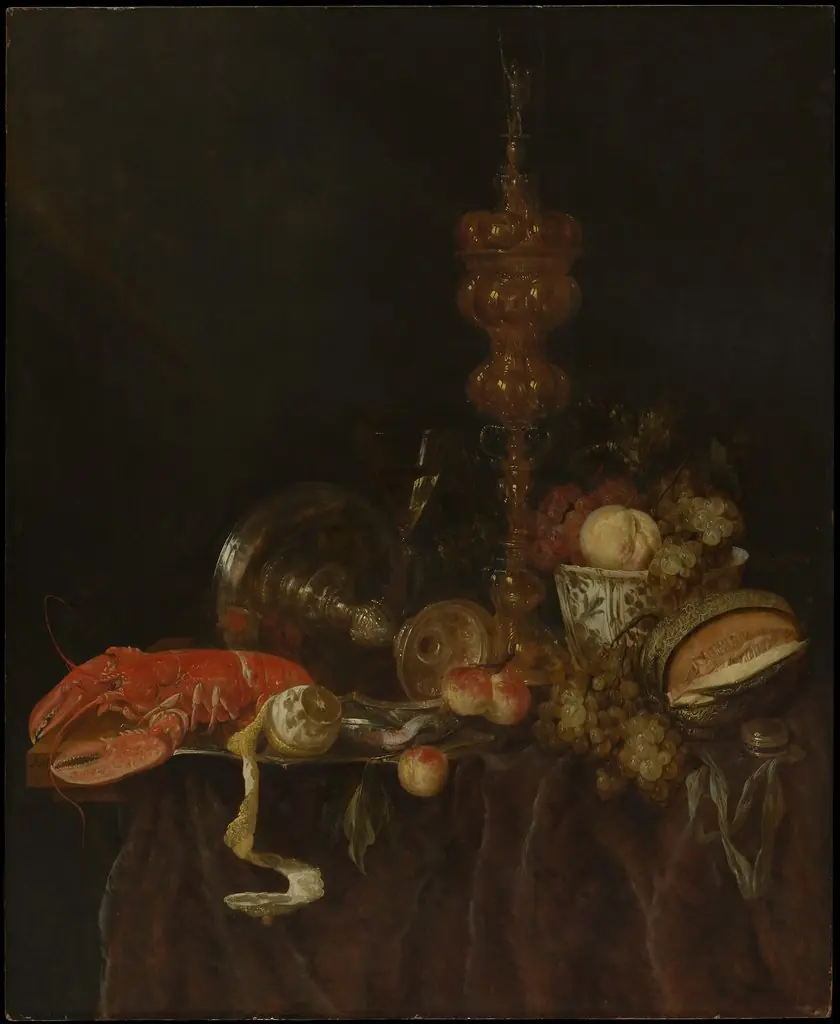 Still Life with Lobster and Fruit
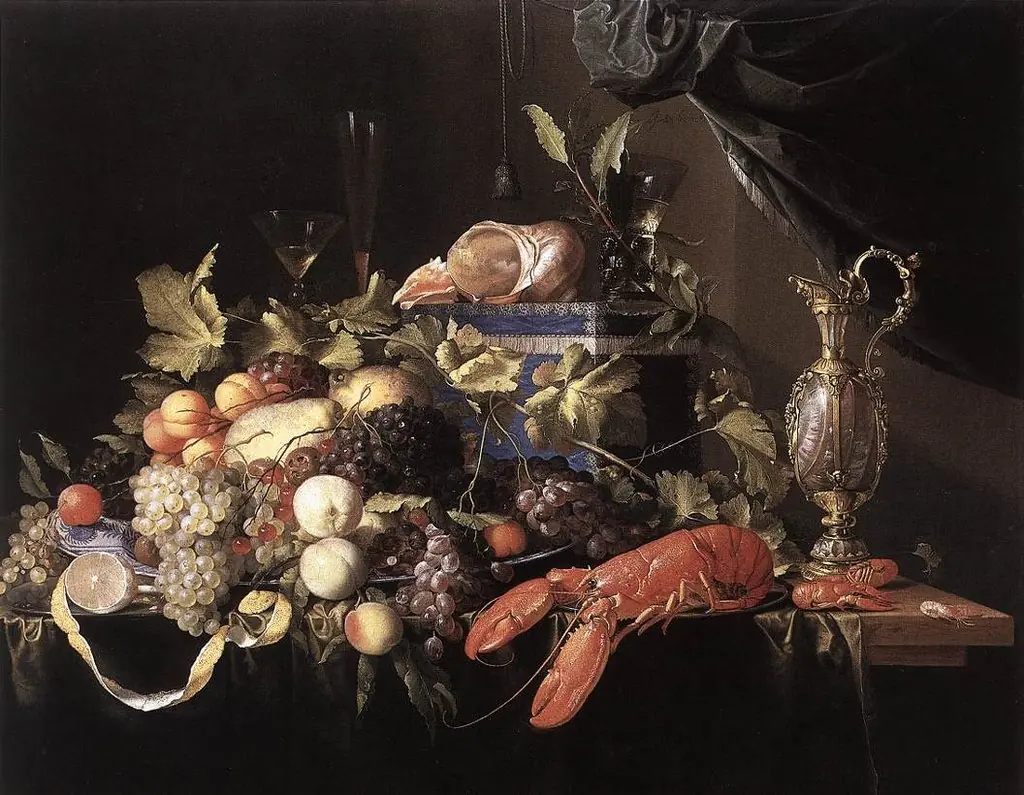 Still Life with Fruit and Lobster
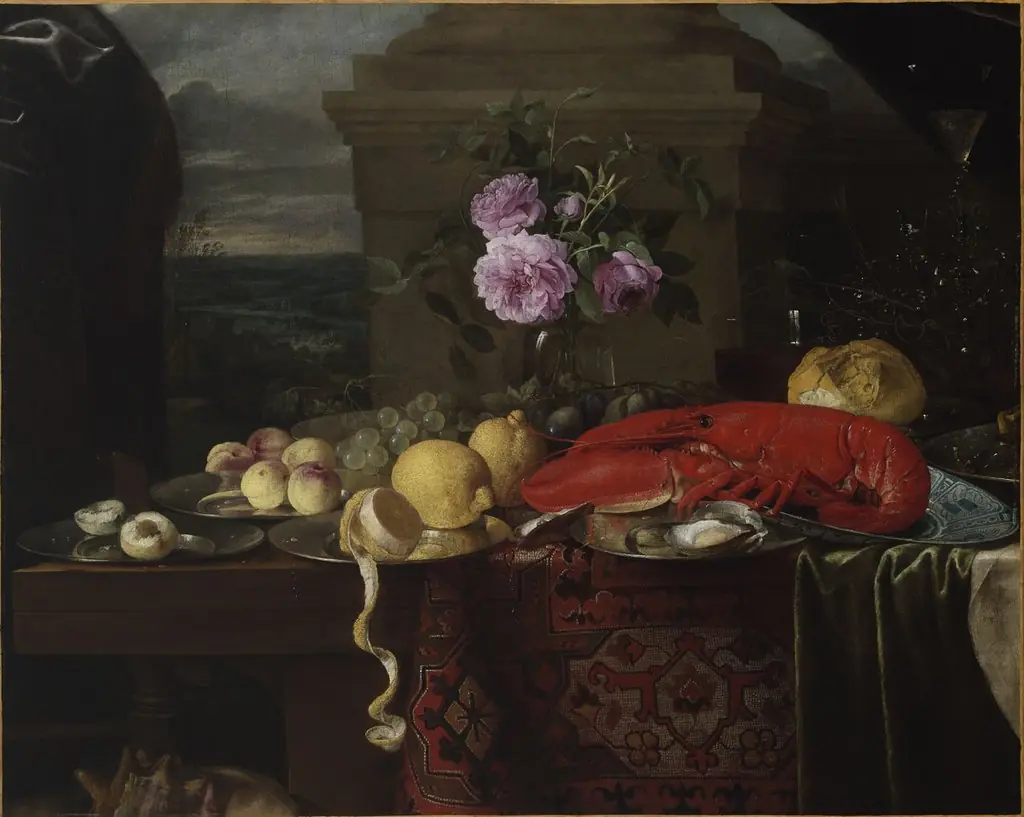 Still Life with Lobster, Fruit, and Roses
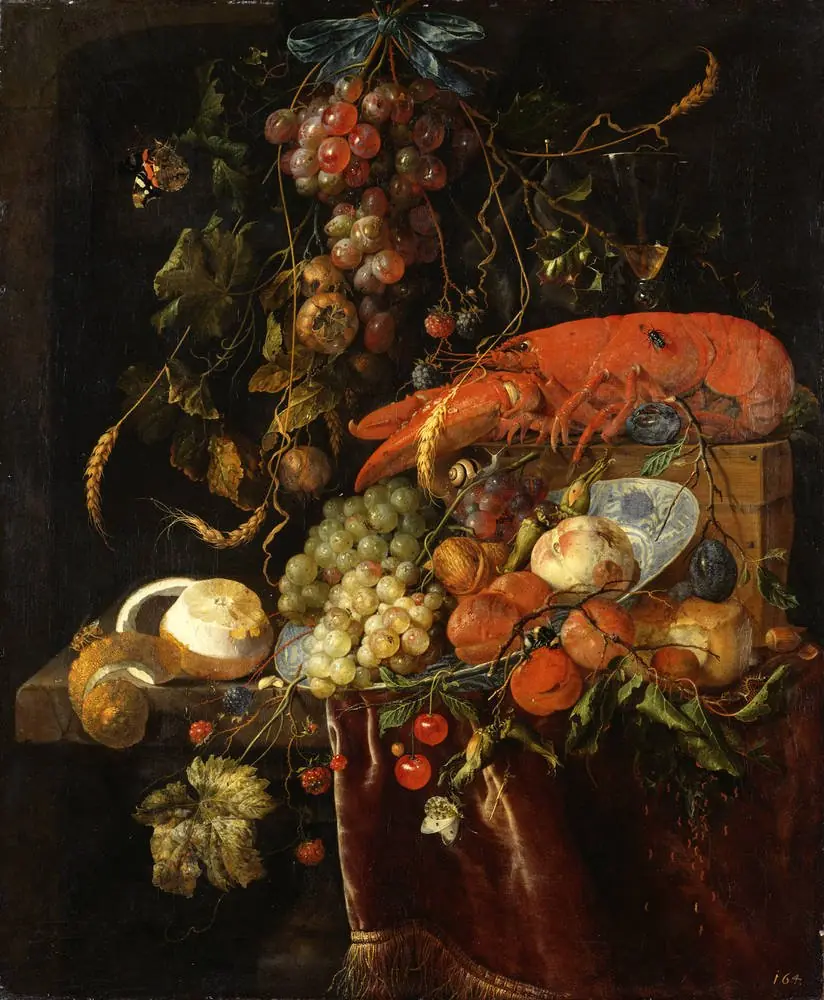 Still Life with a Lobster
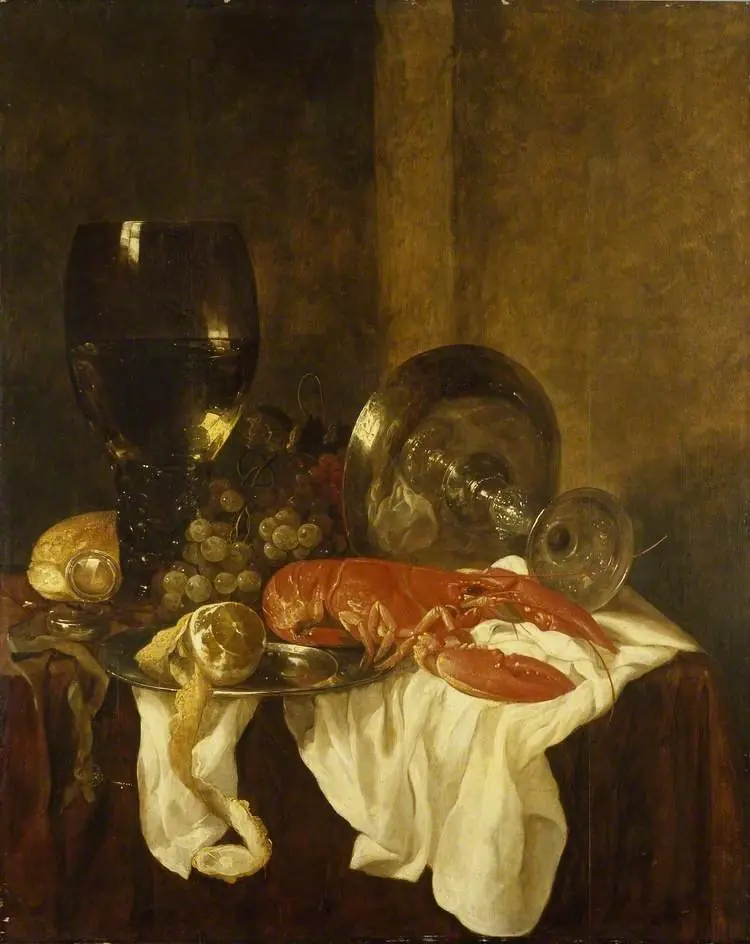 Still Life with a Lobster
 Still life with lobster
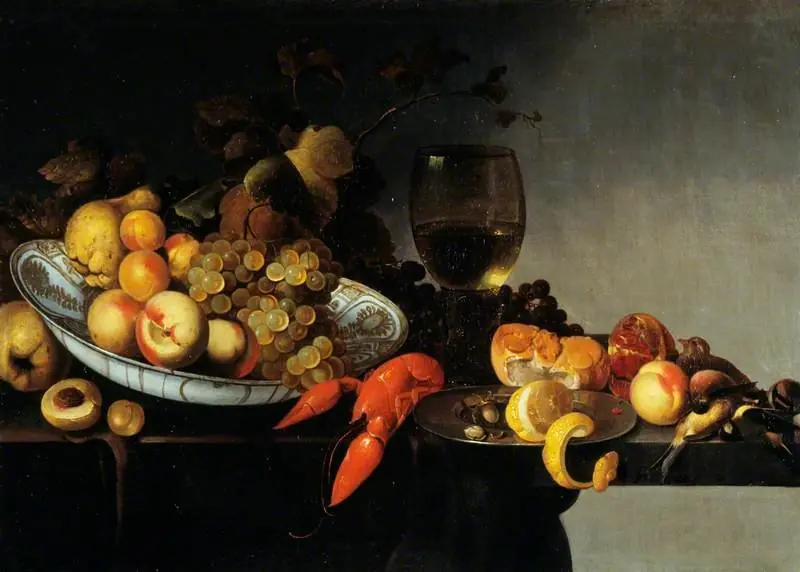 Still Life with Fruit, a Lobster and Dead Game
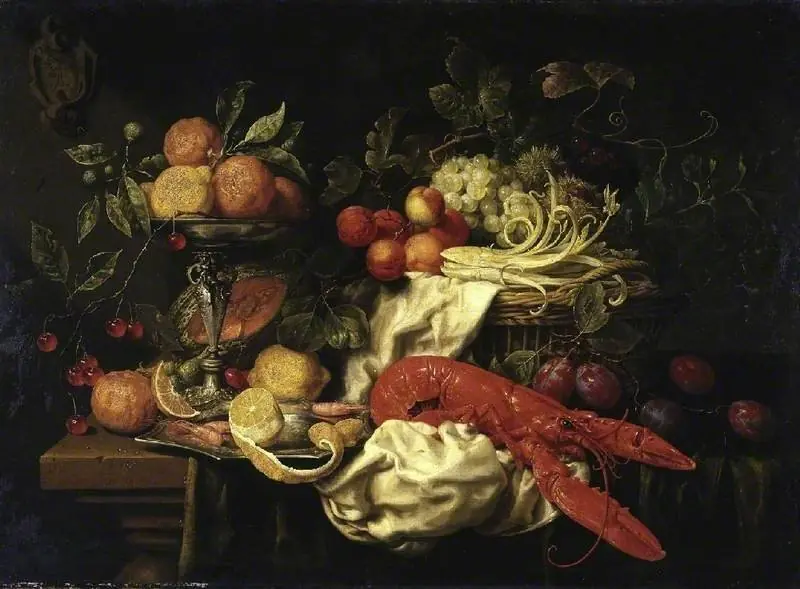 Still-life with a lobster
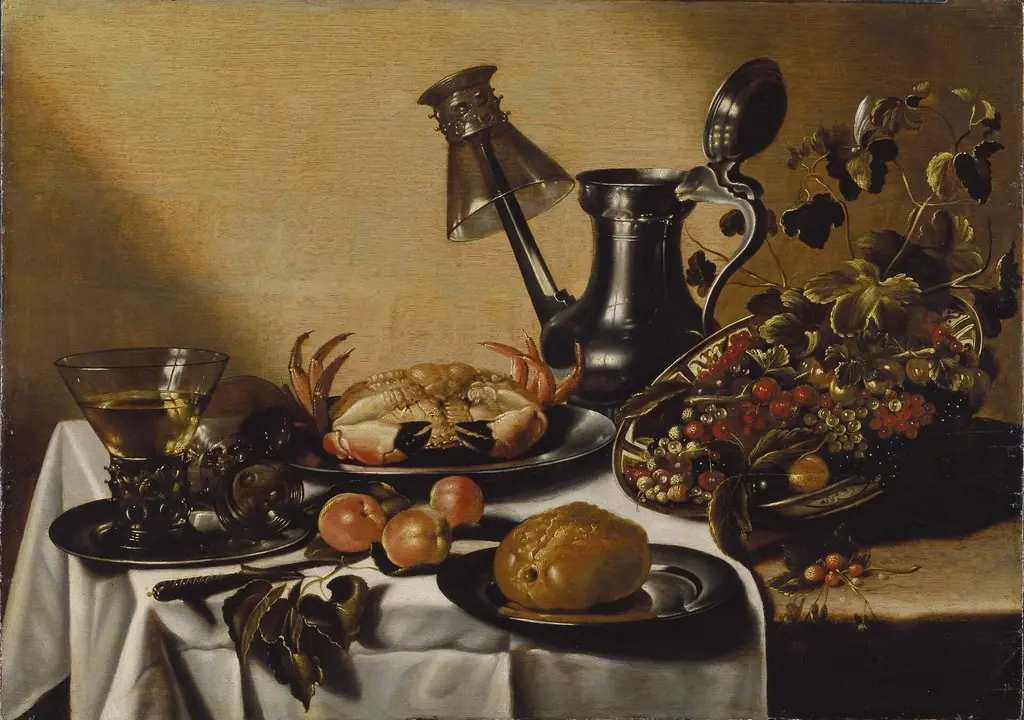 Still Life with Crab and Fruit