Artwork
The Conversion of the Duke of Gandía
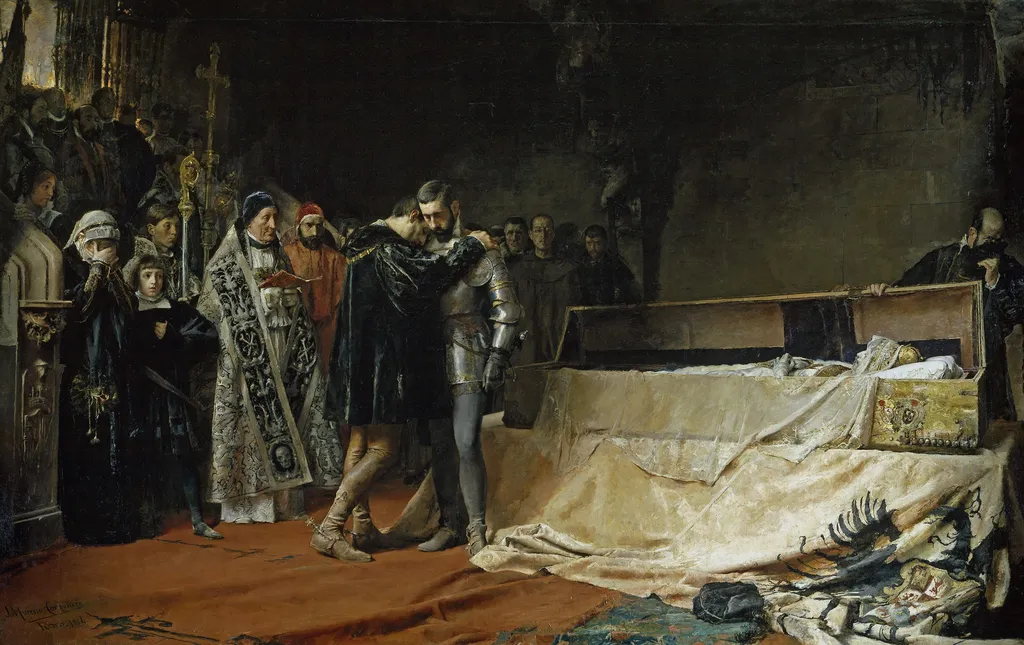
The Conversion of the Duke of Gandía is an oil painting by the Post-Impressionist artist José Moreno Carbonero. It dates from 1892 and is held in the collection of the Museo del Prado.
About this work
Overview
Painted in 1892 by Spanish artist José Moreno Carbonero, this oil-on-canvas work depicts a pivotal moment in the life of the Duke of Gandía.
Painted in 1892 by Spanish artist José Moreno Carbonero, this oil-on-canvas work depicts a pivotal moment in the life of the Duke of Gandía. Created during the height of Carbonero’s career, the painting reflects his focus on historical narratives and psychological depth. It resides in the Museo del Prado, where it is recognized as part of Spain’s 19th-century academic tradition, though it diverges from pure realism through its atmospheric lighting and symbolic details.
Subject & Meaning
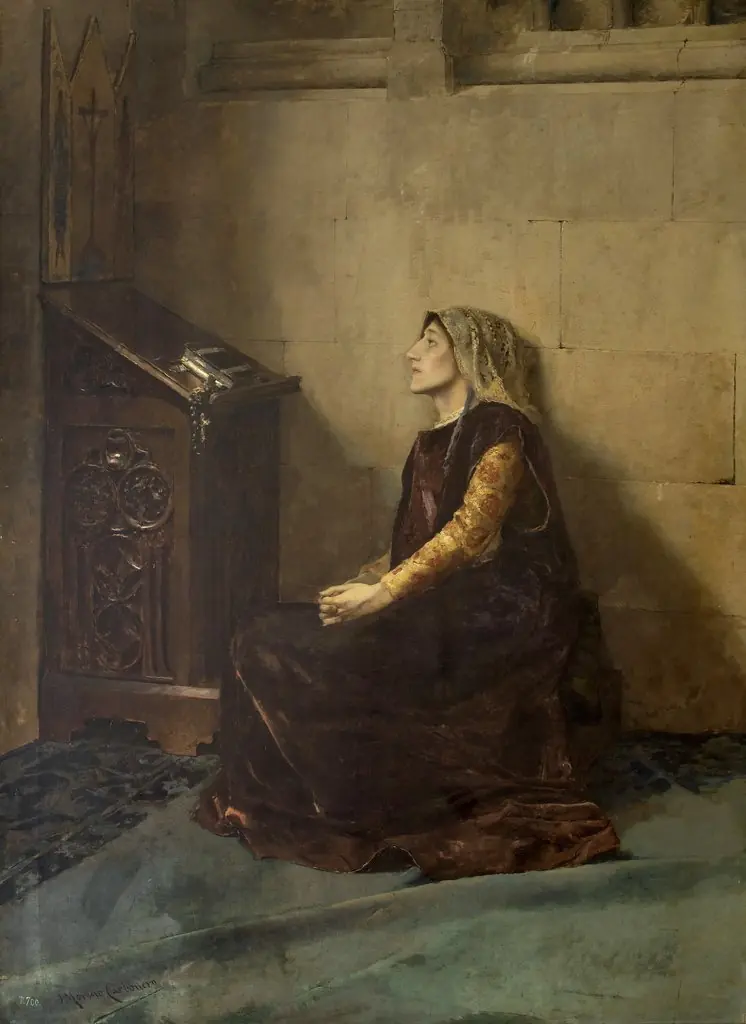
The scene portrays the spiritual transformation of the Duke of Gandía, traditionally understood as his conversion to a more devout life following personal turmoil. Figures gather around a covered body, suggesting death or surrender. The armored man, likely the duke himself, stands in stillness, his posture indicating internal reckoning. The priest’s open book and the scattered chains imply a break from past violence or sin, framing the moment as one of moral reckoning rather than physical action.
Technique & Style
Carbonero employs chiaroscuro to heighten the emotional gravity of the scene, with deep shadows pooling around broken chains and bones on the stone floor. The textures of armor, fabric, and rough masonry are rendered with precise detail, yet the composition avoids theatricality. The palette is muted—ochres, grays, and deep browns—enhancing the somber tone. Brushwork is controlled, favoring clarity over impressionistic blur, aligning with academic conventions of the period.
History & Provenance
Commissioned as part of a series on Spanish religious figures, the painting was completed in 1892 and entered the Museo del Prado’s collection shortly thereafter. Carbonero, already honored at the 1889 Exposition Universelle in Paris, was known for his ability to merge historical accuracy with emotional resonance. The work remained relatively unaltered in public view, preserved as a representative example of late 19th-century Spanish academic painting.
Context
In late 19th-century Spain, religious themes retained cultural weight amid political upheaval and secularization. Artists like Carbonero responded by revisiting historical moments of spiritual turning points, often tied to noble or royal figures. This painting reflects a broader trend of using the past to explore moral renewal, aligning with Catholic revivalist sentiments while appealing to state-sponsored cultural institutions seeking to affirm national identity.
Legacy
Though not widely exhibited outside Spain, the painting endures as a refined example of academic history painting in the Spanish tradition. It demonstrates how 19th-century artists balanced narrative clarity with psychological subtlety, avoiding melodrama in favor of quiet intensity. Its presence in the Prado ensures continued scholarly attention, particularly in studies of religious iconography and the evolution of Spanish visual culture during the Restoration era.
Own this work as a print
Artist & collection
Artist
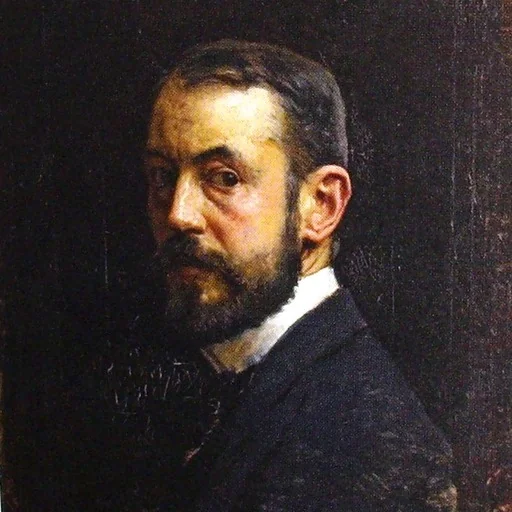
José Moreno Carbonero (Spanish: ; 24 March 1858 – 15 April 1942) was a Spanish painter and decorator.

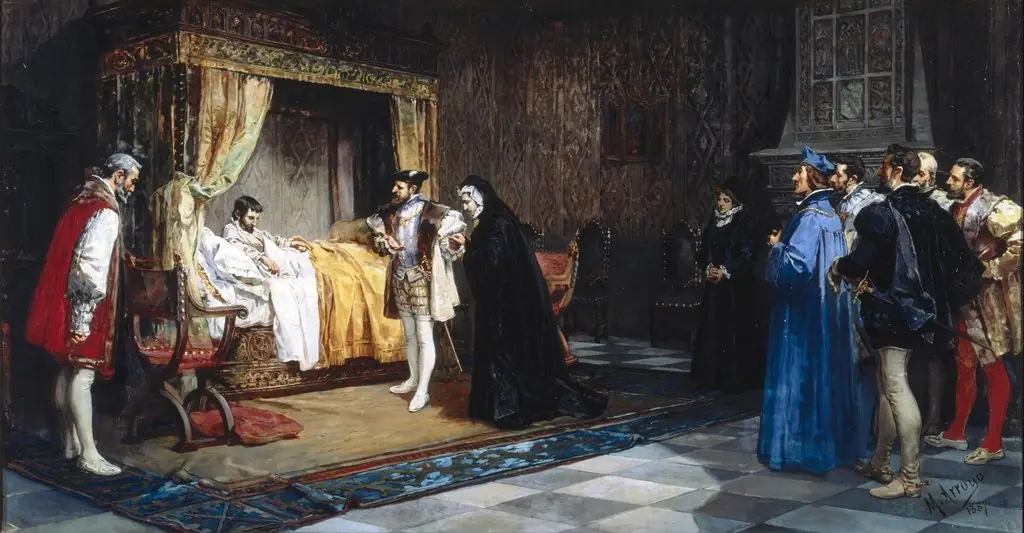 La duquesa de Alençon presentada a su hermano el rey de Francia Francisco I por el emperador Carlos V
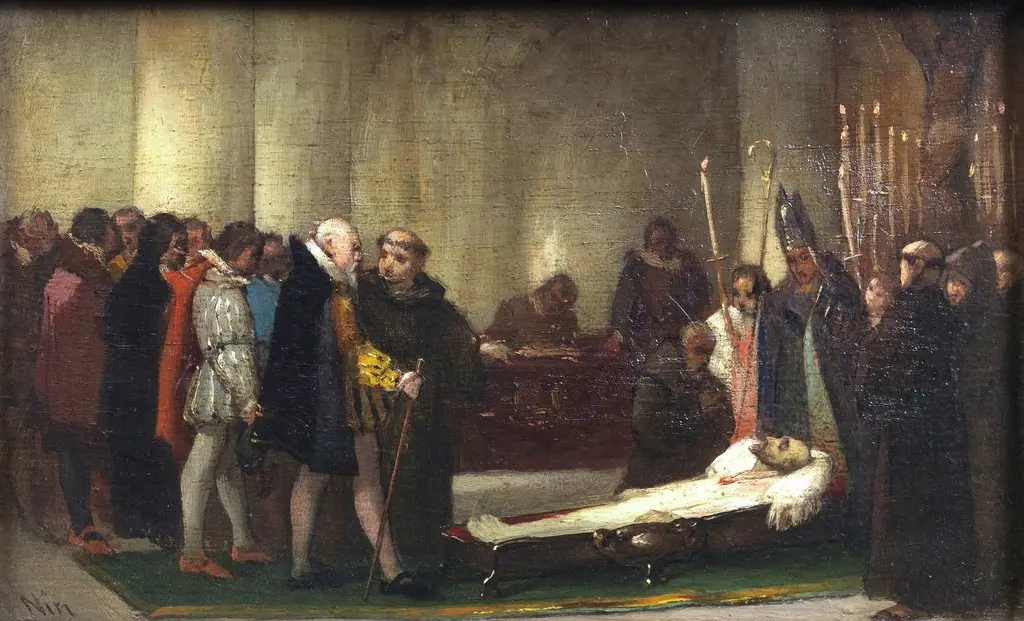 Escena histórica de velatorio
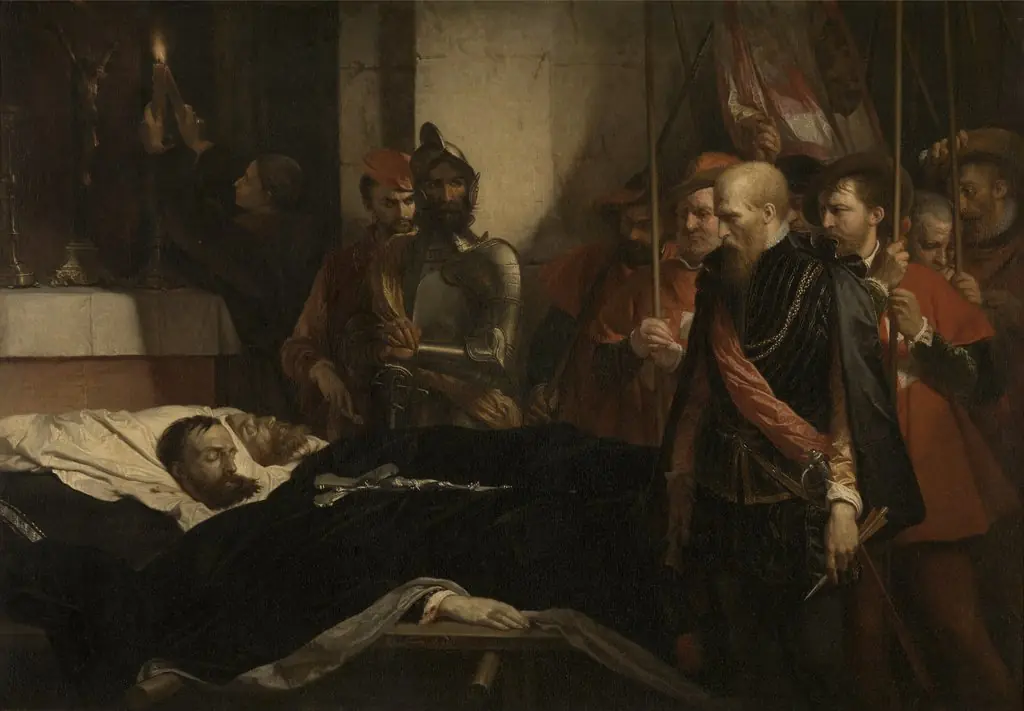 Last Tribute to the Counts of Egmont and of Horn
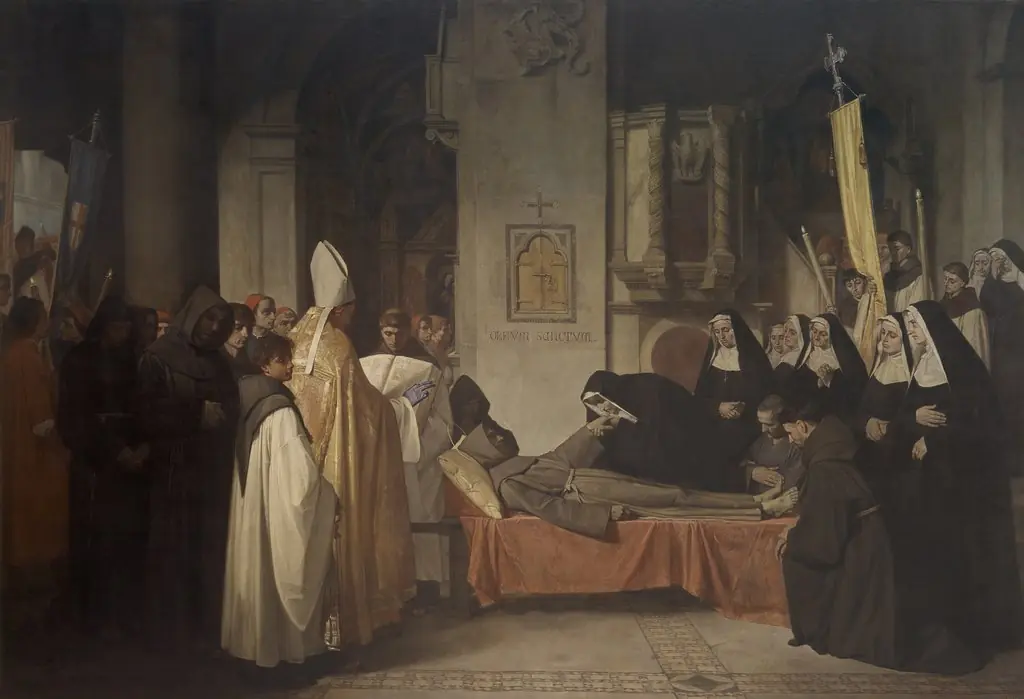 Traslación de San Francisco de Asís
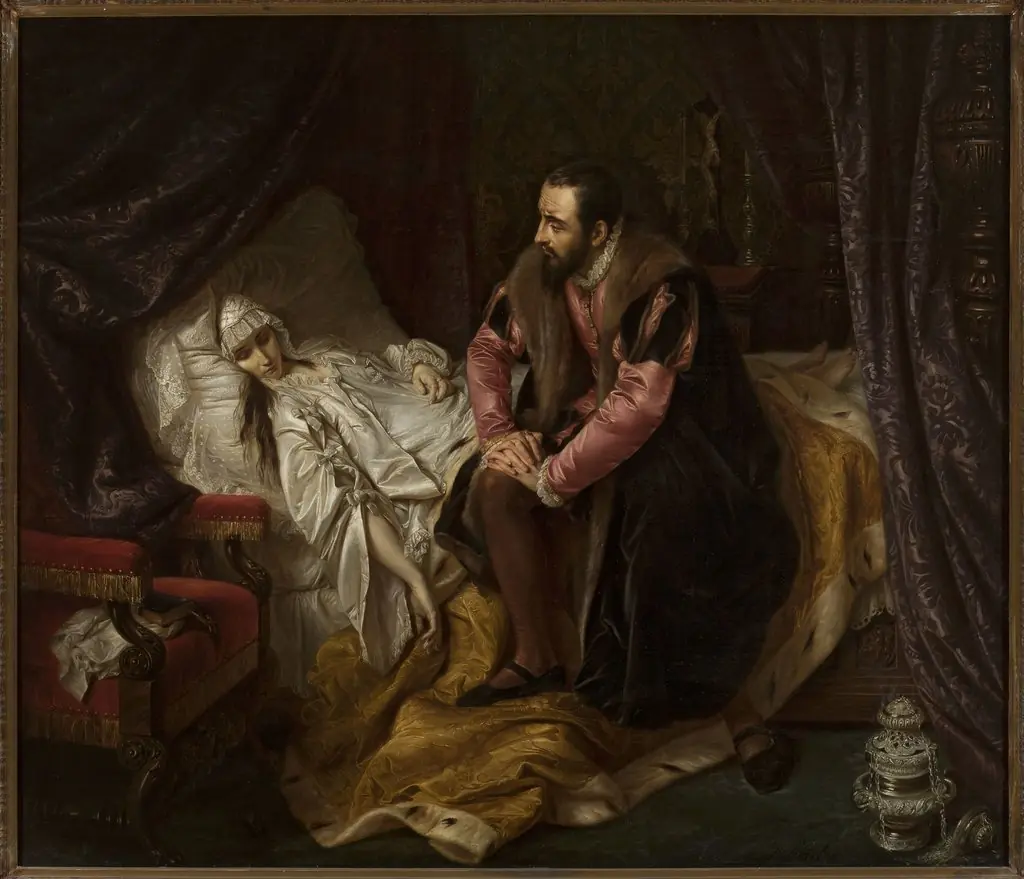 Death of Barbara Radziwiłł
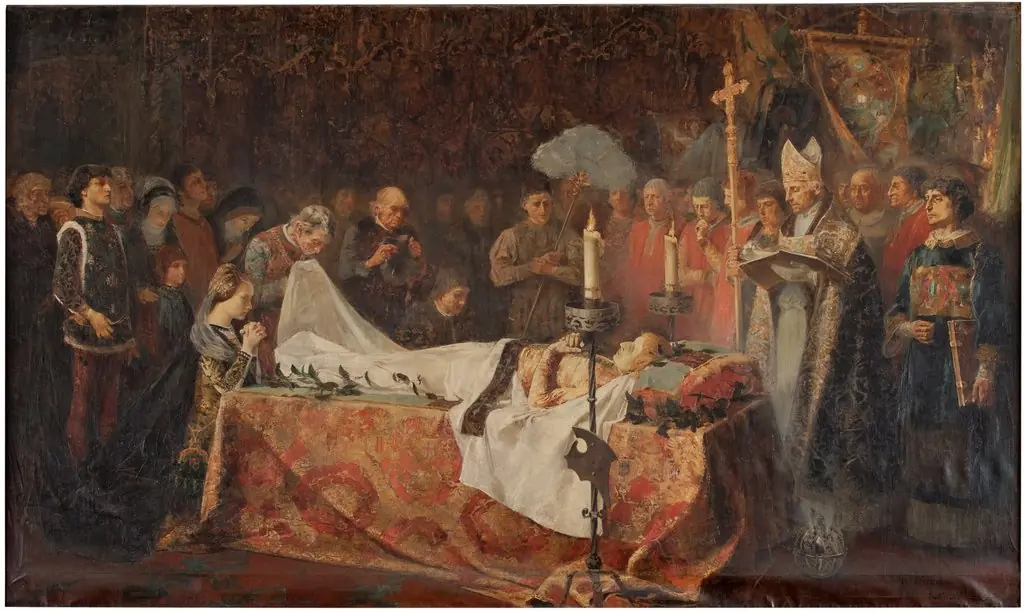 Muerte del príncipe de Viana
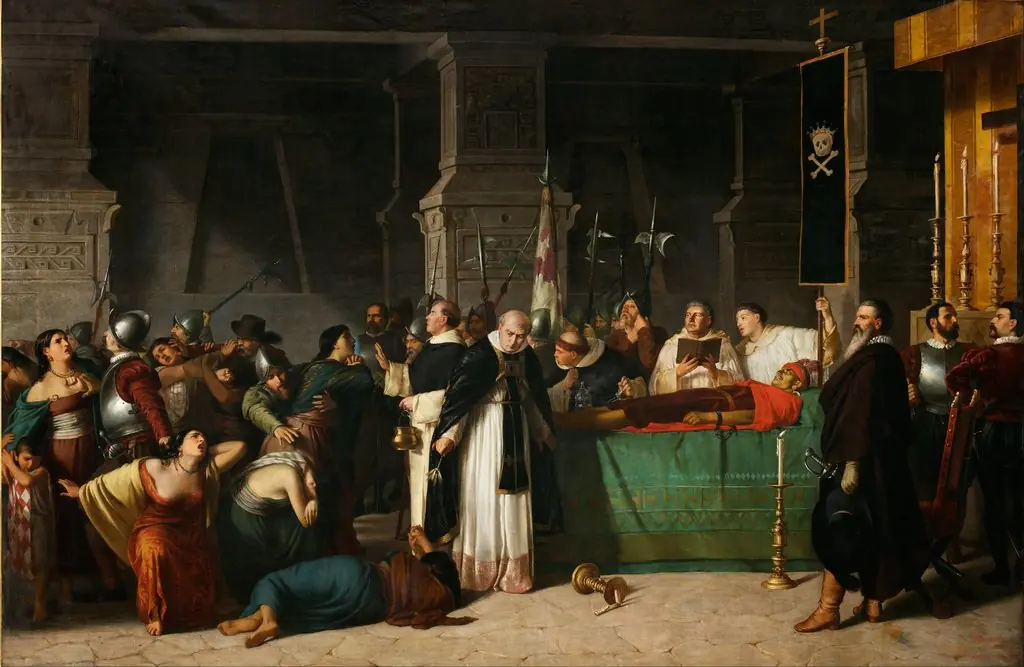 The Funerals of Inca Atahualpa
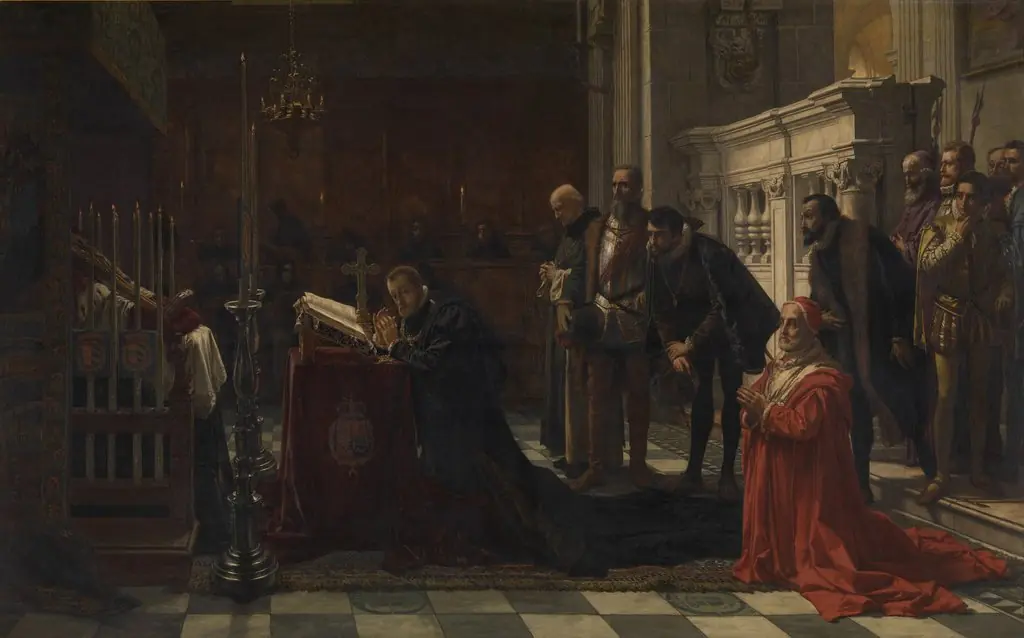 Philip II of Spain Honours Don John of Austria
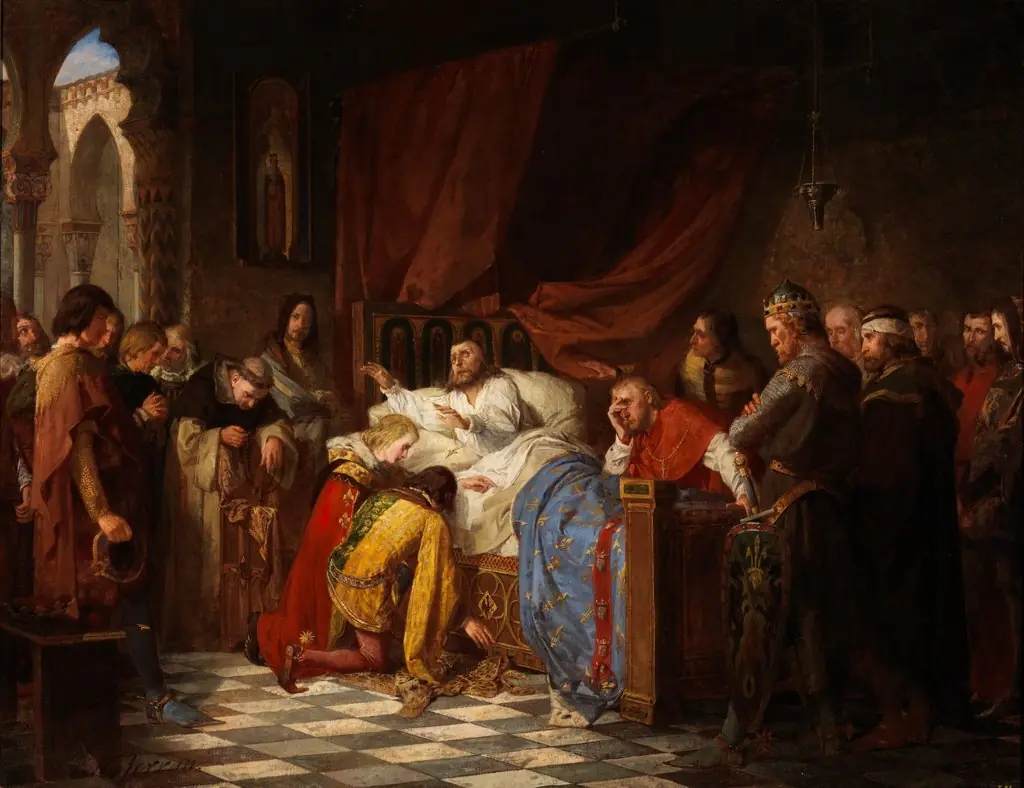 Felipe III de Francia moribundo bendiciendo a sus hijos
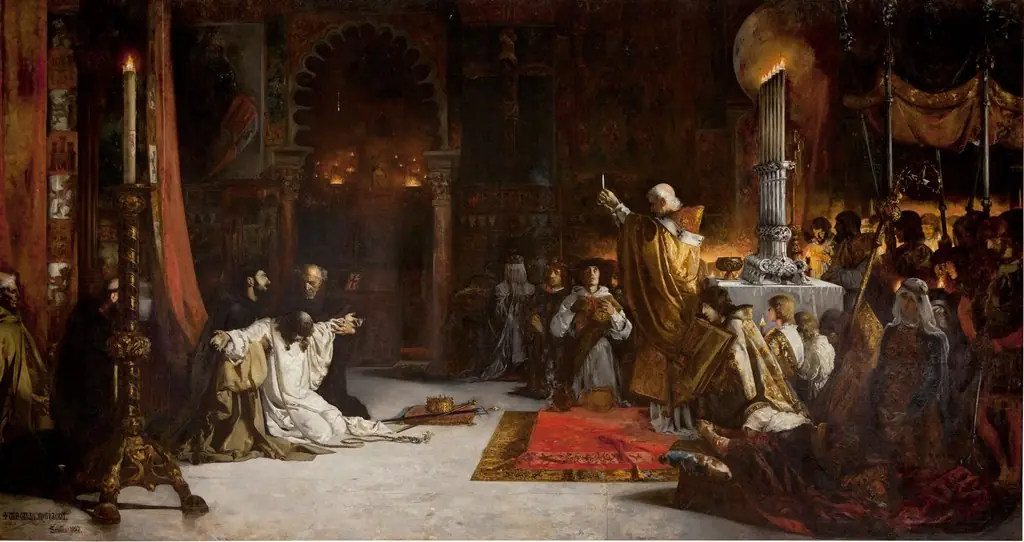 Las postrimerías de Fernando III el Santo
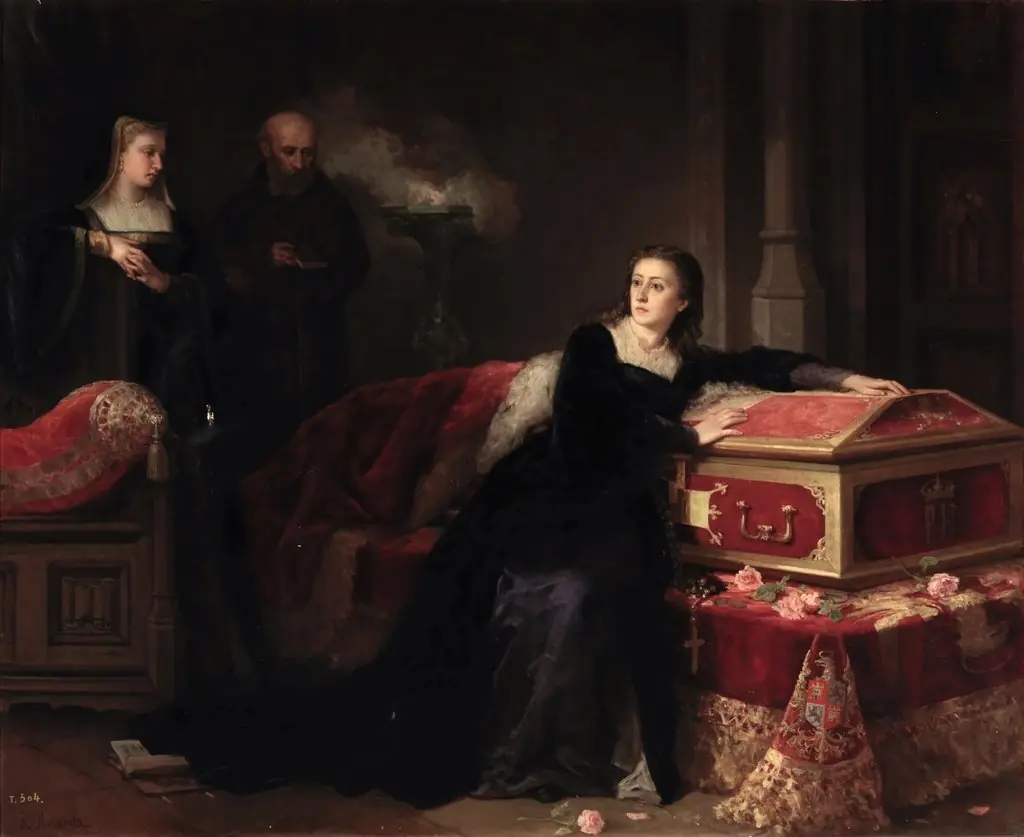 La reina doña Juana la Loca
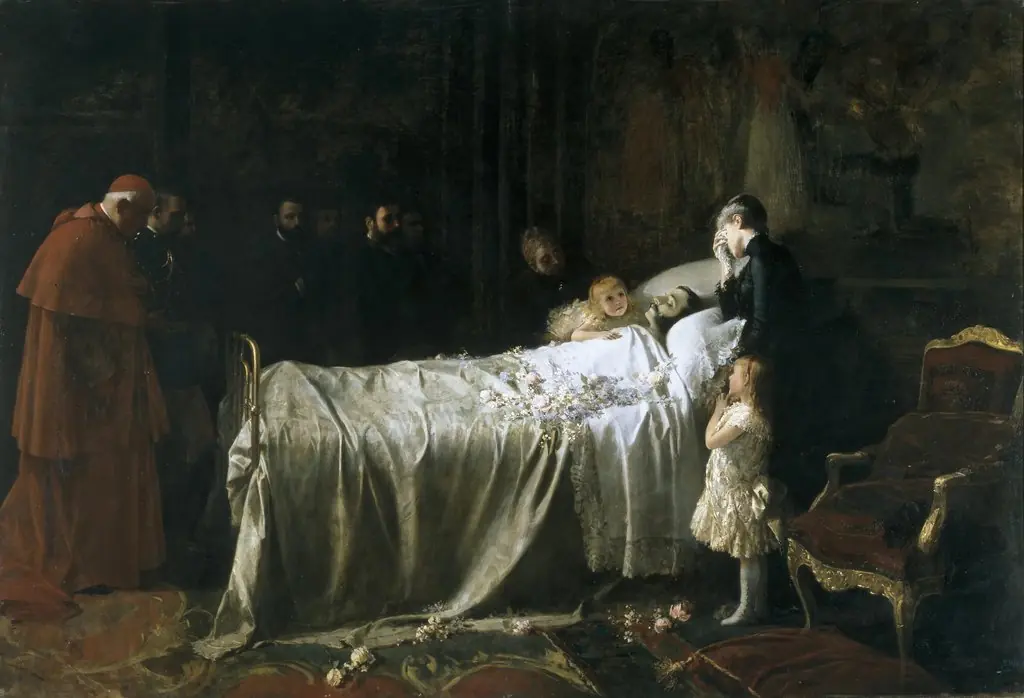 el Último Beso