Artwork
Escena histórica de velatorio
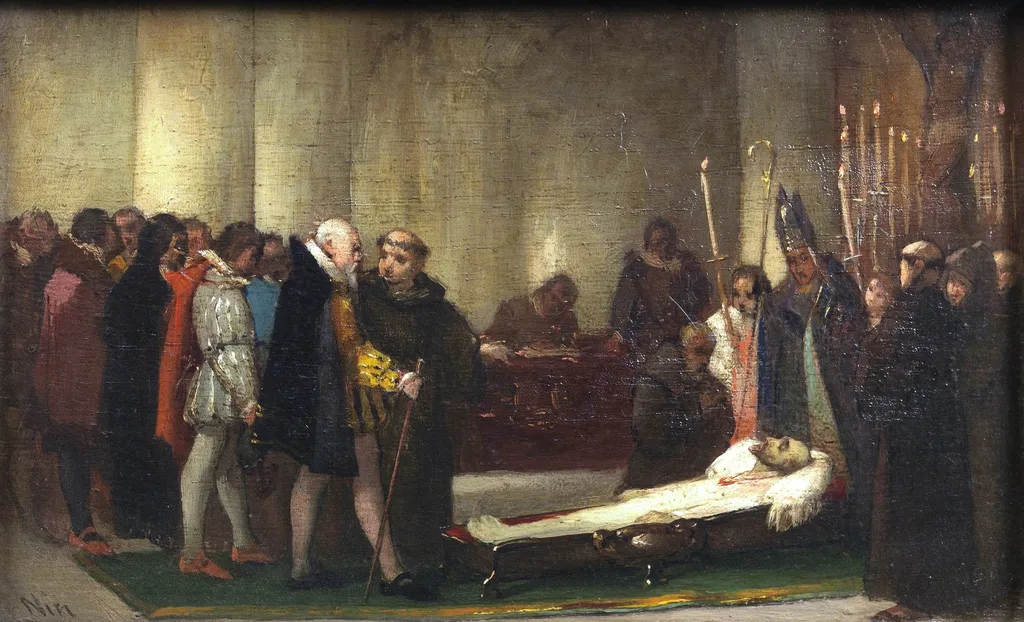
Escena histórica de velatorio is an oil painting by the Realist artist José Nin y Tudó. It dates from 1870 and is held in the collection of the Museo del Prado.
About this work
Overview
Escena histórica de velatorio is an 1870 oil painting by Spanish Realist José Nin y Tudó, depicting a historical lying-in-state. Characterized by somber tones and chiaroscuro, the work captures a moment of collective mourning. It is part of the Museo del Prado's collection.
Subject & Meaning
The painting portrays a group gathered around a deceased individual, laid on a central table and covered in white. The mourners, some in dark attire, exhibit sorrowful expressions, conveying a sense of communal grief and solemnity.
Technique & Style
Nin y Tudó employed chiaroscuro to create deep contrasts between light and dark, enhancing the scene's drama and depth. The predominant use of dark colors and dim lighting reinforces the mournful atmosphere.
History & Provenance
Created in 1870 as part of Nin y Tudó's mortuary painting series, for which he gained recognition. The work is currently held in the Museo del Prado's collection.
Context
Aligned with the Realist movement, the painting reflects Nin y Tudó's focus on depicting everyday life and emotional moments with realism, in this case, a historical funeral rite.
Legacy
While specific lasting impacts of *Escena histórica de velatorio* are not widely documented, it contributes to the broader legacy of Nin y Tudó's mortuary themes within Spanish Realism of the 19th century.
Artist & collection
Artist
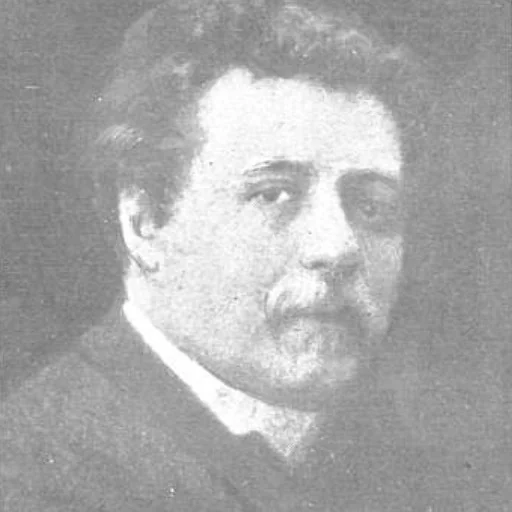
José Nin y Tudó (20 August 1843, El Vendrell – March 1908, Madrid) was a Spanish painter.

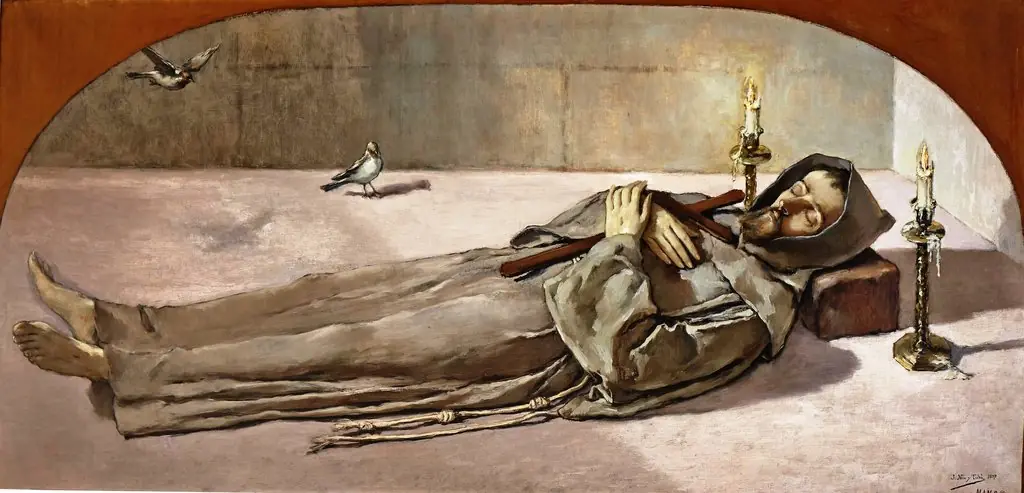
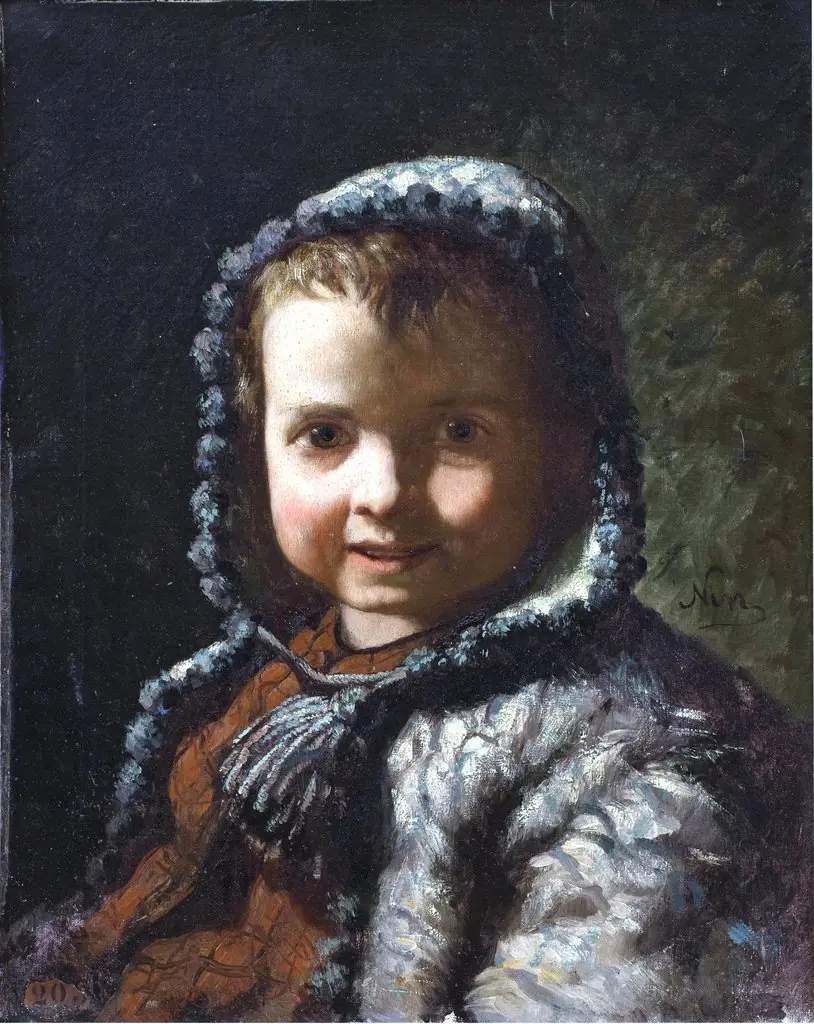
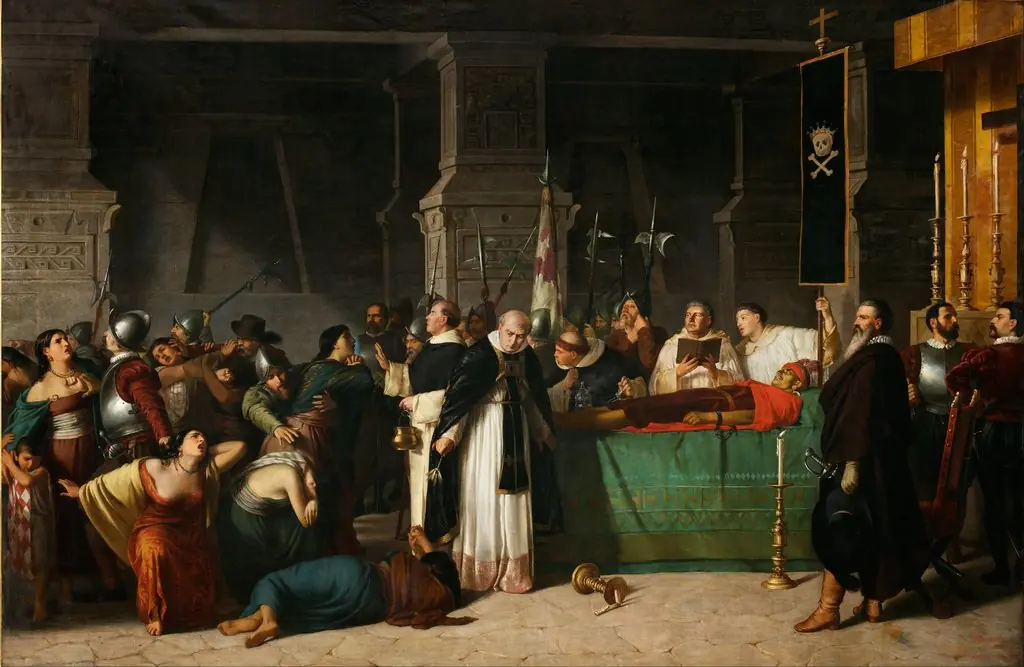 The Funerals of Inca Atahualpa
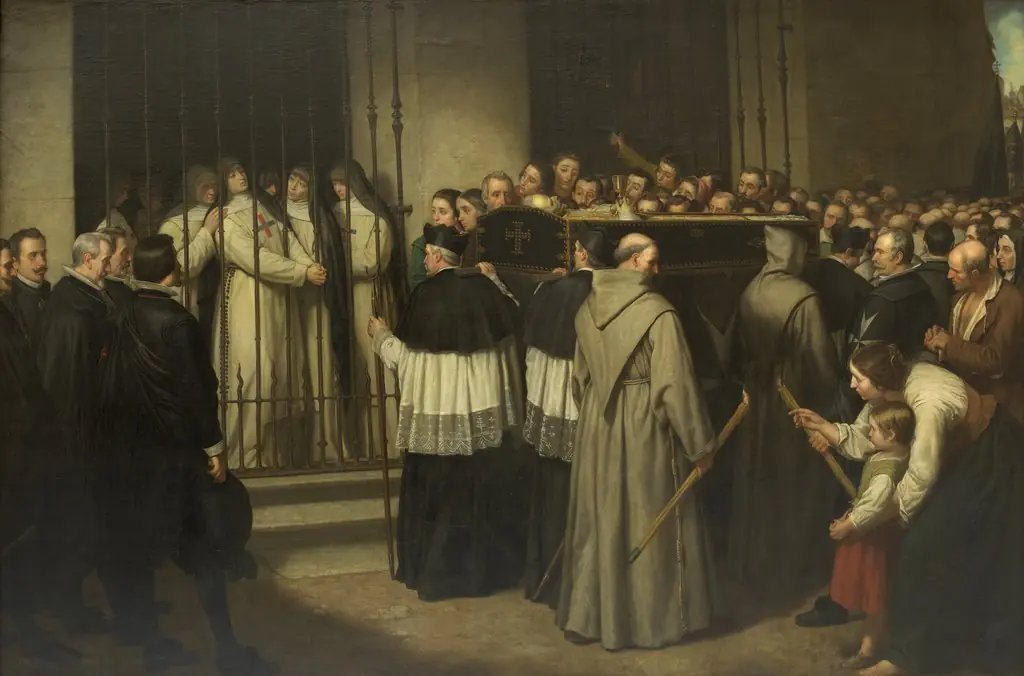 Sor Marcela de San Félix monja de las Trinitarias Descalzas de Madrid viendo pasar el entierro de Lope de Vega su padre
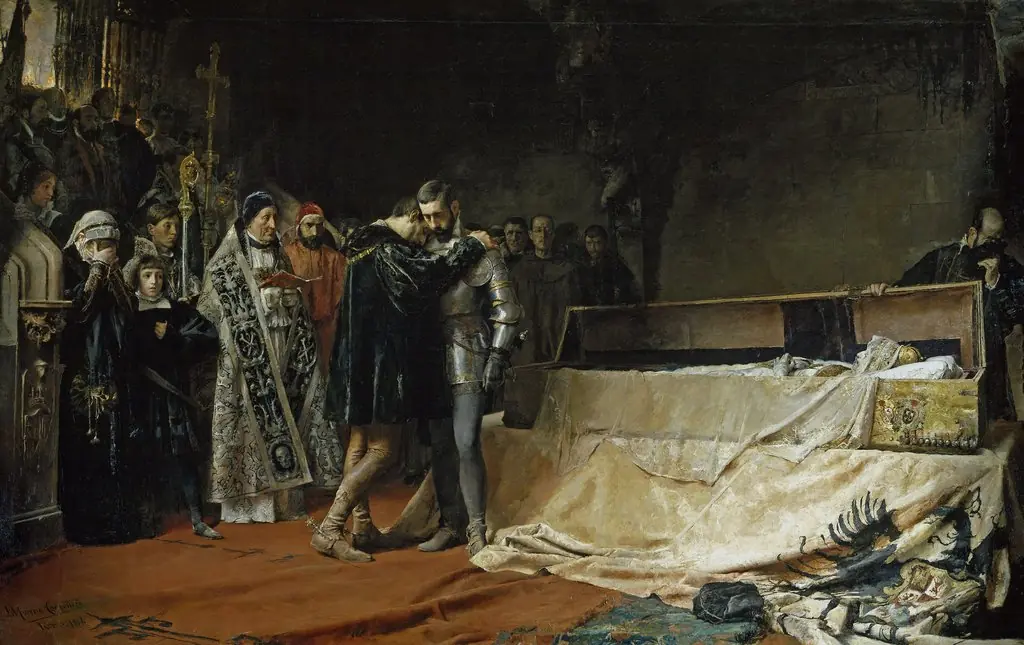 The Conversion of the Duke of Gandía
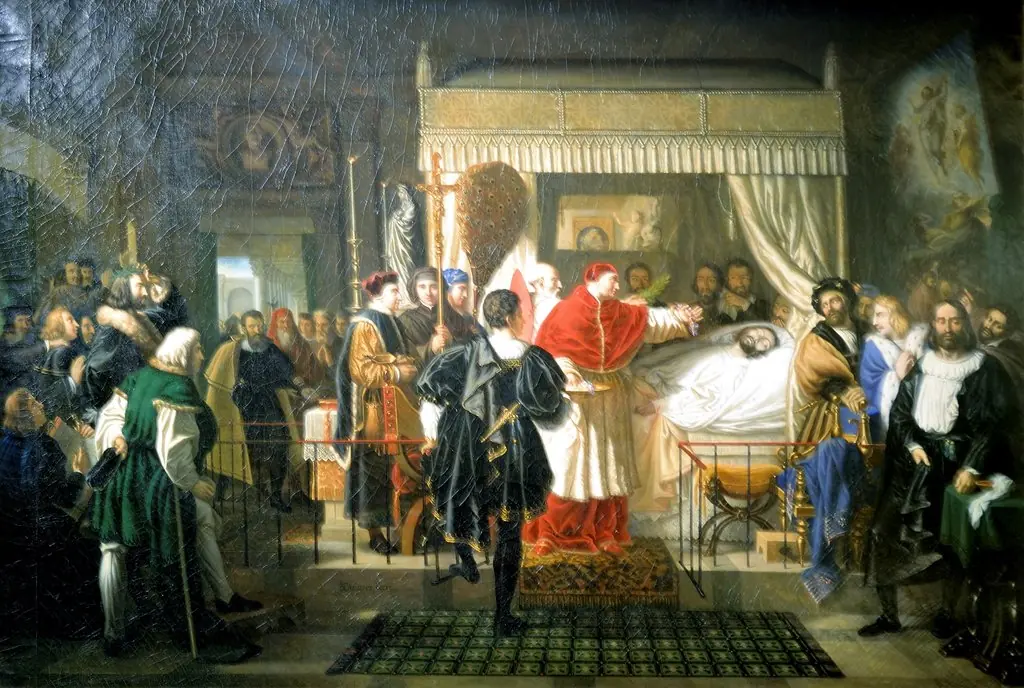 Honors Rendered to Raphael on His Deathbed
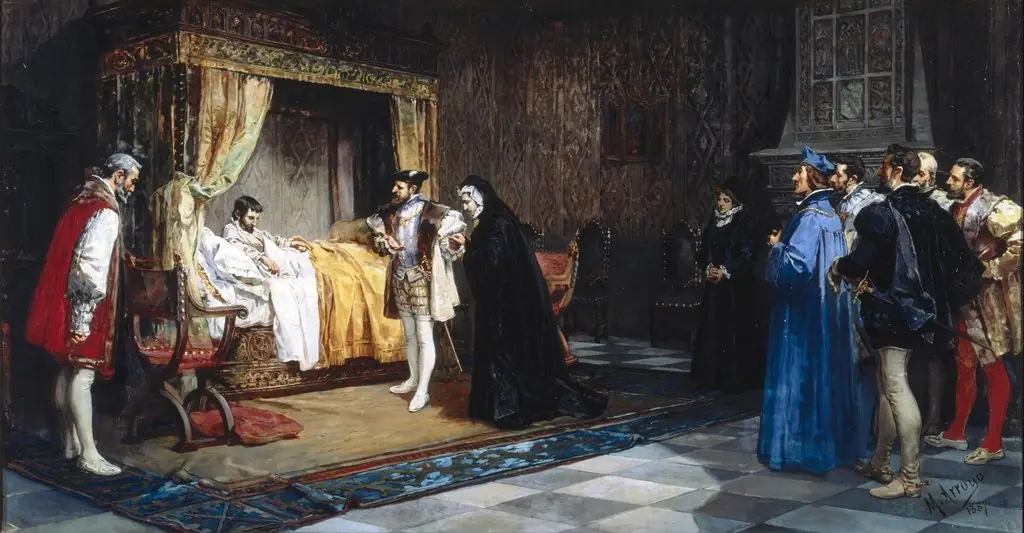 La duquesa de Alençon presentada a su hermano el rey de Francia Francisco I por el emperador Carlos V
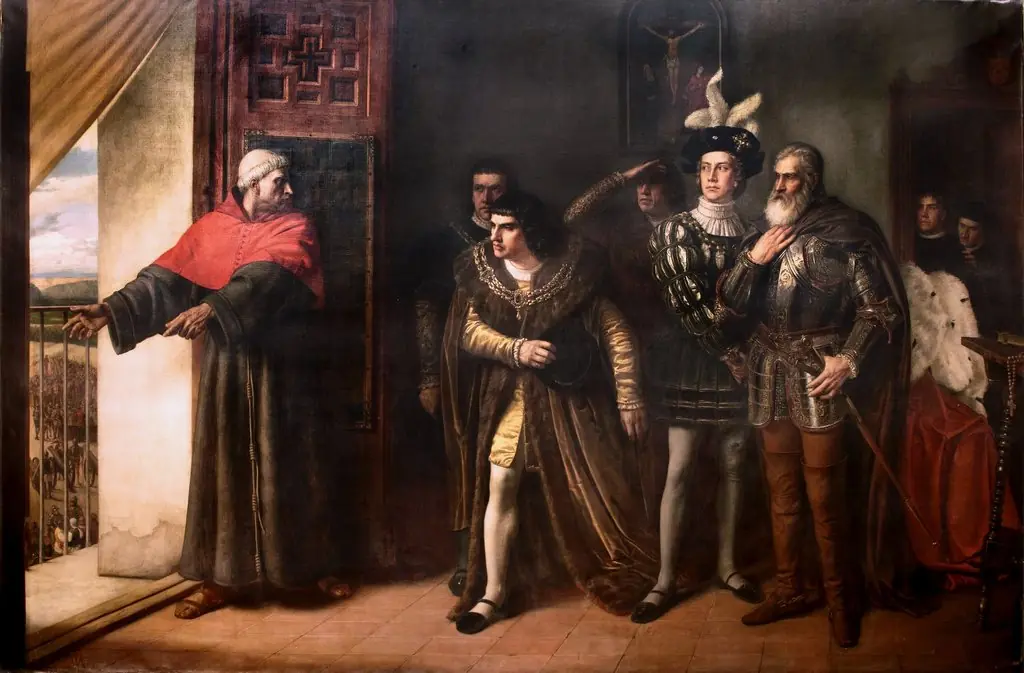 Cisneros y los Grandes
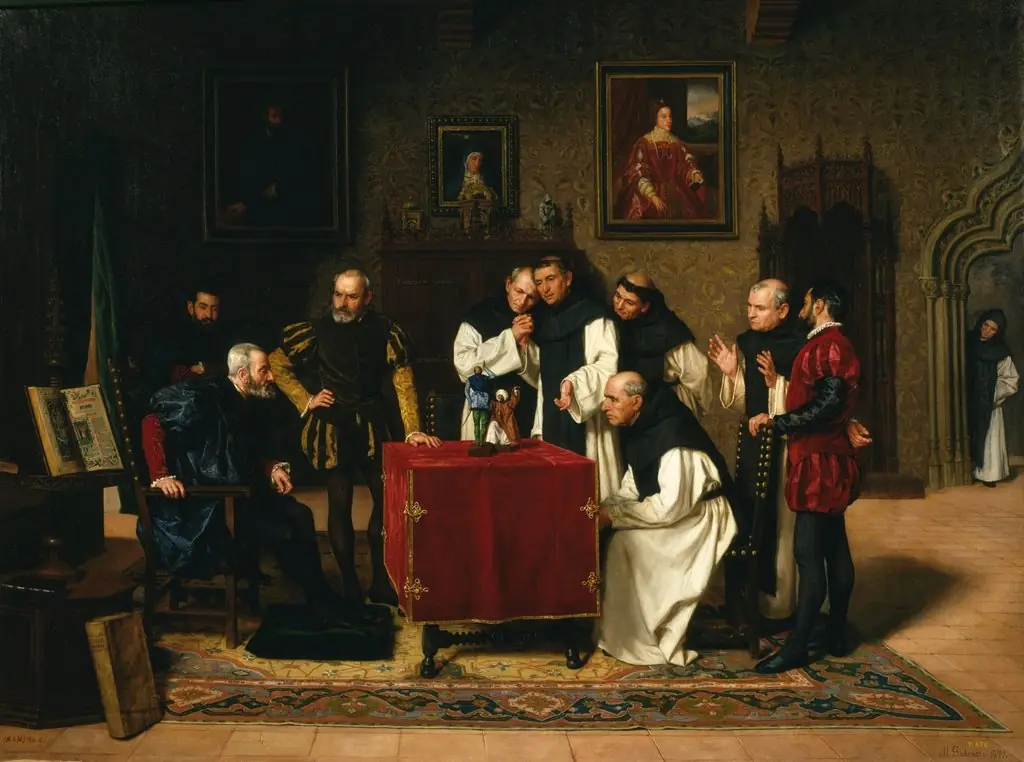 Charles V at Yuste
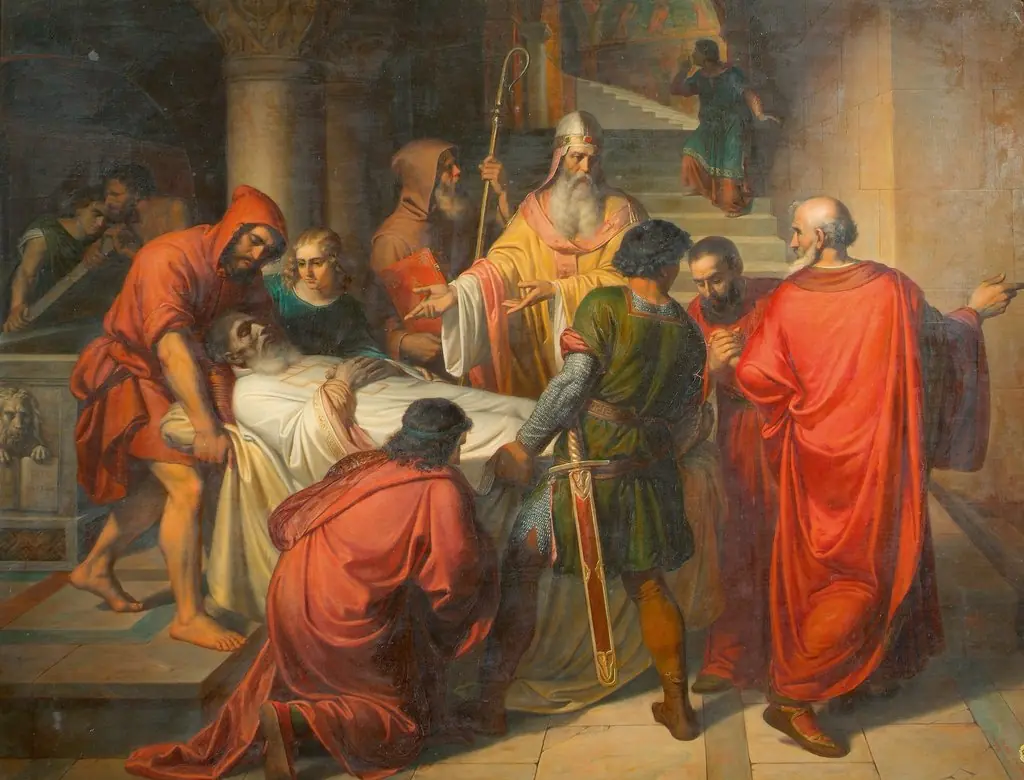 Übergabe des Leichnams des heiligen Markus in Alexandria an die Venezianer
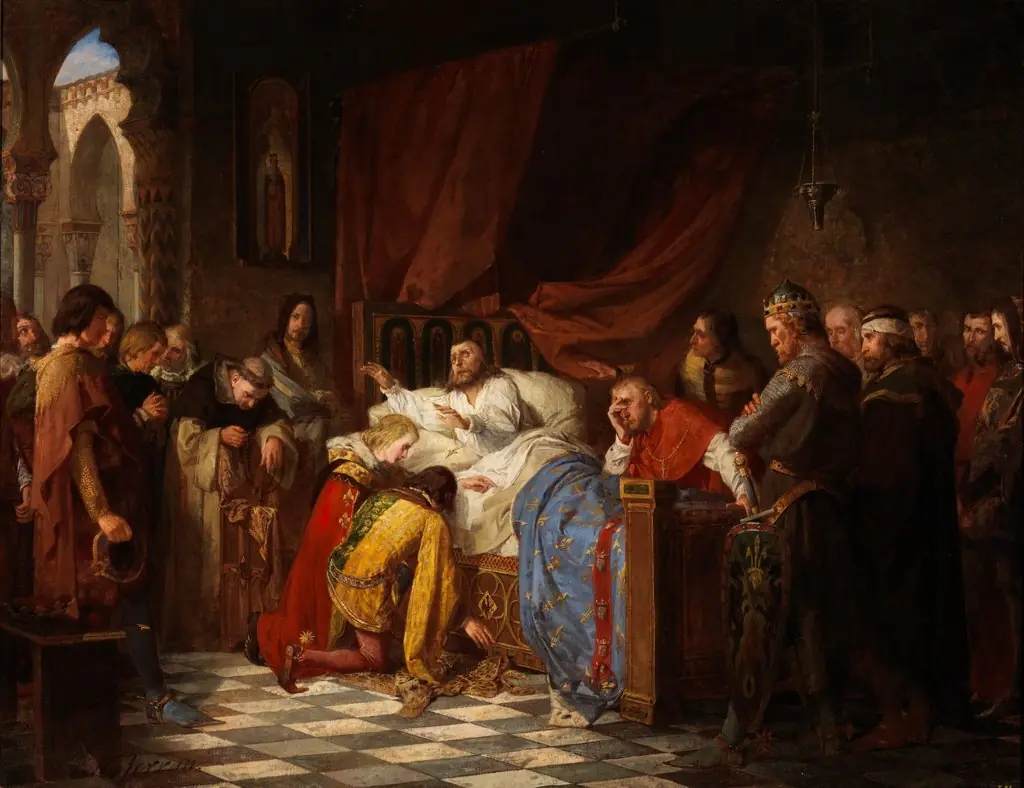 Felipe III de Francia moribundo bendiciendo a sus hijos
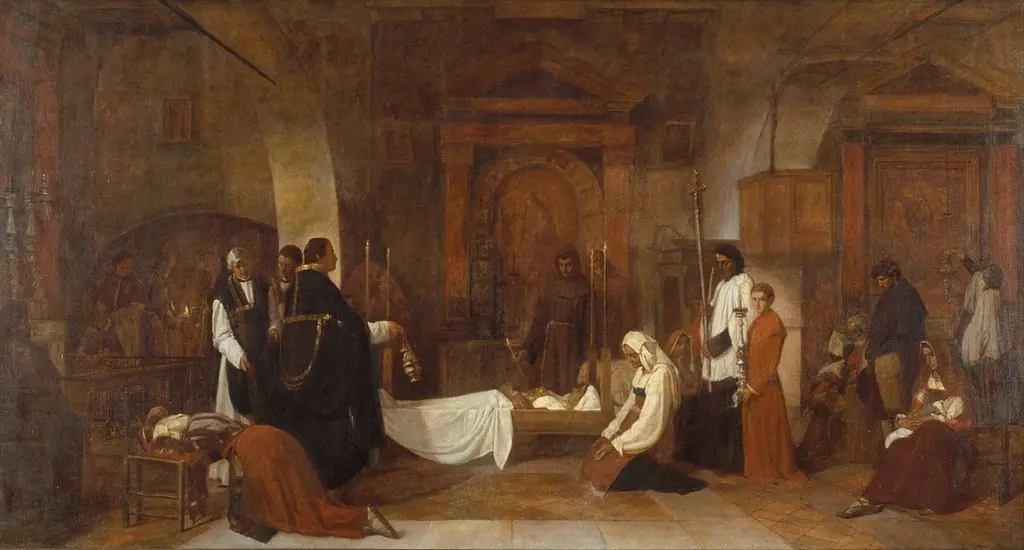 Church of Cervara (Papal States)