Artwork
Untitled
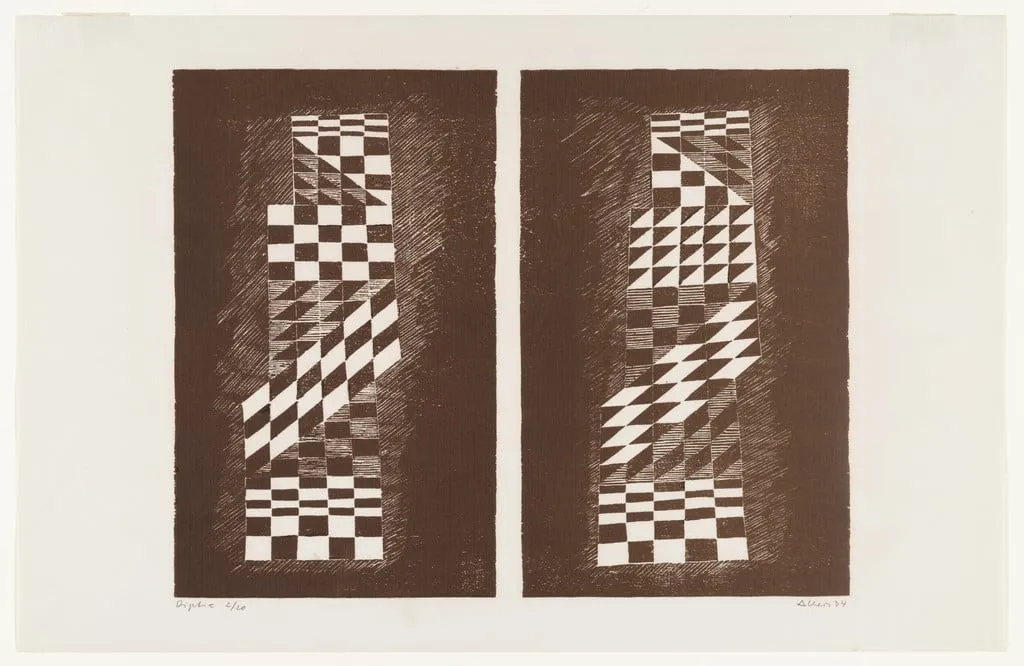
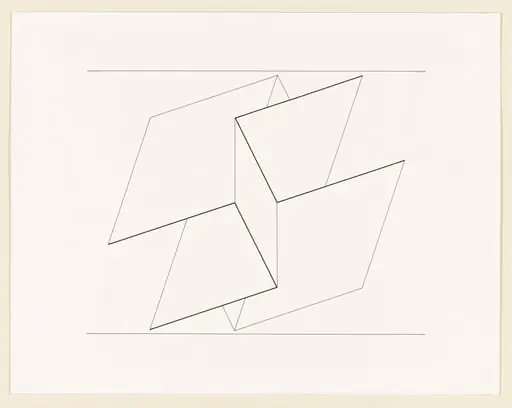
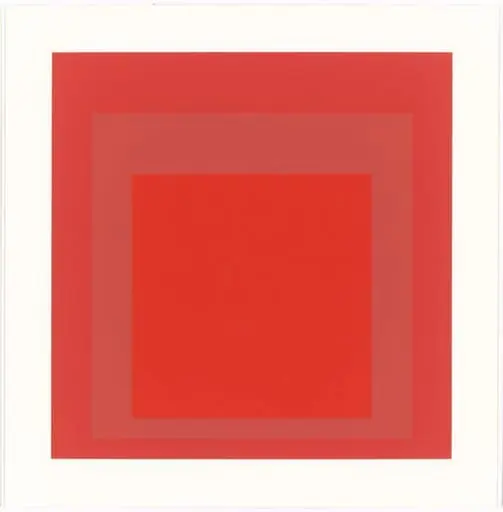
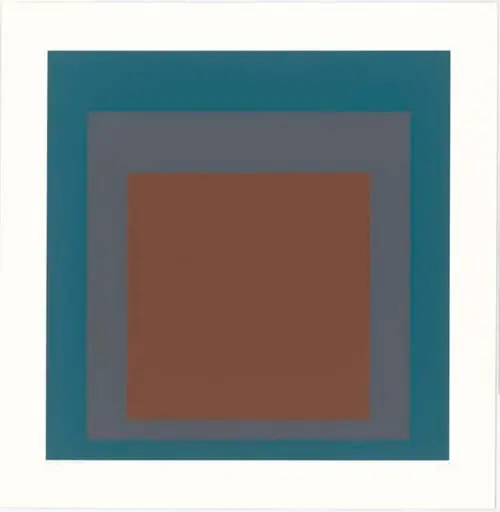
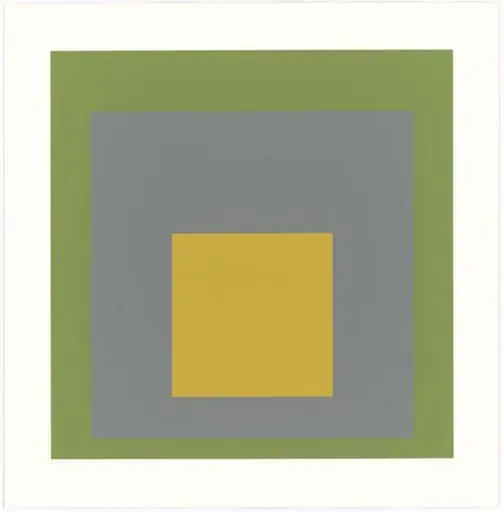
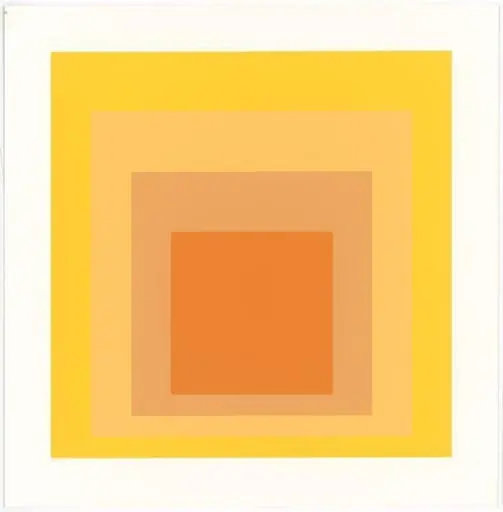
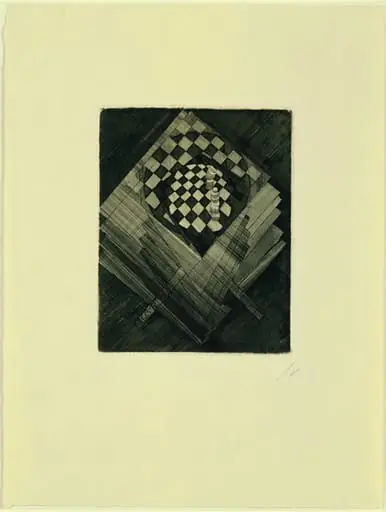
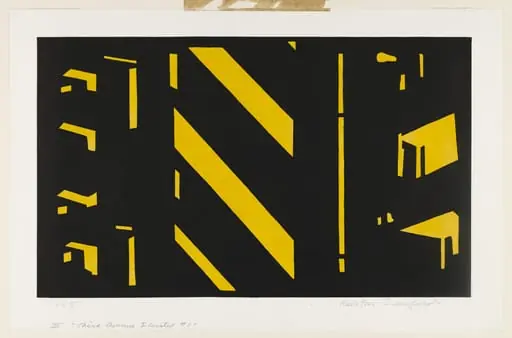
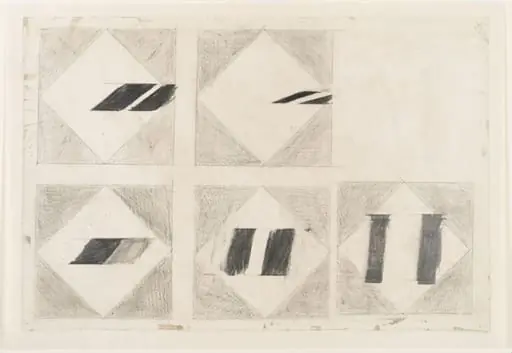
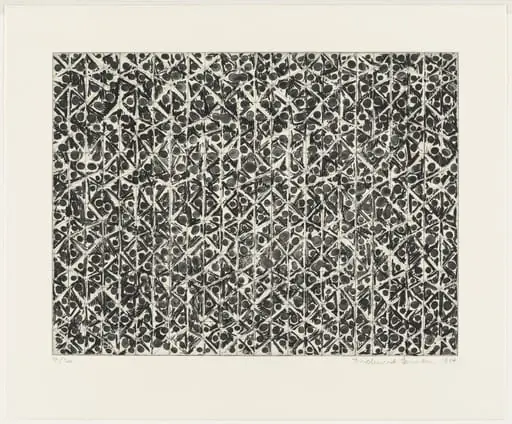
Untitled is an ink print by Josef Albers. It dates from 1934 and is held in the collection of the Museum of Modern Art.
About this work
Overview
Made in Germany before his move to the United States, the print demonstrates his interest in geometric form and material precision.
Created in 1934, this woodcut by Josef Albers reflects his early exploration of abstraction during his time at the Bauhaus. Made in Germany before his move to the United States, the print demonstrates his interest in geometric form and material precision. It is held in the collection of The Museum of Modern Art, where it represents a pivotal moment in Albers’s transition from craft-based training to modernist experimentation.
Subject & Meaning
The print presents two nearly identical vertical panels, each containing a white geometric structure composed of stacked rectangles and squares. One resembles a zigzagging staircase, the other a tilted ladder. These forms suggest movement and structure without narrative, emphasizing rhythm and spatial ambiguity. The repetition with subtle variation invites comparison, reflecting Albers’s interest in perception and relational dynamics between shapes.
Technique & Style
Executed as a woodcut, the image relies on carved lines and inked surfaces to produce contrast. The dark background is densely textured with fine, scratchy grooves, while the white forms emerge through the absence of ink. The interplay of line and negative space creates a sense of depth, making the flat shapes appear sculptural. The precision of the carving reveals Albers’s background in craftsmanship and his disciplined approach to printmaking.
History & Provenance
Albers produced this work during his tenure at the Bauhaus, where he taught foundational courses and experimented with materials. The print was made in Germany in 1934, shortly before the school’s closure under Nazi pressure. It entered The Museum of Modern Art’s collection later, as part of a broader effort to document European modernist printmaking and Albers’s evolving artistic language.
Context
In the early 1930s, Albers was deeply engaged with the Bauhaus ethos of uniting art, craft, and design. This woodcut aligns with contemporaneous efforts to reduce form to essential geometries and explore optical effects through repetition. It reflects broader modernist trends in Germany, where artists sought new visual languages in response to industrialization and social upheaval, moving away from representation toward structural clarity.
Legacy
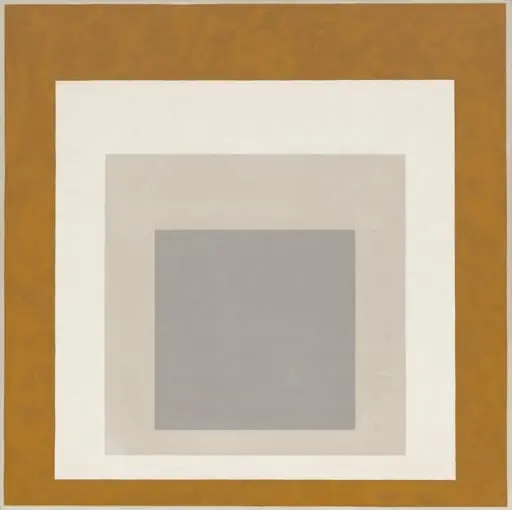
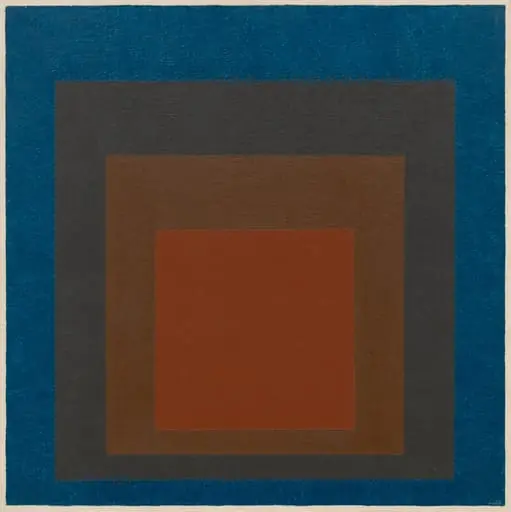
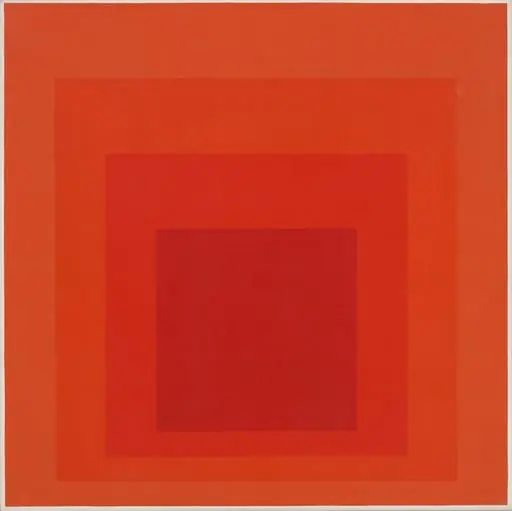
This early woodcut foreshadows Albers’s later investigations into color and form, particularly his Homage to the Square series. Its restrained palette and emphasis on spatial relationships established a foundation for his teaching at Black Mountain College and Yale. The print remains a quiet but significant example of how printmaking contributed to the development of modernist abstraction in the 20th century.
Artist & collection
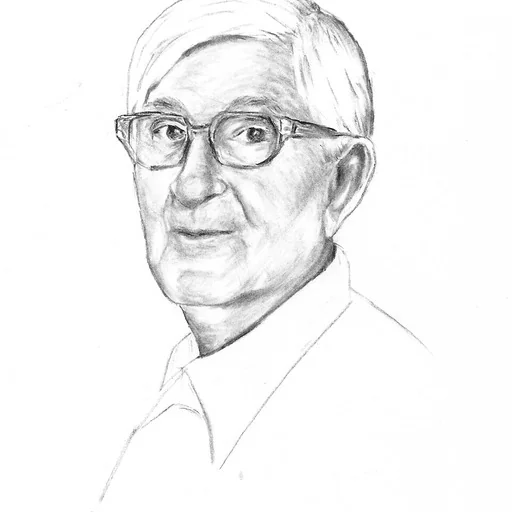
Artist
Josef Albers ( AL-bərz, US also AHL-, German: ; March 19, 1888 – March 25, 1976) was a German-born American artist and educator who is considered one of the most influential 20th-century art teachers in the United States.