Artwork
Mountain Canyon with Staffage
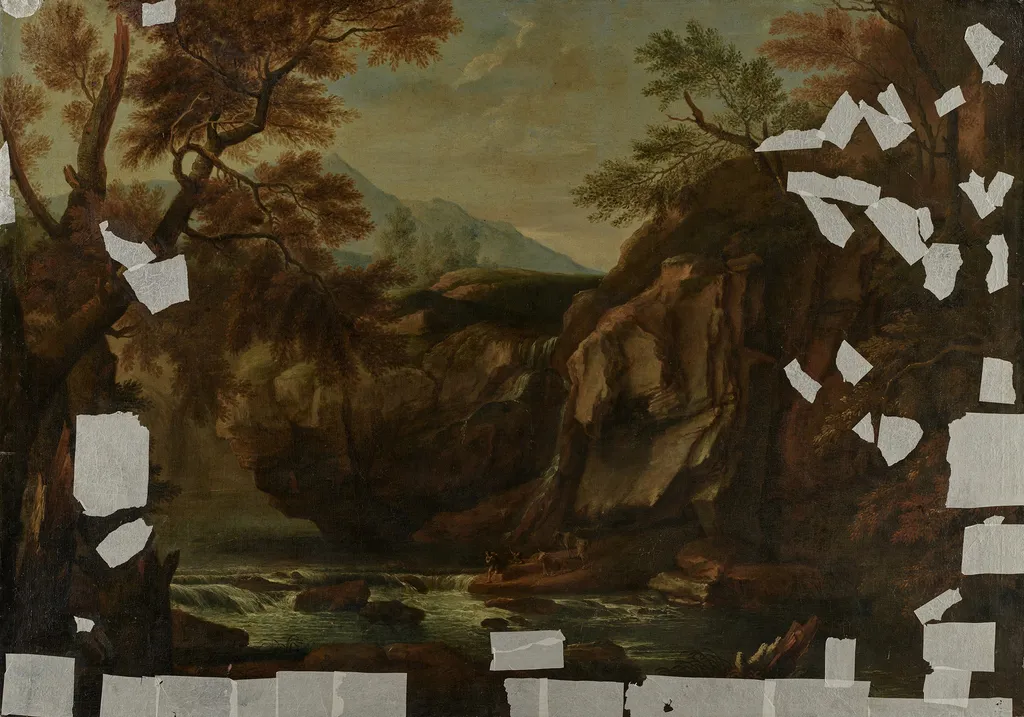
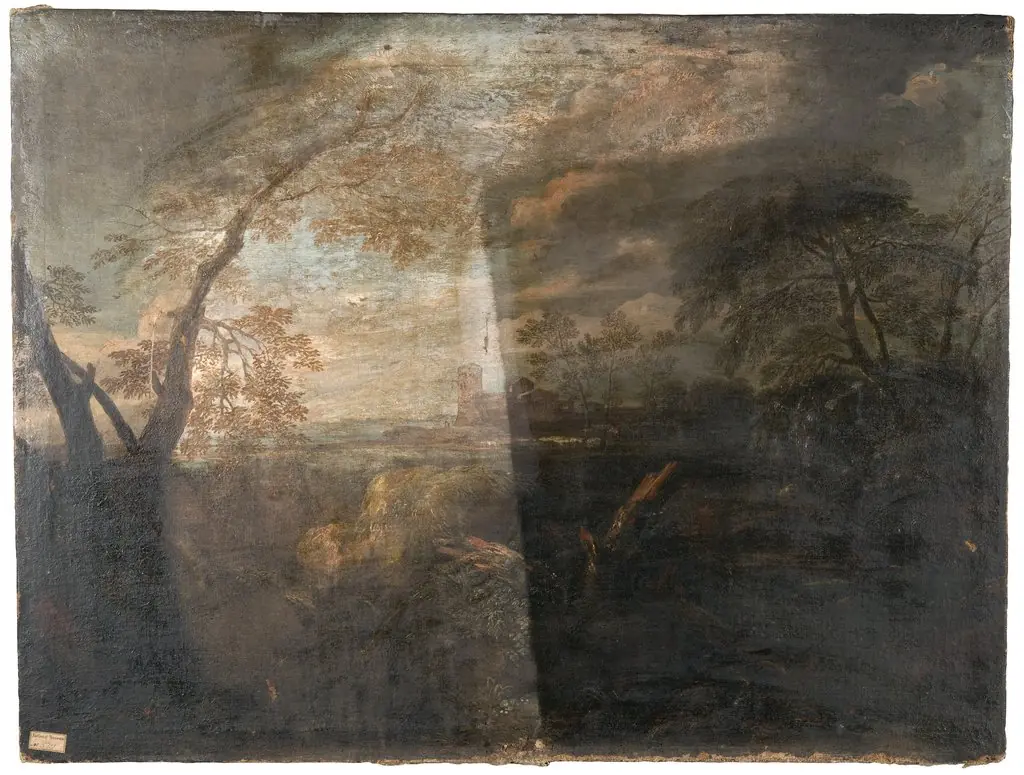
Mountain Canyon with Staffage is an oil painting by the Barbizon school artist Josef Faistenberger. It dates from 1712 and is held in the collection of the Gemäldegalerie Berlin.
About this work
Overview
Created in 1712 by Josef Faistenberger, this oil painting depicts a secluded mountain canyon traversed by a narrow stream.
Created in 1712 by Josef Faistenberger, this oil painting depicts a secluded mountain canyon traversed by a narrow stream. The work is part of the Gemäldegalerie Berlin’s collection and exemplifies early 18th-century landscape painting, emphasizing natural topography over human narrative. The composition balances geological forms with subtle atmospheric effects, reflecting a quiet reverence for wilderness.
Subject & Meaning
The scene presents an unpopulated canyon, with no dominant human figures or architectural elements. The absence of staffage shifts focus to the land itself—its rugged contours, water flow, and shifting skies. This suggests a contemplative engagement with nature, aligned with emerging Enlightenment-era interests in the sublime and the untouched environment, rather than mythological or pastoral themes.
Technique & Style
Faistenberger employs oil paint with careful chiaroscuro to model the canyon walls and rocky outcrops, lending depth through gradations of light and shadow. The palette is restrained: muted browns, greys, and pale blues evoke a overcast day. Brushwork is precise yet unobtrusive, prioritizing atmospheric cohesion over ornamental detail, characteristic of regional Austrian landscape traditions of the period.
History & Provenance
The painting has remained in institutional hands since at least the 18th century, entering the Gemäldegalerie Berlin’s collection through documented acquisitions of Austrian and German works. Its survival in good condition reflects consistent preservation efforts. No significant alterations or reworkings are recorded, suggesting it was valued early as a representative example of regional landscape art.
Context
In early 18th-century Central Europe, landscape painting was gaining traction as an independent genre, moving beyond mere background for religious or historical scenes. Faistenberger’s work aligns with regional artists who documented alpine terrain with observational accuracy, contributing to a growing visual record of natural environments amid expanding scientific and topographical interest.
Legacy
Though not widely exhibited outside Germany, the painting serves as a reference for studies of Austrian landscape practice before Romanticism. Its restrained aesthetic and focus on geological form influenced later regional painters who sought to depict nature without idealization. It remains a quiet but significant artifact of pre-Romantic environmental observation in Central European art.
Artist & collection

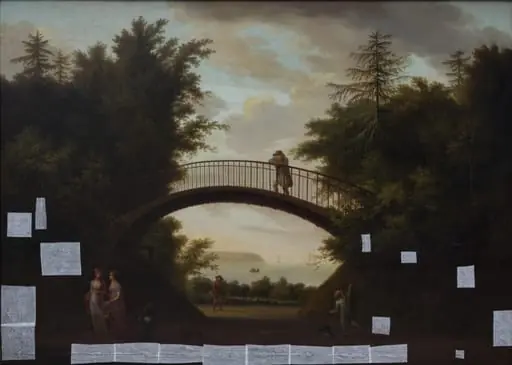 En bro over Skodsborgvej. I baggrunden Sundet
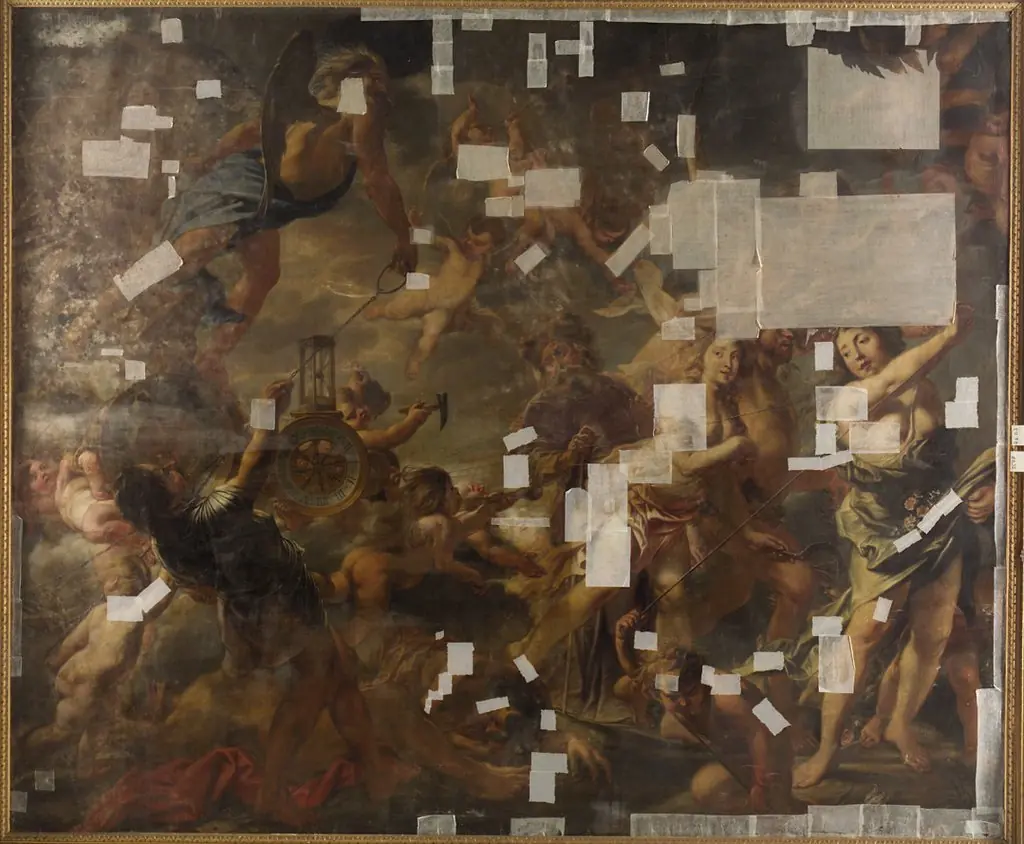 Triumph der Zeit
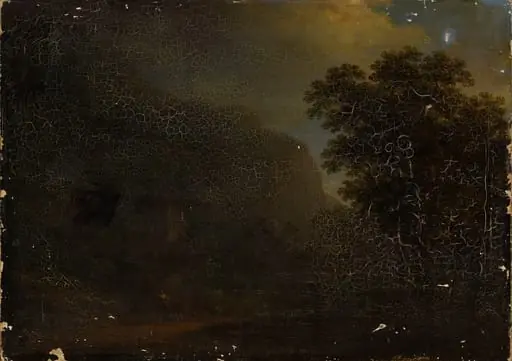 Rauniomaisema
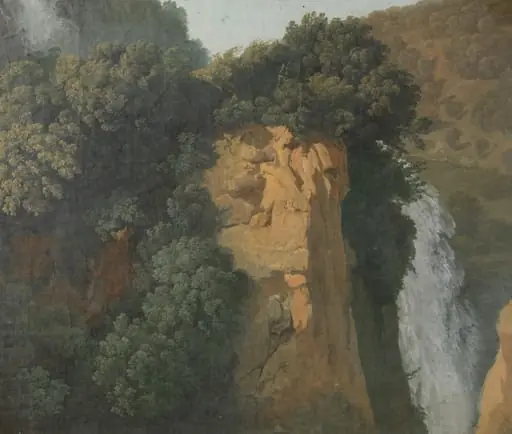 Overgrown Cliffs with a Waterfall in Italy, perhaps at Tivoli
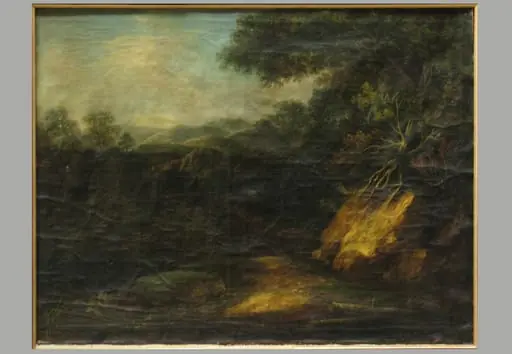 Peisaj de pădure cu turn; pandant: Peisaj de pădure cu moară
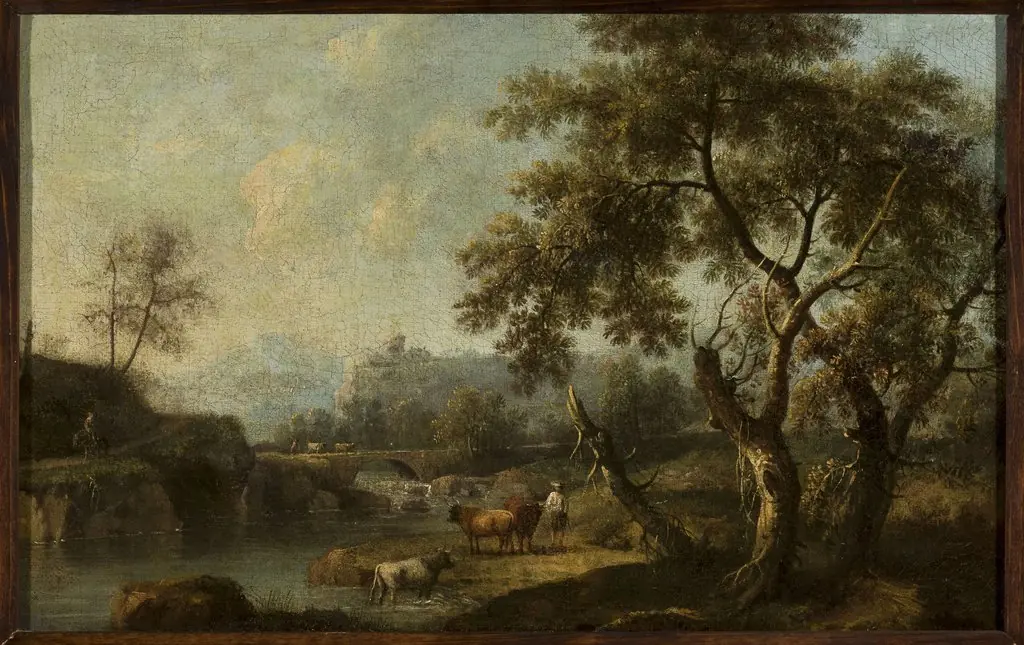 Mountain landscape with cattle at the waterhole
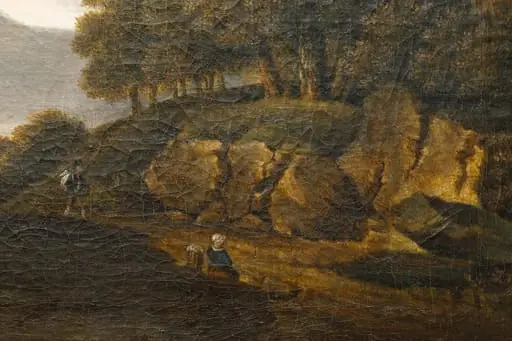 Peisaj
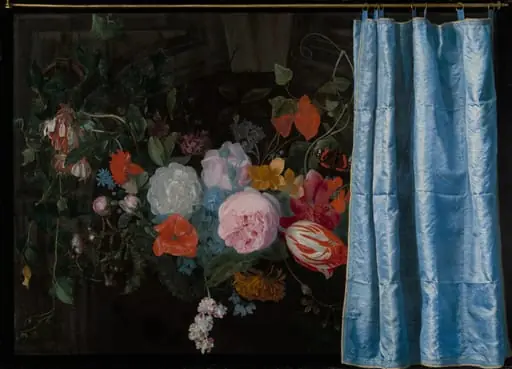 Trompe-l'Oeil Still Life with a Flower Garland and a Curtain
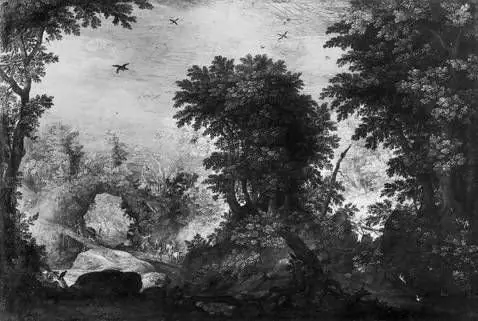 Waldlandschaft mit der Fabel "Der Adler und der Rabe"
 Landscape
 Trompe-l'œil. A Cabinet in the Artist's Studio