Artwork
Waldlandschaft mit der Fabel "Der Adler und der Rabe"
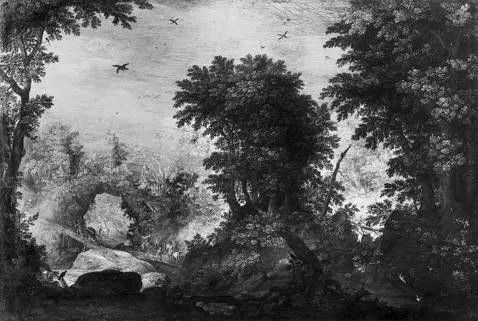
Waldlandschaft mit der Fabel "Der Adler und der Rabe" is an unspecified painting by the Early Baroque Italian artist Pieter Schoubroeck. It dates from 1604 and is held in the collection of the Bavarian State Painting Collections.
About this work
Overview
Painted in 1604 by Pieter Schoubroeck, this landscape integrates a fable into its natural setting. The work belongs to a tradition of Northern European paintings that embed moral tales within serene environments. It is currently held in the Alte Pinakothek in Munich, where it remains a quiet example of early 17th-century Flemish landscape art, blending observation with narrative suggestion.
Subject & Meaning
Though subtle, the birds in the upper sky allude to the story’s climax: the raven’s failed attempt to mimic the eagle’s strength.
The painting illustrates the fable of the eagle and the raven, a tale of pride and consequence drawn from Aesop. Though subtle, the birds in the upper sky allude to the story’s climax: the raven’s failed attempt to mimic the eagle’s strength. The tranquil scene invites contemplation, using nature not merely as backdrop but as a silent witness to the moral lesson, aligning with Renaissance humanist interests in寓言.
Technique & Style
Schoubroeck employs muted earth tones and soft transitions to evoke depth and stillness. Light filters through dense foliage, casting dappled shadows that model the terrain without harsh contrast. The brushwork is precise yet unobtrusive, favoring atmospheric harmony over dramatic effect. This restrained use of chiaroscuro enhances the painting’s quiet mood, reflecting a preference for naturalism over theatricality common in Flemish landscape practice.
History & Provenance
The painting entered the Bavarian royal collection in the early 19th century and has remained in the Alte Pinakothek since its founding. Its attribution to Schoubroeck is supported by stylistic parallels with his other known works and documented holdings of the period. No significant alterations or reworkings are recorded, preserving its original composition and tonal balance as intended by the artist.
Context
Created during a period when Flemish artists increasingly turned to landscape as an independent subject, this work reflects broader cultural interests in nature as a moral and philosophical space. The inclusion of a fable aligns with humanist educational ideals, where visual art served as a vehicle for ethical instruction. Schoubroeck’s approach echoes contemporaries like Bruegel, who wove narrative into everyday natural scenes.
Legacy
Though not widely reproduced or celebrated in popular discourse, the painting contributes to the understanding of how moral storytelling persisted in Northern European art beyond religious themes. Its quiet integration of fable into landscape influenced later generations who sought to merge narrative with environmental observation, preserving a tradition of subtle allegory in landscape painting.
Artist & collection

 Rocky Landscape with a Goat Hunt
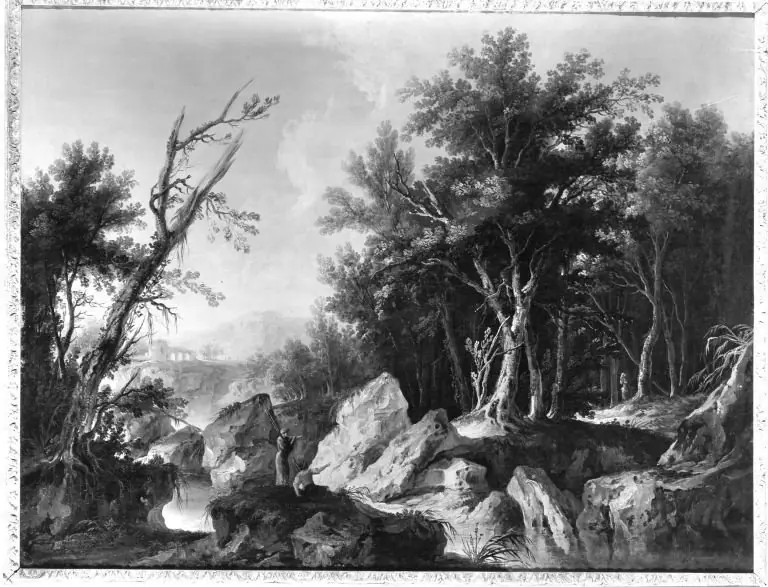 Felsenlandschaft (Art des)
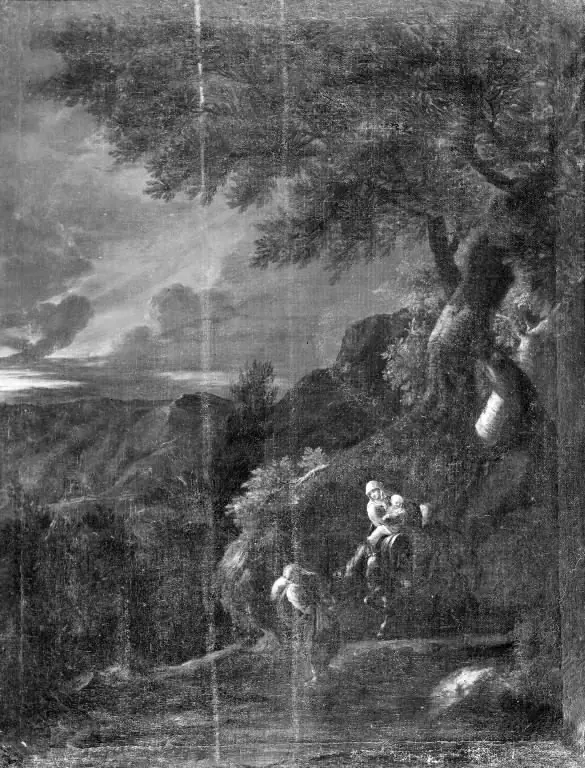 The Flight into Egypt
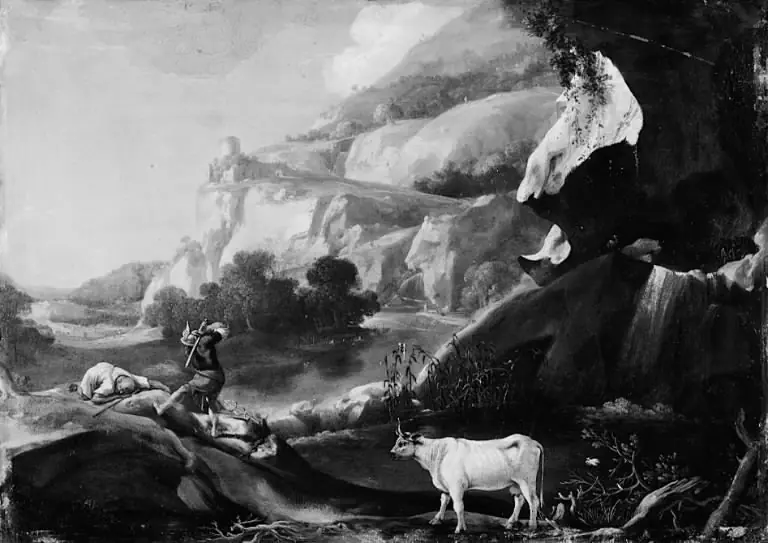 Landscape with Mercury and Argus
 Landscape with Mercury and Argus
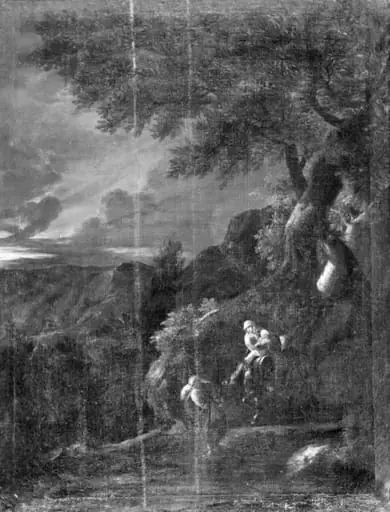 The Flight into Egypt
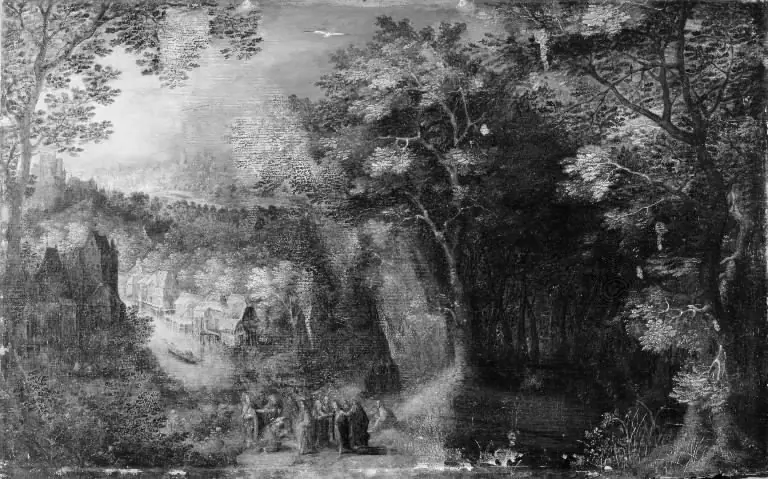 Christ and the Canaanite Woman
 Christ and the Canaanite Woman
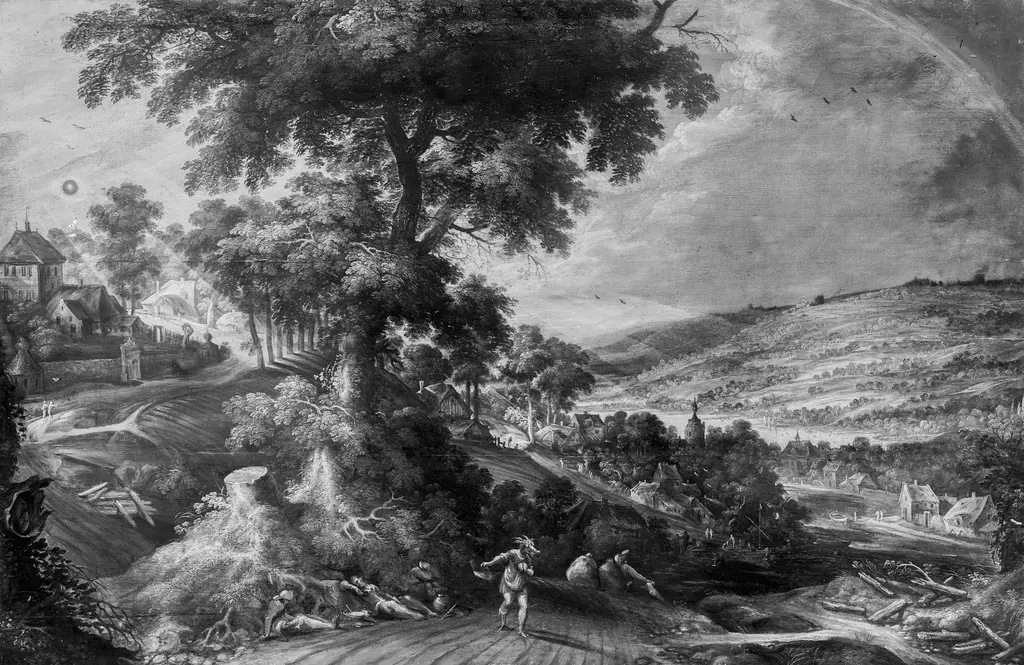 Landscape with the devil who sows weeds
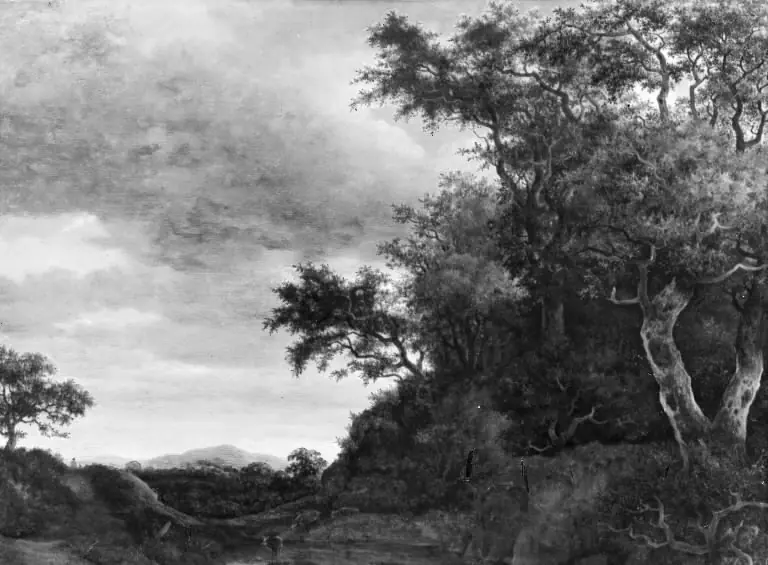 The Pool by the Hills
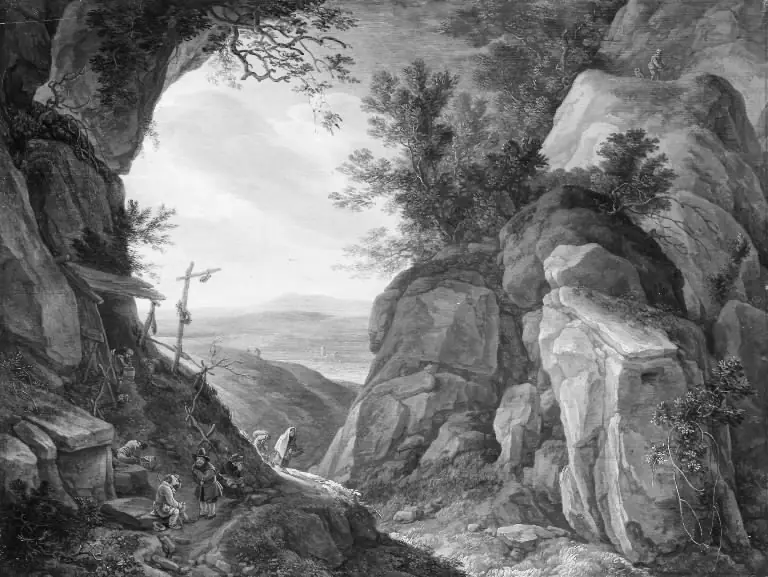 Rocky Landscape
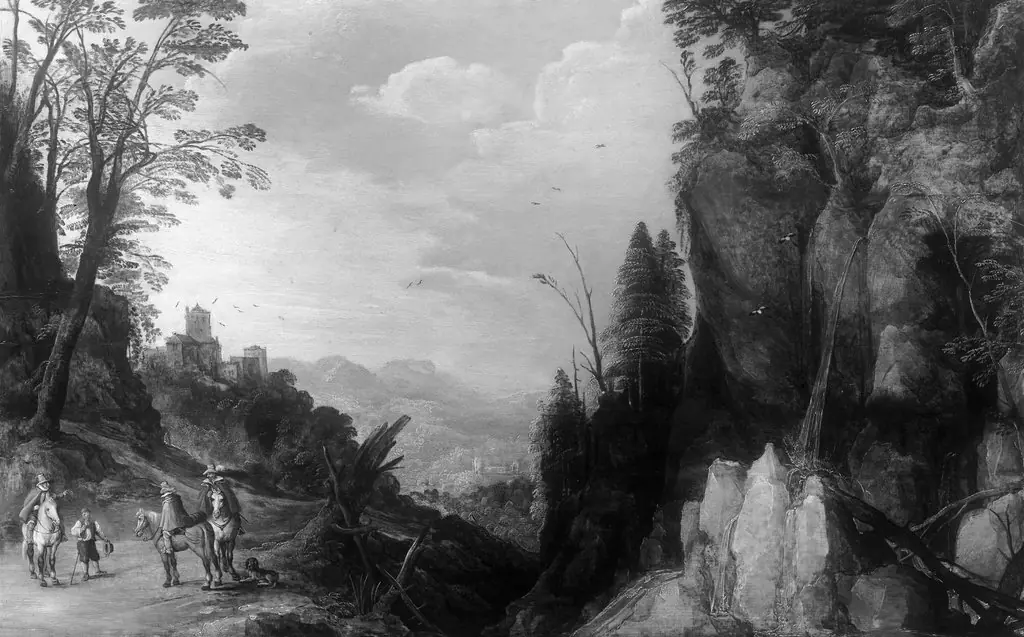 Mountain landscape with three riders