Artwork
Triumph der Zeit
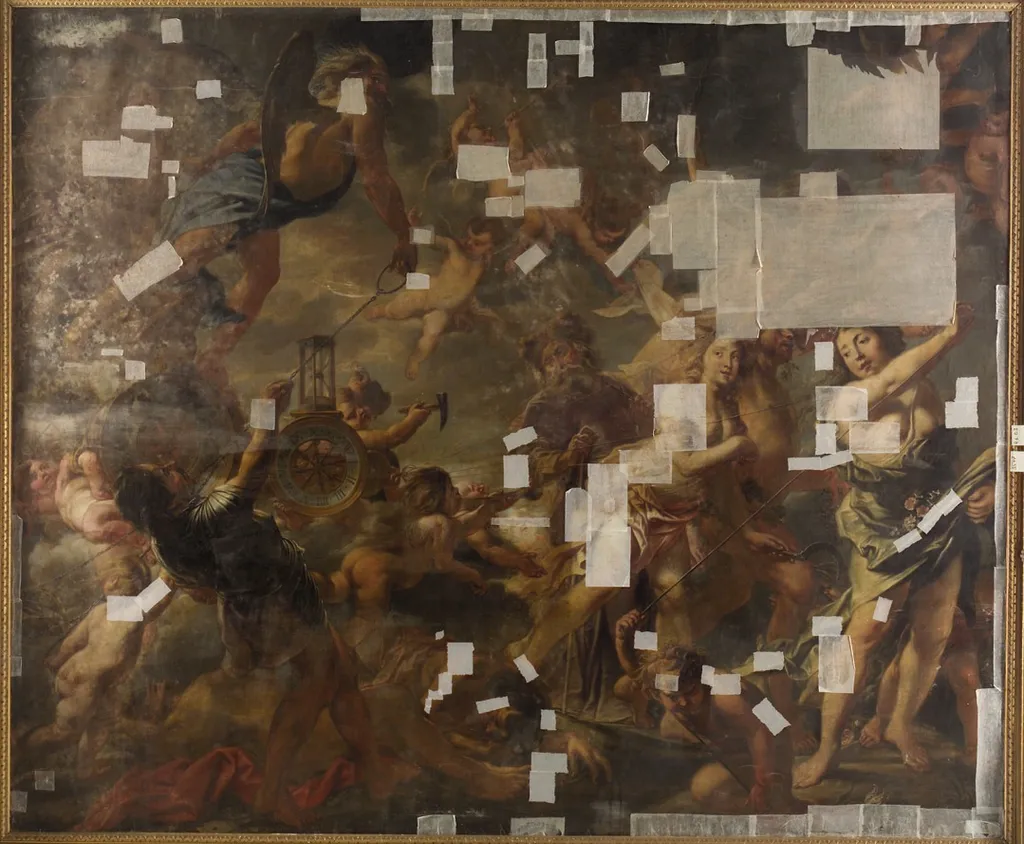
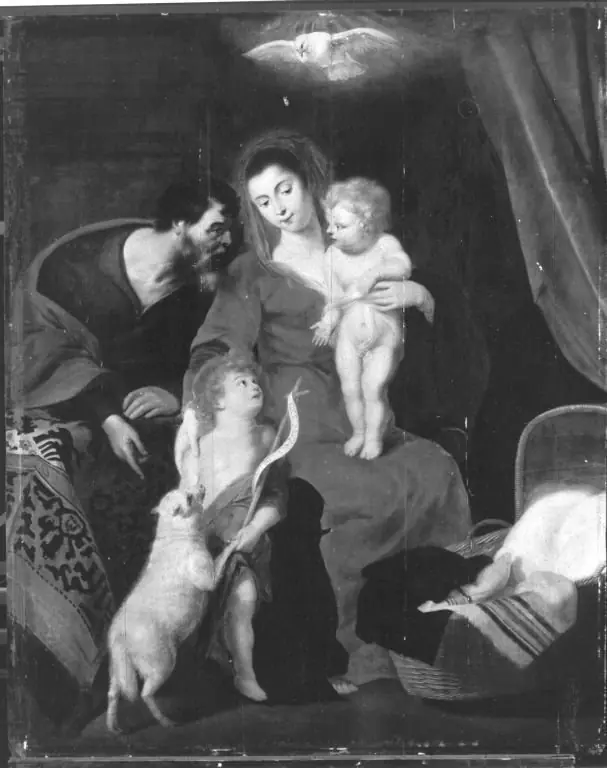
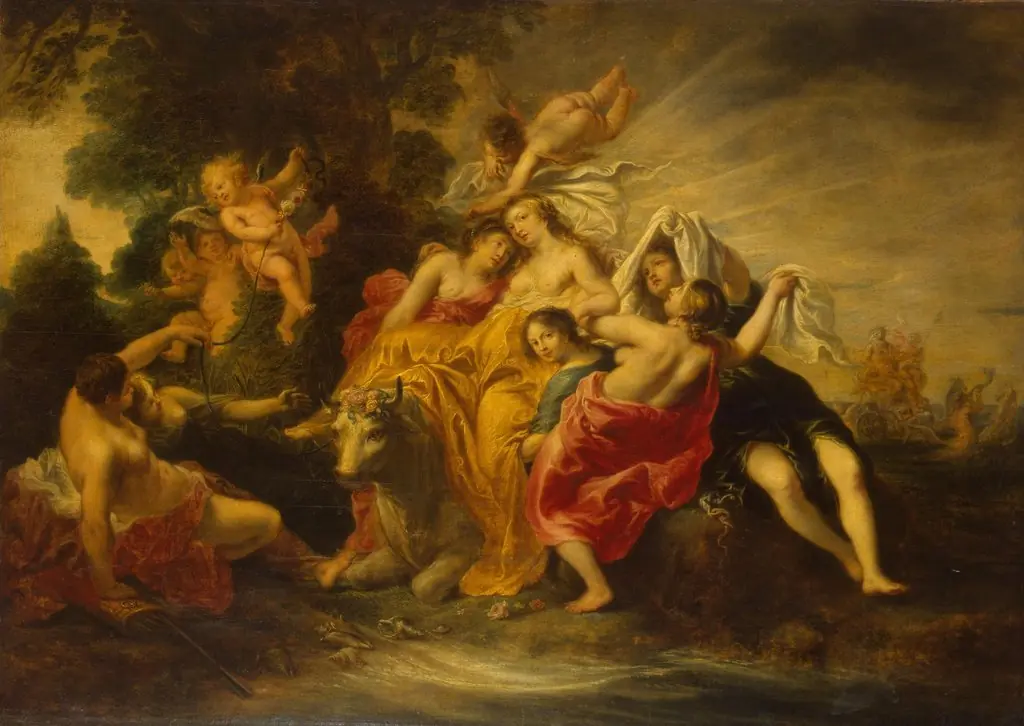
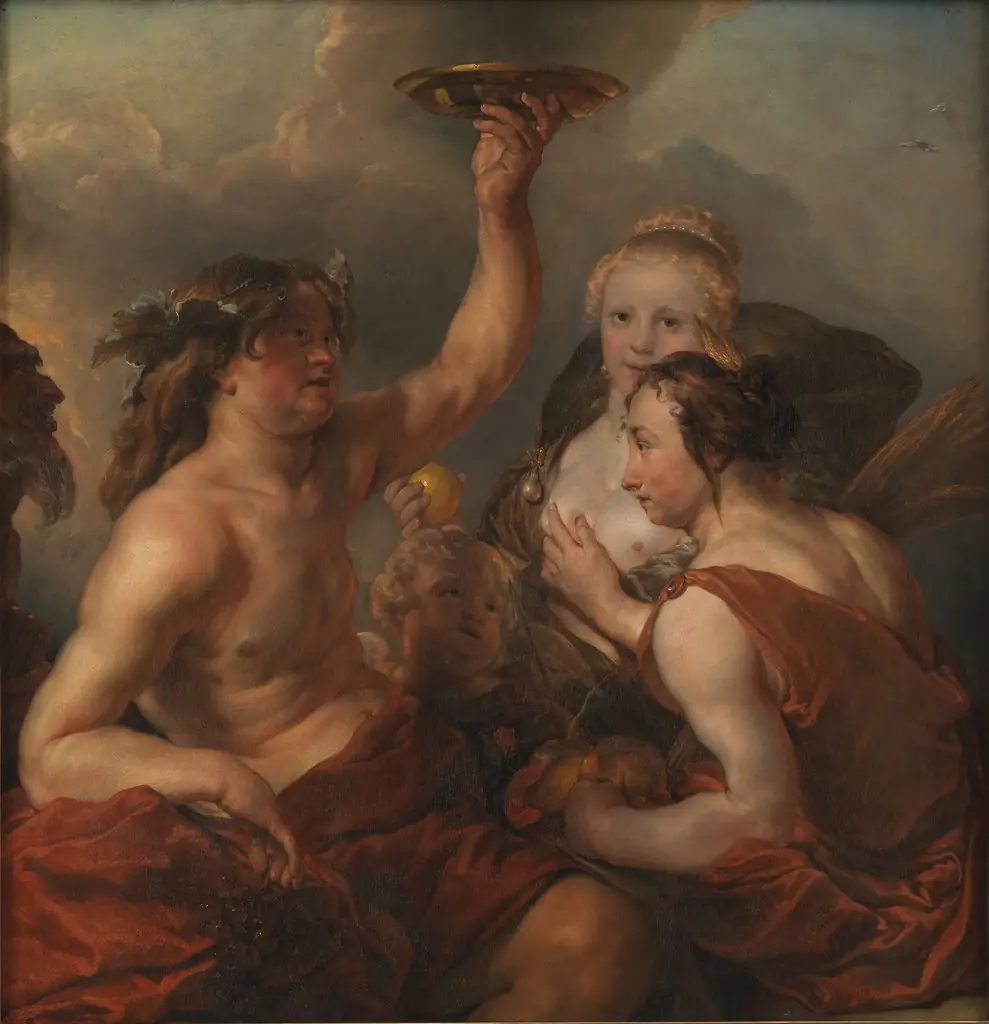
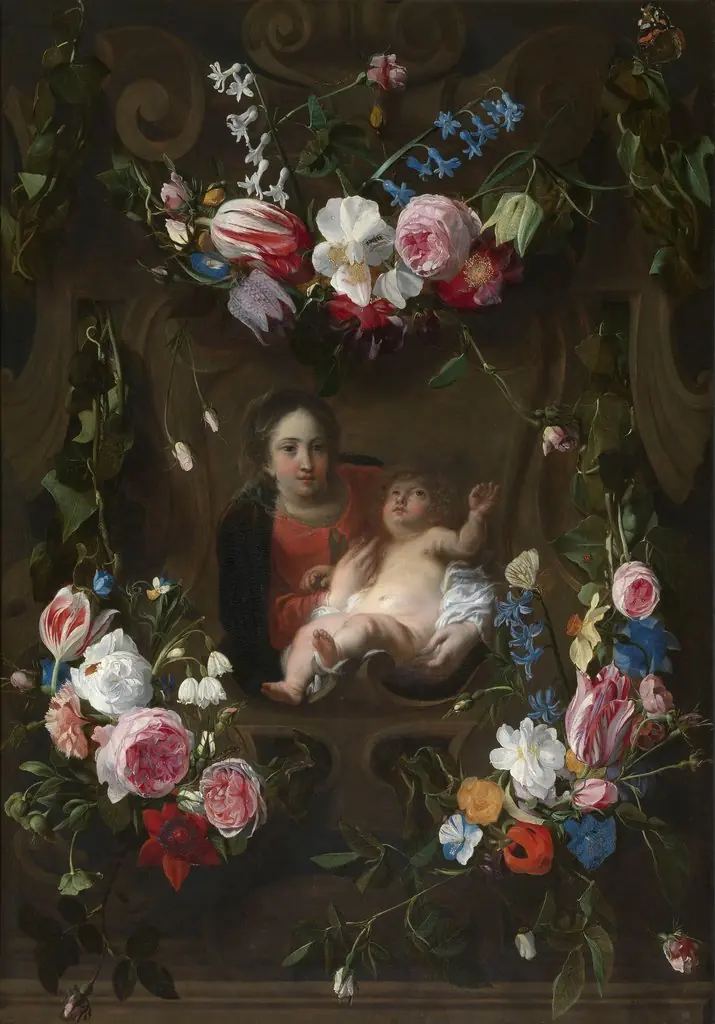
Triumph der Zeit is an oil painting by the Early Baroque Italian artist Cornelis Schut. It dates from 1625 and is held in the collection of the Kunsthistorisches Museum.
About this work
Overview
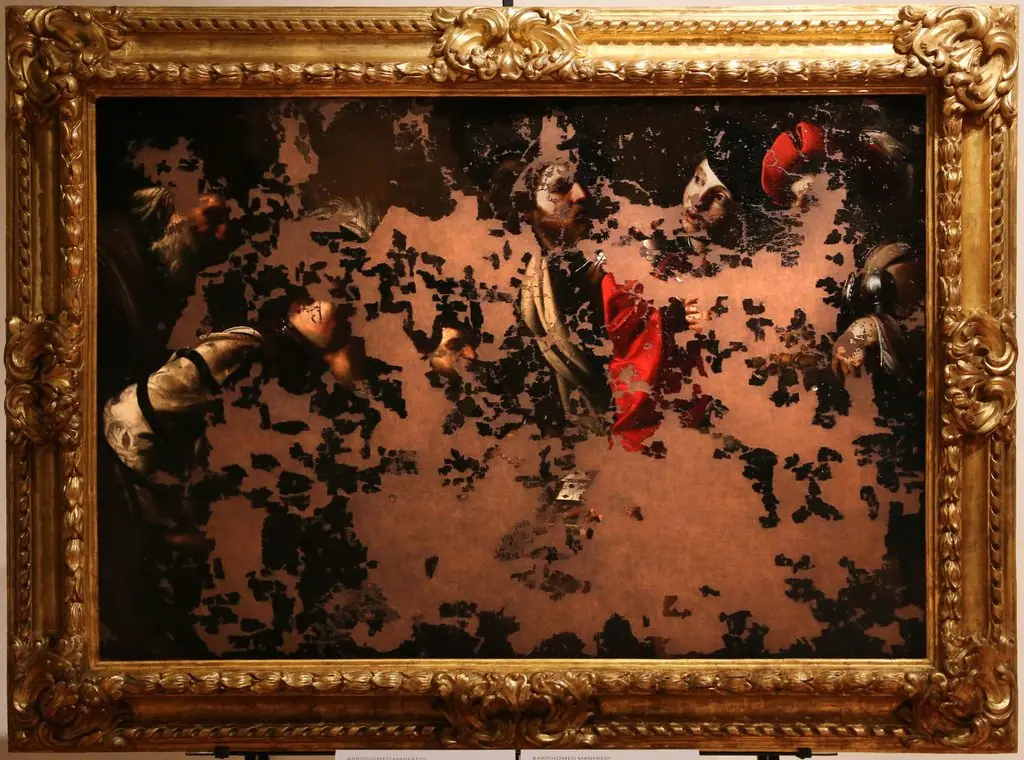
It is now part of the Kunsthistorisches Museum’s collection in Vienna, preserved despite significant surface damage that obscures portions of the composition.
Cornelis Schut painted *Triumph der Zeit* in 1625 using oil on panel, reflecting his training under Peter Paul Rubens and his exposure to Italian artistic traditions. The work emerged during his formative years in Antwerp, where he established himself as a history painter. It is now part of the Kunsthistorisches Museum’s collection in Vienna, preserved despite significant surface damage that obscures portions of the composition.
Subject & Meaning
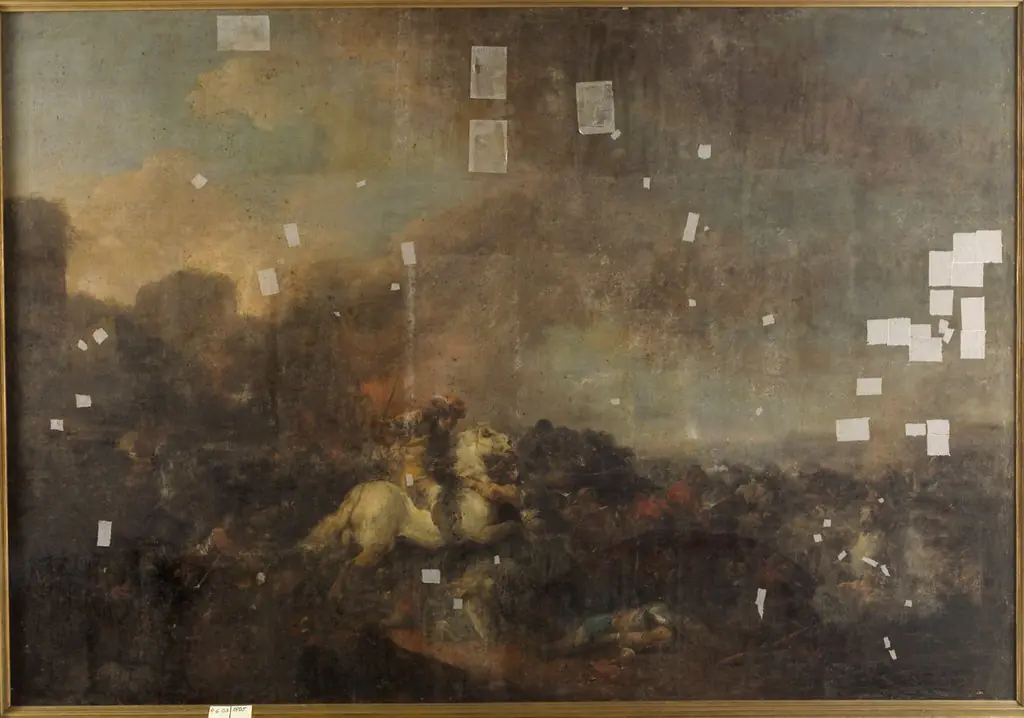
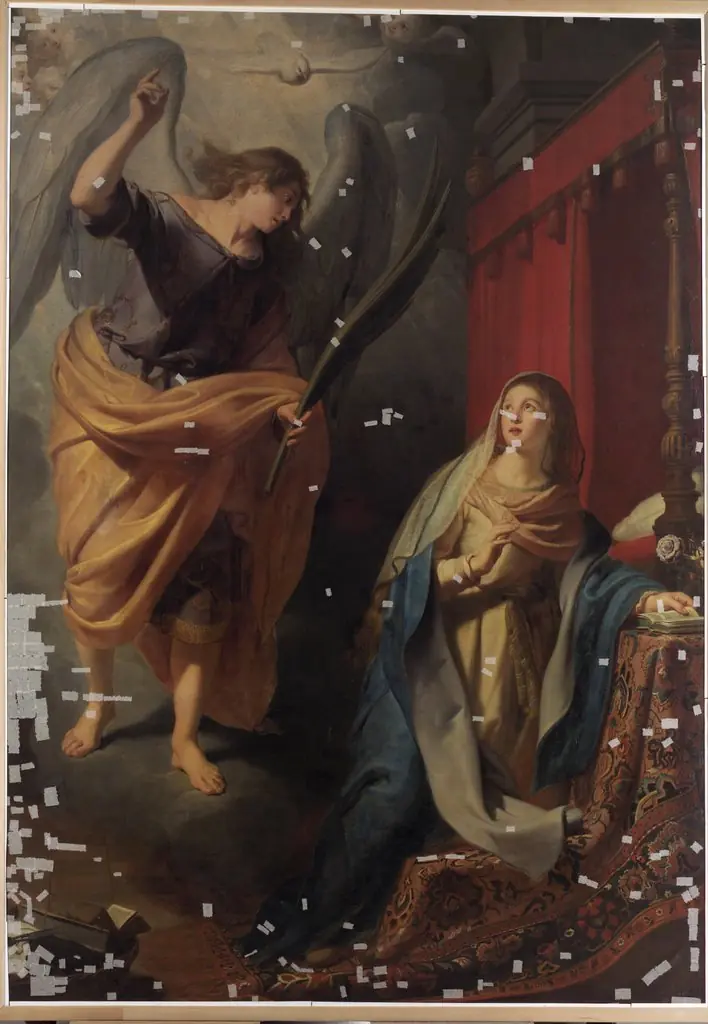
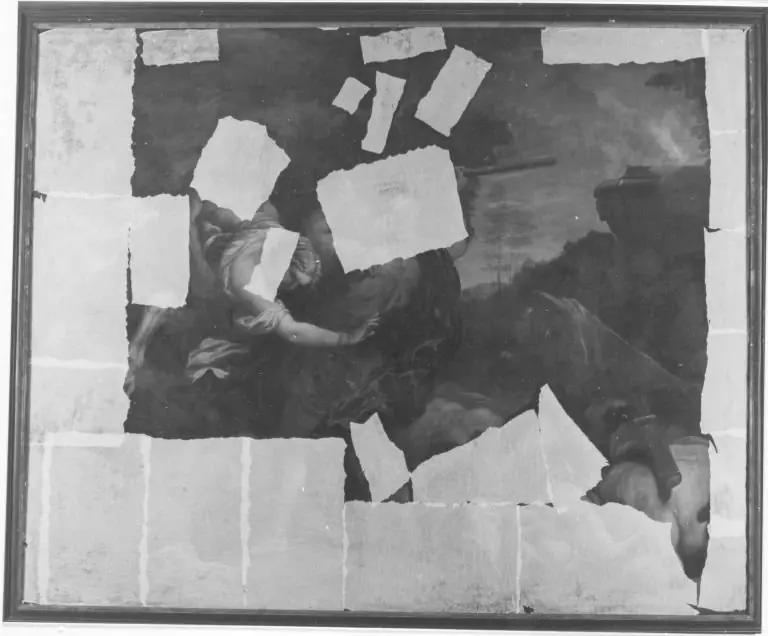
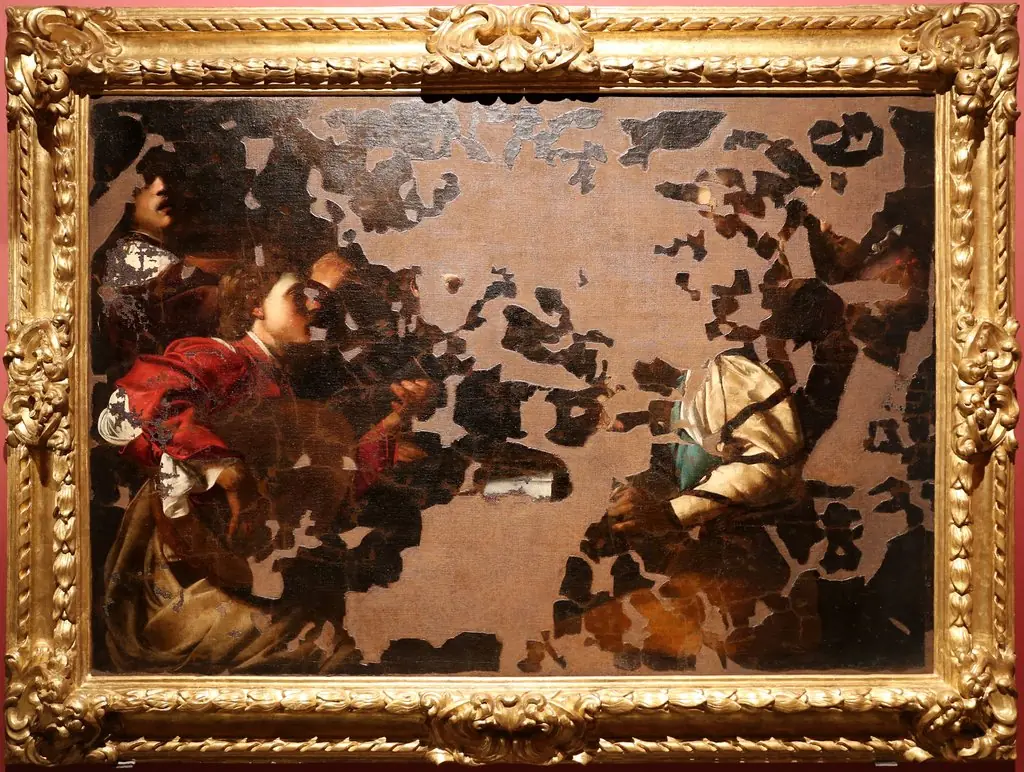
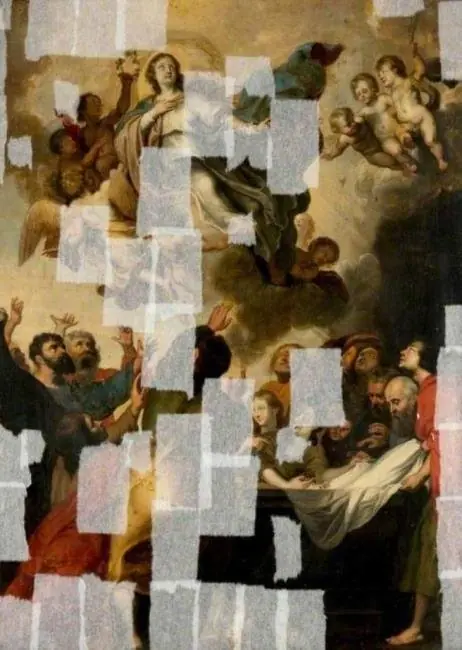
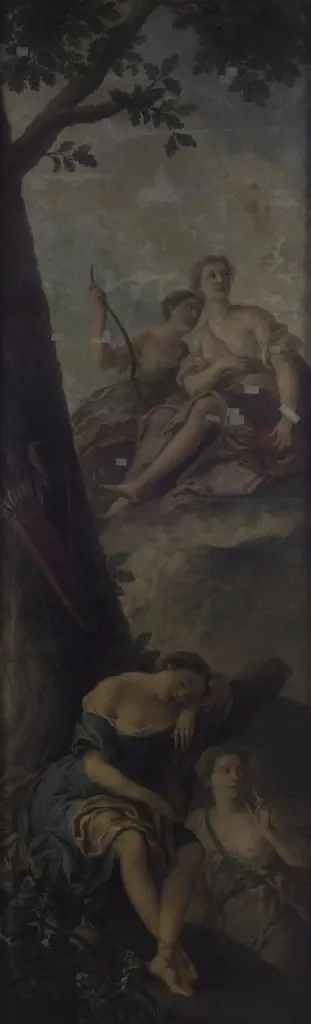
The painting presents an allegorical representation of Time’s dominion, featuring symbolic figures including a man holding a clock, a winged entity above him, and a woman with a bow—possibly representing Fortune or Hunting. Other figures, some nude or partially draped, suggest the transient nature of human endeavors. The chaotic arrangement reinforces the theme of temporal inevitability, common in early Baroque moralizing imagery.
Technique & Style
Schut employed a muted palette dominated by earth tones—browns, grays, and ochres—creating a somber, atmospheric tone. The composition is densely packed with dynamic, interwoven figures, reflecting the influence of Italian High Baroque drama. Brushwork is fluid yet controlled, with attention to anatomical detail and spatial depth, though the surface is now marred by extensive paint loss and restoration patches.
History & Provenance
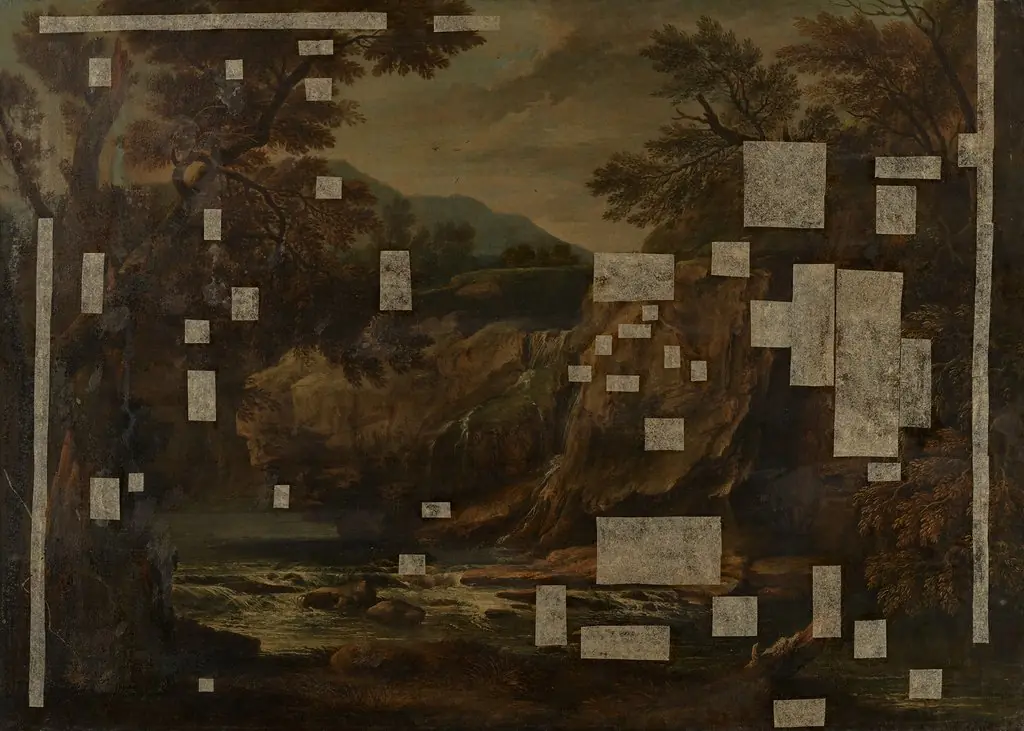
Schut completed the work after returning from Italy, where he absorbed the compositional vigor of Roman and Venetian painters. It entered the Habsburg collections before being transferred to the Kunsthistorisches Museum. The painting’s condition suggests it has undergone multiple restorations, with white patches indicating areas of inpainting and pigment loss over centuries of exposure and handling.
Context
Created during the early 17th century, the painting aligns with Flemish and Italian trends in allegorical painting that sought to convey moral and philosophical ideas through mythological narratives. Schut’s work reflects the broader Counter-Reformation interest in visual allegories of virtue, vice, and mortality, common in Catholic artistic circles across Europe at the time.
Legacy
Though less widely known than his contemporaries, Schut’s *Triumph der Zeit* exemplifies the synthesis of Flemish draftsmanship and Italianate grandeur. Its survival, despite deterioration, offers insight into the transmission of Baroque allegory across regions. The painting remains a reference point for understanding the evolution of history painting in the Southern Netherlands during the 1620s.
Artist & collection
Artist
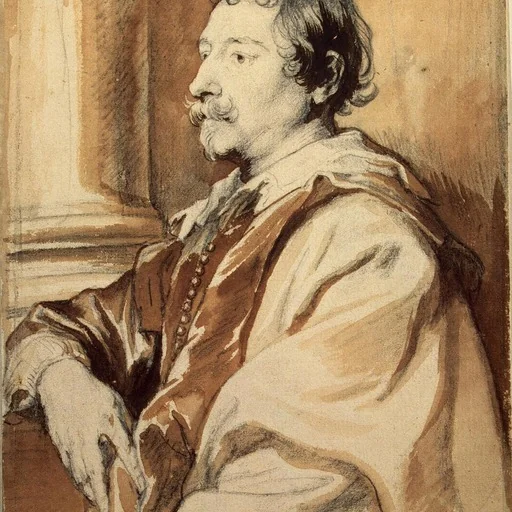
Cornelis Schut (13 May 1597 – 29 April 1655) was a Flemish painter, draughtsman, engraver and tapestry designer who specialized in religious and mythological scenes.