Artwork
Child Jesus Pilgrim
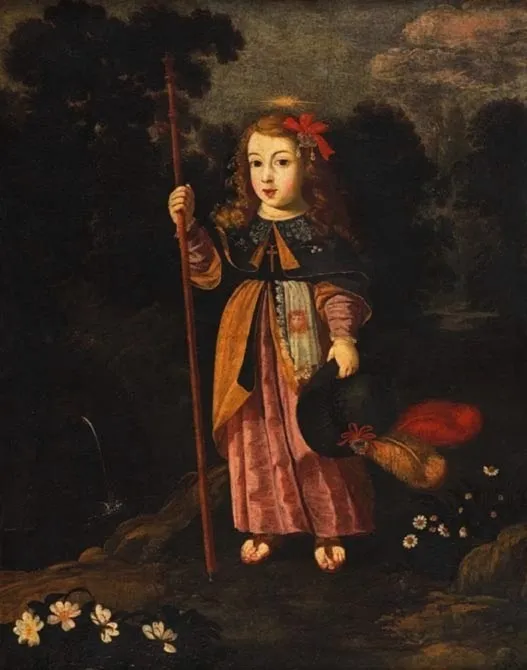
Child Jesus Pilgrim is an oil painting by Josefa de Óbidos. It dates from 1650 and is held in the collection of the National Museum of Ancient Art.
About this work
Overview
Created circa 1650, *Child Jesus Pilgrim* is an oil painting by the 17th‑century artist Josefa de Óbidos. Executed during the Portuguese Baroque, the work belongs to the religious genre and is part of the collection of the National Museum of Ancient Art in Lisbon. It exemplifies the artist’s prolific output and her role among Portugal’s most active painters of the period.
Subject & Meaning
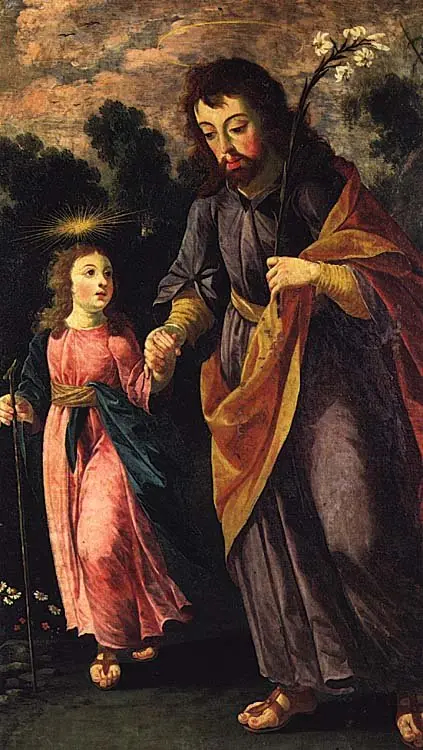
The canvas presents a youthful figure dressed in an elaborate robe, clutching a staff in one hand and a hat in the other. The child’s serene expression and inward gaze suggest a contemplative moment, evoking the spiritual journey of the infant Jesus as a pilgrim on a symbolic path toward his destiny.
Technique & Style
Rendered in oil on canvas, the painting employs a dark, muted background that isolates the figure and heightens the contrast with the richly detailed costume. Fine brushwork captures the intricate patterns of the garment, while subtle chiaroscuro models the child’s face, creating a quiet, introspective atmosphere typical of Baroque devotional works.
History & Provenance
Josefa de Óbidos, born in Spain and raised in Portugal, produced the work during her mature phase. After remaining in private hands for several centuries, the painting entered the National Museum of Ancient Art, where it has been displayed as part of the museum’s holdings of Portuguese Baroque art.
Context
The piece reflects the Counter‑Reformation emphasis on personal piety and the didactic use of religious imagery in 17th‑century Portugal. By portraying the Christ child as a pilgrim, de Óbidos aligns with contemporary devotional trends that encouraged viewers to contemplate the humanity and spiritual journey of Jesus.
Artist & collection
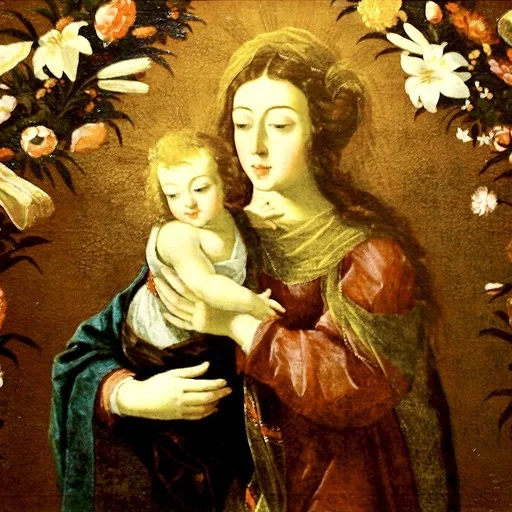
Artist
Josefa de Óbidos (Portuguese: ; c. 1630 – 22 July 1684) was a Spanish-born Portuguese painter. Her birth name was Josefa de Ayala Figueira, but she signed her work as "Josefa em Óbidos" or "Josefa de Ayalla". All of her…

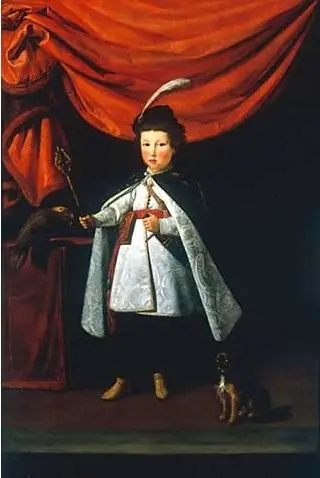 Leopoldo de' Medici in Polish costume
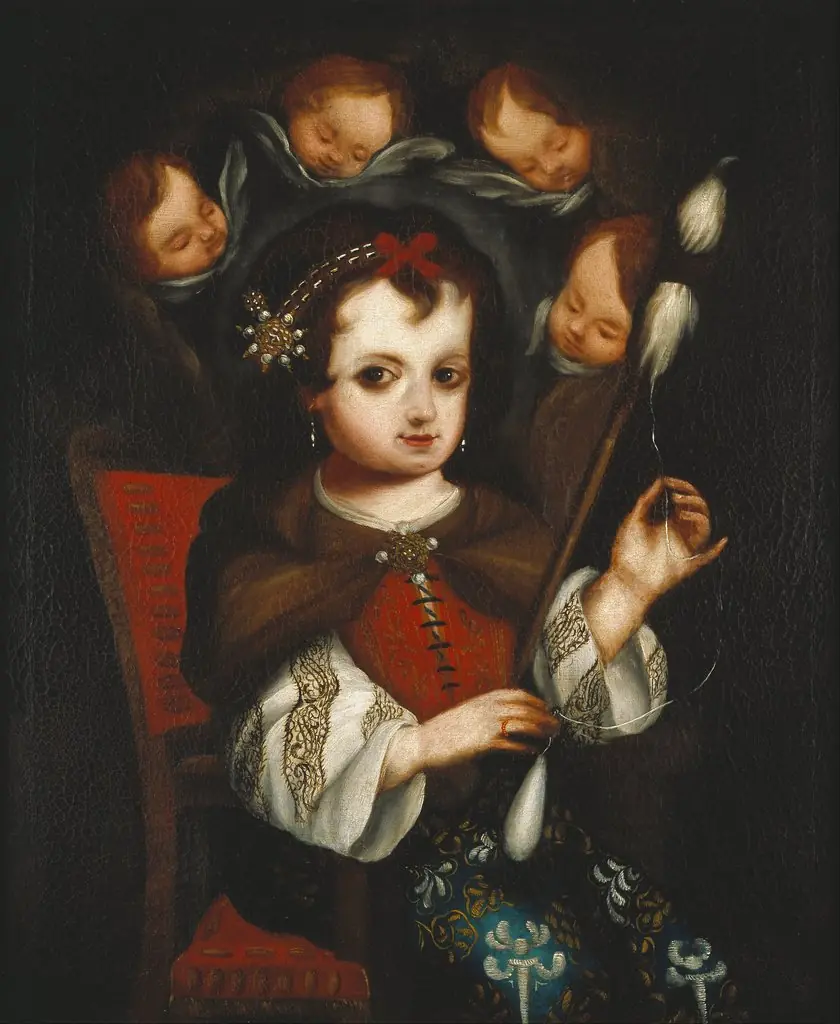 Virgin Mary Spinning
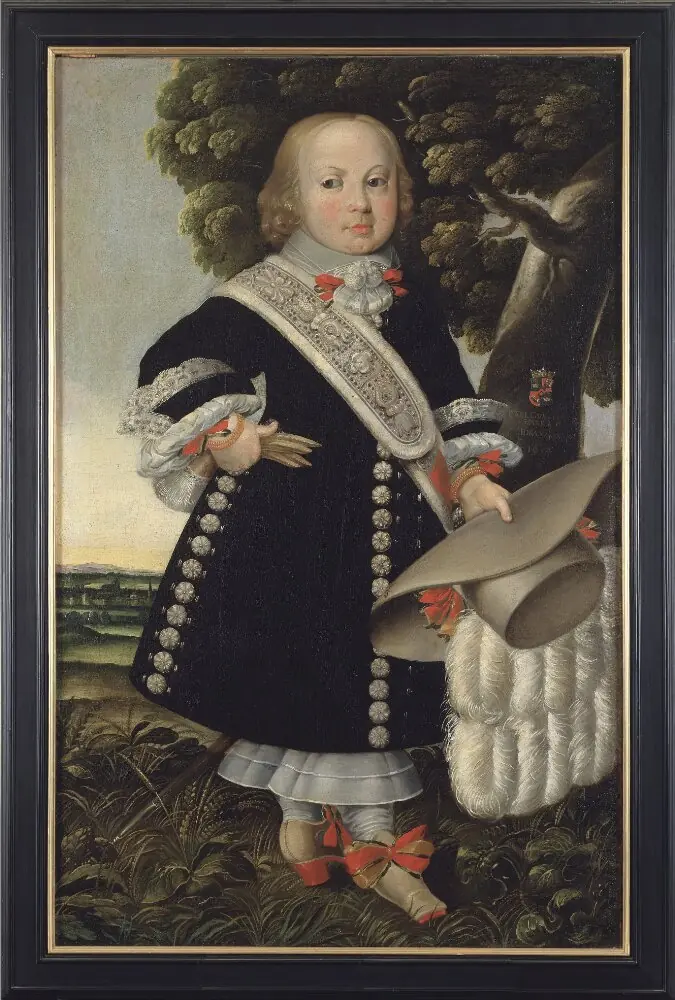 Carl Gustaf Göransson Ulfsparre som levande
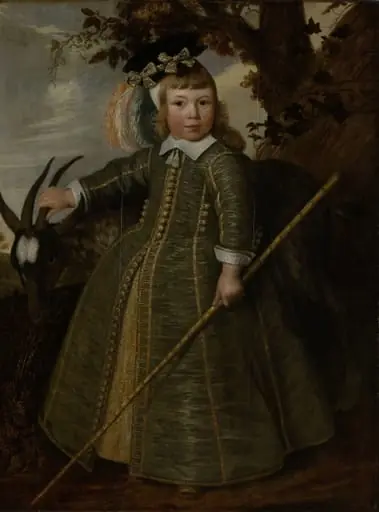 Portrait of a boy with a billygoat
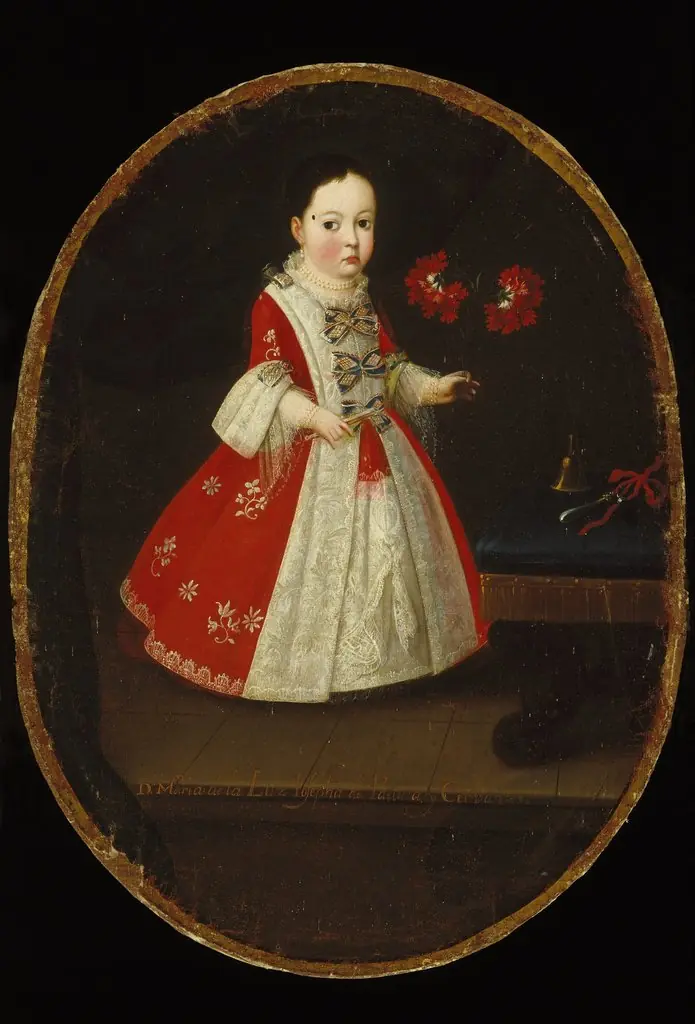 Doña María de la Luz Padilla y (Gómez de) Cervantes
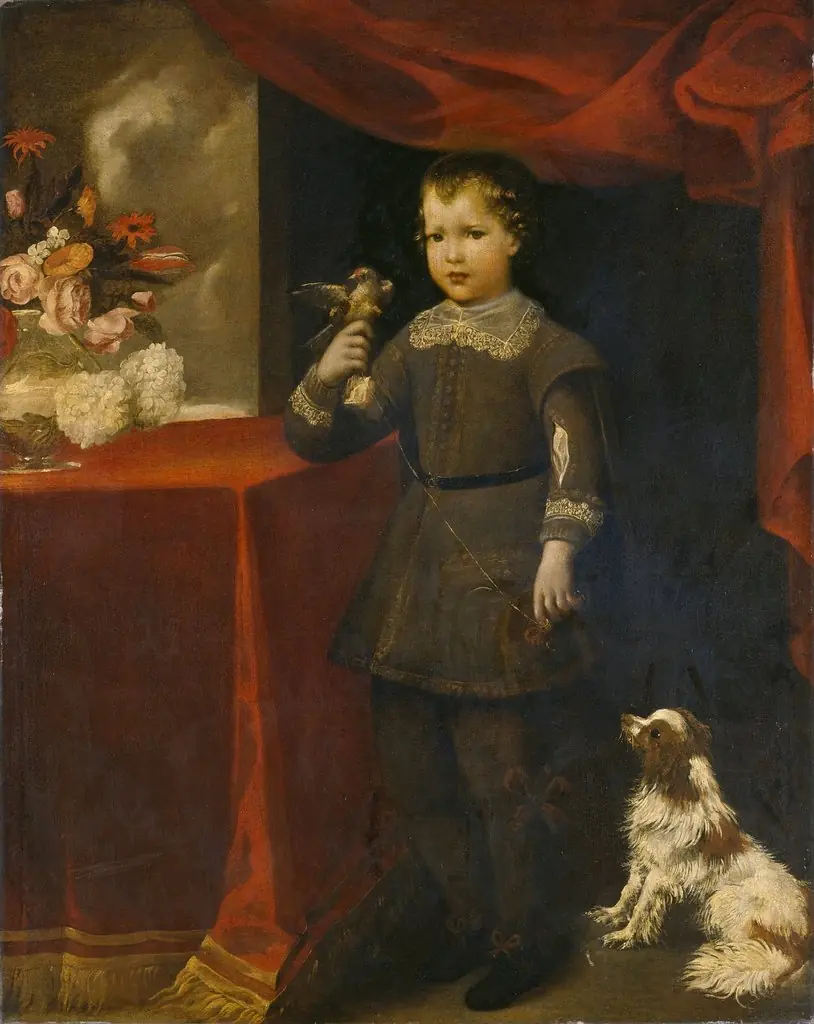 El príncipe Baltasar Carlos
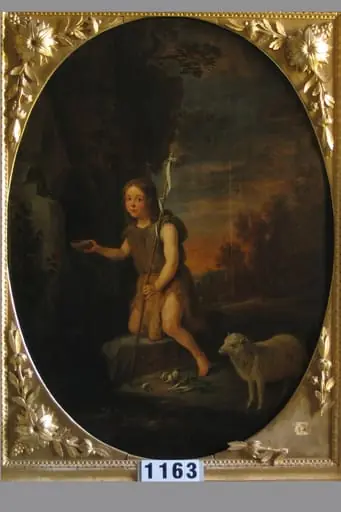 Ioan Botezătorul copil
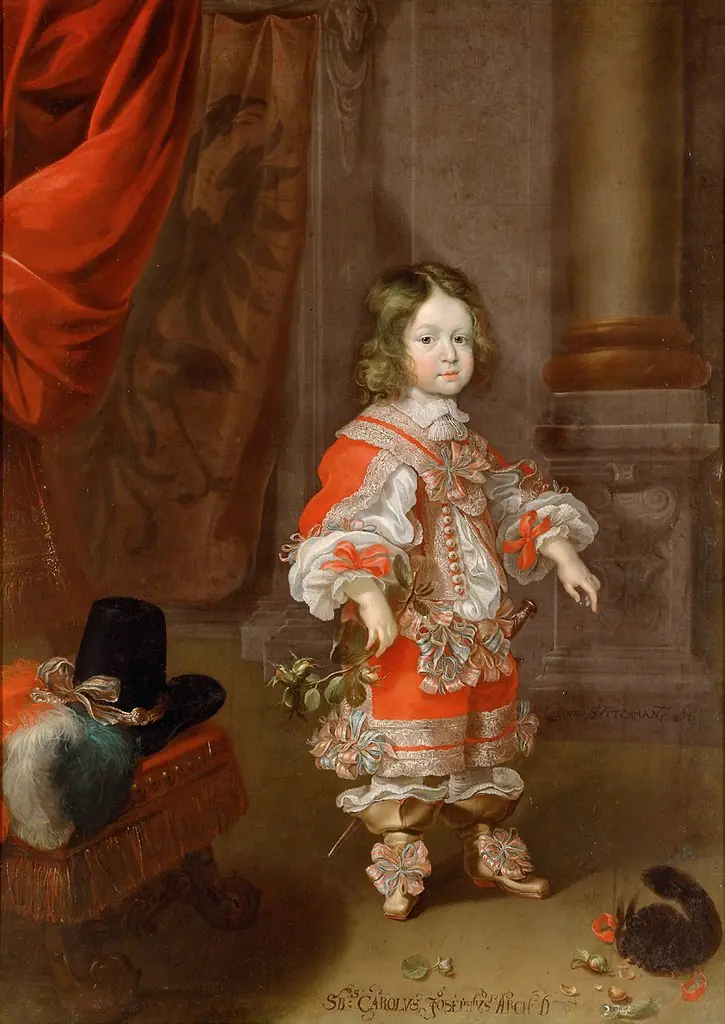 Erzherzog Karl Joseph (1649-1664) mit Eichhörnchen, im Alter von vier bis fünf Jahren
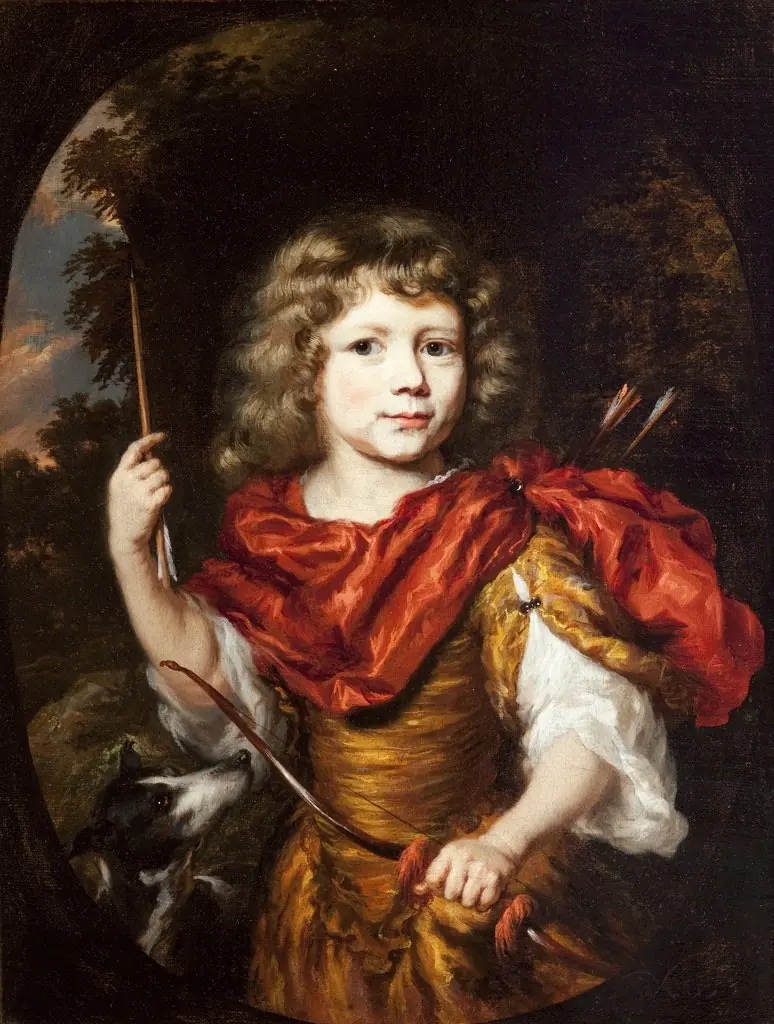 Portrait of a Boy as a Hunter, with a Bow and Arrow and a Dog
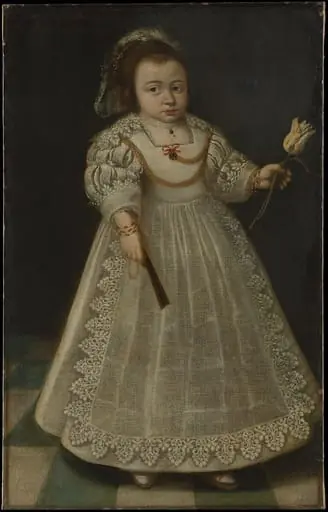 Sarra de Peyster
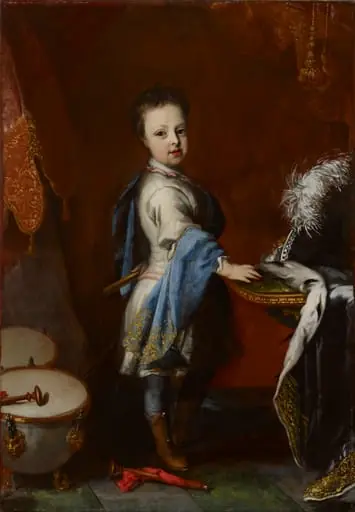 Holstein-Gottorpin herttua Karl Fredrik lapsena
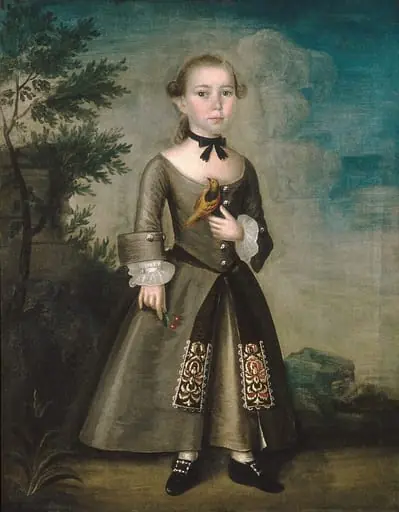 James Badger