Artwork
The Sacrificial Lamb
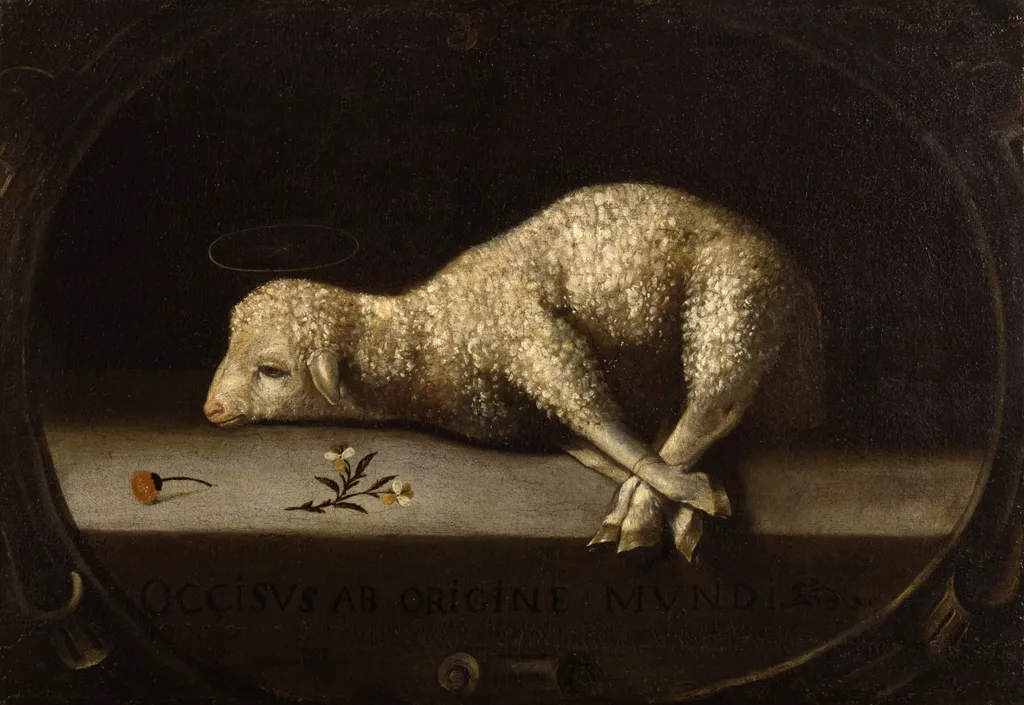
The Sacrificial Lamb is an oil painting by Josefa de Óbidos. It dates from 1670 and is held in the collection of the Walters Art Museum.
About this work
Overview
Painted in 1670 by Josefa de Óbidos, this oil-on-canvas work is a quiet yet deliberate still life centered on a lamb.
Painted in 1670 by Josefa de Óbidos, this oil-on-canvas work is a quiet yet deliberate still life centered on a lamb. Though rooted in Portuguese artistic circles, the artist was born in Spain and spent most of her life in Óbidos, where she developed a distinctive style blending devotional imagery with the emerging still-life genre. She routinely signed her works with her location, identifying as 'Josefa em Óbidos.'
Subject & Meaning
The central lamb, rendered with tender realism, alludes to Christ as the Lamb of God, a common Christian symbol. Flanking it are a single bloom and a second sheep, elements that deepen the spiritual narrative without overt drama. The composition avoids narrative action, instead inviting contemplation through stillness and symbolic presence, aligning with Counter-Reformation ideals of quiet devotion.
Technique & Style
Josefa employed fine brushwork to capture the softness of wool, the dewy texture of petals, and the subtle sheen of fur. Her palette is restrained, favoring muted earth tones and pale whites, enhancing the meditative tone. The arrangement is balanced but informal, reflecting the influence of Flemish still-life traditions while maintaining a distinctly Portuguese sensibility in its intimacy and restraint.
History & Provenance
The painting remained within Portuguese religious or private collections until the early 20th century, when it entered the Walters Art Museum in Baltimore. Its attribution to Josefa de Óbidos was confirmed through stylistic analysis and her consistent signature practice. The work’s survival is notable, given the limited number of female artists’ works preserved from 17th-century Iberia.
Context
In 17th-century Portugal, religious art dominated commissions, yet still life was gaining ground as a vehicle for spiritual metaphor. Josefa, one of the few documented female painters of her time, operated within convent-connected networks, producing devotional pieces for local churches and monasteries. Her work reflects a quiet adaptation of broader European trends to a local, understated aesthetic.
Legacy
Josefa de Óbidos is now recognized as a key figure in Portuguese Baroque art, particularly for expanding the role of women in a male-dominated field. *The Sacrificial Lamb* exemplifies her ability to merge sacred symbolism with everyday visual language, influencing later generations of Portuguese painters who sought spiritual depth in domestic and natural subjects.
Artist & collection
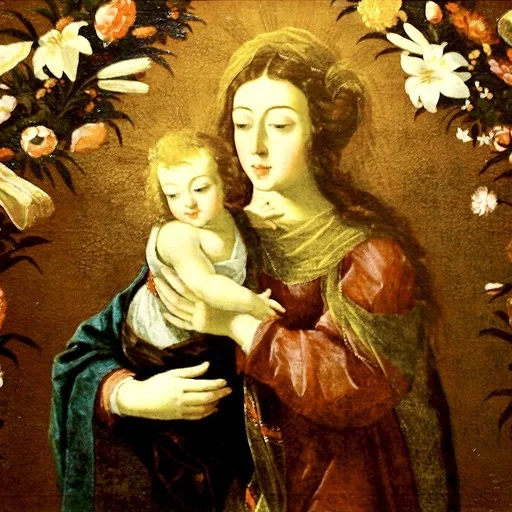
Artist
Josefa de Óbidos (Portuguese: ; c. 1630 – 22 July 1684) was a Spanish-born Portuguese painter. Her birth name was Josefa de Ayala Figueira, but she signed her work as "Josefa em Óbidos" or "Josefa de Ayalla". All of her…

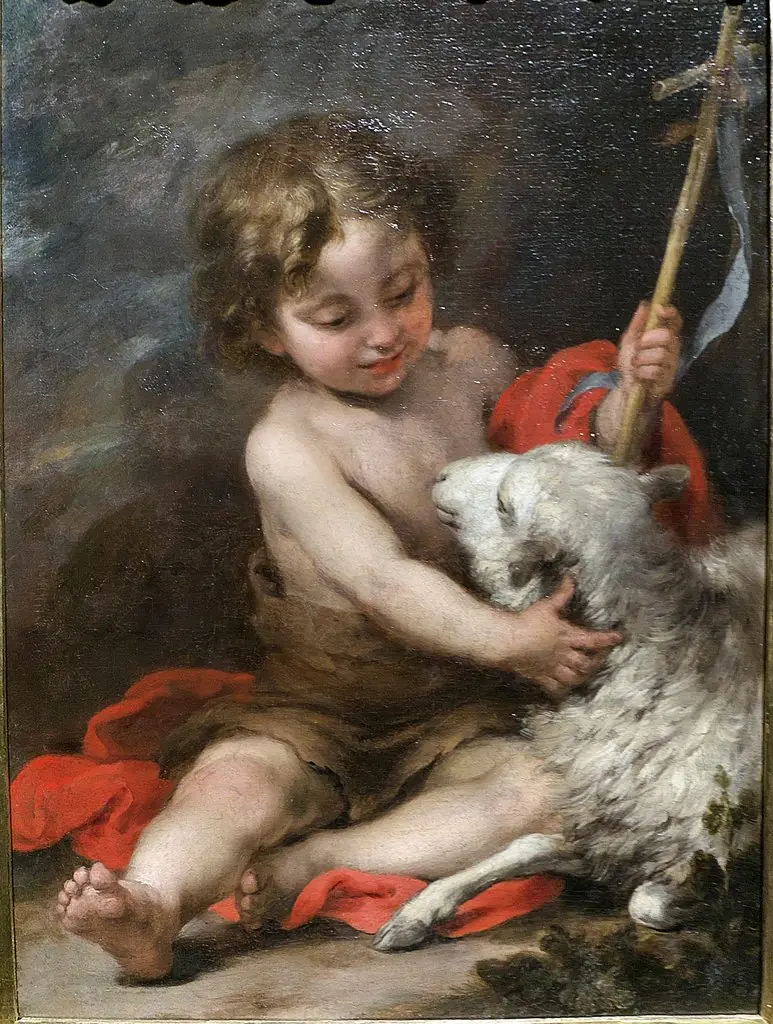 The Infant Saint John Playing with a Lamb
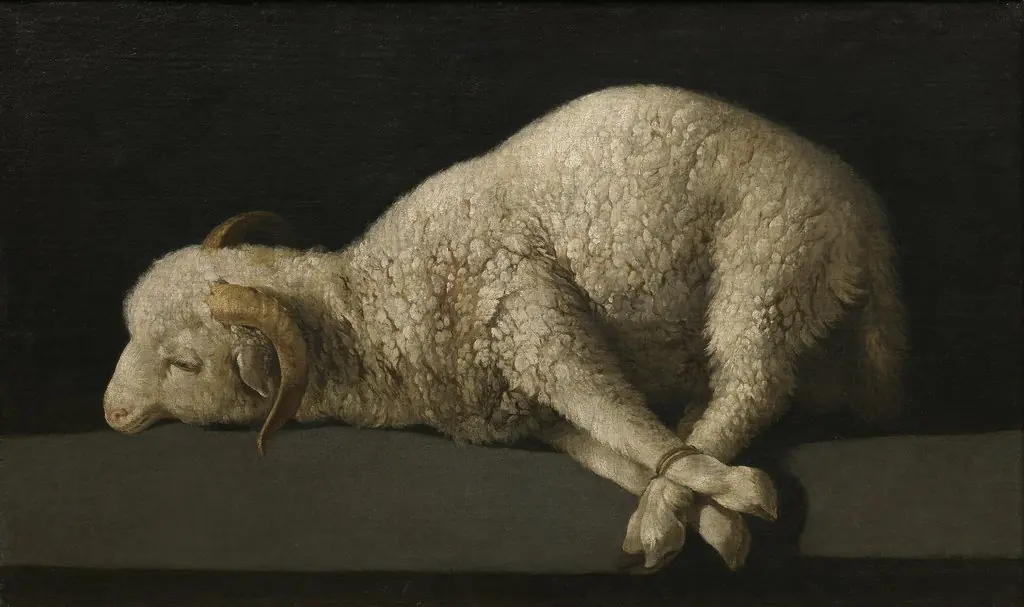 Agnus Dei
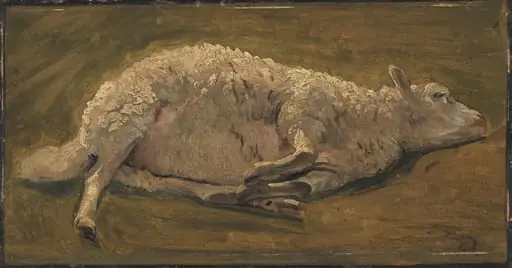 Studie af et liggende får
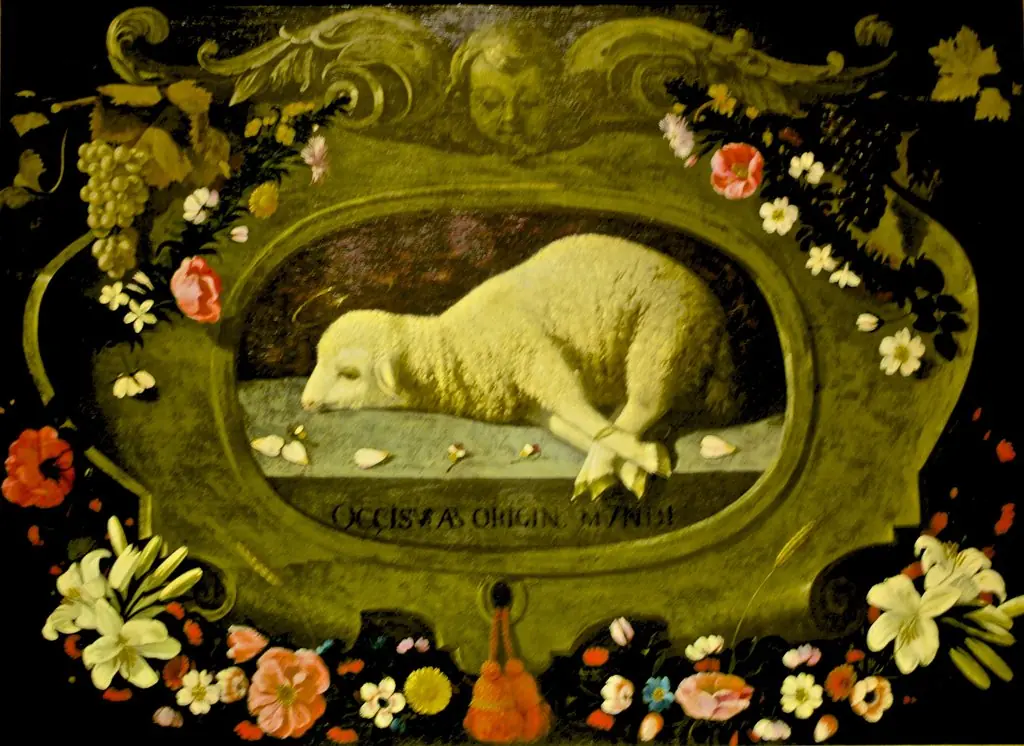 Agnus Dei
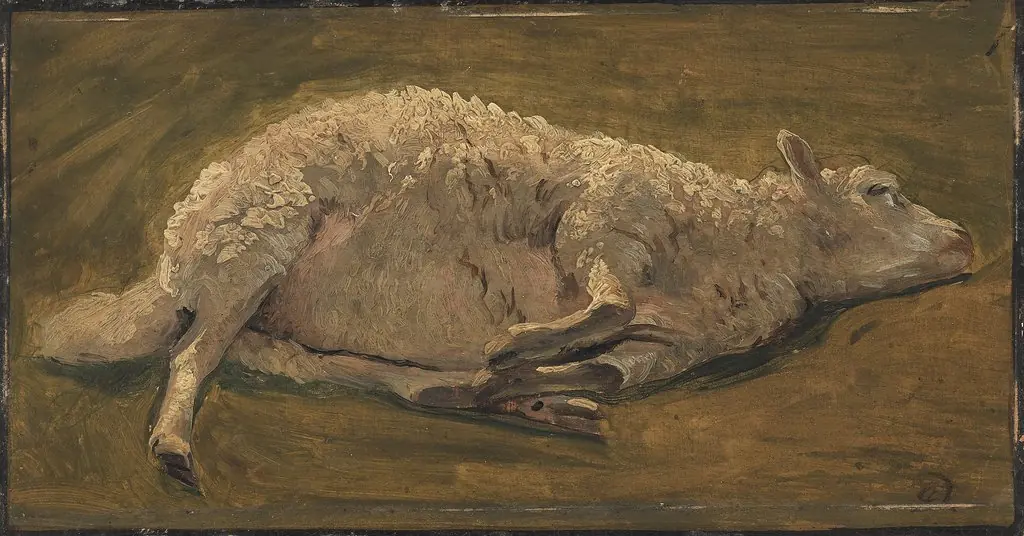 Studie af et liggende får
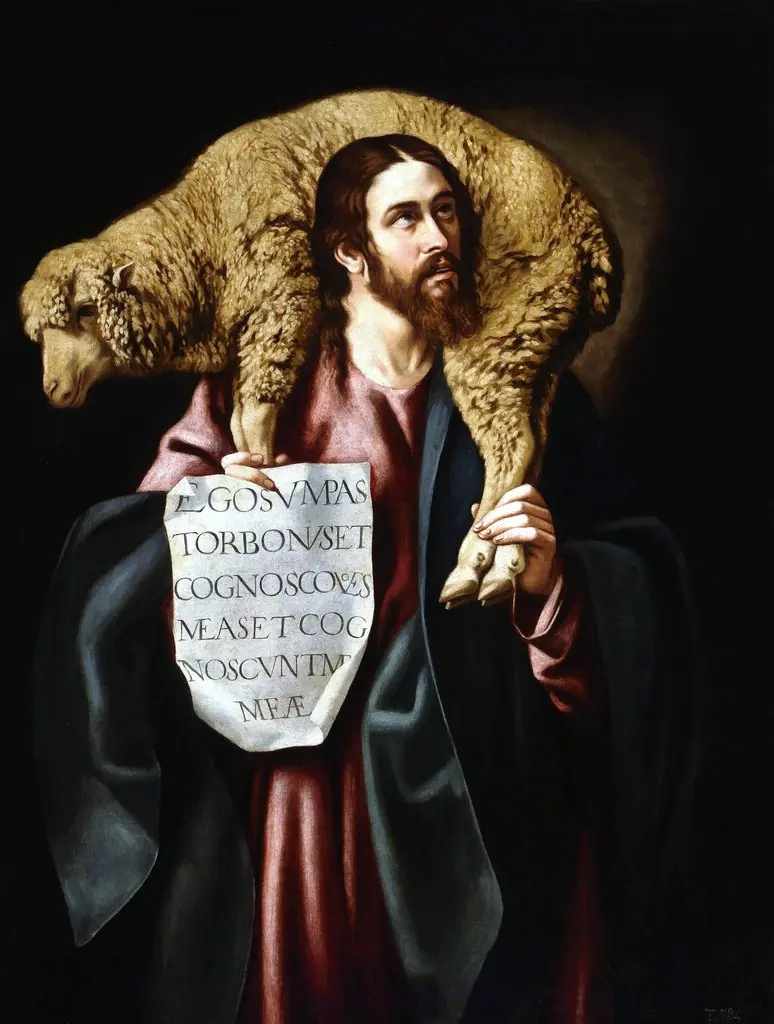 El Buen Pastor
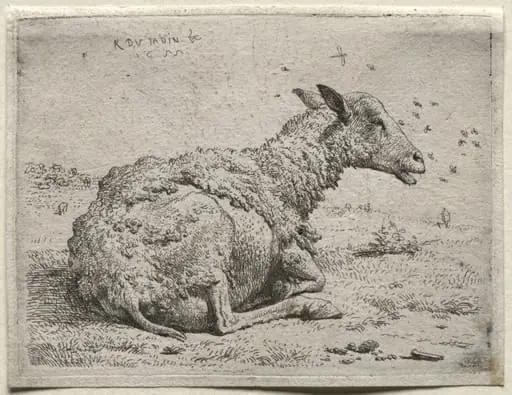 The Sheep and the Flies
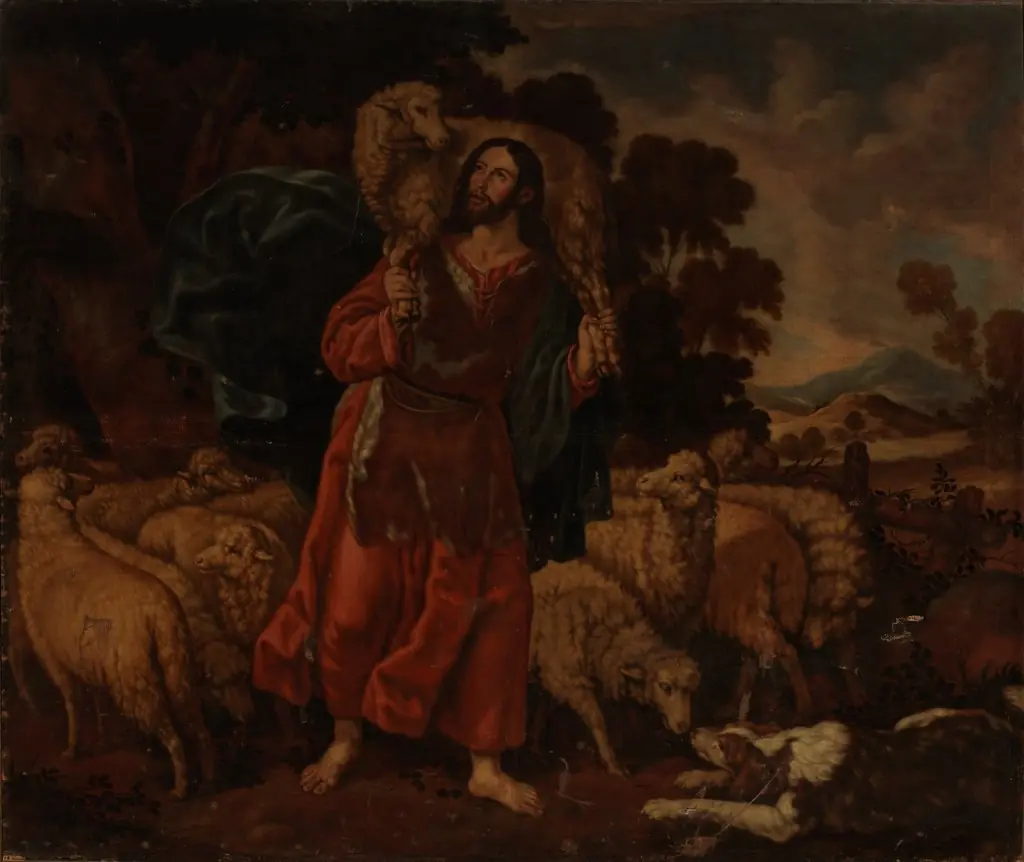 El Buen Pastor
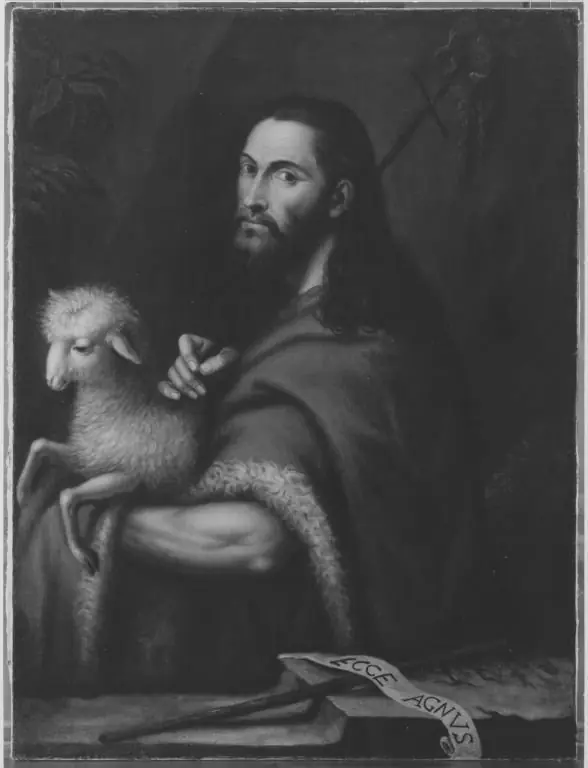 Johannes der Täufer
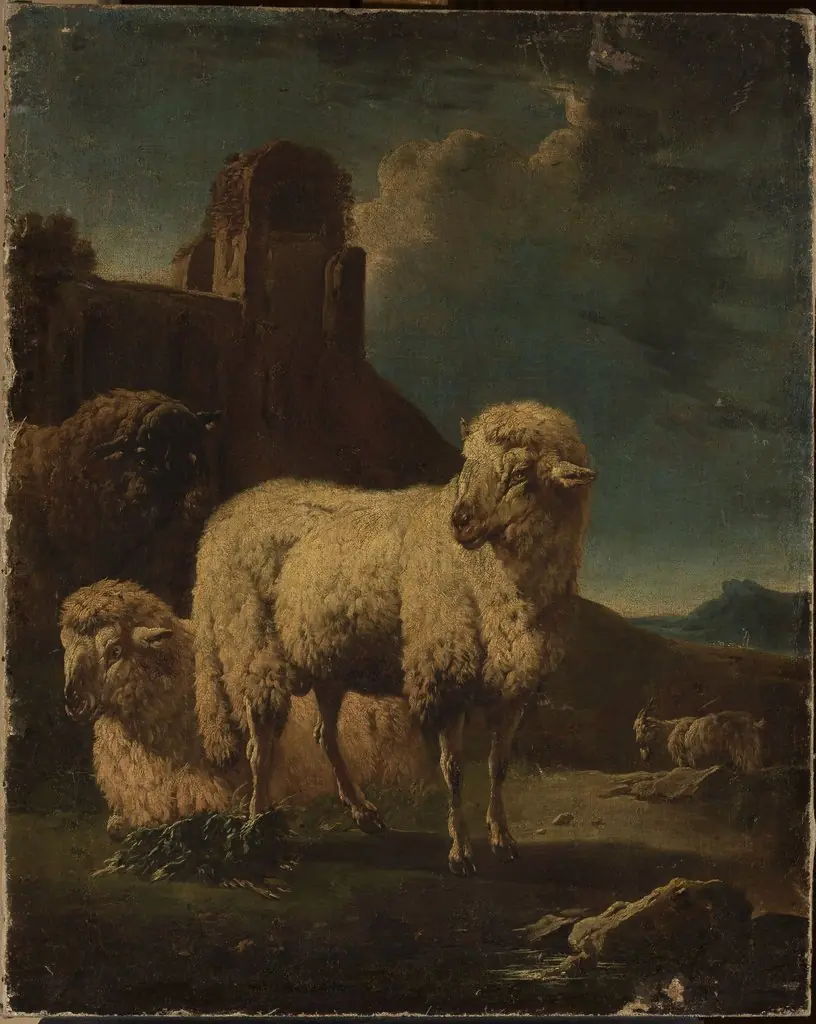 Rams with ruins in the background
 Cristo muerto sostenido por dos ángeles
 The adoration of the Lamb (after the Ghent Altarpiece)