Artwork
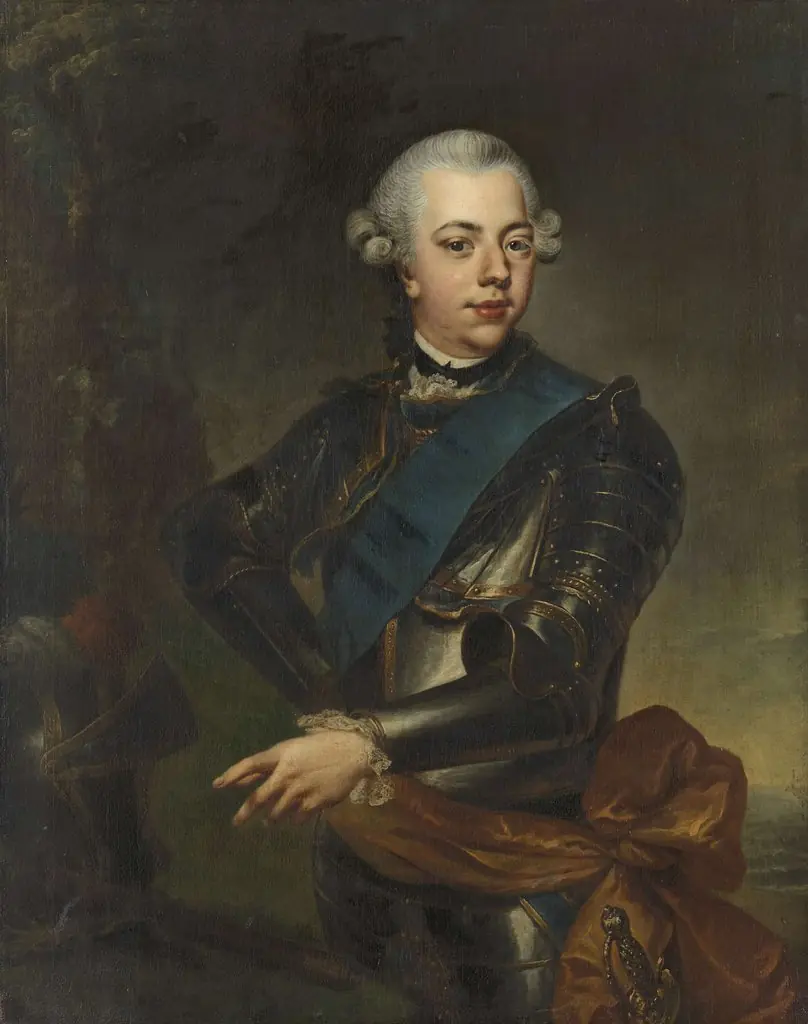
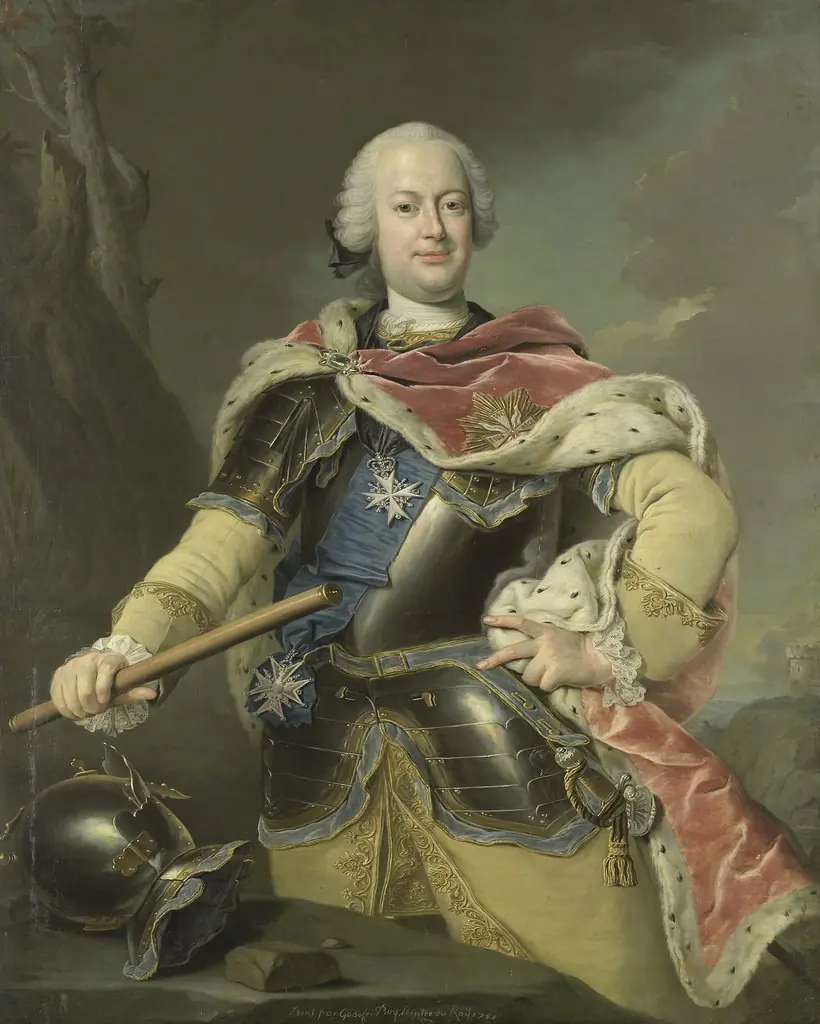
Willem IV, prince of Orange-Nassau
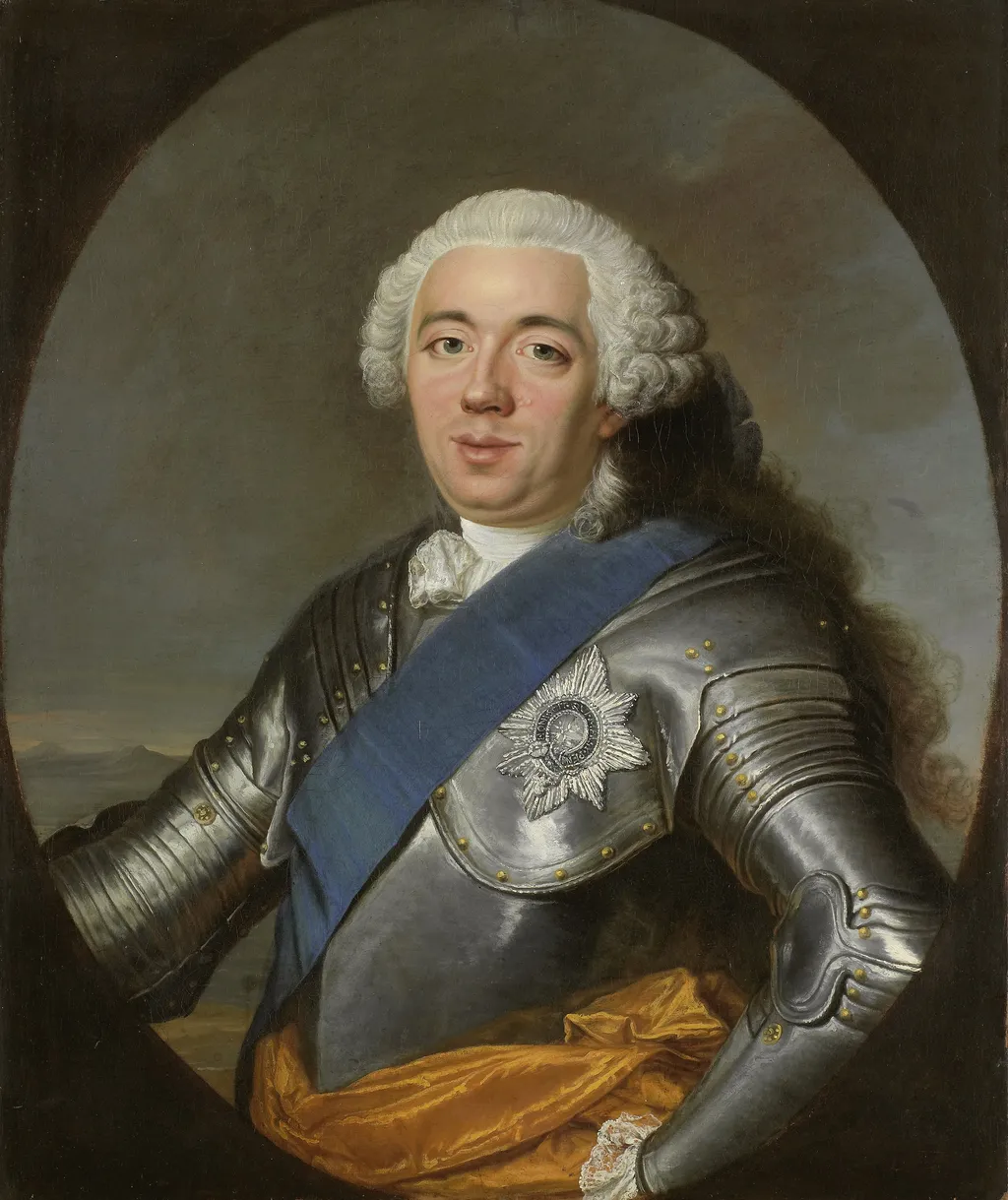
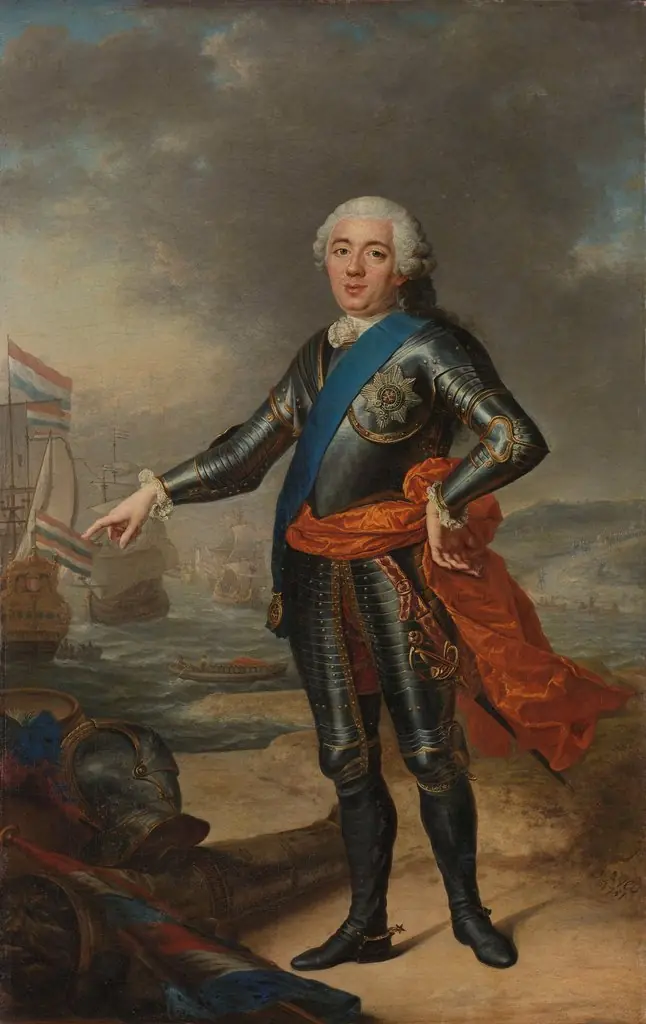
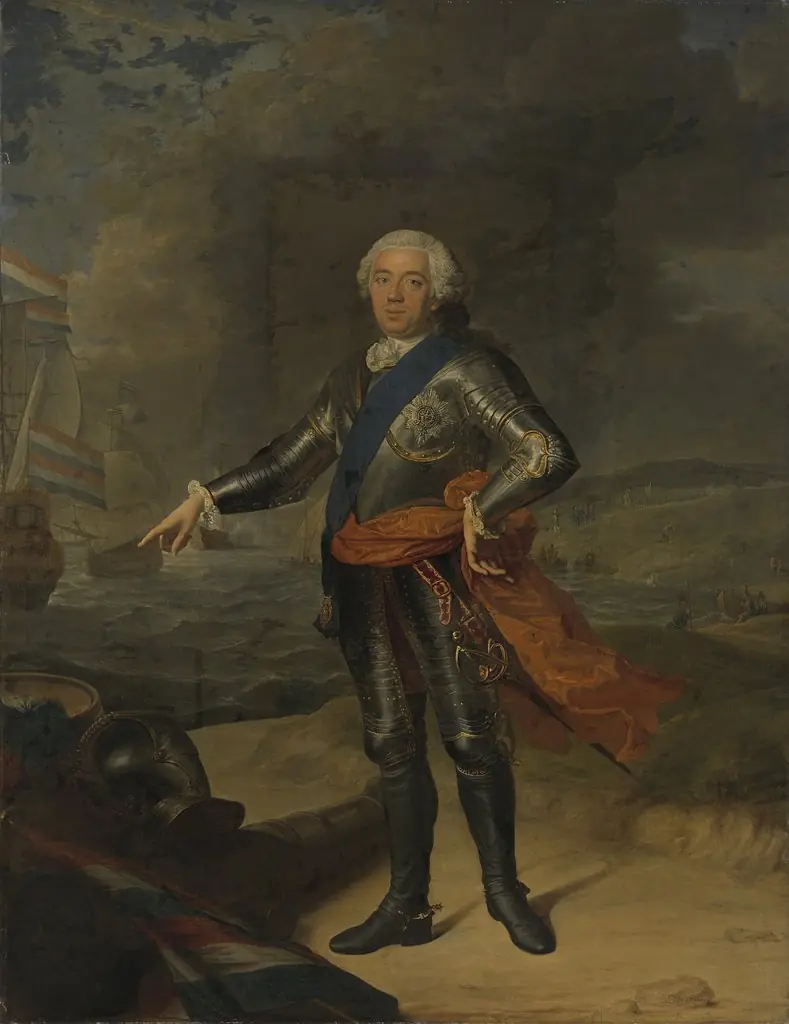
Willem IV, prince of Orange-Nassau is an oil painting by the Rococo painting artist Joseph Aved. It dates from 1750 and is held in the collection of the Rijksmuseum.
About this work
Overview
Around 1750, Jacques‑André‑Joseph Aved, a French portrait painter active during the reign of Louis XV, executed an oil portrait of William IV, Prince of Orange‑Nassau. The work is part of the Rijksmuseum’s collection and presents the Dutch prince in a formal, dignified pose.
Subject & Meaning
The sitter, William IV, is shown with white hair, clad in silver armor accented by a blue sash and a yellow drape at his waist. The attire underscores his military status and noble rank, while the restrained expression conveys the authority expected of a 18th‑century sovereign.
Technique & Style
Aved employs the Rococo sensibility of refined surface treatment, using delicate chiaroscuro to model the figure against a muted gray‑brown backdrop. A faint landscape emerges behind the prince, adding depth without distracting from the central portrait.
History & Provenance
Born in Paris to a physician’s family, Aved trained with François Boitard and Bernard Picart before establishing his career in the French capital. The portrait entered the Rijksmuseum’s holdings at an unspecified date, where it remains on display as part of the Dutch royal collection.
Context
The painting reflects the cross‑national ties of the period: a French artist, educated in Paris, depicting a Dutch prince who spent part of his youth in Amsterdam under the care of a military uncle. Such portraits reinforced diplomatic and familial connections among European courts.
Artist & collection
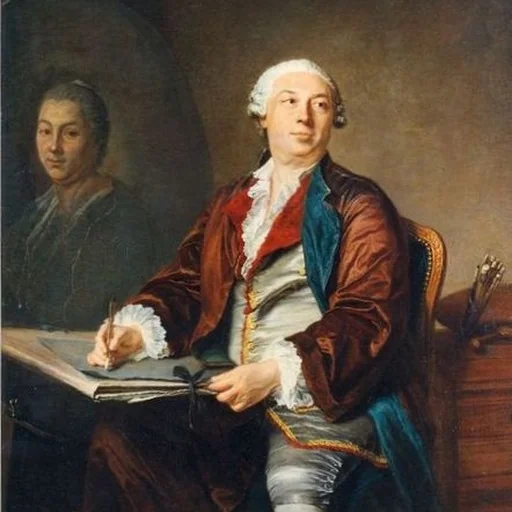
Artist
Jacques-André-Joseph Aved (12 January 1702 – 4 March 1766), also called le Camelot (The Hawker) and Avet le Batave (The Dutch Avet), was a French painter, renowned among the main Rococo portraitists in Paris during King Louis XV's reign.