Artwork
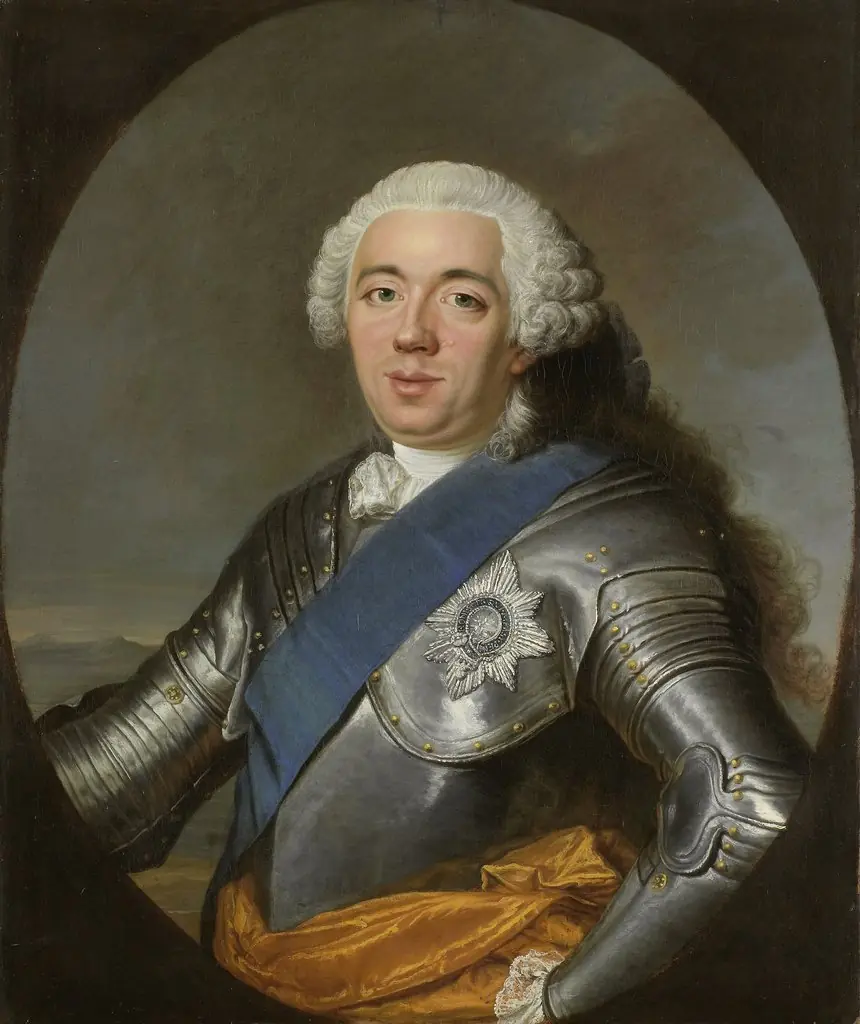
Willem IV (1711-1751), prince of Orange-Nassau
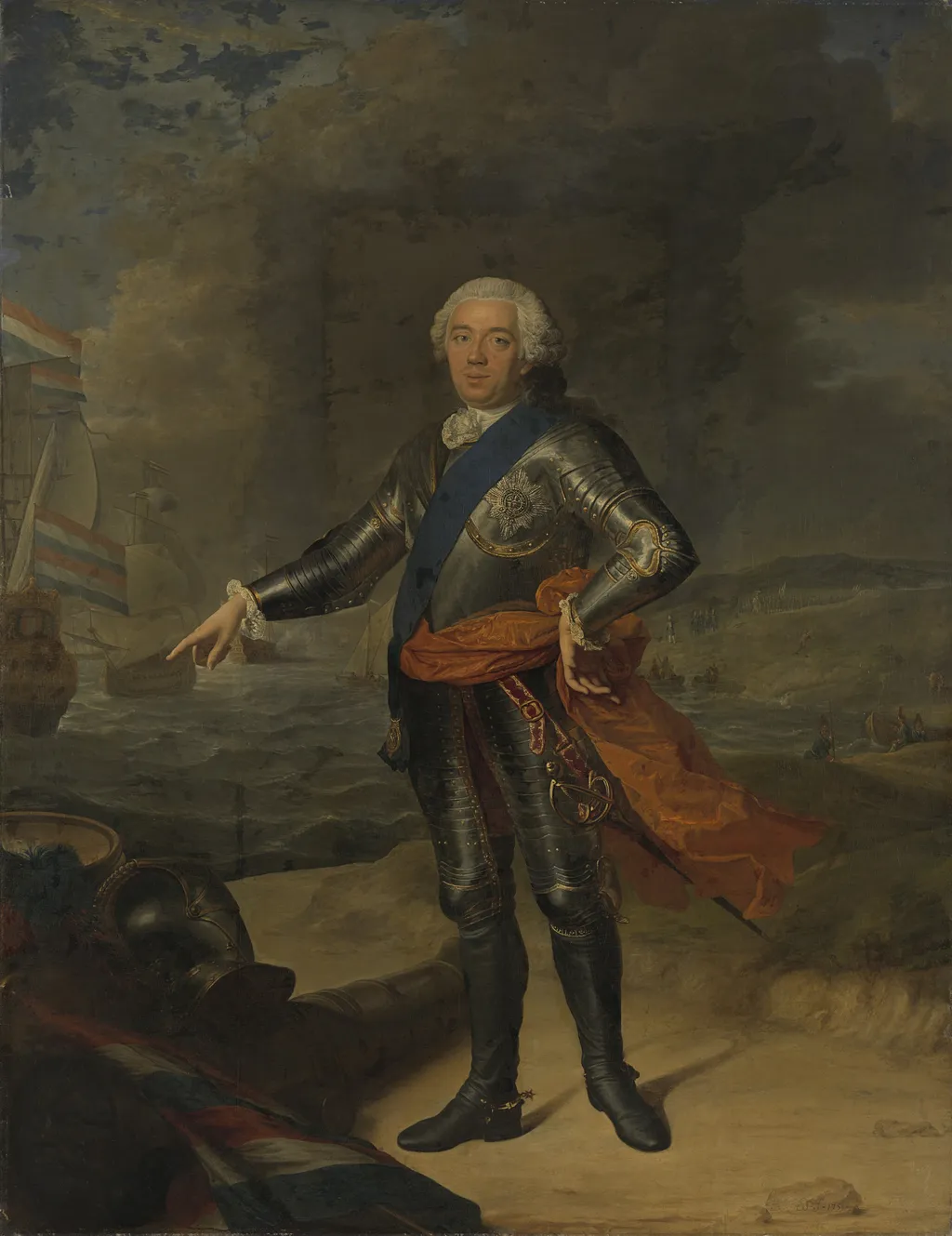
Willem IV (1711-1751), prince of Orange-Nassau is an oil painting by the Rococo painting artist Joseph Aved. It dates from 1751 and is held in the collection of the Rijksmuseum.
About this work
Overview
The oil painting, executed in 1751, portrays William IV, Prince of Orange, in a composition typical of the mid‑eighteenth‑century Rococo aesthetic. The work is part of the Rijksmuseum’s collection and presents the Dutch prince in a stylized, maritime setting.
Subject & Meaning
William IV appears in full armor with a blue coat, a red sash at his waist, and medals on his chest, indicating his princely rank and military authority. He gestures with his right hand toward a distant vessel while his left hand rests on a sword, suggesting a connection between personal leadership and naval power.
Technique & Style
The portrait reflects Rococo sensibilities through its refined elegance and decorative detail, especially in the polished armor and the delicate rendering of clouds and sea. Aved’s handling of light on metal surfaces and the subtle coloration of the sky convey a sense of movement and aristocratic poise.
History & Provenance
Created by Joseph Aved, a French portraitist of Dutch origin who trained with François Boitard and Bernard Picart before establishing his reputation in Paris, the painting entered the Rijksmuseum’s holdings where it remains on display.
Context
The work was produced during the reign of Louis XV, a period when Rococo art flourished across Europe. Aved’s portrait aligns with contemporary French court portraiture while also reflecting the Dutch prince’s maritime interests and the broader political ties between the Netherlands and France.
Own this work as a print
Artist & collection
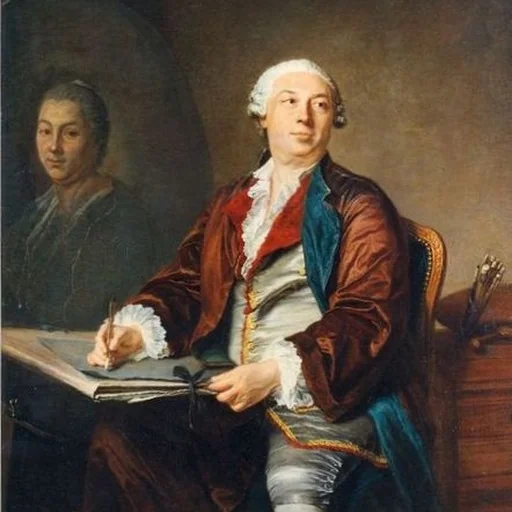
Artist
Jacques-André-Joseph Aved (12 January 1702 – 4 March 1766), also called le Camelot (The Hawker) and Avet le Batave (The Dutch Avet), was a French painter, renowned among the main Rococo portraitists in Paris during King Louis XV's reign.

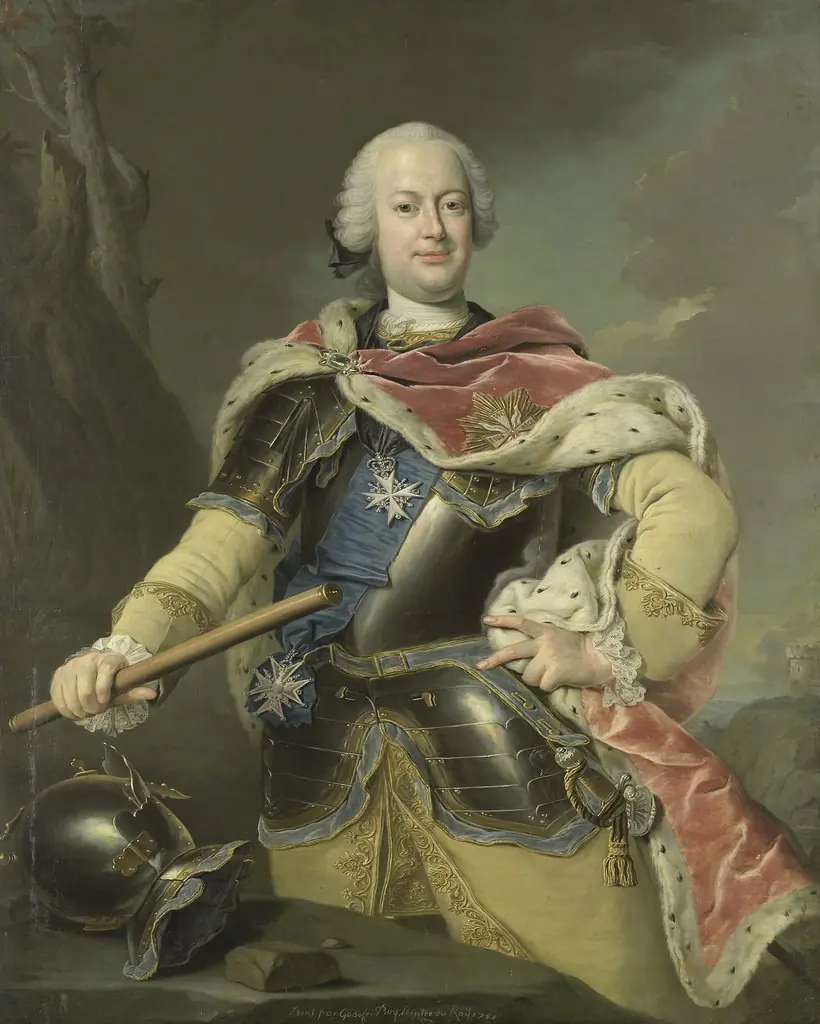 Friedrich Christian (1722-63), Elector of Saxony and King of Poland
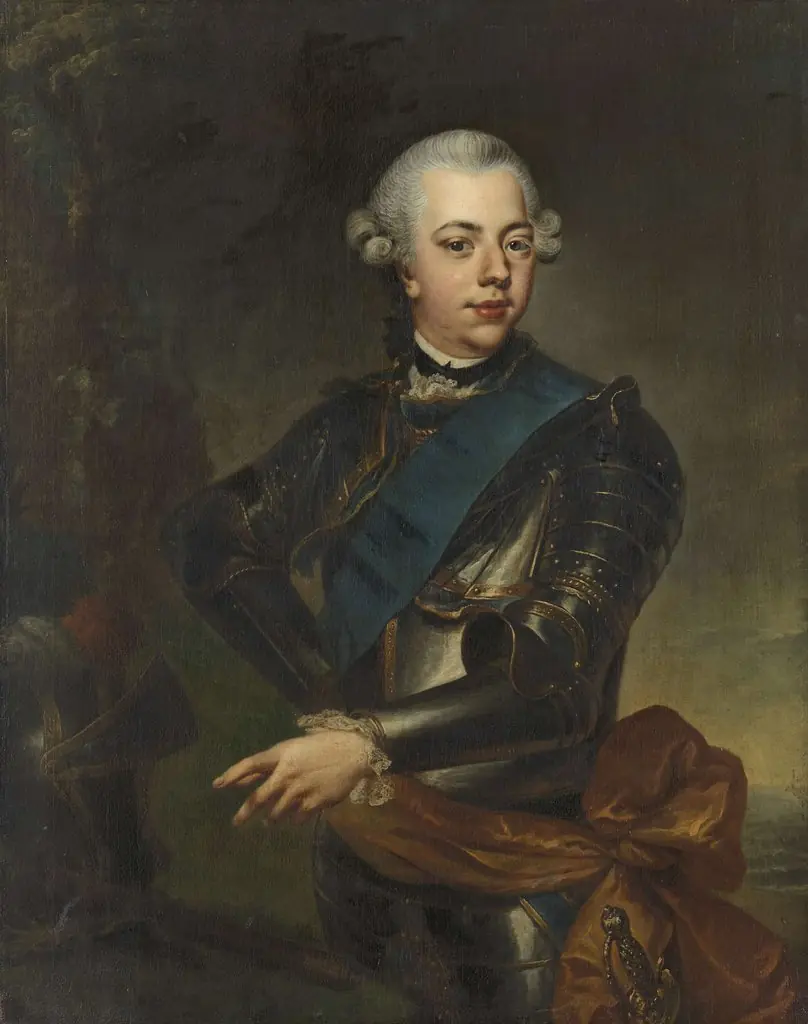 Willem V (1748-1806), prins van Oranje-Nassau
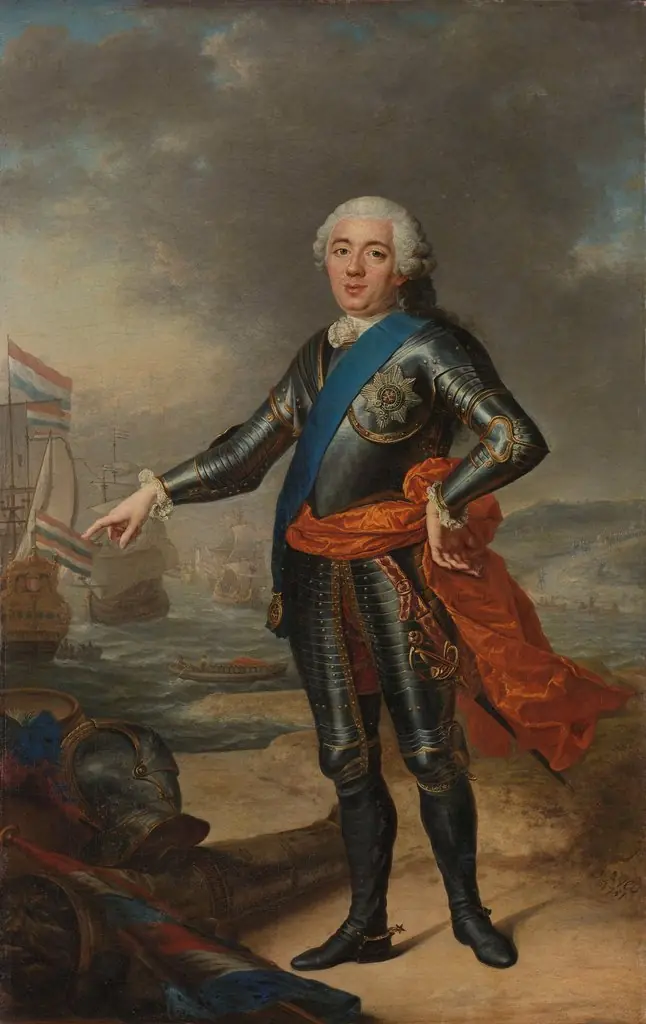
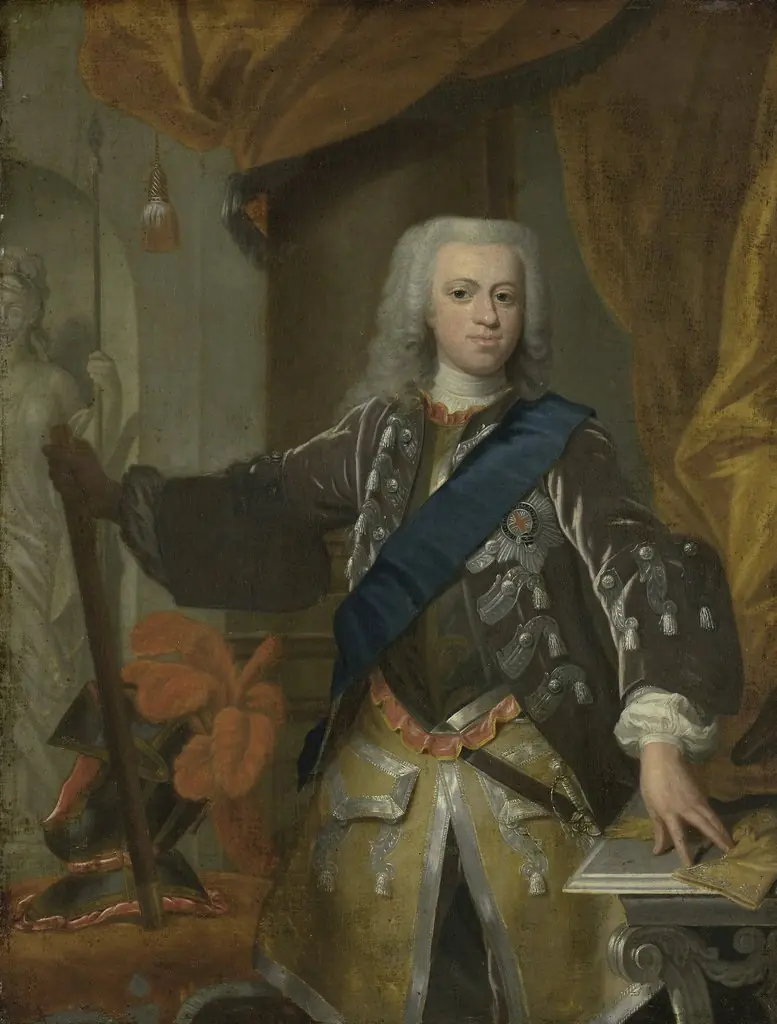 Portrait of William IV, Prince of Orange
 Gerrit Sichterman (1688-1730). Quartermaster-General of the Cavalry, Colonel of the Oranje-Groningen Infantry Regiment, Commandant of Grave
 Felipe V, King of Spain