Artwork
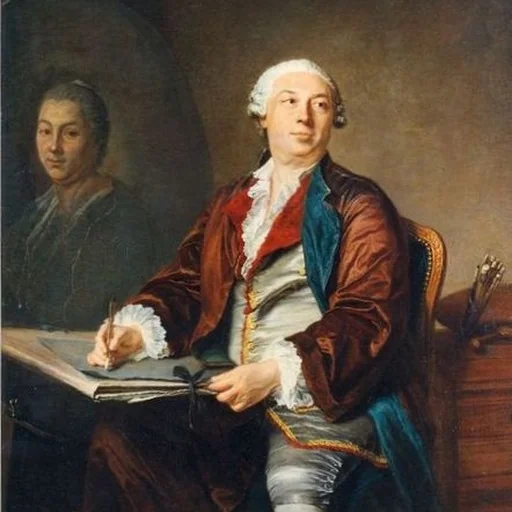
Portrait of Jean-Gabriel du Theil at the Signing of the Treaty of Vienna
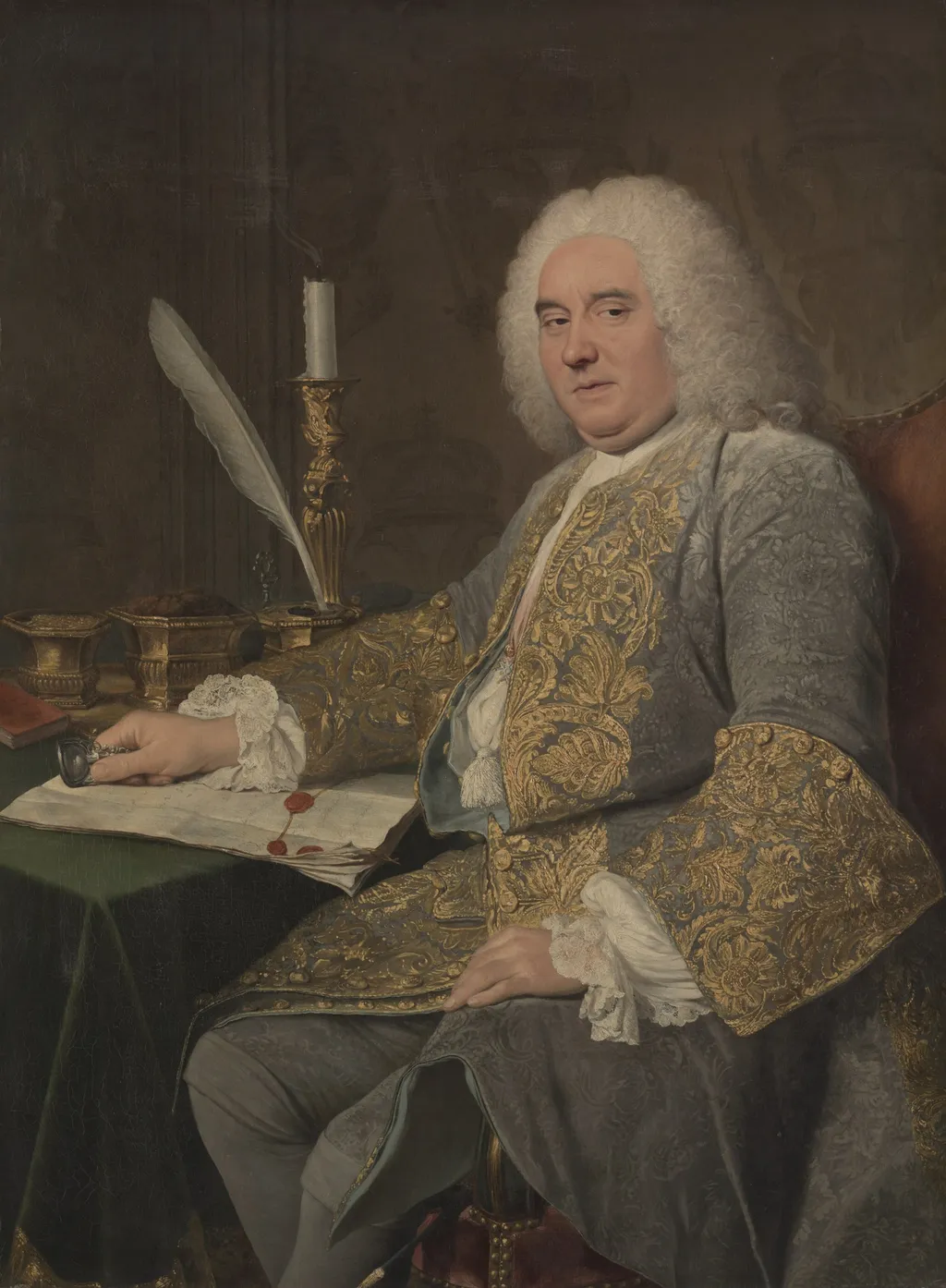
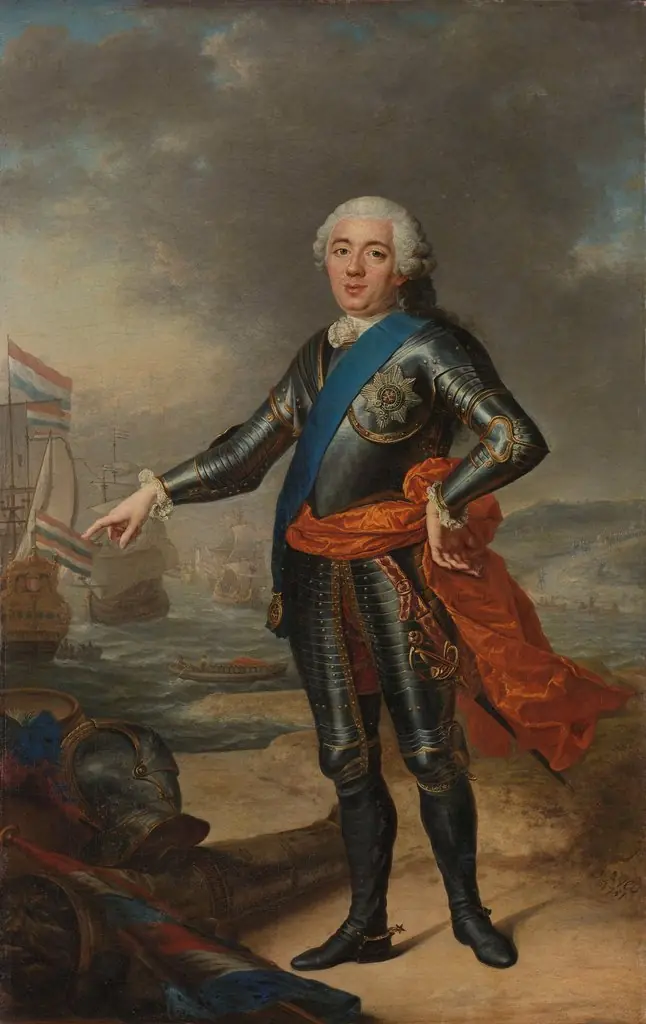
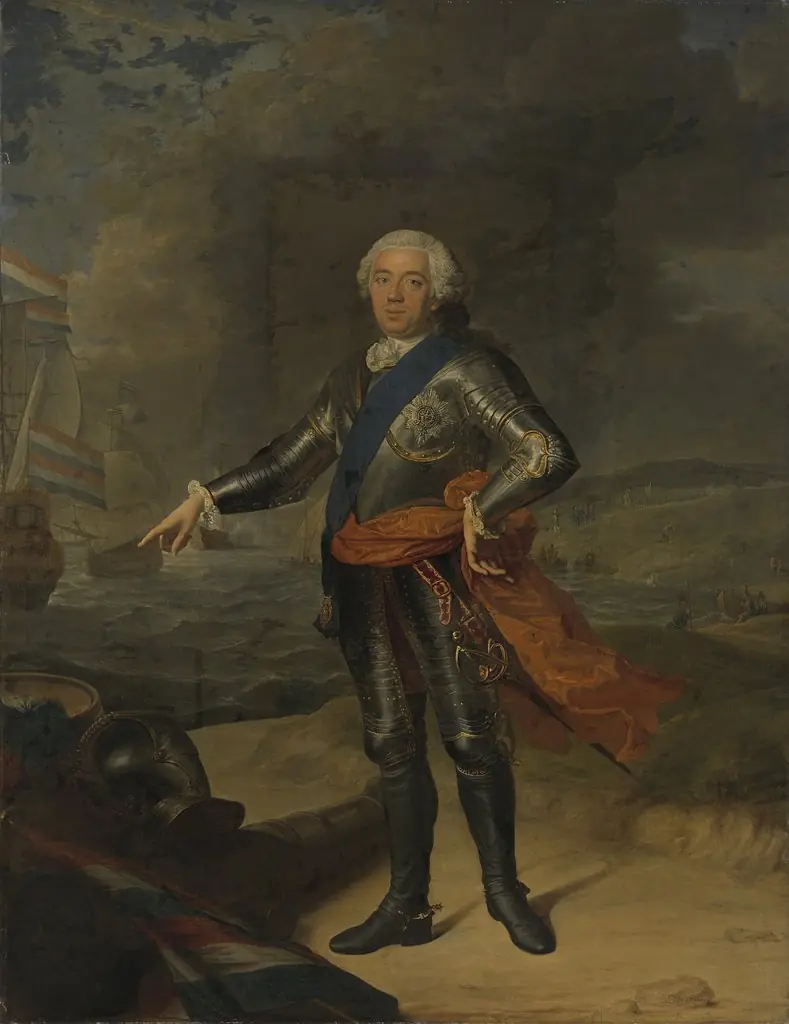
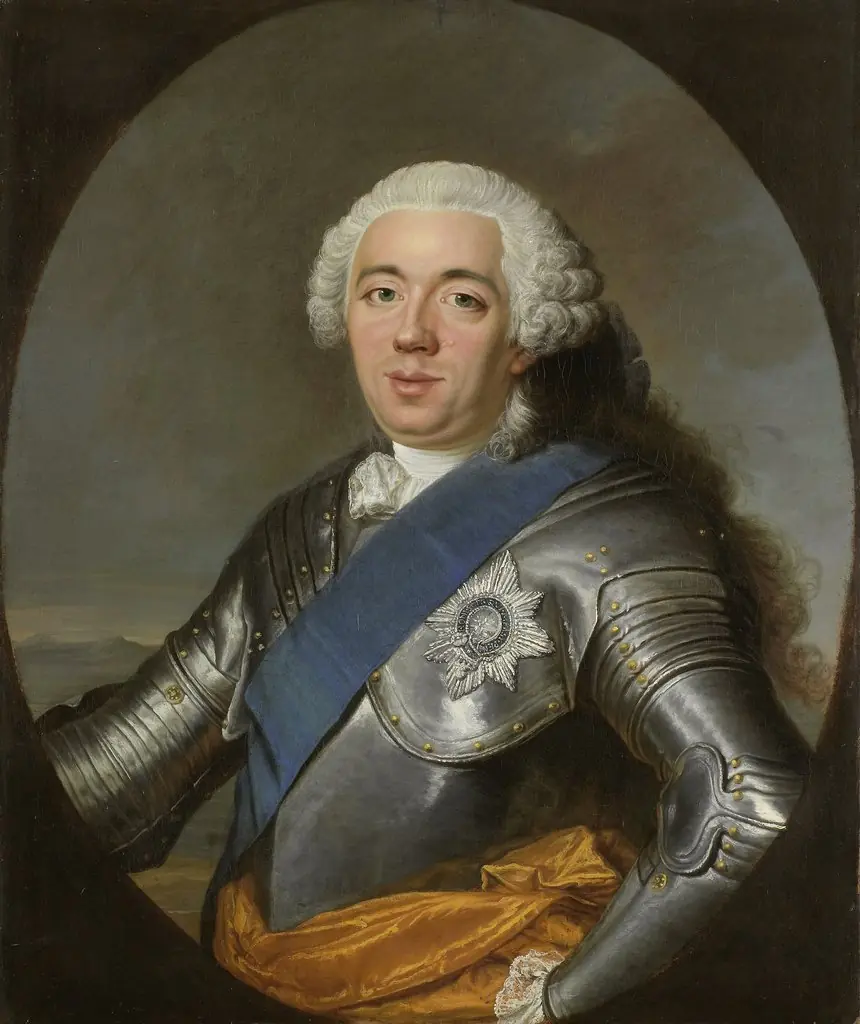
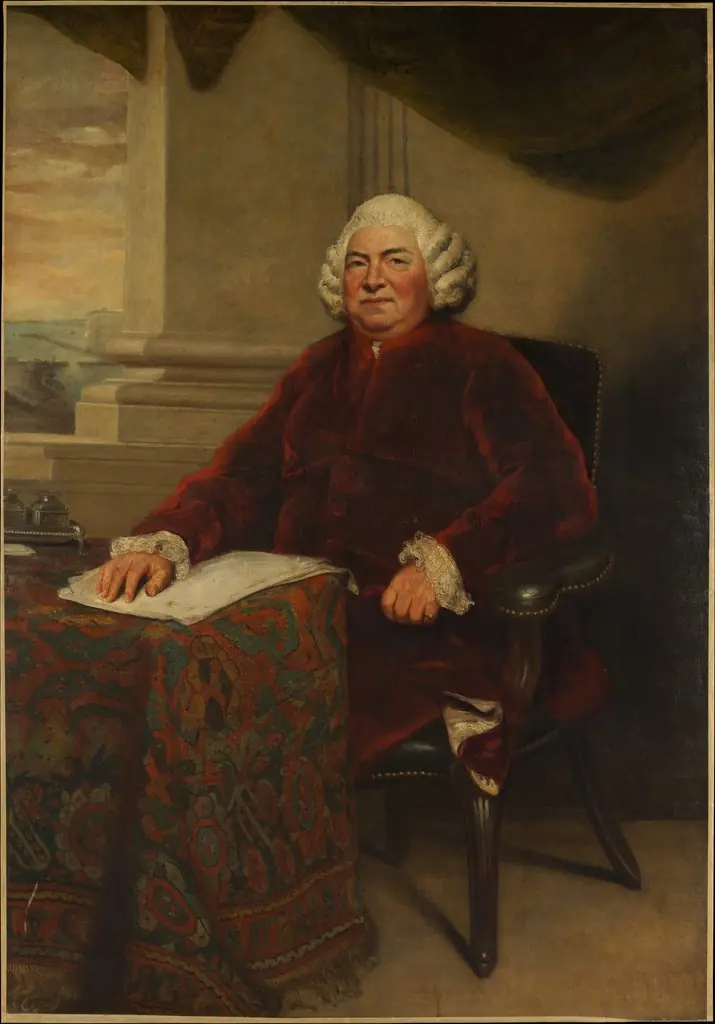
Portrait of Jean-Gabriel du Theil at the Signing of the Treaty of Vienna is an oil painting by the Rococo painting artist Joseph Aved. It dates from 1738 and is held in the collection of the Cleveland Museum of Art.
About this work
Overview
Jacques-André-Joseph Aved's Portrait of Jean-Gabriel du Theil at the Signing of the Treaty of Vienna, painted in 1738, captures a prominent figure of its era.
Jacques-André-Joseph Aved's Portrait of Jean-Gabriel du Theil at the Signing of the Treaty of Vienna, painted in 1738, captures a prominent figure of its era. Executed in oil, this work presents Jean-Gabriel du Theil in a formal pose, suggesting his involvement in significant diplomatic affairs. The painting is a notable example of Aved's portraiture, reflecting the refined aesthetic prevalent in Parisian society during the reign of King Louis XV.
Subject & Meaning
The painting depicts Jean-Gabriel du Theil seated at a green-draped table, poised with a quill pen in hand. His elaborate blue and gold robe, paired with a white wig, signifies his high status. Accompanying objects, such as an inkwell, candlestick, and a document bearing a red wax seal, strongly allude to the act of signing a significant agreement. This formal arrangement underscores du Theil's role in the diplomatic event referenced in the title, the Treaty of Vienna.
Technique & Style
Aved, a leading French portraitist of his time, rendered this work using oil paint, showcasing the Rococo style's characteristic elegance. His approach emphasizes detailed drapery and a sophisticated portrayal of the sitter, reflecting the refined tastes of the Louis XV court. Aved's artistic foundation was established during his training in Amsterdam, which likely influenced his precise rendering and attention to detail before he became known for his distinctive Parisian portraiture.
Context
Created in 1738, this portrait places Jean-Gabriel du Theil within the political landscape of King Louis XV's France. The Treaty of Vienna, a pivotal diplomatic accord of the period, provides the specific backdrop for the sitter's portrayal, highlighting his involvement in international relations. Aved’s reputation as a prominent artist in Paris during this era further situates the painting within the broader cultural and artistic currents of 18th-century French society.
History & Provenance
Painted by Jacques-André-Joseph Aved in 1738, this oil portrait of Jean-Gabriel du Theil represents a specific moment in European diplomacy. Aved, also known by the monikers le Camelot and Avet le Batave, was a well-regarded artist whose works were sought after by the French elite. The painting is currently preserved within the collection of The Cleveland Museum of Art, where it contributes to the understanding of 18th-century portraiture and historical representation.
Own this work as a print
Artist & collection
Artist
Jacques-André-Joseph Aved (12 January 1702 – 4 March 1766), also called le Camelot (The Hawker) and Avet le Batave (The Dutch Avet), was a French painter, renowned among the main Rococo portraitists in Paris during King Louis XV's reign.