Artwork
Jeremiah Belknap
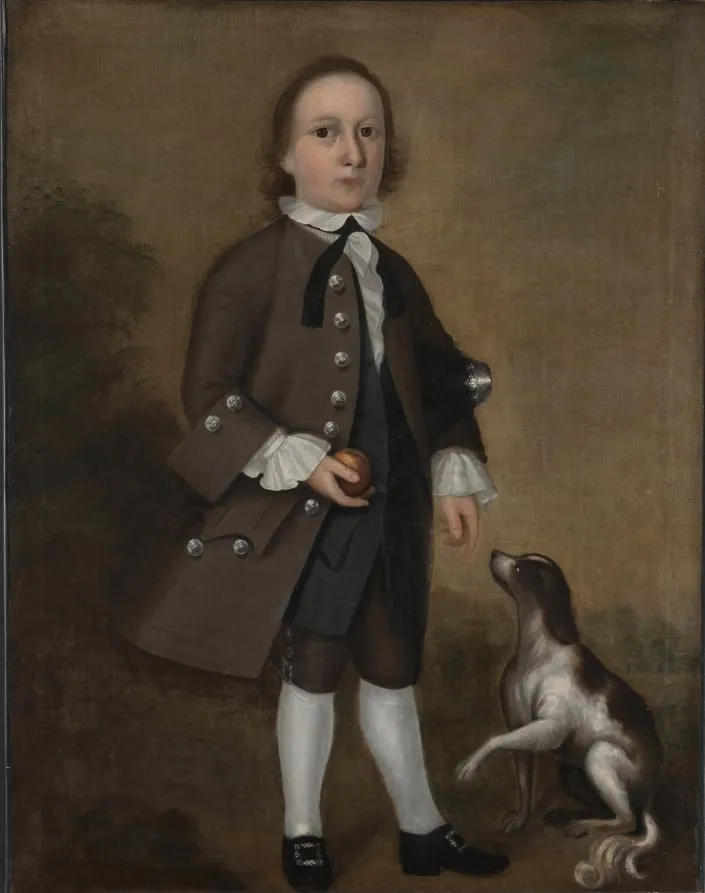
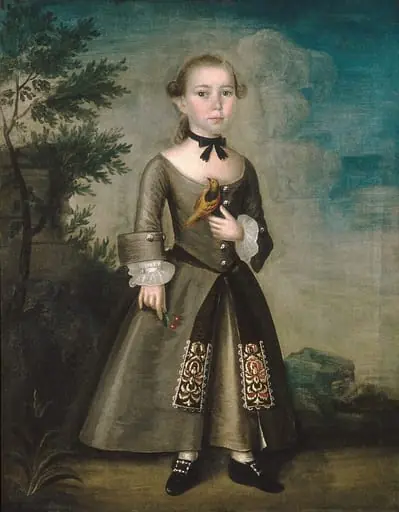
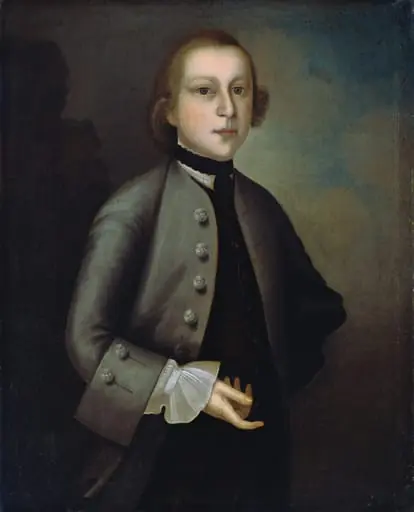
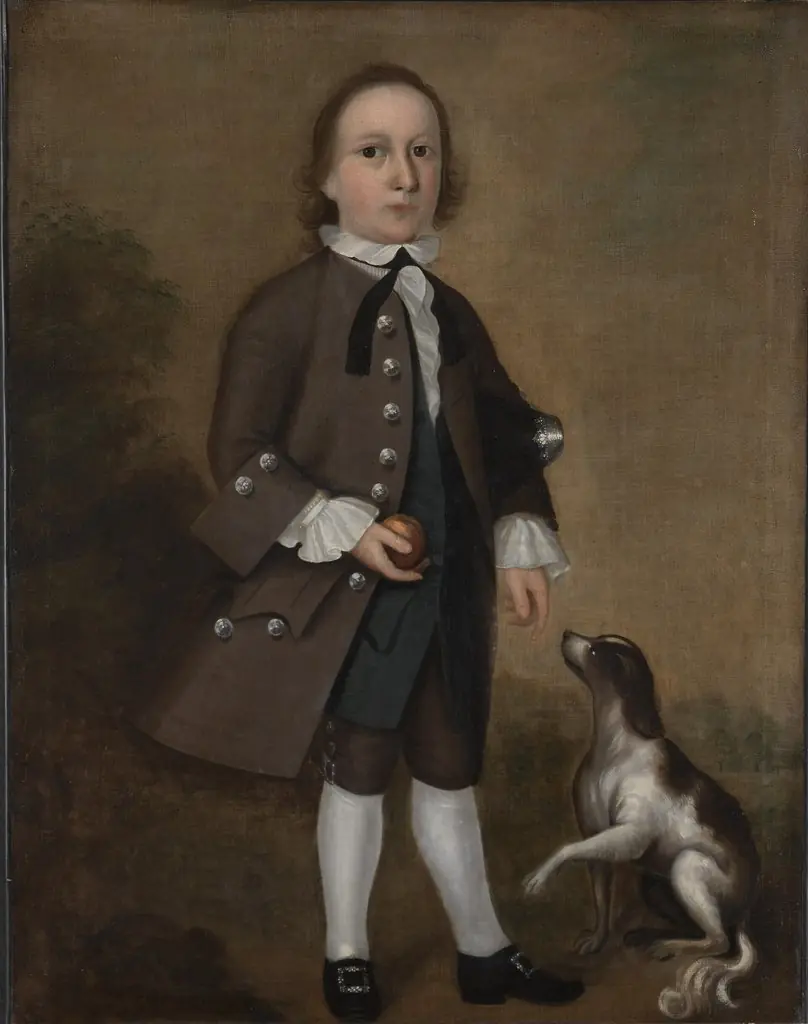
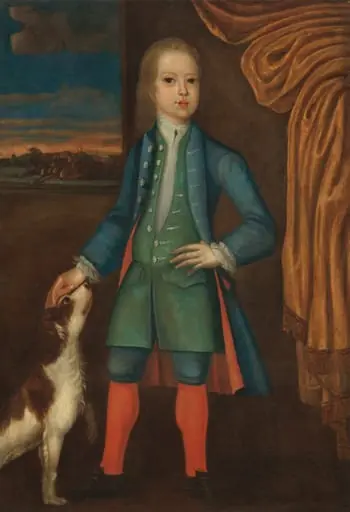
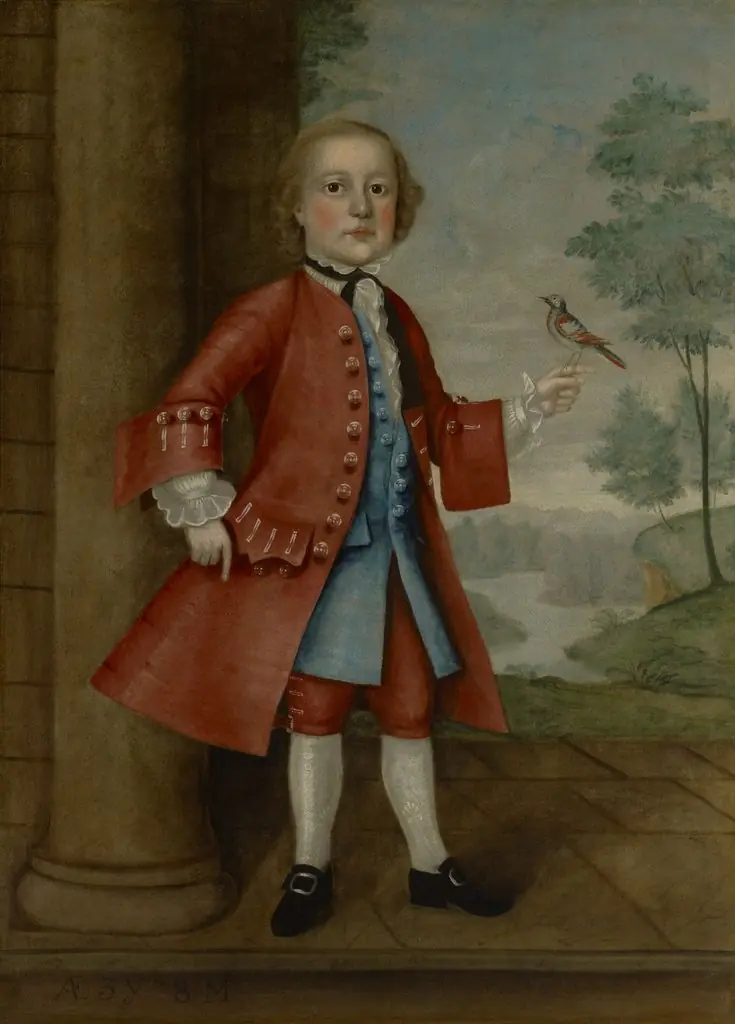
Jeremiah Belknap is an unspecified painting by the Romanticist artist Joseph Badger. It dates from 1758 and is held in the collection of the Cleveland Museum of Art.
About this work
Overview
Without formal artistic training, the creator adapted to local demand for likenesses among prosperous families.
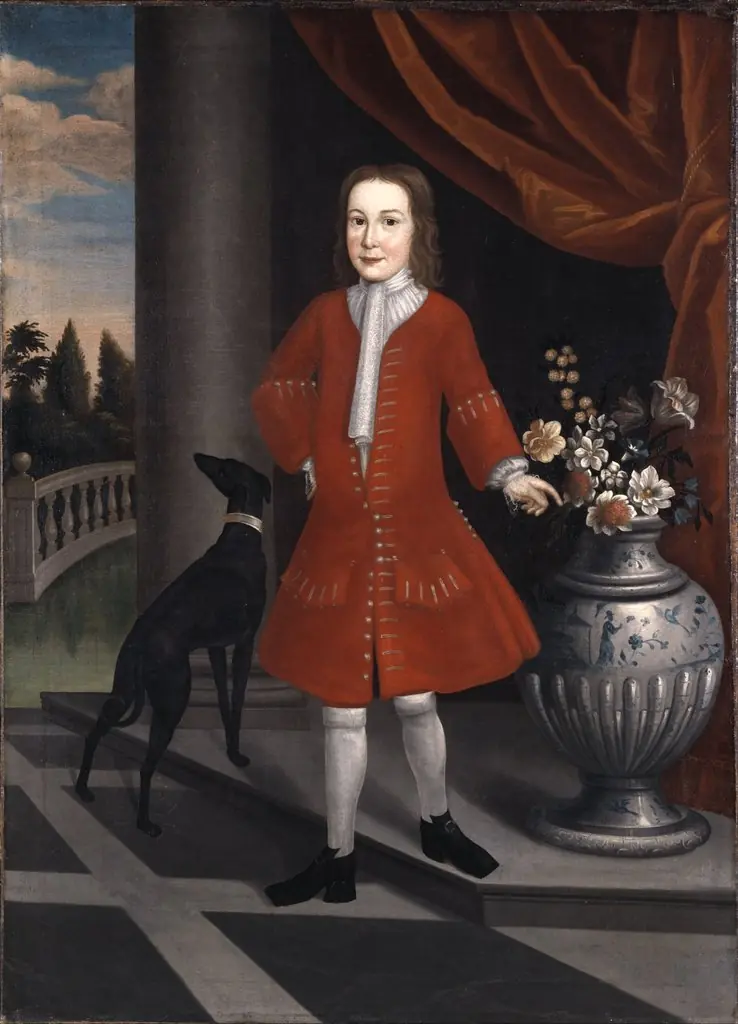
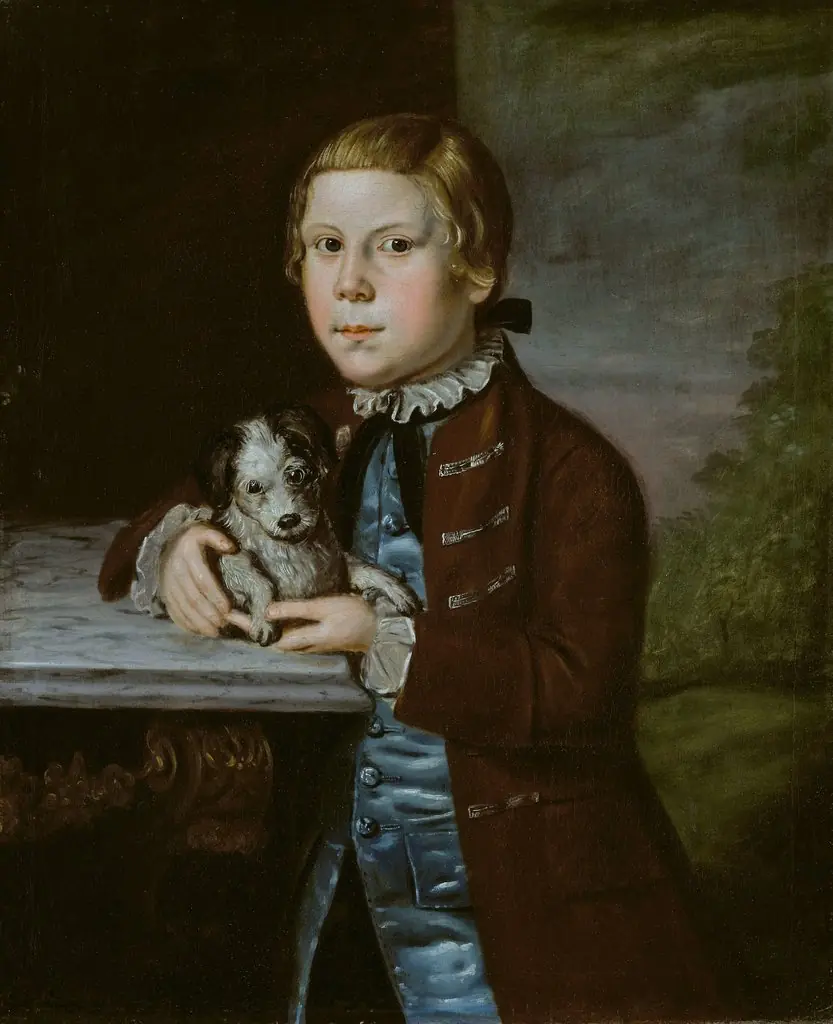
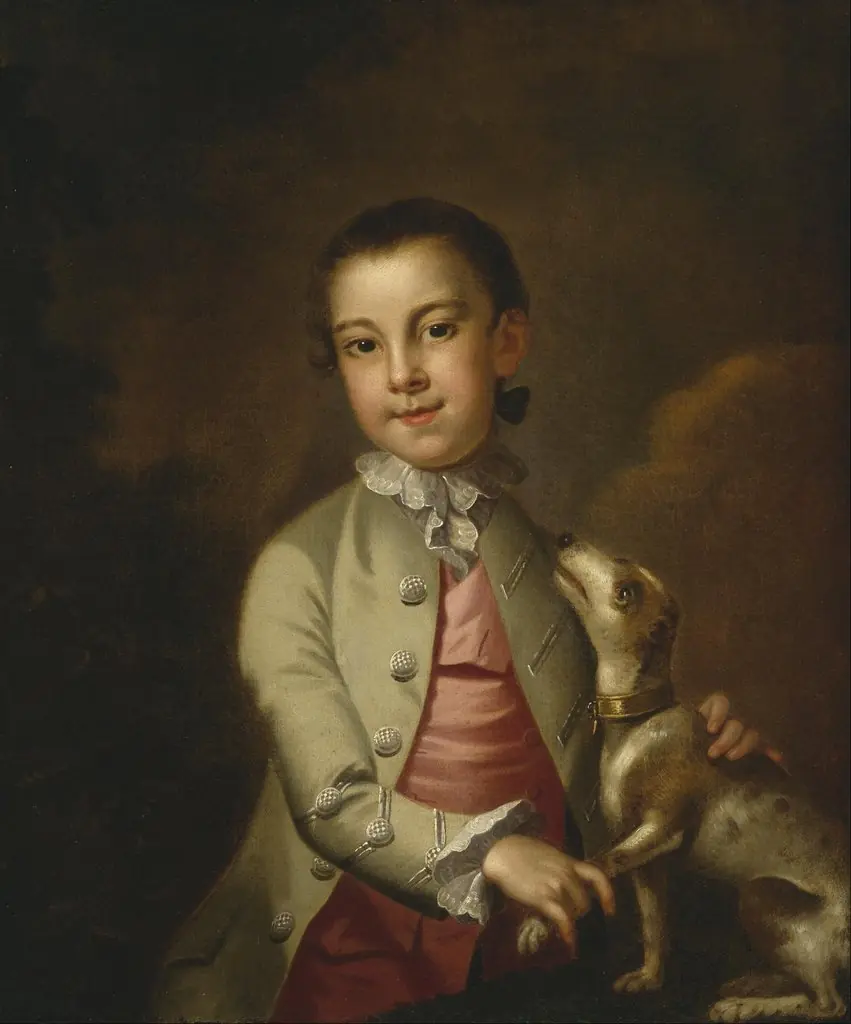
Jeremiah Belknap is a portrait painted in colonial Boston by an artist who began as a house and sign painter. Without formal artistic training, the creator adapted to local demand for likenesses among prosperous families. The subject, a boy of about seven, is depicted in adult-like clothing, reflecting the era’s convention of portraying children as miniature adults to signal social standing rather than youth.
Subject & Meaning
The boy holds a ripening peach, a symbol of growth and the passage toward maturity, while a small dog rests at his feet, representing fidelity and domestic virtue. These elements were conventional in colonial portraiture, used to convey moral and social ideals rather than personal whimsy. The child’s formal attire, disproportionate to his age, underscores family aspirations and the cultural weight placed on early social presentation.
Technique & Style
The painting’s execution reflects the artist’s background in commercial sign and house painting: clean lines, flat color fields, and minimal modeling define the figure and background. Details like the peach’s texture and the dog’s fur are rendered with straightforward precision rather than refined chiaroscuro. The style is direct and unembellished, prioritizing clarity and recognizability over decorative flourish.
History & Provenance
Created in the mid-18th century in Boston, the portrait was likely commissioned by the Belknap family to affirm their social position. The artist, though unnamed in many records, was part of a growing class of itinerant portraitists serving colonial elites. The work remained in family hands for generations before entering institutional collections, preserving its connection to early American domestic life.
Context
In colonial America, portraiture was a marker of status, especially among merchant and landowning families. Artists without academic training filled this demand, blending folk sensibilities with European conventions. Symbols like fruit and animals were standard tools to communicate virtue and lineage. This painting exemplifies how art served social function over aesthetic innovation in pre-Revolutionary New England.
Legacy
The portrait stands as a representative example of vernacular American portraiture, illustrating how non-academic artists shaped visual culture in the colonies. Its straightforward symbolism and unpolished technique offer insight into the values and visual language of ordinary elite families. Today, it contributes to broader understandings of identity and aspiration in early American society.
Artist & collection

Artist
Joseph Badger was born on March 14, 1707/8, in Charlestown, Massachusetts, the son of Stephen Badger, a tailor, and Mercy Kettell.