Artwork
Romulus und Remus
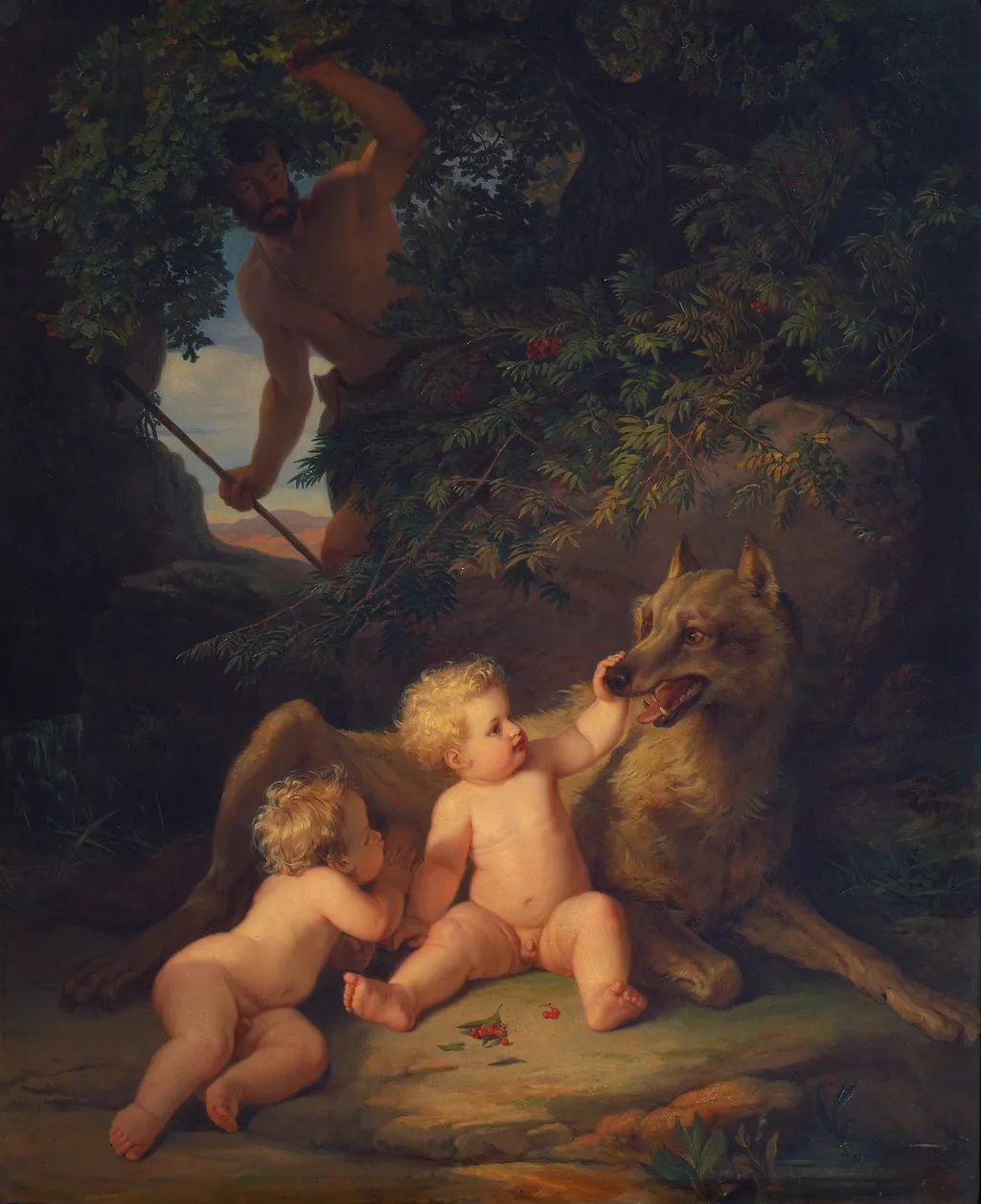
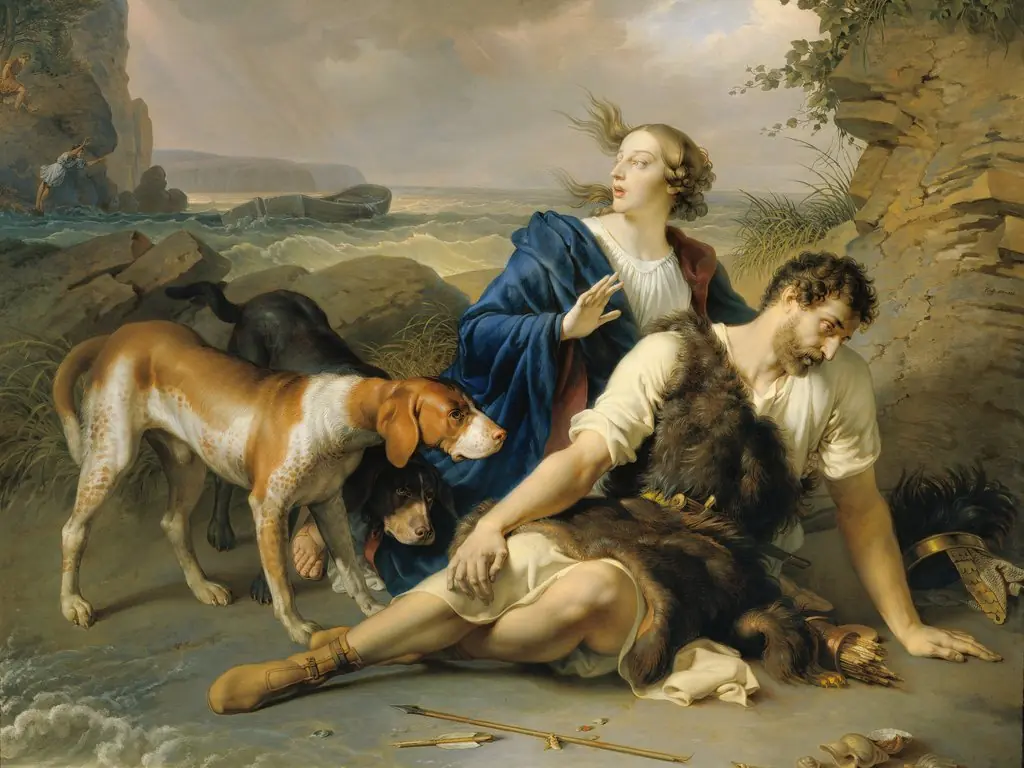
Romulus und Remus is an oil painting by Joseph Binder. It dates from 1850 and is held in the collection of the Kunsthistorisches Museum.
About this work
Overview
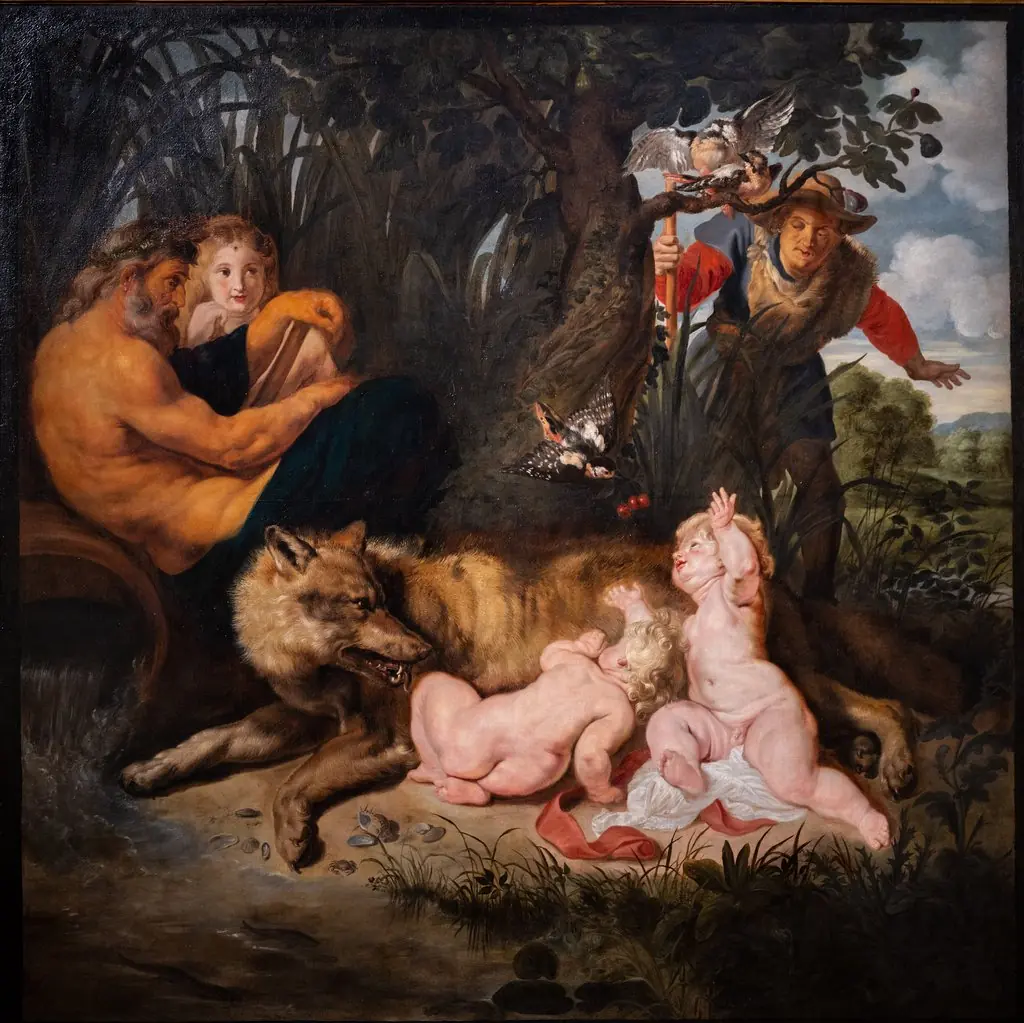
Around 1850 Austrian artist Joseph Binder painted a work titled Romulus und Remus in oil. The canvas presents the legendary twins of Roman foundation myth alongside the she‑wolf that nurtured them. It is classified as a mythological scene and is part of the Kunsthistorisches Museum’s collection.
Subject & Meaning
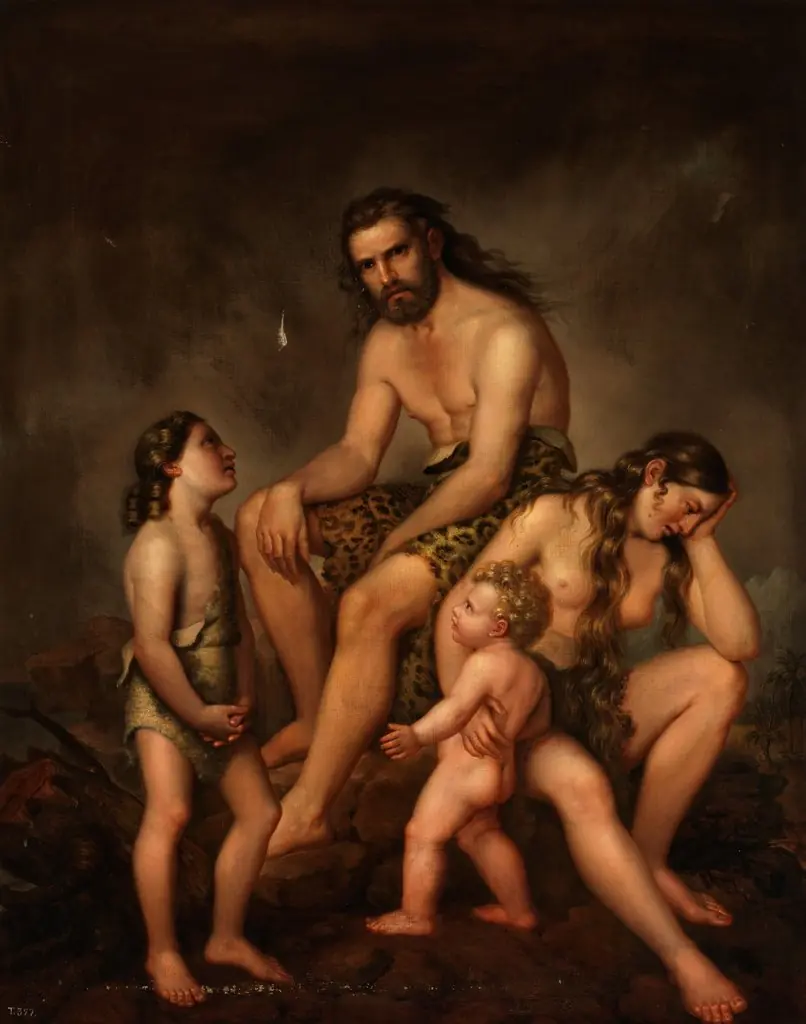
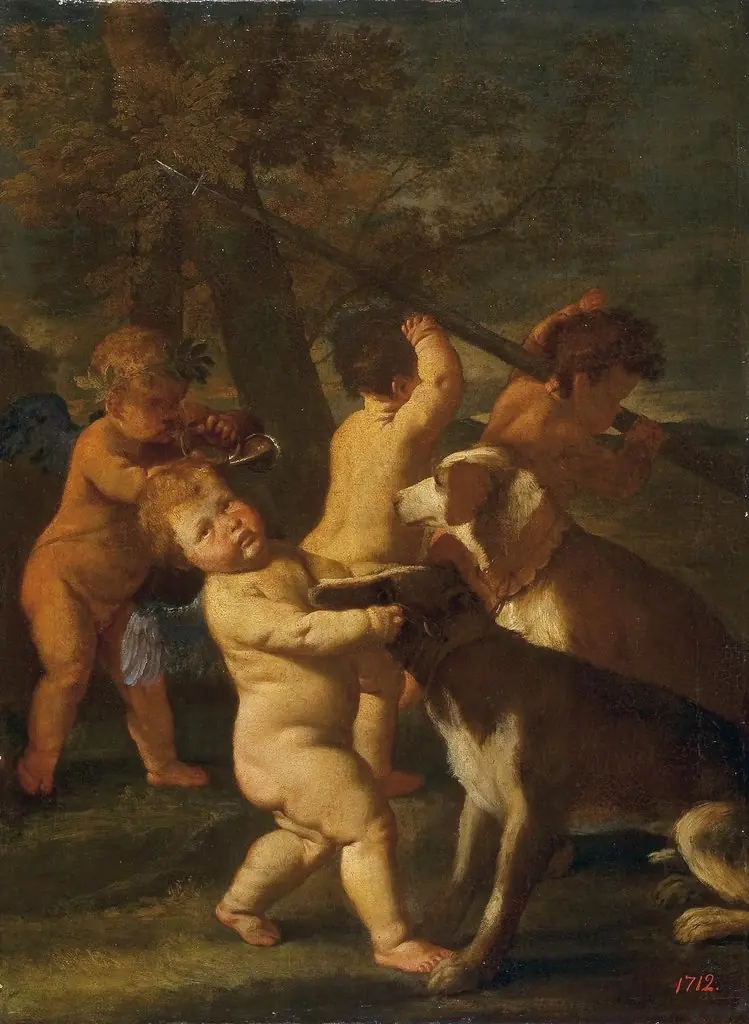
The composition centers on two infant figures, depicted as plump and unclothed, seated on a patch of grass. One infant reaches toward the wolf’s snout while the other clings to the animal’s back, suggesting a bond of trust. A bearded, muscular man watches from a wooded hillside, his posture relaxed yet his expression solemn, adding a narrative layer that hints at future destiny.
Technique & Style
The wolf’s fur is rendered with a smooth, almost playful texture, while the infants’ flesh is painted with a gentle chiaroscuro that emphasizes their roundness.
Binder employed oil paint to render soft, pale skies and richly colored foliage, contrasting dark‑green trees with bright red berries. The wolf’s fur is rendered with a smooth, almost playful texture, while the infants’ flesh is painted with a gentle chiaroscuro that emphasizes their roundness. The overall style reflects mid‑19th‑century historicist tendencies, balancing realistic detail with idealized mythic content.
History & Provenance
The painting entered the holdings of Vienna’s Kunsthistorisches Museum shortly after its creation, where it remains on display. Its acquisition aligns with the museum’s 19th‑century efforts to assemble a comprehensive collection of European history painting, particularly works that illustrate classical and mythological narratives.
Own this work as a print
Artist & collection
Artist
Joseph Binder (15 February 1805, Vienna - 16 April 1863, Kaltenleutgeben) was an Austrian portrait, history and religious painter. His year of birth is stated as being in 1798 or 1803.