Artwork
Caín y su familia después de la maldición divina
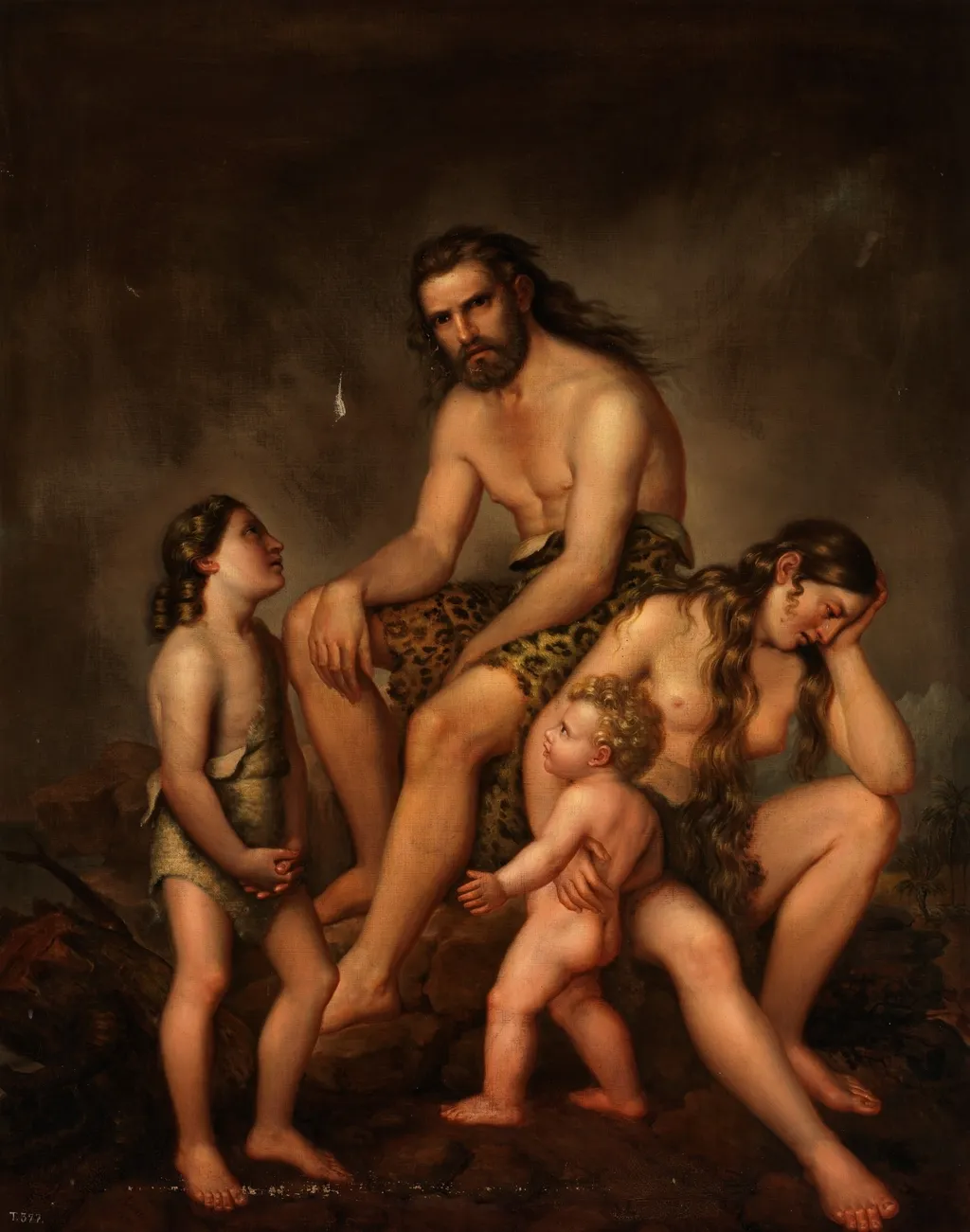
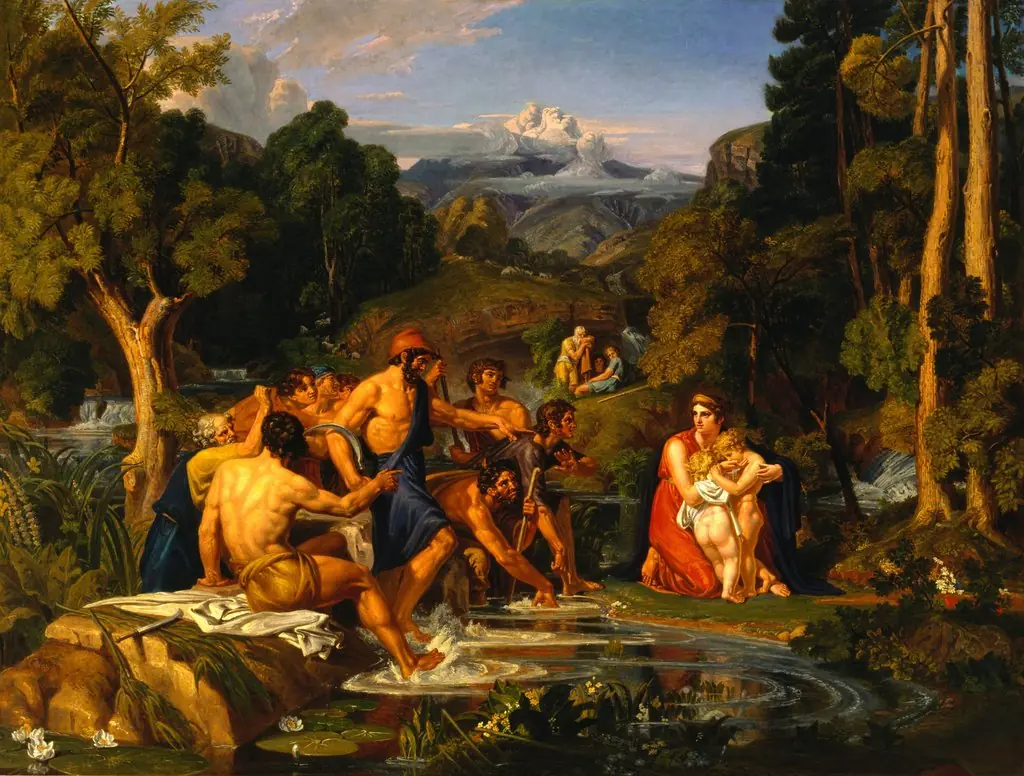
Caín y su familia después de la maldición divina is an oil painting by José de la Revilla. It dates from 1838 and is held in the collection of the Museo del Prado.
About this work
Overview
The composition centers on Cain, whose rugged appearance and attire distinguish him from conventional representations of biblical figures.
Painted in 1838 by José de la Revilla, this oil work depicts the biblical figure Cain and his family following divine punishment. The painting resides in the Museo del Prado in Madrid. It portrays a family of four in a barren, rocky landscape, their postures and expressions conveying exhaustion and isolation. The composition centers on Cain, whose rugged appearance and attire distinguish him from conventional representations of biblical figures.
Subject & Meaning
The scene illustrates Cain’s exile after murdering Abel, as described in Genesis. The family’s somber demeanor and harsh surroundings reflect their cursed existence—cut off from divine favor and societal belonging. The father’s protective gesture toward his wife and child underscores their fragile unity amid abandonment. The leopard-skin loincloth alludes to a primal, fallen state, reinforcing themes of alienation and moral consequence.
Technique & Style
Revilla employs chiaroscuro to model the figures with strong contrasts of light and shadow, enhancing their three-dimensionality and emotional gravity. The rocky terrain is rendered with textured brushwork, grounding the scene in physical realism. The figures are arranged in a stable triangular composition, directing attention to the central group. Skin tones and fabric are subtly modeled, avoiding idealization in favor of raw human vulnerability.
History & Provenance
Commissioned during the early 19th century, the painting entered the Museo del Prado’s collection shortly after its completion. It reflects the period’s interest in biblical narratives rendered with psychological depth and naturalistic detail. While not widely exhibited, it remained in institutional custody, preserving its condition and historical context without significant provenance gaps or alterations.
Context
Created during a time when Spanish art increasingly turned to historical and religious subjects with emotional realism, Revilla’s work aligns with broader European trends influenced by Romanticism. Unlike grandiose religious scenes, this painting focuses on quiet suffering, reflecting a shift toward intimate, human-centered interpretations of scripture. The choice of Cain as subject resonated with contemporary moral and theological debates about sin and redemption.
Legacy
Though not widely reproduced or studied, the painting remains a rare example of 19th-century Spanish religious narrative that prioritizes psychological realism over spectacle. Its restrained tone and focus on familial endurance distinguish it from more dramatic contemporaries. It contributes to the understanding of how biblical themes were reimagined in private, human terms during a period of shifting artistic priorities.
Own this work as a print
Artist & collection
Artist
José de la Revilla liked to wander Madrid at dusk, sketchbook in hand, scribbling the city’s half-lit plazas and crumbling arcades before dinner.

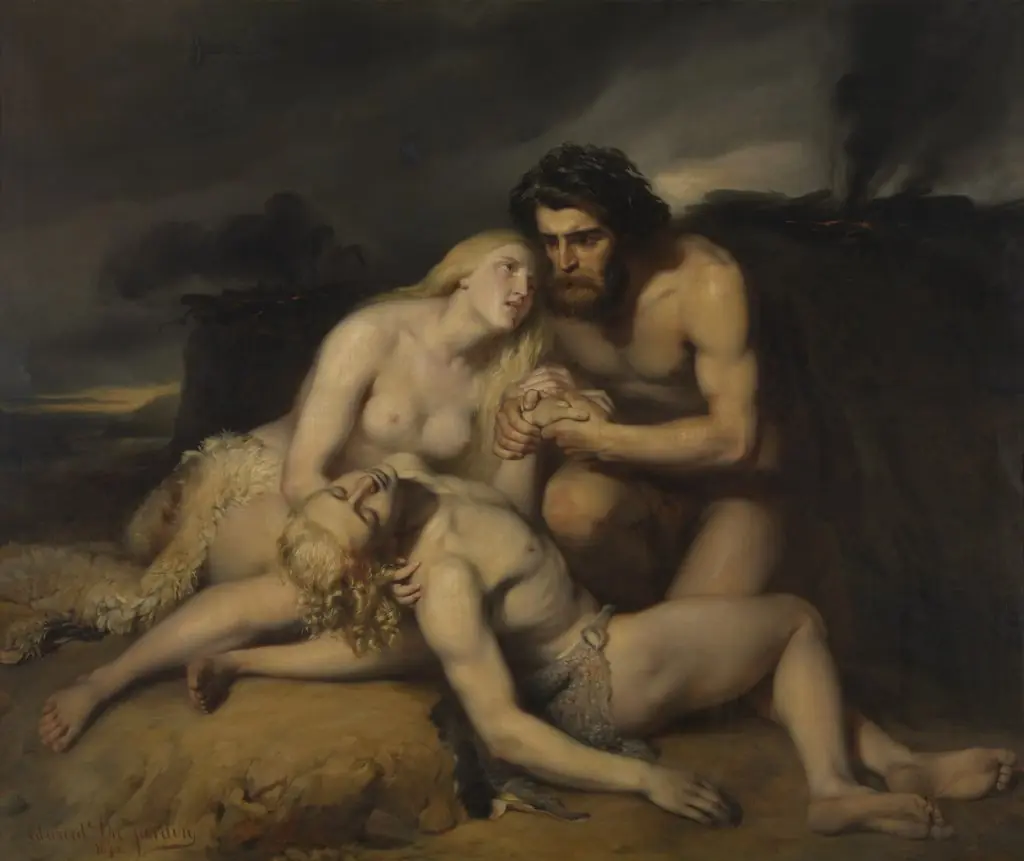 Adam and Eve Discover the Dead Body of Abel
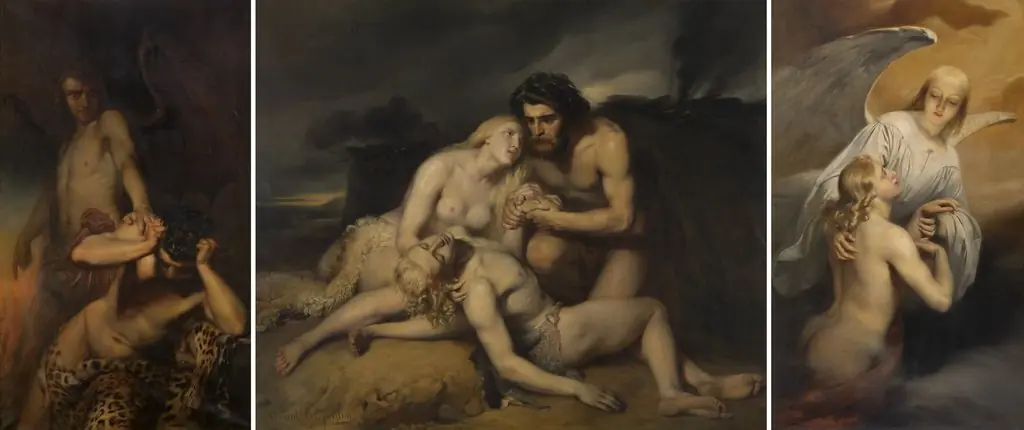 The First Deceased
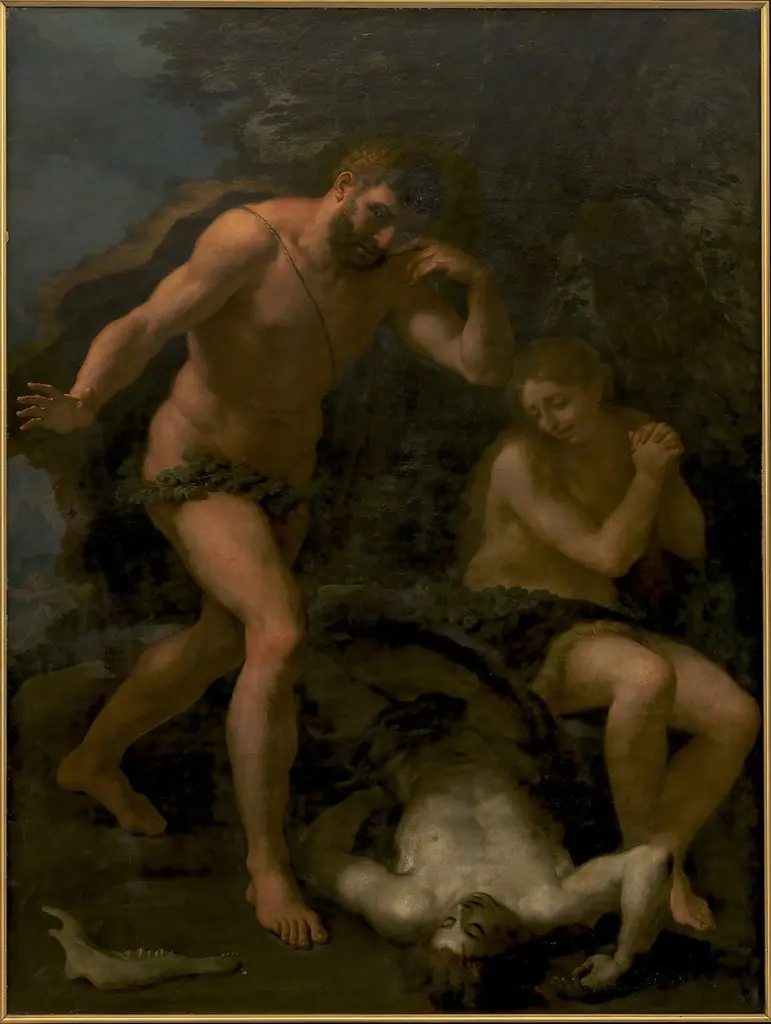 Adam and Eve Lamenting over the Body of Abel
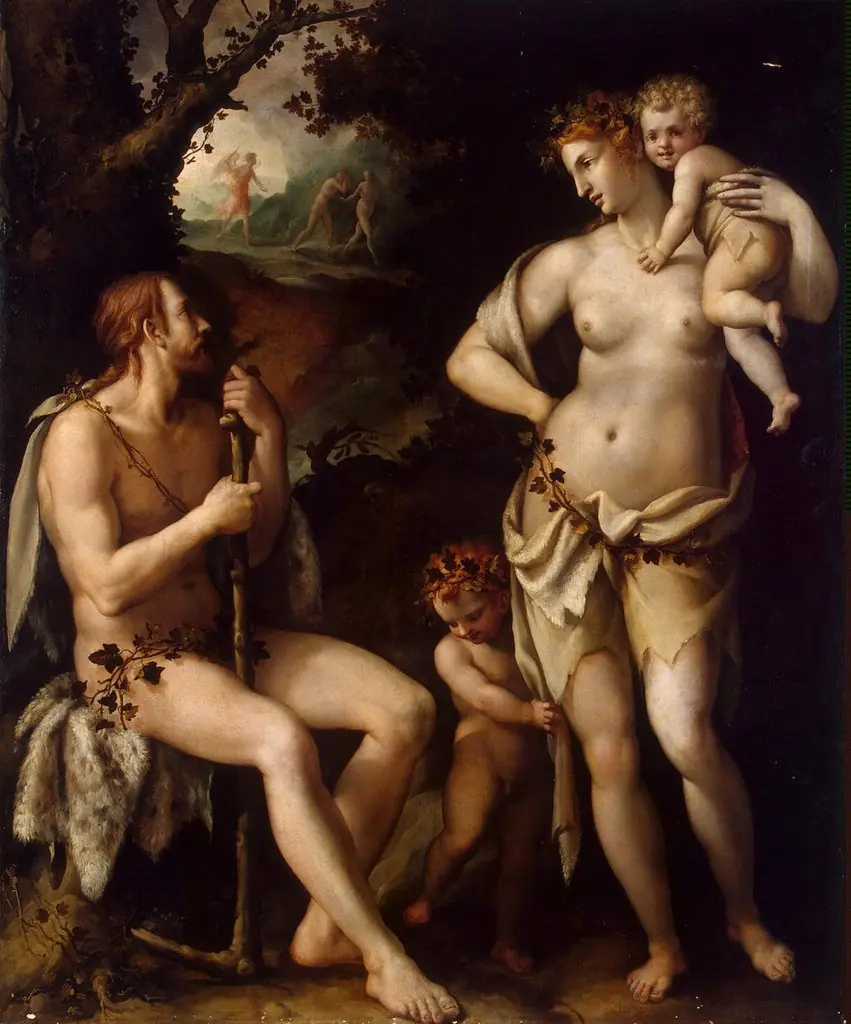 Adam and Eve
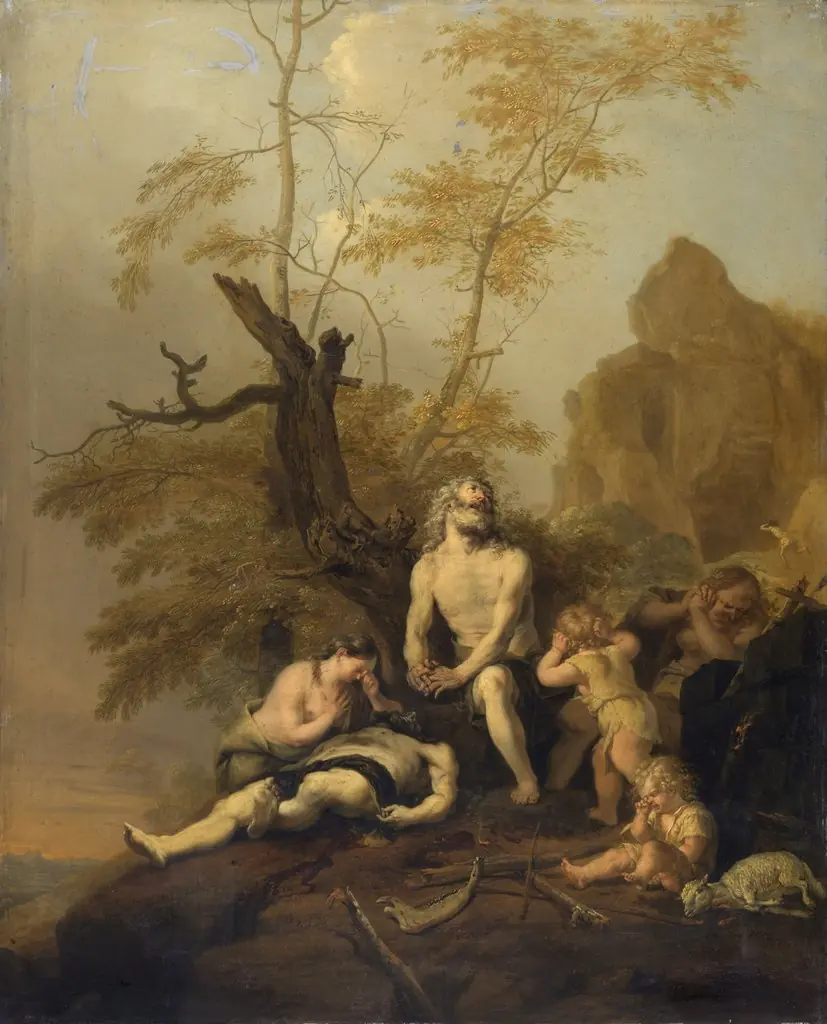 The Death of Abel
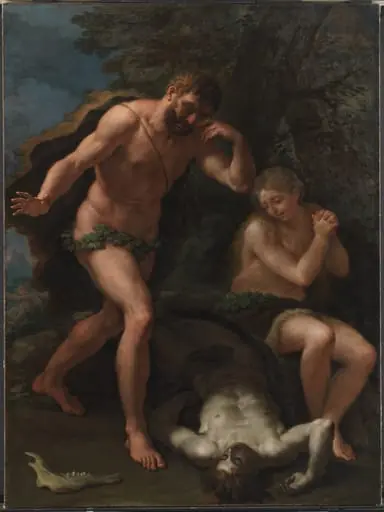 Adam and Eve Lamenting over the Body of Abel
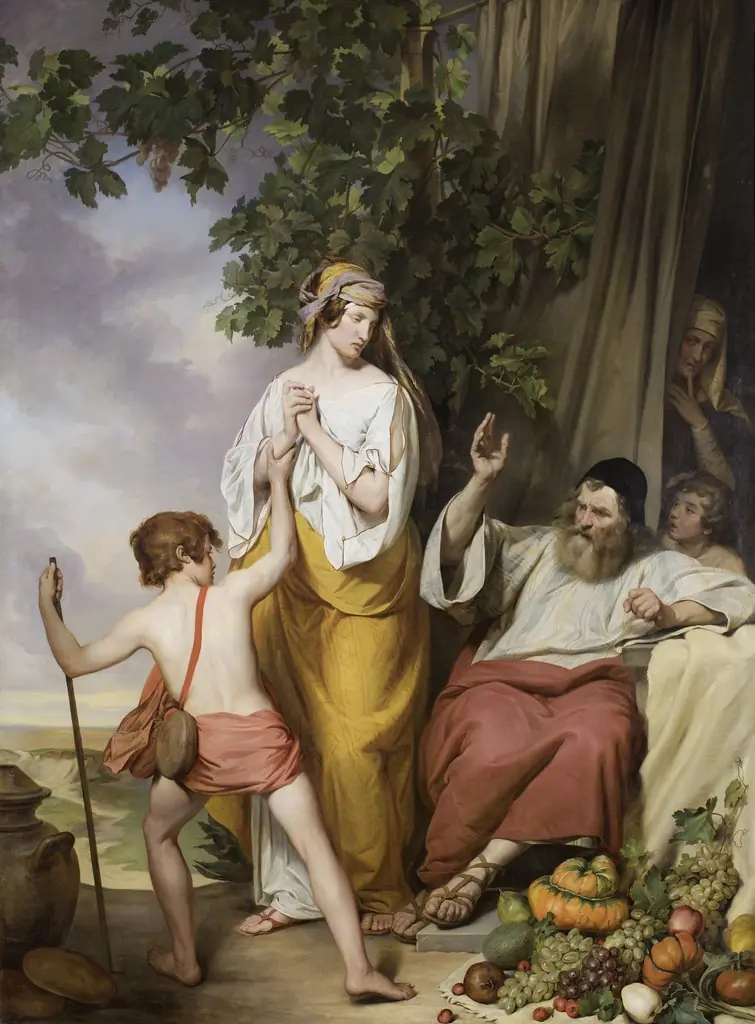 Abraham Rejects Hagar and Ishmael
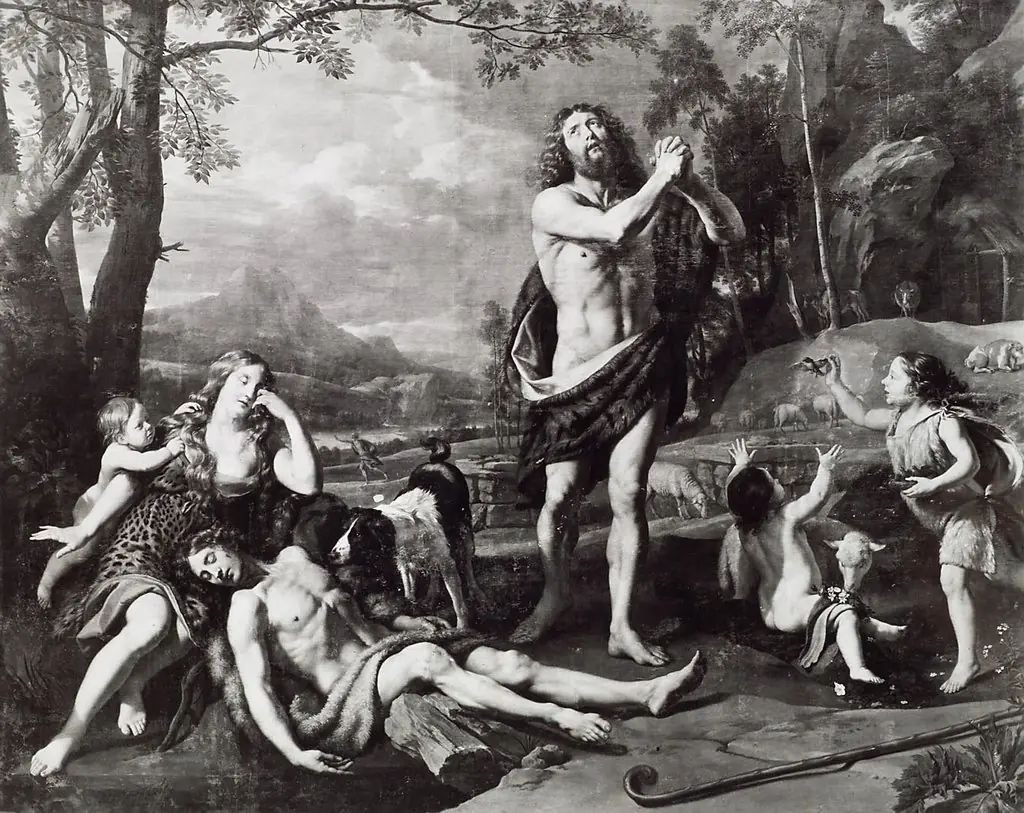 Beweinung Abels
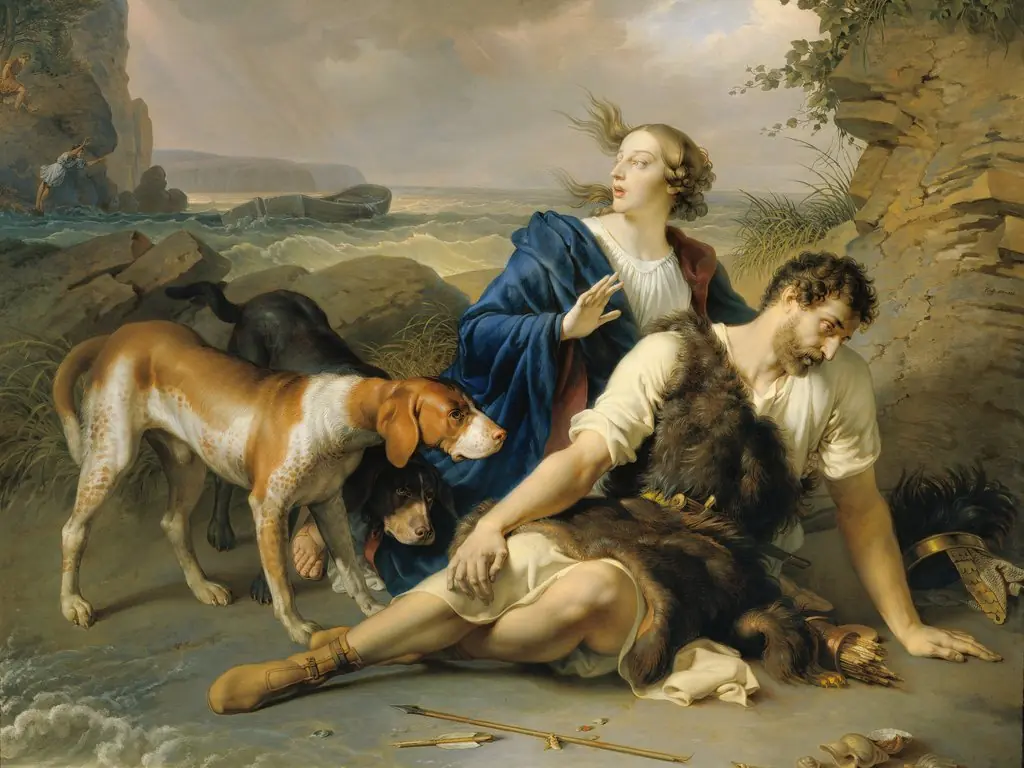 Arindal und Daura
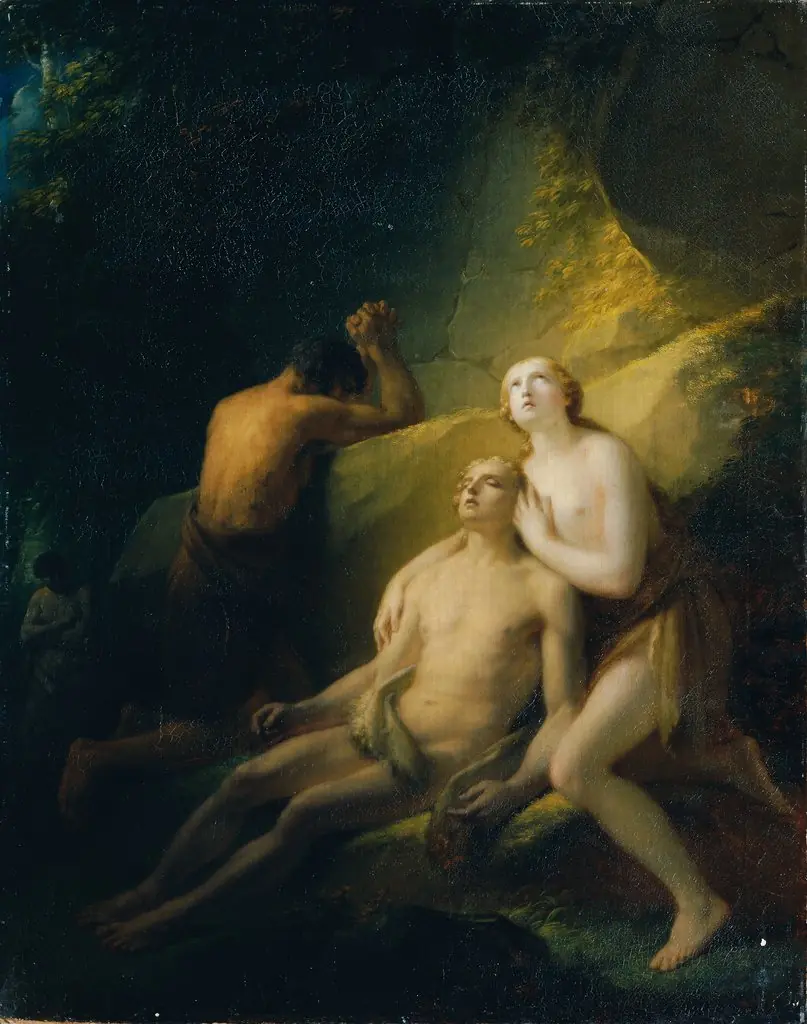 Adam and Eve Mourn the Dead Abel
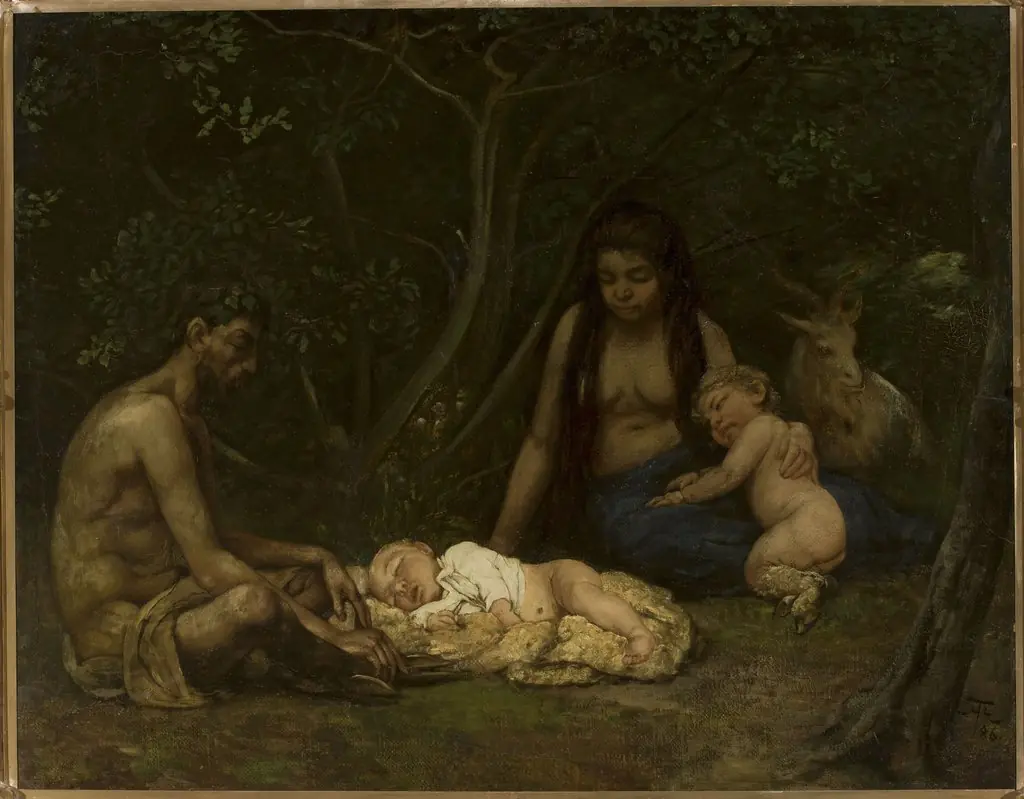 Satyr's family (bringing up of Zeus)
 Latona and the Lycian Peasants