Artwork
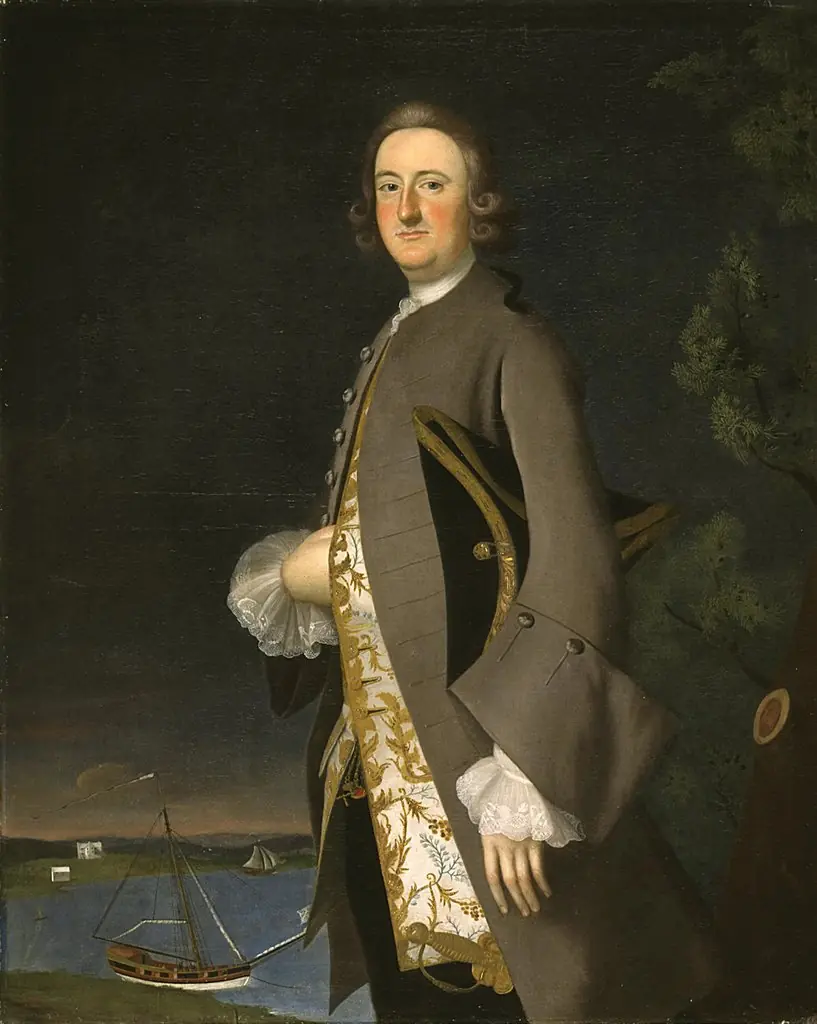
Colonel Jonathan Warner
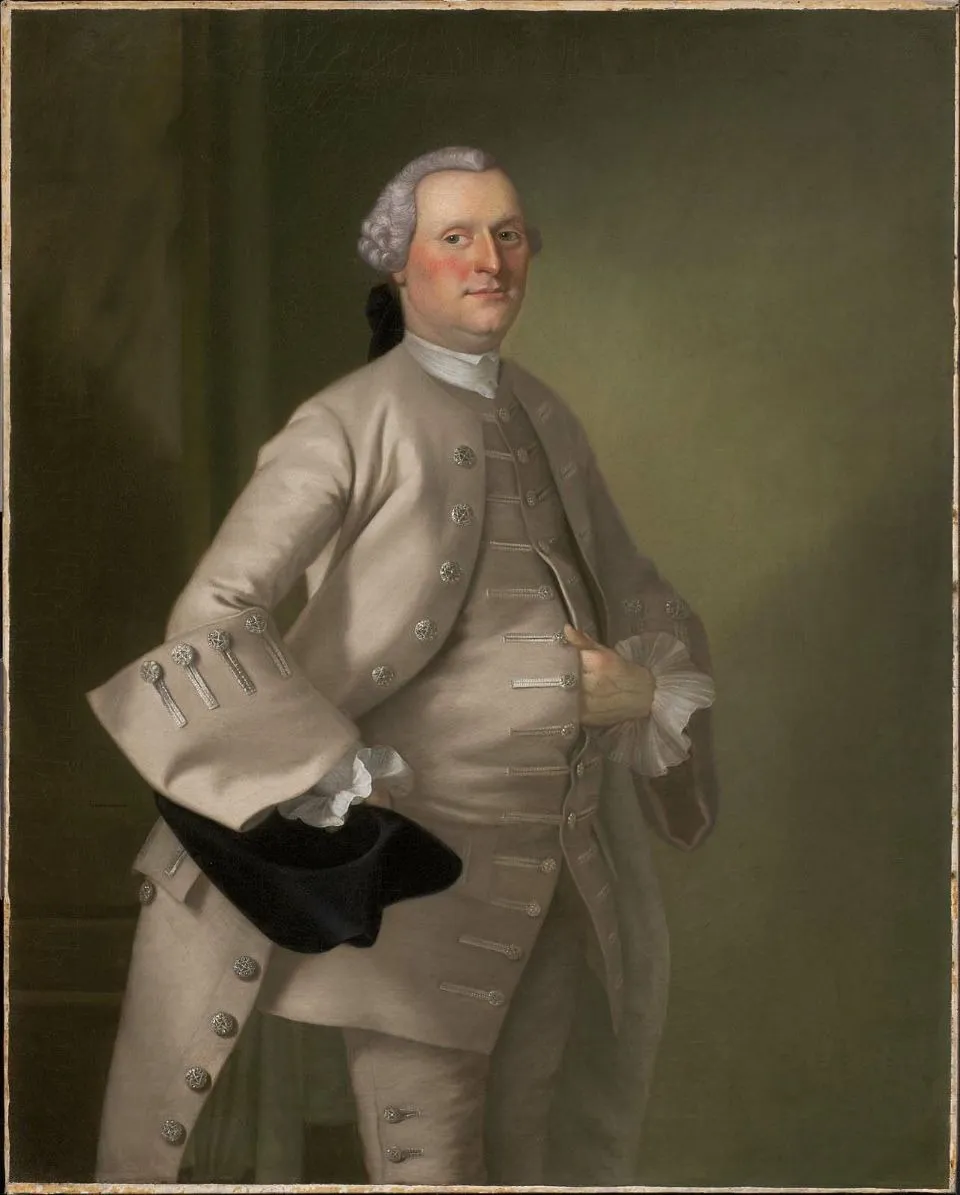
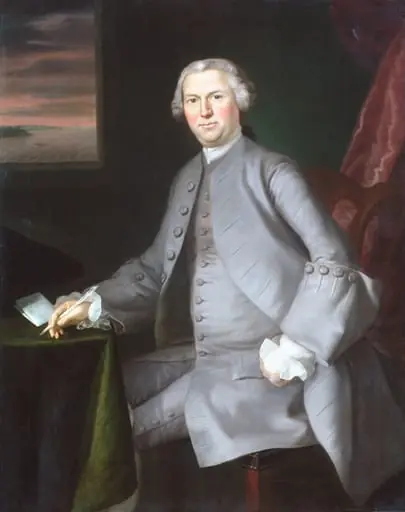
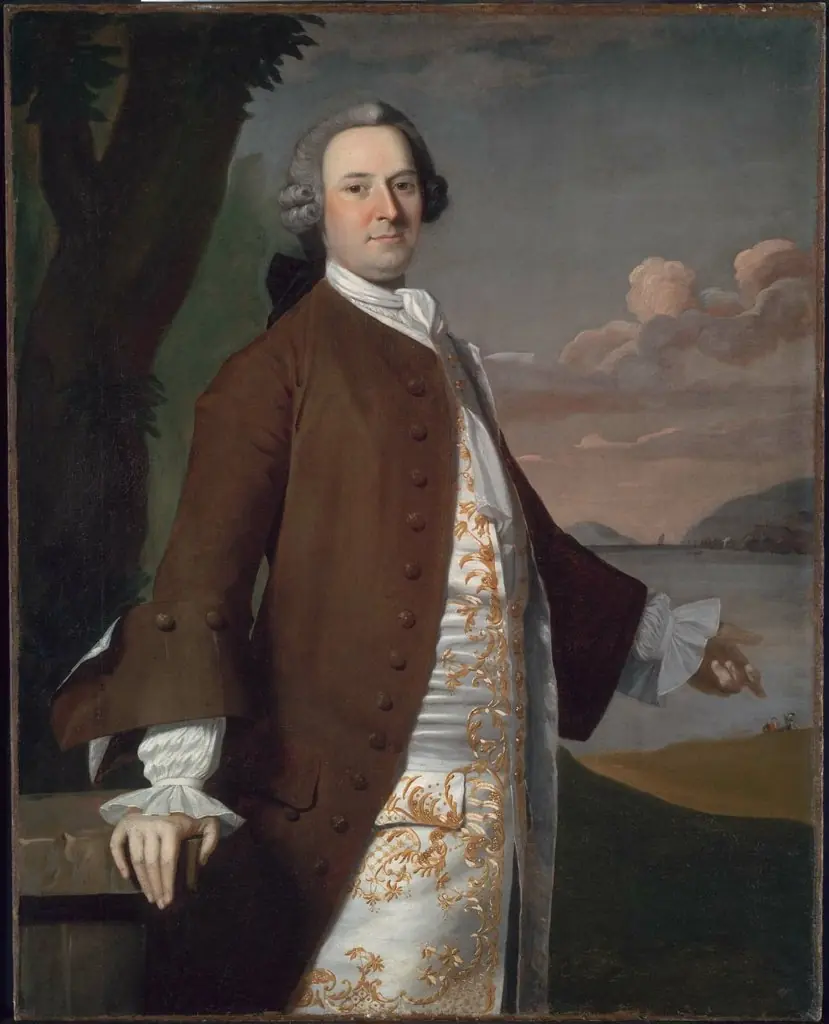
Colonel Jonathan Warner is an oil painting by the Rococo painting artist Joseph Blackburn. It dates from 1761 and is held in the collection of the Museum of Fine Arts Boston.
About this work
Overview
Joseph Blackburn, an English-born artist working in colonial America, painted Colonel Jonathan Warner in 1761 using oil on canvas.
Joseph Blackburn, an English-born artist working in colonial America, painted Colonel Jonathan Warner in 1761 using oil on canvas. The portrait reflects Blackburn’s role as a leading portraitist among the colonial elite during the mid-18th century. Executed with careful attention to detail, the work captures a prominent figure of the time, embodying the social aspirations of New England’s upper class through formal dress and composed demeanor.
Subject & Meaning
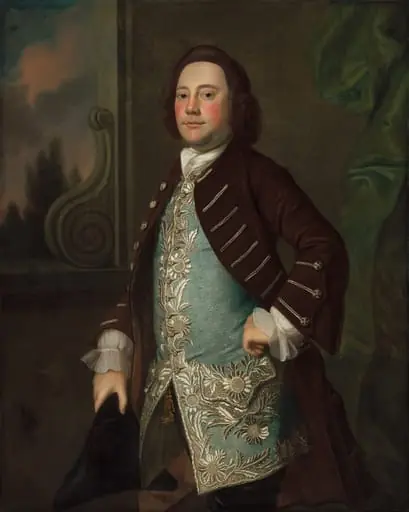
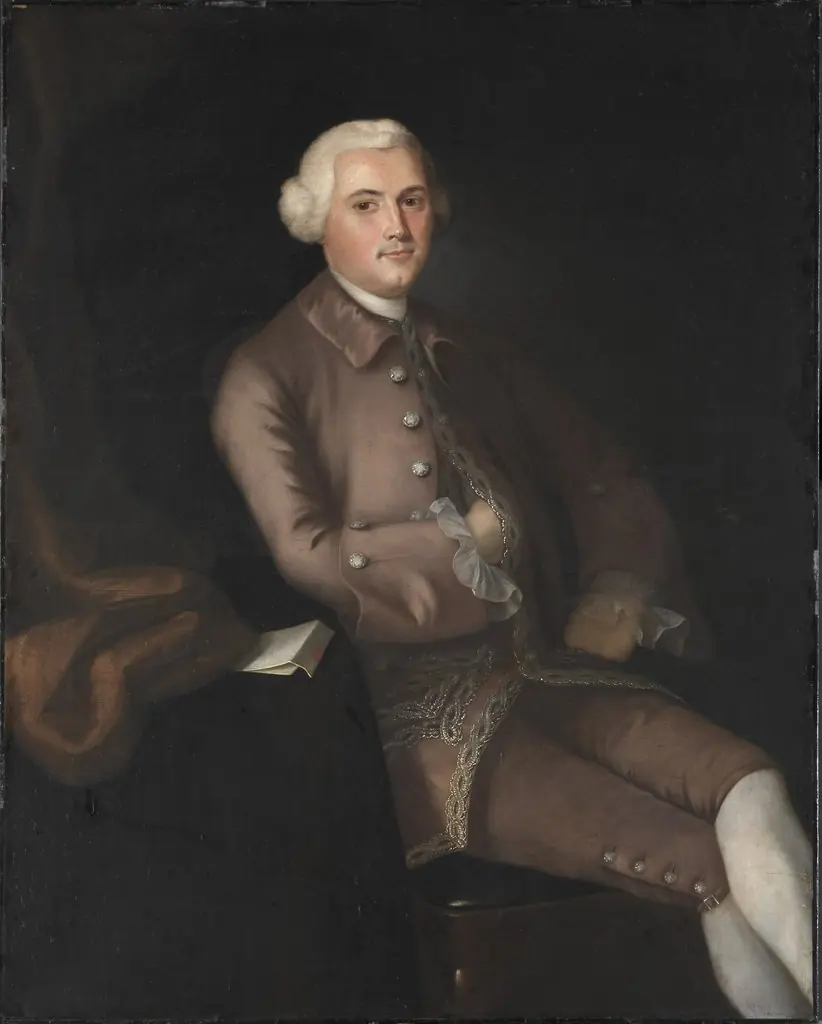
Colonel Jonathan Warner, a military officer and landowner in Massachusetts, is depicted with quiet authority. His direct gaze and formal attire signal status and civic responsibility. The inclusion of a black hat tucked under his arm suggests readiness for duty, while the precise rendering of his attire—silver buttons, ruffled cuffs, and powdered wig—conveys wealth and adherence to contemporary aristocratic norms. The portrait functions as both personal likeness and social statement.
Technique & Style
Blackburn employed oil paint with a refined, controlled brushwork that emphasizes texture and light. The tan wool of the colonel’s coat is rendered with subtle gradations, while the lace cuffs and hat’s brim receive delicate attention. The dark green background isolates the figure, enhancing focus on his form. Though influenced by European Rococo elegance, the composition remains restrained, avoiding excessive ornamentation in favor of dignified clarity.
History & Provenance
The painting was completed during Blackburn’s years in Boston, where he established a successful practice among local elites. It remained in the Warner family until entering the collection of the Museum of Fine Arts, Boston, where it has been held since the early 20th century. Its preservation reflects its significance as a representative example of colonial portraiture and Blackburn’s contribution to American visual culture.
Context
In the decade before the American Revolution, colonial portraiture served as a means of asserting identity and social standing. Wealthy individuals like Warner commissioned likenesses to align themselves with European gentility. Blackburn, trained in England, brought stylistic conventions from London to the colonies, adapting them to local tastes and materials. His work bridges transatlantic artistic traditions during a period of growing colonial self-awareness.
Legacy
Blackburn’s portraits, including that of Colonel Warner, remain key references for understanding early American visual culture. His ability to convey character through subtle detail influenced subsequent portraitists in the region. The painting continues to be studied for its technical precision and as a document of colonial social hierarchy, offering insight into the values and aesthetics of pre-Revolutionary New England.
Artist & collection
Artist
Joseph Blackburn (died 1787) was an English painter who worked mainly in British North America. His notable works include portraits of Hugh Jones (circa 1777) and Colonel Theodore Atkinson (circa 1760).