Artwork
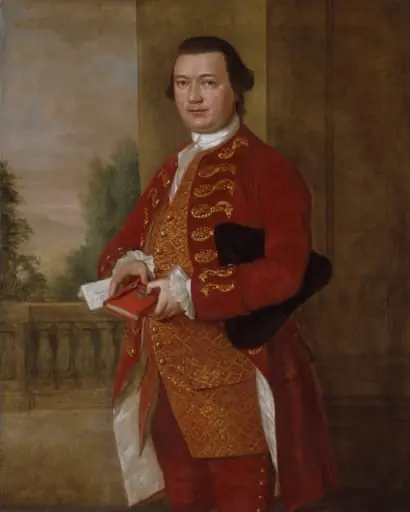
Isaac Winslow
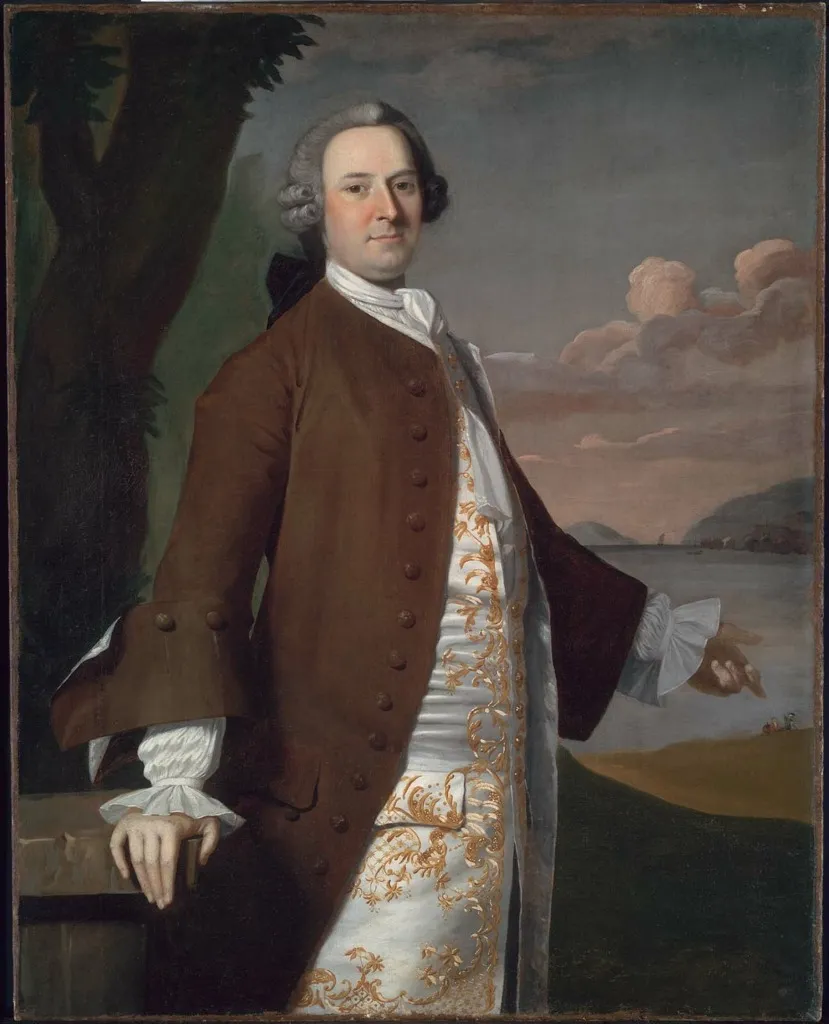
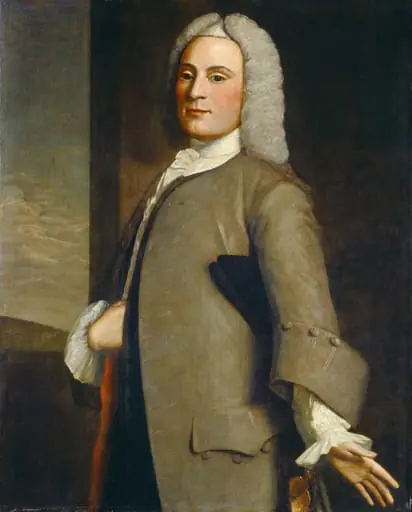
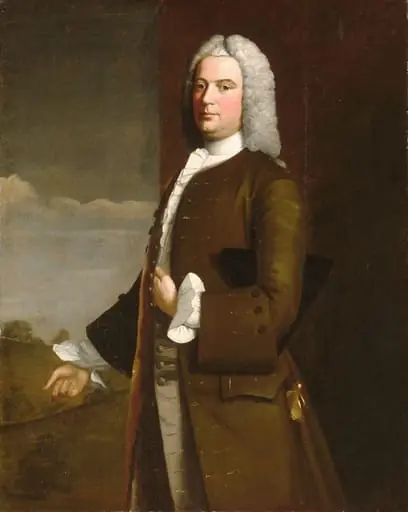
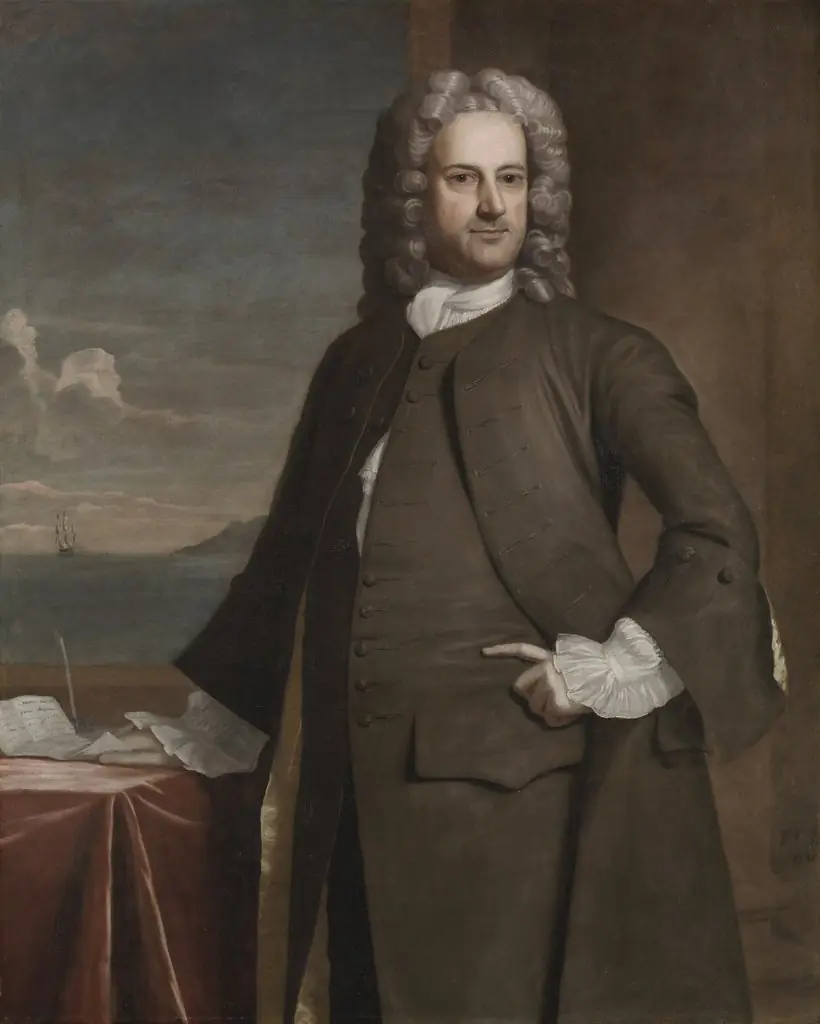
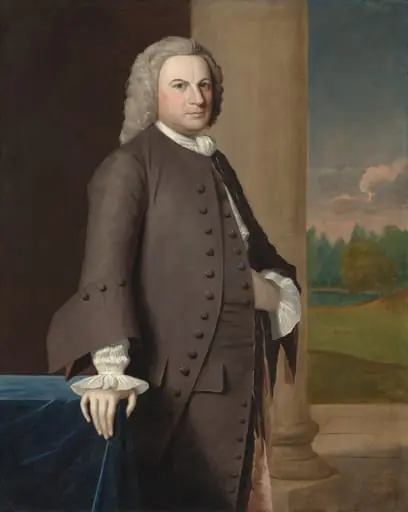
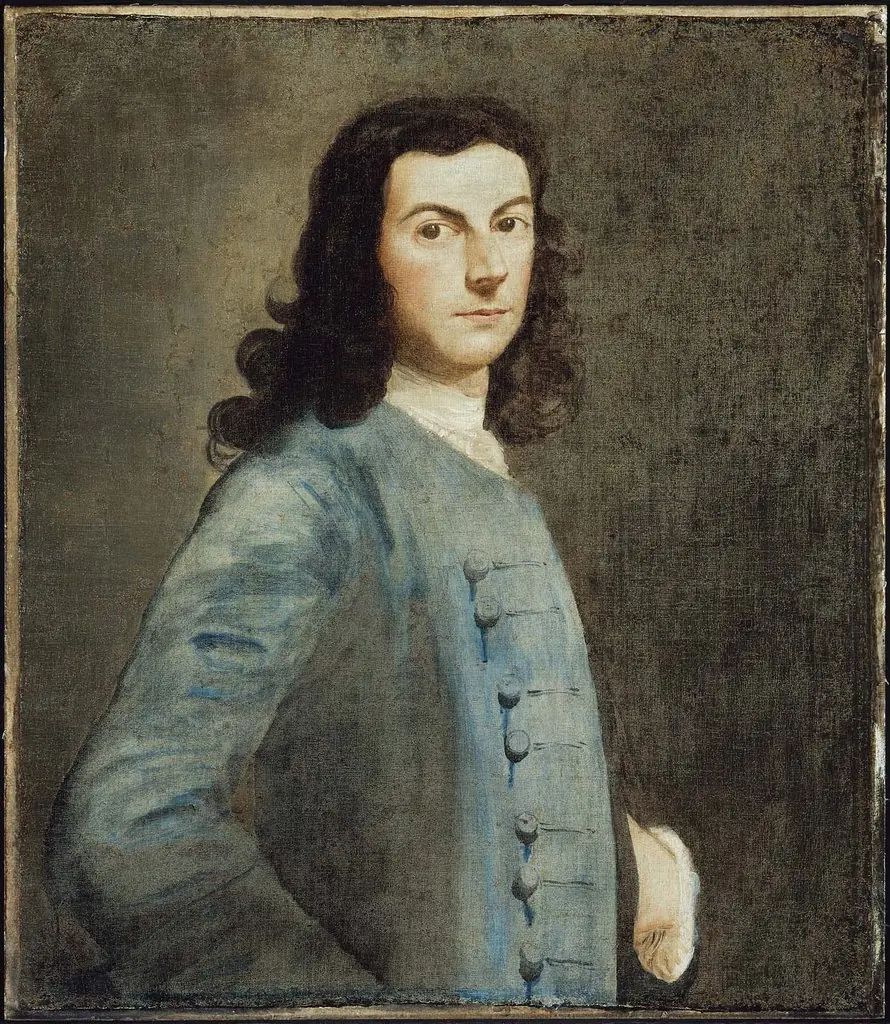
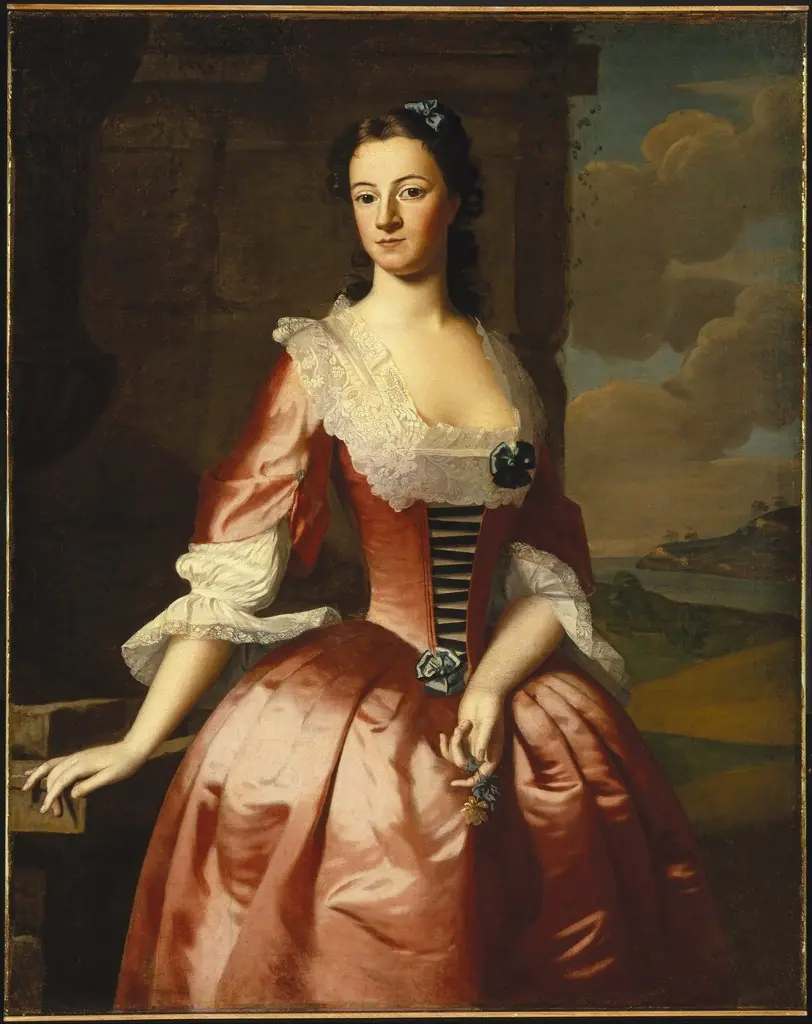
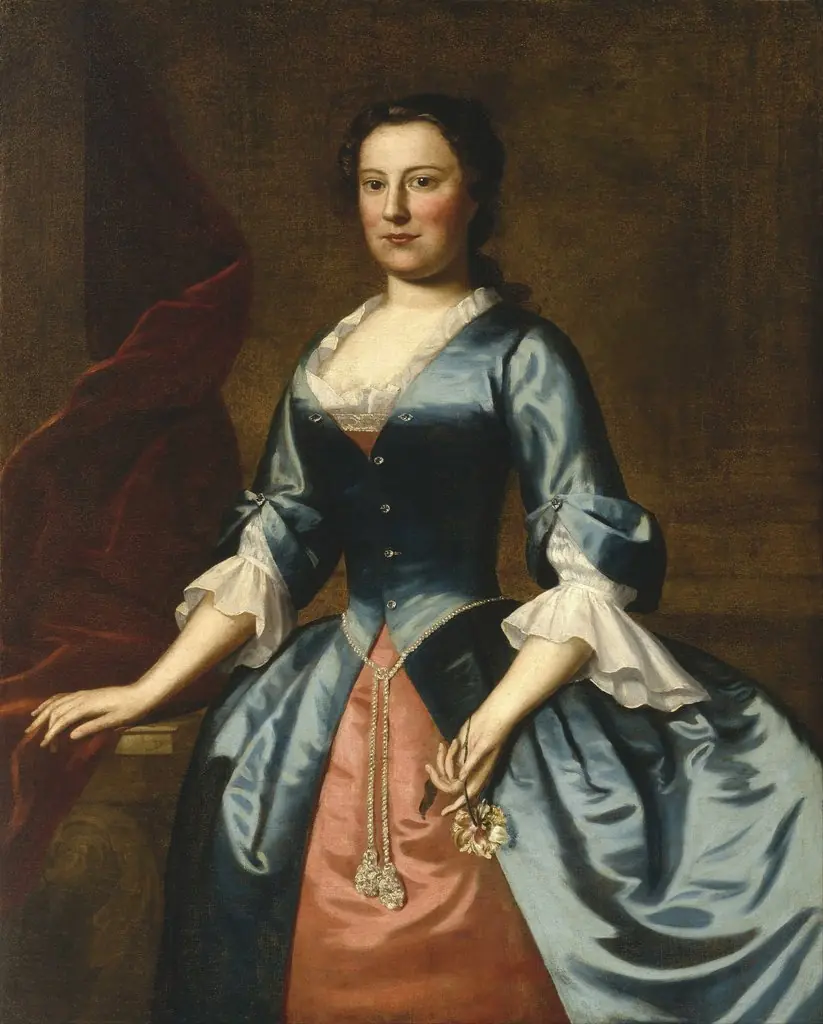
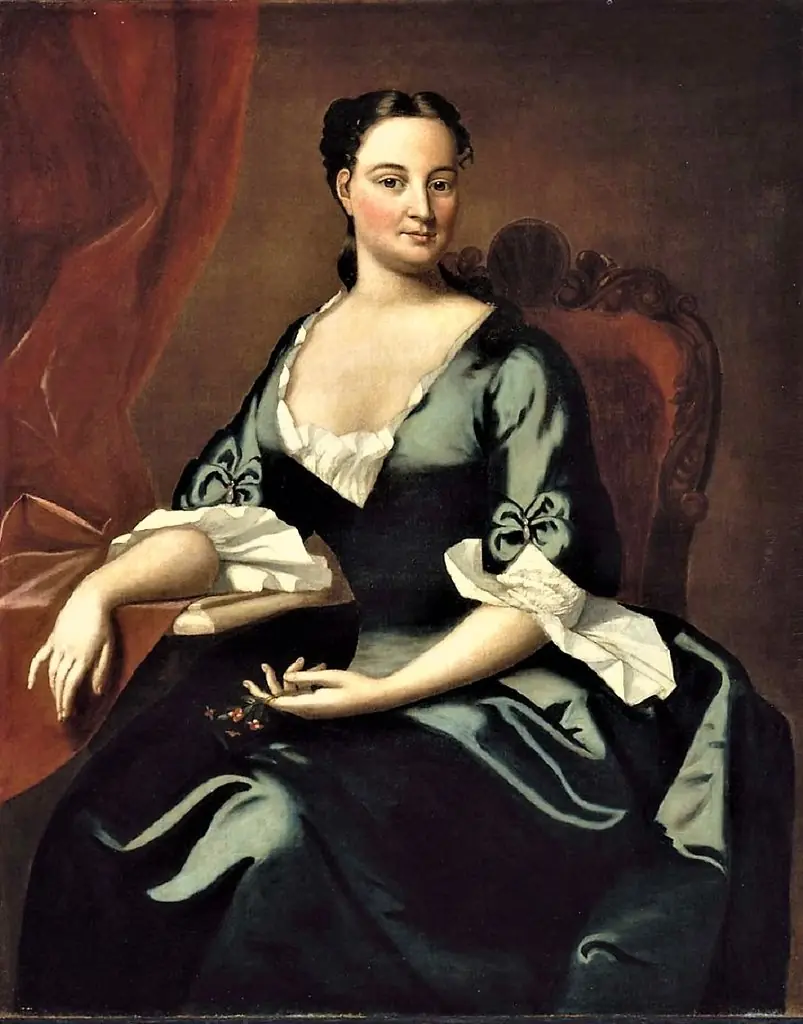
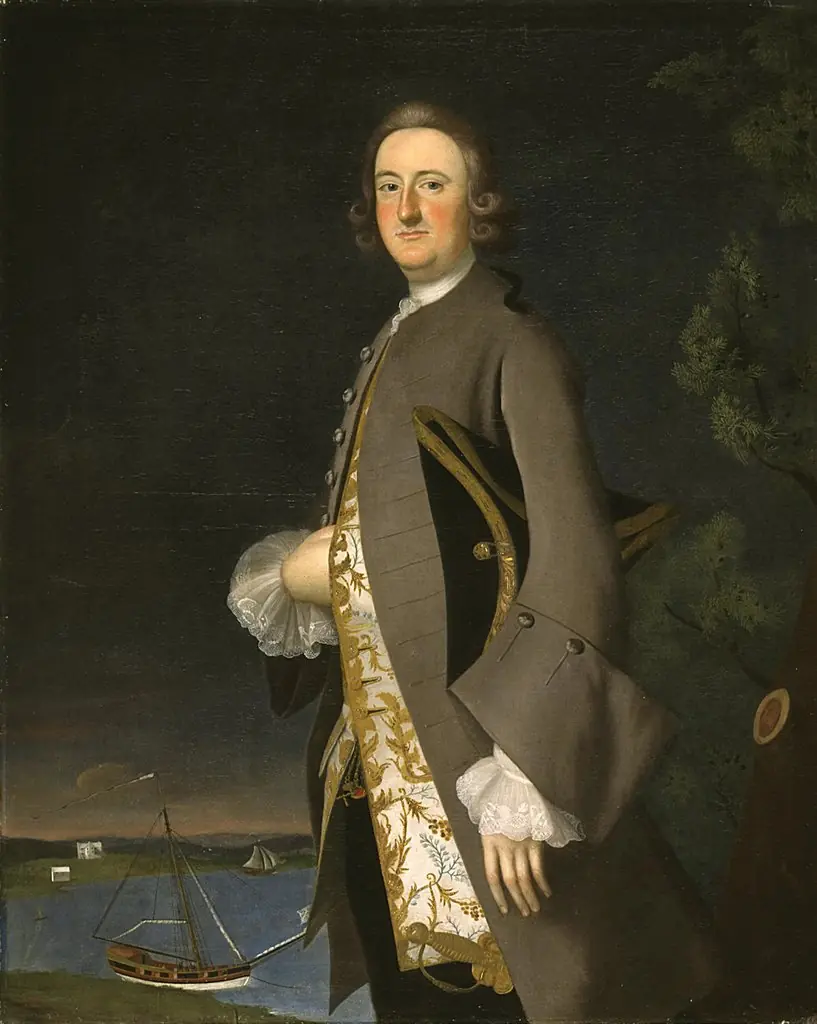
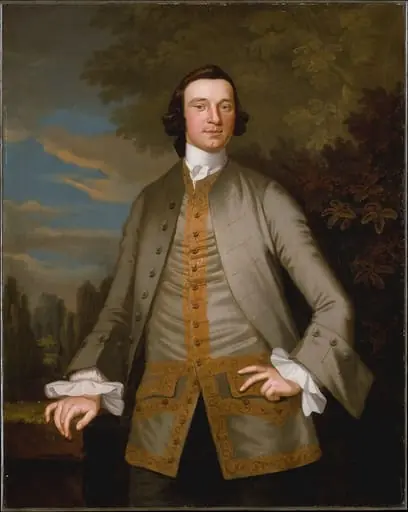
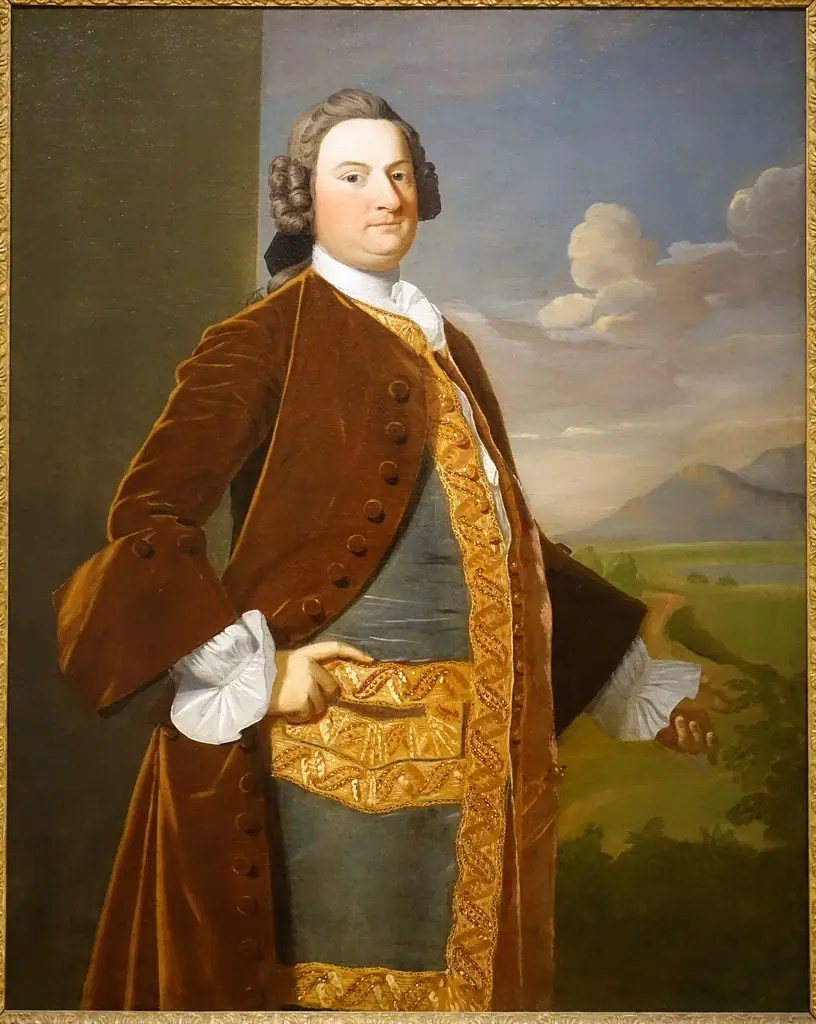
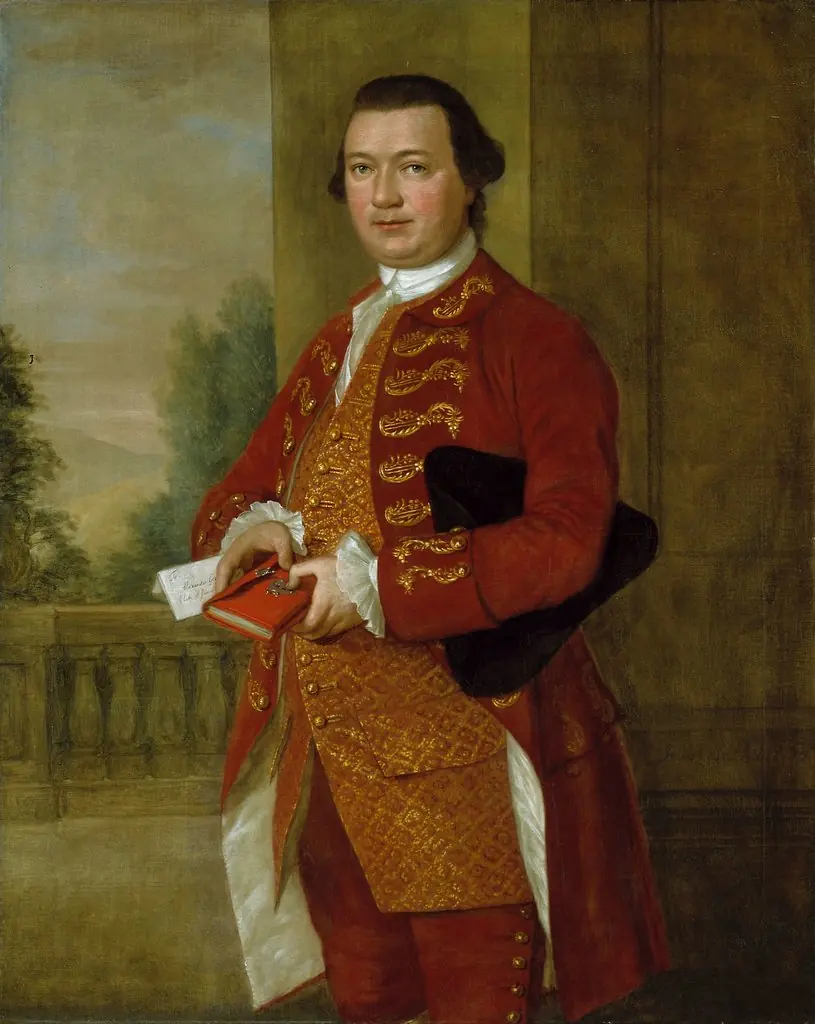
Isaac Winslow is an oil painting by the Rococo painting artist Robert Feke. It dates from 1748 and is held in the collection of the Museum of Fine Arts Boston.
About this work
Overview
Though trained as a self-taught artist in New York, Feke’s work helped bridge European stylistic conventions with local sensibilities.
Robert Feke painted Isaac Winslow in 1748 using oil on canvas, capturing a colonial elite figure in a manner that reflects the evolving sophistication of American portraiture. Though trained as a self-taught artist in New York, Feke’s work helped bridge European stylistic conventions with local sensibilities. Only a small fraction of his output survives, making this portrait a rare and significant example of mid-18th-century American art.
Subject & Meaning
Isaac Winslow, a member of a well-established New England family, is portrayed not merely as a gentleman but as a figure of quiet authority. His poised stance, refined attire, and placement before a cultivated landscape suggest social standing and cultivated taste. The extended left hand and resting right arm convey composure, aligning with ideals of gentlemanly restraint common among colonial elites seeking to assert their place within transatlantic cultural norms.
Technique & Style
Feke employed glazing techniques to achieve subtle tonal transitions and luminous textures, particularly in the fabric of Winslow’s waistcoat and the soft folds of his sleeves. The brushwork is precise yet fluid, with delicate attention to embroidery and the sheen of silk. The background’s hazy hills and calm water create atmospheric depth, a hallmark of Rococo-inflected portraiture that prioritizes elegance over dramatic narrative.
History & Provenance
The portrait remained within the Winslow family for generations before entering a public collection. Its survival is notable given the fragility of colonial-era paintings and the limited number of Feke’s works known today. Documentation linking it to the artist is consistent with period records, and its condition reflects careful preservation through the 19th and 20th centuries.
Context
In 1748, colonial America lacked formal academies of art, so painters like Feke relied on imported engravings and personal observation to develop their style. This portrait reflects the influence of British portraiture, particularly the work of Sir Joshua Reynolds, yet adapts it to local materials and tastes. The inclusion of a landscape setting signals a growing colonial aspiration toward European notions of leisure and landownership.
Legacy
Feke’s portraits, including this one, helped define a visual language for colonial gentility. Though overshadowed later by more prominent American artists, his work remains a key reference for understanding how early American painters negotiated European aesthetics within a provincial context. Isaac Winslow stands as a testament to the quiet ambition of a rising colonial class to assert cultural legitimacy through portraiture.
Artist & collection