Artwork
Thomas Bulfinch
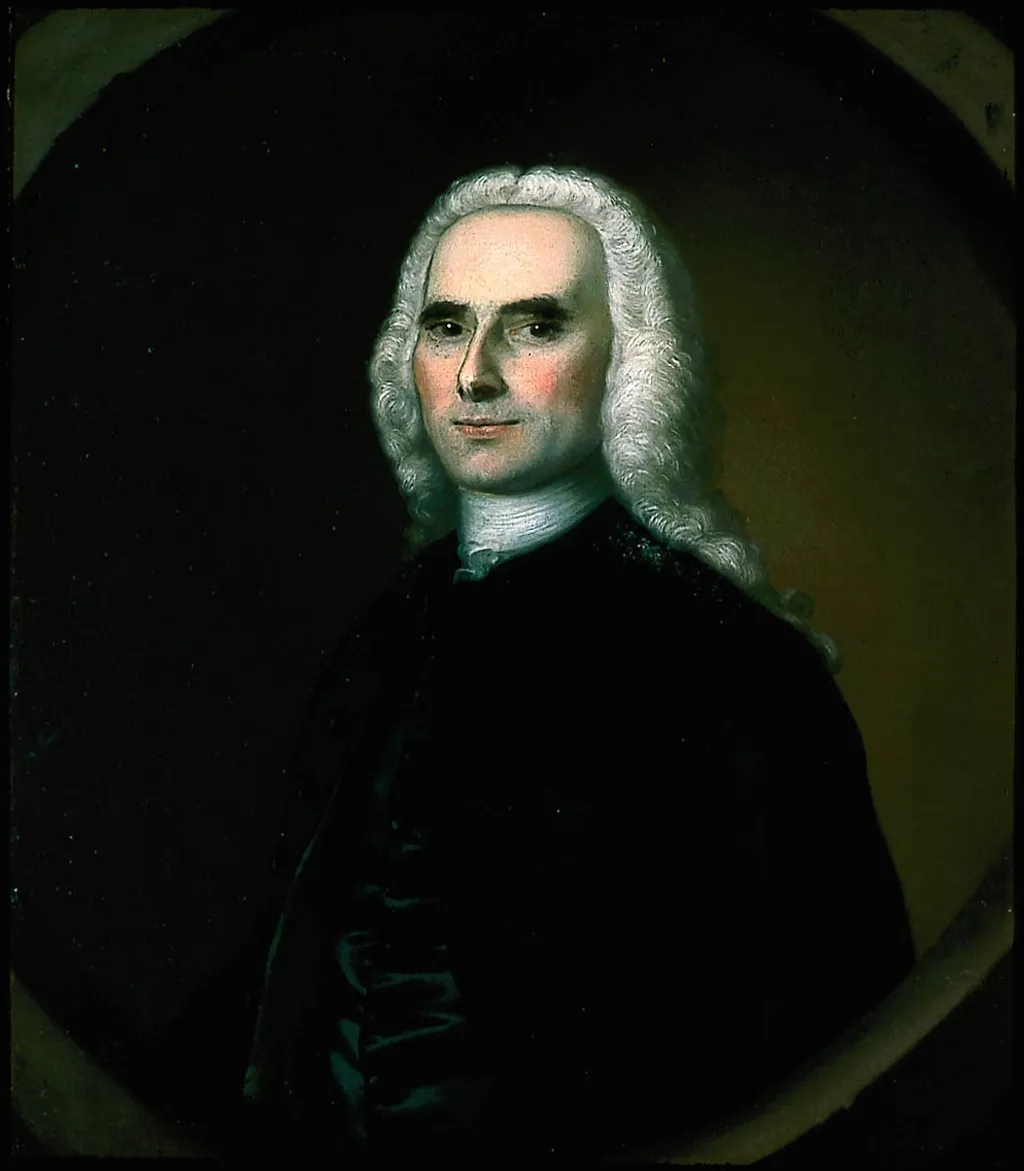
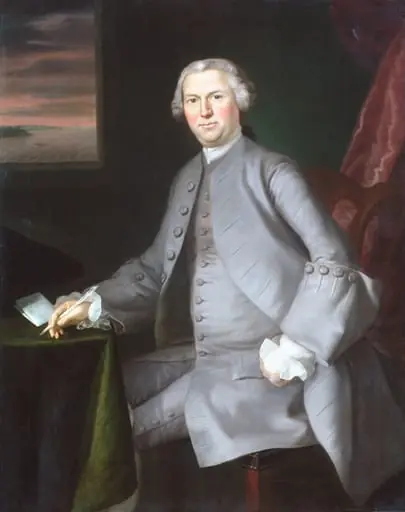
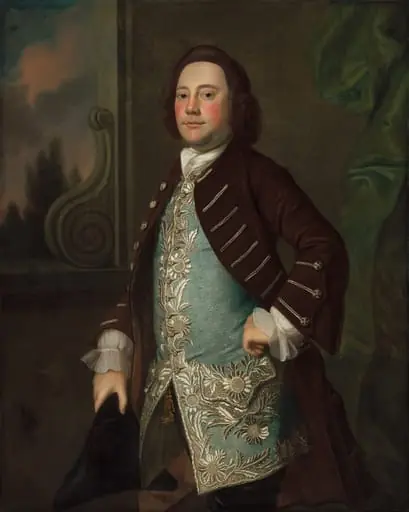
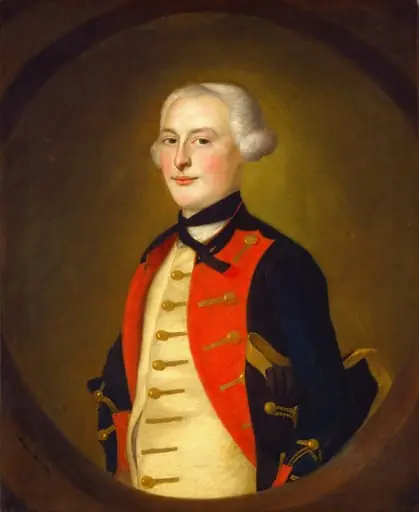
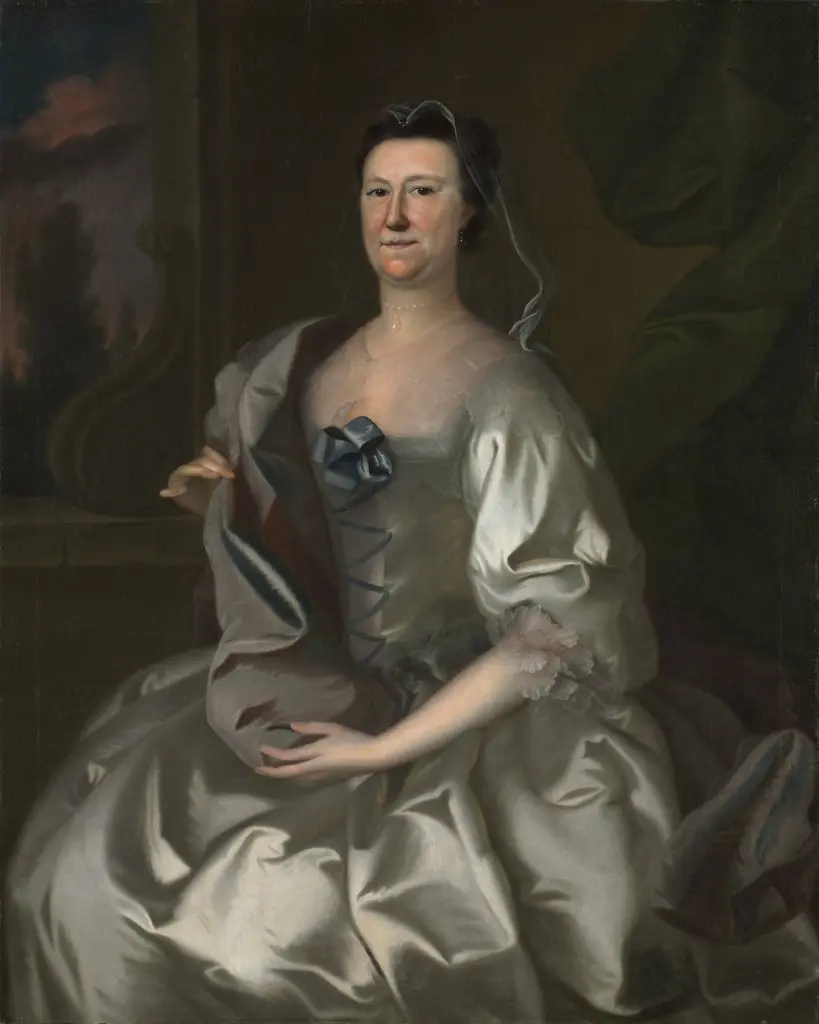
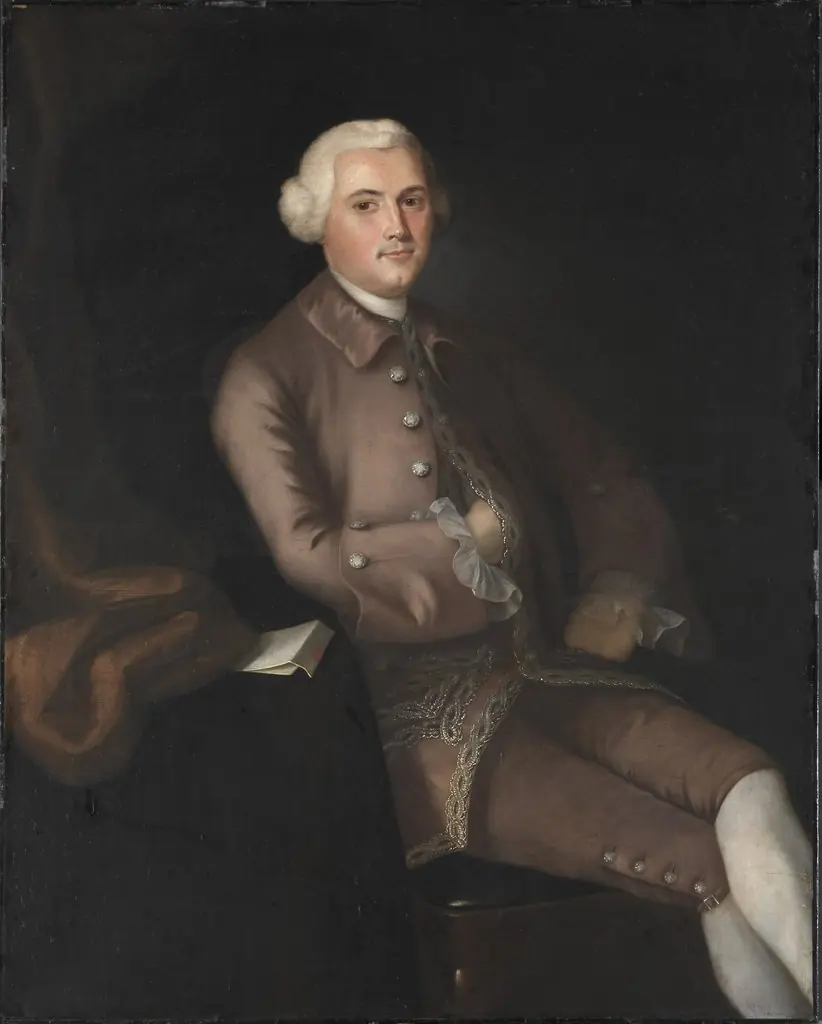
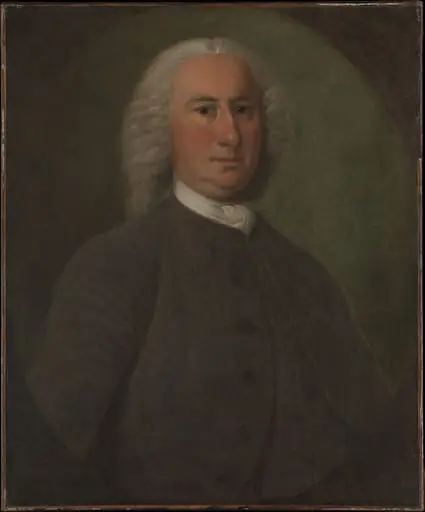
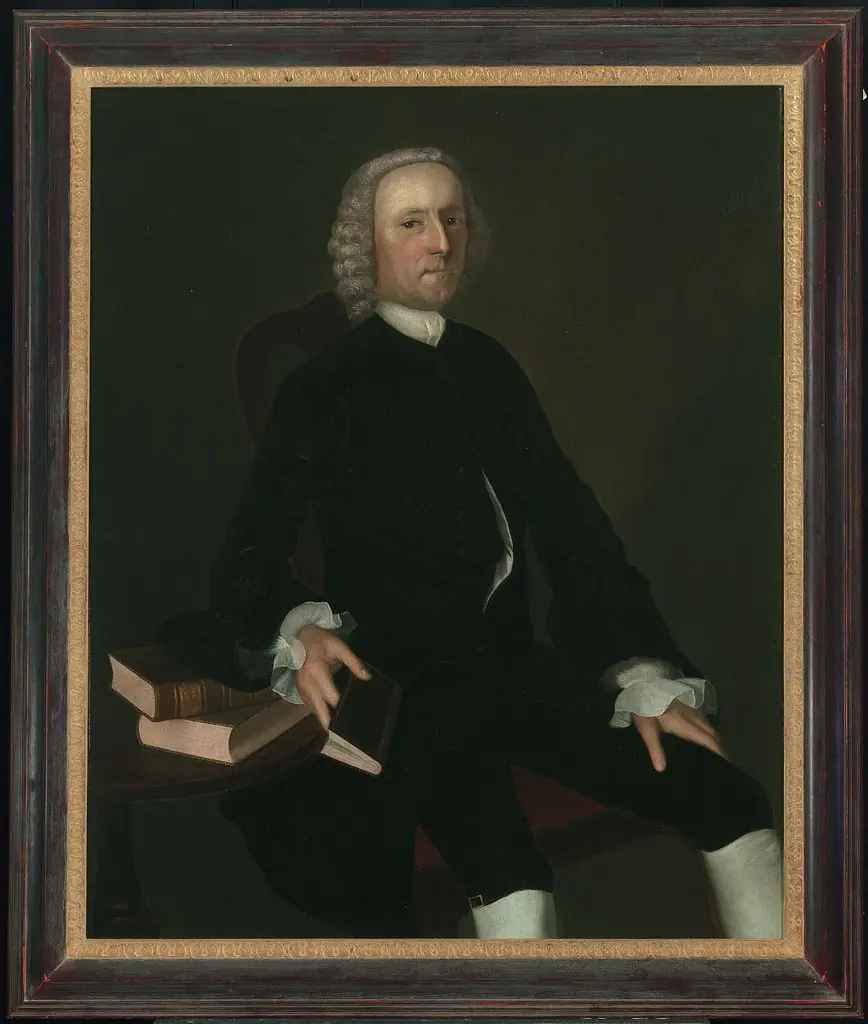
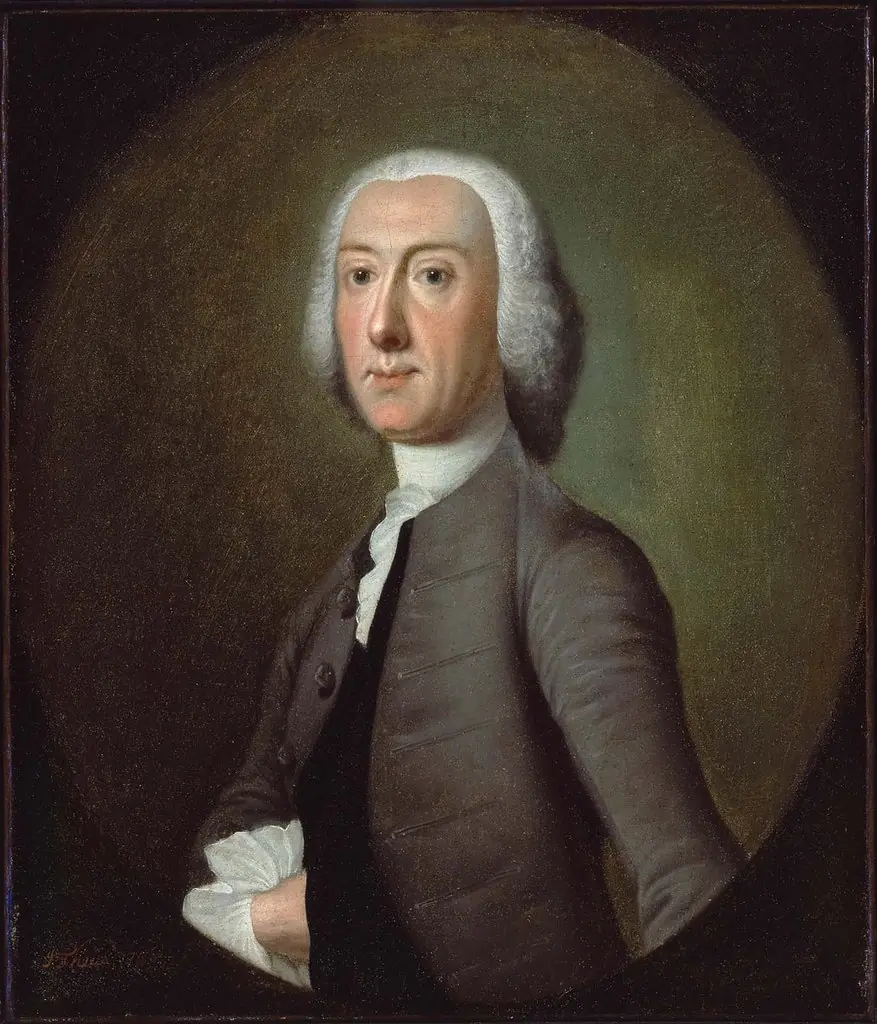
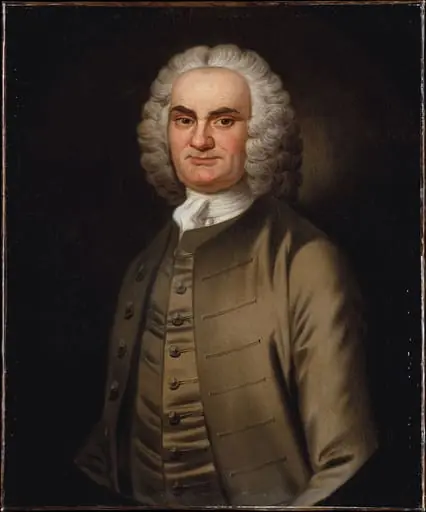
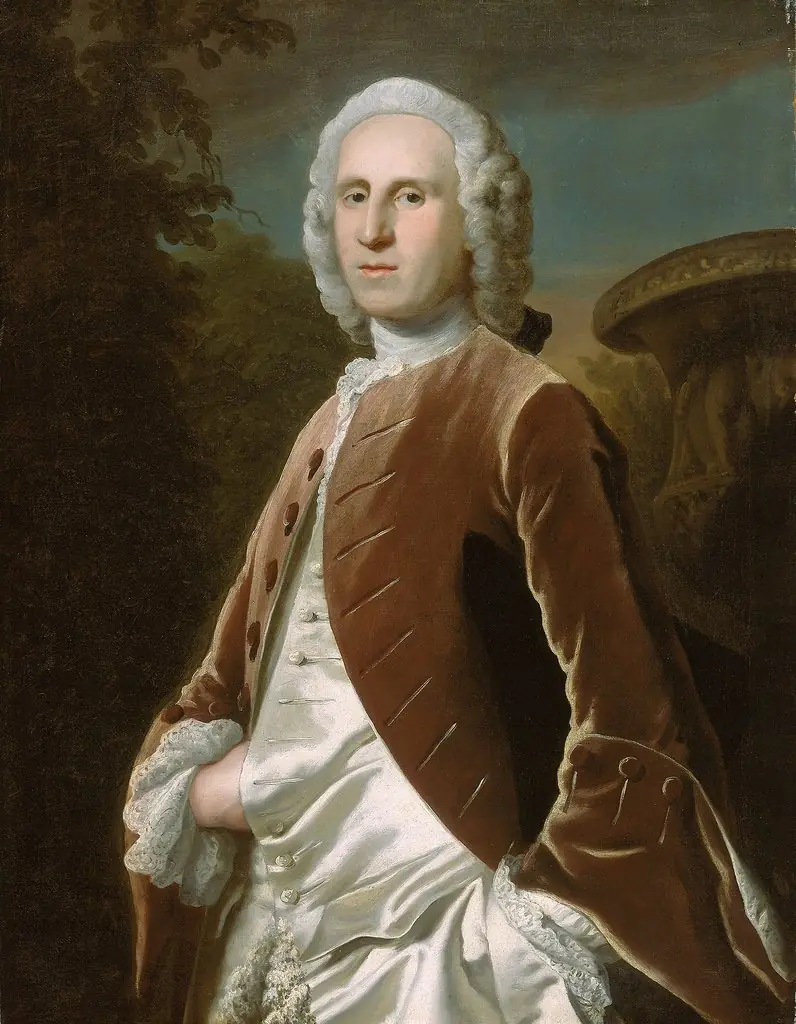
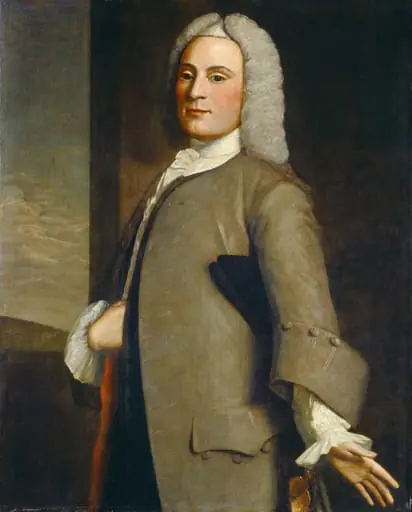
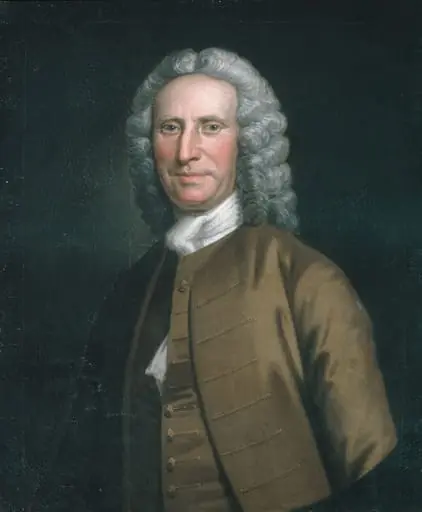
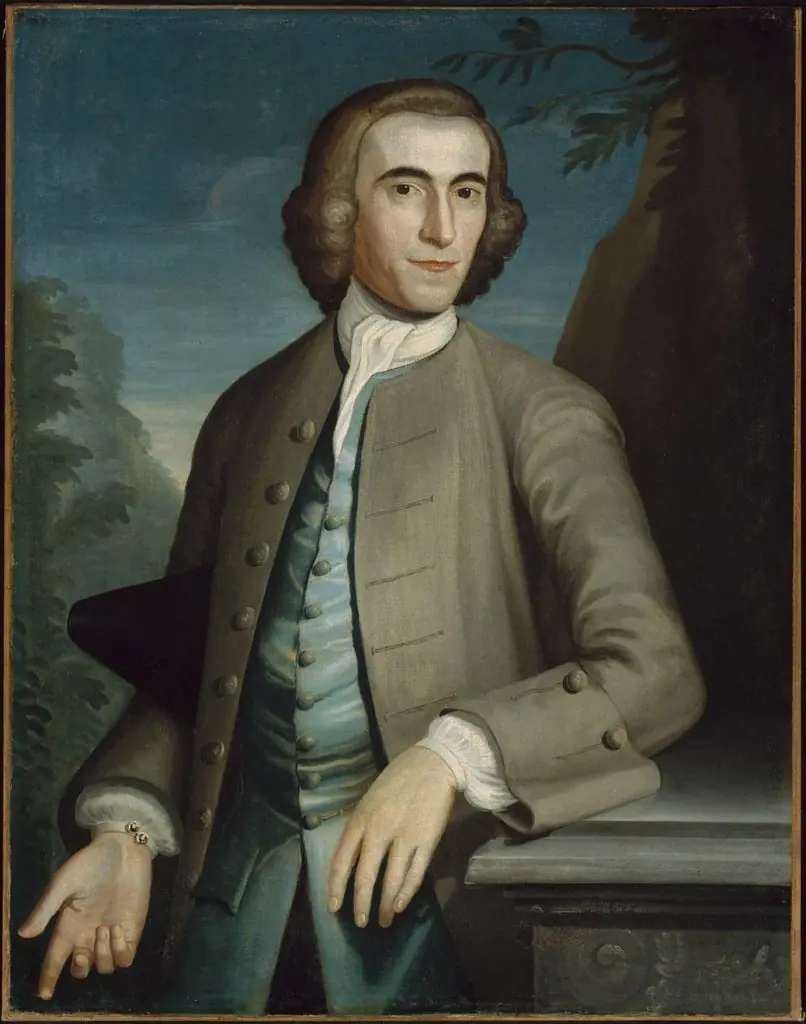
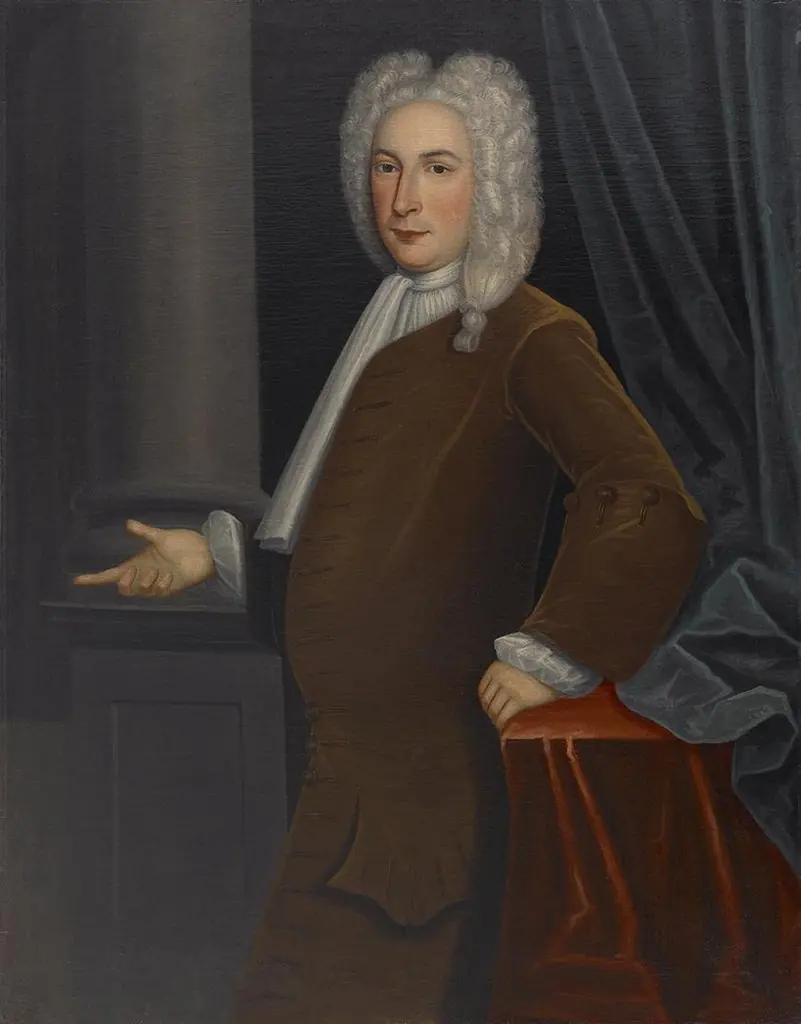
Thomas Bulfinch is an oil painting by the Rococo painting artist Joseph Blackburn. It dates from 1757 and is held in the collection of the Museum of Fine Arts Boston.
About this work
Overview
Blackburn, an English artist active in British North America, specialized in formal likenesses that balanced social status with personal presence.
Joseph Blackburn painted Thomas Bulfinch in 1757 using oil on canvas, capturing the sitter in a full-length portrait format typical of colonial American elite portraiture. Blackburn, an English artist active in British North America, specialized in formal likenesses that balanced social status with personal presence. This work is one of several he produced for prominent colonial figures, reflecting his adaptation of European conventions to local patrons.
Subject & Meaning
Thomas Bulfinch, a figure of civic standing in colonial Massachusetts, is depicted with restrained formality. His white, curled hair and dark, high-collared coat signal age and social position, while his neutral gaze conveys composure rather than emotion. The absence of symbolic objects or elaborate settings shifts focus to his demeanor, suggesting a portrait intended to affirm dignity and quiet authority rather than wealth or achievement.
Technique & Style
Blackburn employed soft brushwork and muted tones to render Bulfinch’s features with subtle precision. The dark, undefined background isolates the figure, enhancing the focus on texture—particularly the sheen of fabric and the fine detail of hair. While influenced by Rococo elegance, the composition avoids ornamental excess, favoring clarity and restraint, a hallmark of Blackburn’s colonial practice that prioritized likeness over theatricality.
History & Provenance
The portrait was completed during Blackburn’s years in Boston, where he established a reputation among the merchant and political elite. Its early ownership likely remained within Bulfinch’s family or local circles. The painting entered institutional collections in the 20th century, where it is now preserved as an example of mid-18th-century American portraiture, though its exact path from creation to museum remains partially undocumented.
Context
In mid-1700s New England, portraiture served as a marker of social identity among the colonial upper class. Blackburn’s work emerged alongside other itinerant painters who brought European techniques to a society lacking formal academies. His portraits, including Bulfinch’s, reflect a pragmatic blend of British stylistic norms and the modest means of colonial patrons, resulting in a distinctive regional aesthetic grounded in dignity over display.
Legacy
Blackburn’s portraits, including this one of Bulfinch, remain key references for understanding colonial American visual culture. They document the aspirations of a self-defined elite through restrained representation. While not widely known today, his body of work contributed to the foundation of American portraiture, bridging transatlantic traditions and local sensibilities in a form that emphasized character over grandeur.
Artist & collection
Artist
Joseph Blackburn (died 1787) was an English painter who worked mainly in British North America. His notable works include portraits of Hugh Jones (circa 1777) and Colonel Theodore Atkinson (circa 1760).