Artwork
Thomas Hancock
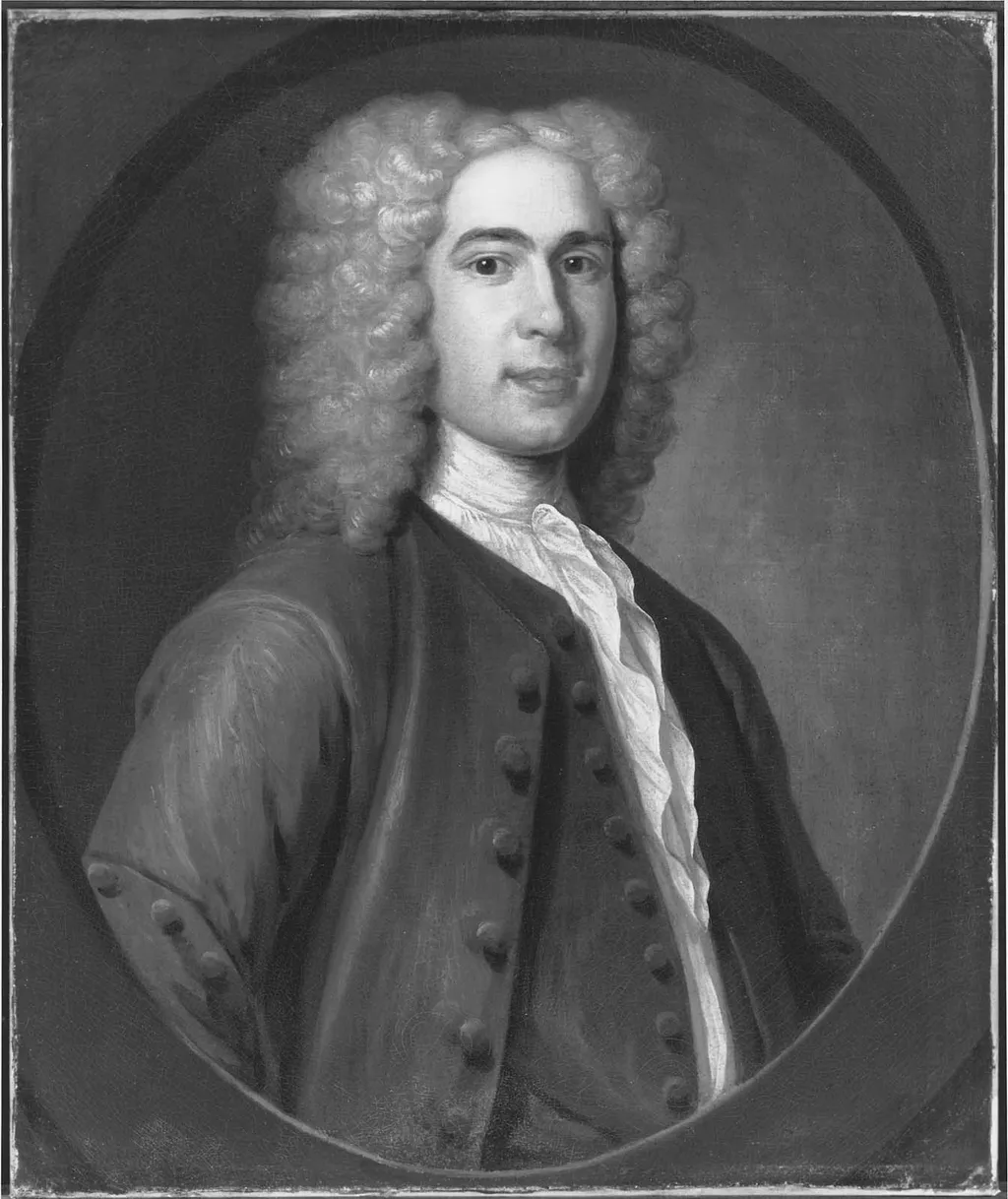
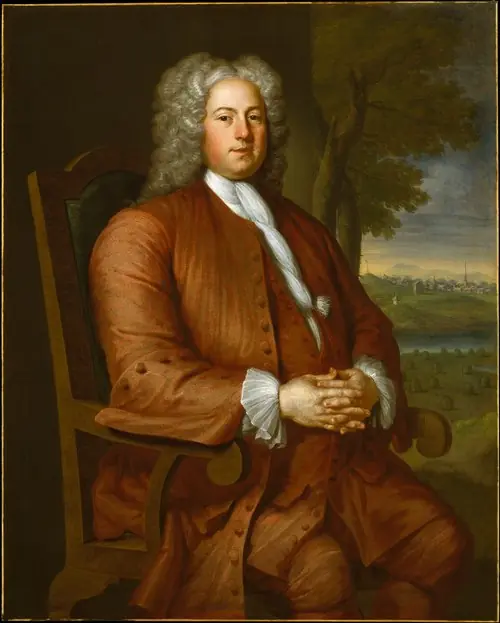
Thomas Hancock is an oil painting by the Rococo painting artist John Smibert. It dates from 1730 and is held in the collection of the Museum of Fine Arts Boston.
About this work
Overview
Smibert’s work helped establish portraiture as a serious genre in the colonies.
Painted in 1730, this oil portrait depicts Thomas Hancock, a prominent Boston merchant, by John Smibert, a Scottish artist who brought European academic training to British America. Smibert’s work helped establish portraiture as a serious genre in the colonies. The painting’s restrained composition and refined execution reflect the stylistic norms of early 18th-century British art, adapted to colonial tastes and resources.
Subject & Meaning
Thomas Hancock, a wealthy merchant and uncle of John Hancock, is portrayed with quiet dignity. His direct gaze and composed posture suggest social standing and self-assurance. The absence of elaborate symbols or settings shifts focus to his personal presence, emphasizing character over status markers. This approach aligns with emerging colonial ideals of individual merit and restrained elegance, distinct from aristocratic European conventions.
Technique & Style
Smibert employed oil paint with careful brushwork to render texture in fabric and hair, using subtle tonal shifts to define form. The dark, unbroken background isolates the figure, enhancing three-dimensionality. The loose curls of Hancock’s hair and the open jacket reveal attention to naturalistic detail, while the overall composition avoids theatricality. These choices reflect a transitional style between Baroque formality and the emerging Rococo sensibility.
History & Provenance
The portrait remained in the Hancock family until the late 19th century, when it entered the collection of the Museum of Fine Arts, Boston. Its continuous ownership within one influential Boston family underscores its role as both personal memento and social artifact. The museum’s acquisition in 1890 secured its place as one of the earliest and most significant colonial portraits in American public collections.
Context
In early 18th-century Boston, few artists had formal training, making Smibert’s presence pivotal. His portraits catered to the rising merchant class seeking visual affirmation of their status. Without access to European academies or grand commissions, colonial artists like Smibert adapted European models to local materials and audiences, creating a distinct regional idiom grounded in simplicity and clarity.
Legacy
This portrait stands as an early benchmark in American portraiture, demonstrating how European techniques were localized in the colonies. Smibert’s influence extended through his students and the standards he set for likeness and decorum. The painting remains a reference point for understanding the visual culture of pre-Revolutionary Boston and the quiet assertion of civic identity through portraiture.
Artist & collection
Artist
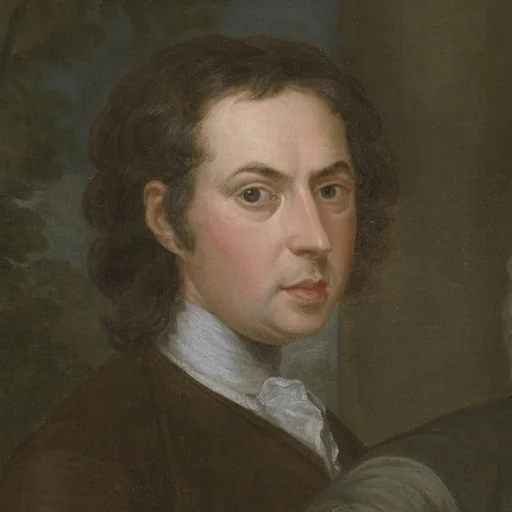
John Smibert (24 March 1688 – 2 April 1751) was a Scottish-born painter who specialised in portrait painting and was the first academically trained artist to work in British America.

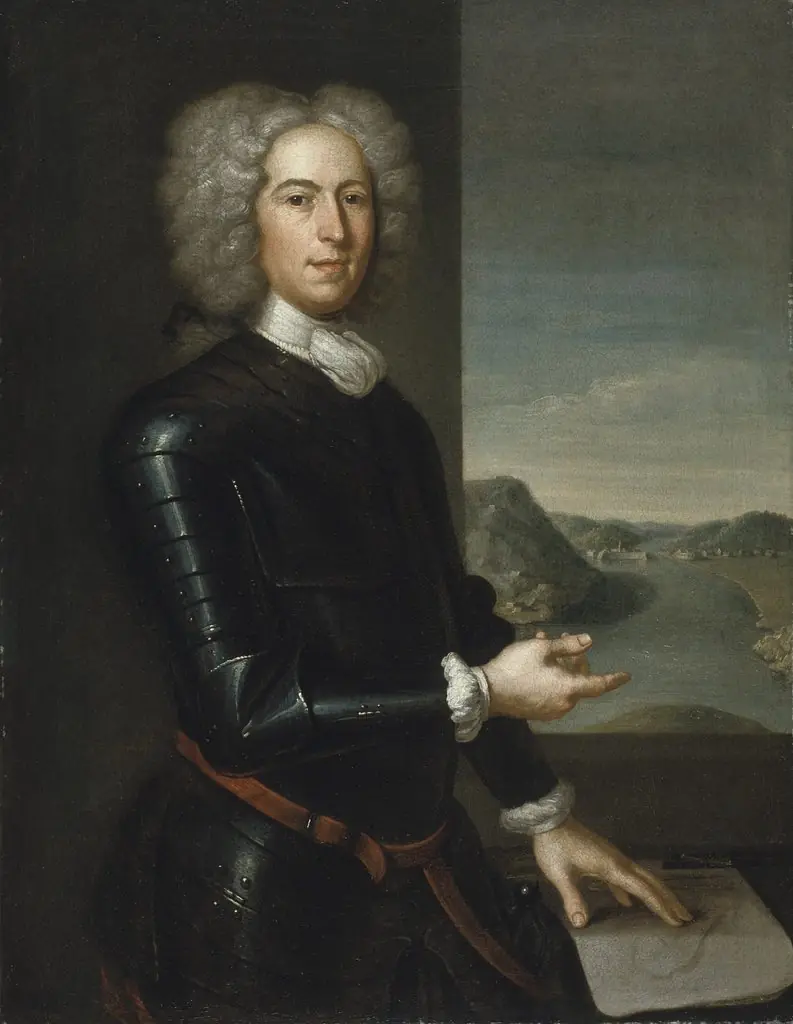
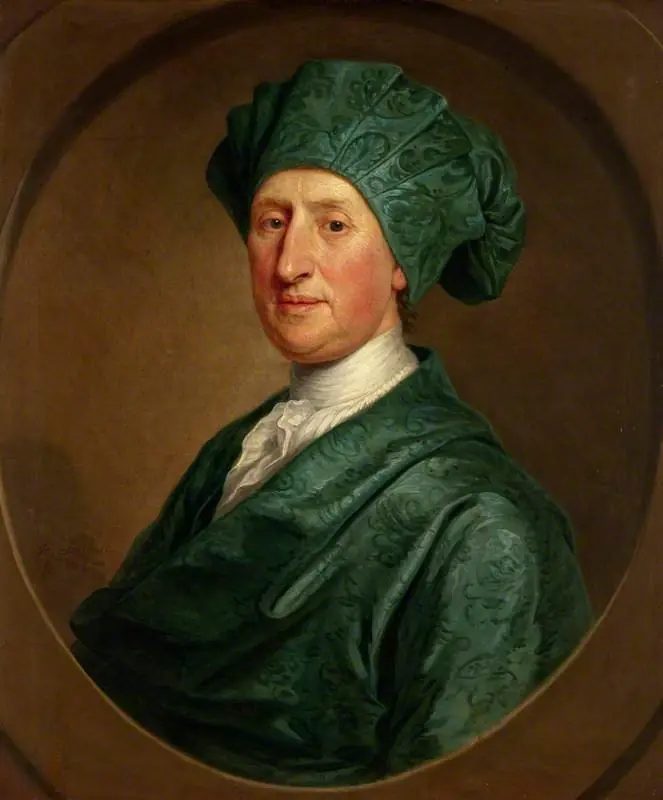
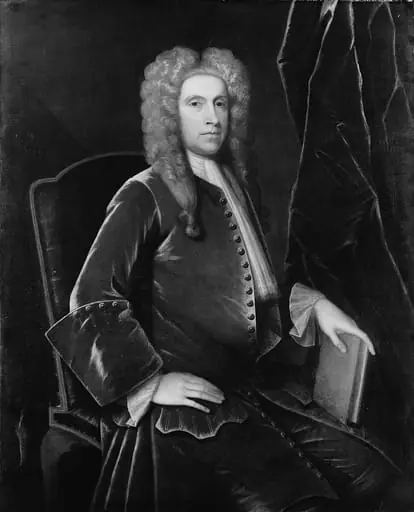 Portrait of a Man
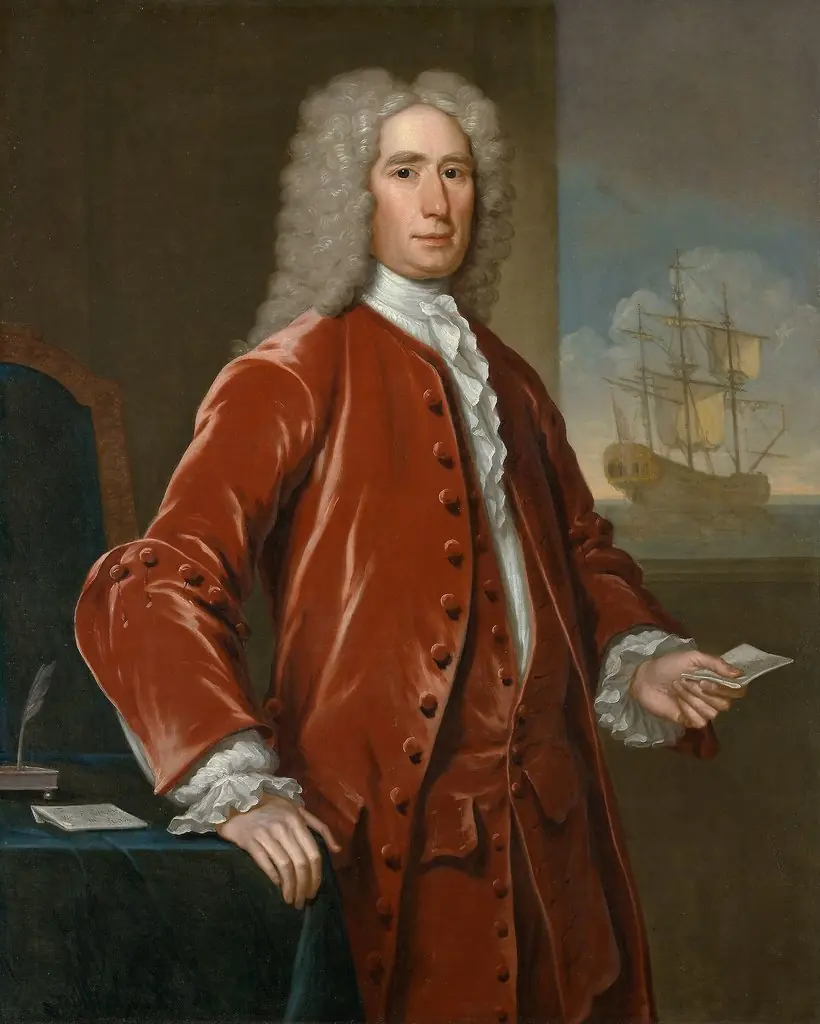 Richard Bill
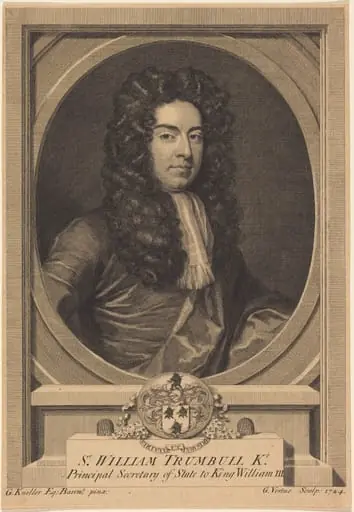 William Trumbull
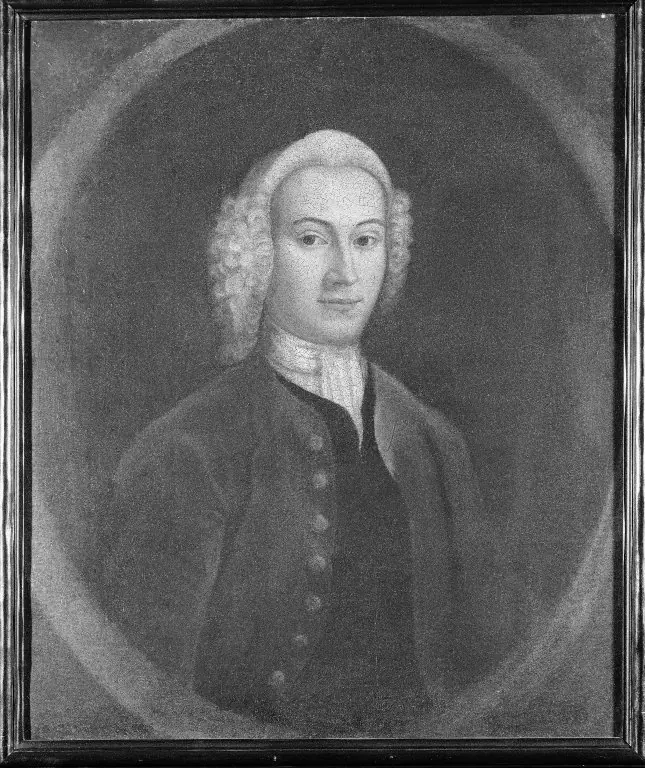 Gentleman of the Breckenridge Family of Virginia
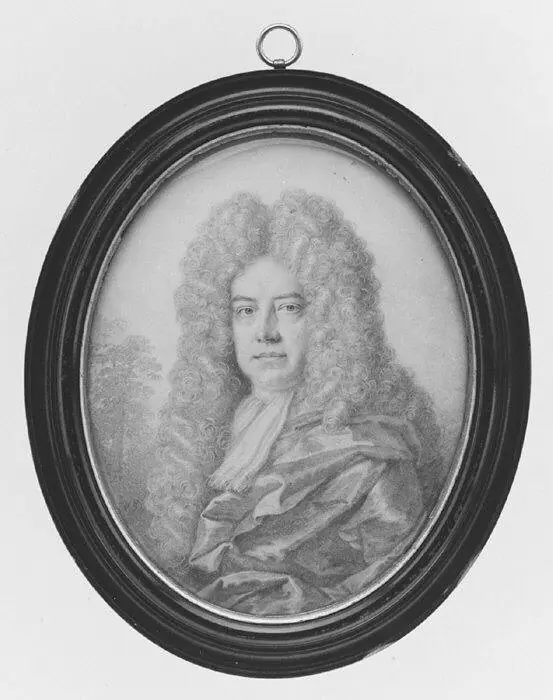 Portrait of a Man
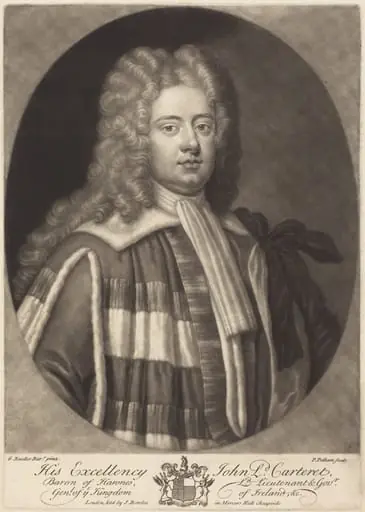 John, Lord Carteret
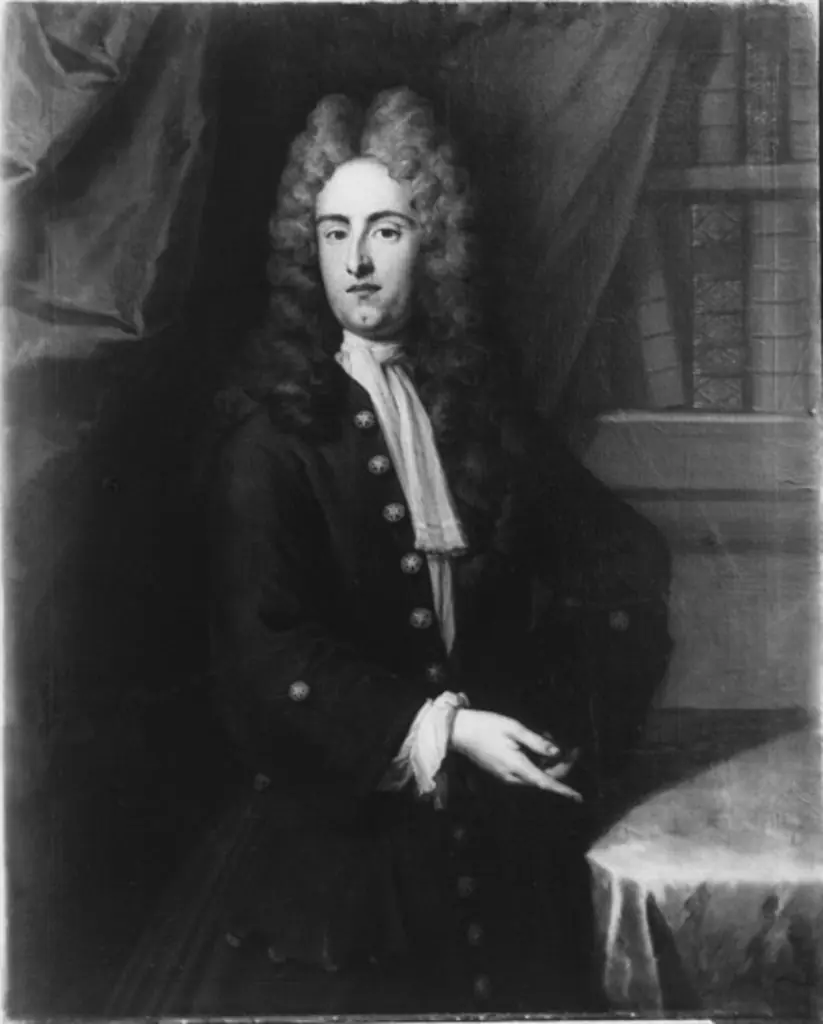 Dr. med. Rudolf Lavater in seiner Bibliothek
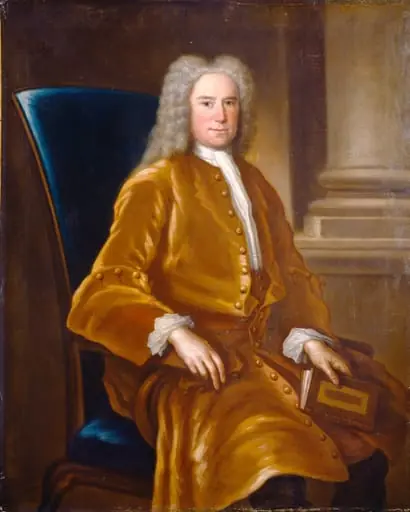 Portrait of a Gentleman
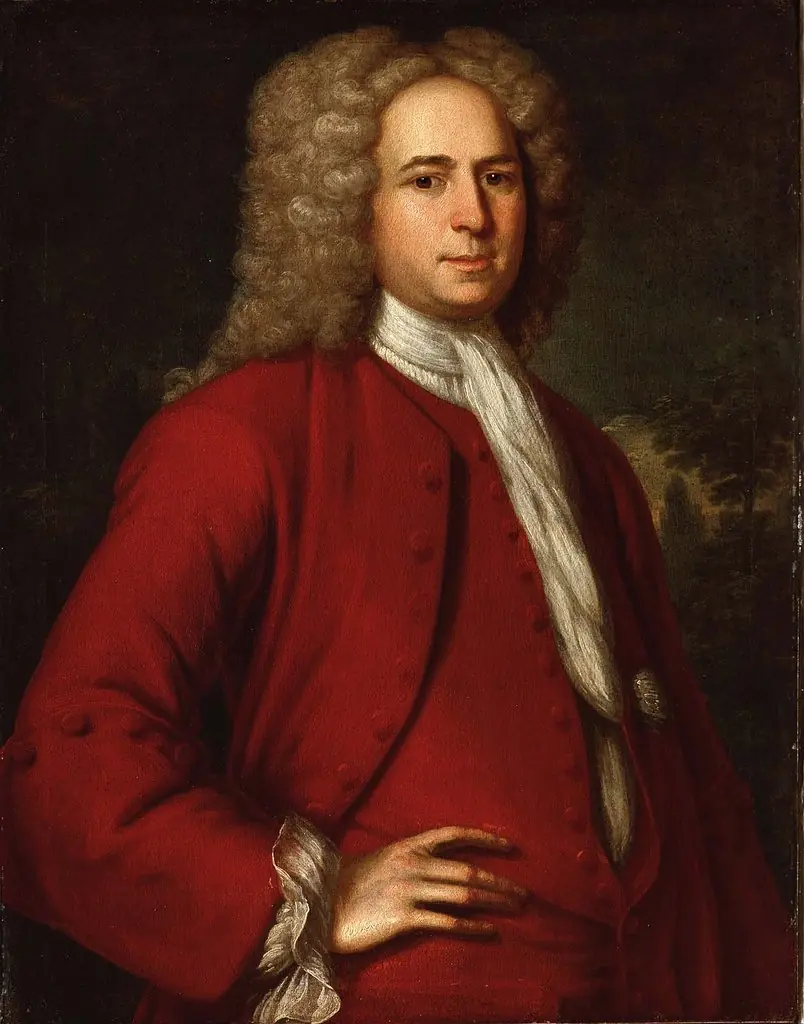 William Dudley
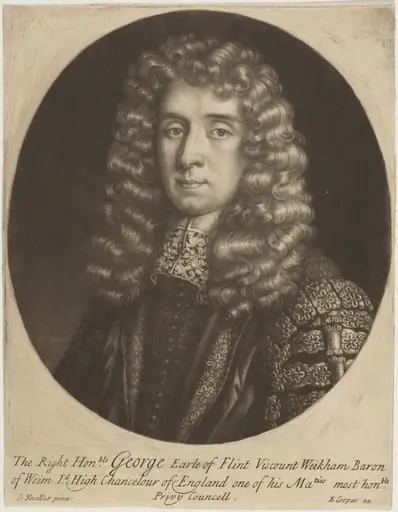 George Jeffreys, Earl of Flint, Viscount Weikham
 Jacob Franks
 Bildnis eines jungen Mannes (Werkstatt)