Artwork
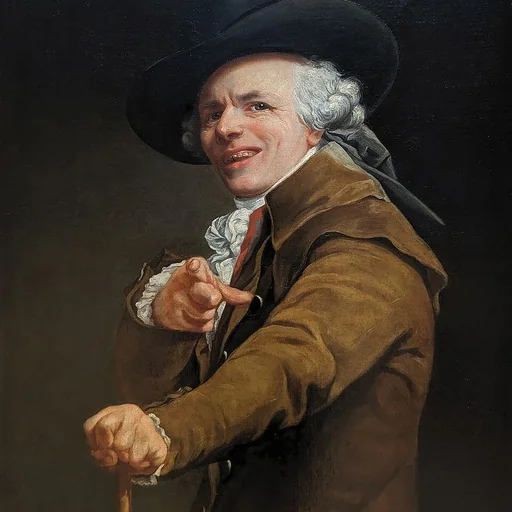
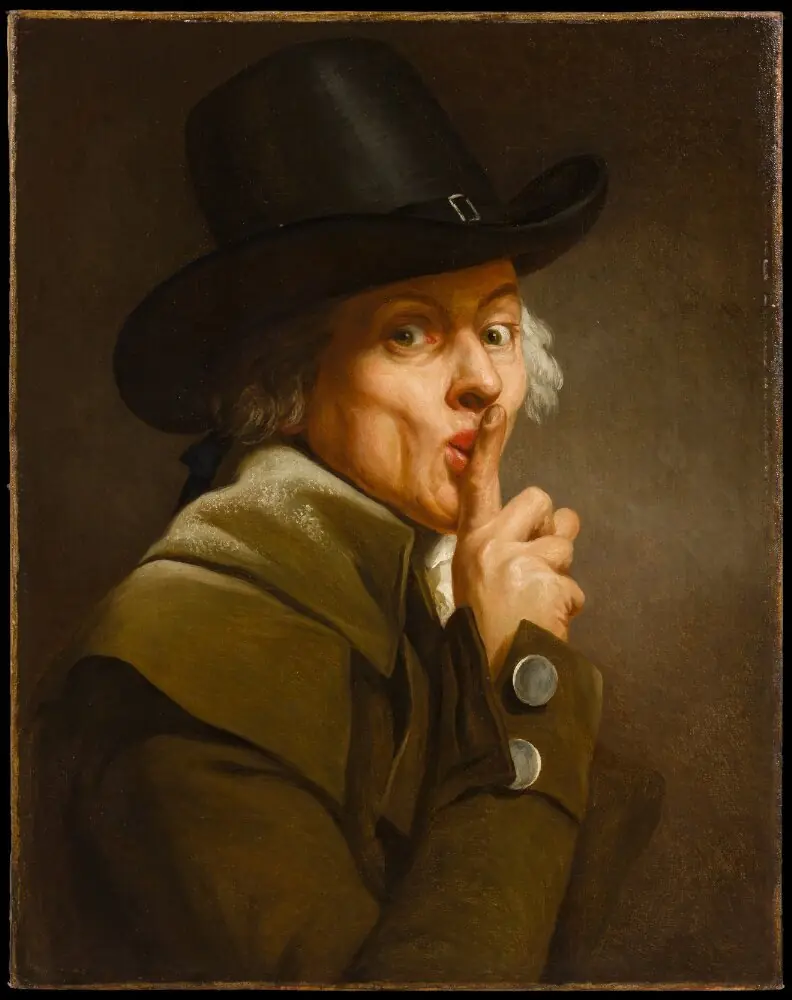
Self-portrait, called the Surprise
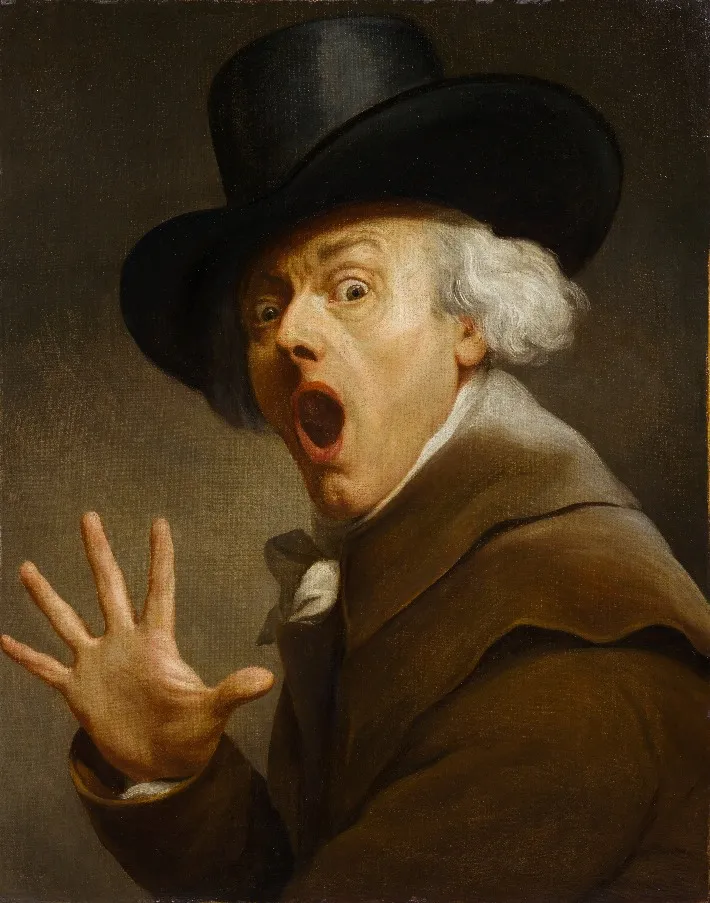
Self-portrait, called the Surprise is an oil painting by the Rococo painting artist Joseph Ducreux. It dates from 1798 and is held in the collection of the Nationalmuseum.
About this work
Overview
Painted in 1798, this oil-on-canvas work by Joseph Ducreux presents a vivid self-portrait that departs from conventional formal portraiture.
Painted in 1798, this oil-on-canvas work by Joseph Ducreux presents a vivid self-portrait that departs from conventional formal portraiture. Ducreux, a Lorraine-born artist who gained recognition in France, captured himself in a moment of unguarded expression. The painting is held in the Nationalmuseum’s collection and reflects his engagement with psychological depth in portraiture during a period of political upheaval.
Subject & Meaning
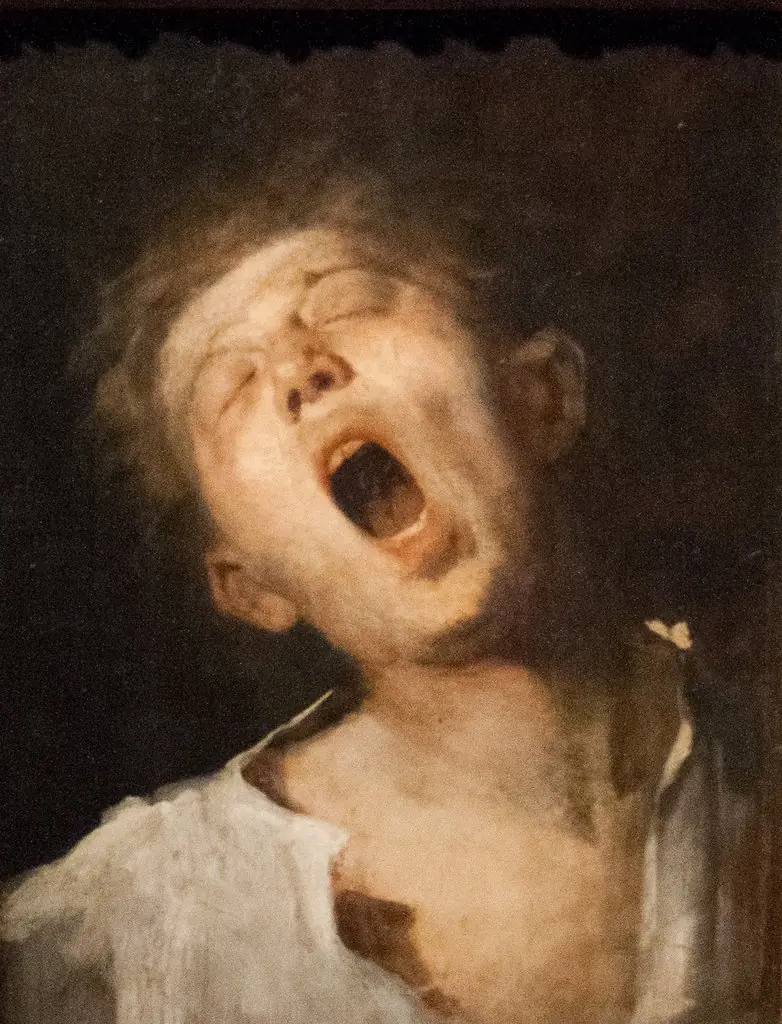
Ducreux portrays himself with an open mouth, wide eyes, and a raised hand, suggesting a sudden reaction—perhaps surprise or alarm. The intensity of the expression moves beyond mere likeness, hinting at emotional vulnerability or theatrical self-examination. This gesture may reflect his awareness of the instability of his position as an artist navigating the volatile aftermath of the French Revolution.
Technique & Style
Using chiaroscuro, Ducreux contrasts the dark, undefined background with the sharply lit contours of his face and attire. The brown coat and black hat are rendered with restrained detail, drawing focus to the face. His brushwork captures texture in the white hair and the sheen of skin, while the exaggerated expression aligns with Rococo’s interest in fleeting emotion, though pushed toward a more personal, almost proto-romantic intensity.
History & Provenance
Ducreux served as First Painter to Queen Marie Antoinette and produced the final portrait of Louis XVI before his execution. Despite his royal connections, he remained active during the Revolution. The self-portrait, created near the end of his life, may reflect his personal reckoning with a transformed France. It entered the Nationalmuseum’s collection in the 19th century, where it has remained as a rare example of his expressive style.
Context
In the late 18th century, portraiture was shifting from idealized representation toward psychological realism. Ducreux’s work emerged amid this transition, influenced by Enlightenment ideas about individuality and emotion. His focus on facial expression—sometimes deemed eccentric—positioned him as an experimental figure, challenging the decorum expected in royal and aristocratic commissions.
Legacy
Though not widely celebrated in his time, Ducreux’s self-portrait anticipates 19th-century explorations of inner life in portraiture. His unflinching depiction of emotion, free from flattery, influenced later artists interested in authenticity over convention. The painting endures as a quiet testament to an artist confronting change through the most personal of subjects: himself.
Artist & collection
Artist
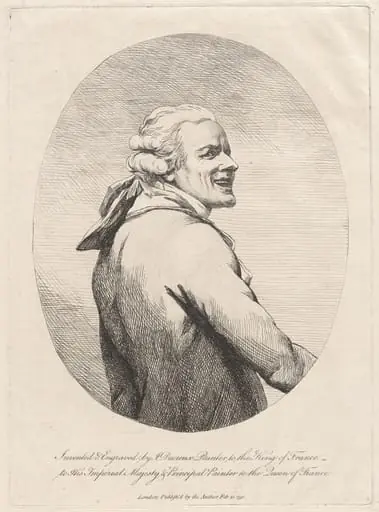
Joseph Ducreux (26 June 1735 – 24 July 1802) was a portrait painter, pastelist and etcher from Lorraine who became a French national.

![Head of a Gentleman [recto], by Joseph Ducreux](https://artifactworldgallery.com/img/joseph-ducreux--head-of-a-gentleman-recto--30a49475a608e388-w320.webp)