Artwork
The Miser
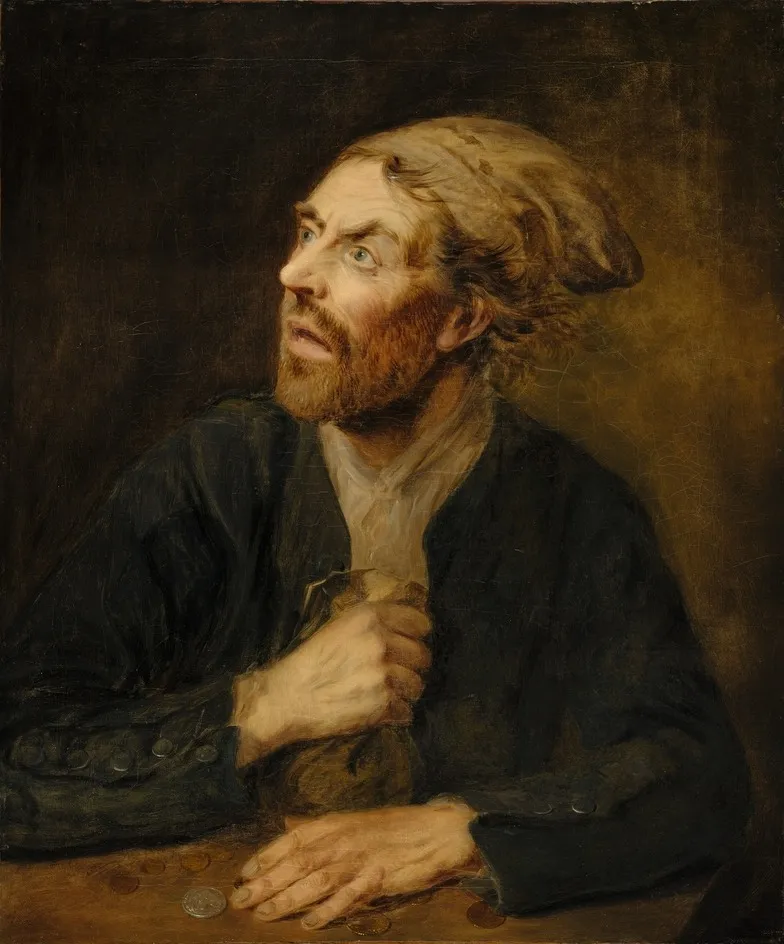
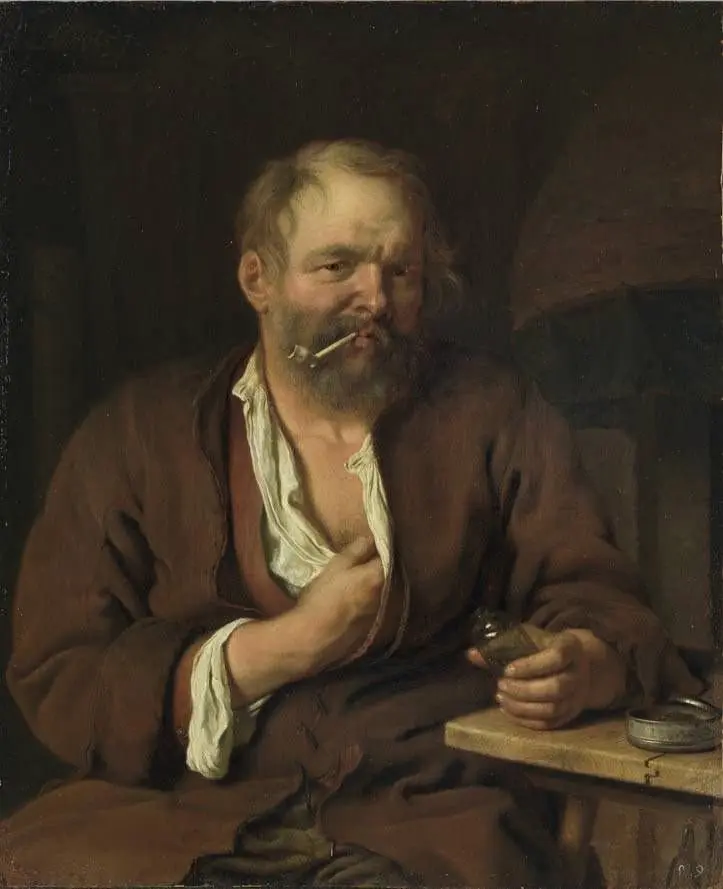
The Miser is an oil painting by the Rococo painting artist Gainsborough Dupont. It dates from 1790 and is held in the collection of the Ashmolean Museum.
About this work
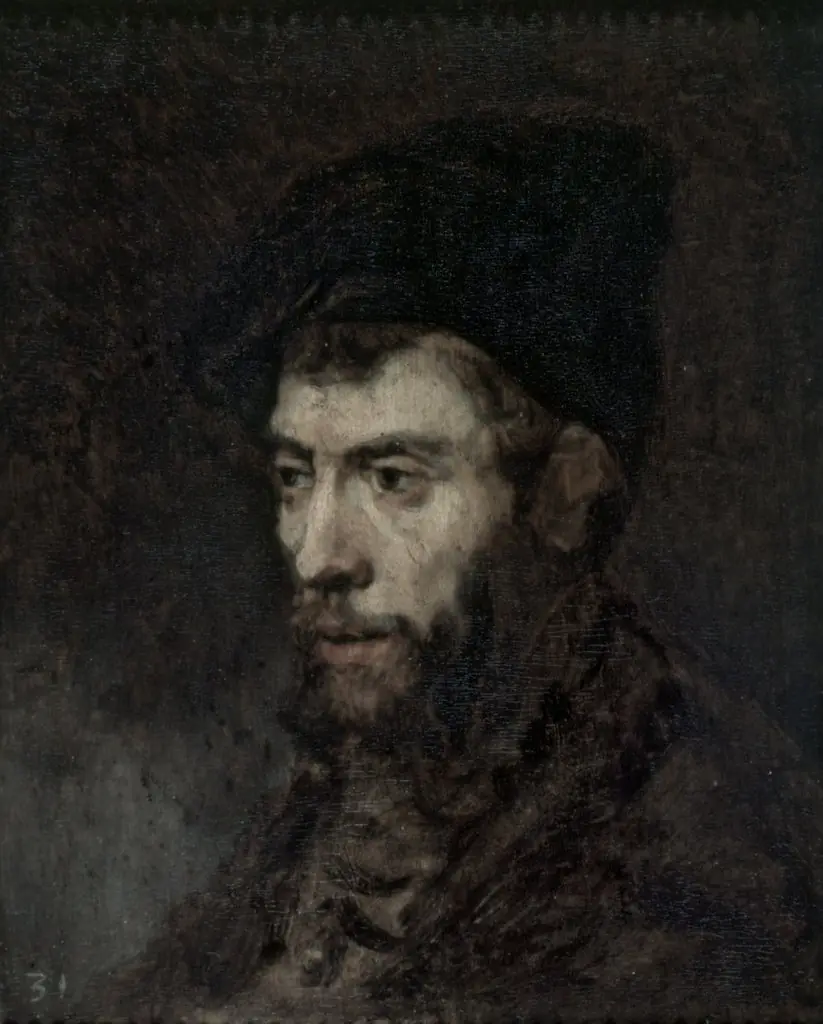
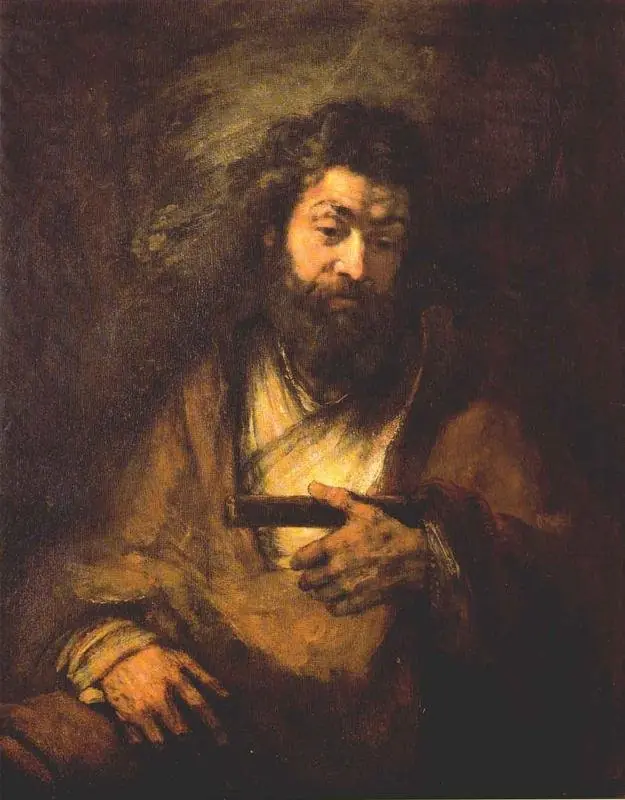
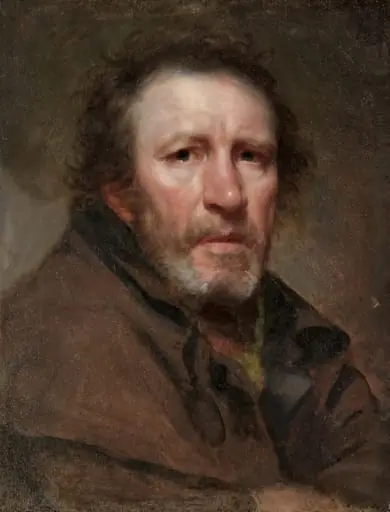
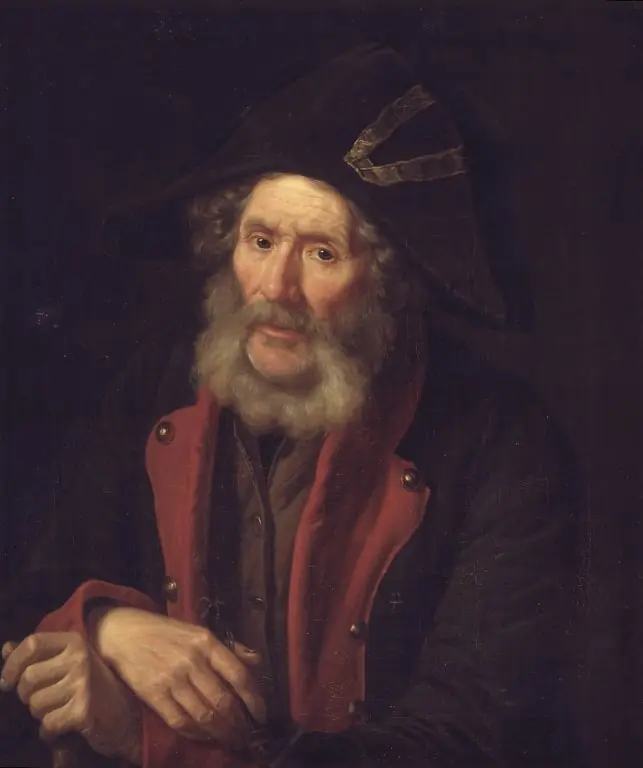
The painting depicts a man sitting at a table, with his right hand resting on the surface and his left hand grasping a small object.
The painting depicts a man sitting at a table, with his right hand resting on the surface and his left hand grasping a small object. He is dressed in dark attire, with a black jacket and a white shirt visible under his collar. The man's gaze is directed upwards, and his facial expression appears to be one of contemplation or concern.
The man's attire and the style of the painting suggest that it may be a portrait from the 18th century. The use of dark colors and the subtle lighting create a sense of depth and atmosphere in the painting.
To learn more about the artist's use of chiaroscuro, explore the technique further.
Overview
Painted in 1790 by Gainsborough Dupont, *The Miser* is an oil-on-canvas portrait executed in the late Rococo style. Dupont, who trained under his uncle Thomas Gainsborough, captured a solitary figure in a moment of quiet intensity. The work is part of the Ashmolean Museum’s collection, where it remains a subtle example of 18th-century British portraiture that moves beyond mere likeness to suggest psychological depth.
Subject & Meaning
The figure, dressed in dark clothing with a pale collar, sits at a table, one hand resting calmly while the other clutches a small, unseen object—perhaps coins or a key. His upward gaze and furrowed brow imply internal tension rather than overt greed. The title *The Miser* invites interpretation, but the painting resists moralizing, instead presenting a contemplative individual caught in private thought, leaving his motives ambiguous.
Technique & Style
Dupont employed oil paint with restrained brushwork, using muted tones and soft chiaroscuro to model the figure against a shadowed background. The lighting falls subtly across the face and hands, enhancing volume without dramatic contrast. The dark jacket and white shirt create a quiet tonal rhythm, while the lack of detailed surroundings focuses attention on the sitter’s expression and posture, reflecting a shift toward psychological realism.
History & Provenance
Created in 1790, the painting remained within the Gainsborough family circle before entering the Ashmolean Museum’s collection. Its early ownership is not fully documented, but its preservation suggests it was valued as a work by a noted pupil of Thomas Gainsborough. The museum acquired it in the 19th century, where it has since been studied as an example of lesser-known British portraiture from the period.
Context
In late 18th-century Britain, portraiture often emphasized social status or idealized character. *The Miser* diverges by focusing on introspection rather than display. While Rococo elegance still informs its composition, the painting’s subdued palette and intimate scale align with emerging sensibilities that favored emotional nuance over ornamentation, reflecting broader cultural shifts toward individual psychology.
Legacy
Though not widely exhibited, *The Miser* endures as a quiet testament to Gainsborough Dupont’s skill in conveying inner life through restrained means. It illustrates how artists trained in the Rococo tradition could adapt their style to explore psychological subtlety, influencing later generations interested in character over circumstance. Its presence in the Ashmolean ensures continued scholarly attention to understated portraiture of the era.
Artist & collection
Artist
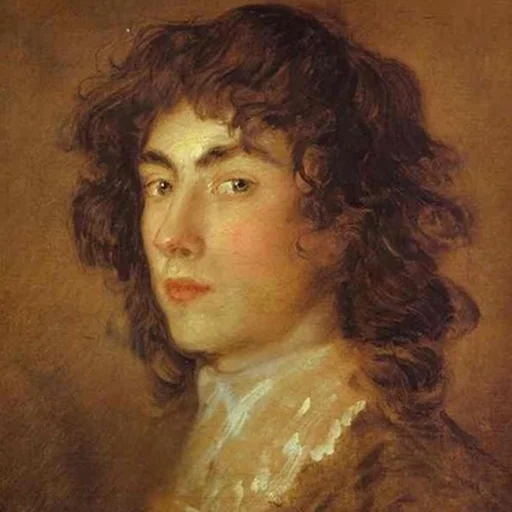
Gainsborough Dupont (20 December 1754 – 20 January 1797) was a British artist, the nephew and pupil of Thomas Gainsborough, R.A.

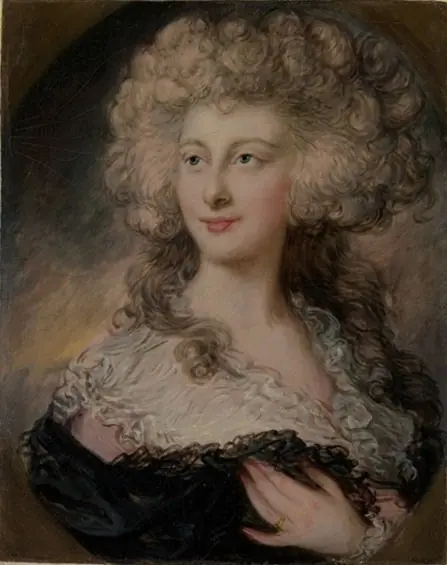 Anne Elizabeth Cholmley (1769–1788), Later Lady Mulgrave
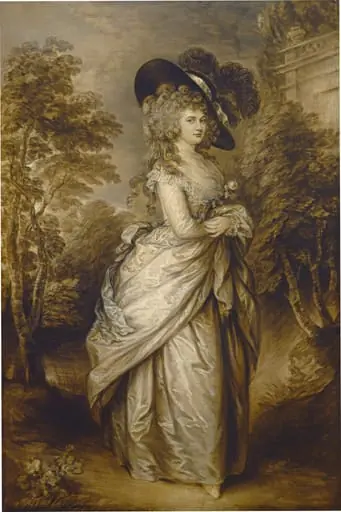 Georgiana, Duchess of Devonshire
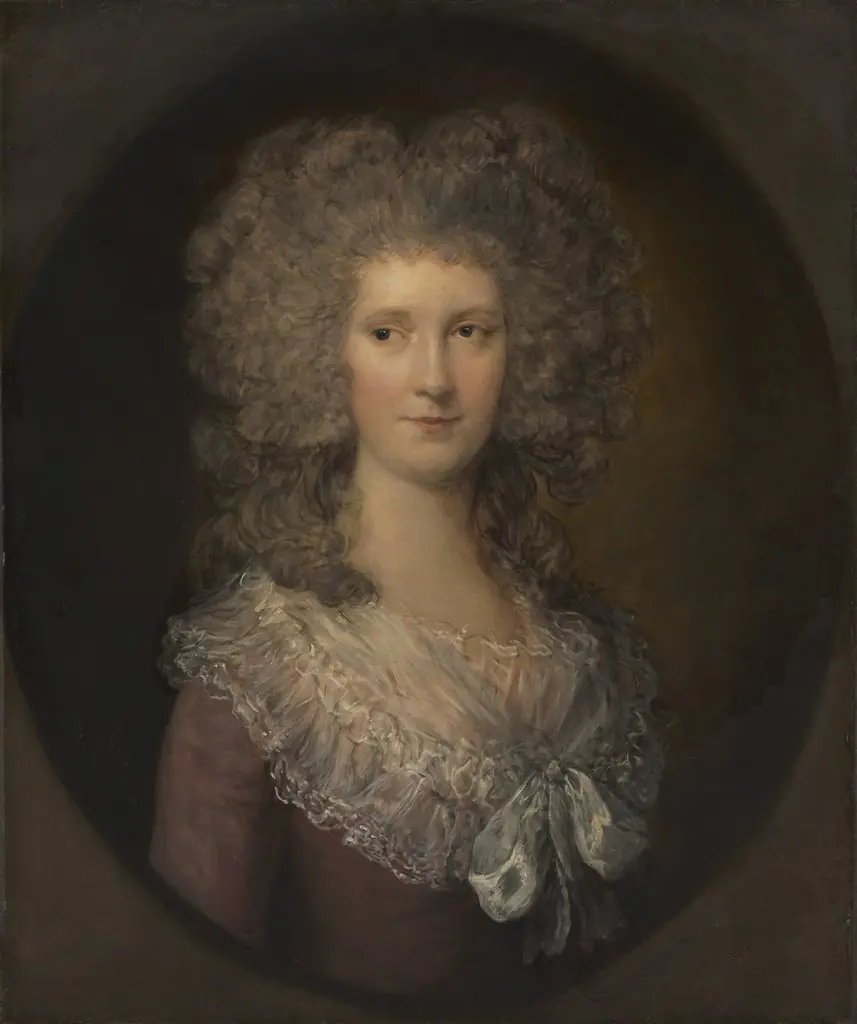 Portrait of Mary Anne Jolliffe
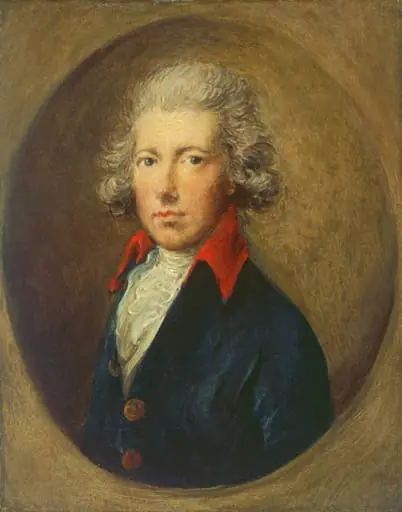 William Pitt
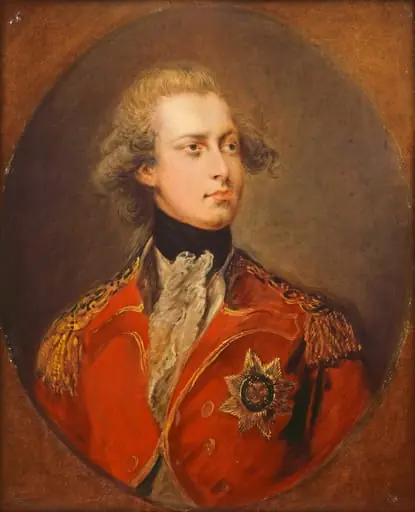 George IV as Prince of Wales
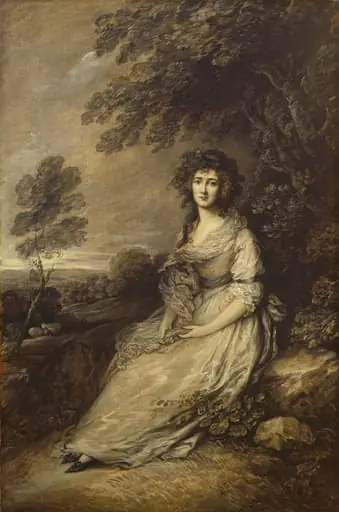 Mrs. Richard Brinsley Sheridan
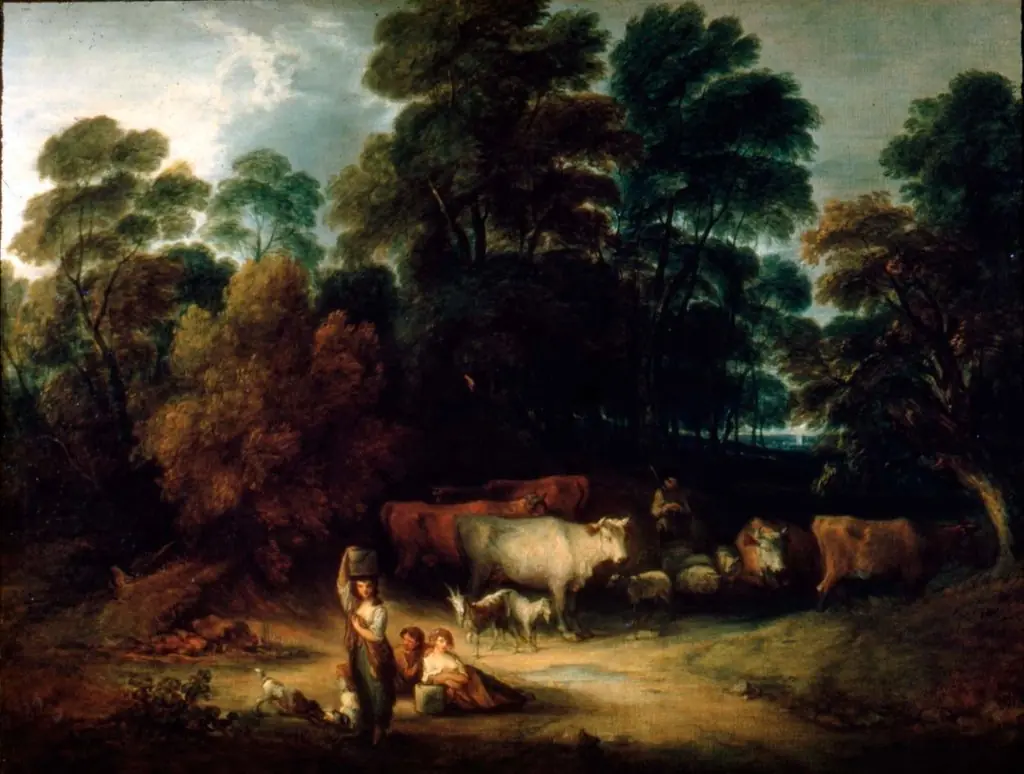 Landscape with Milkmaids and Cattle
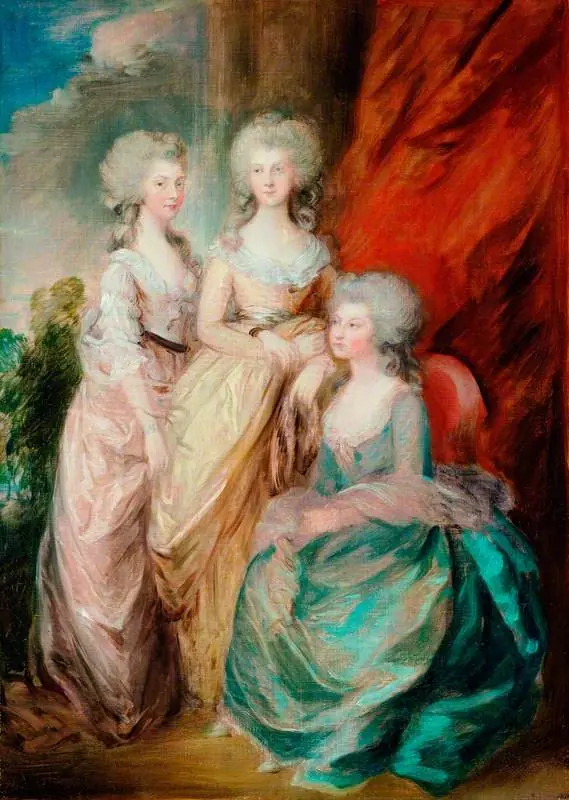 The Three Eldest Daughters of George III: Princesses Charlotte Augusta Matilda (1766–1828), Augusta Sophia (1768–1840), and Elizabeth (1770–1840) (after Thomas Gainsborough)