Artwork
Calliope
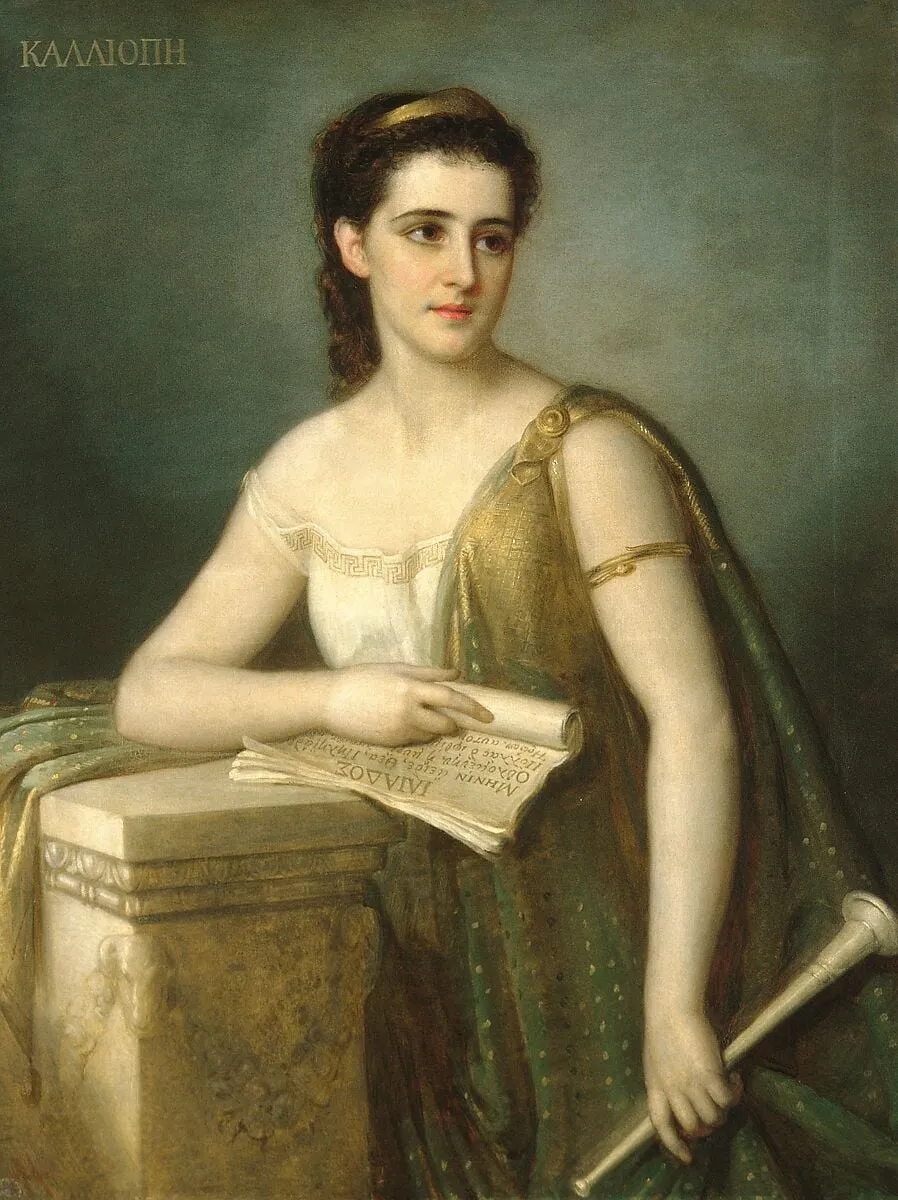
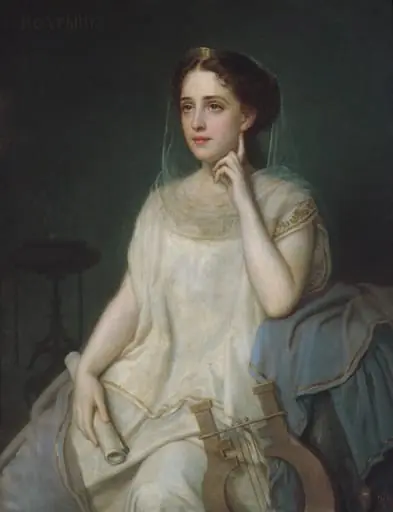
Calliope is an oil painting by the Impressionist artist Joseph Fagnani. It dates from 1869 and is held in the collection of the Metropolitan Museum of Art.
About this work
Overview
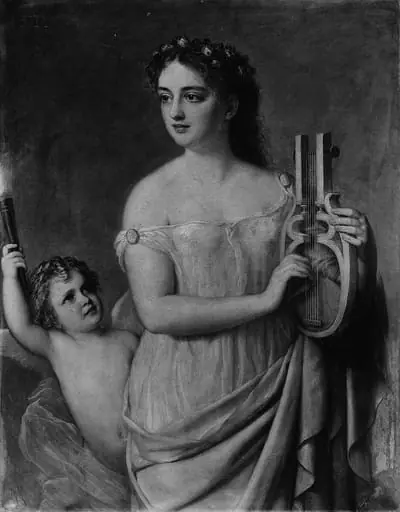
Joseph Fagnani's 1869 oil painting, Calliope, presents a mythological figure through a contemporary lens. Executed in oil on canvas, the work depicts a woman seated with a lyre, her fingers resting on its strings. This piece is part of The American Wing collection, reflecting an approach to classical subjects within American art of the period.
Subject & Meaning
The painting identifies its subject as Calliope, the Greek muse of epic poetry. Fagnani portrays her not in traditional classical attire, but as a modern woman with a thoughtful expression. The lyre, a symbolic instrument associated with poetry and music, serves as the primary indicator of her mythological identity, subtly linking the contemporary figure to her ancient role.
Technique & Style
Fagnani renders the figure in a dark dress, emphasizing a quiet dignity rather than an idealized classical form. The background remains largely unadorned, suggesting a studio setting rather than a mythological landscape. This stylistic choice focuses attention on the woman's pensive demeanor and the singular attribute of the lyre, highlighting a restrained and direct approach to portraiture.
Context
Calliope aligns with Joseph Fagnani's broader artistic interests, particularly his recurring theme of depicting women engaged with musical instruments.
Calliope aligns with Joseph Fagnani's broader artistic interests, particularly his recurring theme of depicting women engaged with musical instruments. This work exemplifies his tendency to imbue classical or allegorical subjects with a sense of contemporary realism, presenting them in a manner accessible to 19th-century audiences rather than adhering strictly to historical or mythological conventions.
Artist & collection