Artwork
Dr. Isaac Green
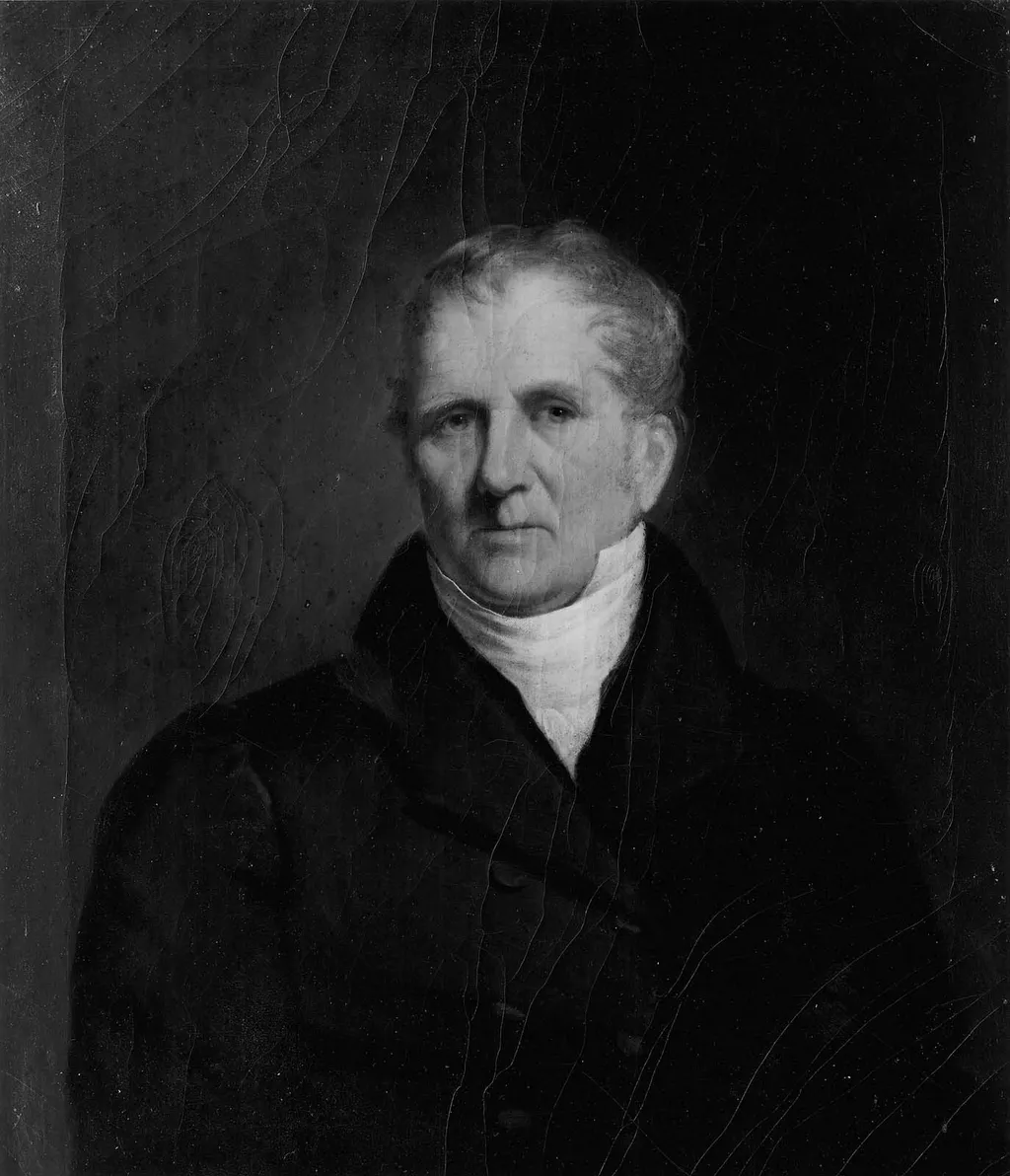
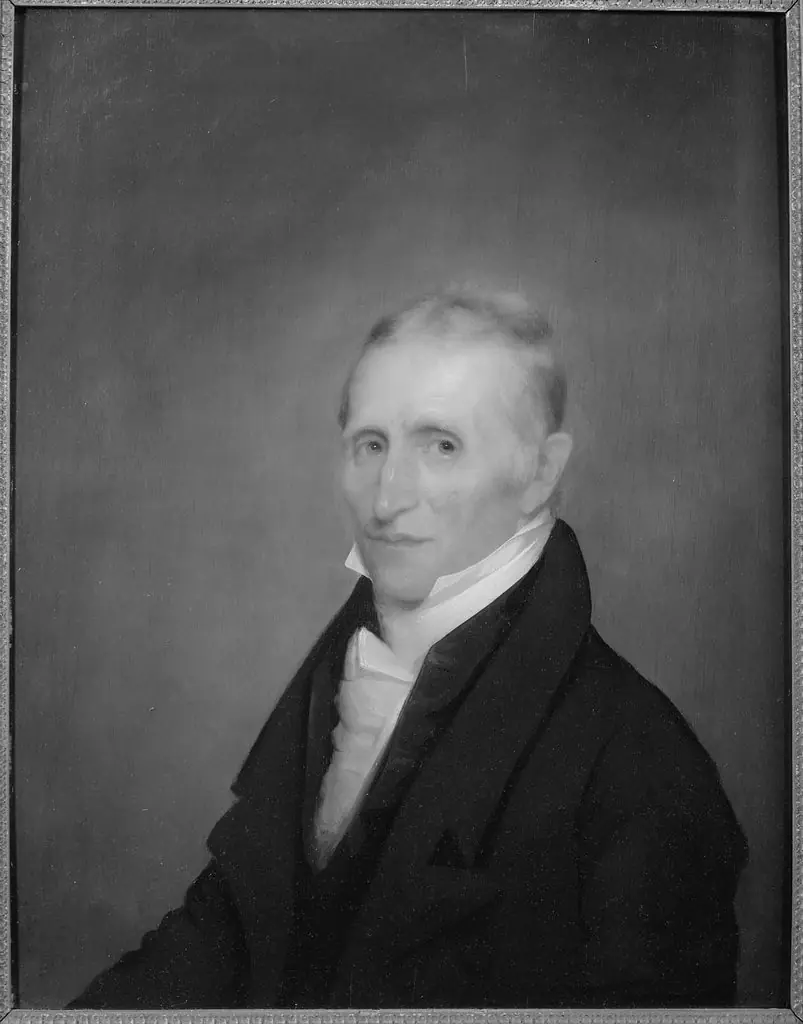
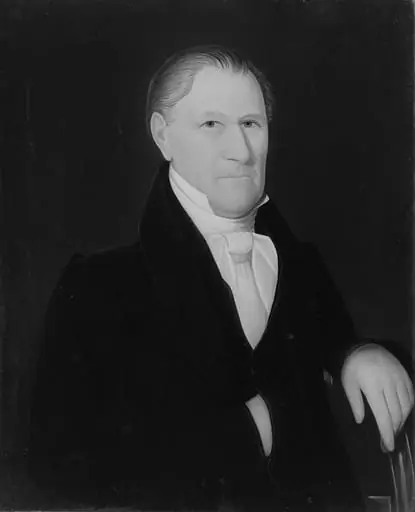
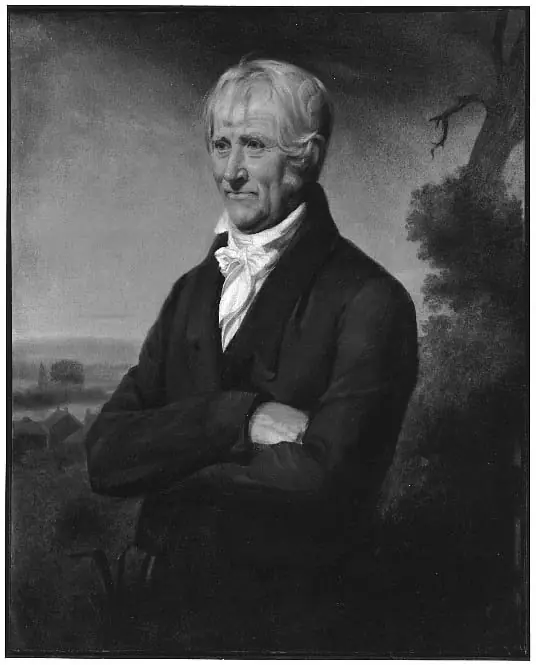
Dr. Isaac Green is an oil painting by the American Folk Art artist Joseph Greenleaf Cole. It dates from 1832 and is held in the collection of the Museum of Fine Arts Boston.
About this work
This portrait painting shows a man with short, light-colored hair and a serious expression.
This portrait painting shows a man with short, light-colored hair and a serious expression. He wears a dark jacket over a white turtleneck shirt.
The man's gaze is directed straight ahead, and his facial features are rendered in detail. The background of the painting is dark, which helps to focus attention on the subject.
The painting is an example of a portrait from the early 19th century, and it demonstrates the artist's skill in capturing the likeness and personality of the sitter. To learn more about this style of painting, look up the artist Joseph Greenleaf Cole.
Overview
Joseph Greenleaf Cole’s oil portrait of Dr. Isaac Green, executed in 1832, is part of the Museum of Fine Arts, Boston’s collection. The work presents a single sitter against a dark backdrop, emphasizing his facial features and attire. The composition reflects the conventions of early‑nineteenth‑century portraiture, where the subject’s direct gaze and restrained setting convey a sense of professional dignity.
Subject & Meaning
The portrait depicts Dr. Isaac Green, a man with short, light‑colored hair and a solemn expression. He is dressed in a dark jacket over a white turtleneck, attire typical of a learned professional of the period. The straightforward gaze and meticulous rendering of his face suggest an intention to record both his likeness and the gravitas associated with his medical vocation.
Technique & Style
Cole employed oil on canvas to achieve a smooth, detailed surface, allowing fine modeling of the sitter’s features. The dark, almost non‑descriptive background serves to isolate the figure, a common device in early‑19th‑century portraiture that directs the viewer’s attention to the subject’s expression and clothing. The brushwork is restrained, favoring subtle tonal transitions over overt texture.
History & Provenance
Created in 1832, the painting entered the Museum of Fine Arts, Boston, where it remains on view. Its provenance traces back to the artist’s studio, though specific acquisition details are not recorded in the available sources. The work stands as a documented example of Cole’s output during a productive period of his career.
Context
Portraits of physicians in the early 1800s often emphasized sobriety and intellectual authority, reflecting the growing status of medical professionals in American society. Cole’s rendering aligns with this trend, employing a muted palette and a direct, unembellished setting to convey the sitter’s respectable standing without ornamental distraction.
Own this work as a print
Artist & collection