Artwork
Liber Studiorum: Dumblain Abbey, Scotland
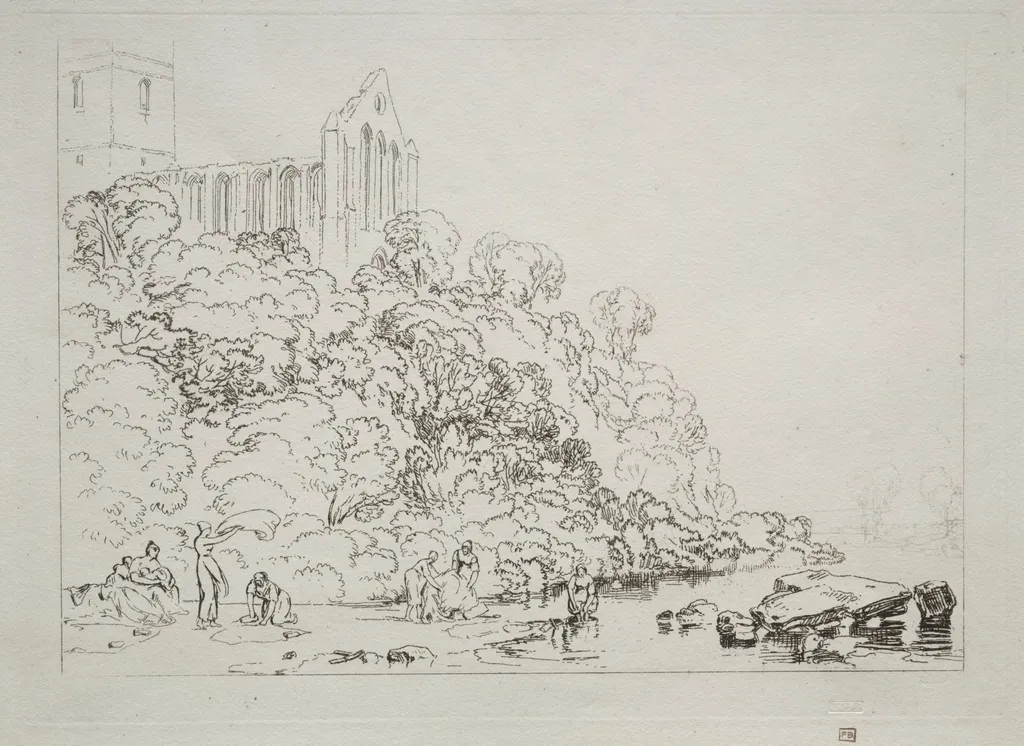
Liber Studiorum: Dumblain Abbey, Scotland is a print by Joseph Mallord William Turner. It dates from 1823 and is held in the collection of the Cleveland Museum of Art.
About this work
Overview
Liber Studiorum: Dumblain Abbey, Scotland is a c. 1823 print by J. M. W. Turner, created as part of his Liber Studiorum series that examined a range of landscape types. The work presents a solitary Scottish abbey set against a stark, craggy horizon, exemplifying Turner’s interest in the interplay of architecture and natural scenery.
Subject & Meaning
The composition centers on the ruins of Dumblain Abbey, rendered within a rugged, windswept landscape. By juxtaposing the decaying structure with the surrounding wildness, Turner evokes themes of transience and the sublime power of nature over human constructs, inviting contemplation of history’s fragility.
Technique & Style
Executed in the print medium, the image employs Turner’s hallmark handling of light and atmospheric effects, using delicate washes and strong contrasts to suggest shifting weather and depth. The tonal range and dynamic line work anticipate later Impressionist concerns with fleeting visual impressions while remaining rooted in Romantic drama.
History & Provenance
Produced around 1823, the print was one of the later additions to the Liber Studiorum, a collection intended to illustrate the diversity of landscape subjects for potential patrons. Original impressions were distributed among collectors and institutions, and the work now resides in several major museum holdings.
Context
Turner’s Liber Studiorum was conceived as a visual counterpart to Claude Lorrain’s Liber Veritatis, offering a systematic survey of landscape genres. Within this framework, the Dumblain Abbey image represents the ‘historical’ or ‘architectural’ category, reflecting early 19th‑century British fascination with Celtic ruins and the romanticized Scottish Highlands.
Artist & collection
Artist
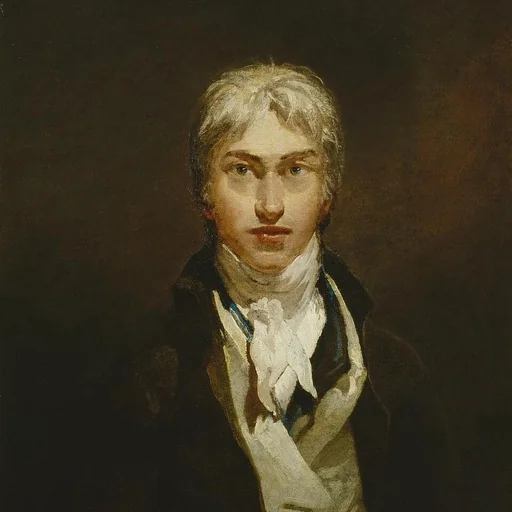
Joseph Mallord William Turner was born in 1775 at Maiden Lane, Covent Garden, where his father kept a barber and wig-making shop.

 Casa Garden, Macau
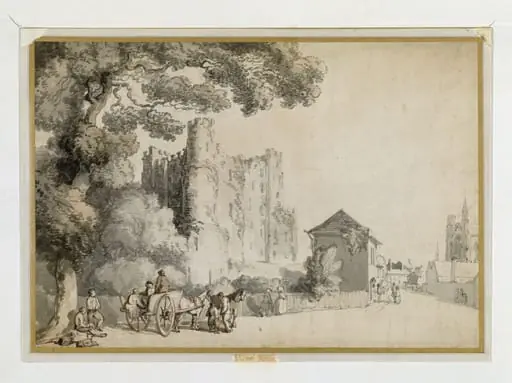 Boley Hill and Castle, Rochester, with the "Justice Tree"
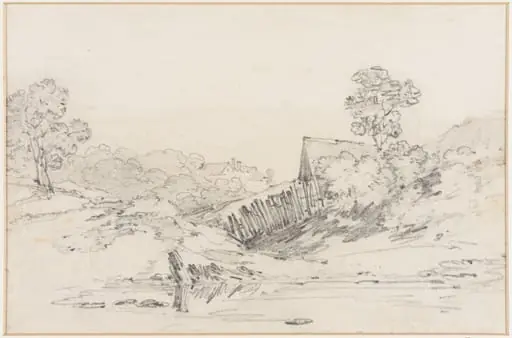 Cottage and landscape at Chirk, North Wales
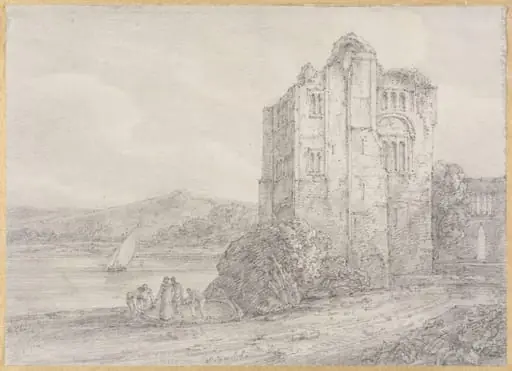 Newark Castle
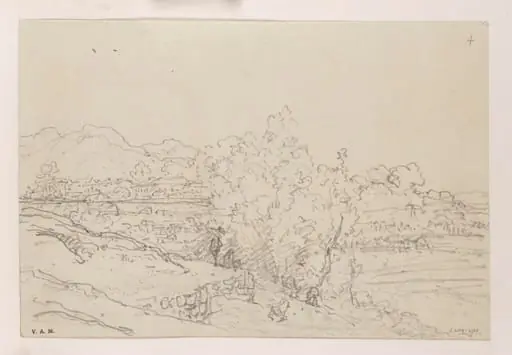 Fields and trees, with the city of Macau in the distance
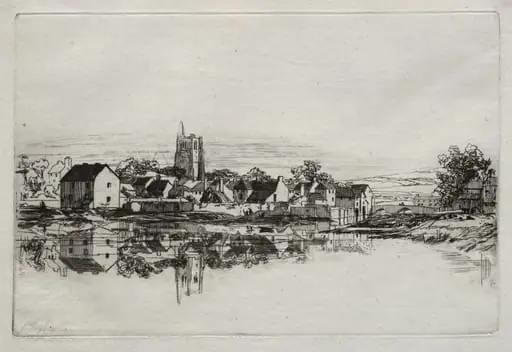 Kidwelly Town
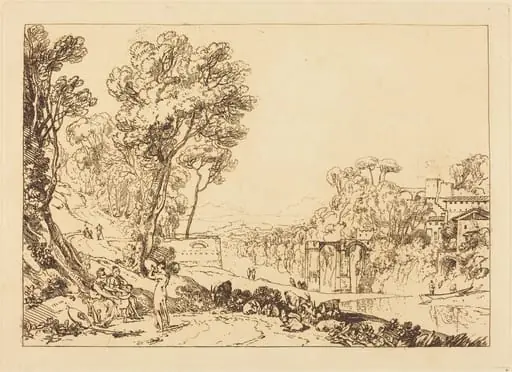 The Woman and Tambourine
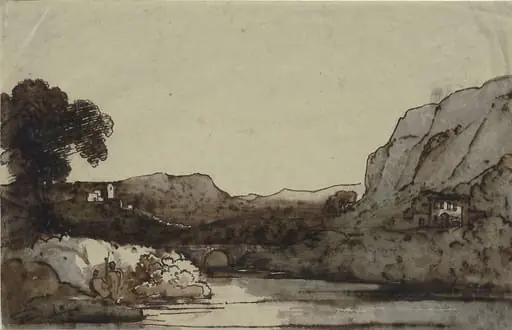 Landscape with Bridge and Mountains
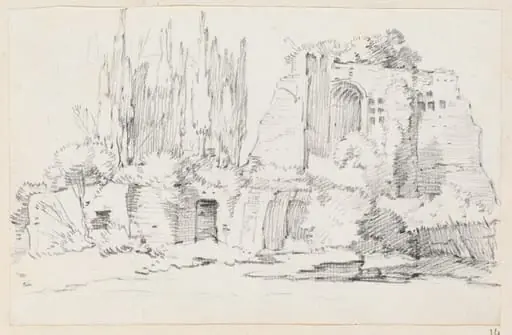 Roman Ruins with a Stand of Cypresses
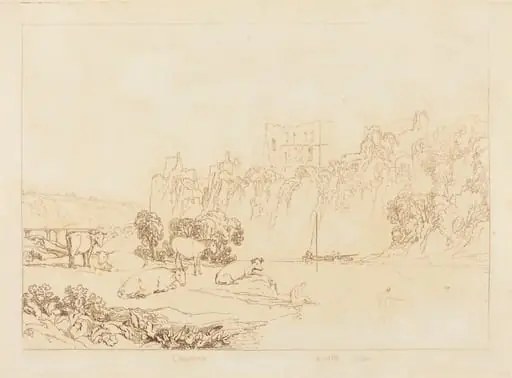 River Wye
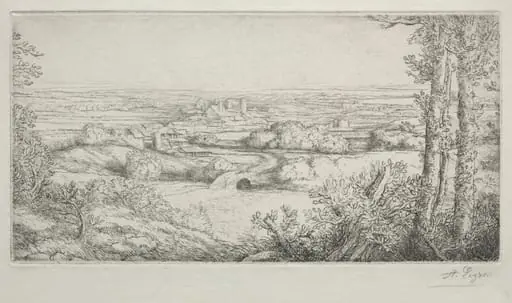 A Valley in Burgundy
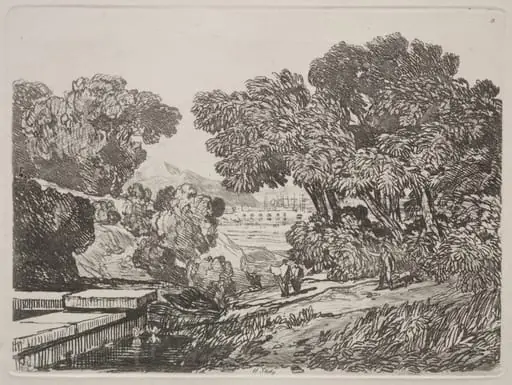 Liber Studiorum: A Study