Artwork
Blumenstück
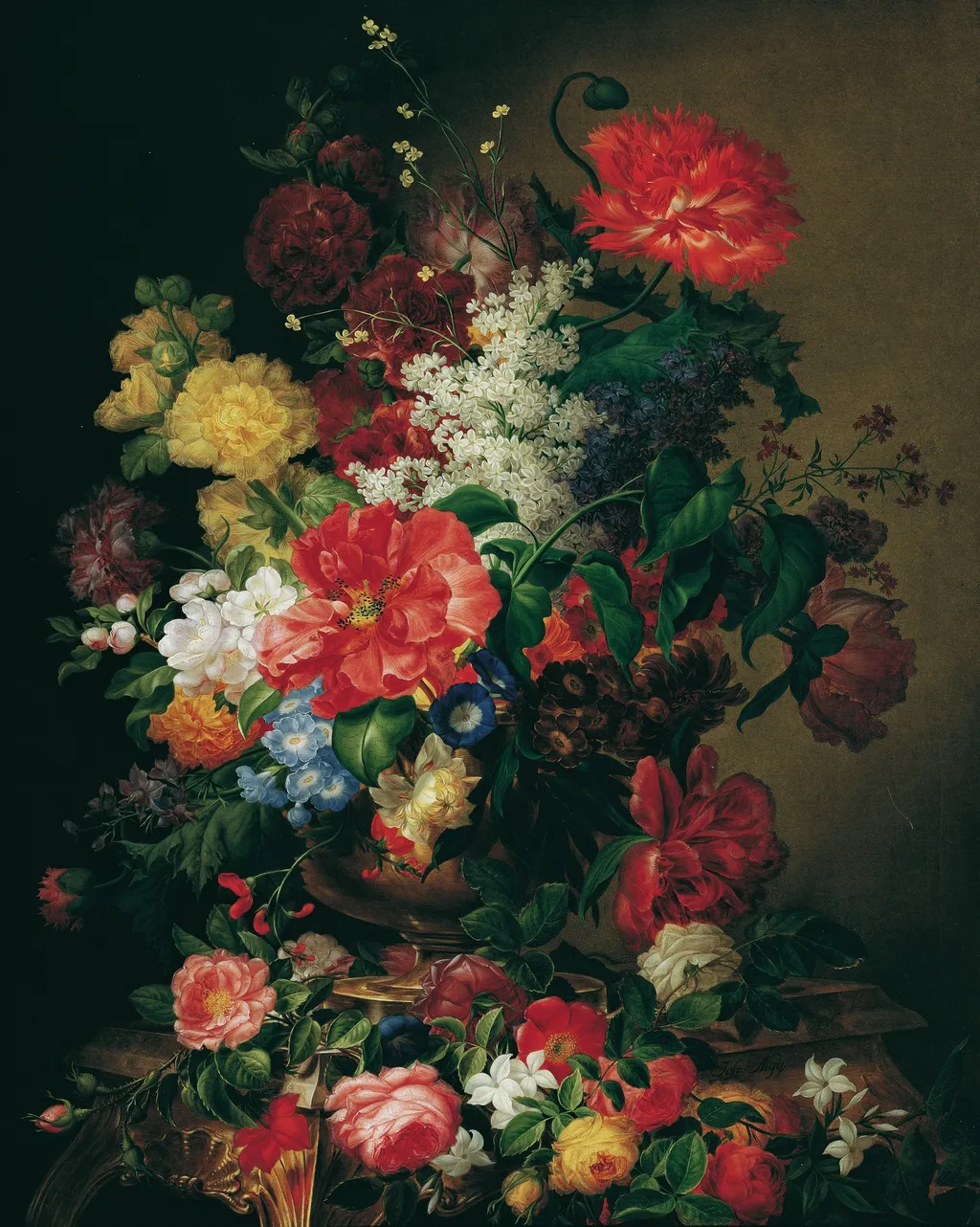
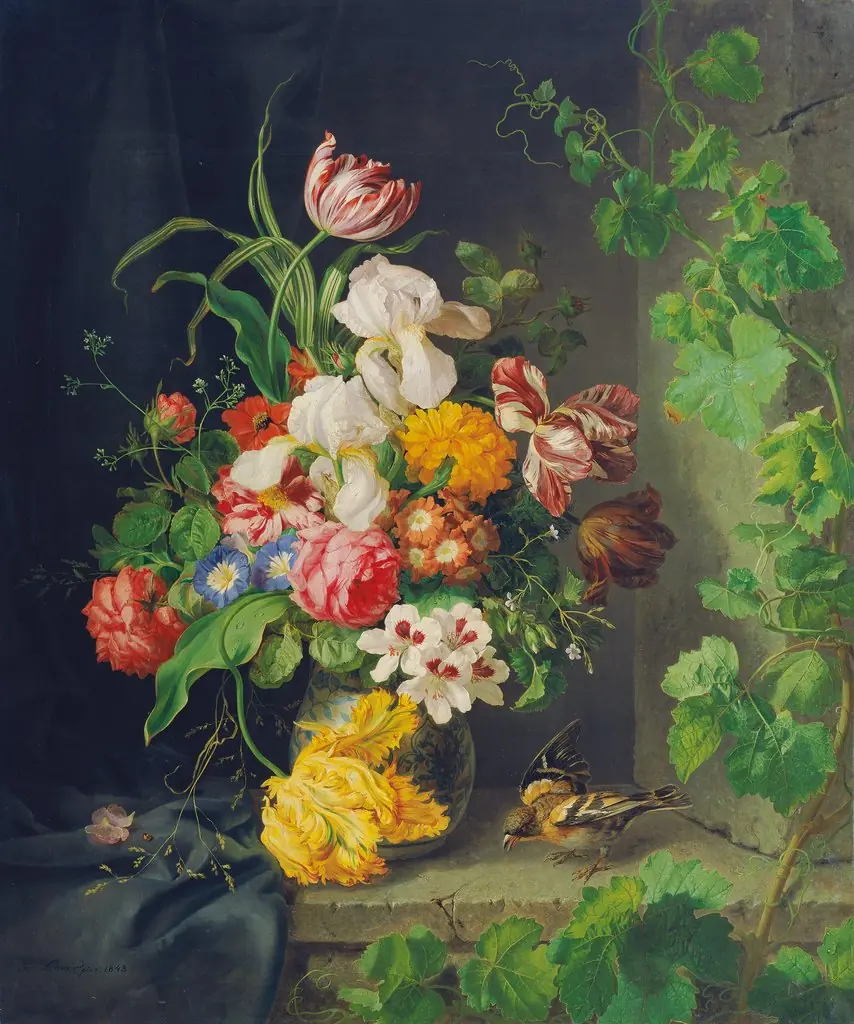
Blumenstück is an oil painting by the Biedermeier artist Joseph Nigg. It dates from 1835 and is held in the collection of the Kunsthistorisches Museum.
About this work
Overview
Blumenstück, executed in oil on canvas in 1835, presents a generous, loosely arranged bouquet that overflows from its vase. The composition features red, yellow and white roses, large white lilies, and interspersed blue blossoms, set against a deep brown backdrop that intensifies the vivid floral hues.
Subject & Meaning
The painting celebrates the domestic appeal of floral still lifes that flourished during the Biedermeier period. By gathering a variety of garden flowers, the work conveys a sense of abundance and the era’s affection for nature’s decorative potential within interior spaces.
Technique & Style
Nigg renders each petal and stem with meticulous attention, employing fine brushwork and subtle glazing to achieve a luminous surface. Light falls across the arrangement, creating highlights that suggest a three‑dimensional presence and a near‑photographic realism characteristic of early nineteenth‑century Austrian still‑life painting.
History & Provenance
Trained at the Academy of Fine Arts Vienna, Joseph Nigg spent over four decades (1800‑1843) as a flower painter for a Viennese porcelain manufactory, later instructing apprentices there. Blumenstück reflects his transition from decorative porcelain motifs to larger canvas works, aligning with the broader diffusion of floral imagery beyond the ceramic medium.
Context
During the Biedermeier era, middle‑class households favored modest, intimate artworks that suited private rooms. Floral subjects, popular on both porcelain and painted panels, met this demand, and Nigg’s work exemplifies how the decorative language of porcelain was adapted to the more expansive format of oil painting.
Own this work as a print
Artist & collection
Artist
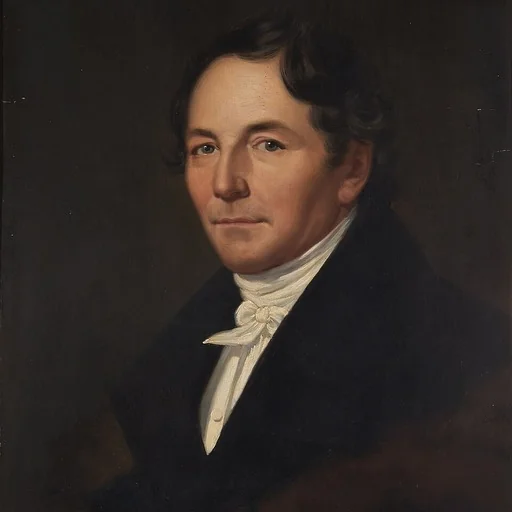
Joseph Nigg (13 October 1782 – 19 September 1863) was an Austrian painter, with painting on porcelain a specialty.

 Flower still life
 Blumenstück
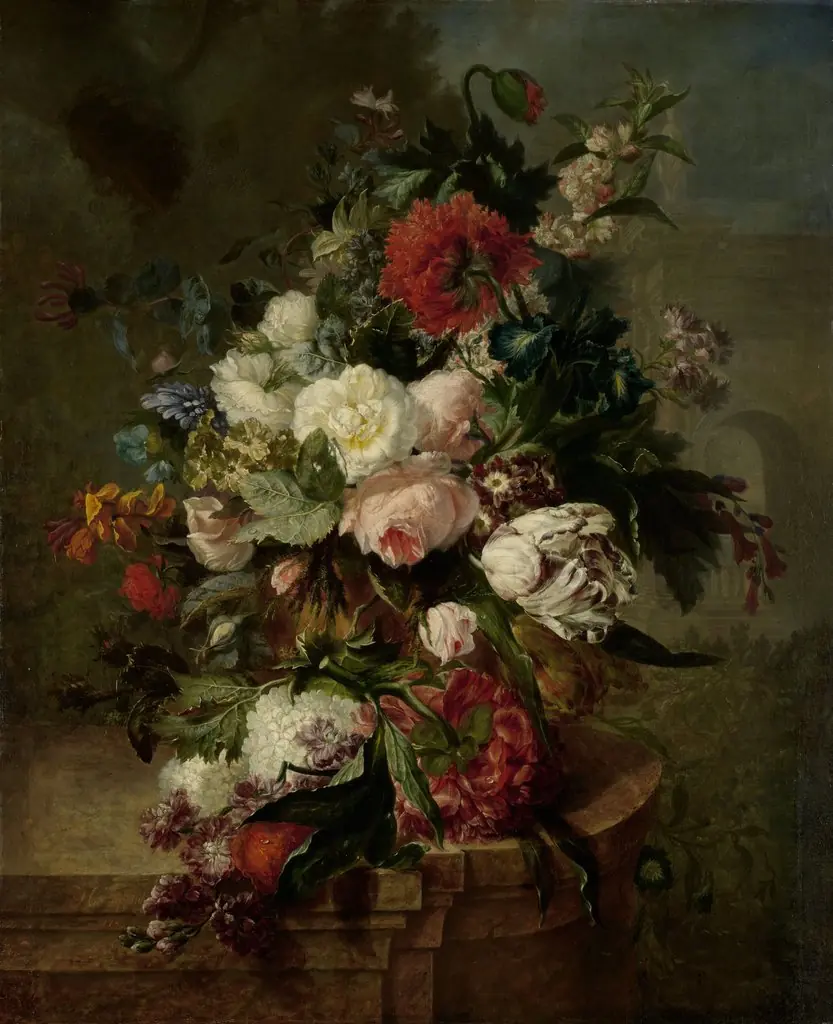 Still Life with Flowers
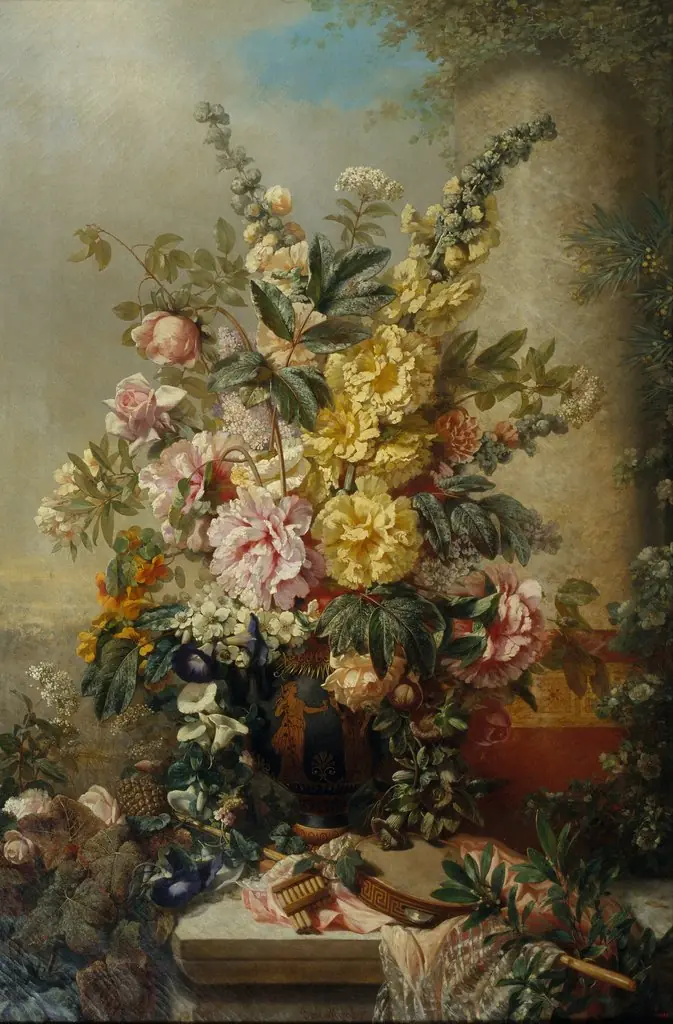 Large Vase with Flowers
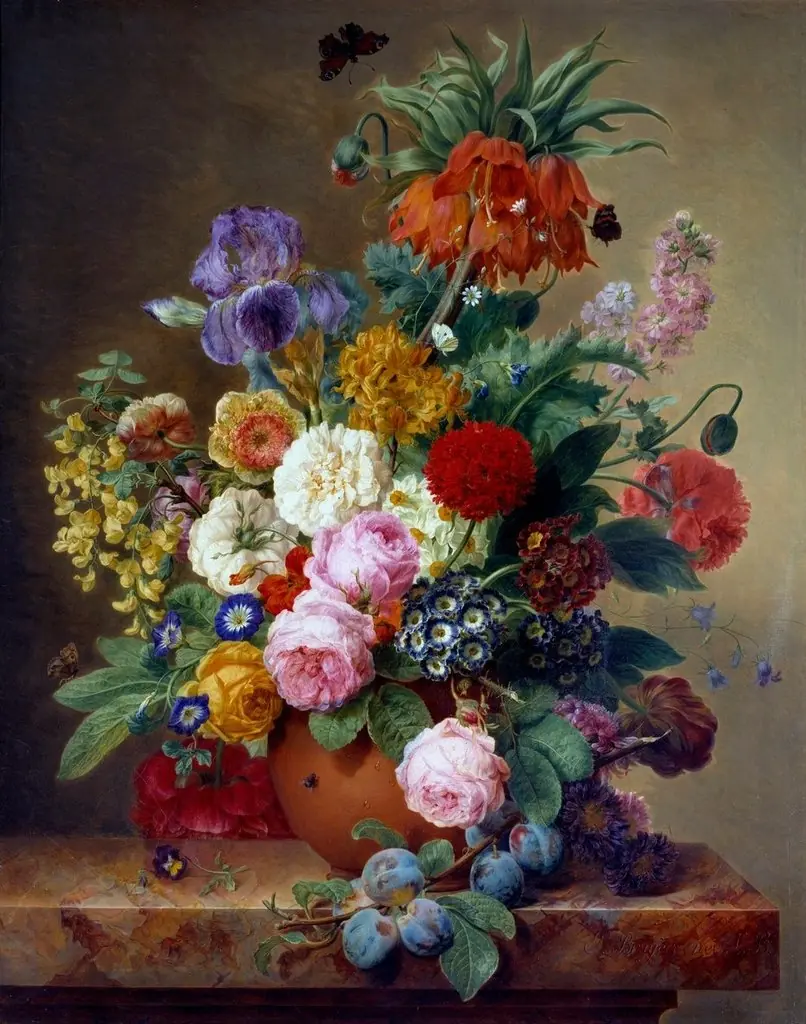 Fleurs dans un vase et branche de prunier sur une tablette de marbre
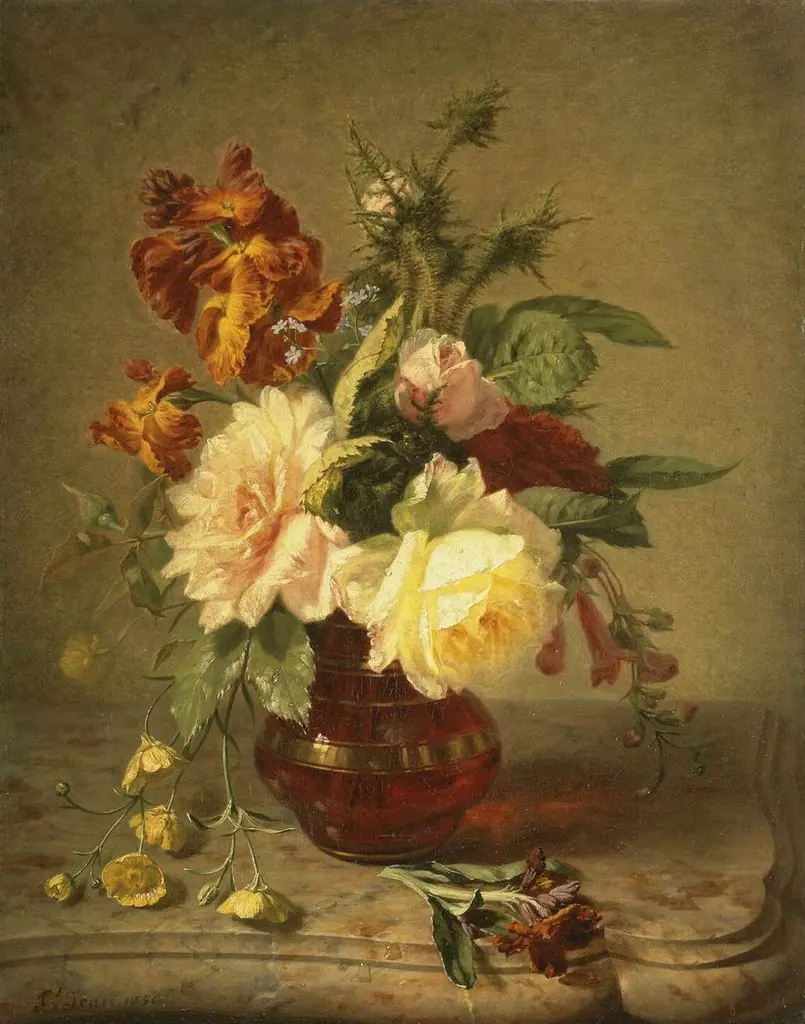 Flowers
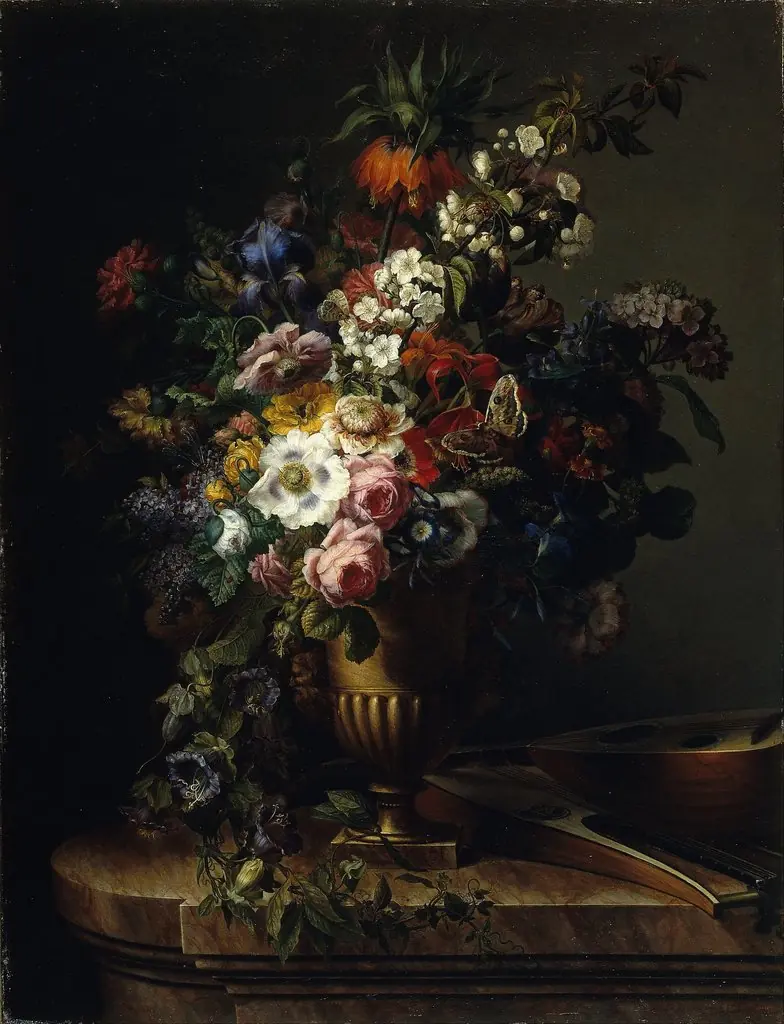 Vase with Flowers
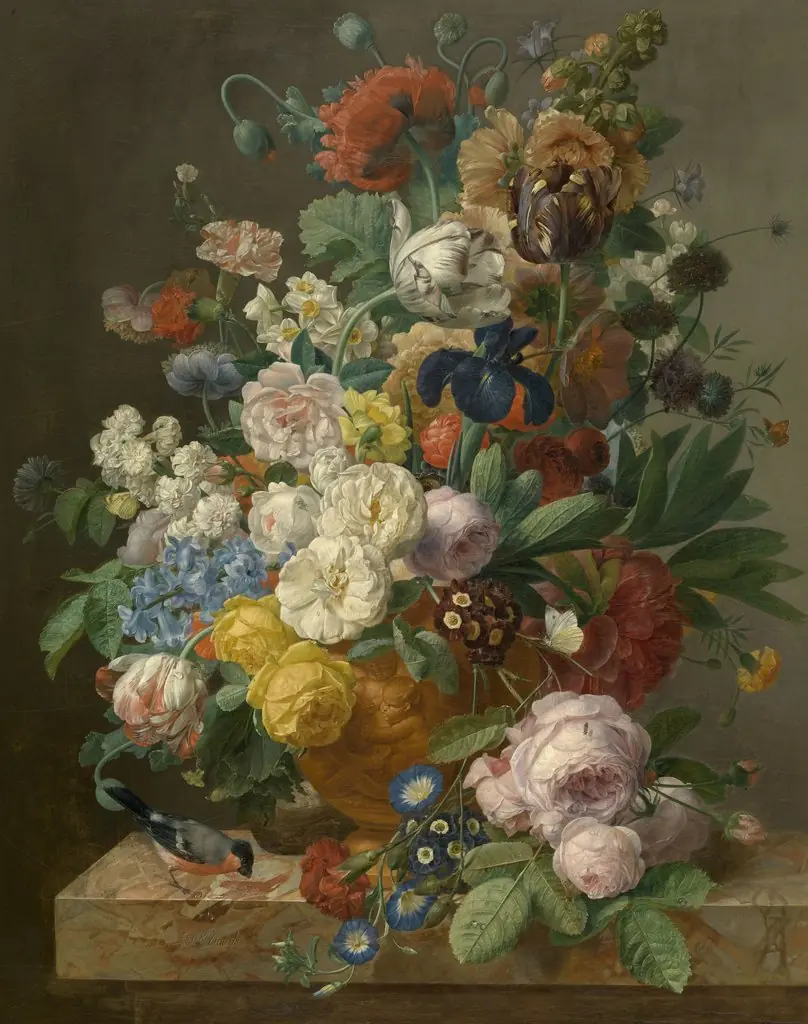 Bouquet of Flowers in a Sculpted Vase
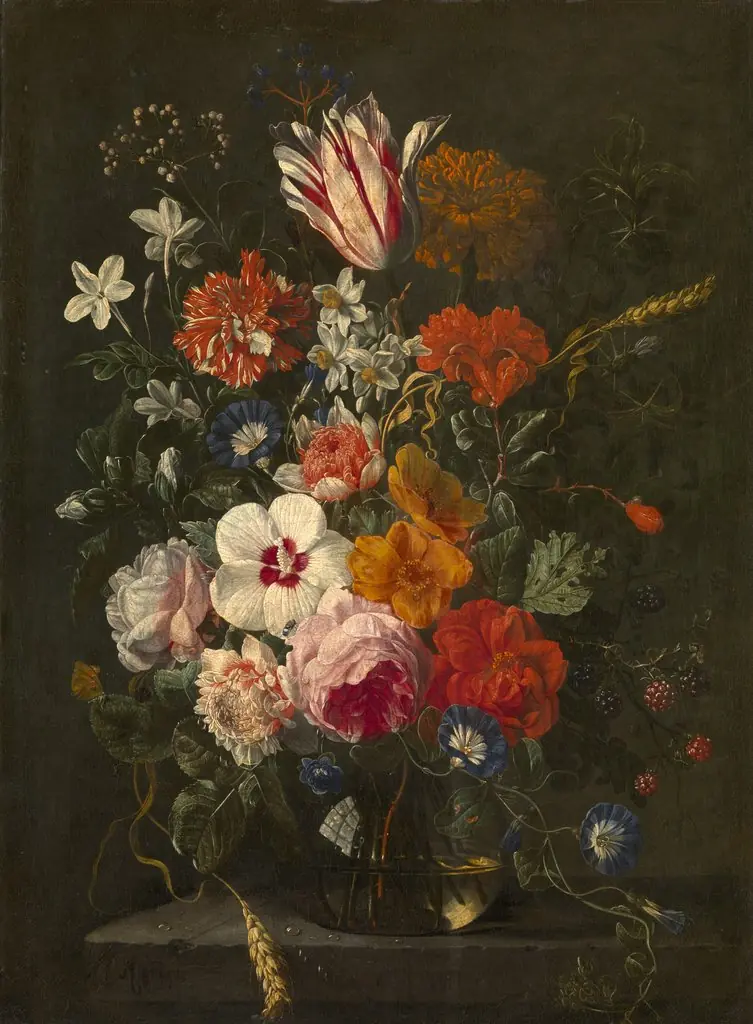 Flowers and a branch of berries in a glass vase on a stone ledge
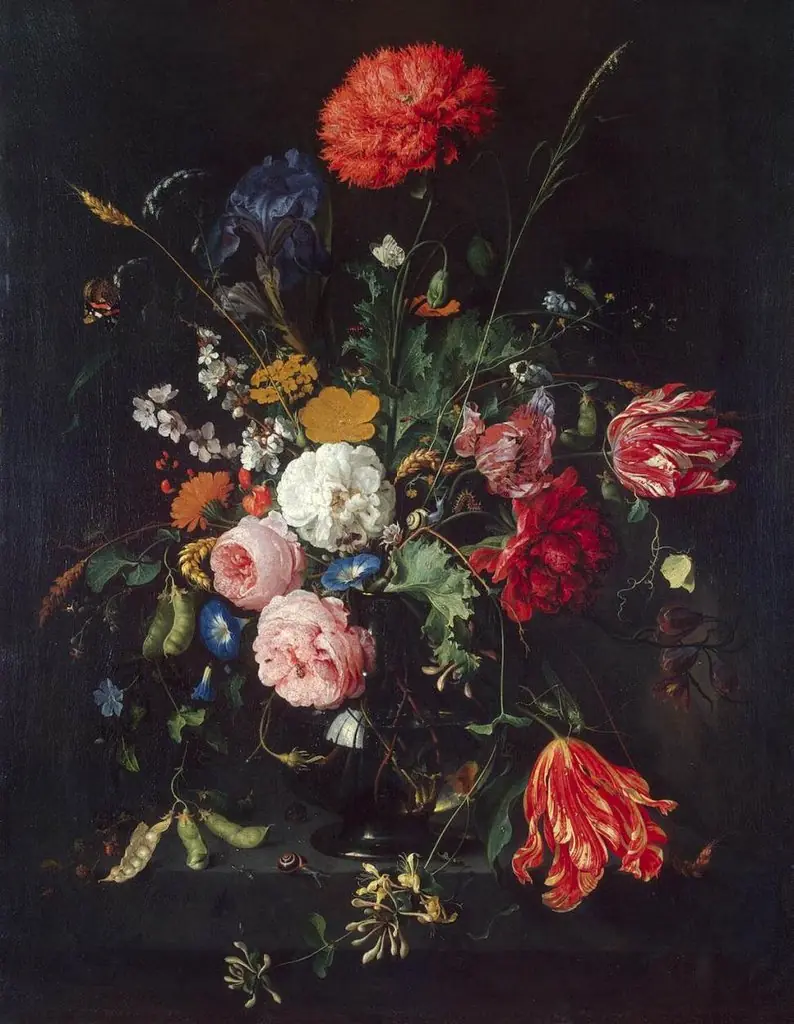 Flowers in a Vase
 Still life with flowers, sparrow and vine branch
 Still Life with Flowers