Artwork
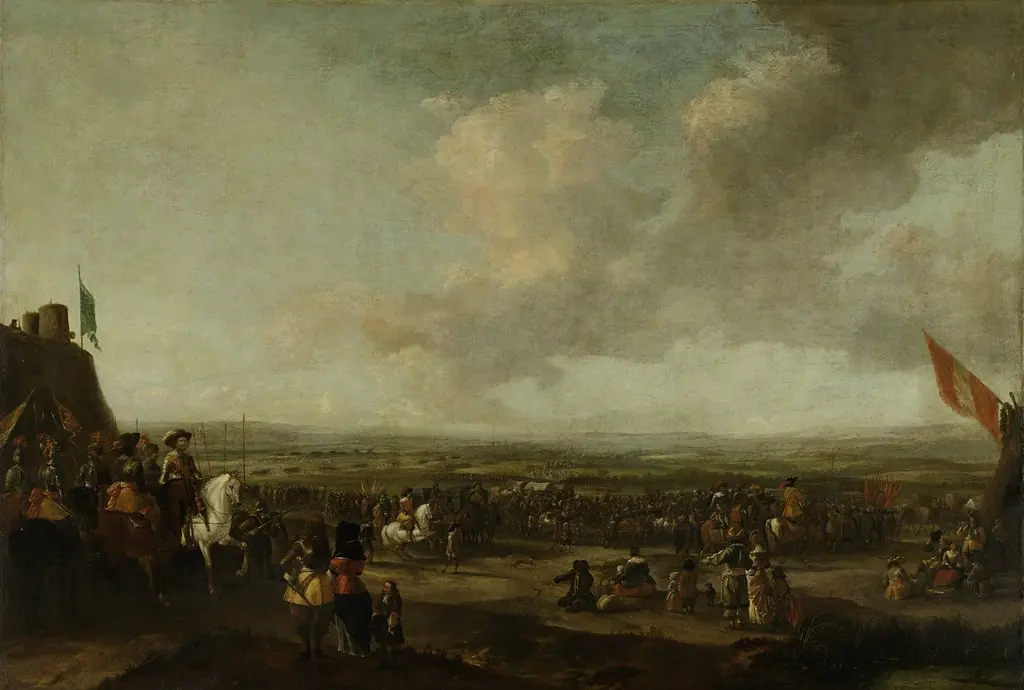
Pferderennen bei Nymphenburg
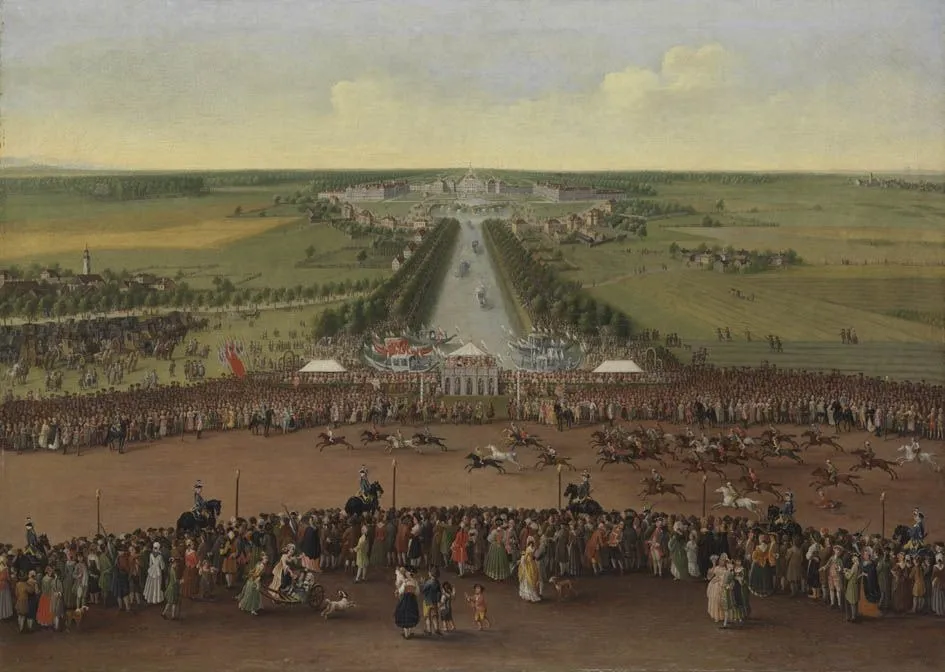
Pferderennen bei Nymphenburg is an unspecified painting by Joseph Stephan. It is held in the collection of the Bavarian State Painting Collections.
About this work
Overview
Painted in 1800 by Joseph Stephan, this work depicts a horse race taking place near Nymphenburg Palace in Munich. The scene captures a public equestrian event with numerous figures and animals engaged in motion. It is part of the collection at the Alte Pinakothek, where it remains one of the few documented paintings by Stephan that records contemporary social life in early 19th-century Bavaria.
Subject & Meaning
The painting portrays a leisurely equestrian competition among nobility and court attendees, likely tied to seasonal festivities at the palace. The gathering reflects the cultural importance of horsemanship in aristocratic circles. Rather than emphasizing competition, the scene conveys social ritual—observation, dress, and communal presence are as significant as the race itself.
Technique & Style
Stephan employs a detailed, observational approach, rendering individual figures with subtle variations in posture and attire. The palette is restrained, dominated by earthy greens, browns, and muted grays, which unify the composition and temper the energy of the scene. Brushwork is precise but not flamboyant, favoring clarity over dramatic effect.
History & Provenance
The painting entered the Alte Pinakothek’s collection in the 19th century, likely acquired during a period of systematic expansion of Bavarian art holdings. Its attribution to Joseph Stephan, a lesser-known court painter, suggests it was valued for its documentary quality rather than artistic innovation. No significant changes in ownership are recorded after its acquisition by the state.
Context
Stephan’s painting aligns with a broader trend of documenting aristocratic pastimes in the wake of Enlightenment-era interest in observable society.
In early 1800s Bavaria, equestrian events at royal residences served both entertainment and political functions, reinforcing social hierarchies. Nymphenburg Palace, a summer residence of the Wittelsbach rulers, hosted such gatherings as expressions of courtly life. Stephan’s painting aligns with a broader trend of documenting aristocratic pastimes in the wake of Enlightenment-era interest in observable society.
Legacy
Though Joseph Stephan did not achieve widespread fame, this work endures as a quiet record of aristocratic recreation in post-Enlightenment Germany. It contributes to the historical understanding of how public spectacle was staged and perceived among the nobility. The painting remains a reference point for studies of regional court culture rather than artistic movements.
Artist & collection

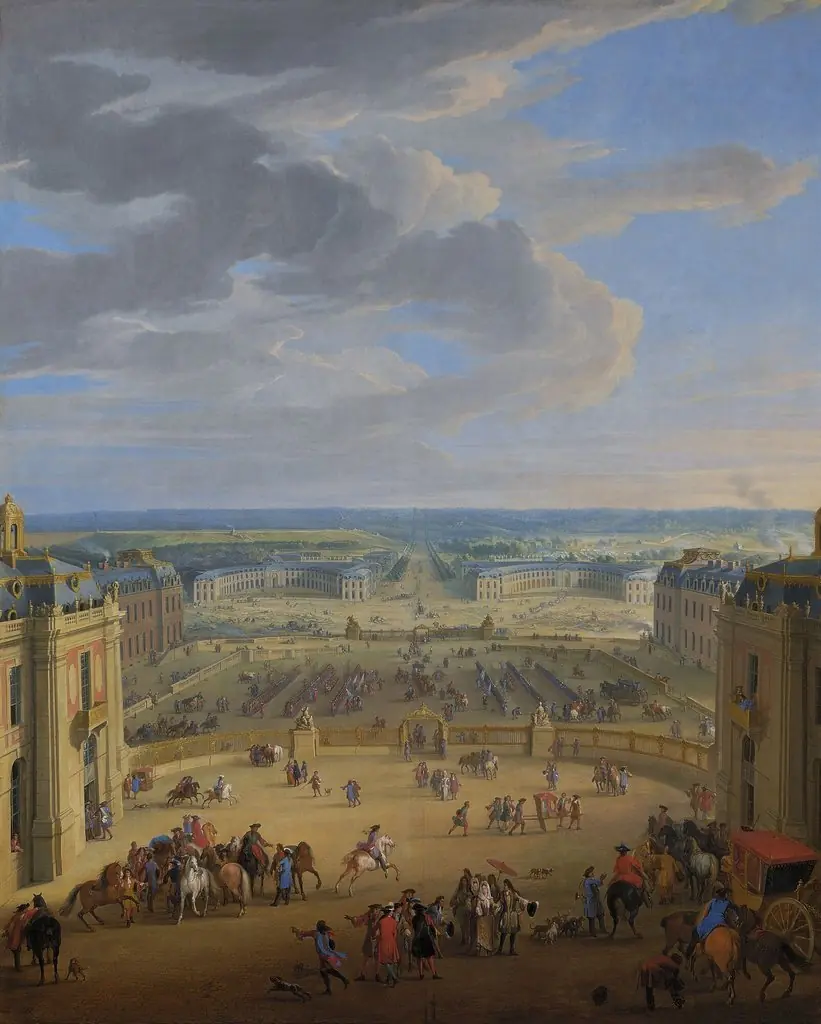 The Stables Viewed from the Château at Versailles
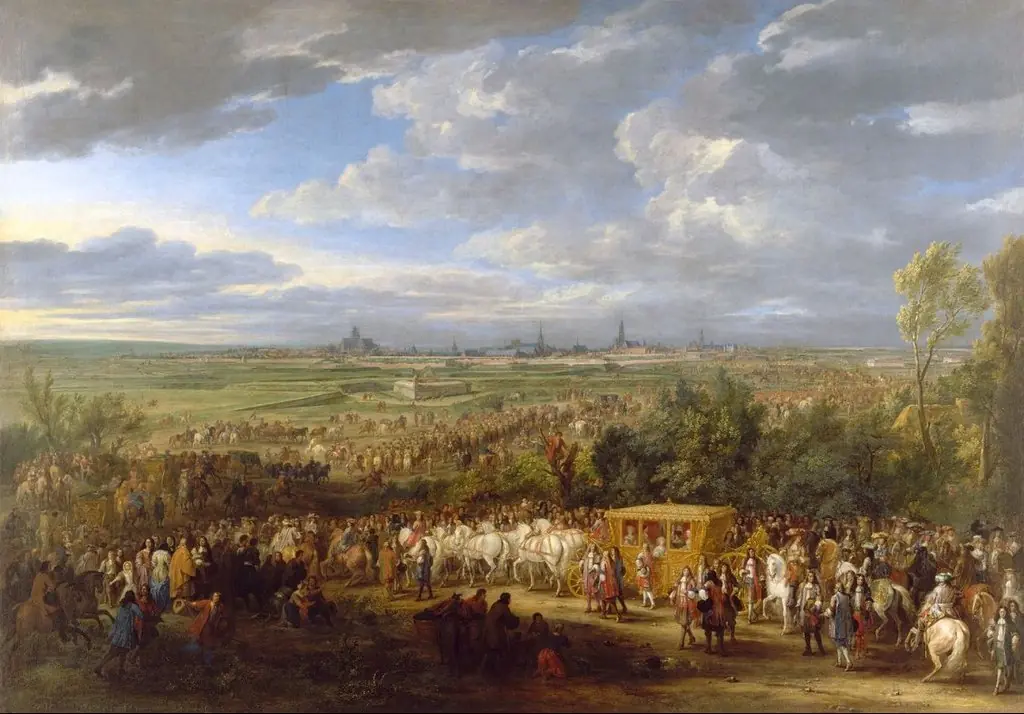 Entry into Arras of Louis XIV and Marie-Thérèse
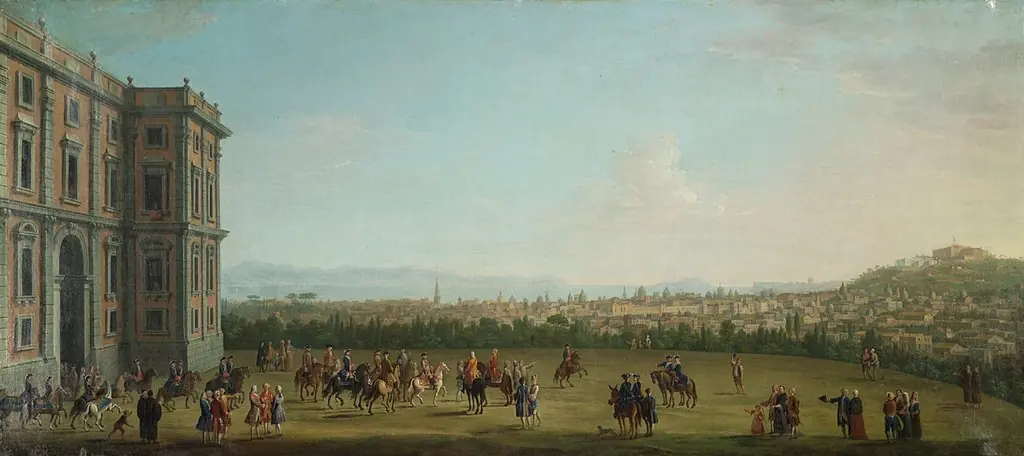 Ansicht von Neapel vom Palazzo di Capodimonte (Im Vordergrund Ferdinand IV. als Kind mit Gefolge beim Ausritt)
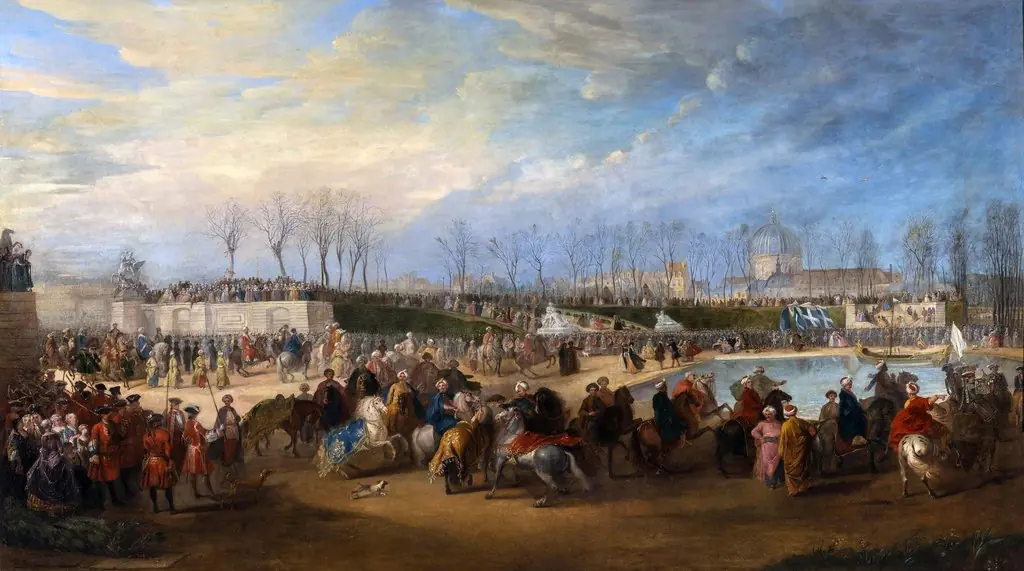 Mehemet Effendi, ambassadeur turc arrive aux Tuileries, 21 mars 1721
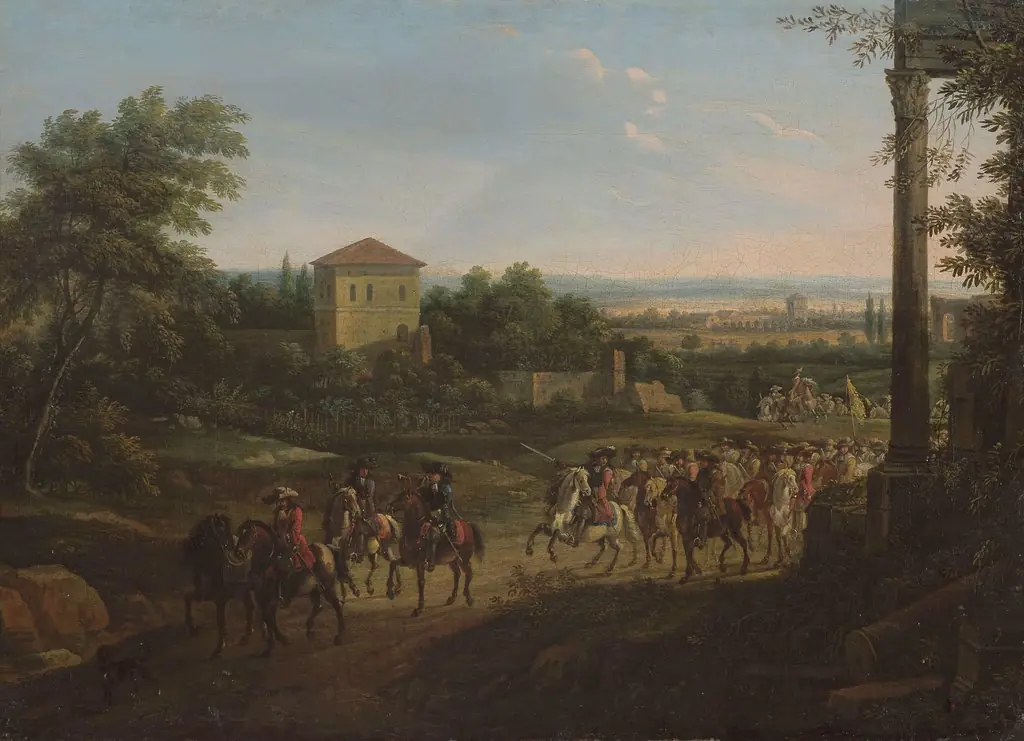 Landschaft mit Reitern
 View of Paris seen from the Place Dauphine
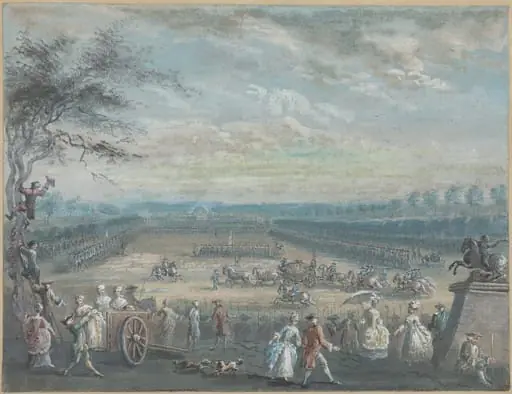 A Review on the Champs de Mars
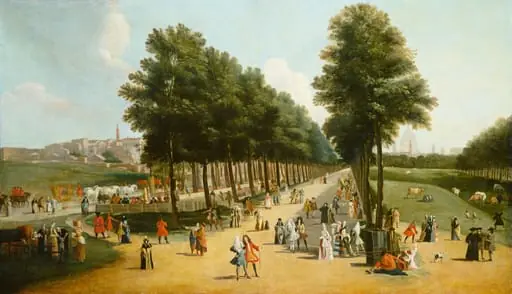 View of the Mall in Saint James's Park
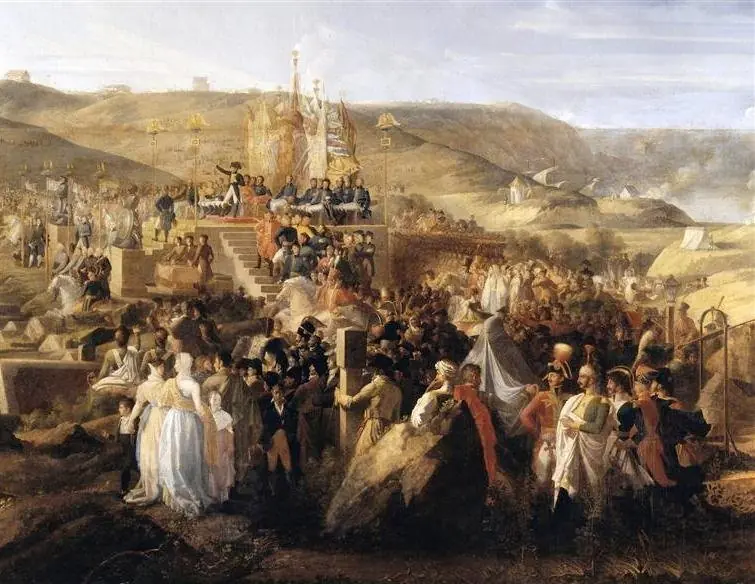 Napoleon I, at the Boulogne camp, distributes the crosses of the Legion of Honor, August 16, 1804
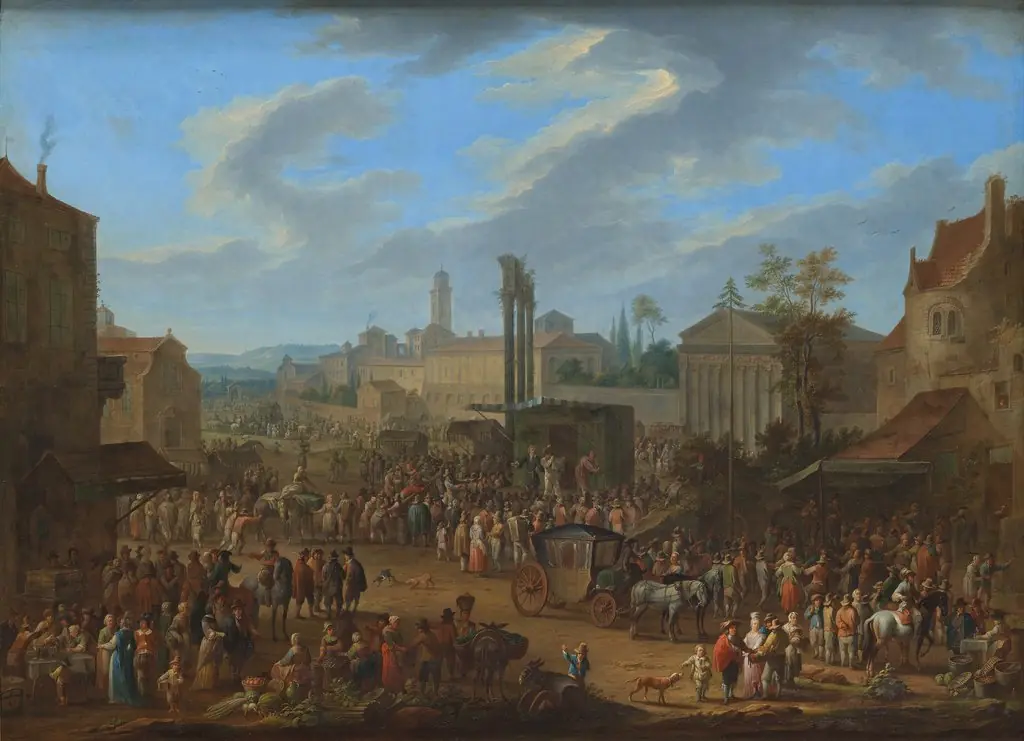 Market with temple and maypole
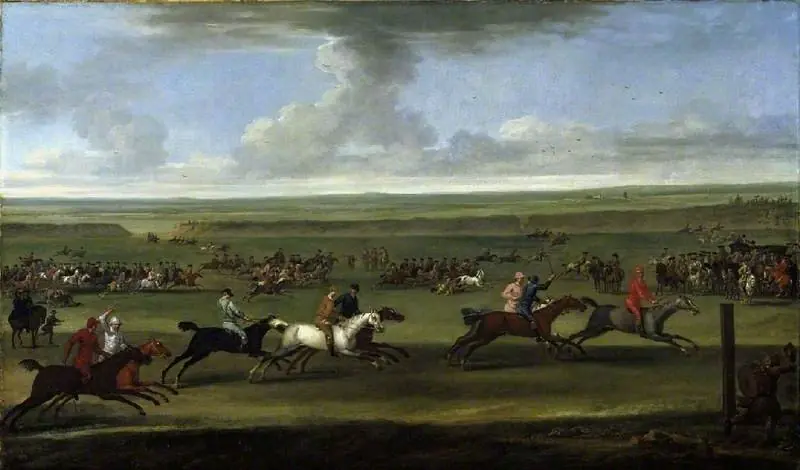 A race on the Round Course at Newmarket
 Frederik Hendrik at the surrender of Maastricht, 22 August 1632