Artwork
Ansicht von Neapel vom Palazzo di Capodimonte (Im Vordergrund Ferdinand IV. als Kind mit Gefolge beim Ausritt)
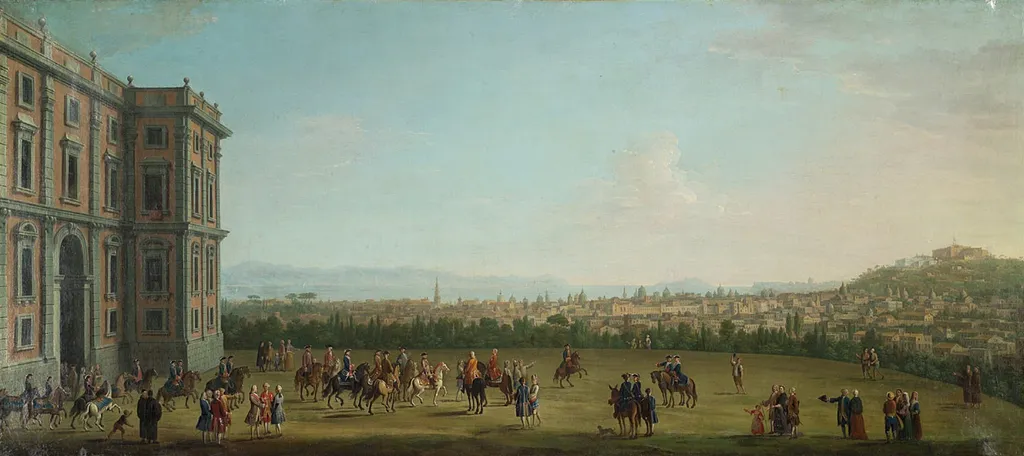
Ansicht von Neapel vom Palazzo di Capodimonte (Im Vordergrund Ferdinand IV. als Kind mit Gefolge beim Ausritt) is an unspecified painting by Antonio Joli. It is held in the collection of the Kunsthistorisches Museum. The work titled *Ansicht von Neapel vom Palazzo di Capodimonte* portrays a panoramic view from the Capodimonte palace toward Naples.
About this work
Overview
The work titled *Ansicht von Neapel vom Palazzo di Capodimonte* portrays a panoramic view from the Capodimonte palace toward Naples.
The work titled *Ansicht von Neapel vom Palazzo di Capodimonte* portrays a panoramic view from the Capodimonte palace toward Naples. In the foreground a youthful Ferdinand IV is depicted on horseback, surrounded by attendants and dogs, while a bustling procession of riders and pedestrians occupies a broad, sunlit field. Distant city silhouettes and classical architecture frame the scene beneath a clear, lightly clouded sky.
Subject & Meaning
The composition centers on the young heir, Ferdinand IV, presented in a ceremonial ride that underscores his future authority. The inclusion of courtiers, mounted figures, and domestic animals conveys a sense of regal pageantry and the everyday life of the Neapolitan court, reflecting the political stability and cultural prestige of the Bourbon dynasty during the mid‑18th century.
Technique & Style
Executed in oil on canvas, the painter employs a balanced chiaroscuro to model the figures and landscape, allowing light to cascade across the foreground while deepening shadows in the background. The handling of atmospheric perspective—lighter tones and reduced detail in the distant city—creates depth, while the precise rendering of architectural elements reveals a classical influence typical of the period’s academic tradition.
History & Provenance
The painting originated in the royal collection of the Kingdom of Naples, likely commissioned to commemorate Ferdinand IV’s early years. It remained within the Bourbon holdings before entering the public domain during the 19th‑century reorganization of the Capodimonte Museum’s holdings, where it is now part of the museum’s permanent display of courtly portraiture.
Context
Created at a time when Naples asserted its status as a cultural hub, the work reflects the city’s urban expansion and the patronage of the Bourbon court. The depiction of the Capodimonte palace and the surrounding landscape aligns with contemporary interests in topographical painting, merging portraiture with a celebration of the surrounding environment.
Legacy
While not as widely reproduced as other royal portraits, the canvas serves as a visual record of Neapolitan court life and urban development in the 1700s. Scholars cite it for insights into the early representation of Ferdinand IV and for its illustration of the interplay between aristocratic ceremony and the natural landscape surrounding the capital.
Artist & collection
Artist
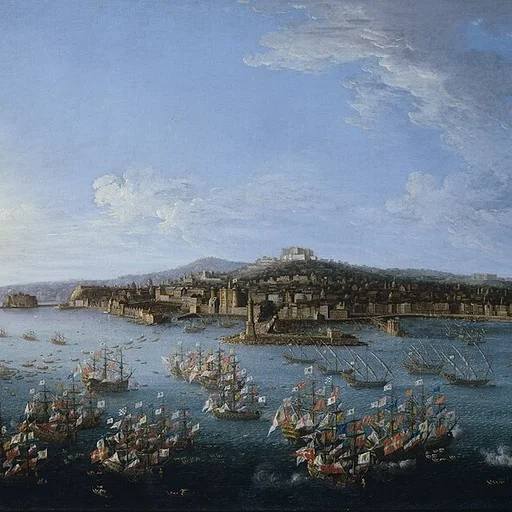
Antonio Francesco Lodovico Joli was born in Modena in 1700 and trained first under the perspective painter Raffaello Rinaldi before moving to Rome, where he studied with Giovanni Paolo Panini and absorbed the tradition of idealized…

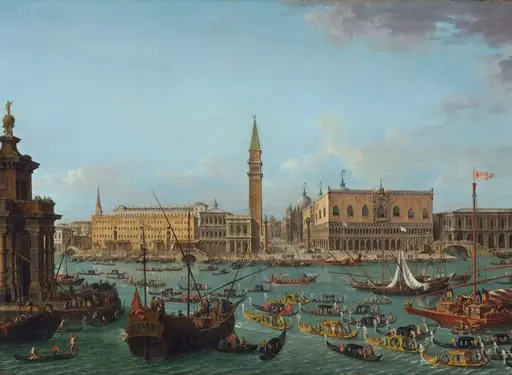 Procession of Gondolas in the Bacino di San Marco, Venice
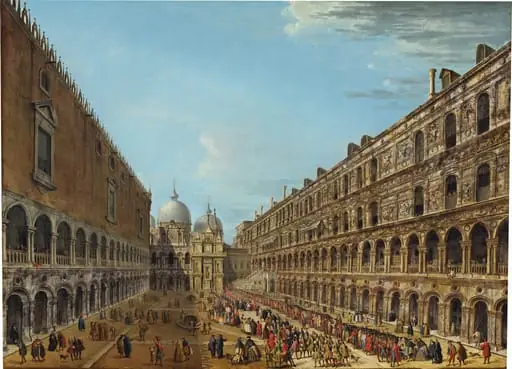 Procession in the Courtyard of the Ducal Palace, Venice
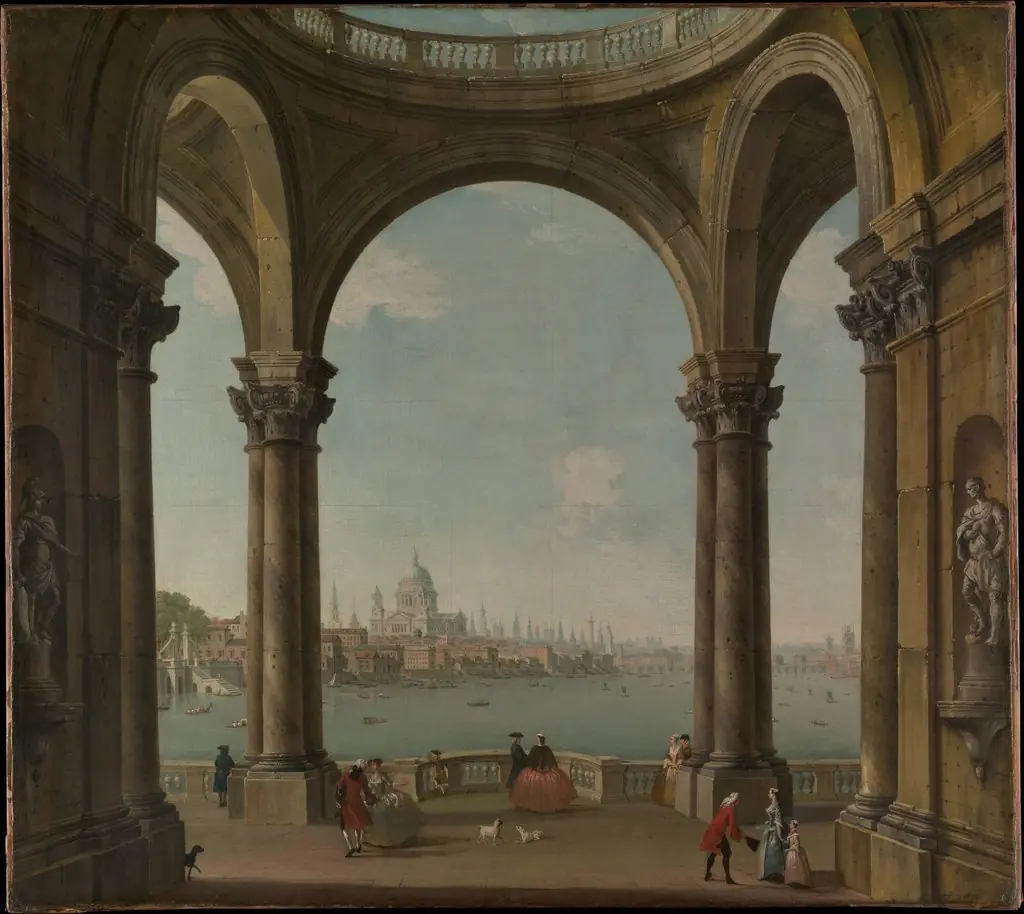 Capriccio with St. Paul's and Old London Bridge
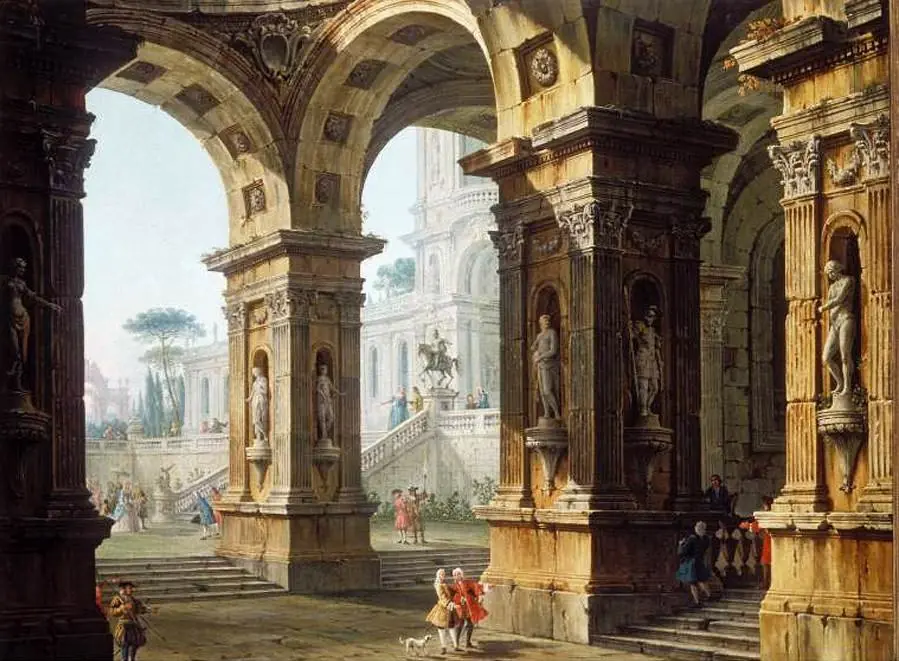 Capriccio with Elegant Figures
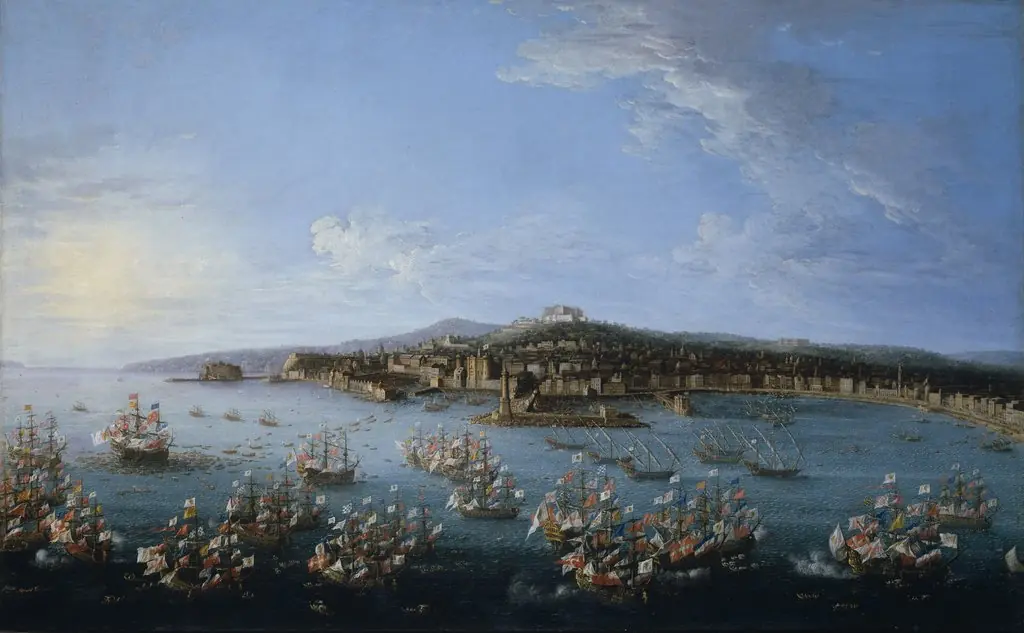 Carlos III leaving the Port of Naples, as Seen from the Sea
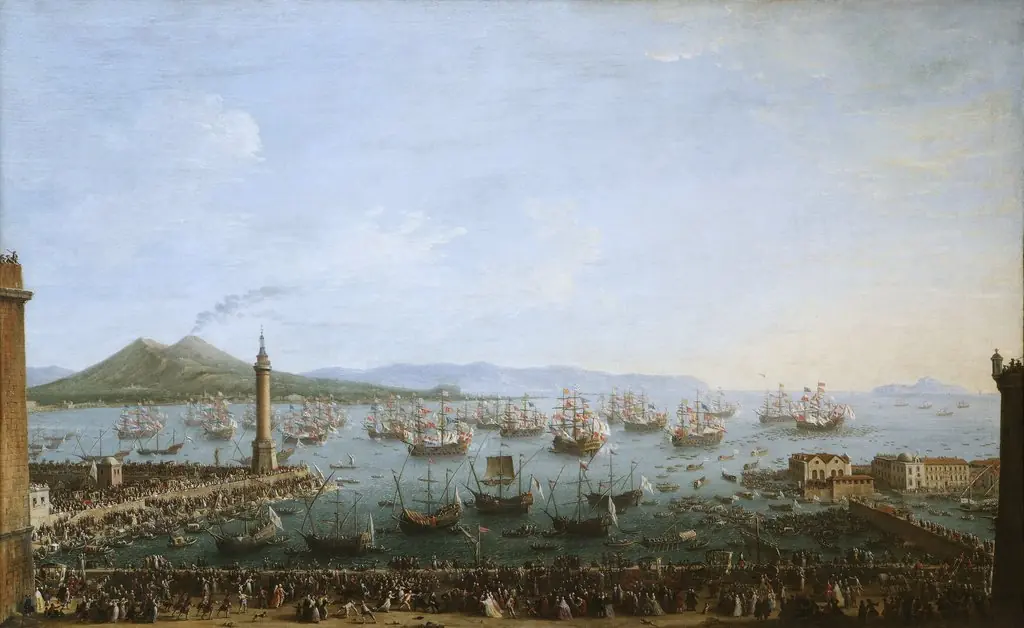 Carlos III leaving the Port of Naples, as Seen from the Land
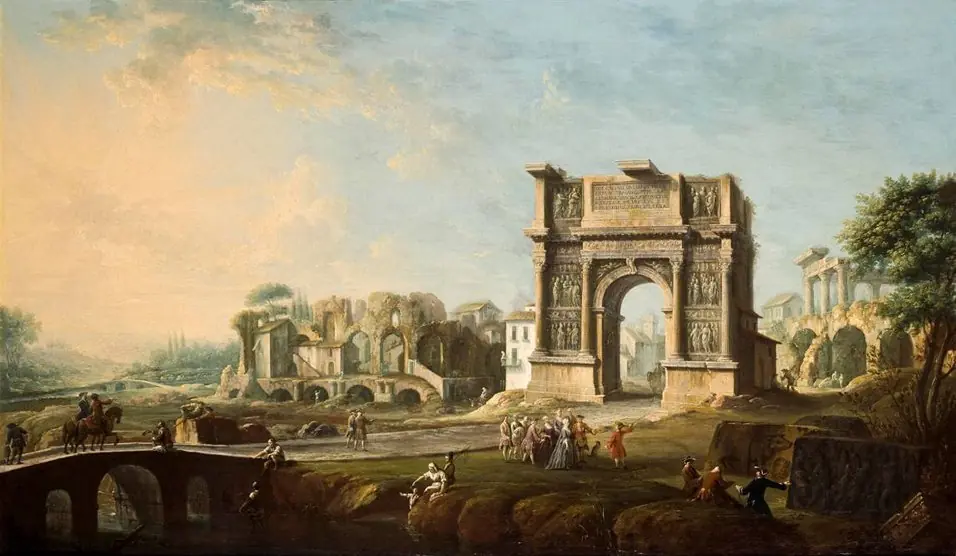 The Arch of Trajan at Benevento
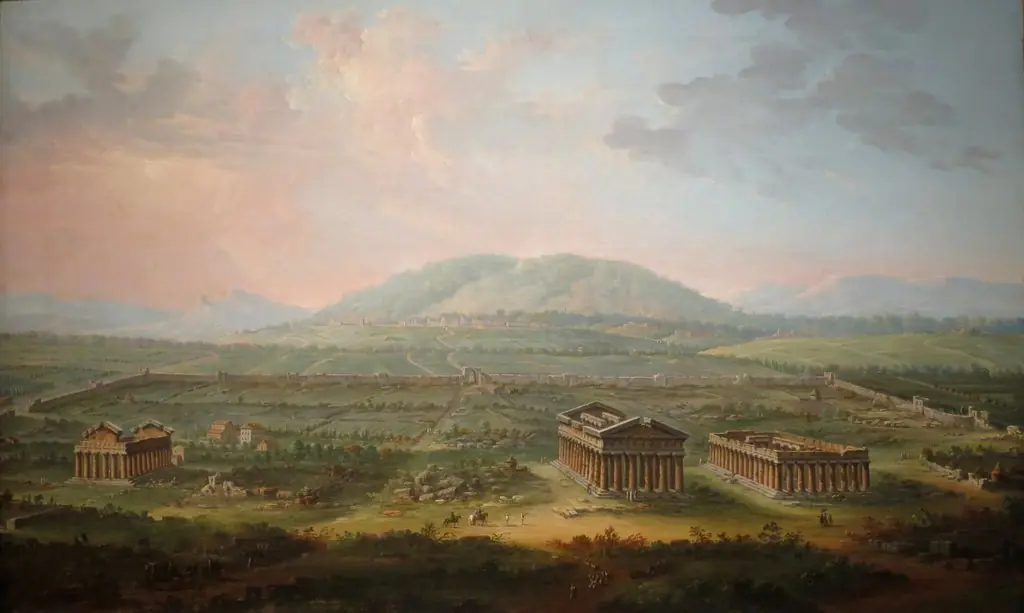 A View of Paestum
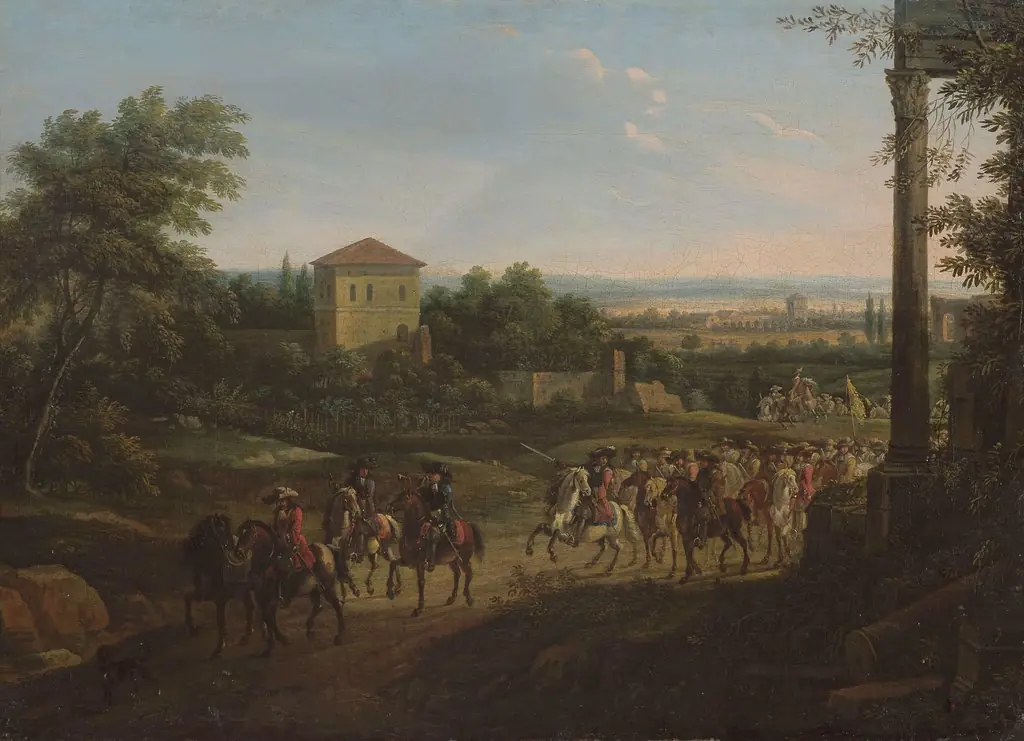 Landschaft mit Reitern
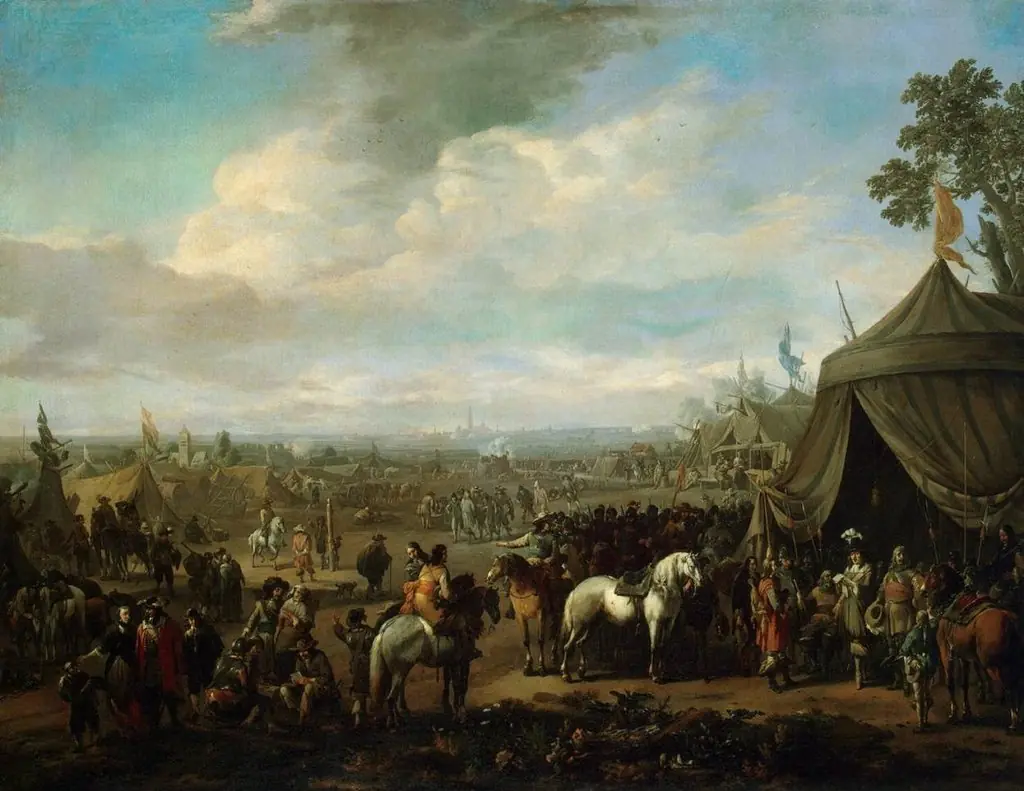 Flemish Town Sieged by the Spanish Soldiers
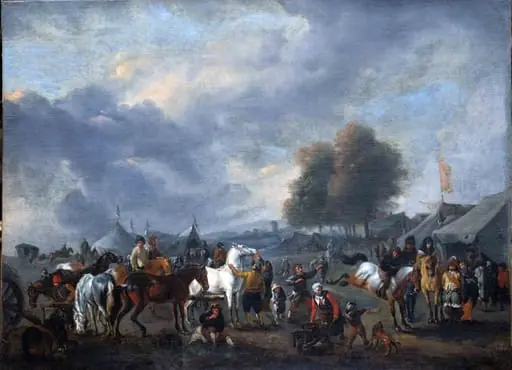 Târgul de cai
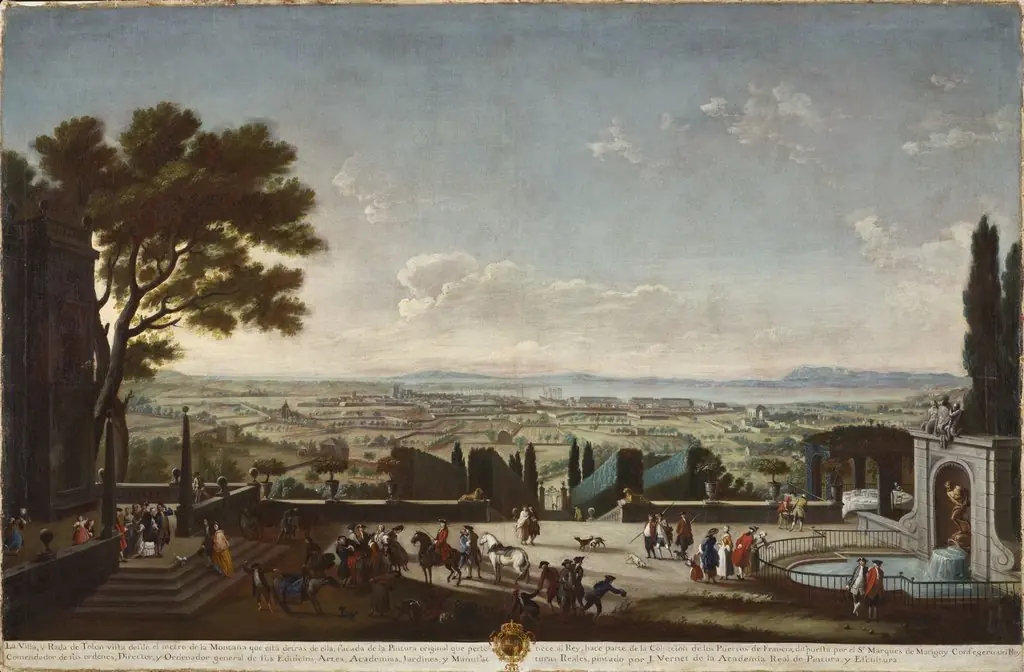 View of the Town and Harbor of Toulon (La villa y rada de Tolón)
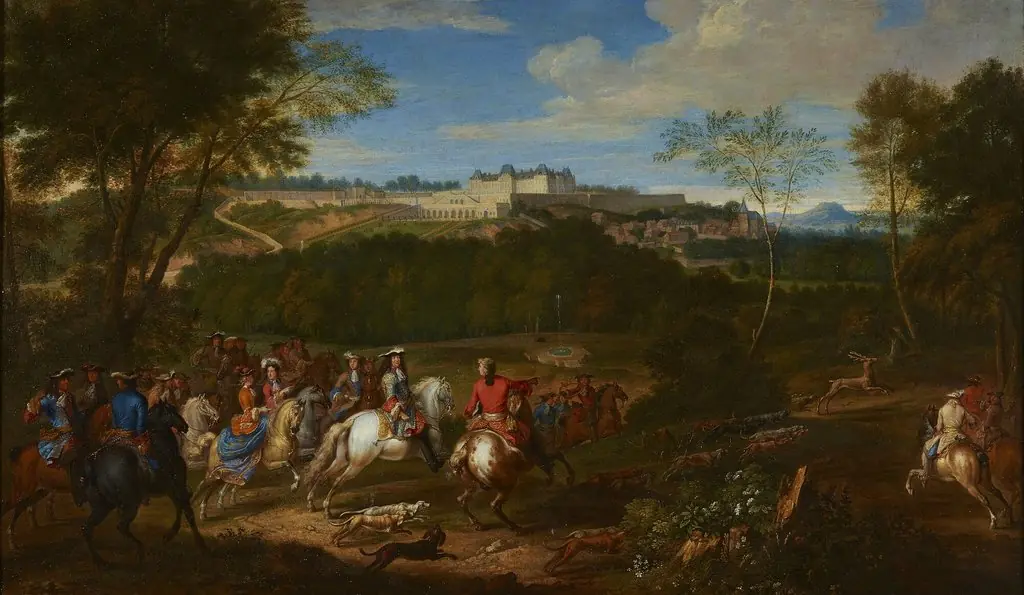 Louis XIV and his Court hunting in view of the castle of Meudon.
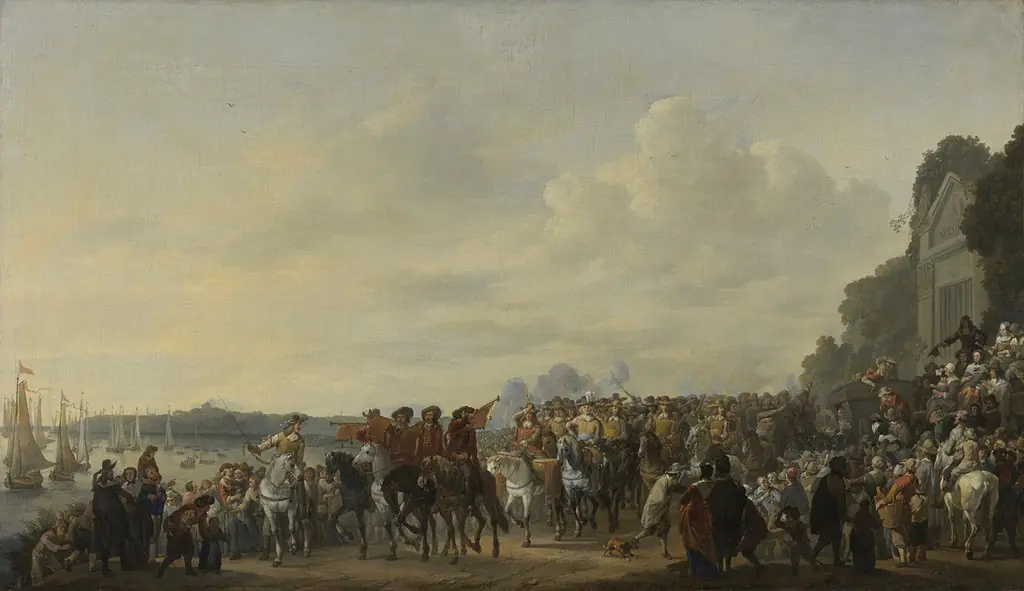 Charles II (1630-1685) stopping at the Estate of Wema on the Rotte on his Journey from Rotterdam to The Hague, 25 May 1660
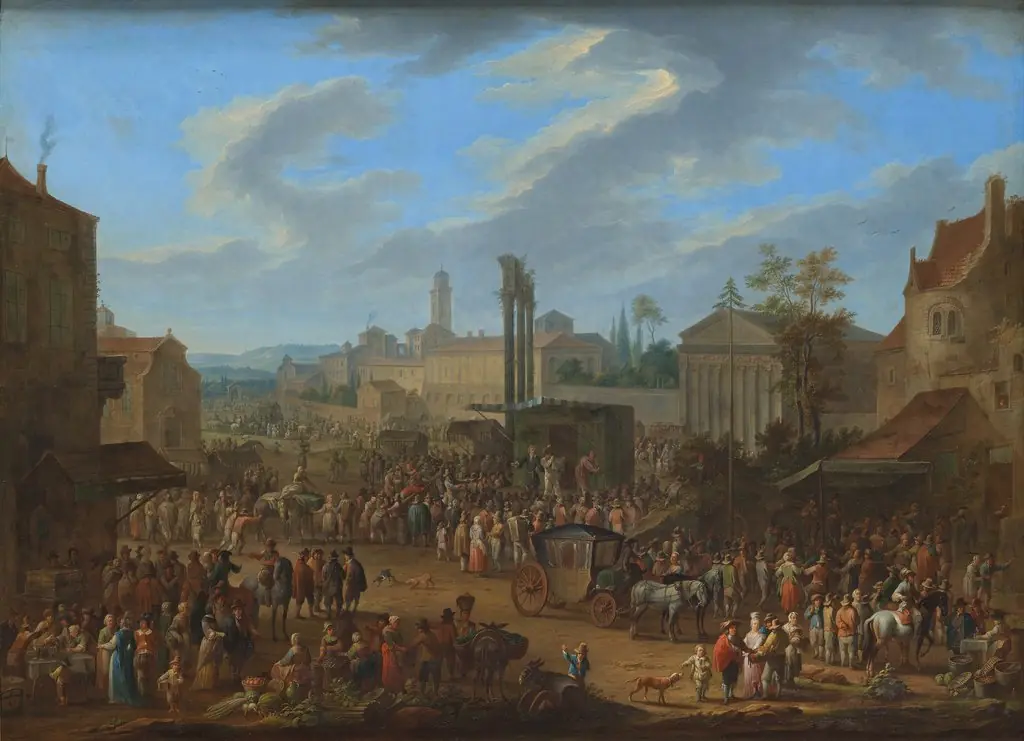 Market with temple and maypole
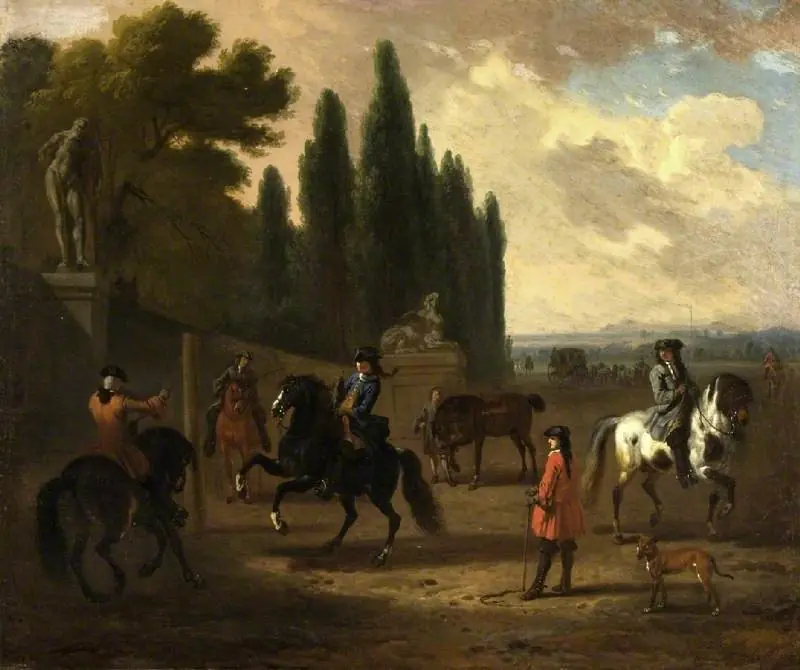 A riding school
 The Departure for the Hunt
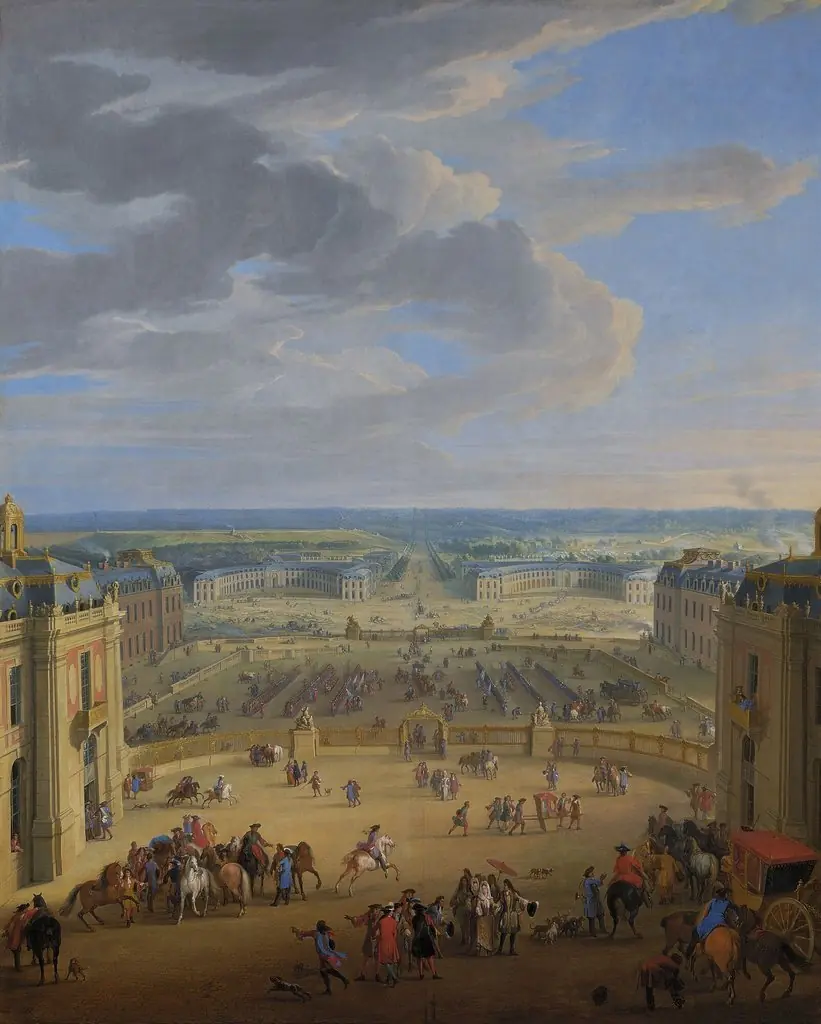 The Stables Viewed from the Château at Versailles
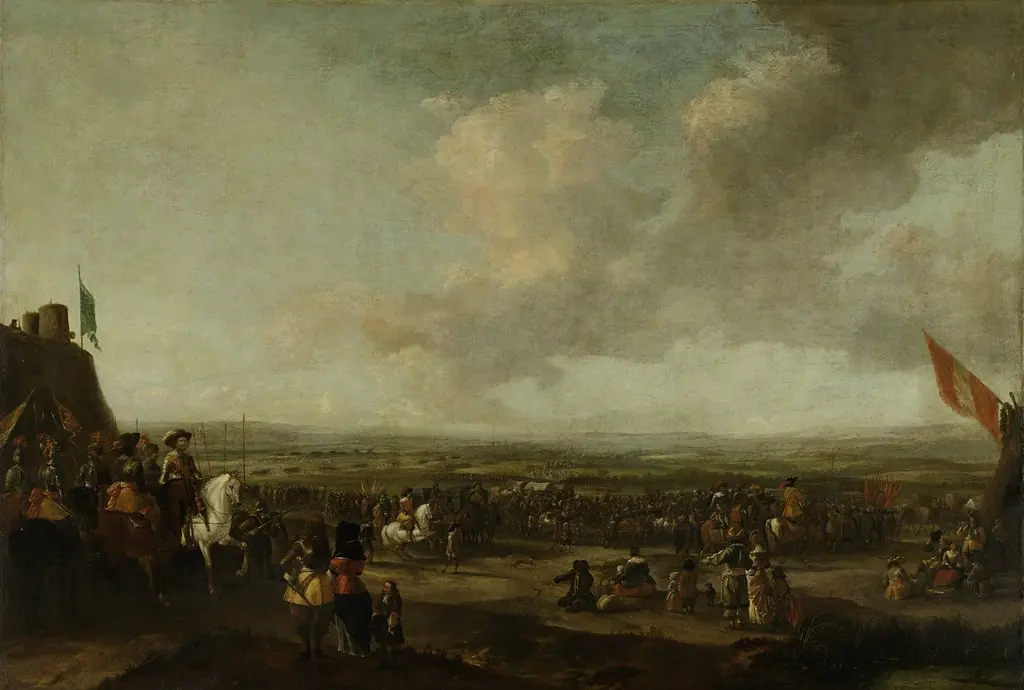 Frederik Hendrik at the surrender of Maastricht, 22 August 1632
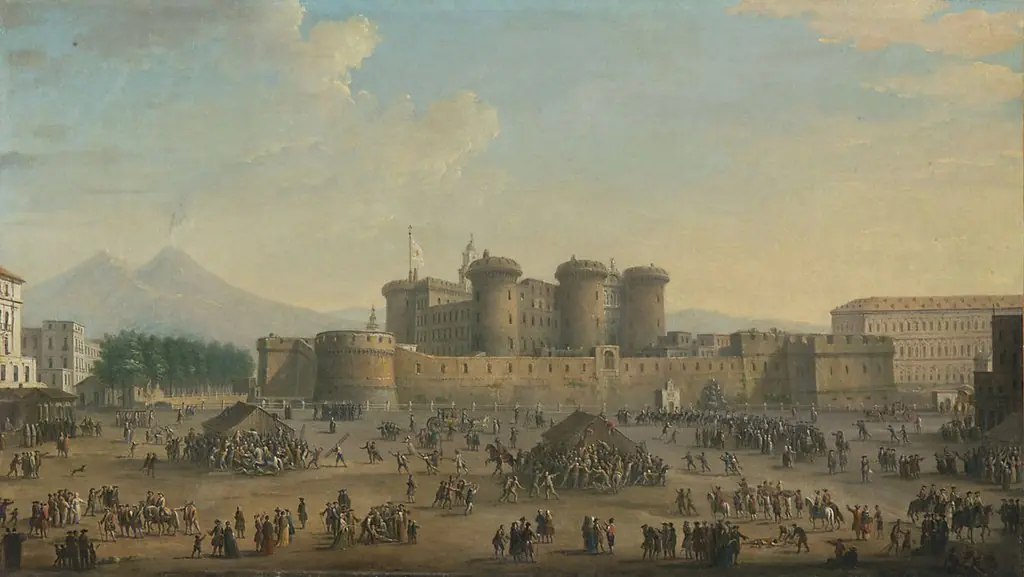 Largo di Castello in Neapel