Artwork
John Whitehurst (1713–1788)
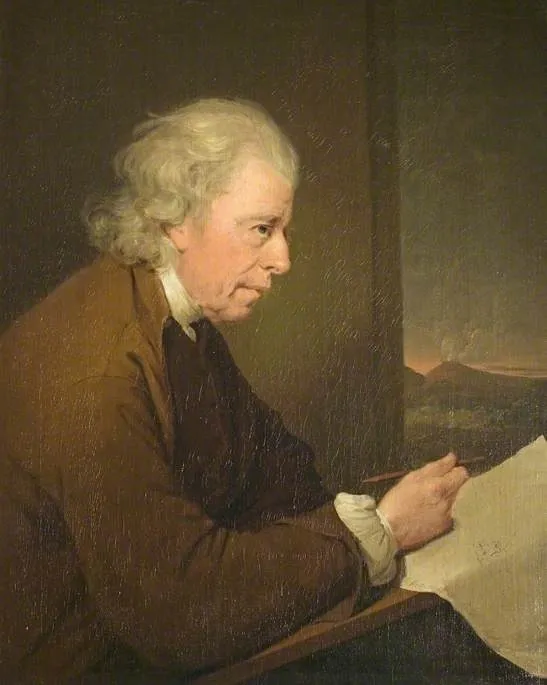
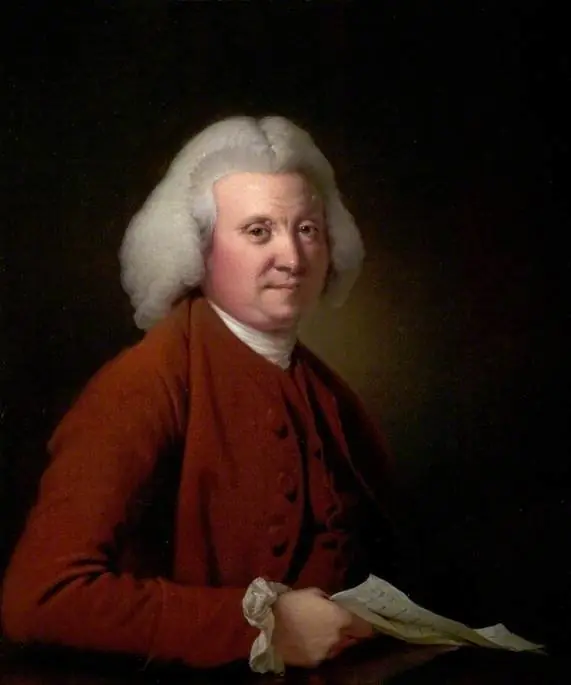
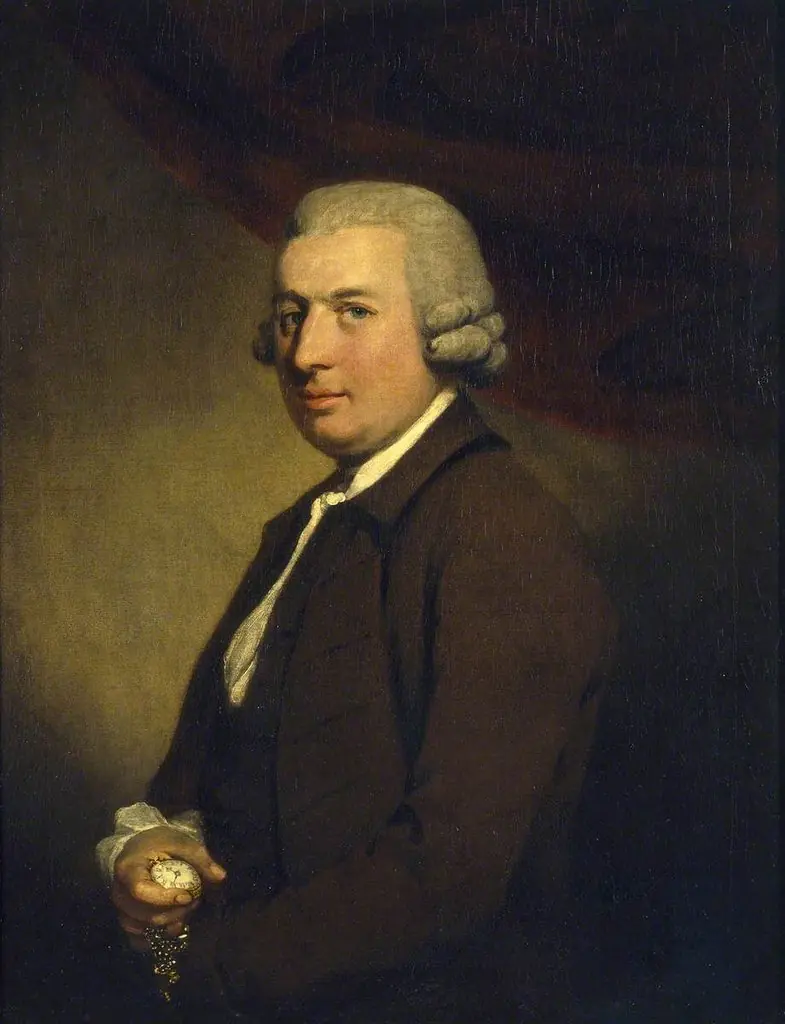
John Whitehurst (1713–1788) is an oil painting by the Rococo painting artist Joseph Wright of Derby. It dates from 1792 and is held in the collection of the Derby Museum and Art Gallery.
About this work
Overview
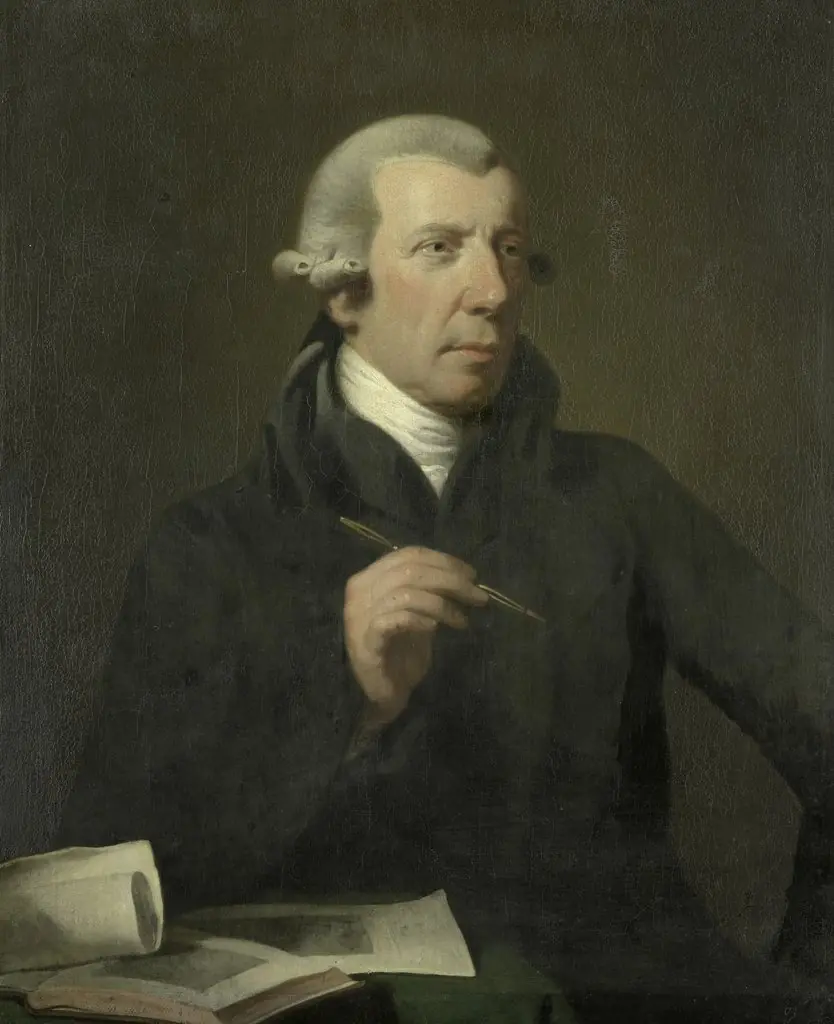
Joseph Wright of Derby created this oil portrait in 1792, depicting John Whitehurst, a noted instrument maker and member of the Lunar Society.
Joseph Wright of Derby created this oil portrait in 1792, depicting John Whitehurst, a noted instrument maker and member of the Lunar Society. The painting captures Whitehurst in a moment of quiet focus, seated at a desk with writing materials. Wright’s use of oil on canvas reflects his mastery of domestic portraiture, blending scientific dignity with intimate realism. The work resides in Derby Museum and Art Gallery, where it remains a key example of late 18th-century British portraiture.
Subject & Meaning
John Whitehurst was a prominent figure in the Midlands scientific community, known for his precision instruments and participation in the Lunar Society’s intellectual exchanges. The portrait emphasizes his role as a thinker: he holds a sheet of paper, suggesting ongoing work or observation. His attire—modest yet refined—signals practical intellect rather than aristocratic status. The composition avoids grandeur, instead conveying the quiet authority of a man engaged in empirical inquiry.
Technique & Style
Wright employed chiaroscuro to isolate Whitehurst against a deep, shadowed background, drawing attention to the texture of his clothing and the subtle play of light on his face and hands. The brushwork is precise but not overly polished, favoring naturalism over idealization. Warm tones in the coat and shirt contrast with the cool darkness behind, enhancing the sense of concentration. The style aligns with Wright’s broader interest in illuminating intellectual labor through controlled lighting.
History & Provenance
Commissioned shortly before Whitehurst’s death, the portrait was likely intended to honor his contributions to science and local society. It remained in Derbyshire circles before entering the Derby Museum and Art Gallery’s collection in the 19th century. Its preservation reflects the region’s pride in its scientific heritage. No significant alterations or reworkings are documented, and the painting retains its original frame and condition.
Context
Painted during the height of the Enlightenment, the portrait reflects a cultural shift toward valuing practical science and civic intellect. Whitehurst’s association with the Lunar Society—whose members included Erasmus Darwin and Matthew Boulton—places him within a network of innovators reshaping industry and thought. Wright’s choice to depict him at work, not in formal attire, underscores a broader trend: honoring knowledge over status.
Legacy
The portrait endures as a quiet testament to the dignity of scientific labor in provincial England. It stands apart from grander royal or aristocratic portraits of the era, offering instead a grounded representation of an intellectual whose influence extended through collaboration and invention. Wright’s treatment of Whitehurst helped define a visual language for the self-made man of science, influencing later depictions of thinkers in British art.
Artist & collection
Artist
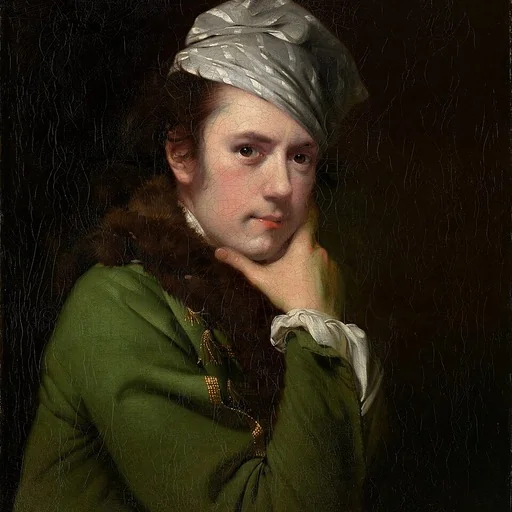
Joseph Wright (3 September 1734 – 29 August 1797), styled Joseph Wright of Derby, was an English painter who specialised in portrait painting and landscape art.

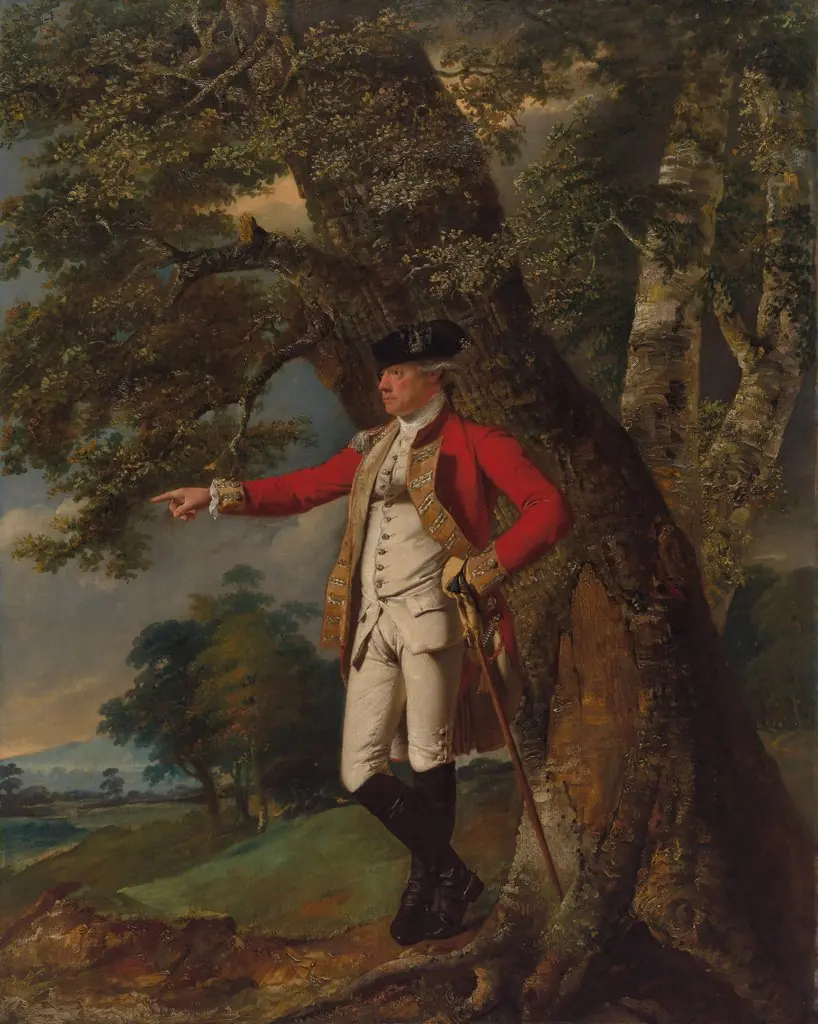 Portrait of Colonel Charles Heathcote
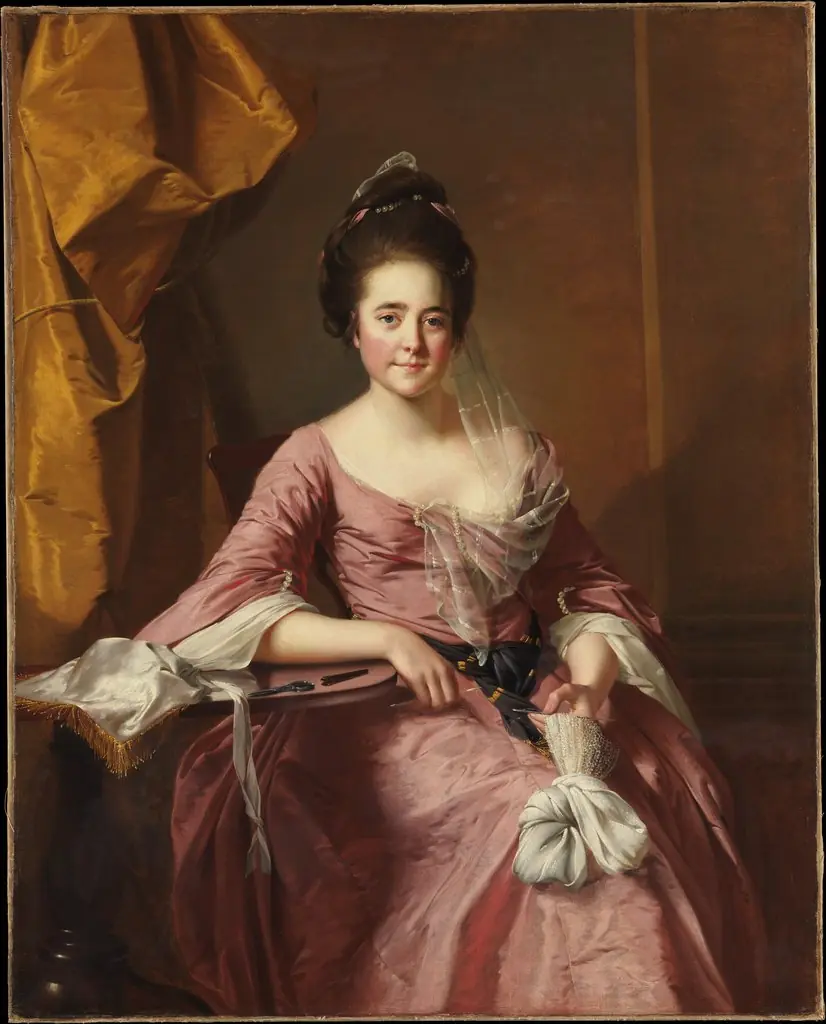 Portrait of a Woman
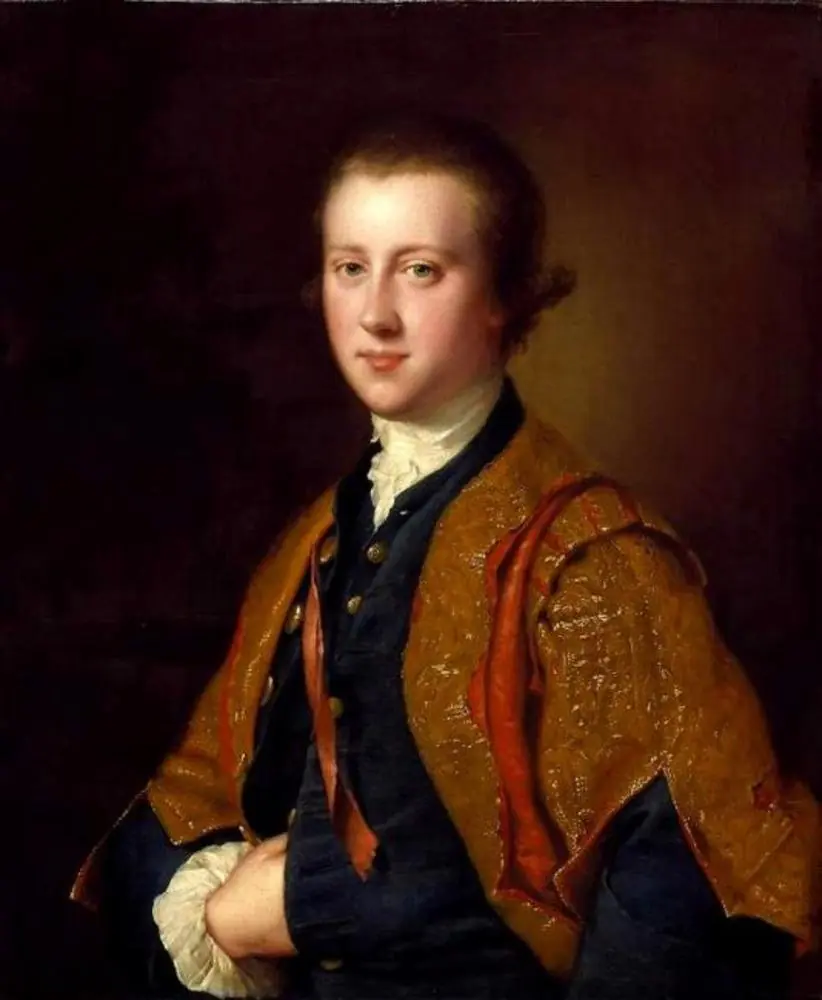 The Hon. Richard Fitzwilliam, 7th Viscount Fitzwilliam of Merrion
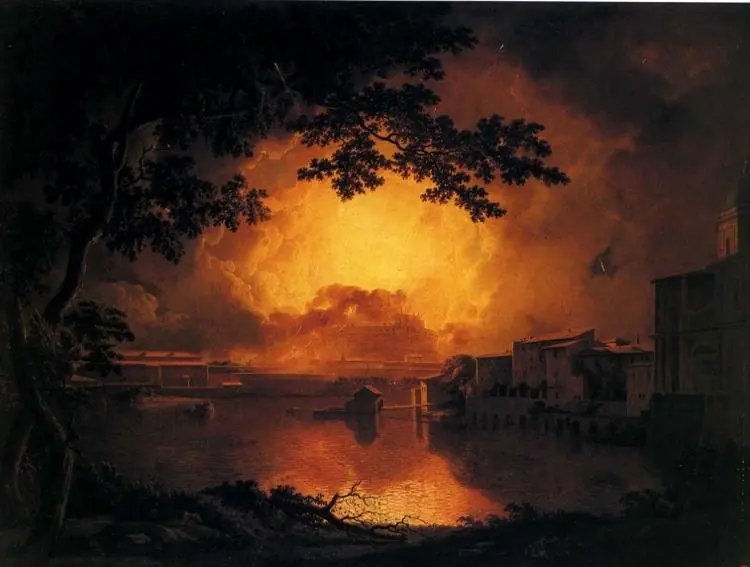 The Girandola at the Castel Sant'Angelo in Rome
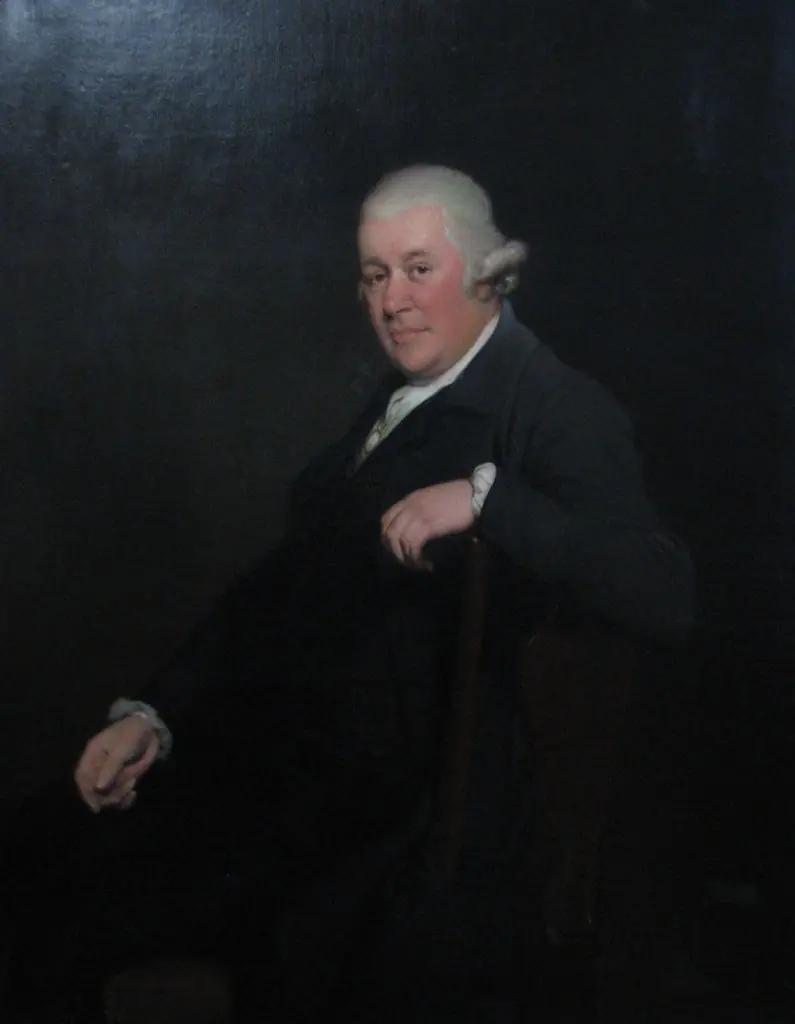 Reverend Basil Bury Beridge
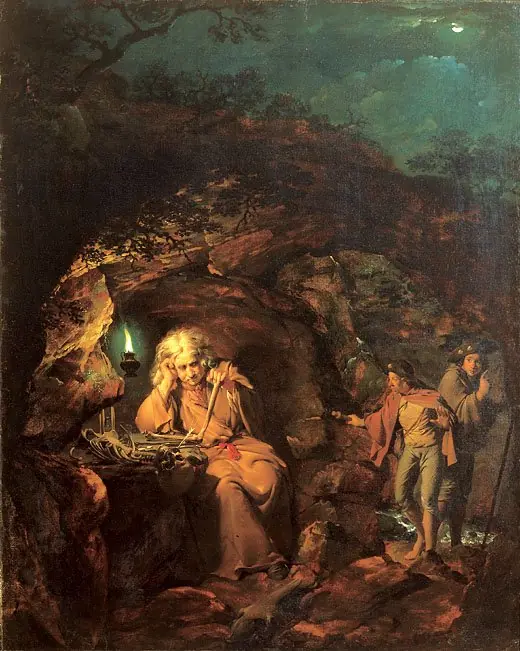 A Philosopher by Lamplight
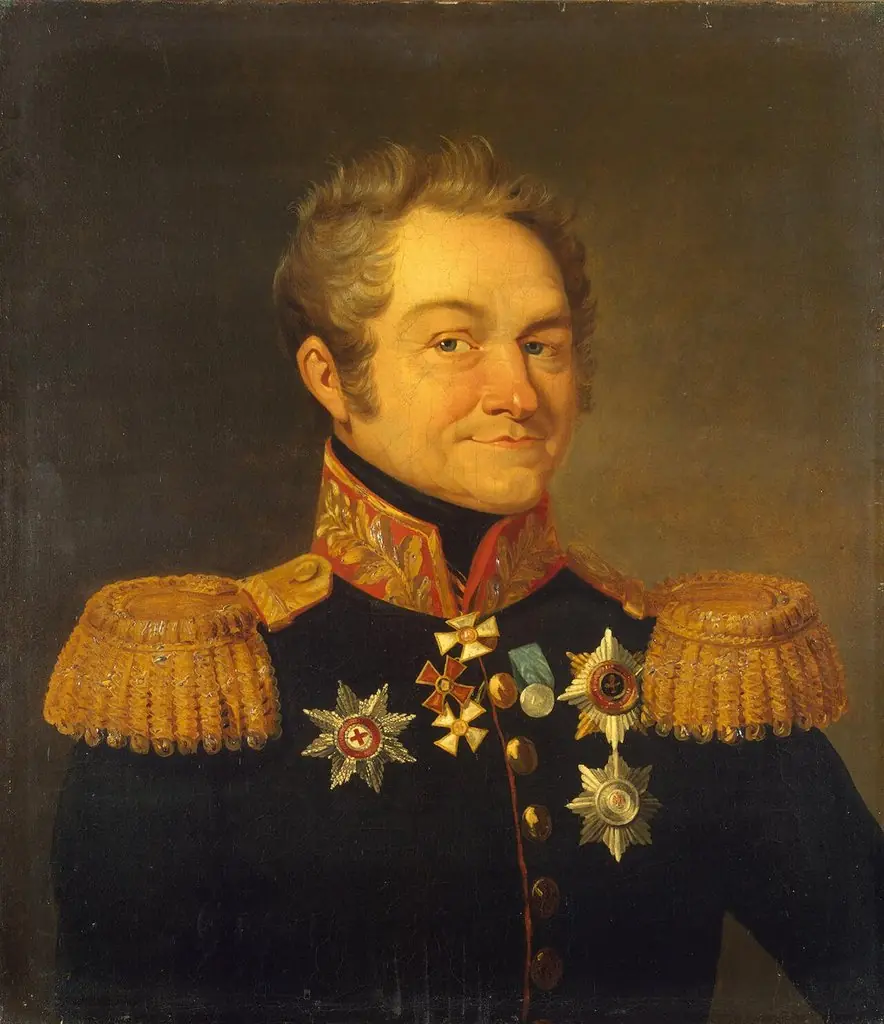 Portrait of Alexander B. Fock (1763-1825)
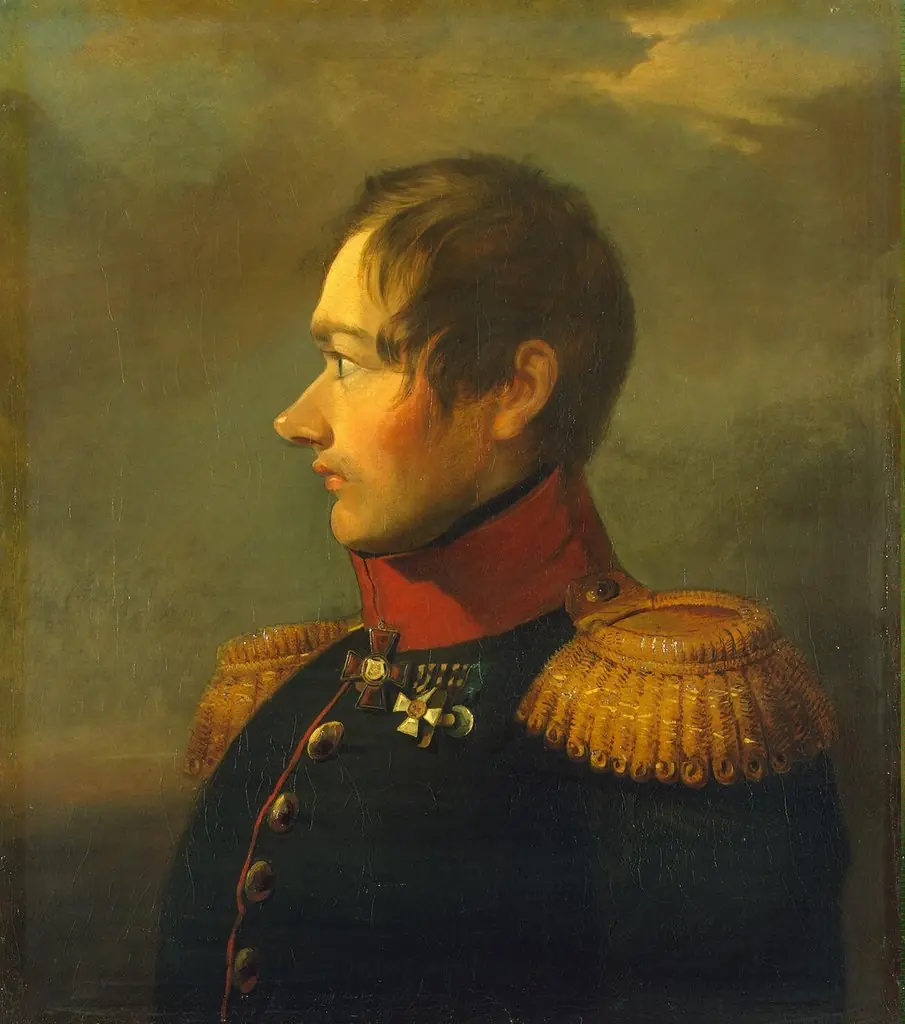 Portrait of Fyodor A. Lindfors (1760-1813)