Artwork
Portrait of Fyodor A. Lindfors (1760-1813)
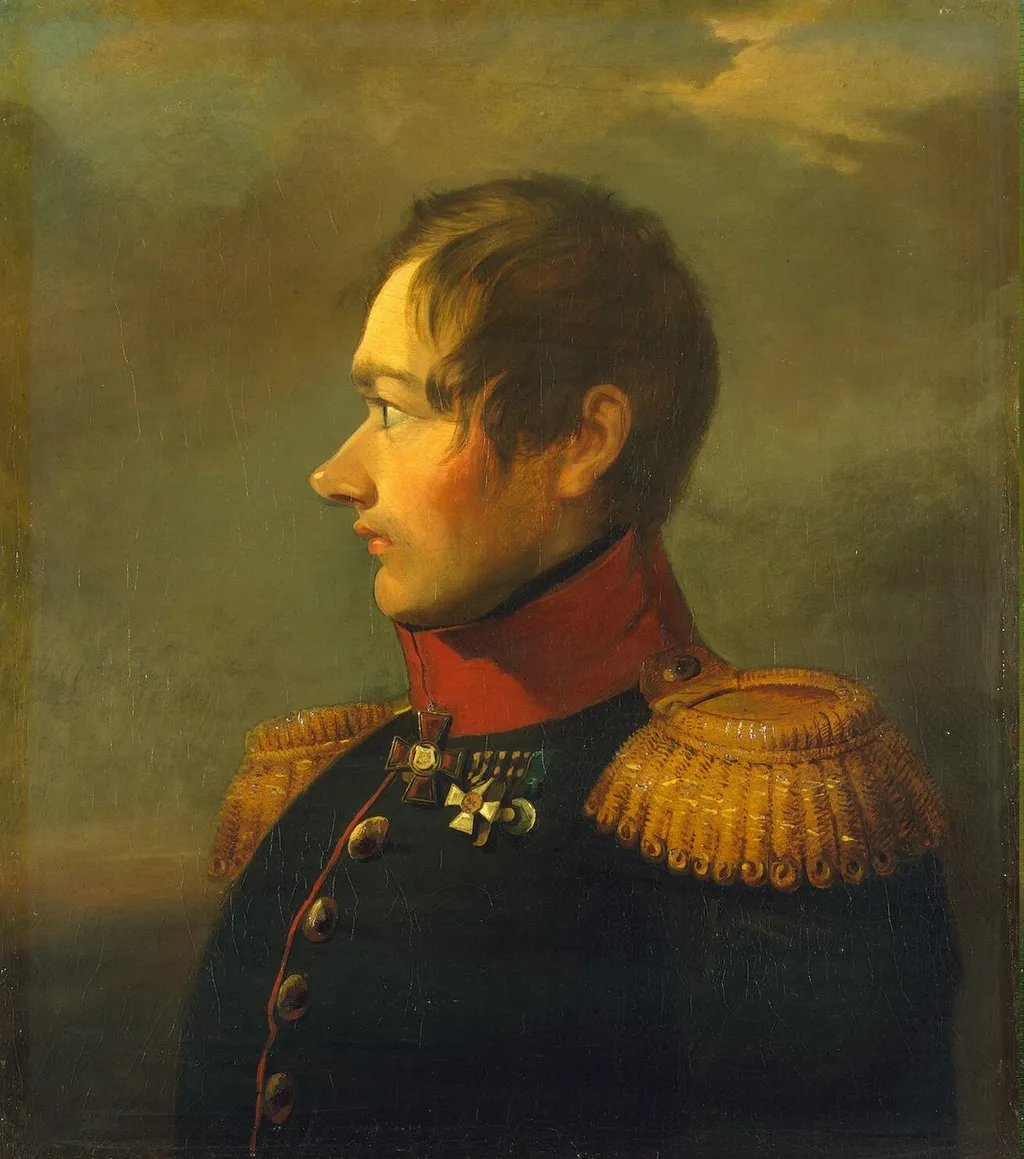
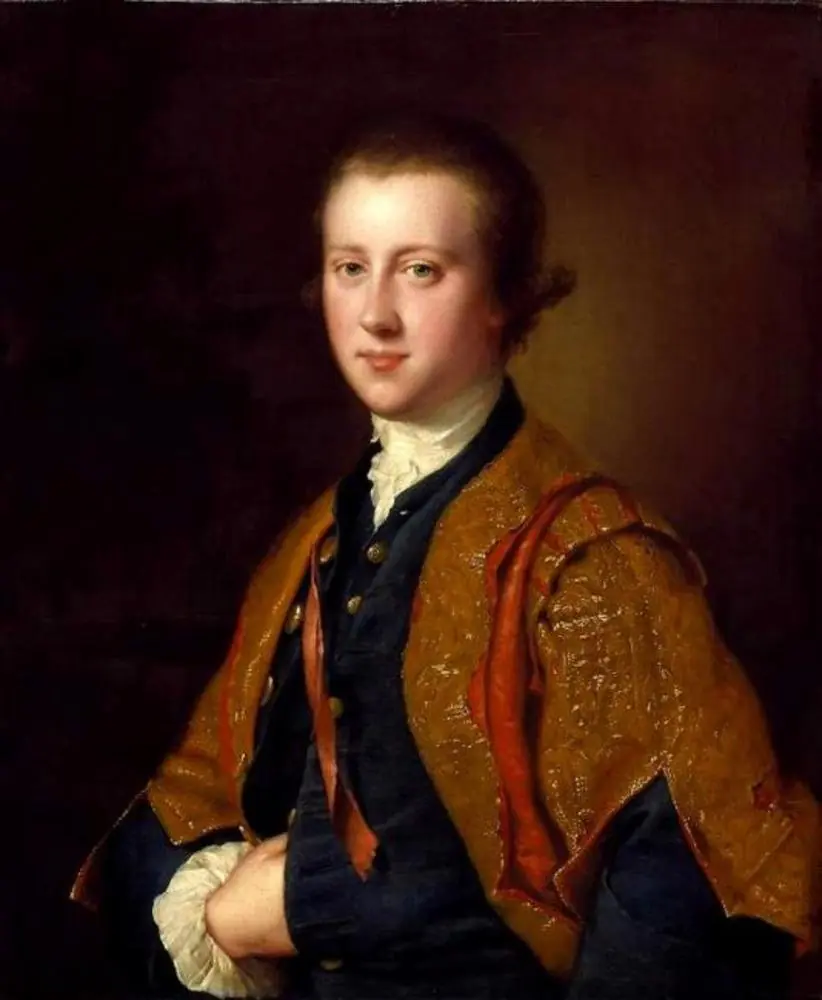
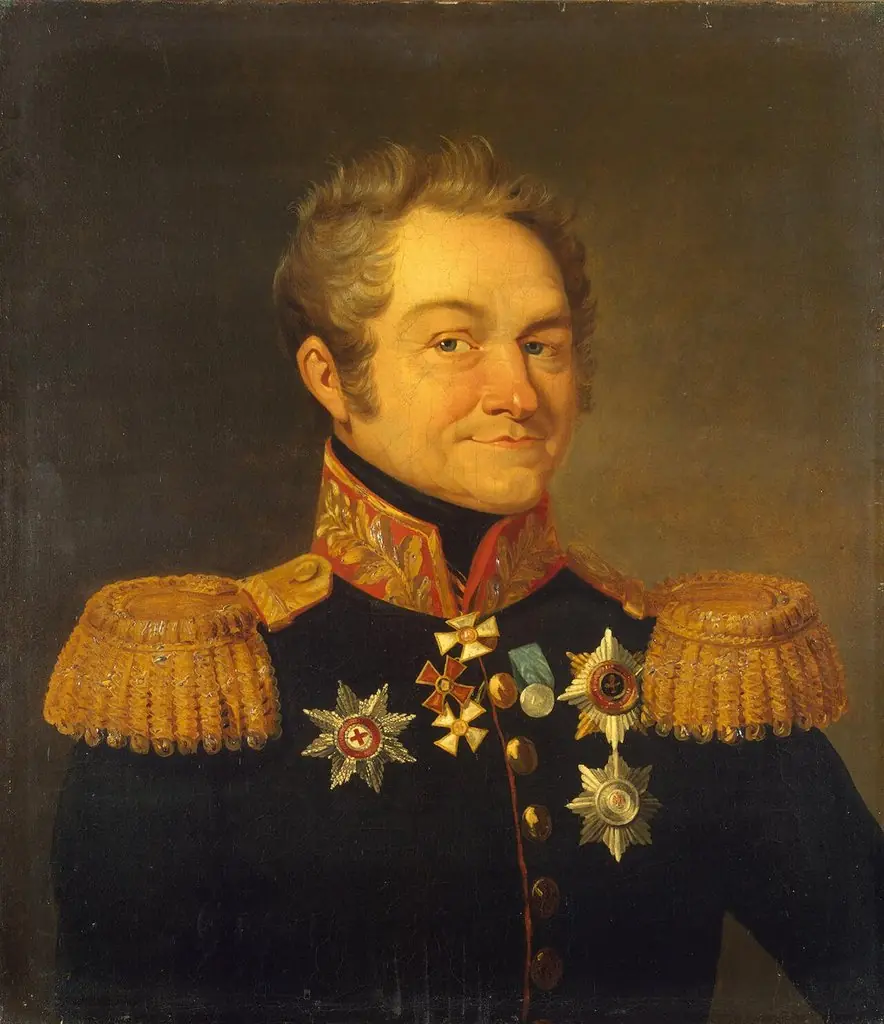
Portrait of Fyodor A. Lindfors (1760-1813) is an oil painting by Joseph Wright of Derby. It is held in the collection of the Hermitage Museum. Painted in 1829, this oil portrait depicts Fyodor A.
About this work
Overview
The work is attributed to Thomas Wright, an English artist often associated with the Derby school.
Painted in 1829, this oil portrait depicts Fyodor A. Lindfors, a Russian military officer of Finnish descent. The work is attributed to Thomas Wright, an English artist often associated with the Derby school. Though Wright is better known for his nocturnal and candlelit scenes, this portrait reflects a more restrained approach, emphasizing formal presence over dramatic lighting. It resides in the State Hermitage Museum in Saint Petersburg.
Subject & Meaning
Fyodor Lindfors is portrayed in full military dress, his uniform marked by gold epaulets, a red collar, and a medal suspended from a ribbon. His composed expression and distant gaze convey a sense of quiet authority. The absence of overt symbolism or narrative suggests the portrait’s purpose was to affirm status and discipline rather than to commemorate a specific event. His neat, short hair and upright posture reinforce ideals of military decorum.
Technique & Style
Wright employed a muted palette dominated by earth tones and subtle gradations in the background, allowing the uniform’s metallic details to stand out. The lighting is even and diffused, avoiding the strong chiaroscuro typical of his earlier works. Brushwork is precise, particularly in the rendering of fabric textures and the medal’s surface. The composition is tightly framed, focusing attention on the sitter’s face and upper torso.
History & Provenance
The portrait entered the Hermitage collection in the 19th century, likely acquired during a period of increased cultural exchange between Russia and Western Europe. Lindfors served in the Russian army and may have been known to imperial circles, facilitating the commission. Wright, though based in England, occasionally received international patrons. The painting’s survival and preservation reflect its perceived importance within Russian aristocratic circles.
Context
Painted decades after the Napoleonic Wars, the portrait aligns with a broader European trend of honoring military service through formal portraiture. Lindfors, as a Finnish-born officer in Russian service, represents the multiethnic character of the imperial army. Wright’s shift from dramatic lighting to sober realism may reflect changing tastes among elite patrons who favored understated dignity over theatricality.
Legacy
While not among Wright’s most celebrated works, the portrait remains a significant example of his later style and his engagement with non-British subjects. It contributes to the Hermitage’s collection of military portraiture from the early 19th century and offers insight into how foreign artists were commissioned to depict Russian officers. Its quiet intensity continues to reflect the values of service and restraint in post-Napoleonic Europe.
Artist & collection
Artist
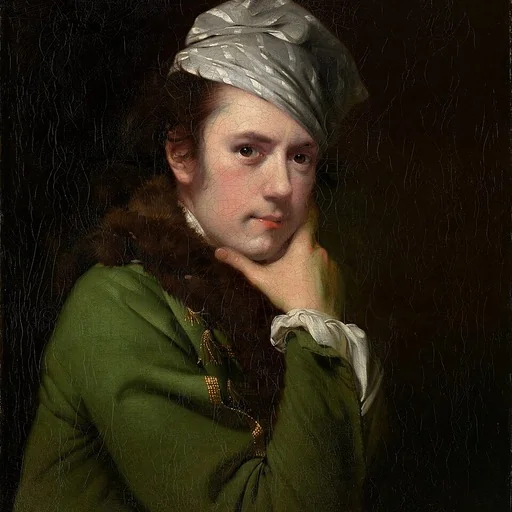
Joseph Wright (3 September 1734 – 29 August 1797), styled Joseph Wright of Derby, was an English painter who specialised in portrait painting and landscape art.

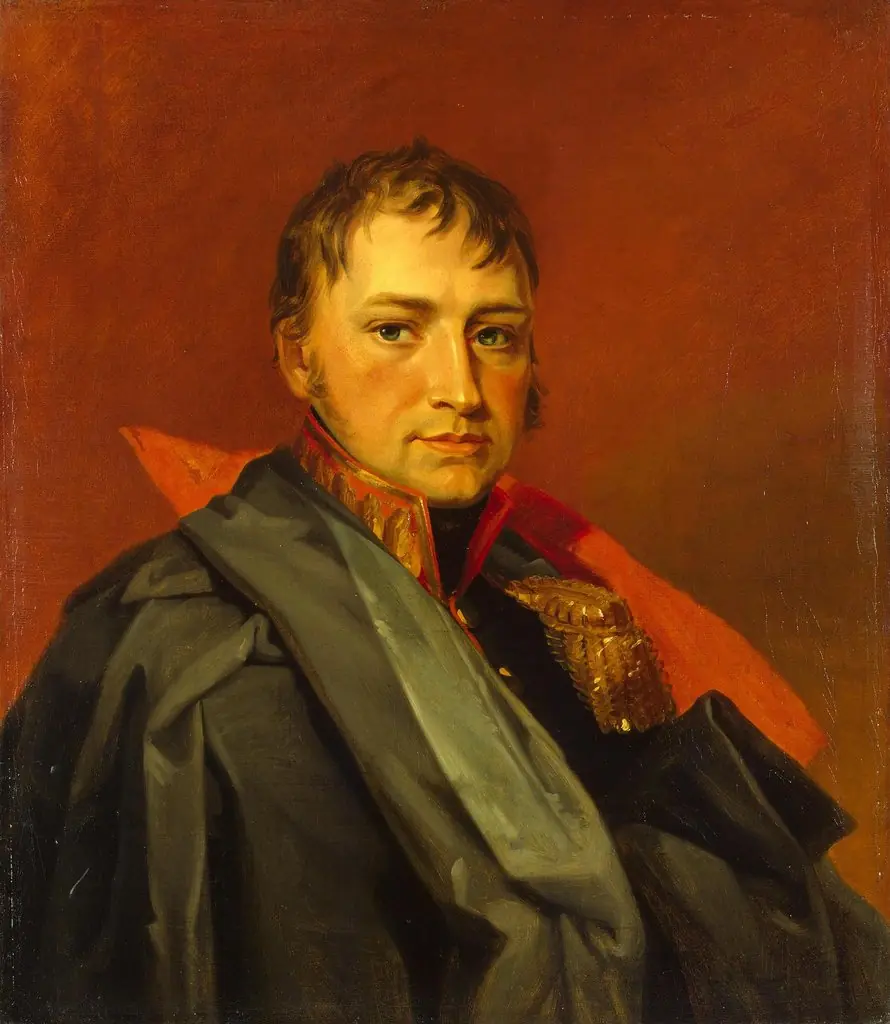 Portrait of Otto I. Buchholtz (1770- after 1820)
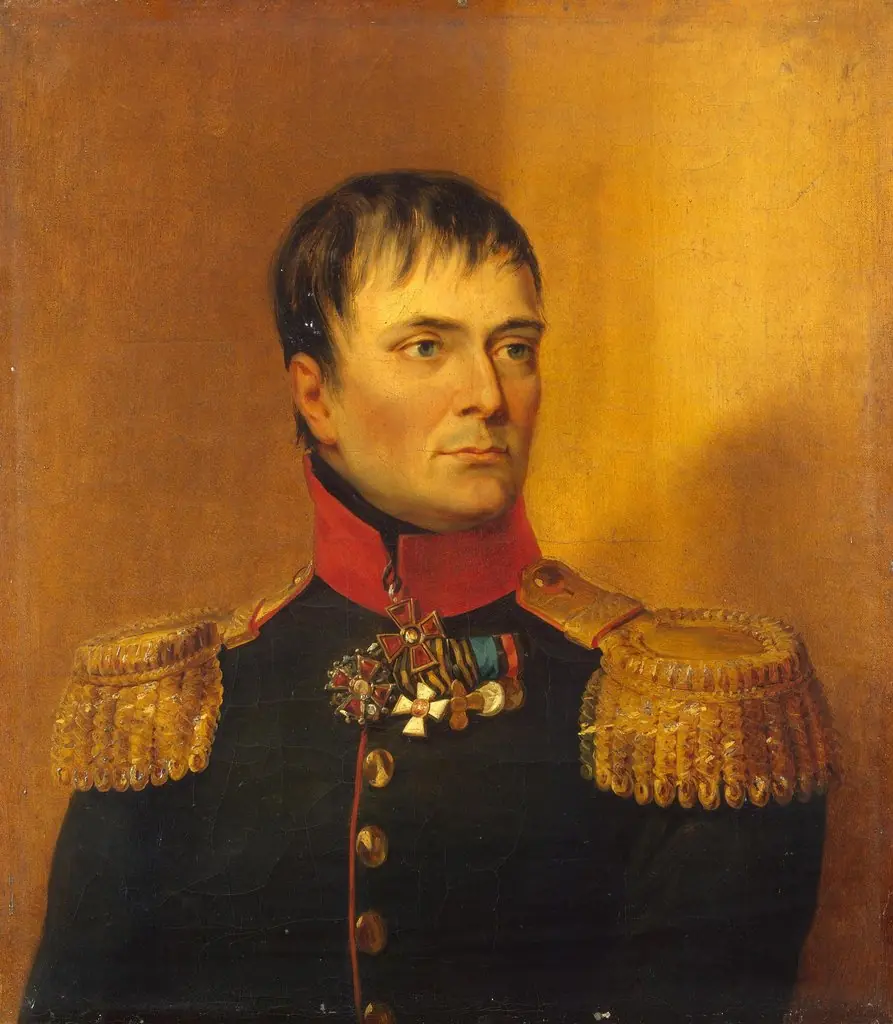 Portrait of Ivan I. Palitsyn (1763-1814)
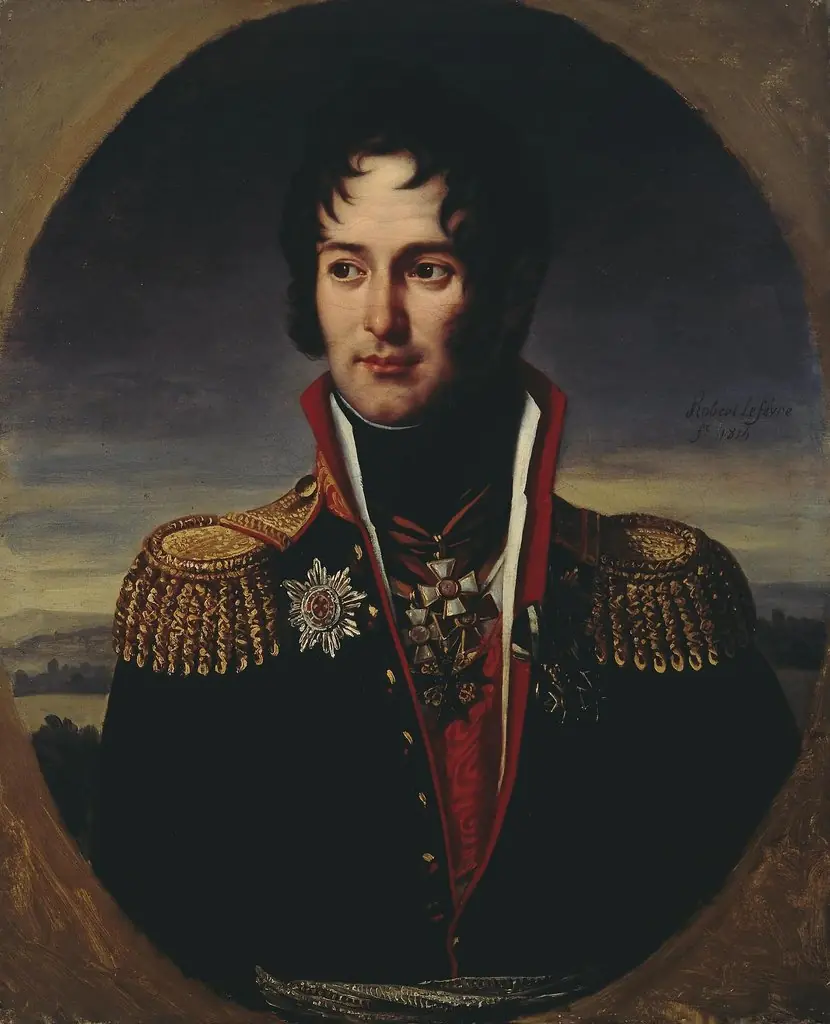 Portrait of General Piotr Chicherin
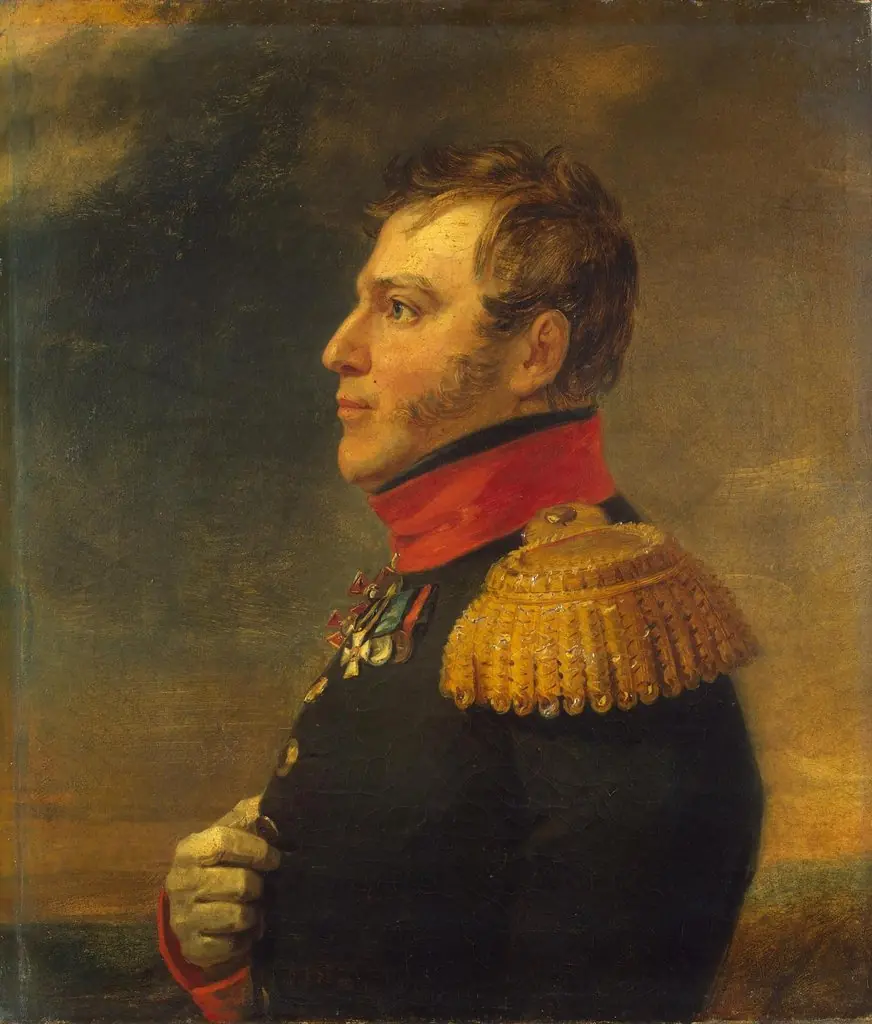 Portrait of Gustav Kh. Schele (1759/60-1820)
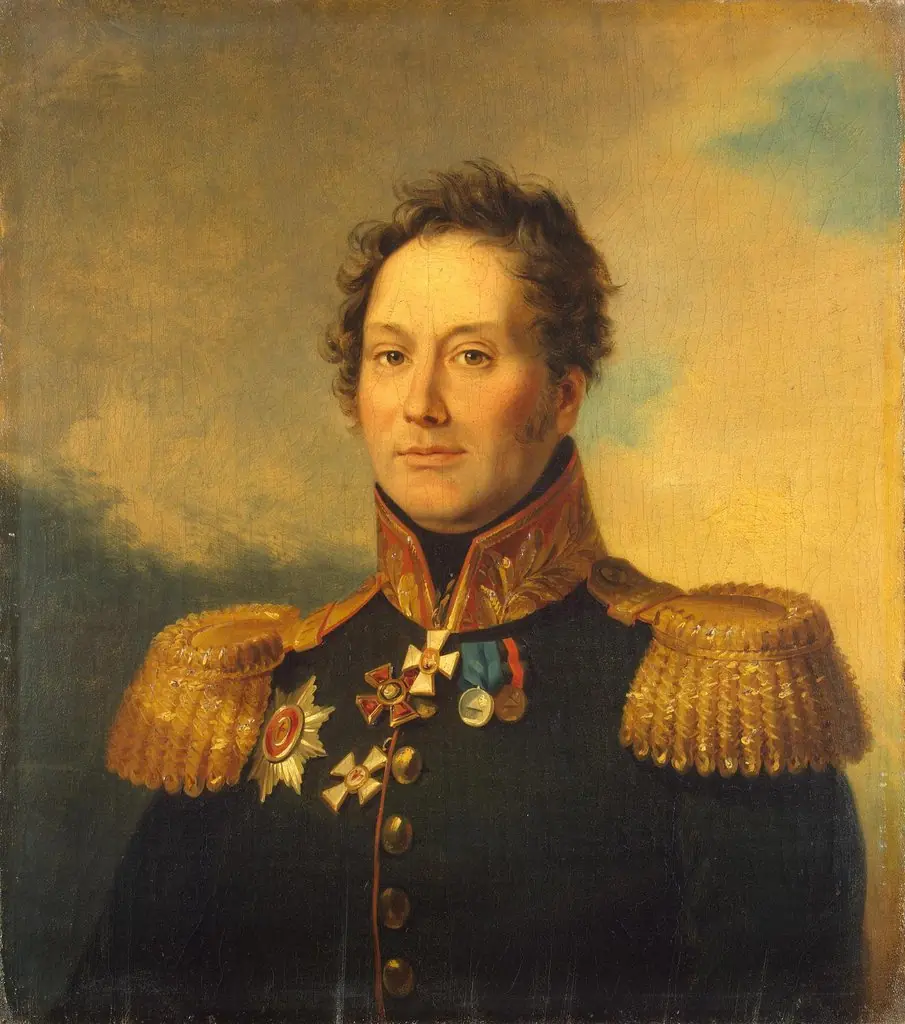 Portrait of Moisey I. Karpenko (1775-1854)
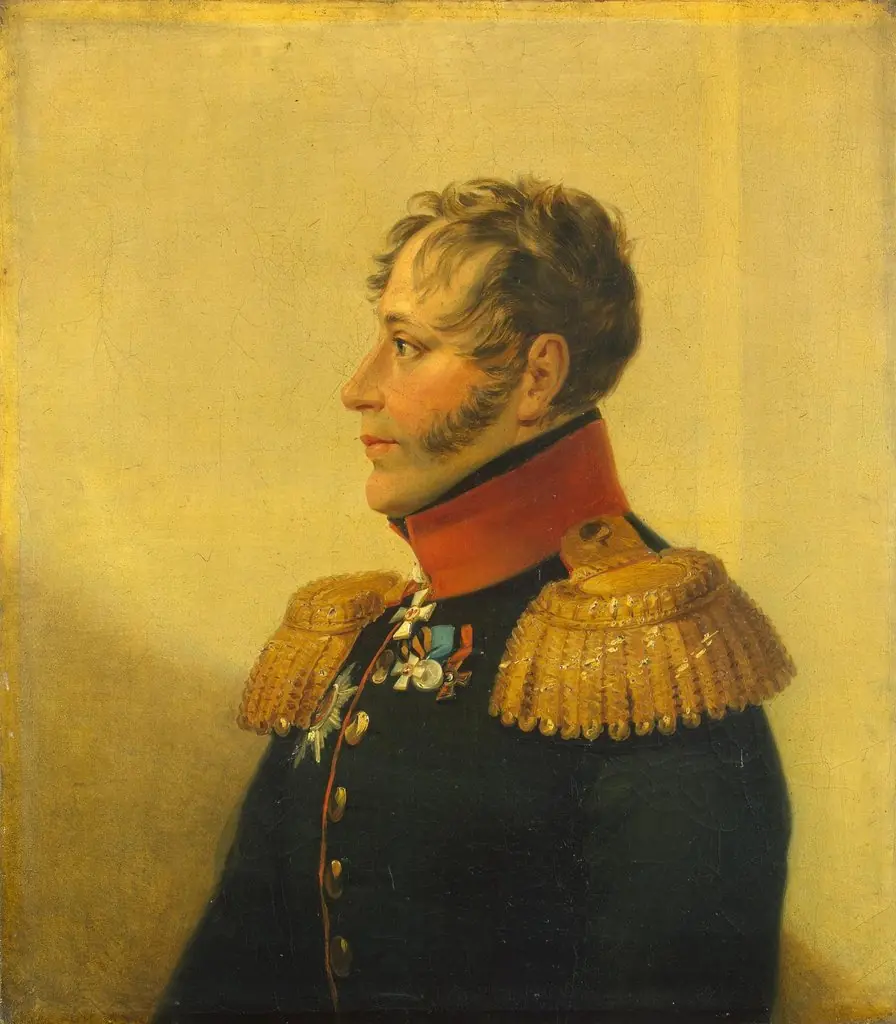 Portrait of Yegor A. Akhte (1772-1826)
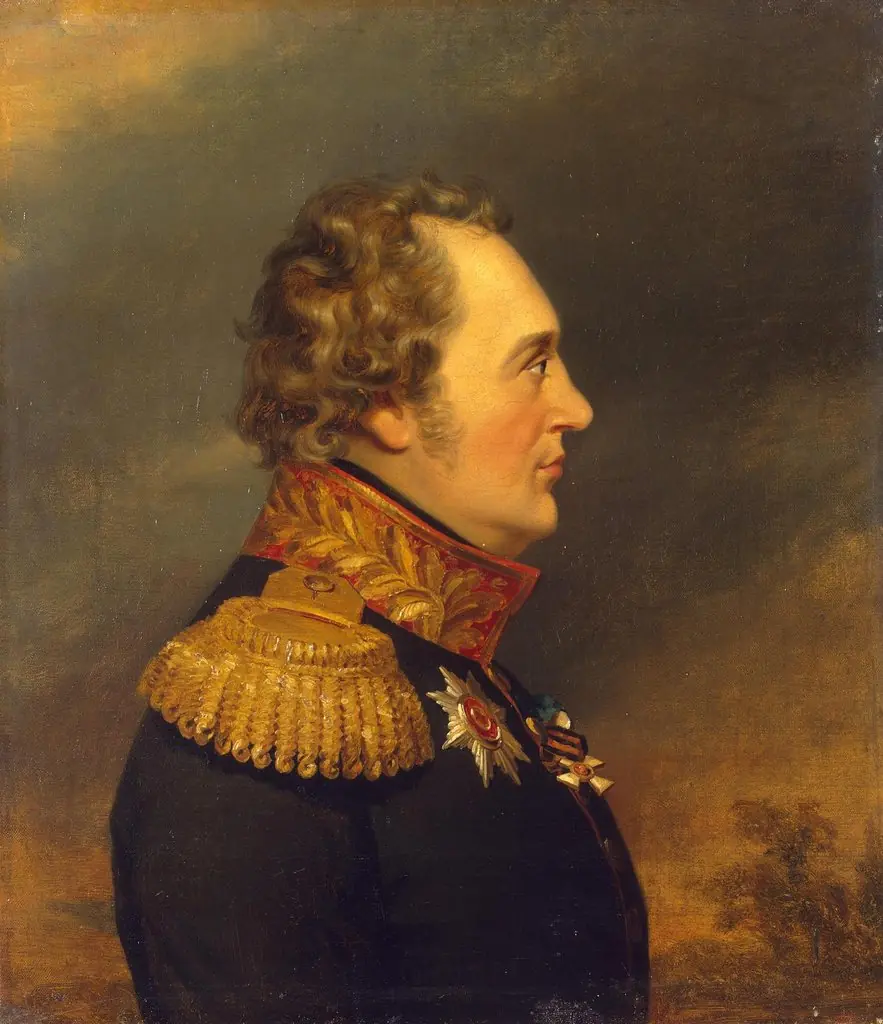 Portrait of Ivan N. (Magnus Gustav) Essen (1758/59-1813)
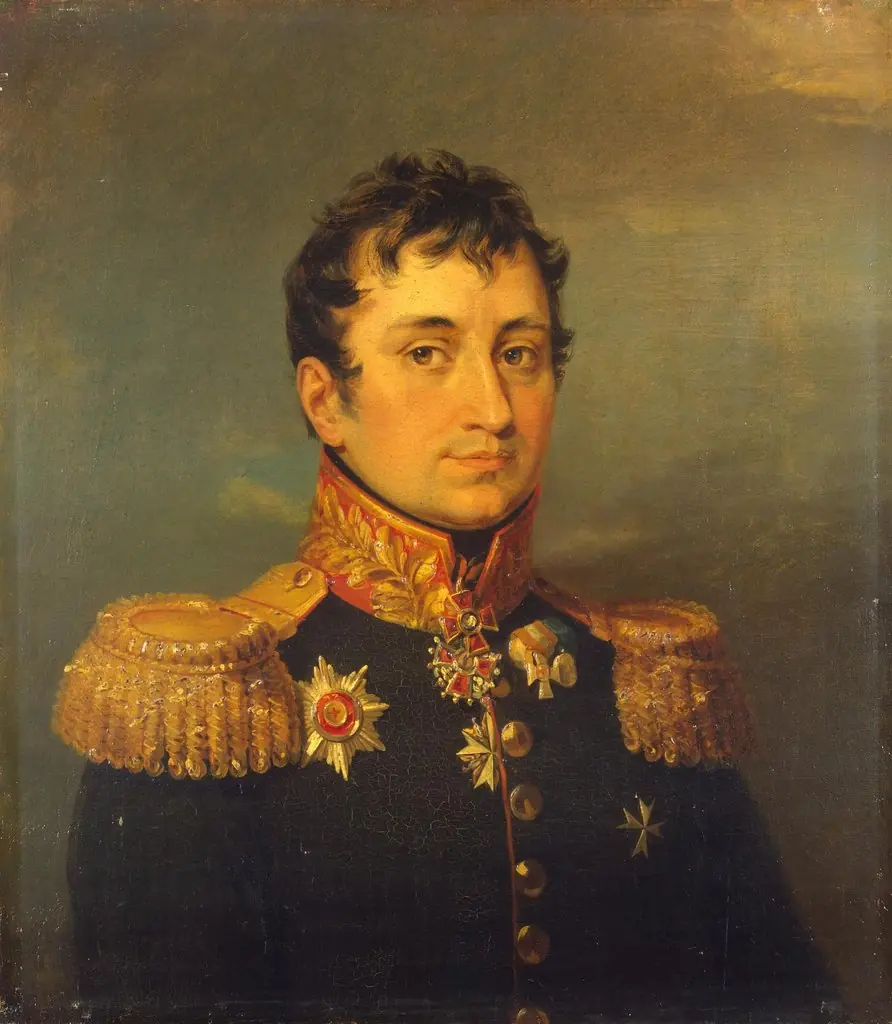 Portrait of Pavel A. Filisov (1769-1821)