Artwork
Caleb Whitefoord (1734–1810), Wit and Satirical Poet
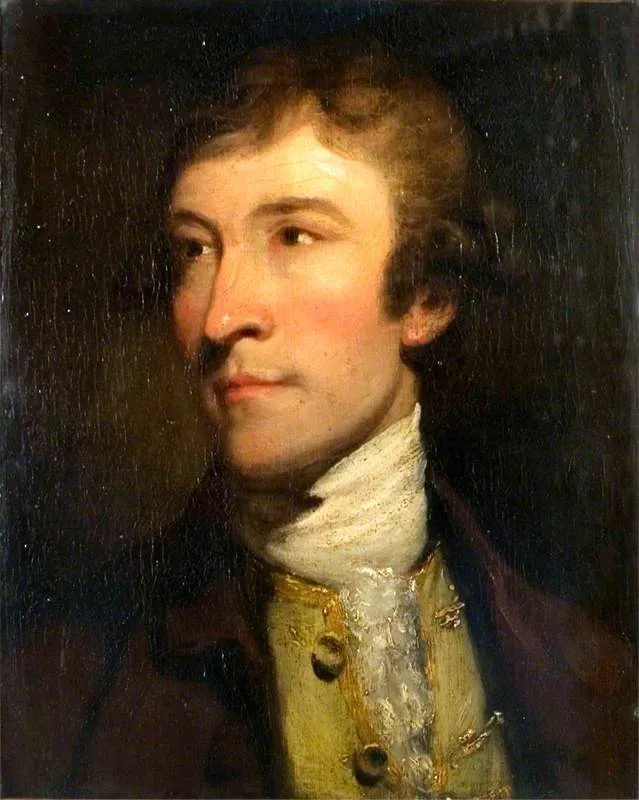
Caleb Whitefoord (1734–1810), Wit and Satirical Poet is an oil painting by the Neoclassicist artist Joshua Reynolds. It dates from 1767 and is held in the collection of the Victoria and Albert Museum.
About this work
Overview
This oil portrait, dated around 1767, captures Caleb Whitefoord, a noted English wit and satirical poet, painted by Joshua Reynolds.
This oil portrait, dated around 1767, captures Caleb Whitefoord, a noted English wit and satirical poet, painted by Joshua Reynolds. Reynolds, then emerging as a leading figure in British art, rendered Whitefoord with restrained elegance, reflecting the era’s preference for intellectual presence over flamboyance. The composition focuses tightly on the subject’s upper torso and face, set against a deep, unobtrusive background that isolates and elevates the sitter’s demeanor.
Subject & Meaning
Caleb Whitefoord was known for his sharp humor and literary circles in London, and Reynolds chose to portray him not as a nobleman but as a man of letters. The subtle smile and attentive gaze suggest quiet self-assurance rather than theatricality. His formal attire—high collar, crisp cravat, and dark coat—signals respectability, while the lack of props or symbolic elements emphasizes character over status, aligning with Enlightenment ideals of individual intellect.
Technique & Style
Reynolds employed soft brushwork to model the face, capturing the warmth of skin and the fine texture of linen in the cravat. The dark background enhances the luminosity of the sitter’s features, a hallmark of his approach to portraiture. Color is muted—browns and creams dominate—allowing the expression to carry emotional weight. The restrained palette and controlled lighting reflect neoclassical ideals, prioritizing clarity and composure over decorative flourish.
History & Provenance
Painted during Reynolds’s rise to prominence, shortly before his knighthood and appointment as first president of the Royal Academy, the portrait likely originated in a private commission. Whitefoord moved in influential circles, and the painting remained within British collections through the 19th century. Its current location and ownership history are documented in institutional records, though it has never been widely exhibited outside academic or specialized contexts.
Context
In mid-18th-century Britain, portraiture served as both social record and cultural statement. Reynolds’s approach merged aristocratic tradition with emerging middle-class values, portraying intellectuals as worthy subjects. Whitefoord’s image fits within a broader trend of depicting literati with dignity, reflecting a society increasingly valuing wit and reason. The painting stands as a quiet counterpoint to the more ornate portraits of nobility common at the time.
Legacy
Though not among Reynolds’s most famous works, this portrait exemplifies his ability to convey psychological depth through minimal means. It influenced later British portraiture by demonstrating that intellectual presence could be as compelling as aristocratic grandeur. The painting remains a reference for studies of 18th-century identity, showing how character, not title, could define a subject’s visual representation.
Artist & collection
Artist
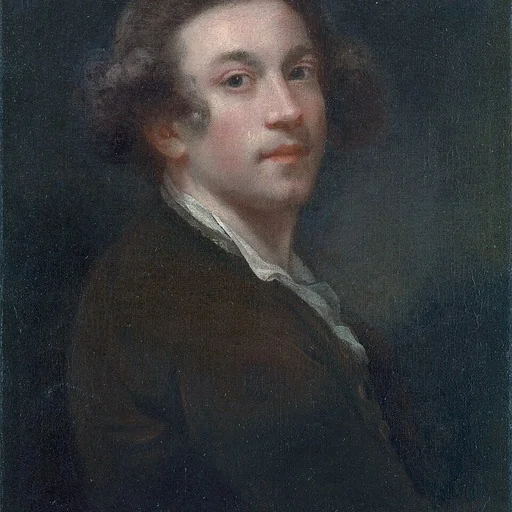
Sir Joshua Reynolds (16 July 1723 – 23 February 1792) was an English painter who specialised in portraits.

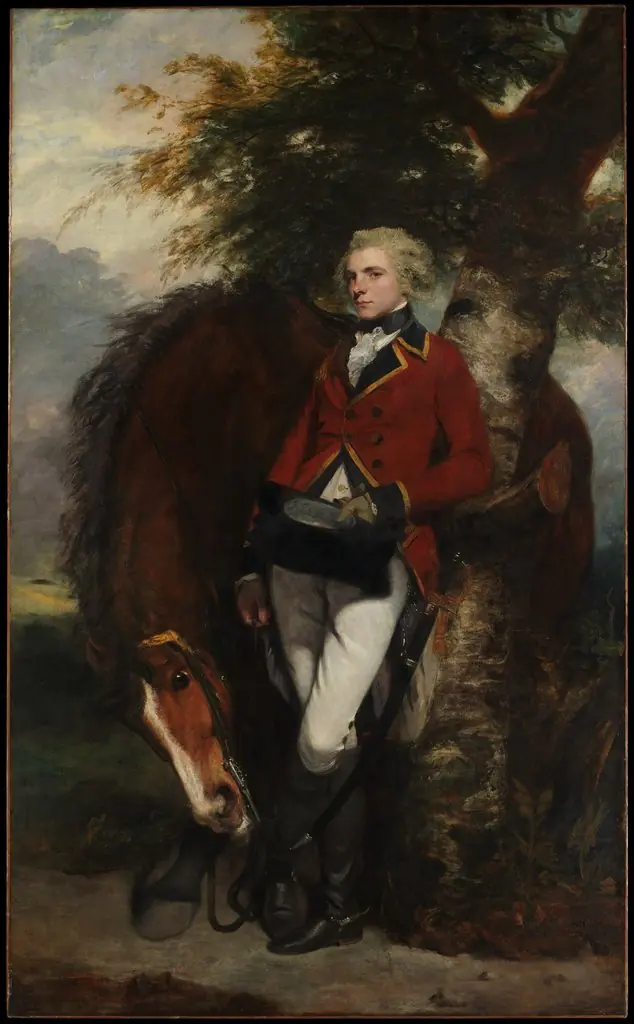
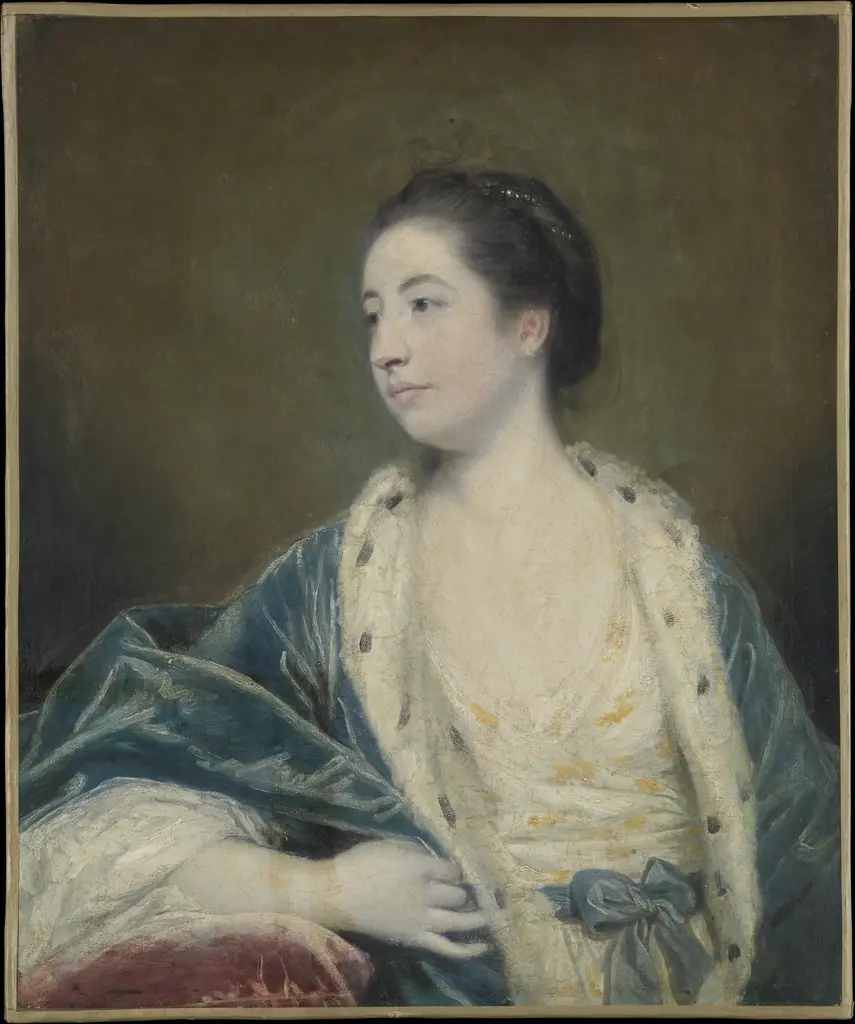
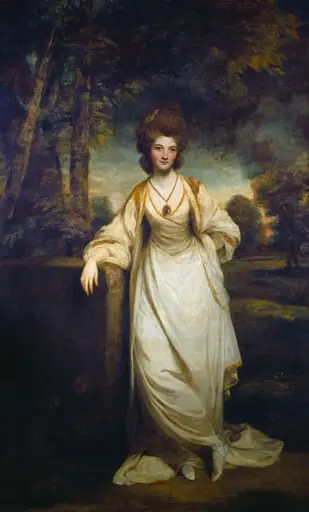
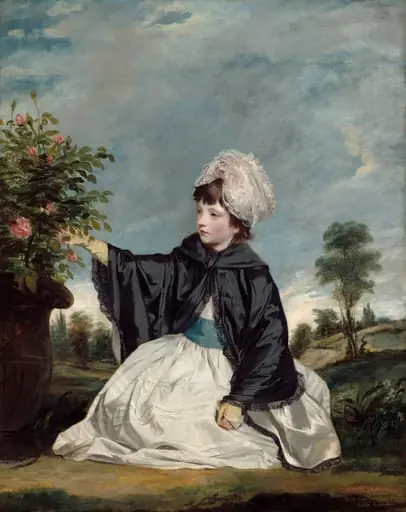
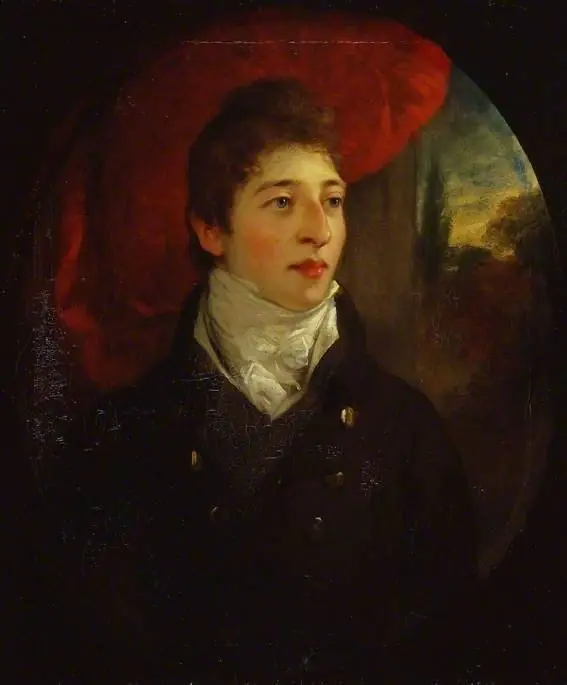 Hugh Percy, 3rd Duke of Northumberland
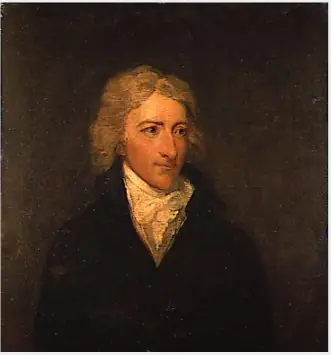 Portrait of Henry Grattan (1746-1820), Statesman
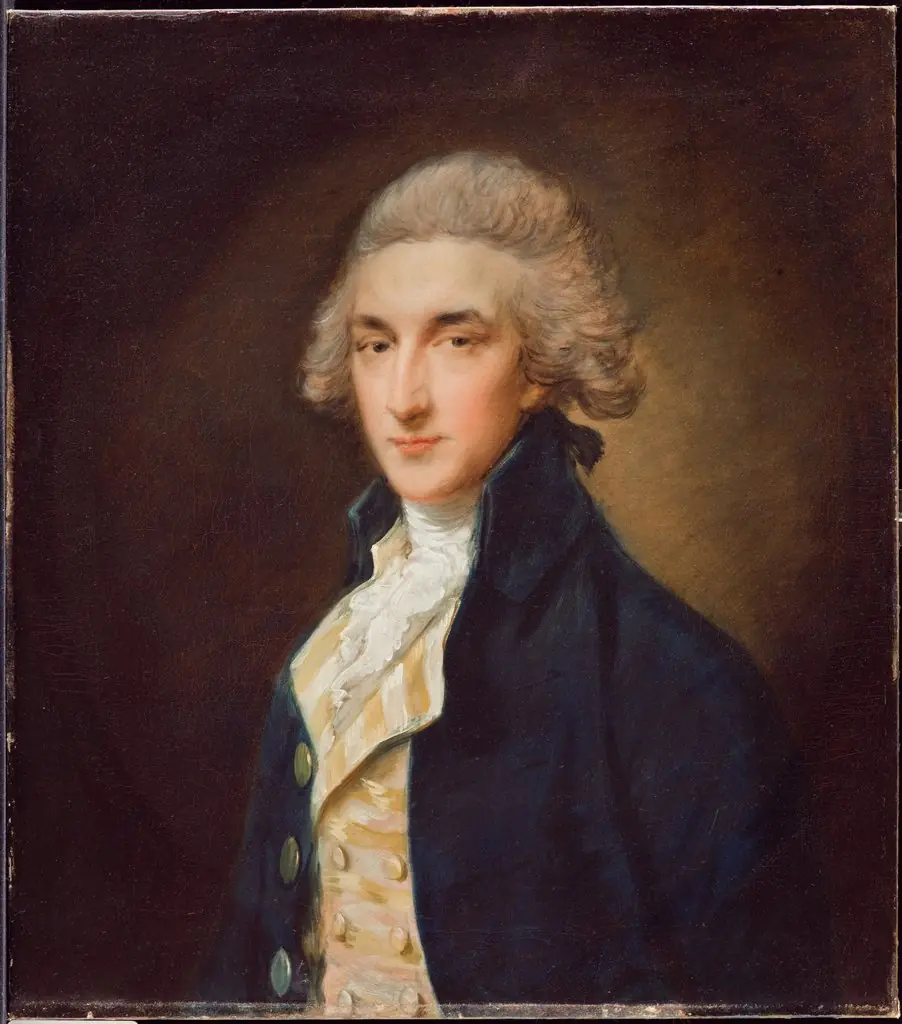 Sir John Edward Swinburne
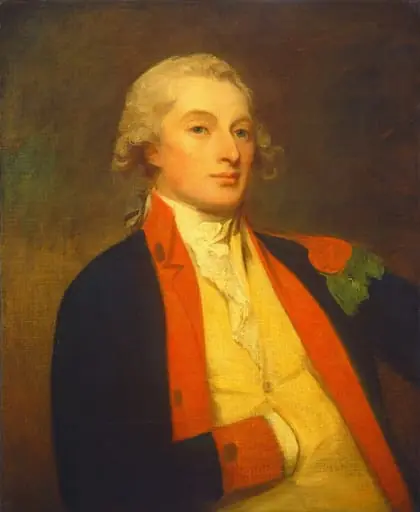 Mr. Forbes
 Portrait of a Man
 Portrait of a Man
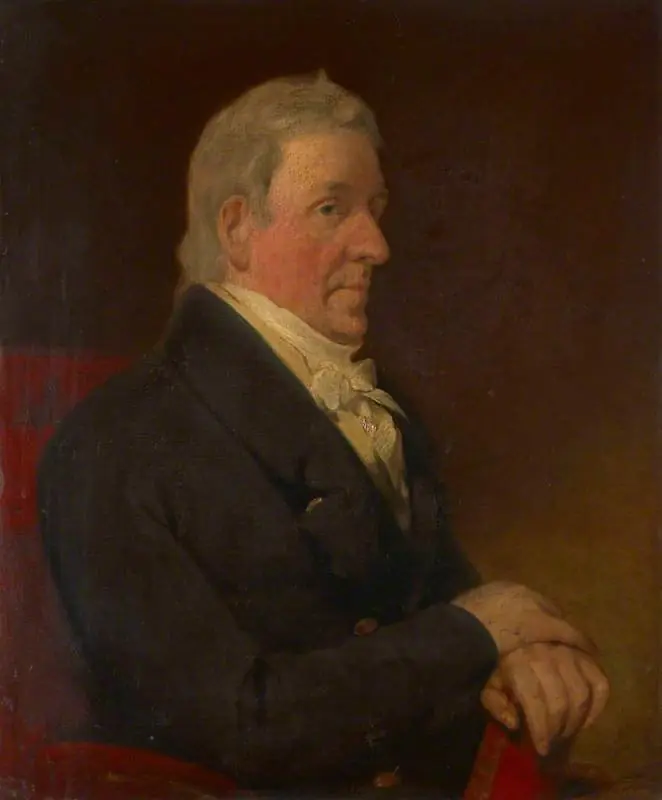 Peter Spalding (c. 1758 - 1826)
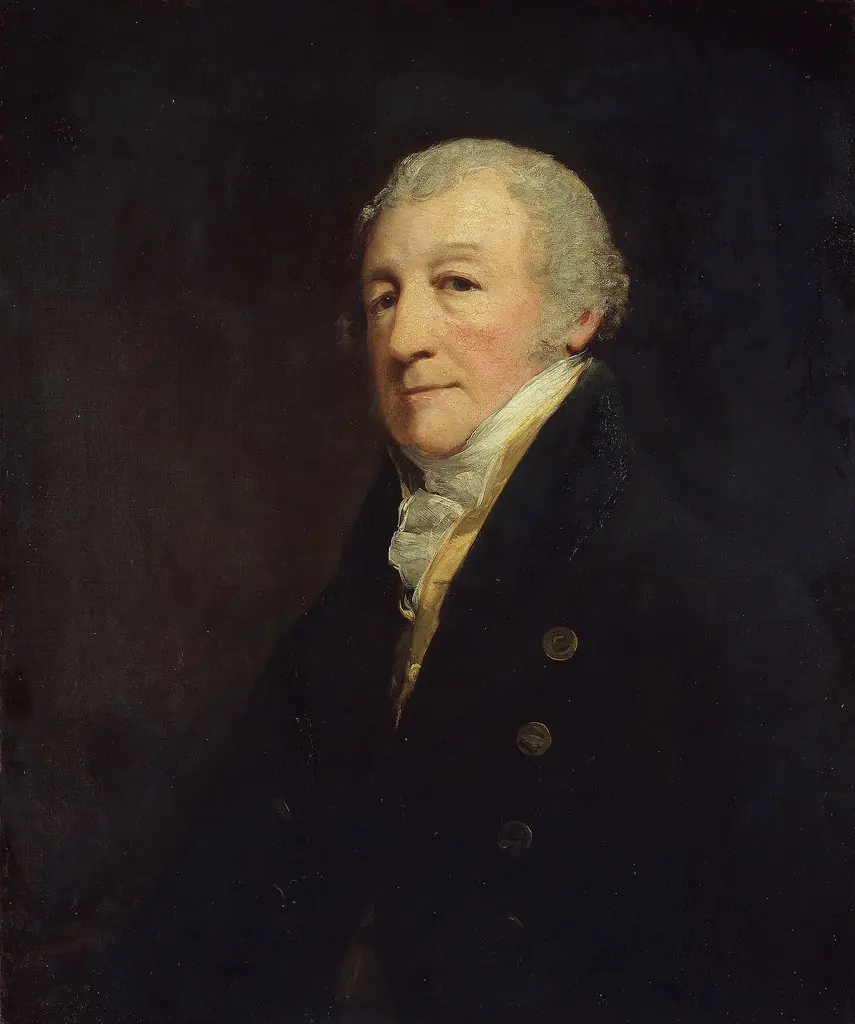 Portrait of the Artist
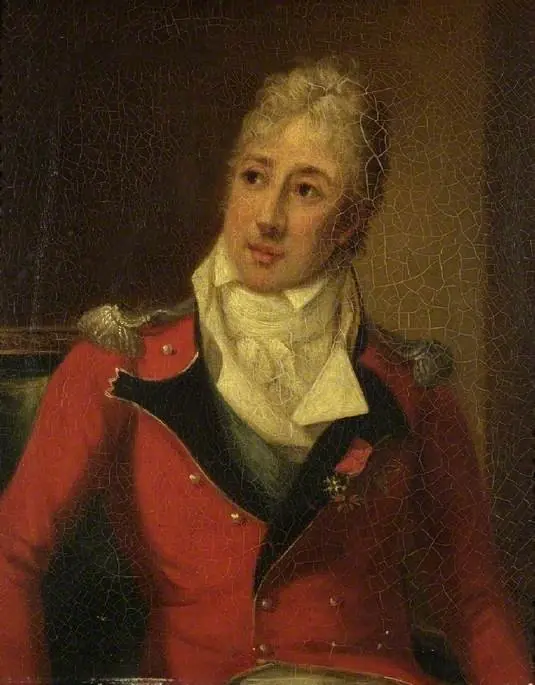 Charles X of France
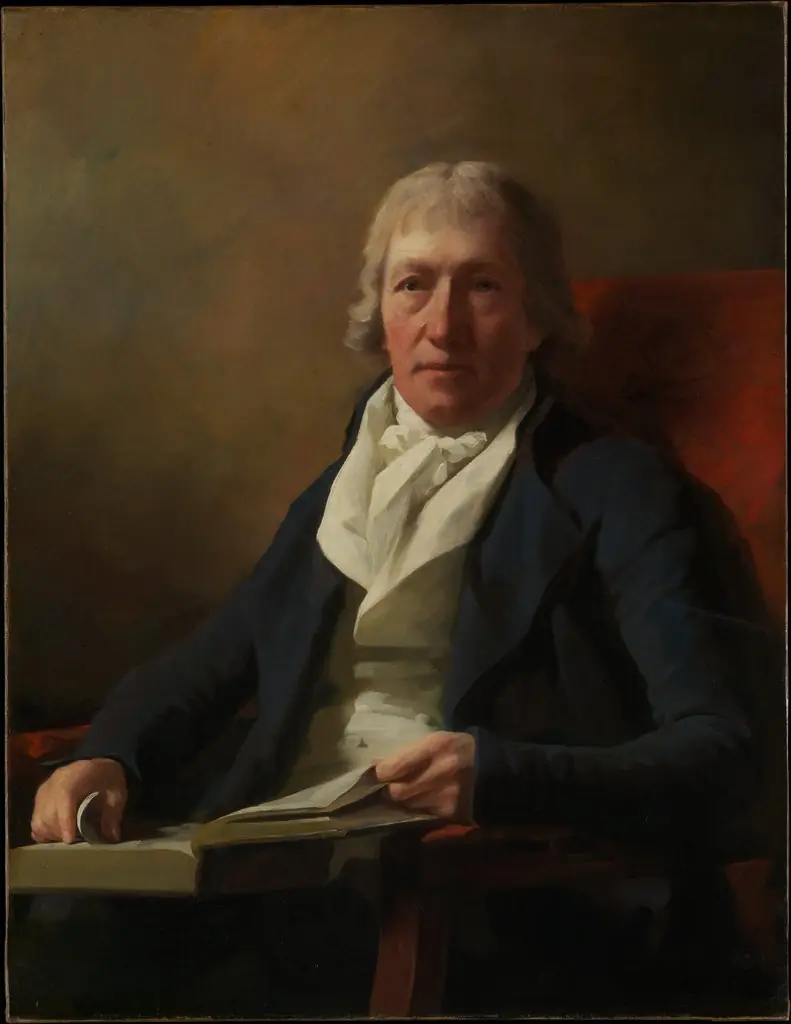 James Johnston of Straiton (died 1841)
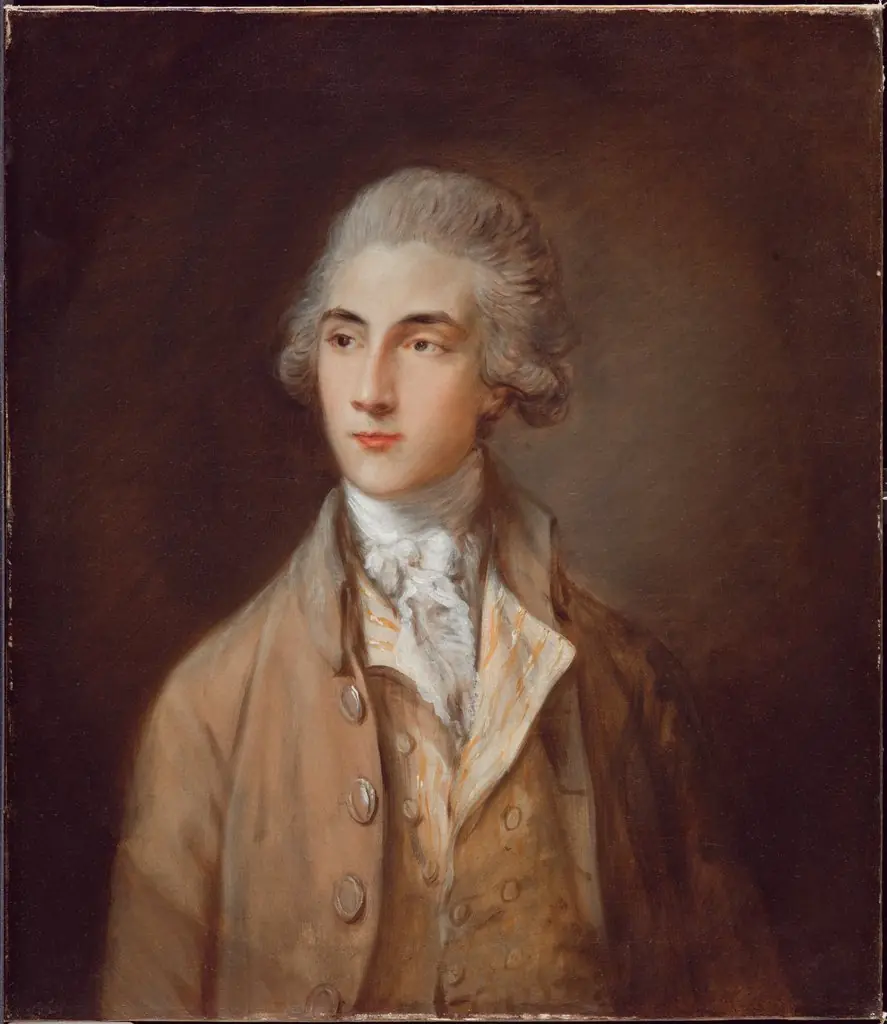 Edward Swinburne
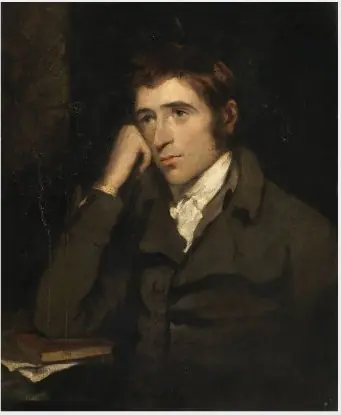 Portrait of Thomas Dermody (1775-1802), Poet