Artwork
Charles X of France
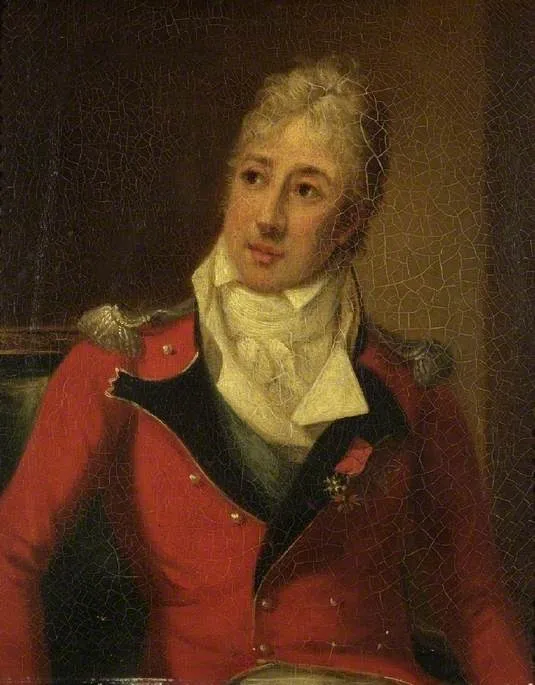
Charles X of France is an oil painting by Sophie de Tott. It dates from 1808 and is held in the collection of the Fitzwilliam Museum.
About this work
The man's facial expression is neutral, and his hair is styled in a manner that was common during the early 19th century.
This painting depicts a man in a red military-style jacket with black lapels and gold buttons. He wears a white cravat around his neck, and a small medal or brooch is pinned to his left lapel. The background is dark, with a lighter area to the right of the subject.
The man's facial expression is neutral, and his hair is styled in a manner that was common during the early 19th century. The overall atmosphere of the painting is formal and dignified.
If you're interested in learning more about the artist behind this portrait, you might want to look up Sophie de Tott.
Overview
This oil painting, created around 1808 by Sophie-Ernestine de Tott, portrays Charles X of France in a formal, dignified manner. The subject wears a distinctive red military-style jacket with black lapels, gold buttons, a white cravat, and a medal on his left lapel, set against a predominantly dark background with a lighter area to the right.
Subject & Meaning
The painting's subject is Charles X of France, depicted in attire suggesting his military or ceremonial role. The neutral facial expression and formal pose convey a sense of authority and dignity, typical of portraiture for monarchs or high-ranking figures during this period.
Technique & Style
Executed in oil paint, the work features a somber color palette with accents of gold and red, contributing to its formal atmosphere. The styling of the subject's hair aligns with early 19th-century conventions, further contextualizing the portrait.
History & Provenance
Painted by Sophie-Ernestine de Tott (known as Madame de Tott, a chanoinesse of Sainte-Anne de Munich) around 1808, the portrait is now part of the Fitzwilliam Museum's collection.
Context
As a genre portrait, it reflects the artistic traditions of portraying royalty and nobility in formal attire during the late Napoleonic to early Restoration periods in France.
Legacy
While specific impact or widespread recognition of this piece is not highlighted in available information, it remains a notable example of portraiture from its time, offering insight into the artistic and social conventions of early 19th-century Europe.
Artist & collection
Artist
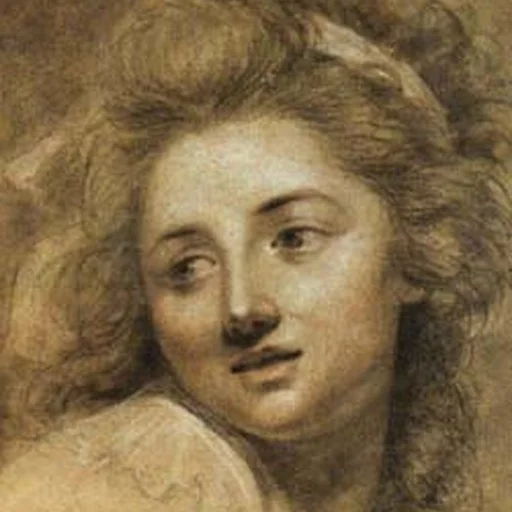
Sophie-Ernestine de Tott (1758 – 1848) was a French painter. Born in Constantinople, Tott was the daughter of François Baron de Tott, who served as a consul in that city, and was of Hungarian descent. A chanoinesse of…

 Mr. Forbes
 Hugh Percy, 3rd Duke of Northumberland
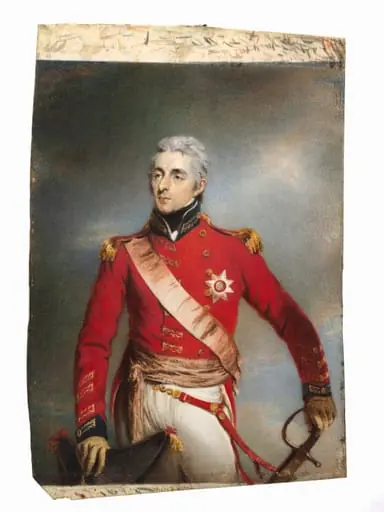 Portrait of Arthur Wellesley, later 1st Duke of Wellington
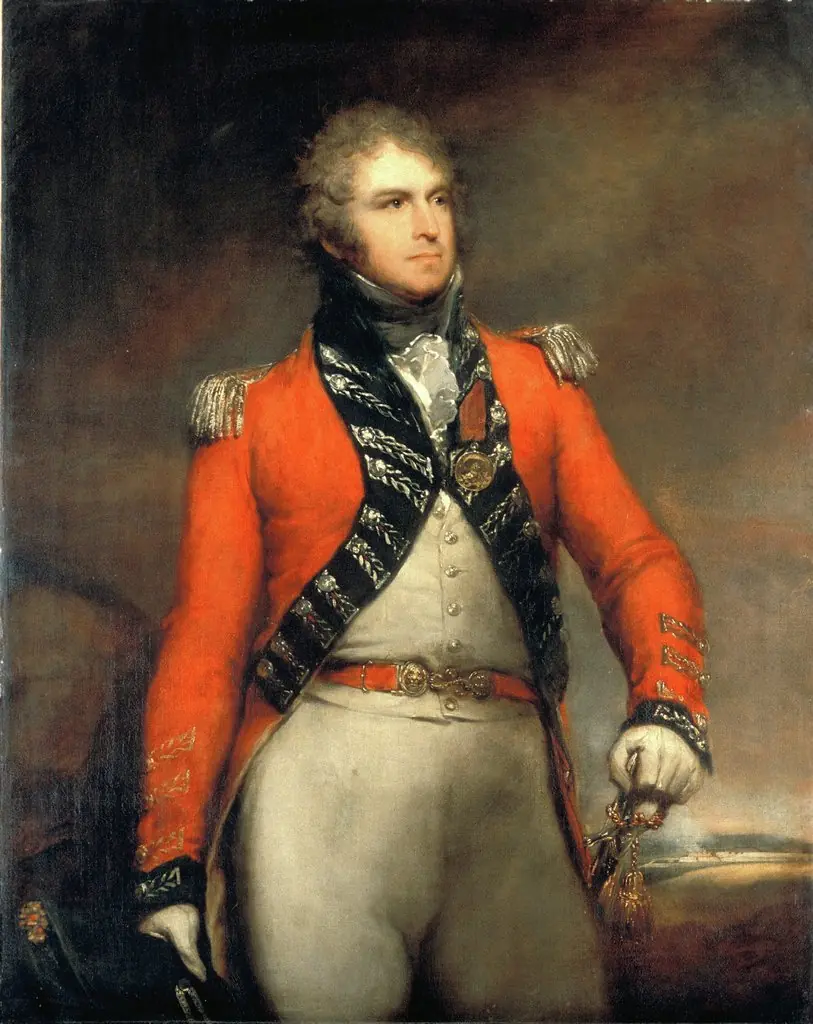 Sir Alexander Allan
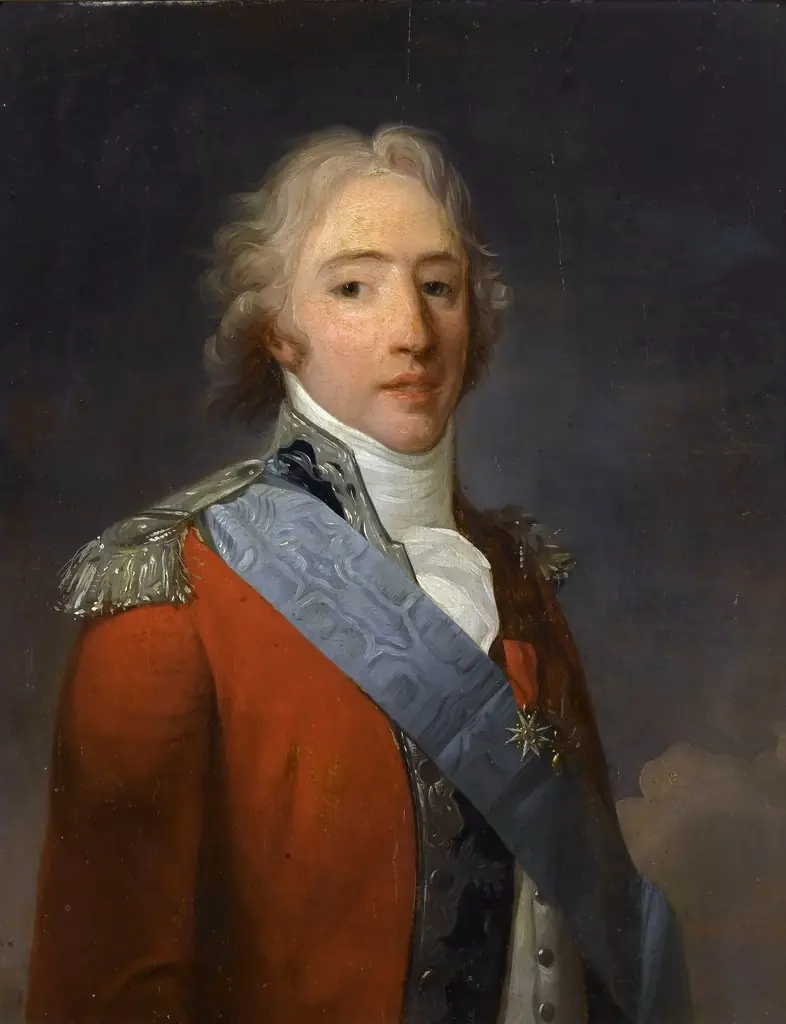 Charles Philippe de France, comte d'Artois (1757-1836)
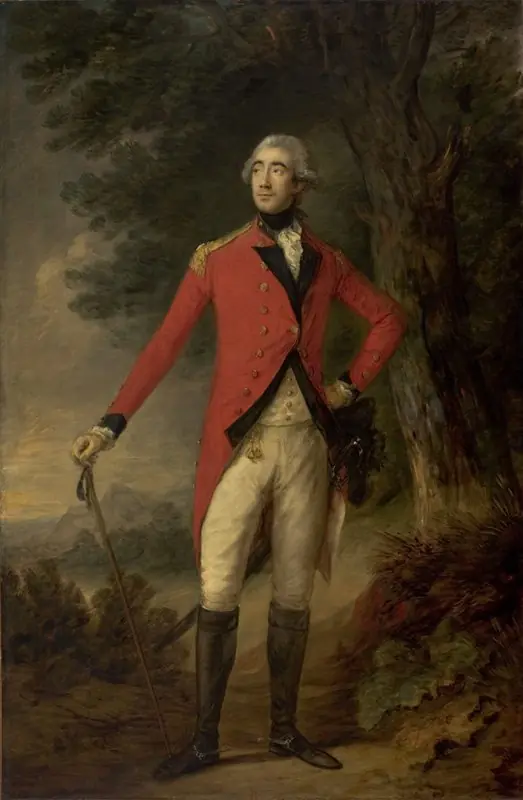 Francis Rawdon, 1st Marquess of Hasting and 2nd Earl of Moira
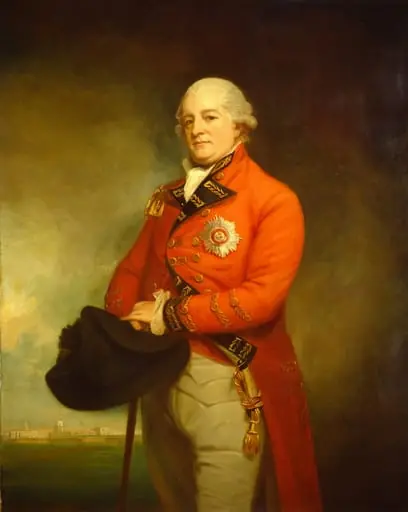 Major-General Sir Archibald Campbell
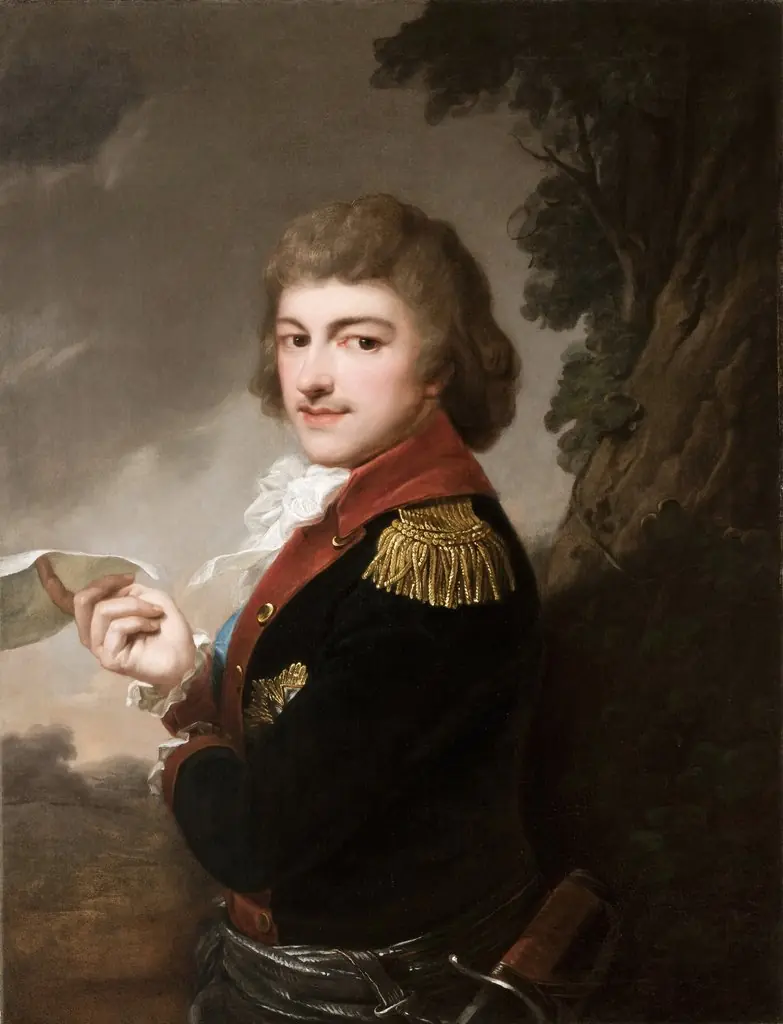 Portrait of Michał Kleofas Ogiński
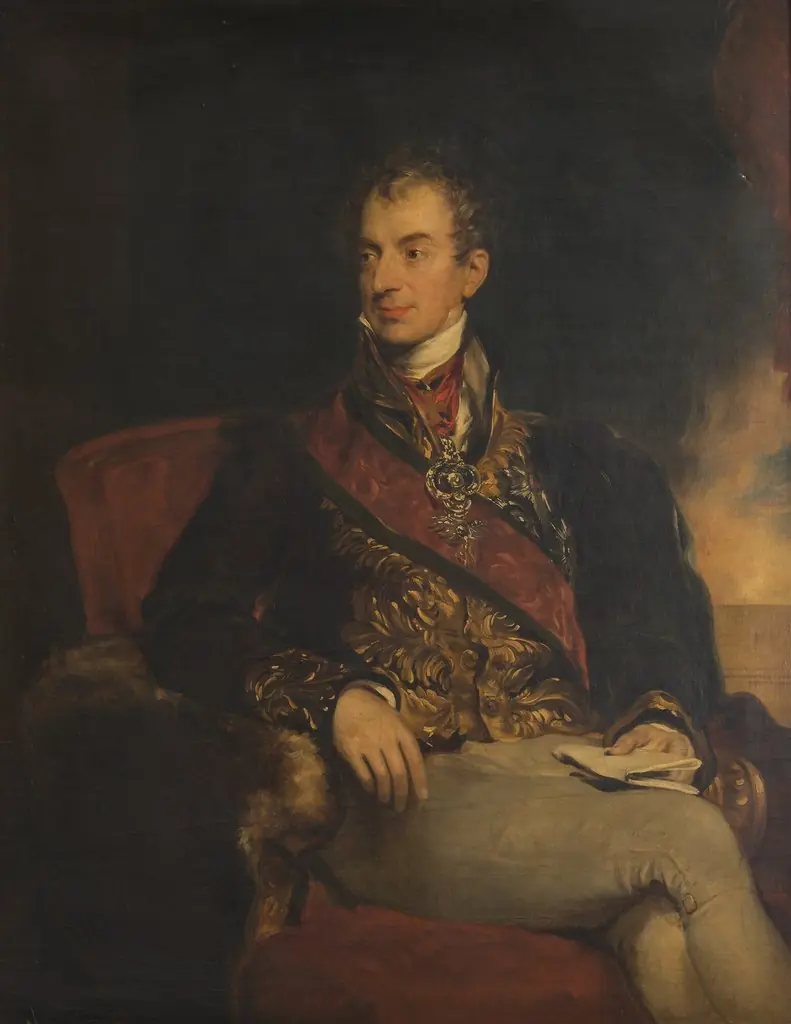 Portrait of Metternich
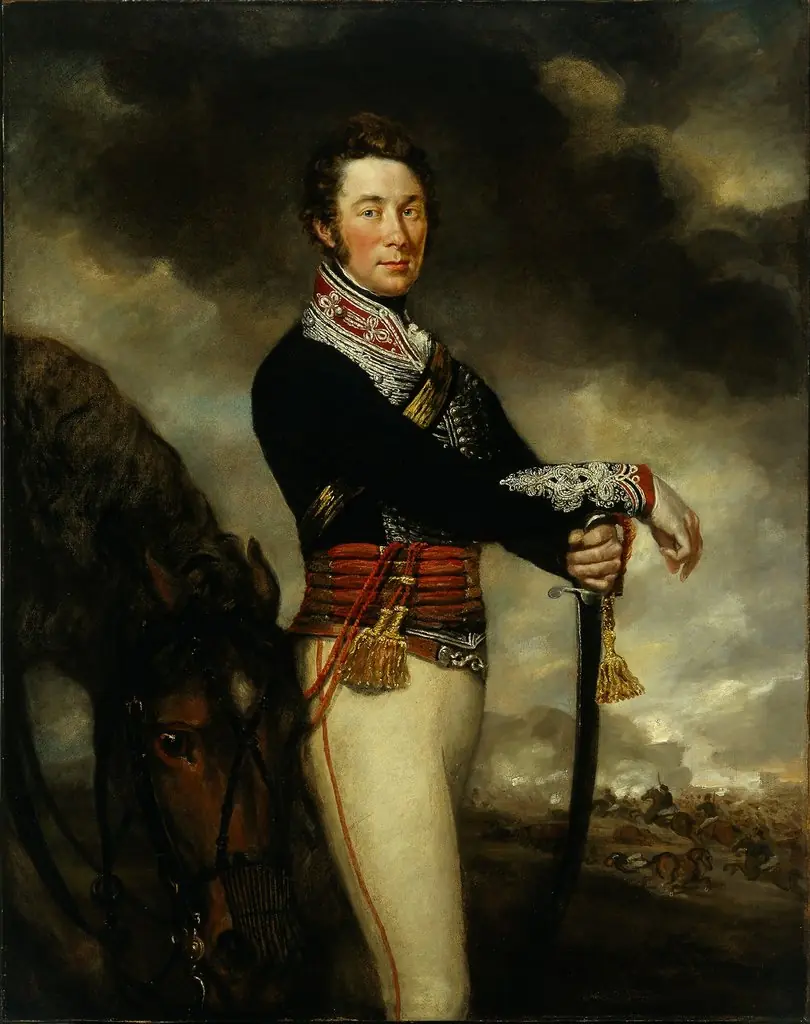 Captain Peter Hawker of the 14th Light Dragoons
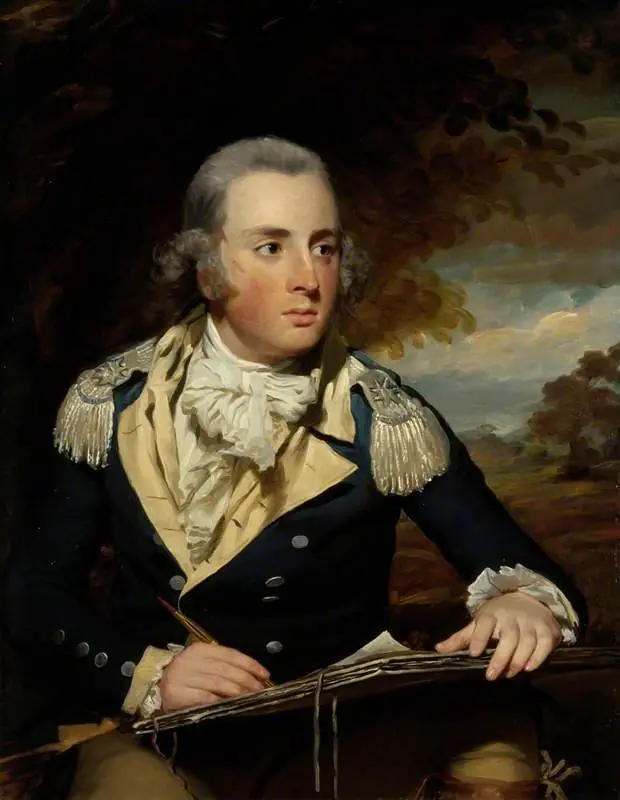 Lieutenant-Colonel George Lyon (active 1788 - about 1826)
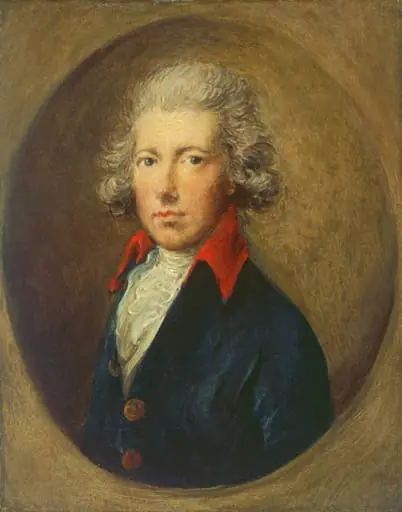 William Pitt