Artwork
Portrait of Mrs William Fortescue (1733/34-1820), later Countess of Clermont
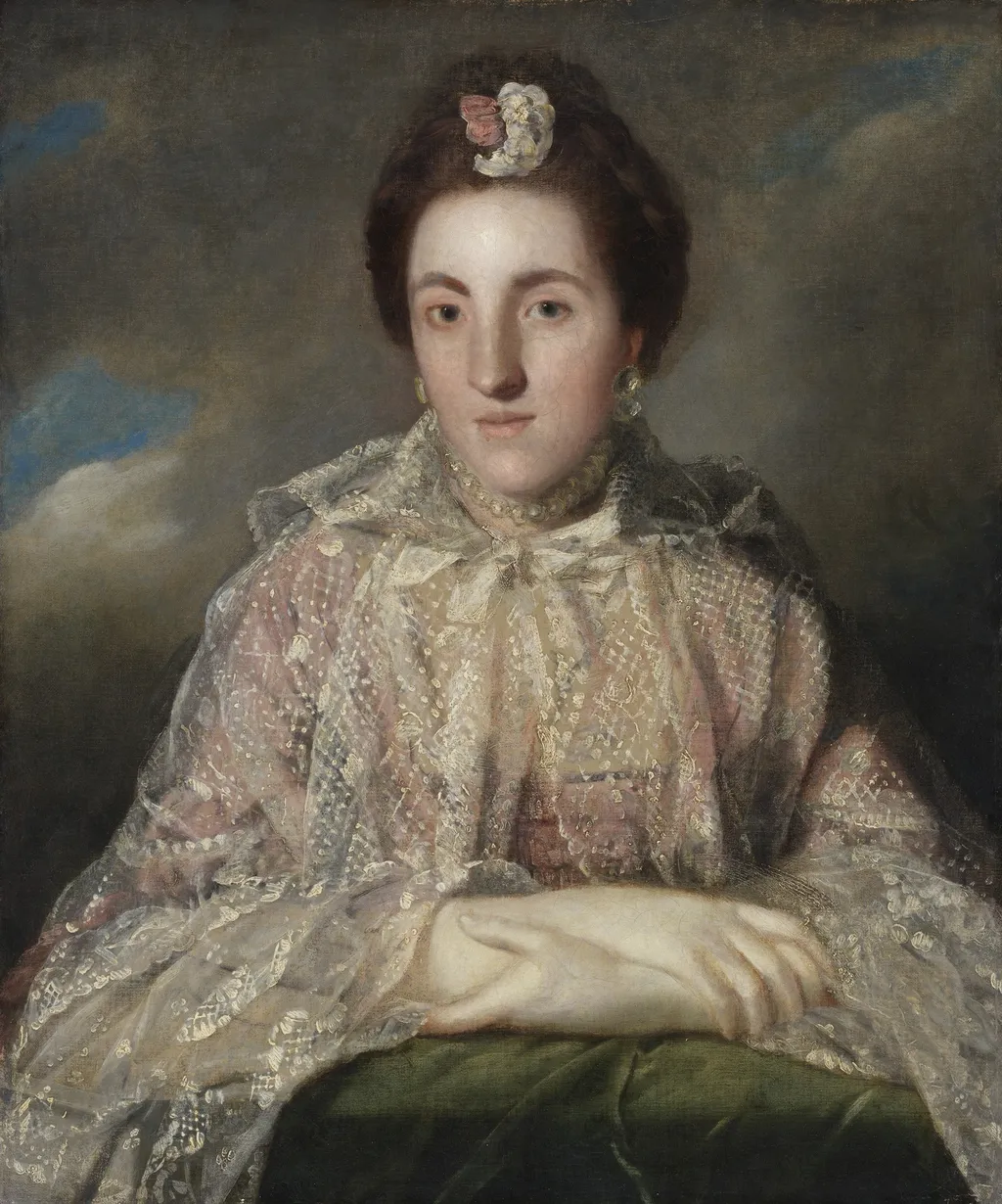
Portrait of Mrs William Fortescue (1733/34-1820), later Countess of Clermont is an oil painting by the Rococo painting artist Joshua Reynolds. It dates from 1761 and is held in the collection of the National Gallery of Ireland.
About this work
Overview
Reynolds, then emerging as a leading figure in British portraiture, rendered her with a composed elegance that aligned with his developing Grand Style.
Painted in 1761 by Joshua Reynolds, this oil-on-canvas portrait captures Frances Cairnes Murray before she became Countess of Clermont. Reynolds, then emerging as a leading figure in British portraiture, rendered her with a composed elegance that aligned with his developing Grand Style. The work is part of the National Gallery of Ireland’s collection and reflects the refined aesthetic of mid-18th-century British elite portraiture.
Subject & Meaning
The sitter, Frances Cairnes Murray, is depicted not as a mere likeness but as an embodiment of aristocratic poise. Her direct gaze and still posture convey quiet dignity, while her attire—pale pink silk with gold embroidery and a pearl hairpin—signals wealth and social standing. The absence of narrative elements focuses attention on her presence, emphasizing status over personality, a hallmark of Reynolds’ approach to elite subjects.
Technique & Style
Reynolds employed soft, blended brushwork to model the sitter’s face and fabric, creating a luminous effect that suggests natural light. The pale pink gown catches subtle highlights, its gold embroidery rendered with delicate precision. The dark, undefined background isolates the figure, enhancing her three-dimensionality. This technique, rooted in classical ideals and Venetian colorism, distinguishes his Grand Style from the more decorative Rococo trends of the time.
History & Provenance
Commissioned in 1761, the portrait remained within the Fortescue and Clermont families before entering the National Gallery of Ireland’s collection. Its preservation reflects its significance as a representation of aristocratic identity in Georgian Britain. Reynolds’ rising reputation at the time ensured the work’s careful stewardship, and its survival offers insight into the patronage networks of 18th-century British nobility.
Context
Reynolds painted this portrait during a period when British portraiture was shifting from flamboyant Rococo to a more restrained, classical idealism. As a founding member of the Royal Academy, he promoted art grounded in historical precedent and moral seriousness. This portrait aligns with his efforts to elevate portraiture beyond mere likeness, positioning it as a vehicle for cultural and intellectual aspiration.
Legacy
The portrait exemplifies Reynolds’ influence on British art through his synthesis of European traditions and domestic sensibility. While not among his most famous works, it remains a clear example of his method: idealizing subjects to reflect virtue and status. Its continued presence in a national collection underscores its role in documenting the visual culture of the British elite during a formative era for the nation’s artistic institutions.
Own this work as a print
Artist & collection
Artist
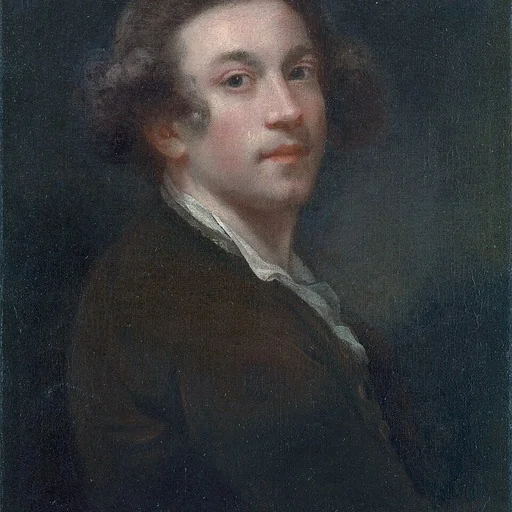
Sir Joshua Reynolds (16 July 1723 – 23 February 1792) was an English painter who specialised in portraits.

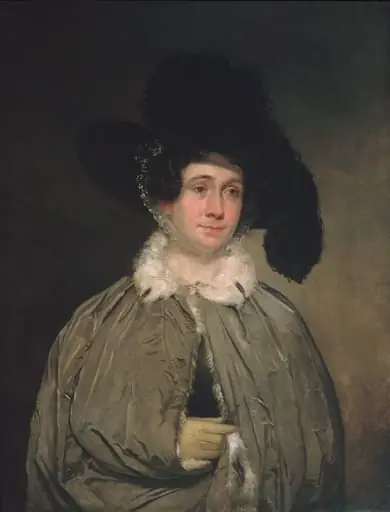 Mrs. Thomas Brewster Coolidge
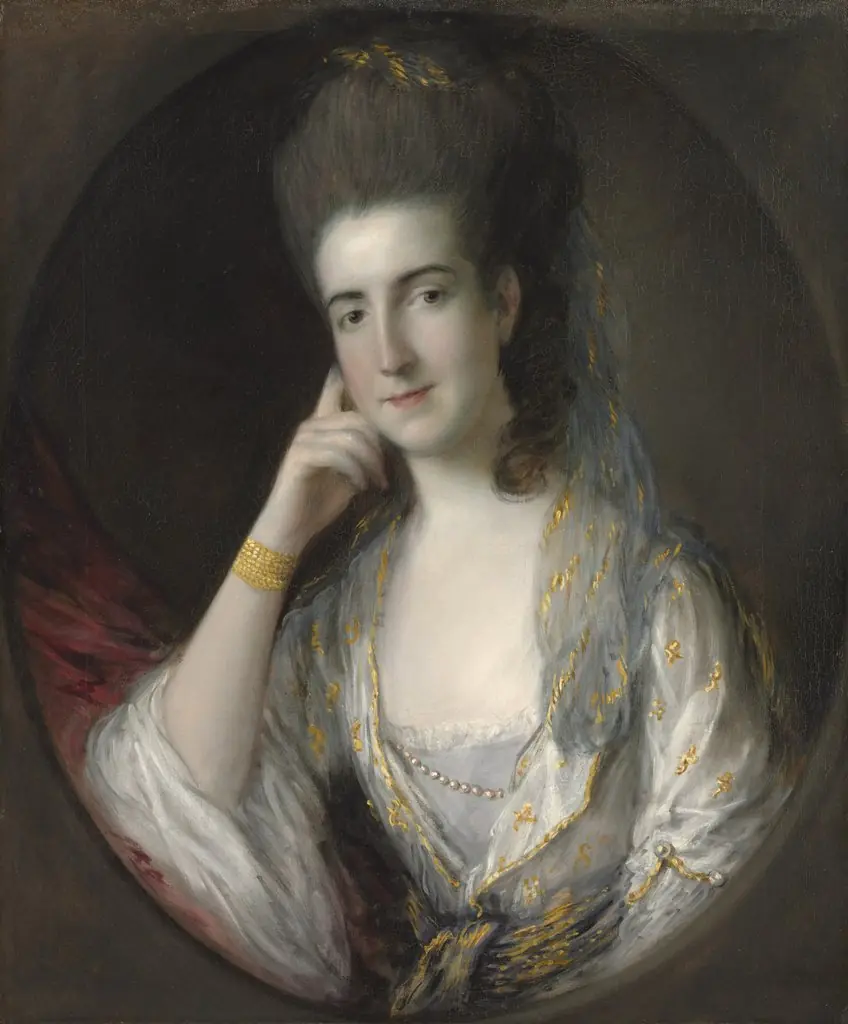 Portrait of Mary Wise
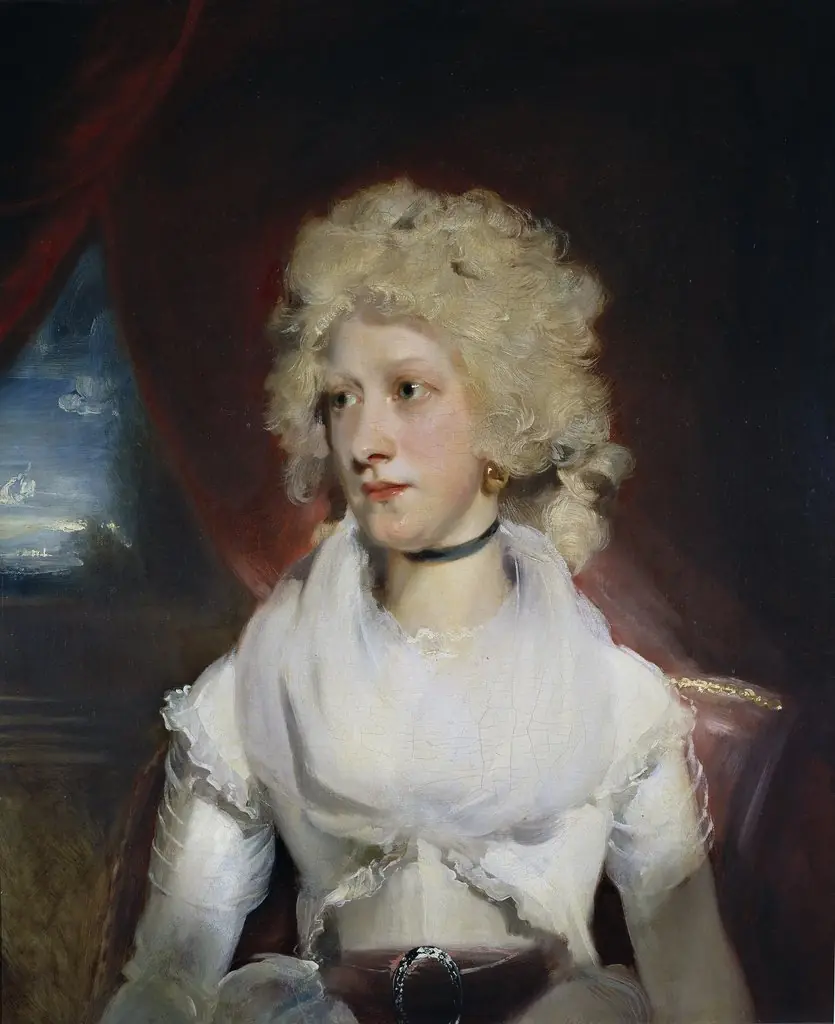 Miss Marthe Carr
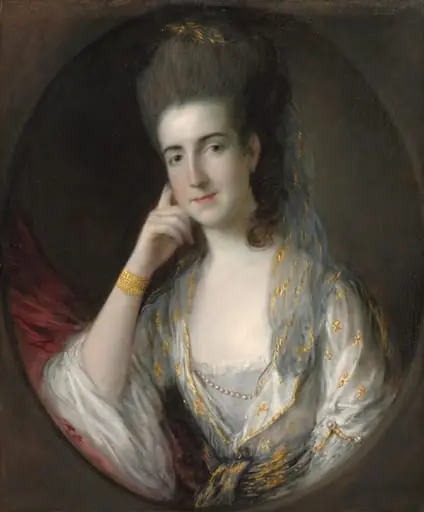 Portrait of Mary Wise
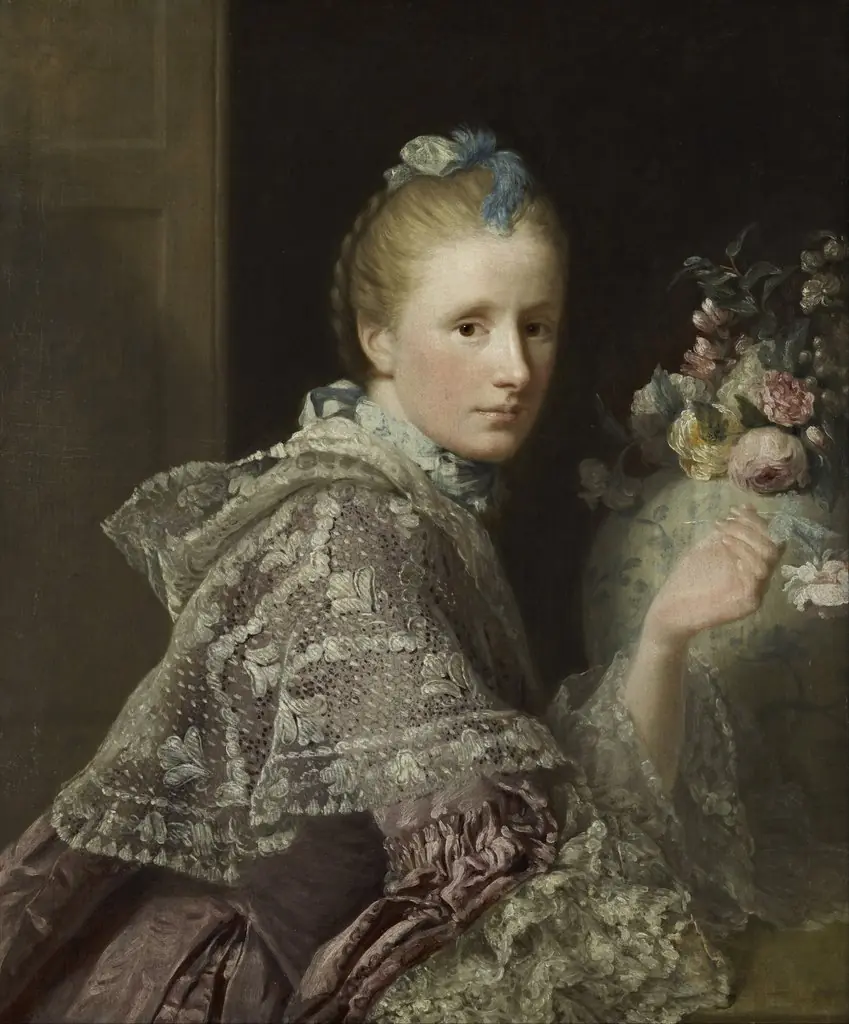 The Artist's Wife: Margaret Lindsay of Evelick
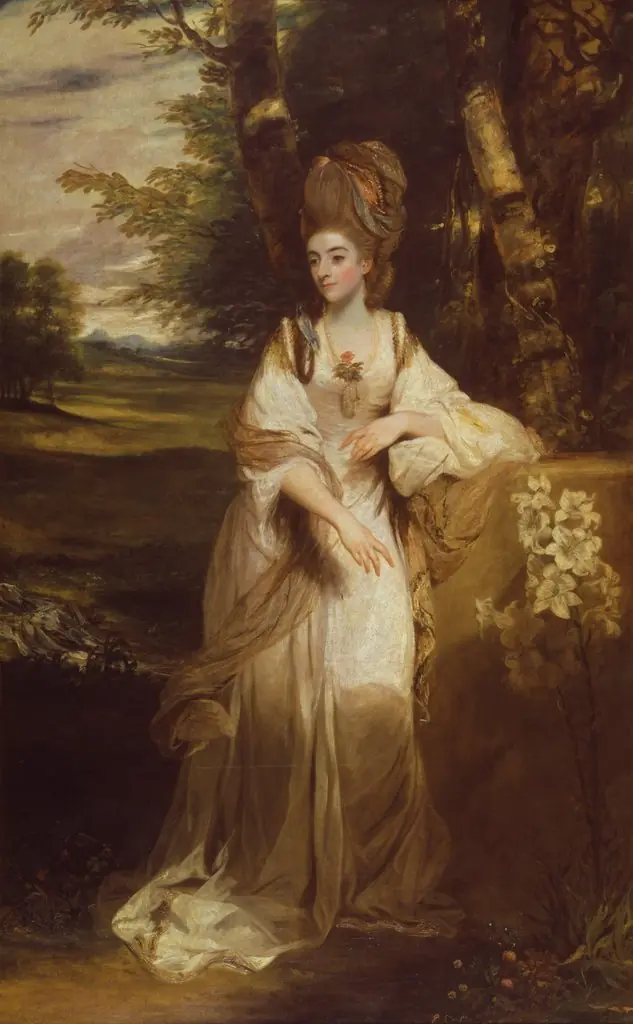 Lady Bampfylde
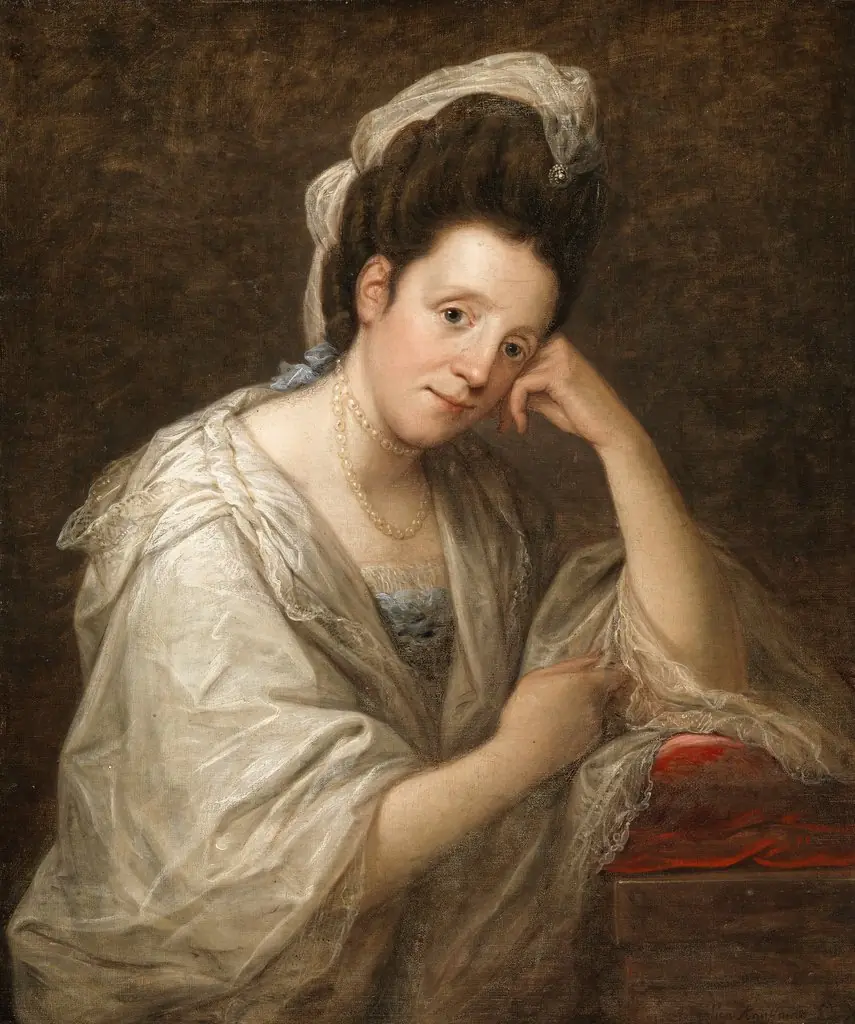 Portrait of Mrs Helen (Dorothea Daniel) (d.1806)
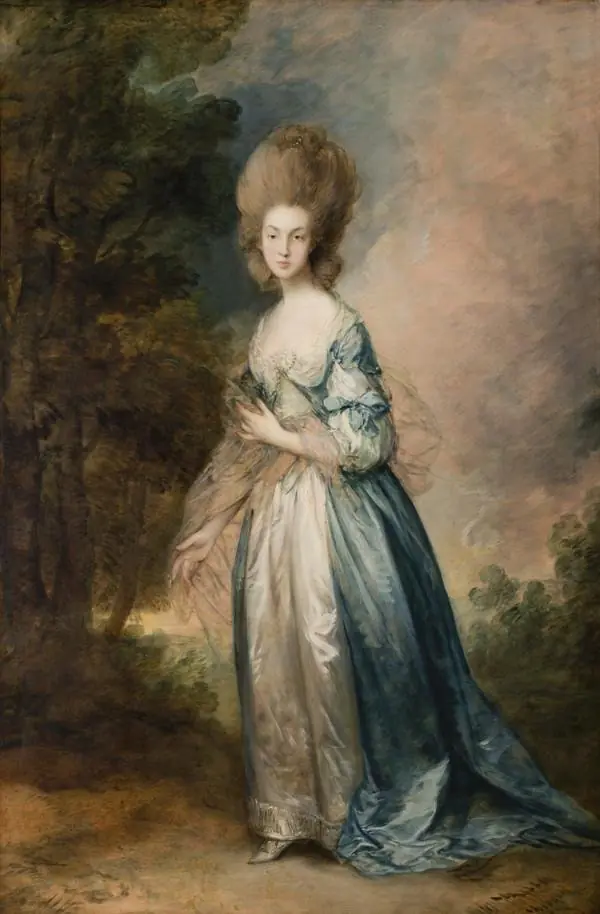 Portrait of Selina Thistlethwayte of Norman Court, full-length in blue and white dress
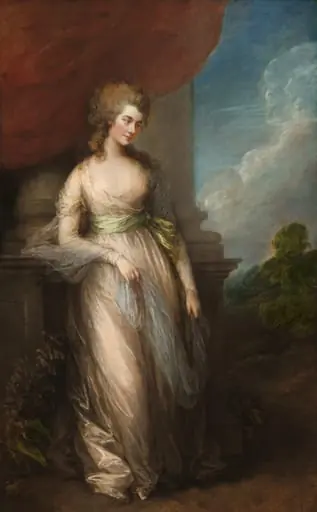 Georgiana, Duchess of Devonshire
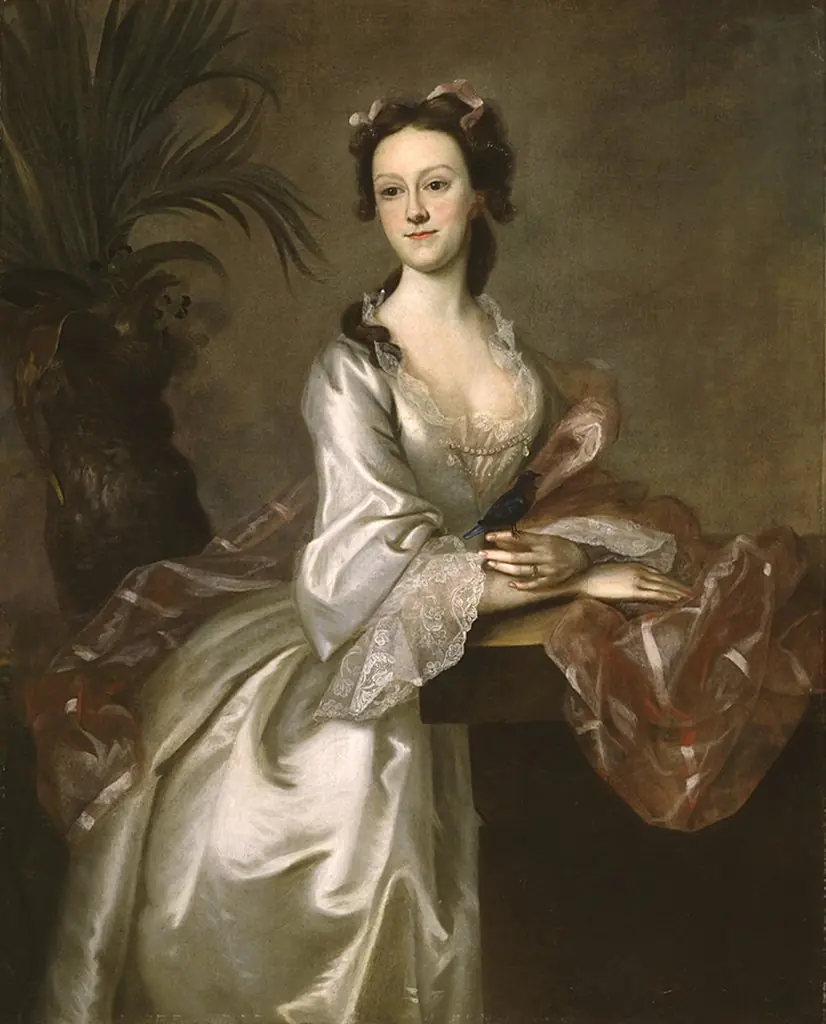 Portrait of Mrs. John Pigott
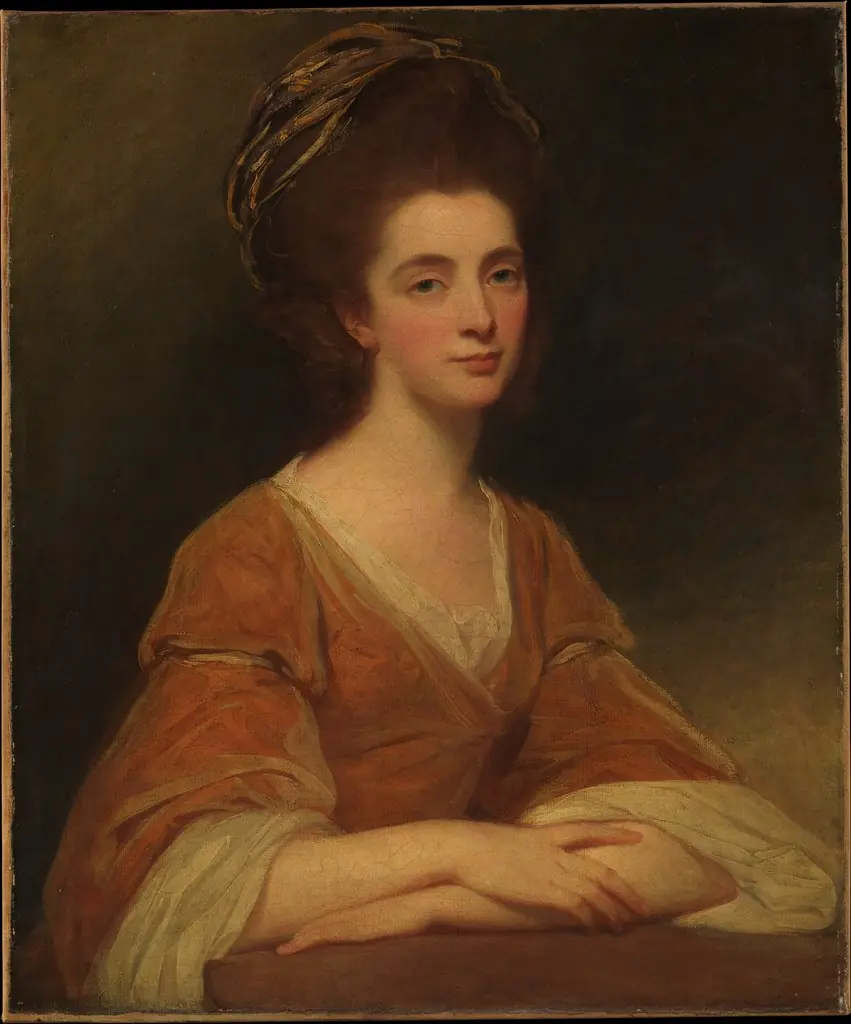 Mrs. Charles Frederick (Martha Rigden, died 1794)
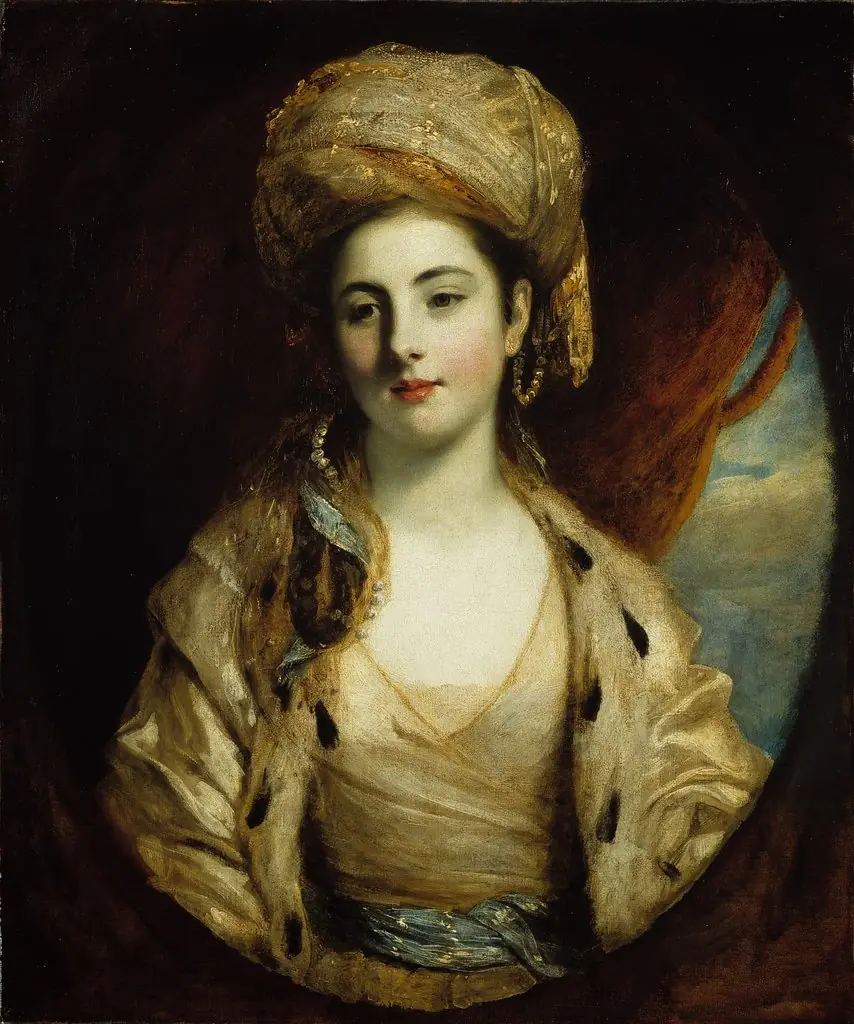 Mrs. Richard Paul Jodrell