Artwork
Sir William Hamilton (1730–1803)
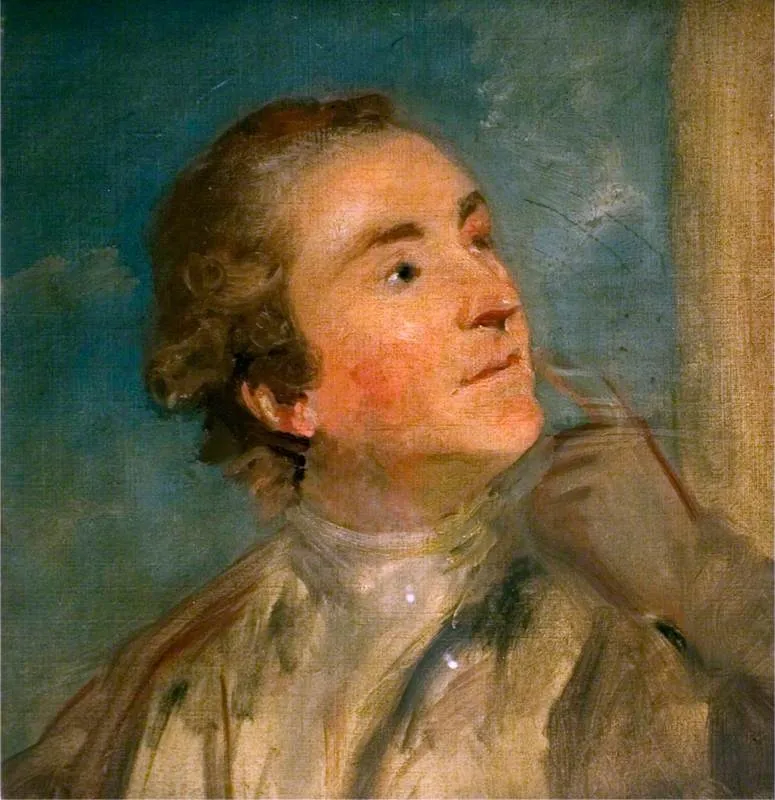
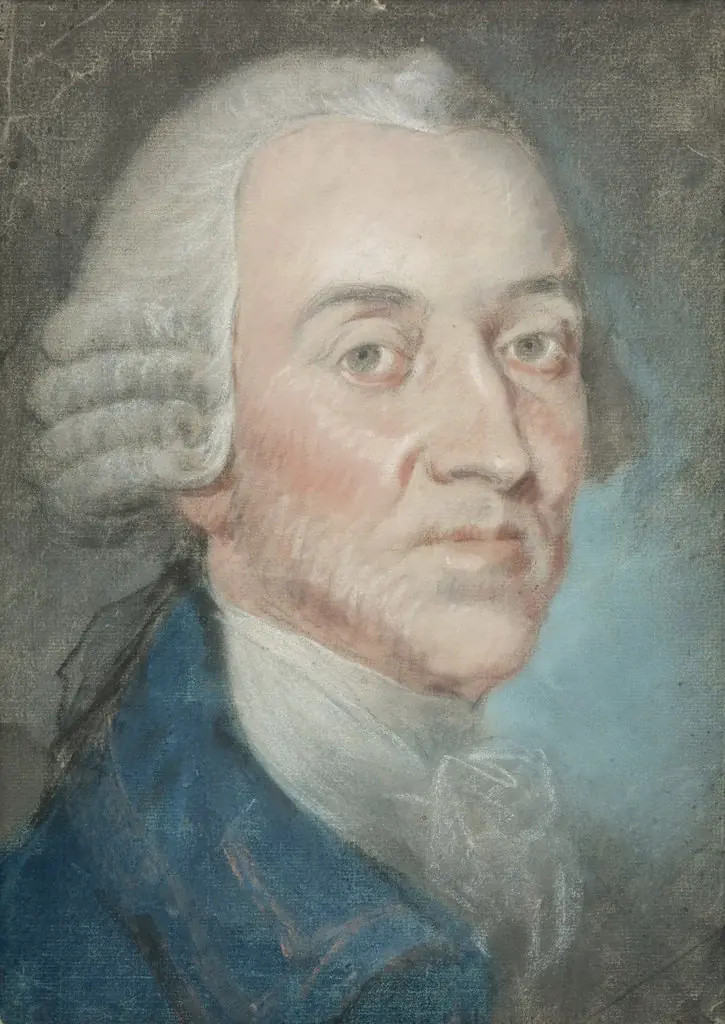
Sir William Hamilton (1730–1803) is an oil painting by the Neoclassicist artist Joshua Reynolds. It dates from 1790 and is held in the collection of the Victoria and Albert Museum.
About this work
Overview
Joshua Reynolds painted this oil portrait of Sir William Hamilton in 1790. As a prominent English portraitist and founder of the Royal Academy of Arts, Reynolds employed the neoclassical style to depict Hamilton, a diplomat and collector. The portrait is part of the Victoria and Albert Museum's collection.
Subject & Meaning
The subject, Sir William Hamilton (1730–1803), is portrayed in a calm, profile pose, conveying dignity. His attire—a light-colored shirt with a high collar and a casually draped dark jacket—suggests refinement. The overall composition reflects Reynolds' adherence to the Grand Style, which emphasized idealization of the subject.
Technique & Style
Reynolds utilized smooth brushstrokes and blended colors to achieve a serene, neoclassical effect. The soft greenish-blue background subtly complements the subject. The artist's focus on Hamilton's face and hands, enhanced by strategic lighting on his cheekbones, exemplifies Reynolds' skill in emphasizing key portrait elements.
History & Provenance
Created in 1790, the portrait is now held in the collection of the Victoria and Albert Museum, highlighting its significance within British artistic heritage.
Context
This work reflects late 18th-century portraiture trends in England, with Reynolds leading the adoption of neoclassical ideals through his presidency of the Royal Academy of Arts.
Legacy
As a characteristic example of Reynolds' neoclassical portraiture, the painting contributes to the broader legacy of the artist and the Royal Academy, influencing subsequent British portraiture.
Artist & collection
Artist
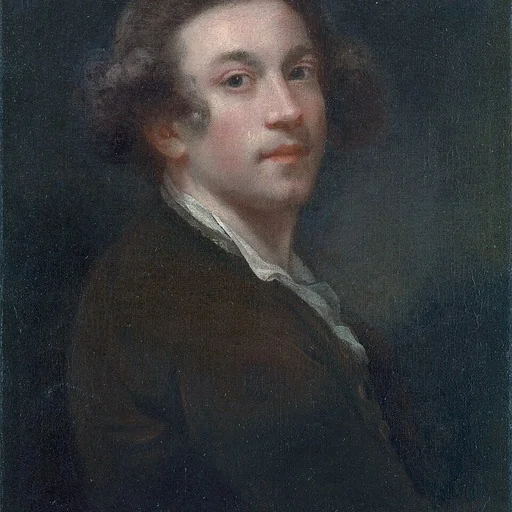
Sir Joshua Reynolds (16 July 1723 – 23 February 1792) was an English painter who specialised in portraits.

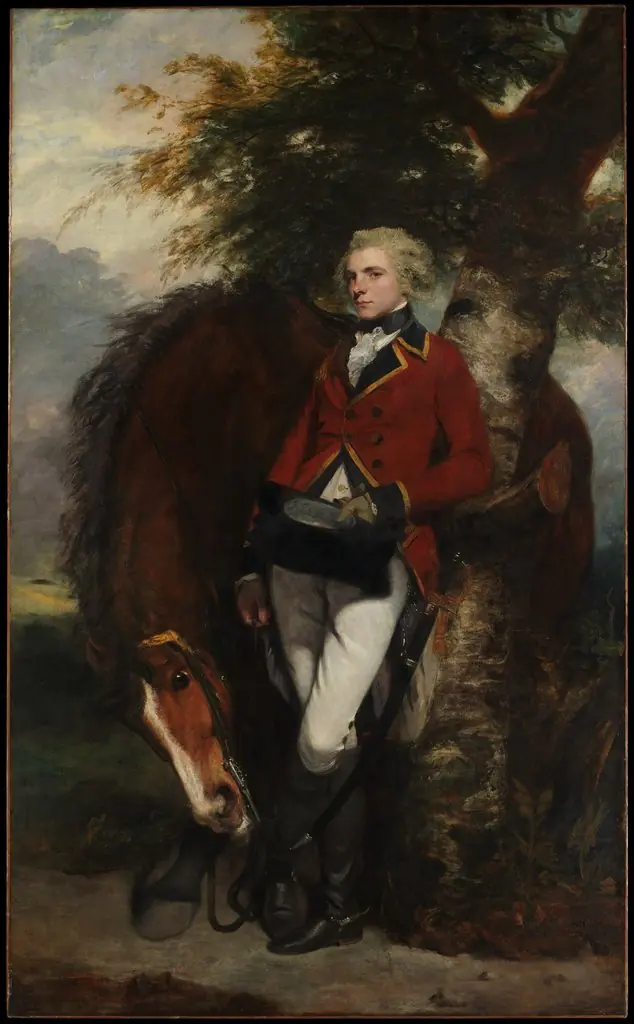
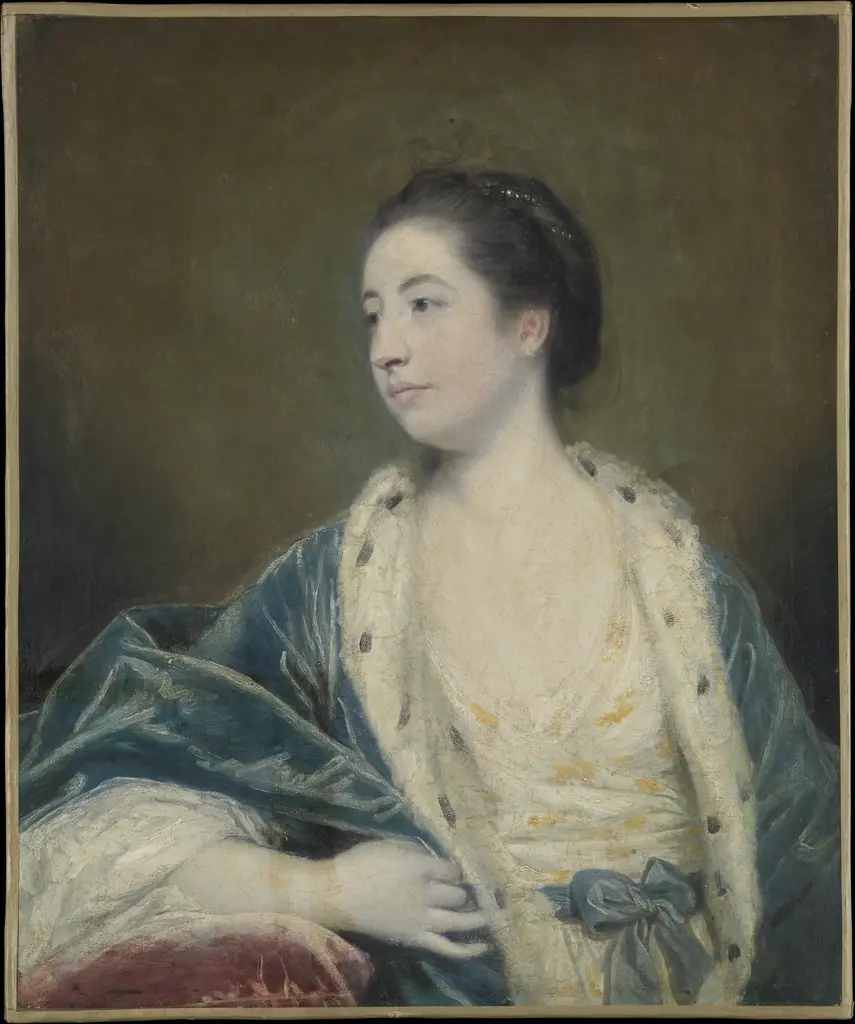
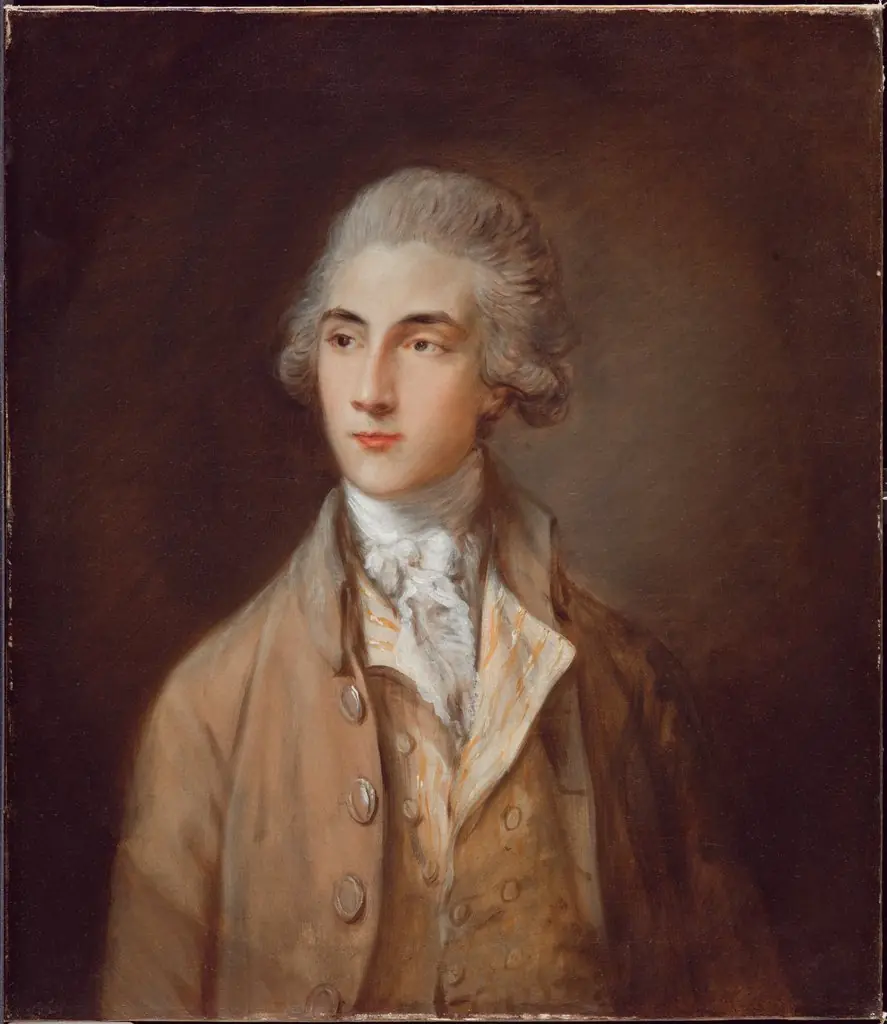 Edward Swinburne
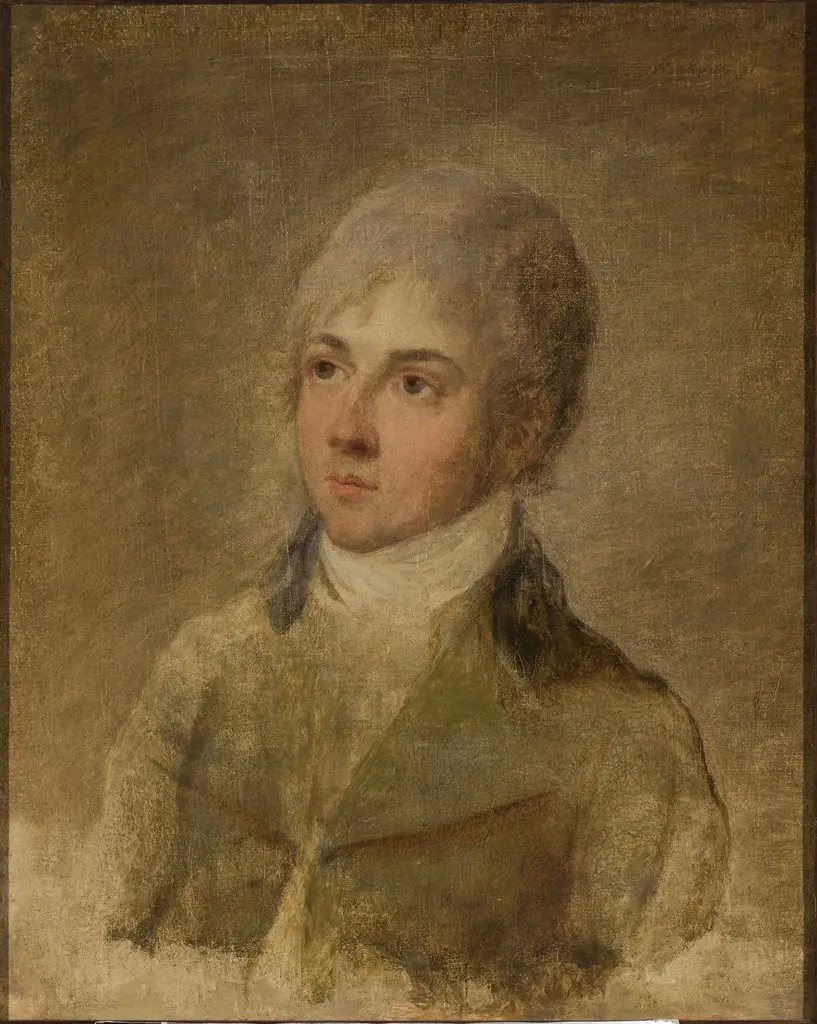 Portrait of a young man
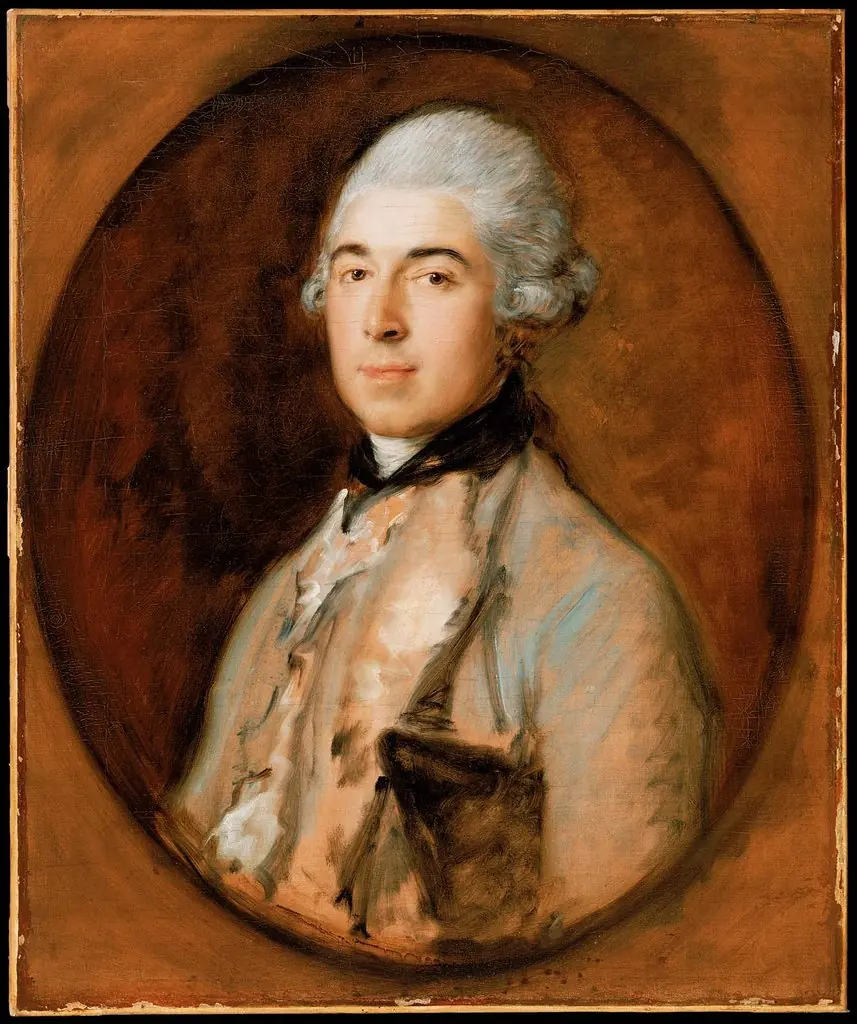 Captain Thomas Mathews
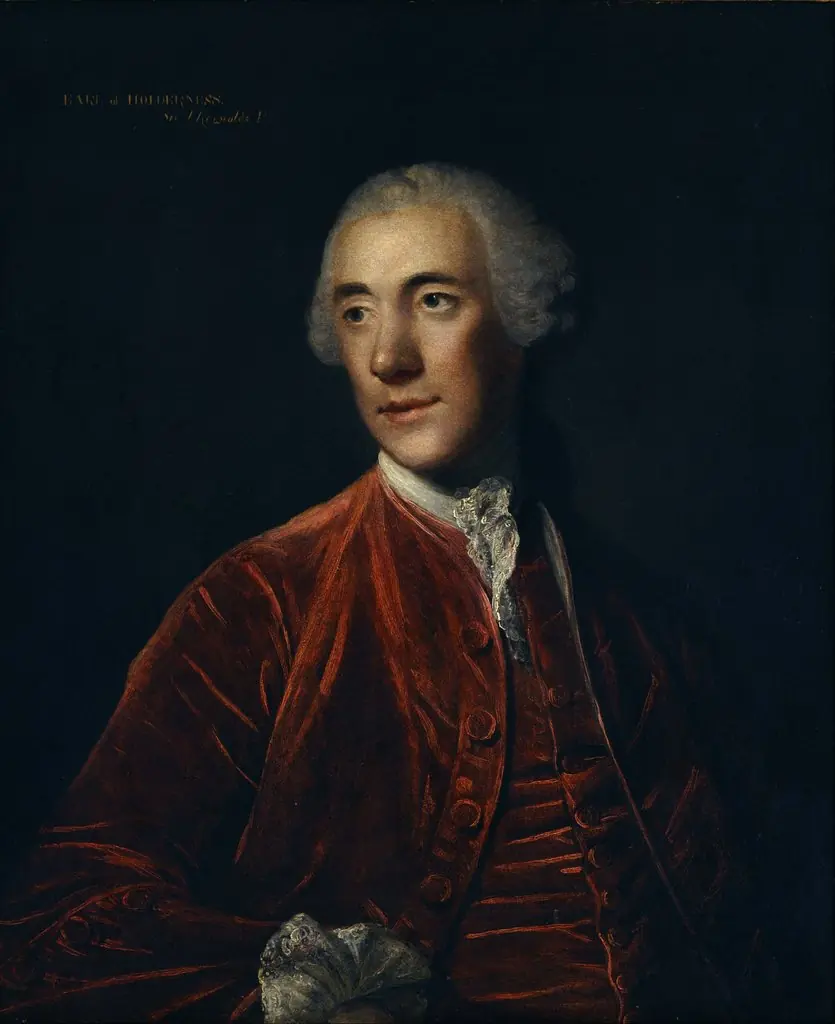 Robert d’Arcy, 4th Earl of Holderness
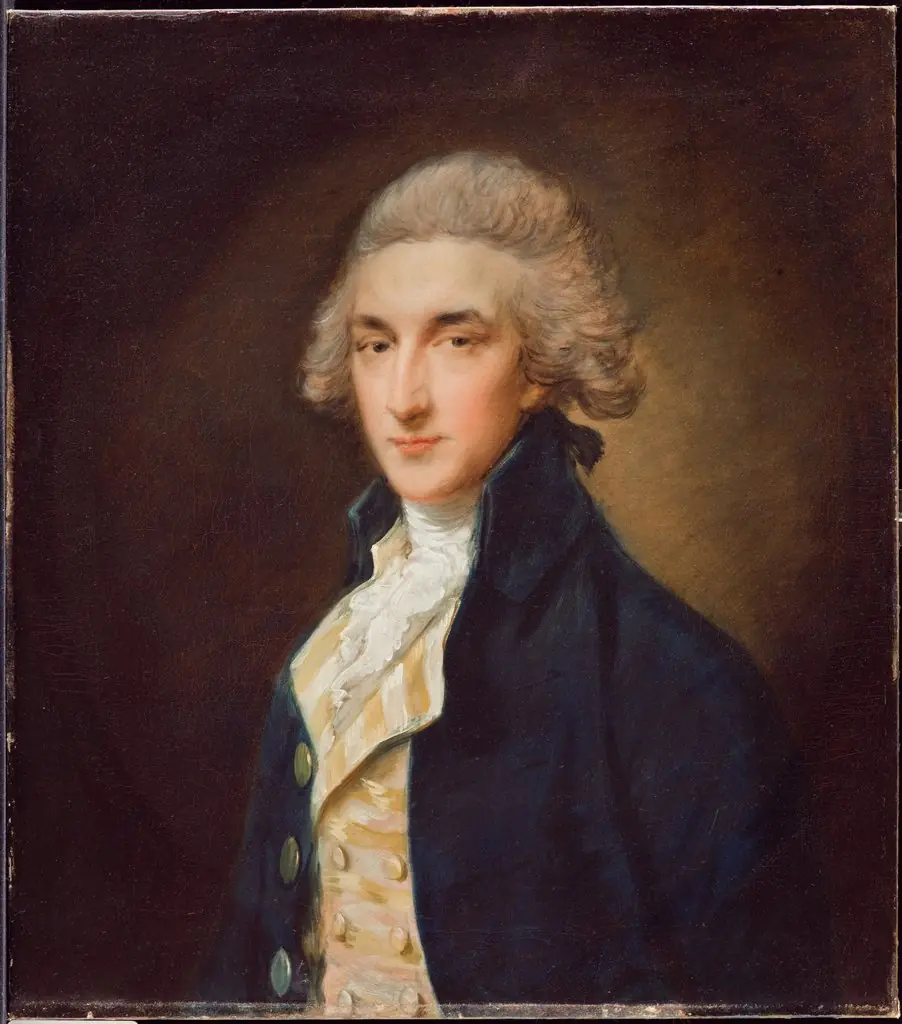 Sir John Edward Swinburne
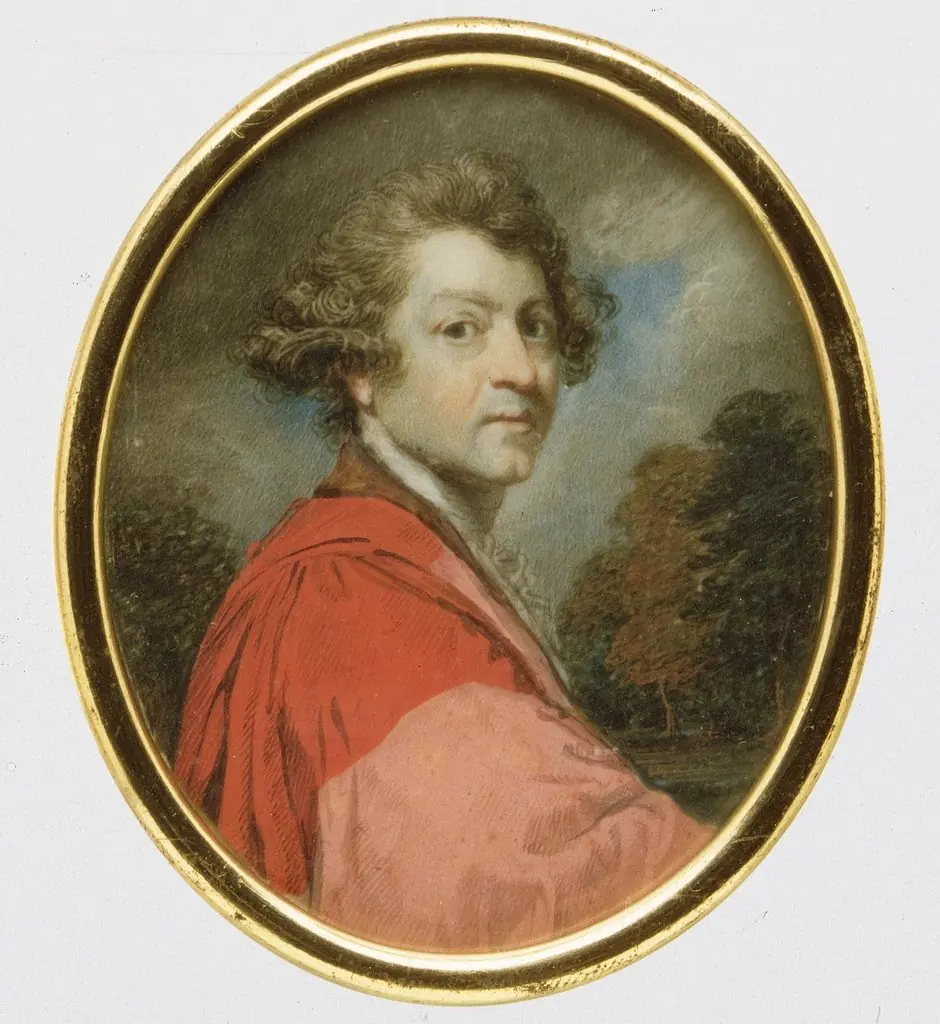 Sir Joshua Reynolds (1723–1792)
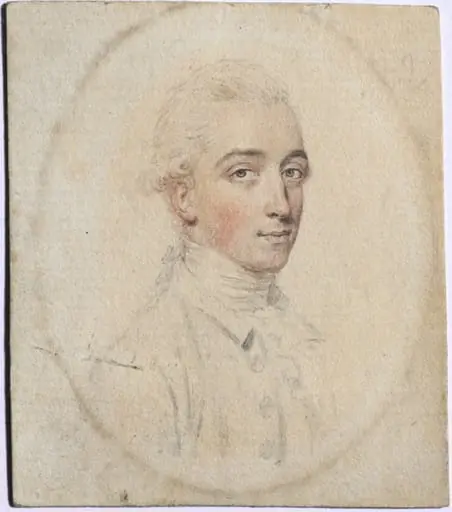 Portrait of Mr. Gambier
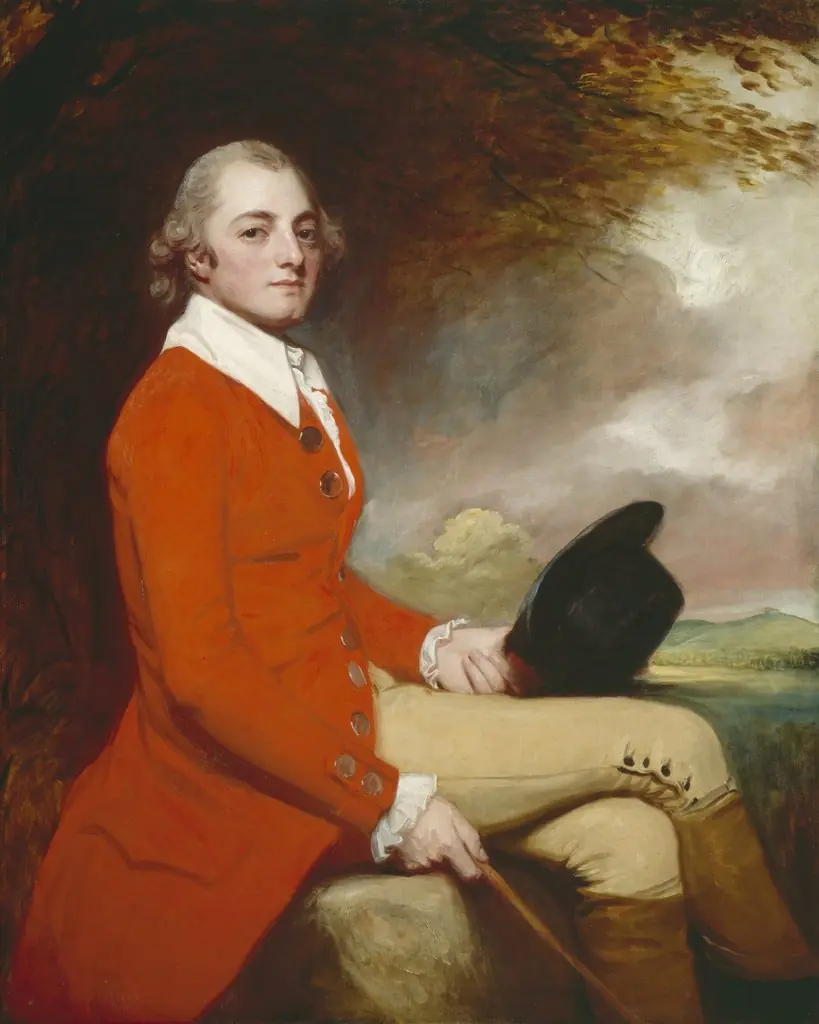 Thomas Grove of Ferne, Wiltshire
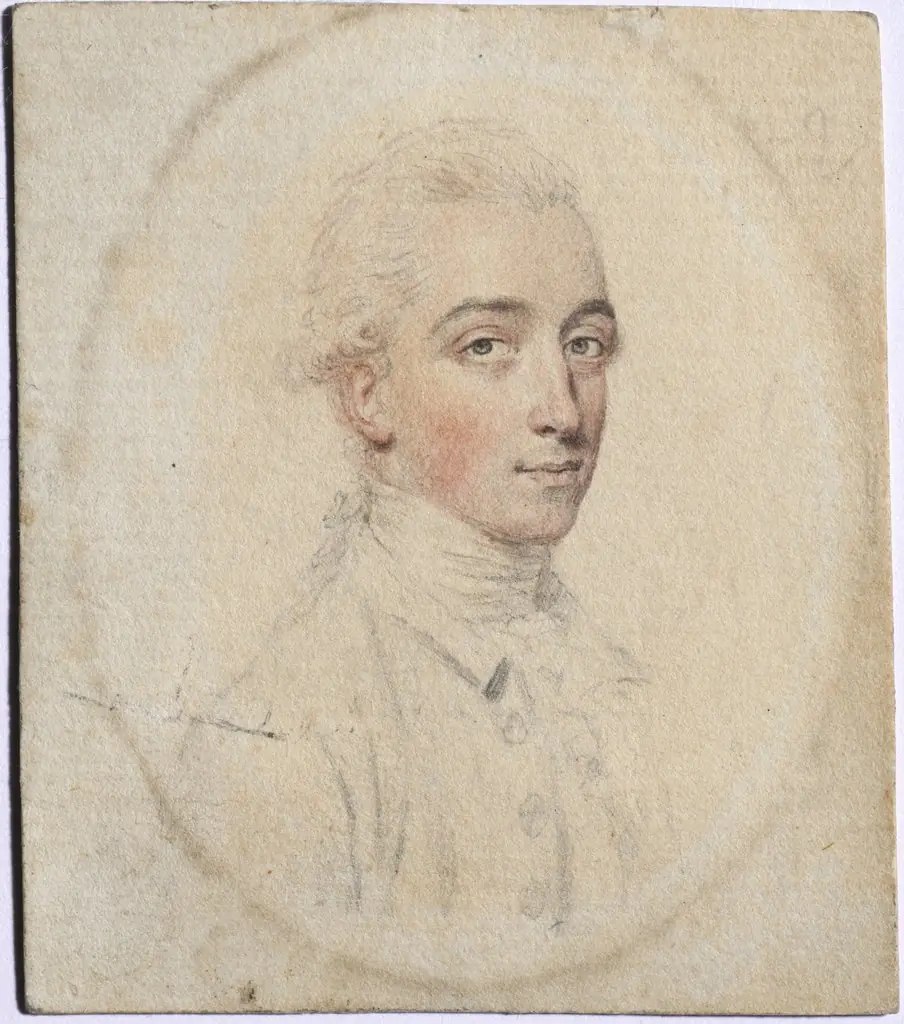 Portrait of Mr. Gambier
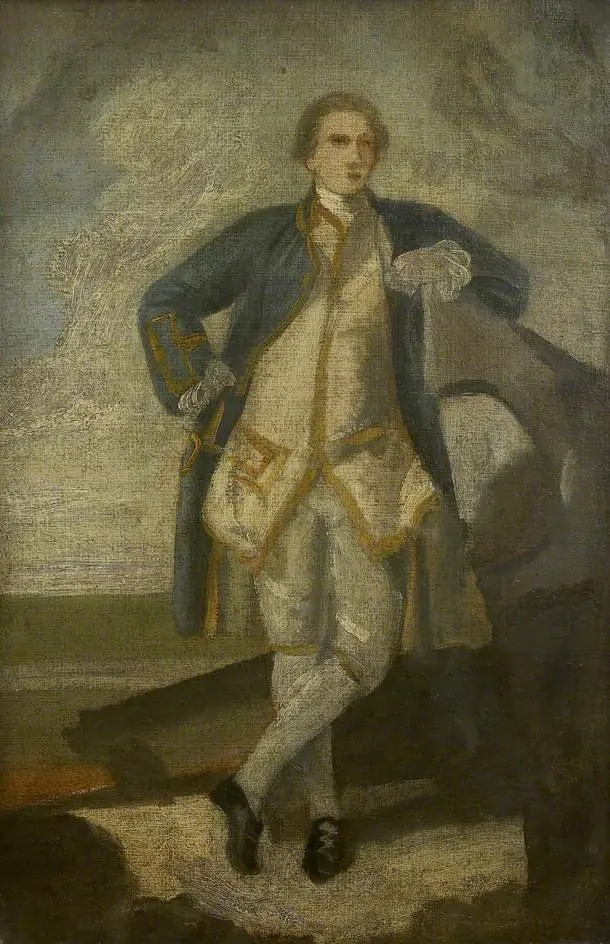 Sketch for a Portrait of Captain Philemon Pownall, RN
 Gentleman
 Gustavus Hamilton, 2nd Viscount Boyne (1710 - 1746)