Artwork
Scaramouche
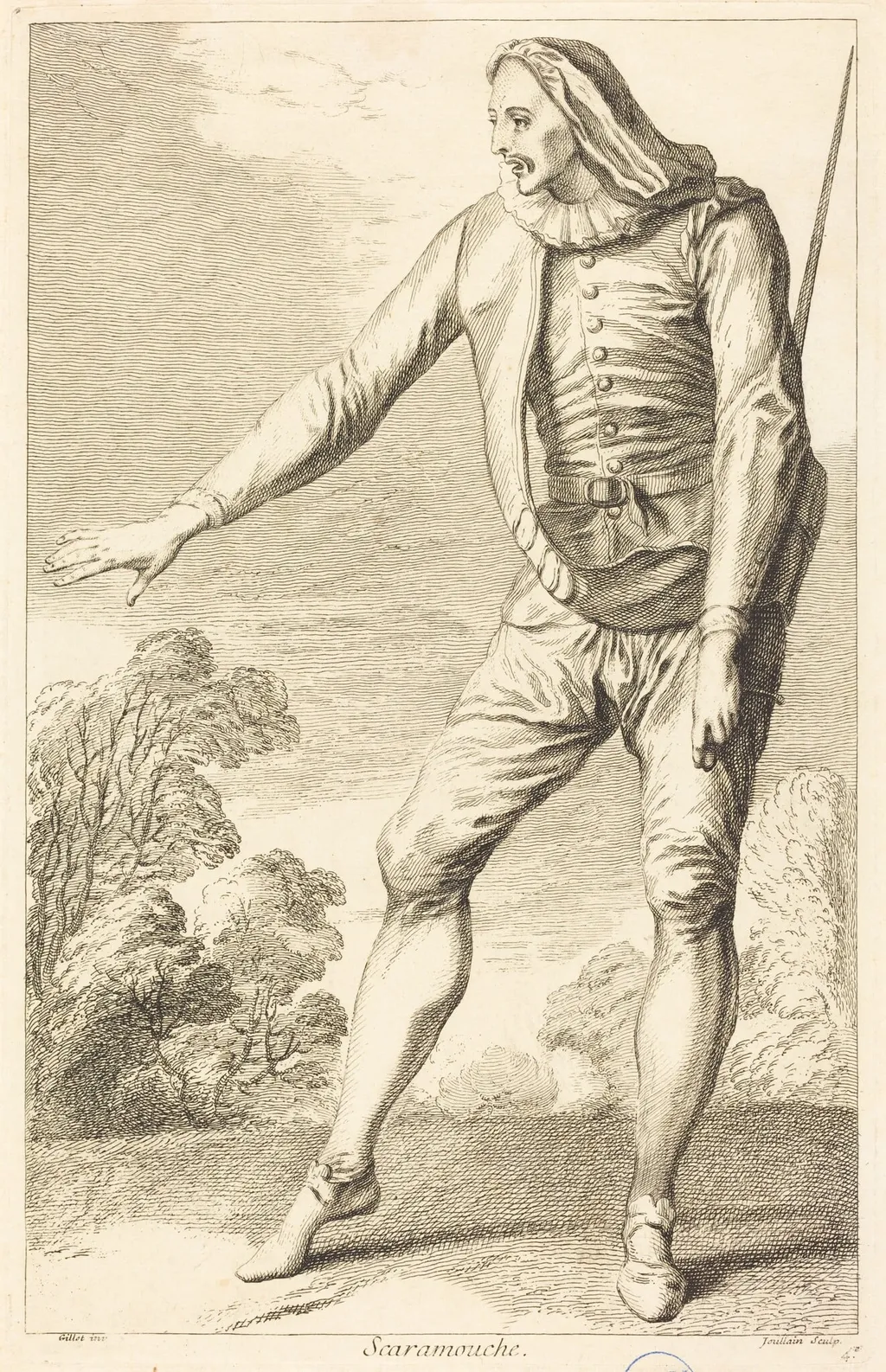
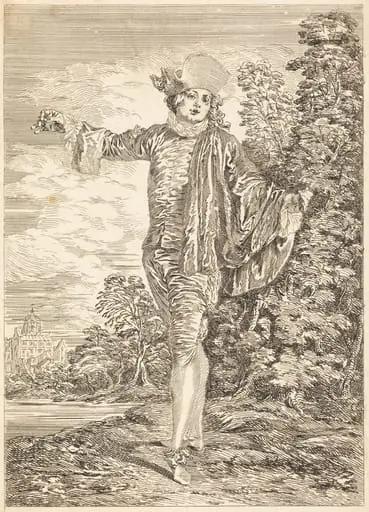
Scaramouche is an ink print by the Baroque artist François Joullain. It dates from 1730 and is held in the collection of the National Gallery of Art.
About this work
Overview
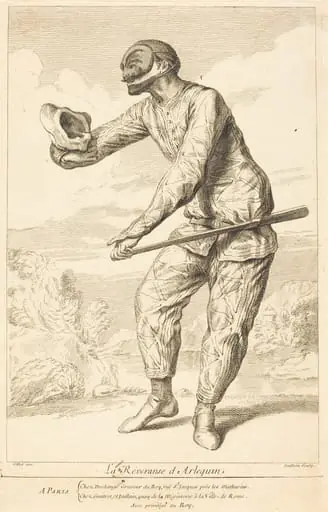
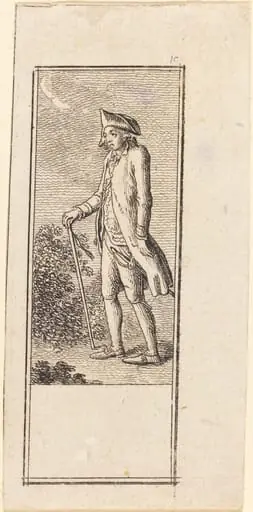
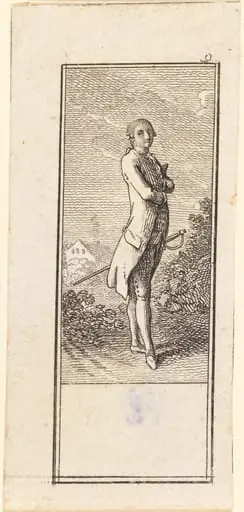
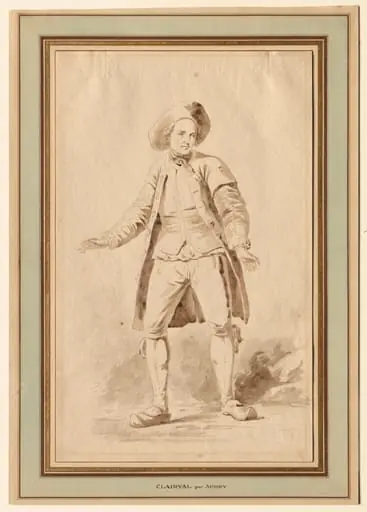
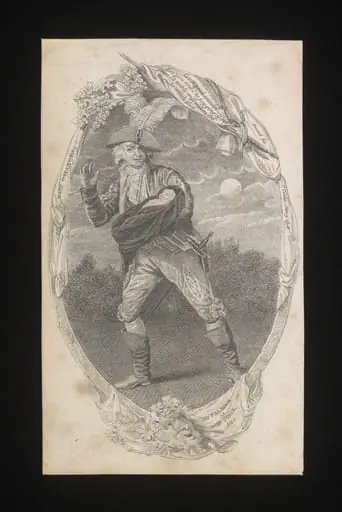
Executed on laid paper, the print presents a solitary figure in period costume, captured mid‑stride with an outstretched hand and a staff.
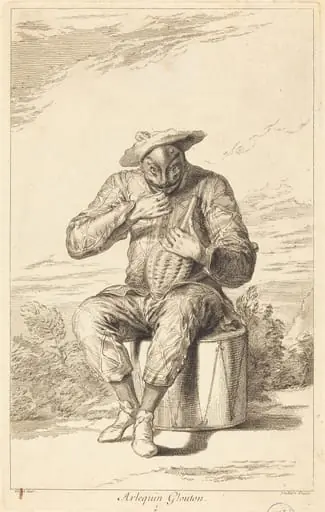
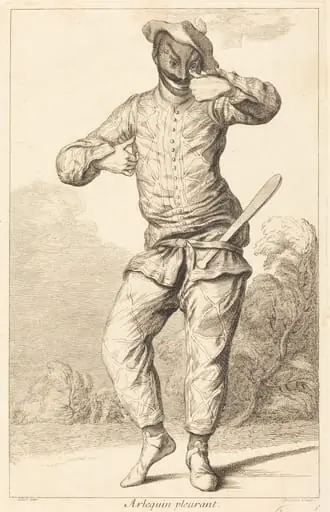
François Joullain’s etching titled Scaramouche dates from around 1730. Executed on laid paper, the print presents a solitary figure in period costume, captured mid‑stride with an outstretched hand and a staff. The composition is set against a sparse backdrop of trees and an unadorned sky, and the title appears beneath the image, identifying the subject as a stock comic character from early theatrical tradition.
Subject & Meaning
The central figure embodies the archetype of Scaramouche, a mischievous servant or clown from commedia dell’arte. Dressed in a high‑collared coat, ruffled shirt and buttoned overcoat, he gestures forward, suggesting movement or a theatrical pose. The inclusion of the name underscores the work’s reference to popular stage personas, inviting viewers to recognize the character’s role as a humorous, often satirical, foil in 18th‑century performance.
Technique & Style
Joullain employed traditional copper‑plate etching, incising lines into a metal surface before inking and pressing onto laid paper. The linear quality of the drawing, with fine hatching for shading, conveys a clear, controlled hand. The limited background and emphasis on the figure’s costume reflect the period’s interest in detailed portraiture combined with narrative illustration, typical of French printmaking in the early Rococo era.
History & Provenance
Created circa 1730, the print belongs to Joullain’s early output as a draftsman and publisher. While specific ownership records are scarce, the work appears in several 18th‑century catalogues of French prints, indicating it circulated among collectors of theatrical and genre imagery. Its survival on laid paper suggests it was intended for a modest market rather than a deluxe edition.
Context
Scaramouche emerged from the Italian commedia dell’arte tradition and was popularized in French theatre during the early 1700s. Joullain’s depiction aligns with contemporary fascination with theatrical characters as subjects for prints, which served both decorative and documentary purposes. The image reflects the broader cultural exchange between stage performance and visual arts in pre‑revolutionary France.
Artist & collection