Artwork
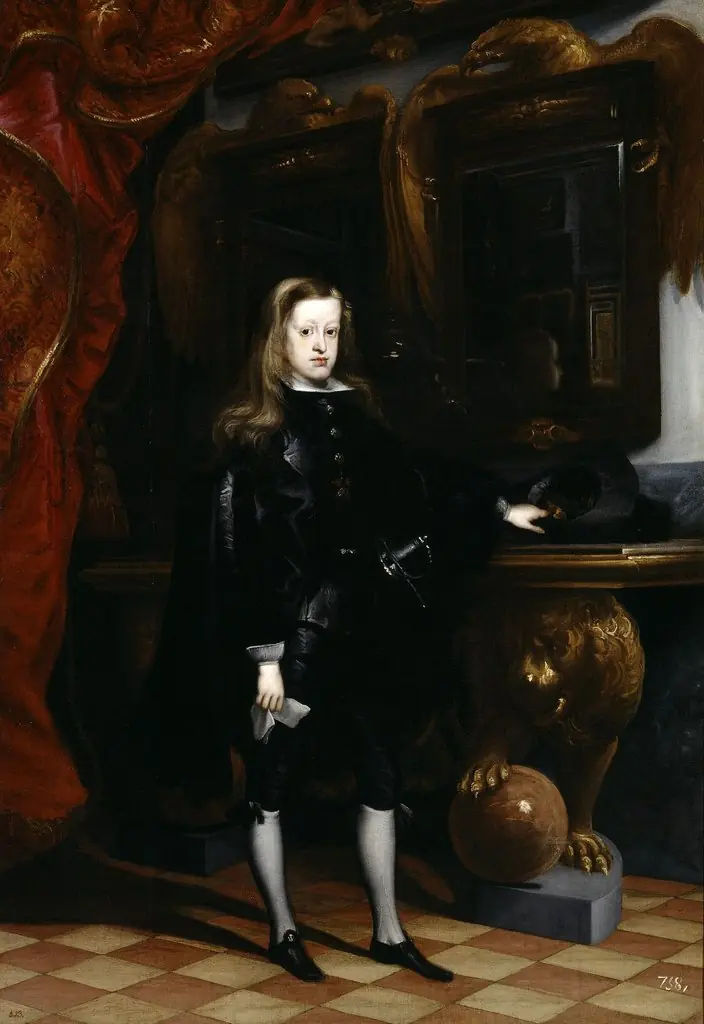
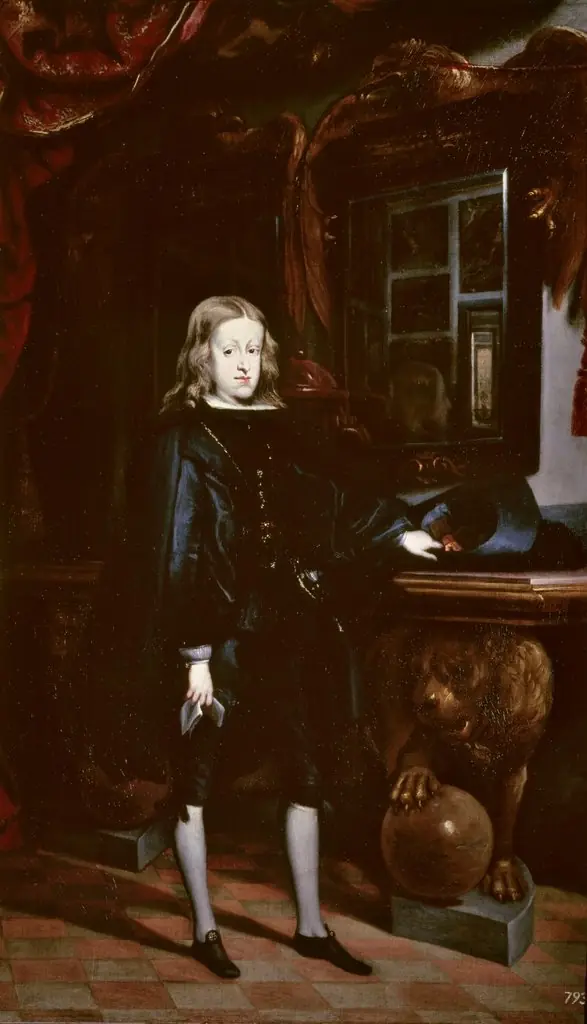
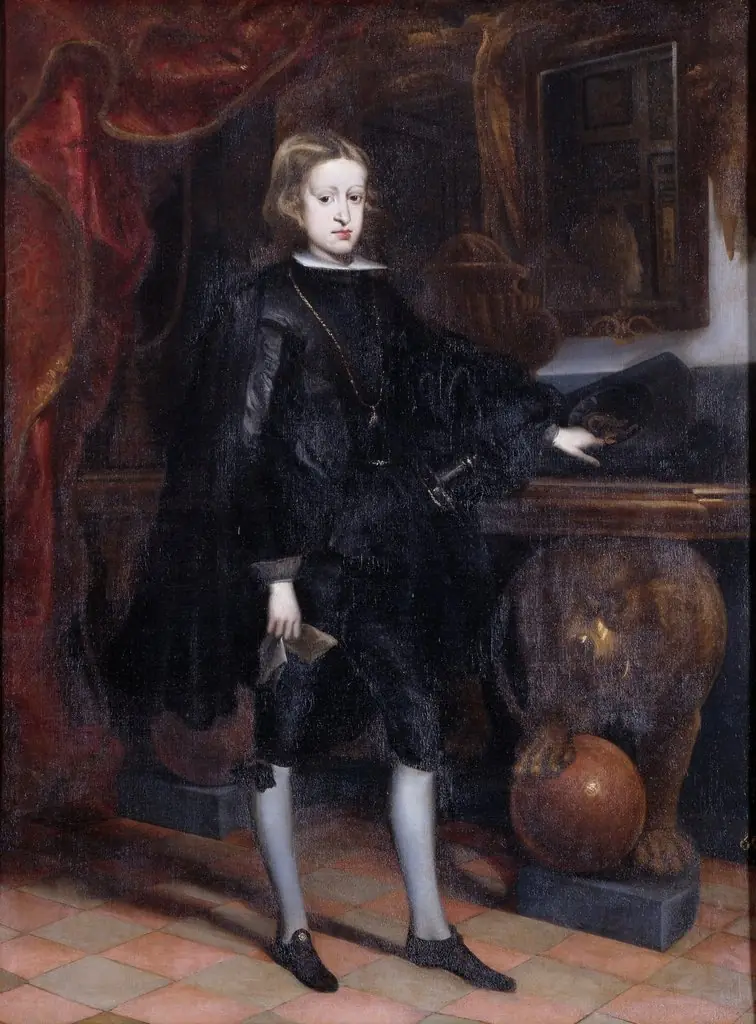
King Charles II. of Spain (1661-1700) as a Twelve-Year-Old
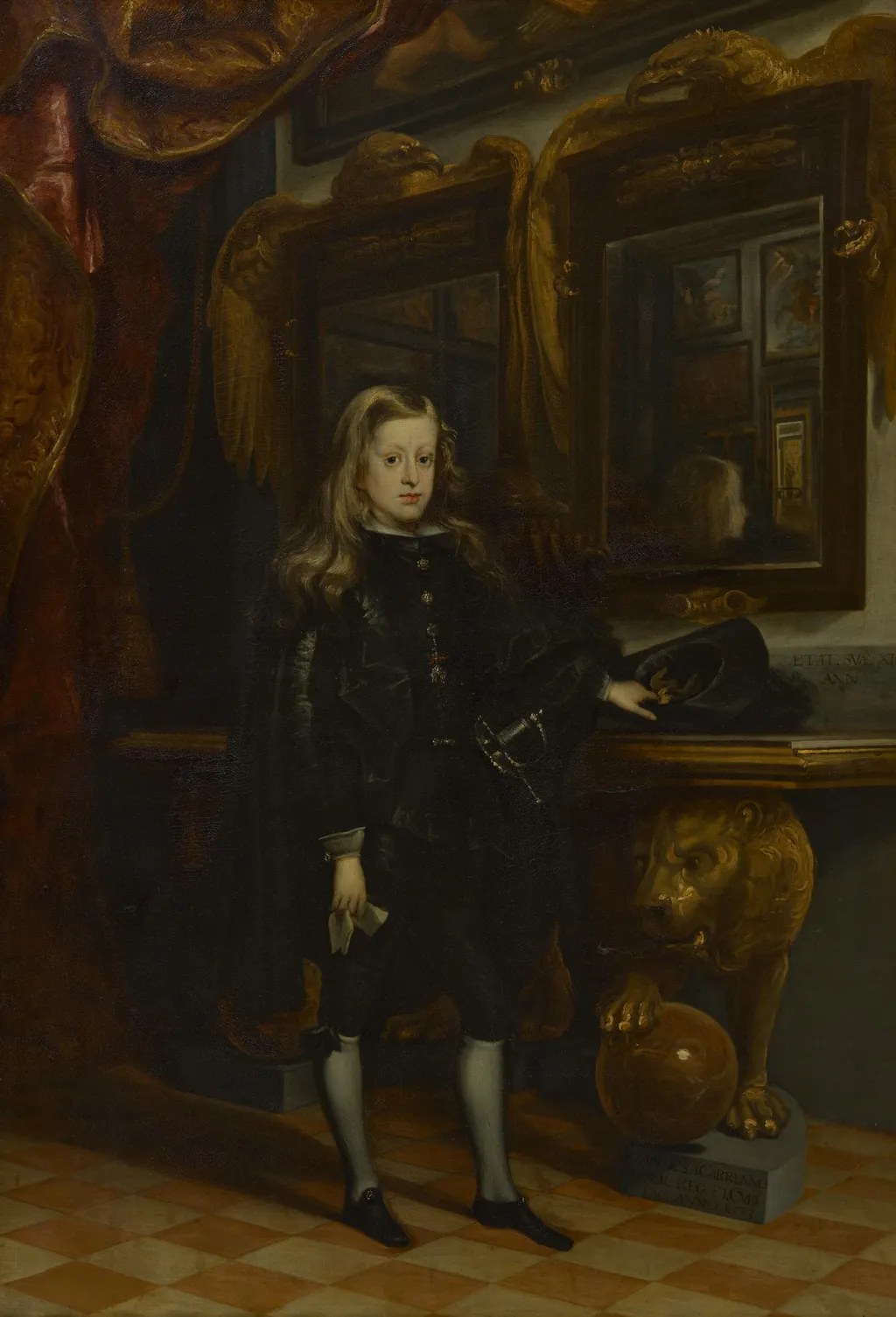
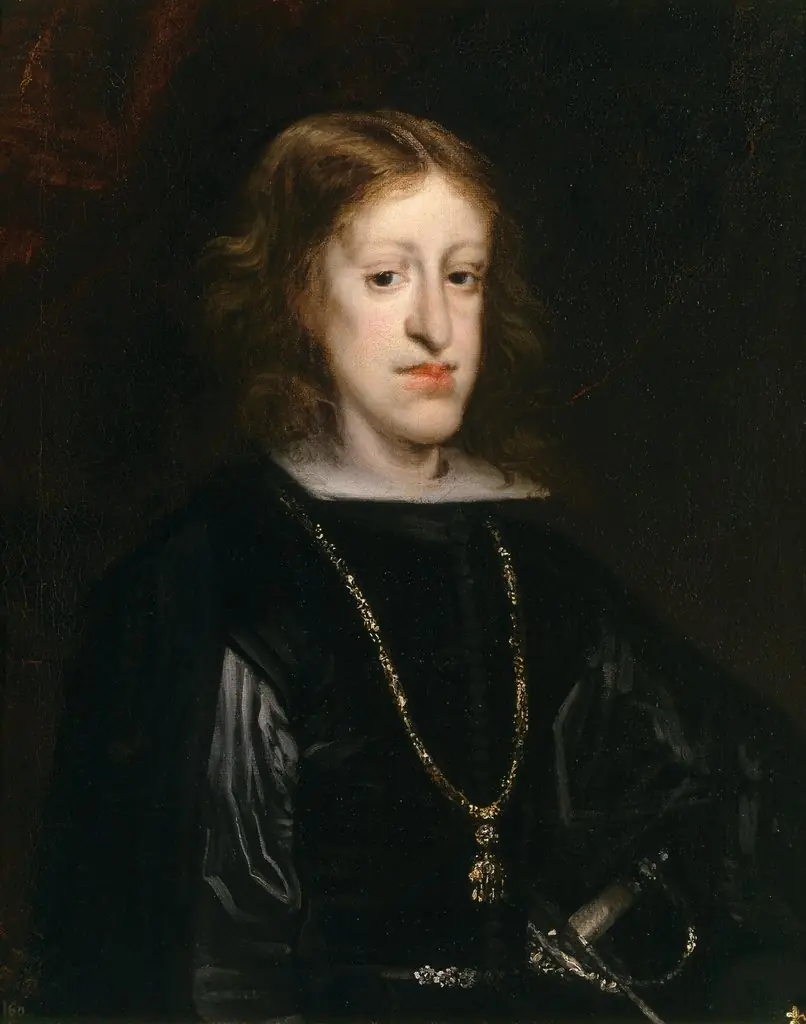
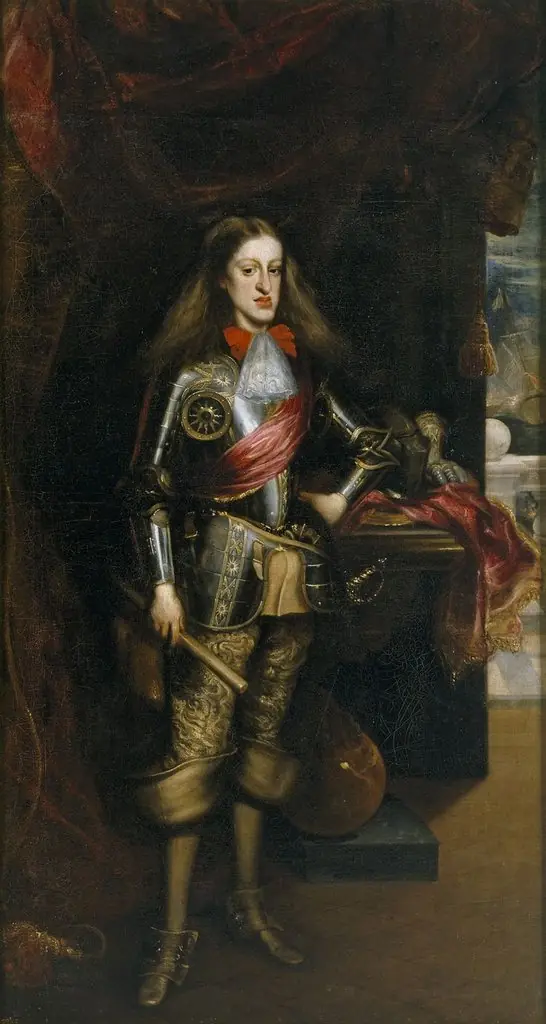
King Charles II. of Spain (1661-1700) as a Twelve-Year-Old is a paint painting by the Early Baroque Italian artist Juan Carreño de Miranda. It dates from 1673 and is held in the collection of the Gemäldegalerie Berlin.
About this work
Overview
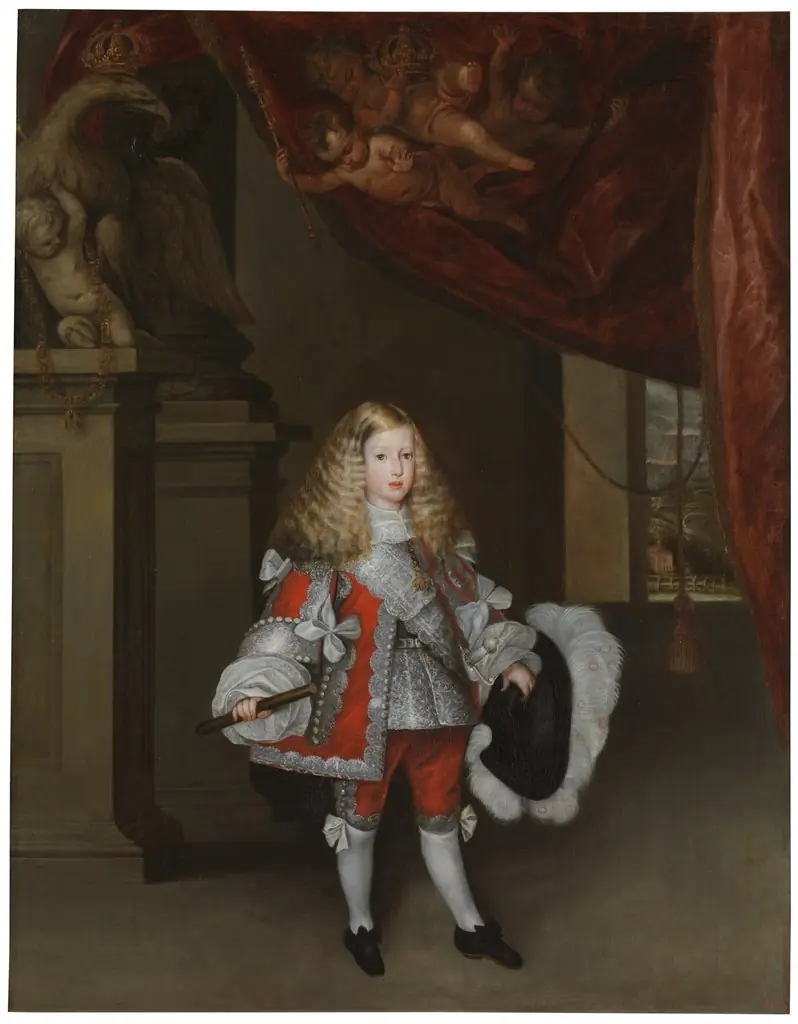
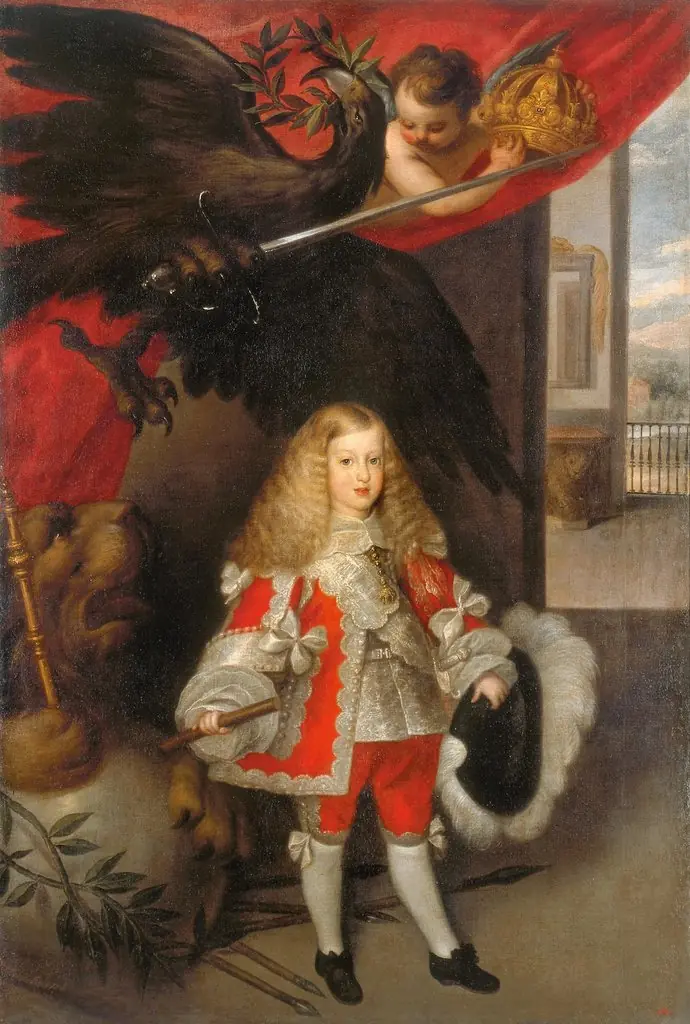
Juan Carreño de Miranda’s 1673 portrait presents the young Charles II of Spain at twelve years of age. Executed in oil on canvas, the work now belongs to the collection of the Gemäldegalerie in Berlin. The composition places the adolescent monarch in an opulent interior, emphasizing his regal status through attire and surrounding symbols.
Subject & Meaning
The sitter is Charles II, the last Habsburg king of Spain, depicted with a solemn expression that underscores the weight of his future responsibilities. The inclusion of a lion statue—a traditional emblem of strength and monarchy—reinforces the notion of royal authority even at a youthful stage.
Technique & Style
Carreño employs a restrained palette of deep blacks and silvers for the boy’s coat, contrasting with the luminous tiles of the floor and the darkened backdrop. Fine brushwork renders the curls of the hair and the texture of the fabric, while the chiaroscuro lighting model highlights the figure against the subdued setting.
History & Provenance
Painted shortly after Charles II’s accession, the portrait likely served a dynastic purpose, affirming his legitimacy. The canvas entered the Berlin Gemäldegalerie’s holdings in the early twentieth century, having passed through several private collections before its acquisition by the museum.
Context
Created during the waning years of Spain’s Golden Age, the portrait reflects the court’s reliance on Spanish painters such as Carreño, who was appointed court painter in 1669. The work aligns with contemporary European portraiture that emphasized regal symbolism and the portrayal of youthful heirs.
Legacy
While not as widely reproduced as later royal portraits, this painting offers scholars a visual reference for Charles II’s early appearance and the artistic conventions of late‑seventeenth‑century Spanish court painting, contributing to the broader understanding of Habsburg visual propaganda.
Artist & collection