Artwork
Charles II, when Prince of Wales
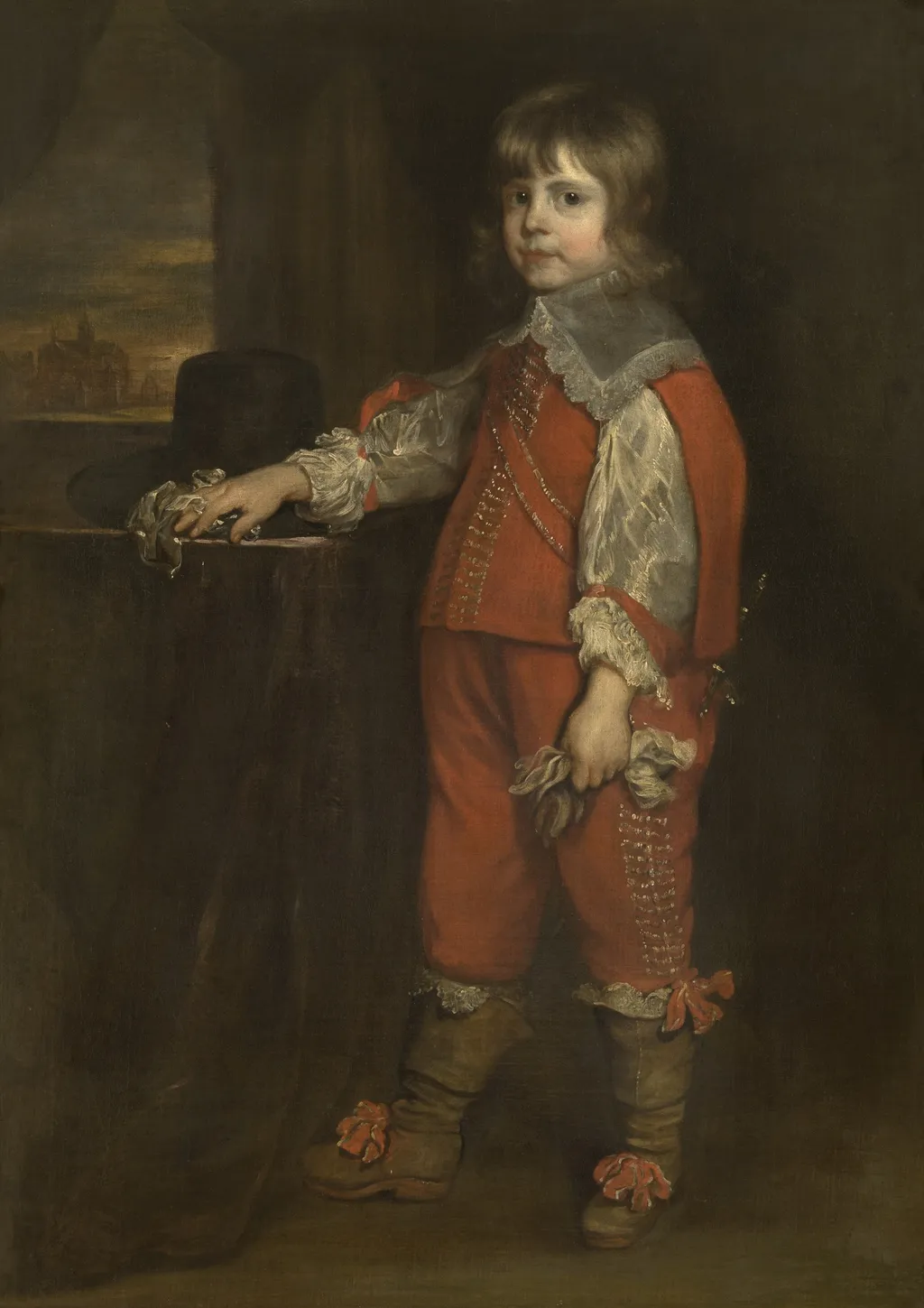
Charles II, when Prince of Wales is an oil painting by the Dutch Golden Age artist Adriaen Hanneman. It is held in the collection of the Royal Museum of Fine Arts Antwerp.
About this work
Overview
Created while the royal family was in exile, the portrait captures the prince in formal attire against a dark, unobtrusive background.
This oil painting depicts Charles II during his youth as Prince of Wales, rendered by Dutch artist Adriaen Hanneman in the mid-1600s. Created while the royal family was in exile, the portrait captures the prince in formal attire against a dark, unobtrusive background. Hanneman, known for his portraits of British exiles, employed oil paint with careful attention to texture and light, aligning his approach with the refined portraiture traditions of the Dutch Golden Age.
Subject & Meaning
The young prince is portrayed in a ceremonial red doublet and matching breeches, adorned with delicate white lace trim and a sash across the chest. His black hat rests in his right hand, suggesting a moment of pause rather than action. The neutral gaze and composed posture convey dignity befitting his royal status, even in displacement. The attire reflects courtly fashion of the era, emphasizing lineage and continuity amid political instability.
Technique & Style
Hanneman used oil paint to achieve subtle gradations of light and shadow, applying chiaroscuro to model the prince’s form and highlight the intricate lace and embroidery of his garments. The dark background isolates the figure, directing focus to the texture of fabric and the softness of skin. His brushwork is precise yet restrained, echoing the elegance of Anthony van Dyck’s portraiture while maintaining a Dutch sensitivity to material detail.
History & Provenance
Painted during Charles II’s exile in the 1640s and 1650s, the work originated within the circle of British royals living in the Netherlands after the English Civil War. Hanneman, based in The Hague, became a favored portraitist for this community. The painting entered the collection of the Royal Museum of Fine Arts Antwerp in the 19th century, where it remains today as part of a broader European record of royal exile.
Context
This portrait emerged during a period of political upheaval in Britain, when the monarchy was overthrown and the royal family sought refuge abroad. Dutch artists like Hanneman filled a niche by documenting the exiled court, blending English subject matter with Netherlandish technique. The image reflects both the persistence of royal identity and the transnational nature of artistic patronage in 17th-century Europe.
Legacy
Hanneman’s portrait of the young Charles II stands as a quiet testament to the resilience of royal imagery during exile. It preserves the visual language of Stuart courtly identity at a moment of rupture, offering insight into how monarchy was sustained through representation when power was lost. The work contributes to the broader understanding of how art functioned as political continuity in turbulent times.
Own this work as a print
Artist & collection
Artist
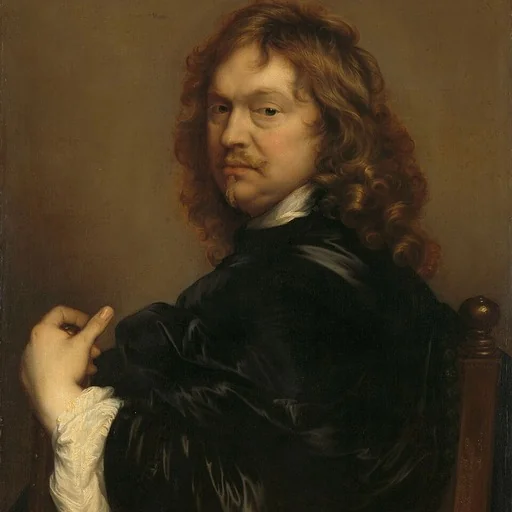
Adriaen Hanneman (c. 1603 – buried 11 July 1671) was a Dutch Golden Age painter best known for his portraits of the exiled British royal court. His style was strongly influenced by his contemporary, Anthony van Dyck.

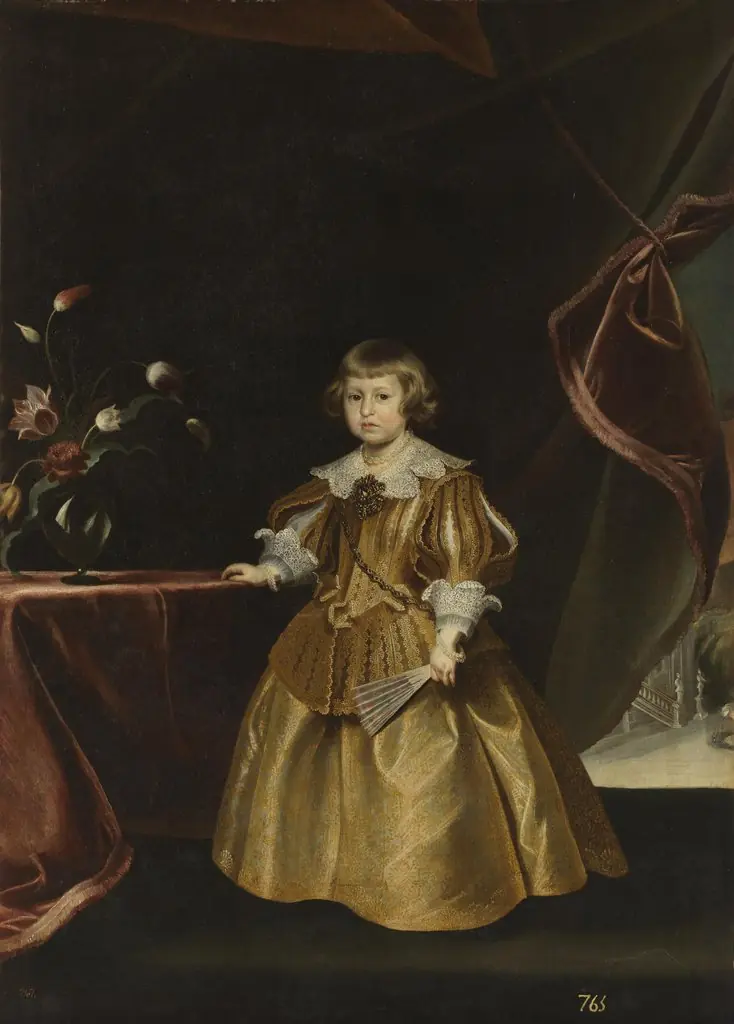 Portrait of an infanta
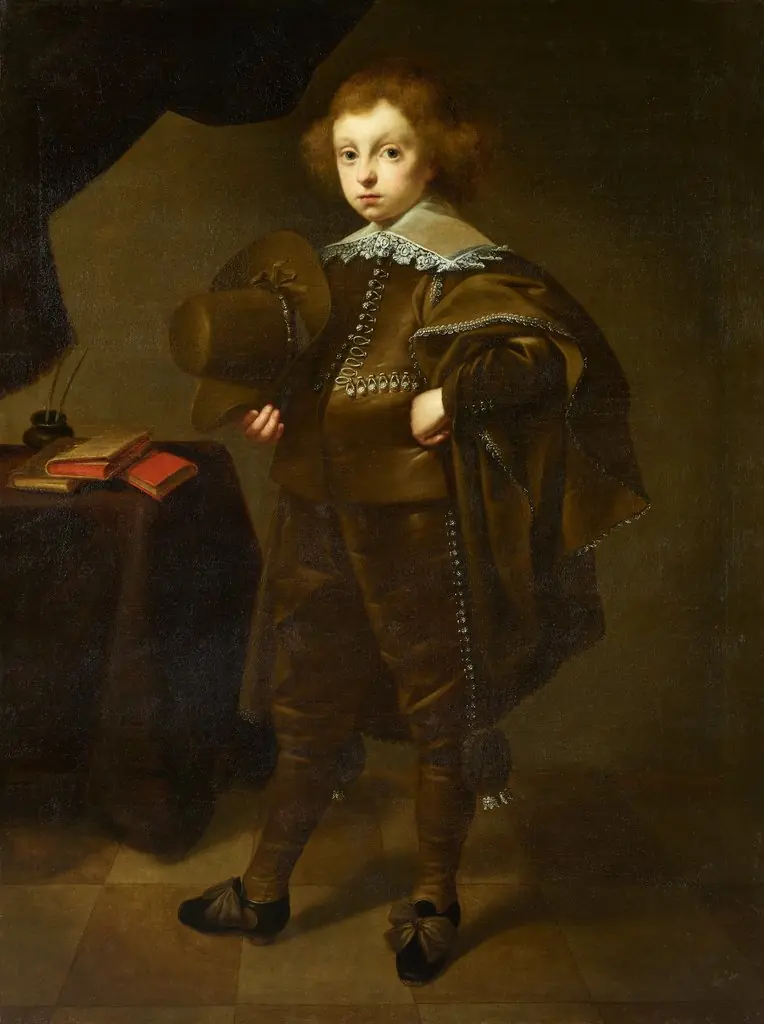 Portrait of a Boy
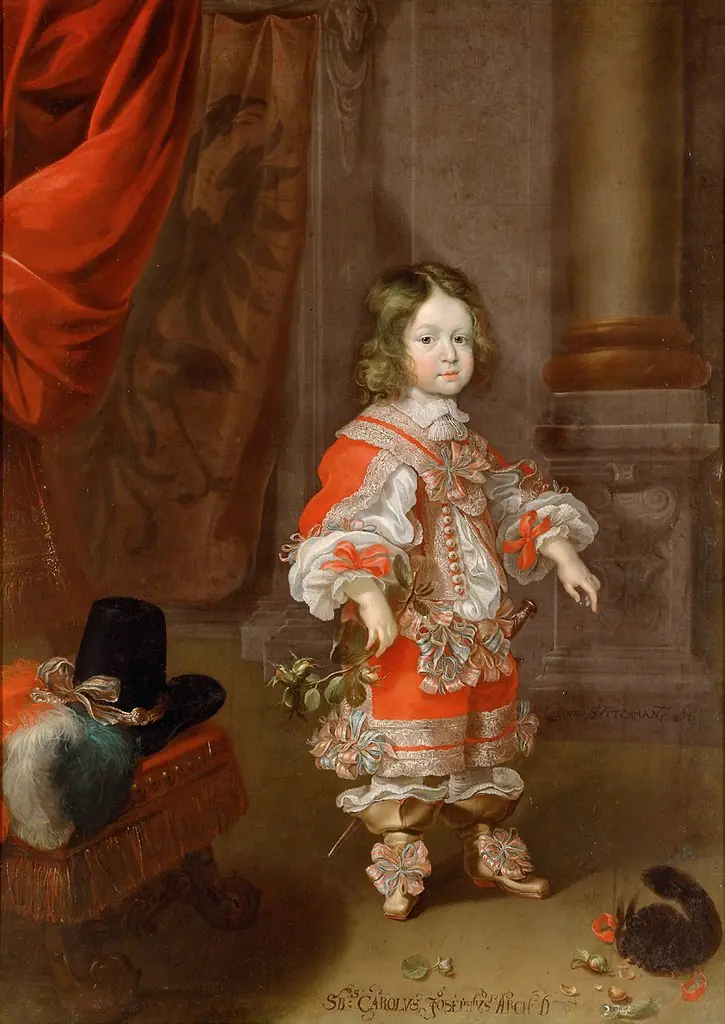 Erzherzog Karl Joseph (1649-1664) mit Eichhörnchen, im Alter von vier bis fünf Jahren
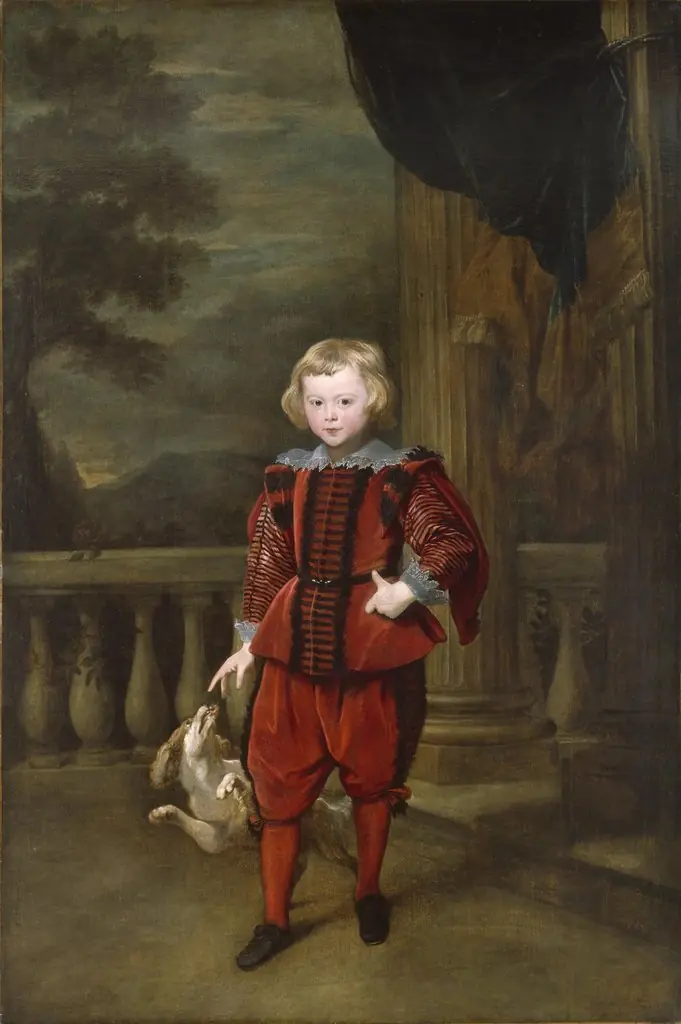 A Boy Standing on a Terrace
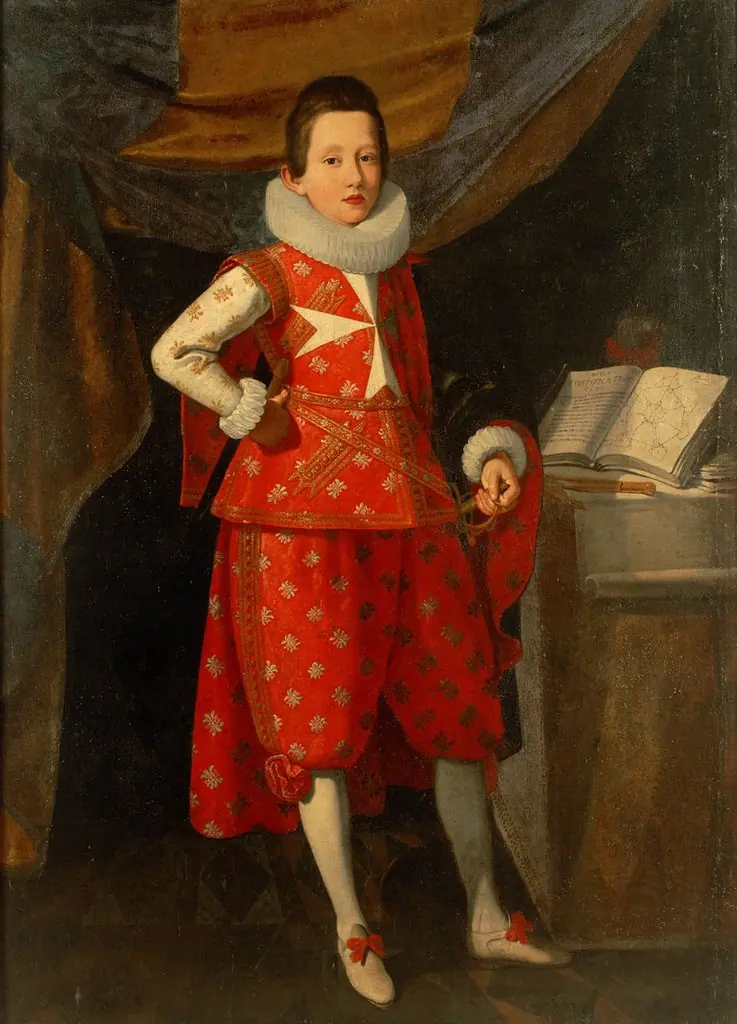 Giancarlo de' Medici (1611-1663), Cardinal, at the age of 10.
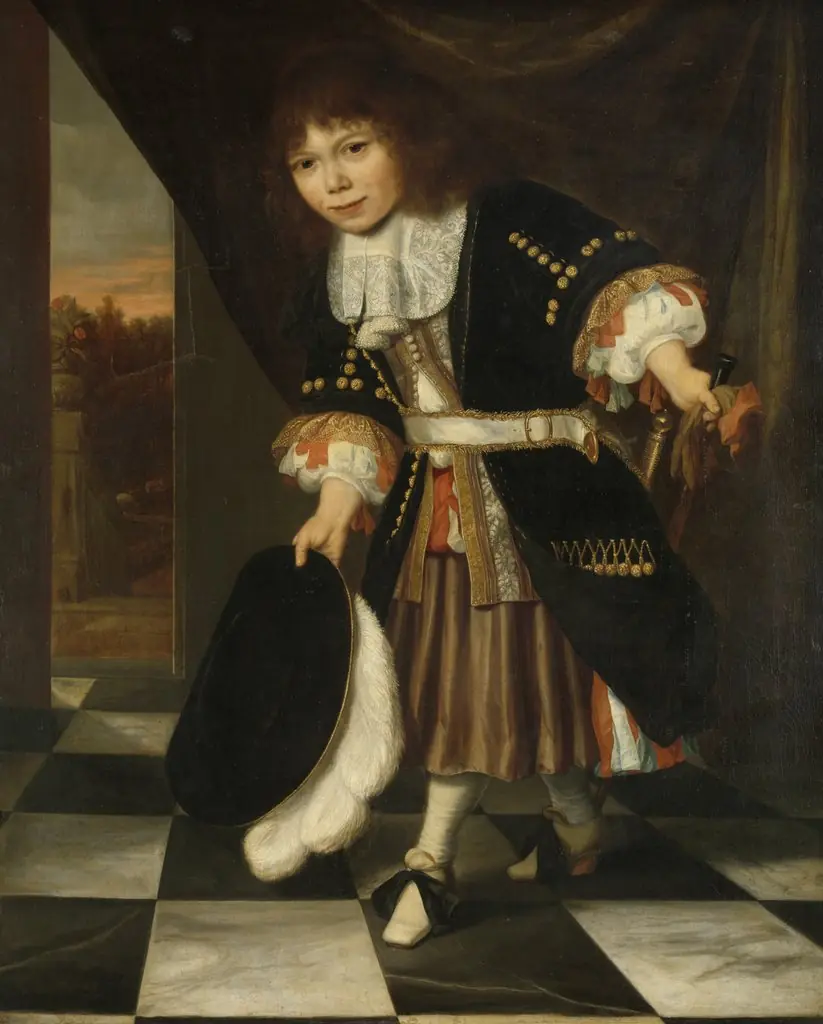 Portrait of a boy, called 'The son of Admiral van Nes'
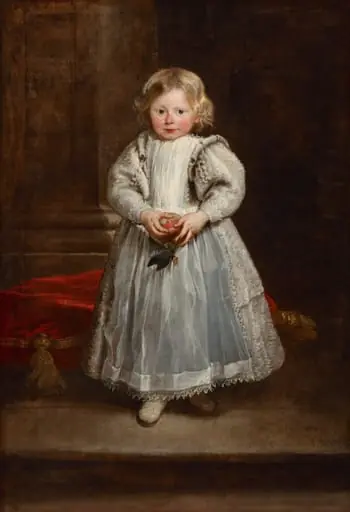 Maddalena Cattaneo
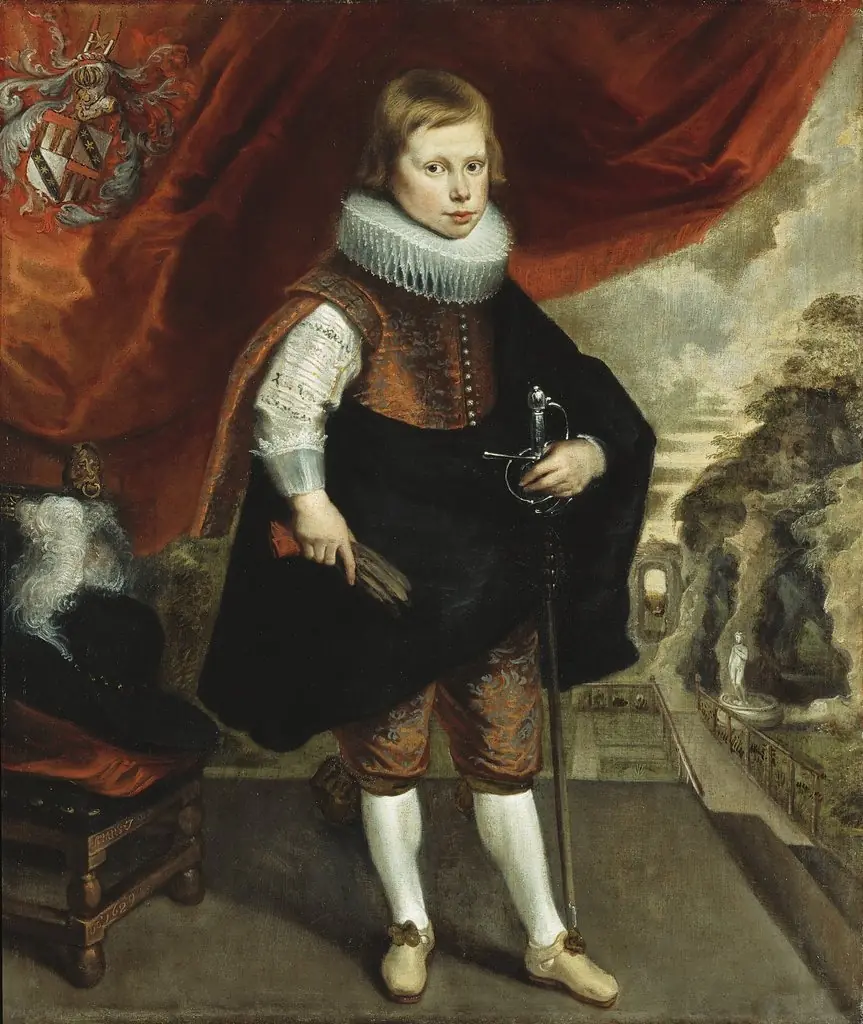 A Boy
A Boy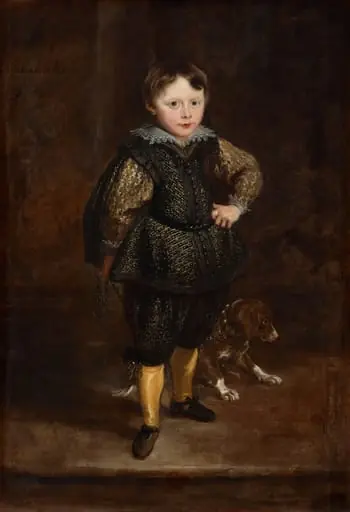 Filippo Cattaneo
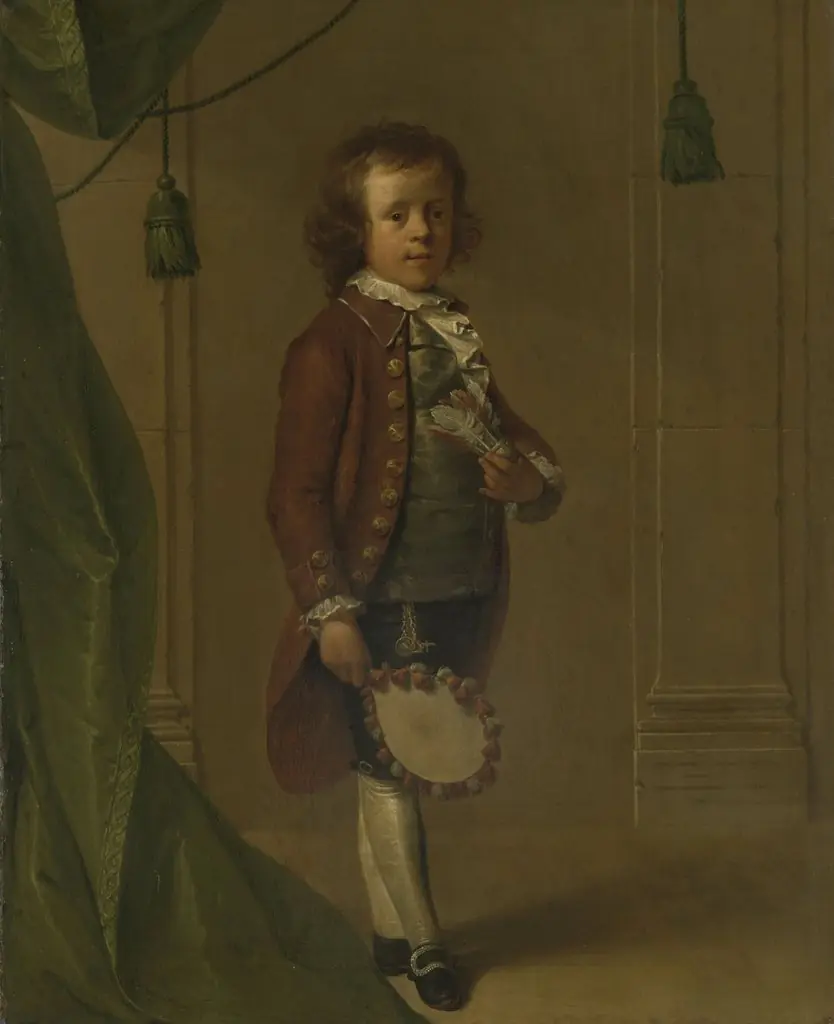 Portrait of Dionys Eliasz van Nijmegen
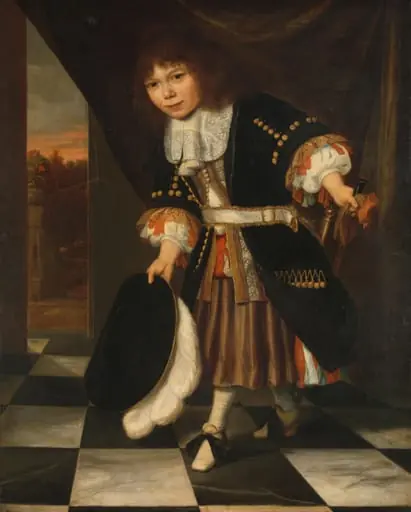 Portrait of a Boy, called The Young Son of Admiral van Nes (The Admiral's Son)
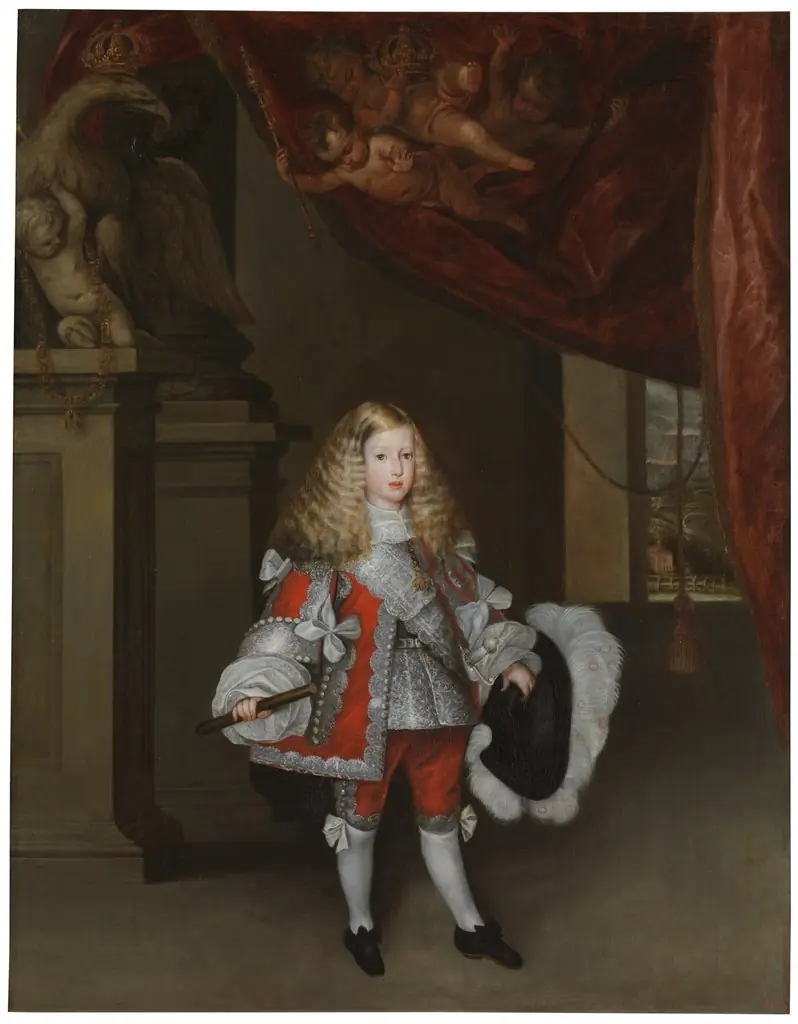 Charles II as a Child