Artwork
The Virgin and the Child with St John the Baptist, St John the Evangelist and an Angel
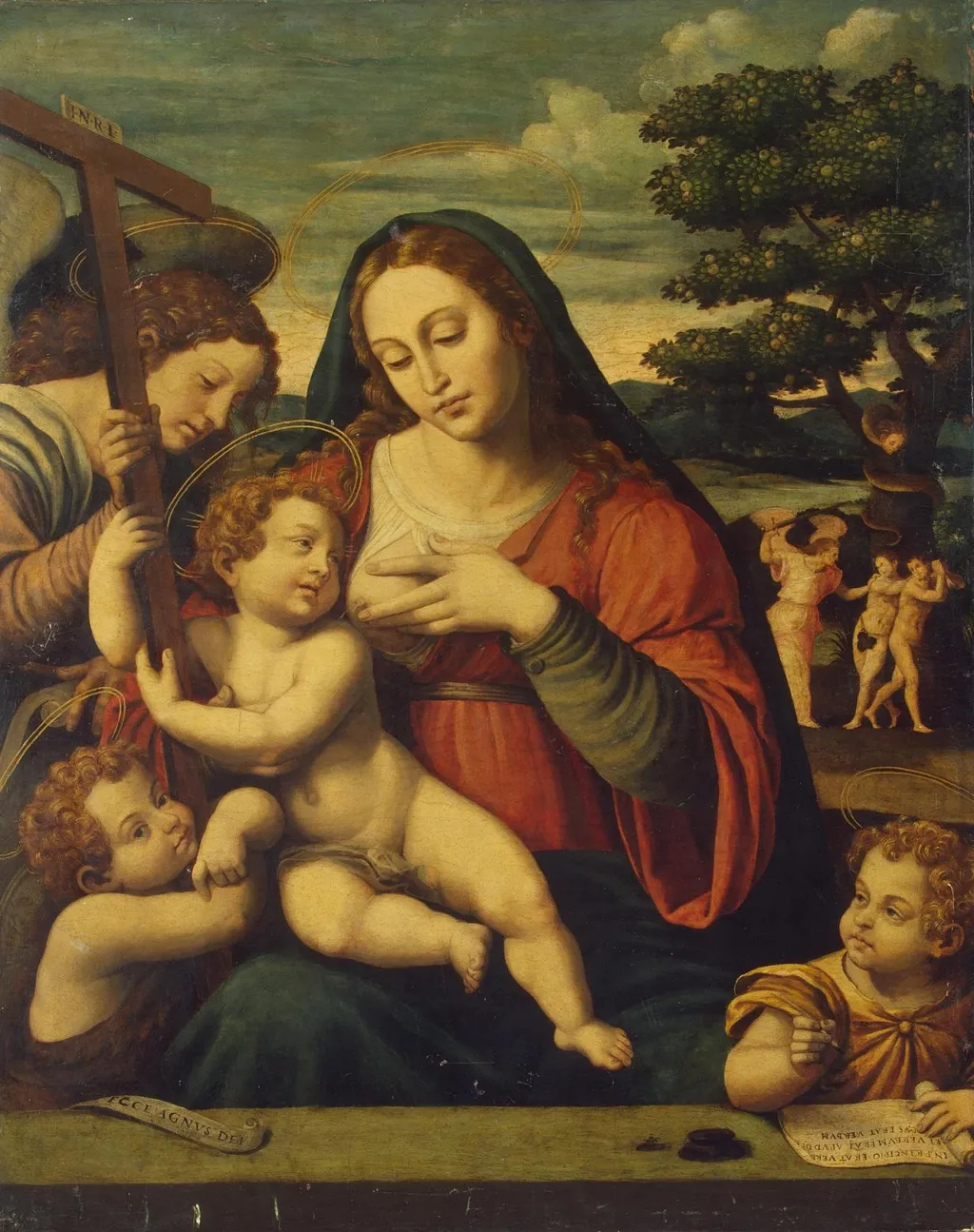
The Virgin and the Child with St John the Baptist, St John the Evangelist and an Angel is an oil painting by the Mannerist artist Juan de Juanes. It dates from 1550 and is held in the collection of the Hermitage Museum.
About this work
Overview
Painted circa 1550 by Juan de Juanes, this oil-on-panel work presents a devotional scene rooted in the Valencian tradition of Spanish Renaissance art.
Painted circa 1550 by Juan de Juanes, this oil-on-panel work presents a devotional scene rooted in the Valencian tradition of Spanish Renaissance art. It brings together the Virgin Mary, the Christ Child, and four additional sacred figures—St John the Baptist, St John the Evangelist, and an angel—arranged in a composed, hierarchical grouping. The painting’s quiet intensity and refined detail reflect the artist’s mastery of religious narrative within a regional context.
Subject & Meaning
The Virgin, seated centrally, holds the Christ Child, who gazes outward with quiet curiosity. To her left, St John the Baptist reaches toward them, while St John the Evangelist, bearing a cross, stands behind. An angel hovers nearby, and two young figures below hold symbolic objects: a scroll and a book. The composition suggests theological continuity between the Old and New Testaments, emphasizing divine revelation through interconnected figures of prophecy and grace.
Technique & Style
Juanes employs soft chiaroscuro to model forms gently against a dim, atmospheric background, enhancing the figures’ three-dimensionality without dramatic contrast. Elongated proportions and refined facial expressions align with Mannerist tendencies, while the balanced arrangement and calm demeanor reflect Renaissance ideals. The palette is restrained, with the Virgin’s red robe serving as a focal point, and the light appears diffused, unifying the group in a serene, otherworldly glow.
History & Provenance
Created during the height of Juan de Juanes’s career in Valencia, the painting remained within Spanish ecclesiastical collections before entering the State Hermitage Museum’s holdings. Its journey to Russia likely occurred through 18th- or 19th-century acquisitions, possibly via diplomatic or royal channels. The work’s preservation reflects its enduring recognition as a significant example of Iberian religious painting from the mid-16th century.
Context
Juanes operated within a Spanish artistic climate shaped by Counter-Reformation piety and the influence of Italian Renaissance models. His style blended Flemish precision with Italianate composition, adapting them to local devotional needs. This painting exemplifies how regional workshops in Valencia synthesized broader European trends while maintaining a distinct, intimate character suited to private and monastic contemplation.
Legacy
As a leading figure of the Valencian school, Juan de Juanes influenced generations of Spanish painters through his clear narrative structure and controlled emotional tone. Though less widely known outside Spain, this work remains a key reference for understanding how religious imagery evolved in the Iberian Peninsula during the 16th century—emphasizing harmony, reverence, and quiet theological depth over theatricality.
Own this work as a print
Artist & collection
Artist
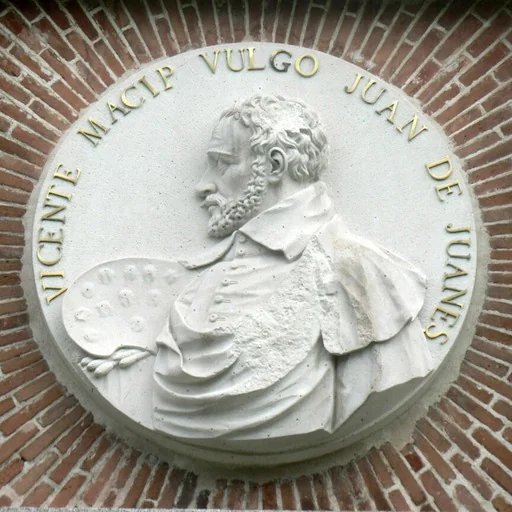
Vicente Juan Masip (also known as Joan de Joanes) (1507 – 1579) was a Spanish painter of the Renaissance period.

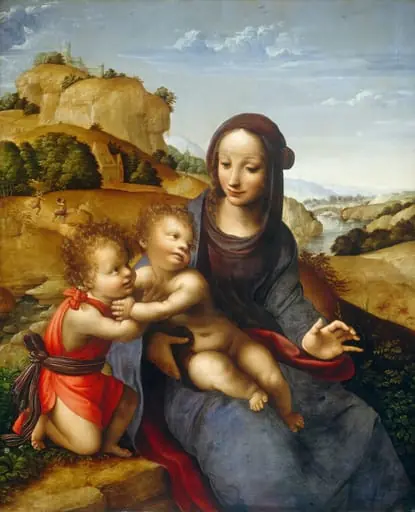 Madonna and Child with the Infant Saint John
 Maria cu Iisus în brațe și Ioan Botezătorul copil
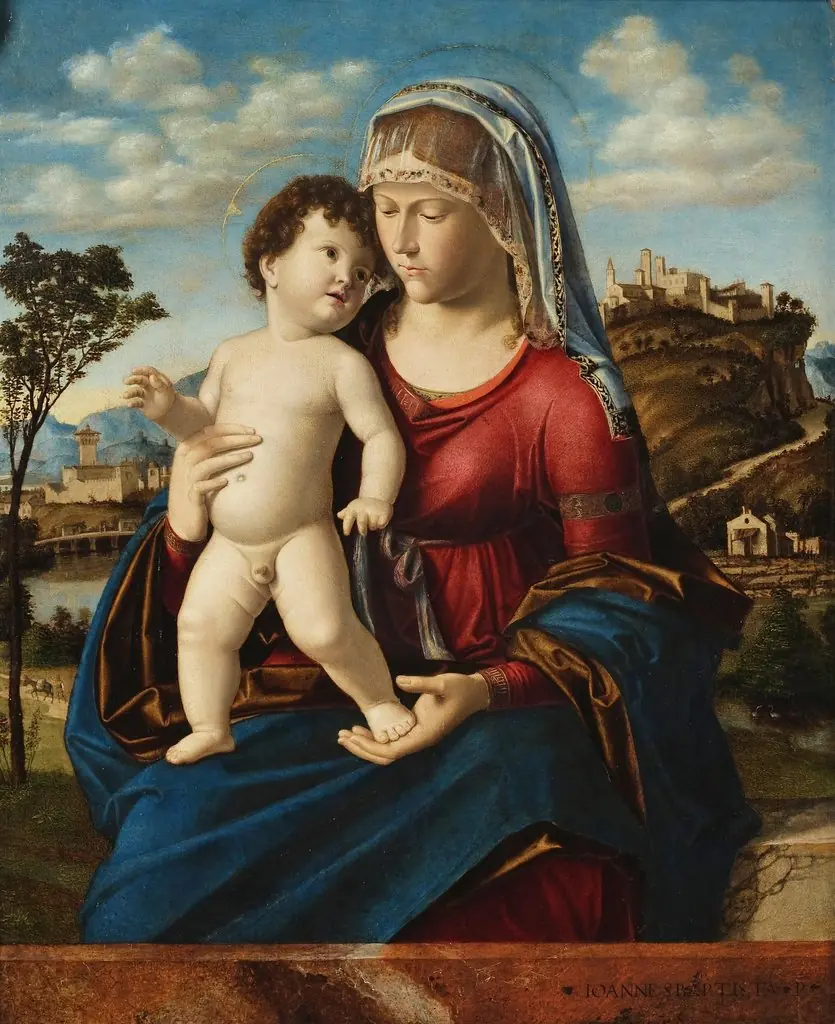 Madonna and Child in a Landscape
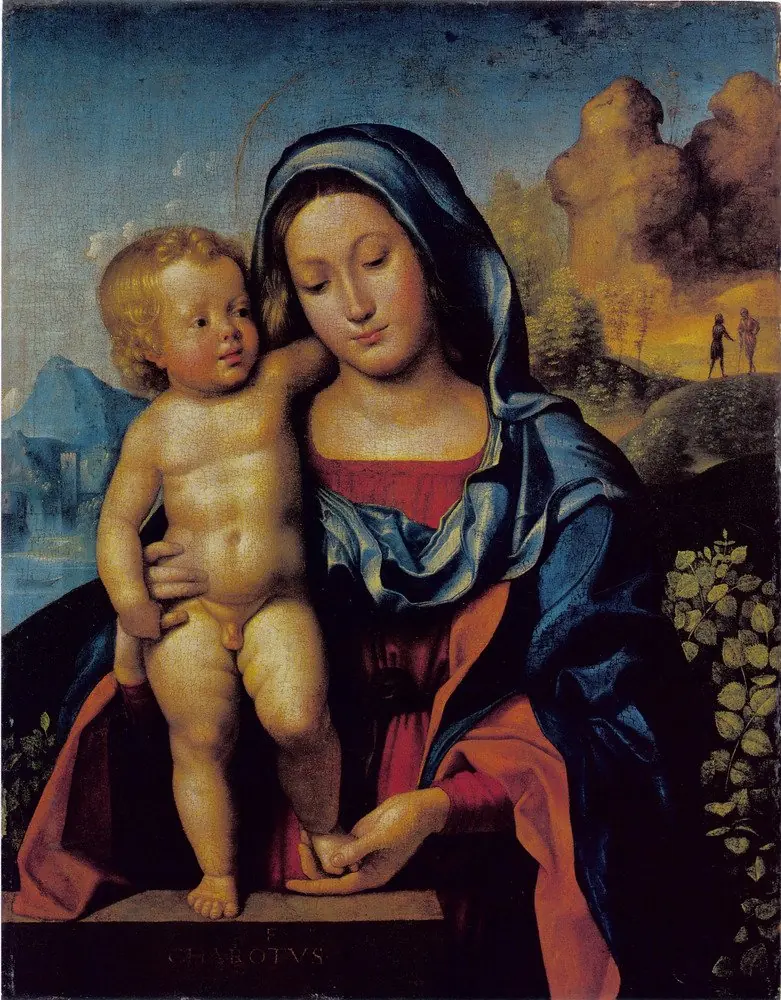 Madonna and Child
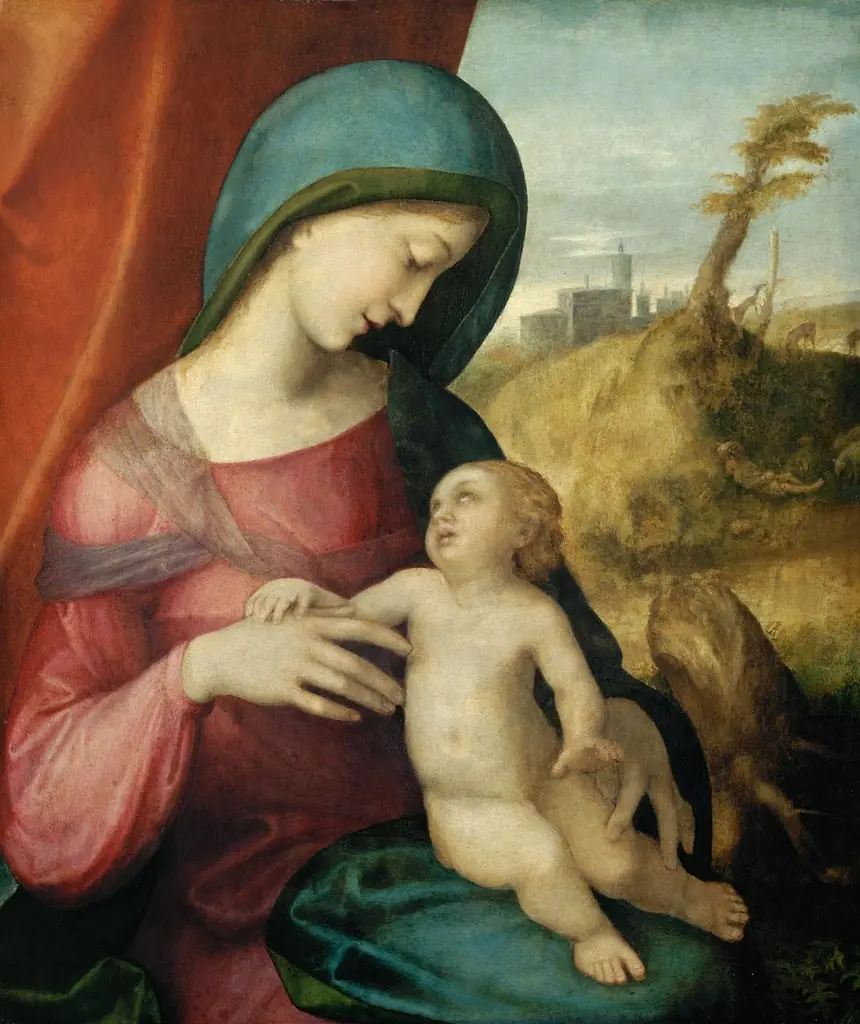 Mary and Child
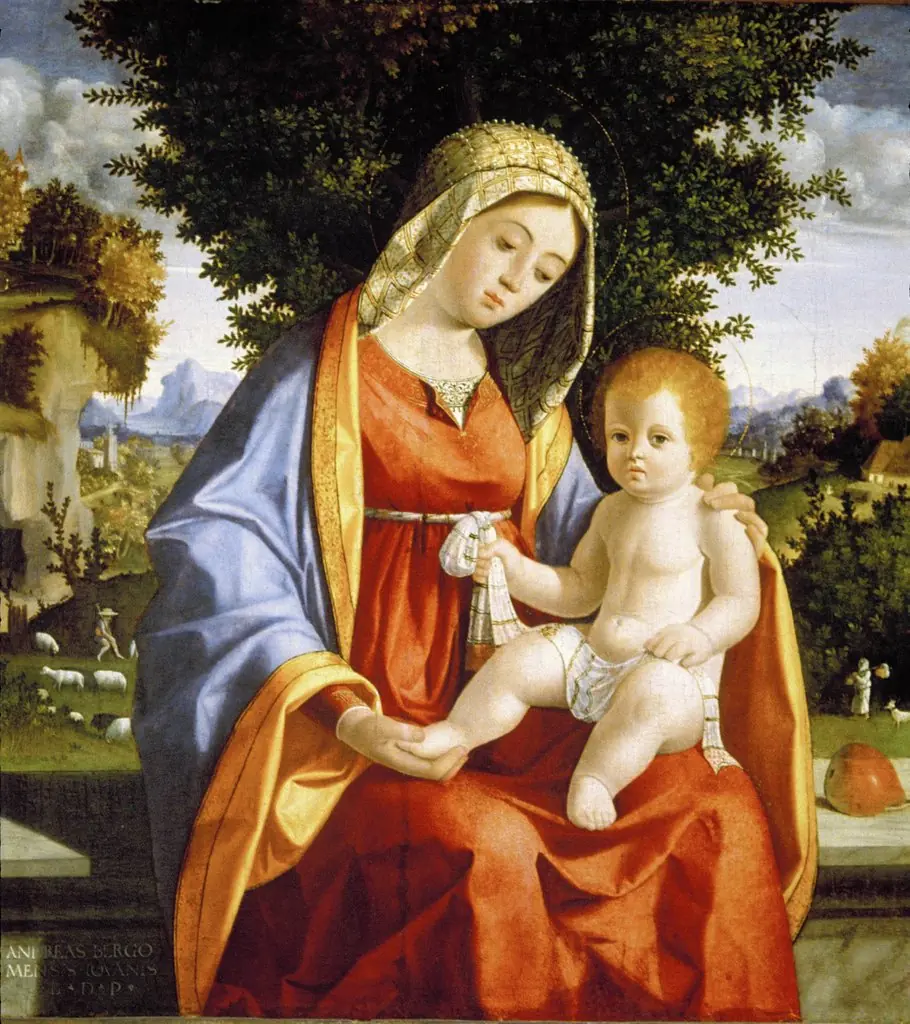 Madonna and Child in Landscape
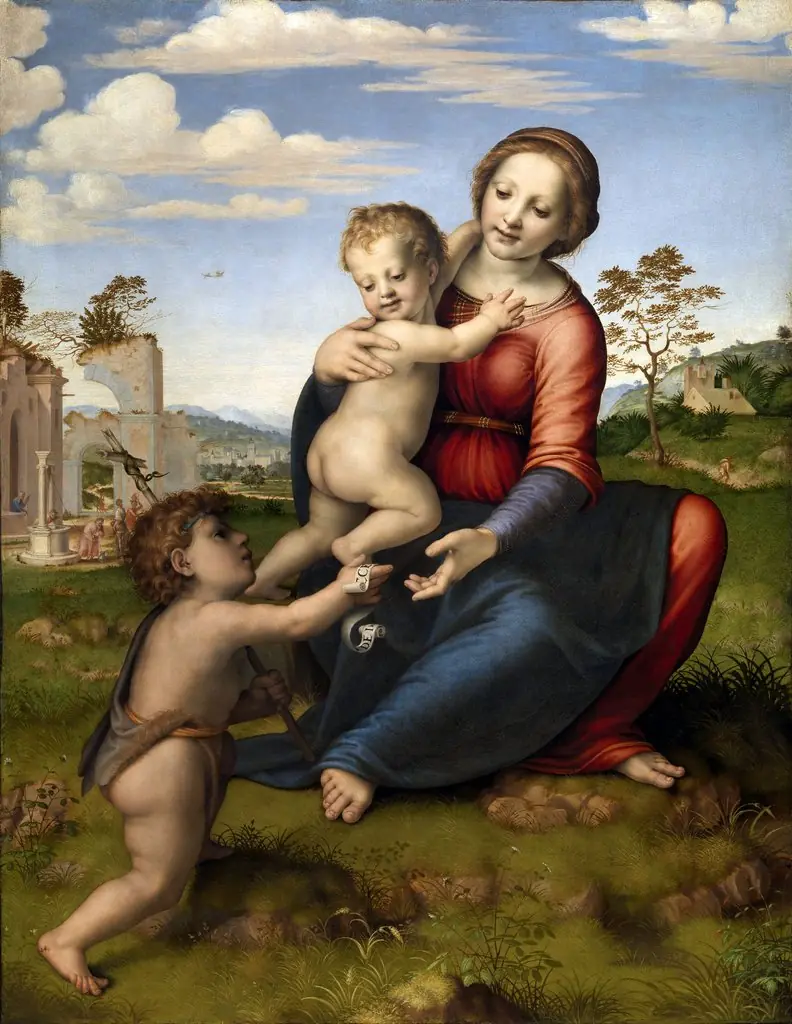 Madonna of the Well or Madonna and Child with the young St. John the Baptist
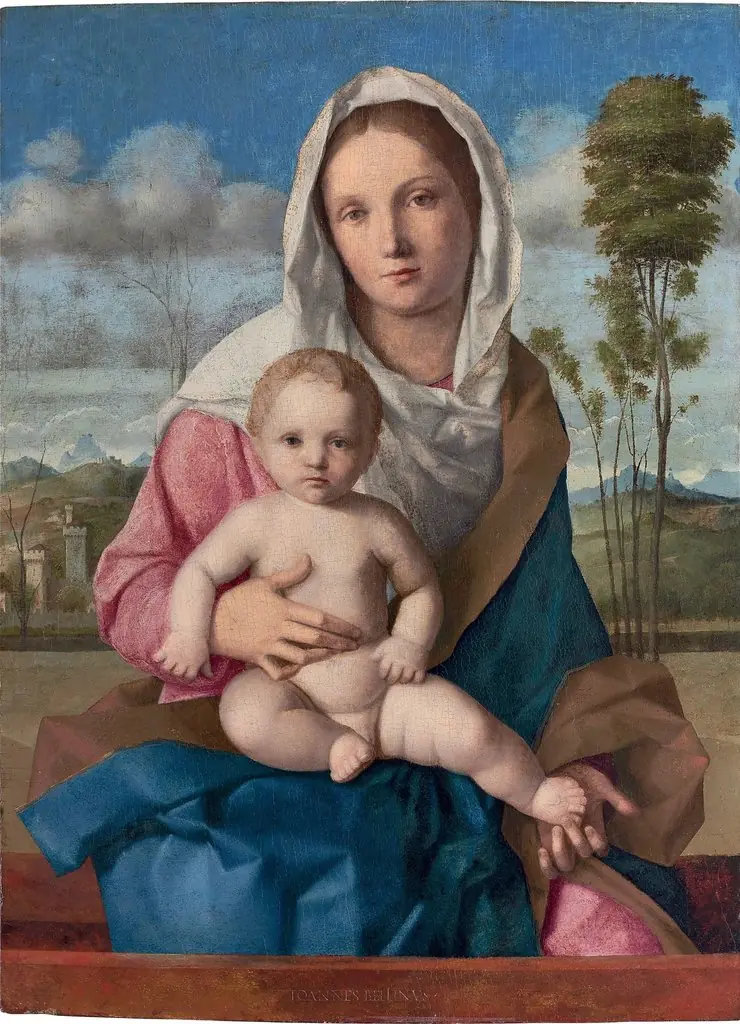 Madonna Dudley
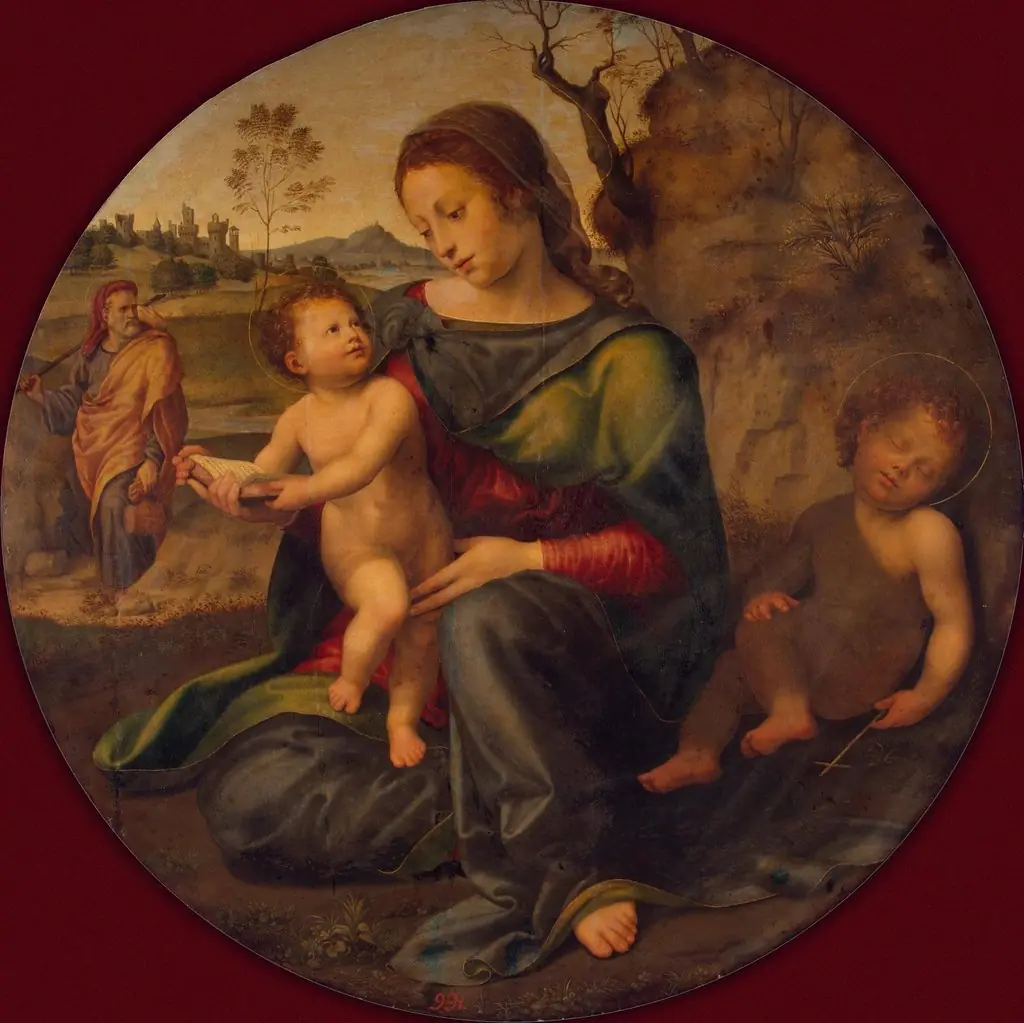 Holy Family with St John the Baptist
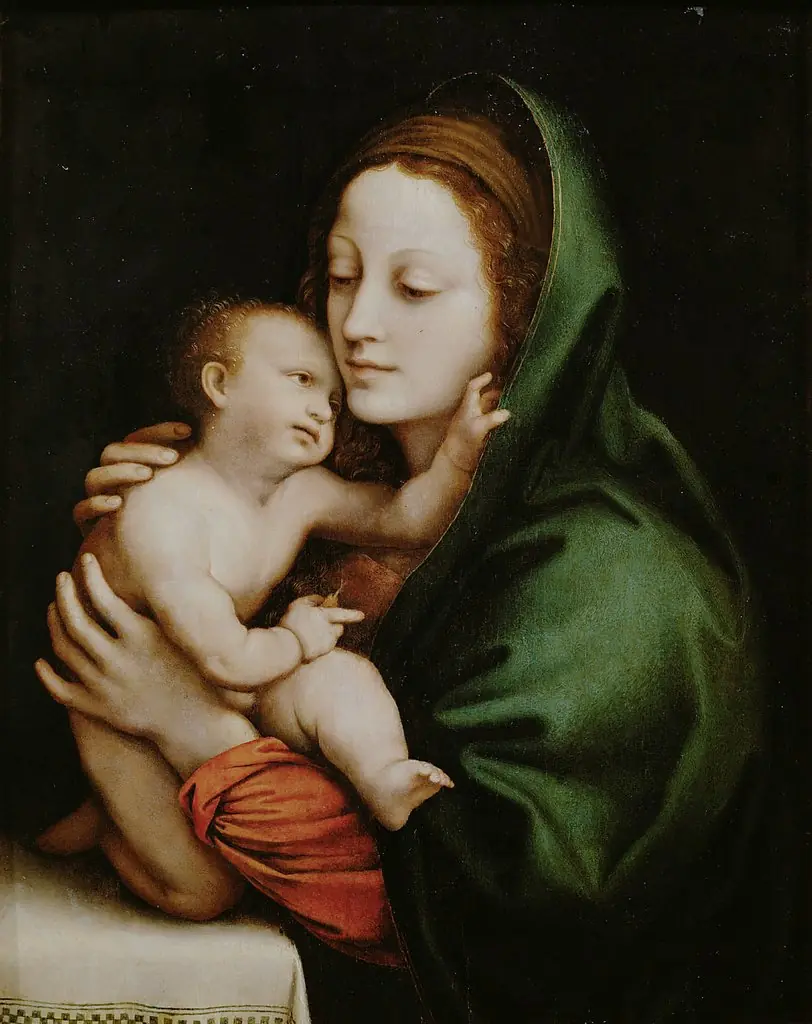 Maria mit Kind