Artwork
Mary of the Immaculate Conception, venerated by the donor Father Fernando de Mata (ca. 1554-1612)
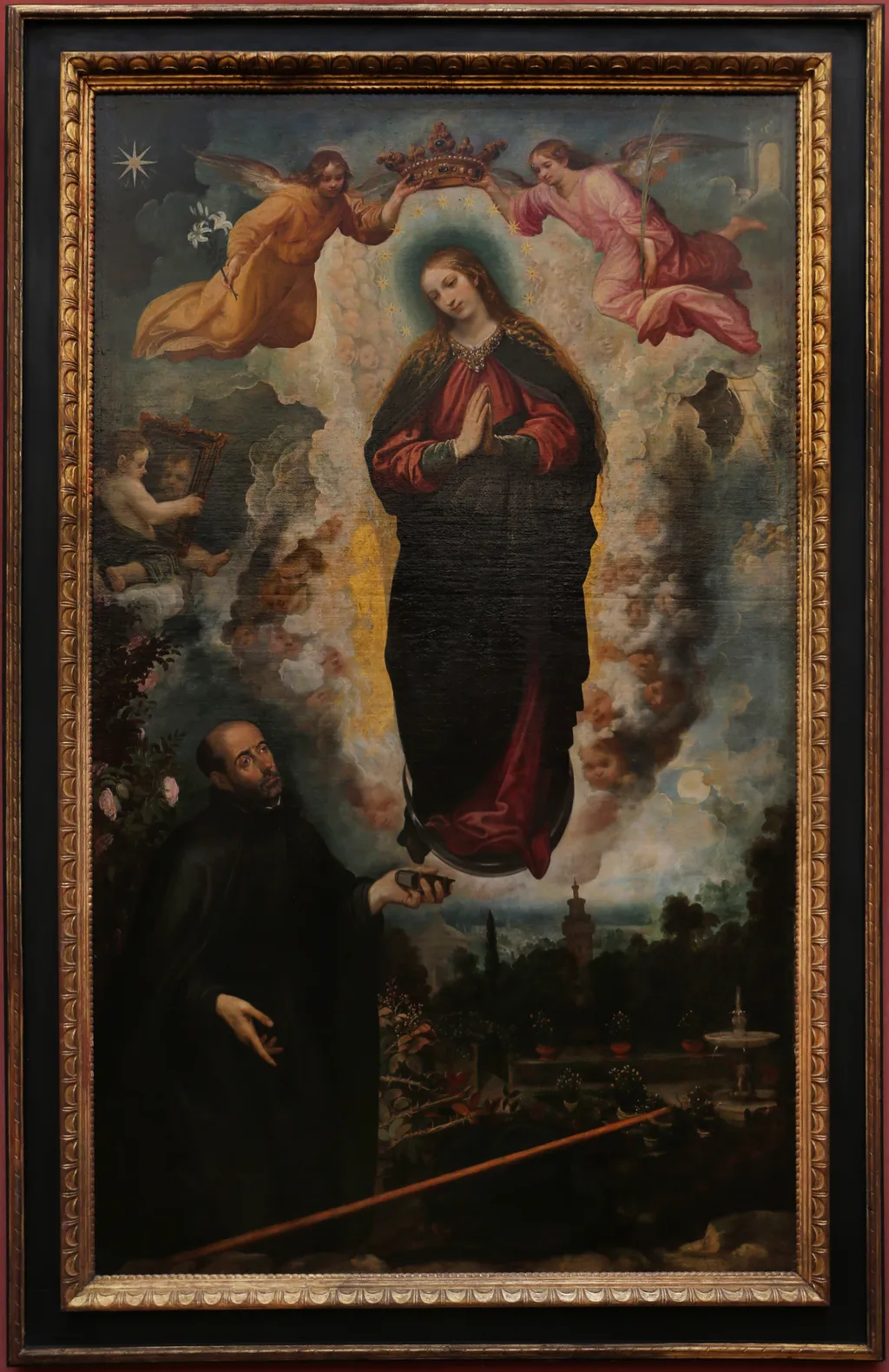
Mary of the Immaculate Conception, venerated by the donor Father Fernando de Mata (ca. 1554-1612) is an oil painting by the Early Baroque Italian artist Juan de las Roelas. It dates from 1612 and is held in the collection of the Gemäldegalerie Berlin.
About this work
Overview
Juan de las Roelas’ 1612 oil painting presents the Virgin Mary in the act of the Immaculate Conception, flanked by a celestial host and a kneeling donor, Father Fernando de Mata. The composition balances a luminous sky with a terrestrial garden, creating a space where divine and earthly realms intersect. The work is part of the Gemäldegalerie Berlin’s collection.
Subject & Meaning
The central figure is the Virgin Mary, robed in red and crowned, her halo signifying sanctity. She gazes gently toward Father de Mata, who kneels in a dark habit, hands outstretched in reverence. Angelic figures surround Mary, bearing symbols of authority—a crown and scepter—underscoring her elevated status within the theological narrative of the Immaculate Conception.
Technique & Style
Executed in oil on canvas, the painting displays the rich coloration and dynamic lighting characteristic of early Baroque.
Executed in oil on canvas, the painting displays the rich coloration and dynamic lighting characteristic of early Baroque. Roelas employs a layered approach to render the clouds, sky, and foliage, achieving depth and a sense of movement. The meticulous detailing of fabrics, foliage, and the reflective surface of the fountain reflects his Flemish training blended with emerging Baroque sensibilities.
History & Provenance
Created near the end of Roelas’ career, the work was likely commissioned by Father Fernando de Mata as a devotional object. After changing hands over the centuries, it entered the Gemäldegalerie Berlin’s holdings, where it remains accessible to scholars and the public.
Context
Juan de las Roelas, a Flemish artist who settled in Spain, played a pivotal role in the shift from the ornamental Mannerist style to the more naturalistic Baroque. This painting exemplifies that transition, combining the compositional elegance of earlier Spanish art with the emotional intensity and chiaroscuro that would dominate the 17th‑century Spanish palette.
Artist & collection
Artist
Juan de Roelas, de las Roelas or Ruela (c. 1570, in Flanders – 1625, in Olivares) was a Flemish painter whose entire documented career took place in Spain. He played a major role in the transition from Mannerist to…

 Immaculate Conception
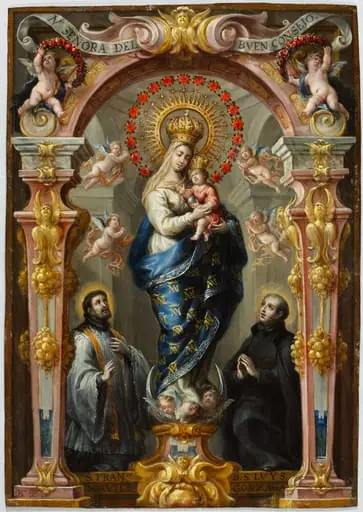 Our Lady of Good Counsel
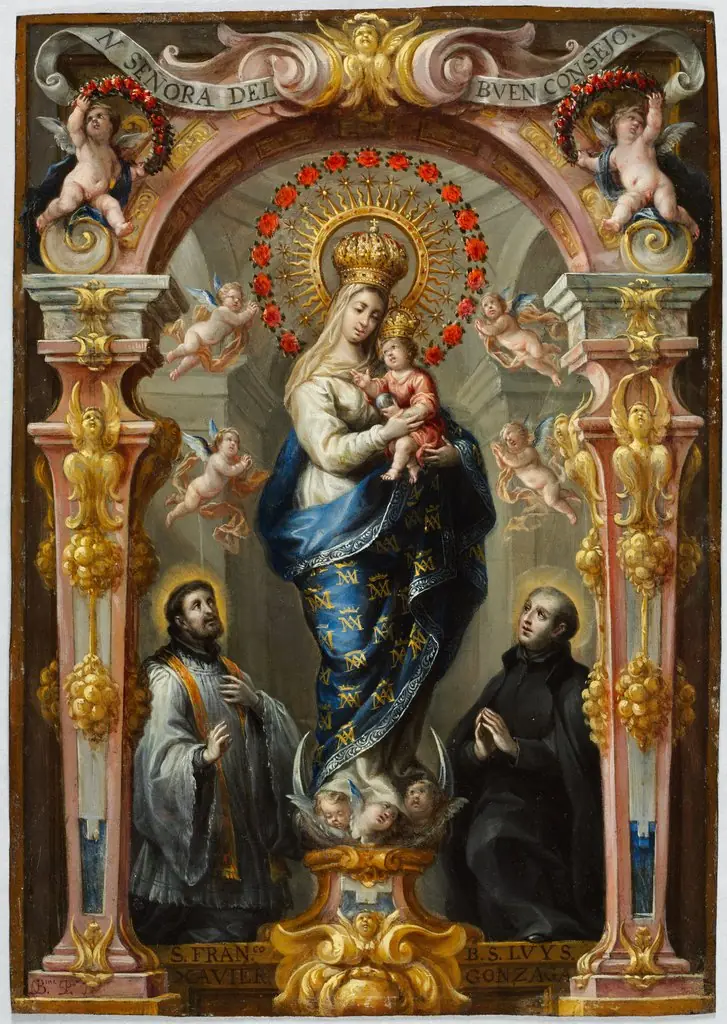 Our Lady of Good Counsel
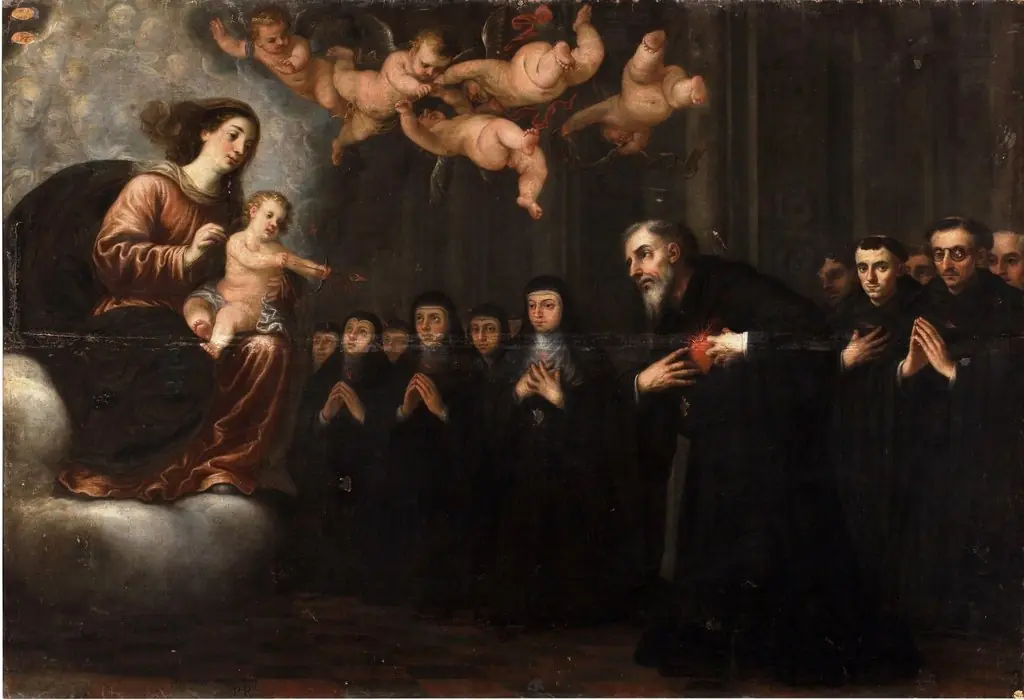 La Virgen y el Niño transverberando el corazón a San Agustín ante la comunidad de agustinos
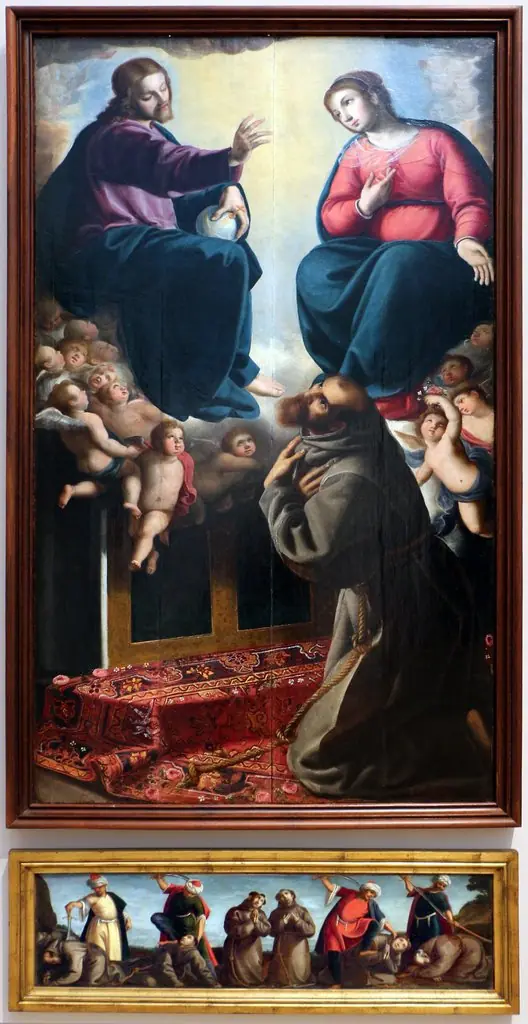 Visão de São Francisco de Assis e os Sete Mártires de Marrocos
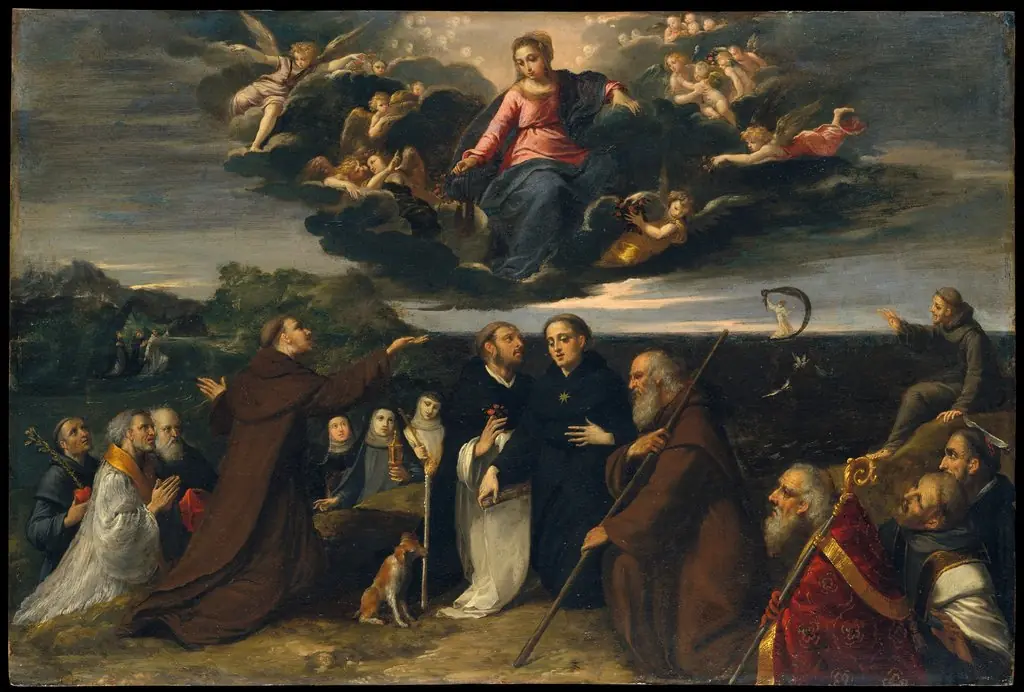 The Virgin Adored by Saints
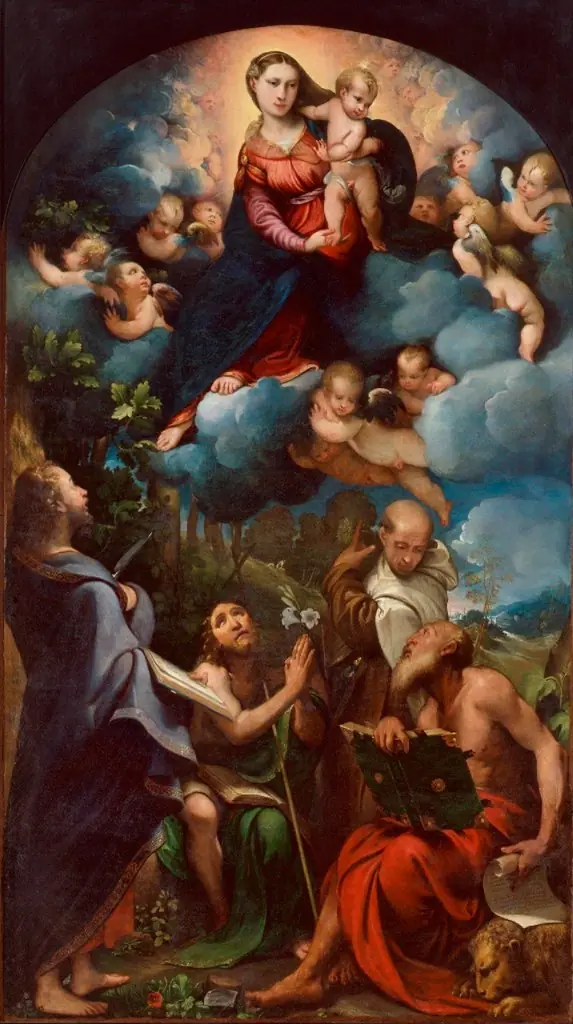 Virgin and Child in Glory with St. Bartholomew, St. John the Baptist, St. Albert and St. Jerome