Artwork
Our Lady of Good Counsel
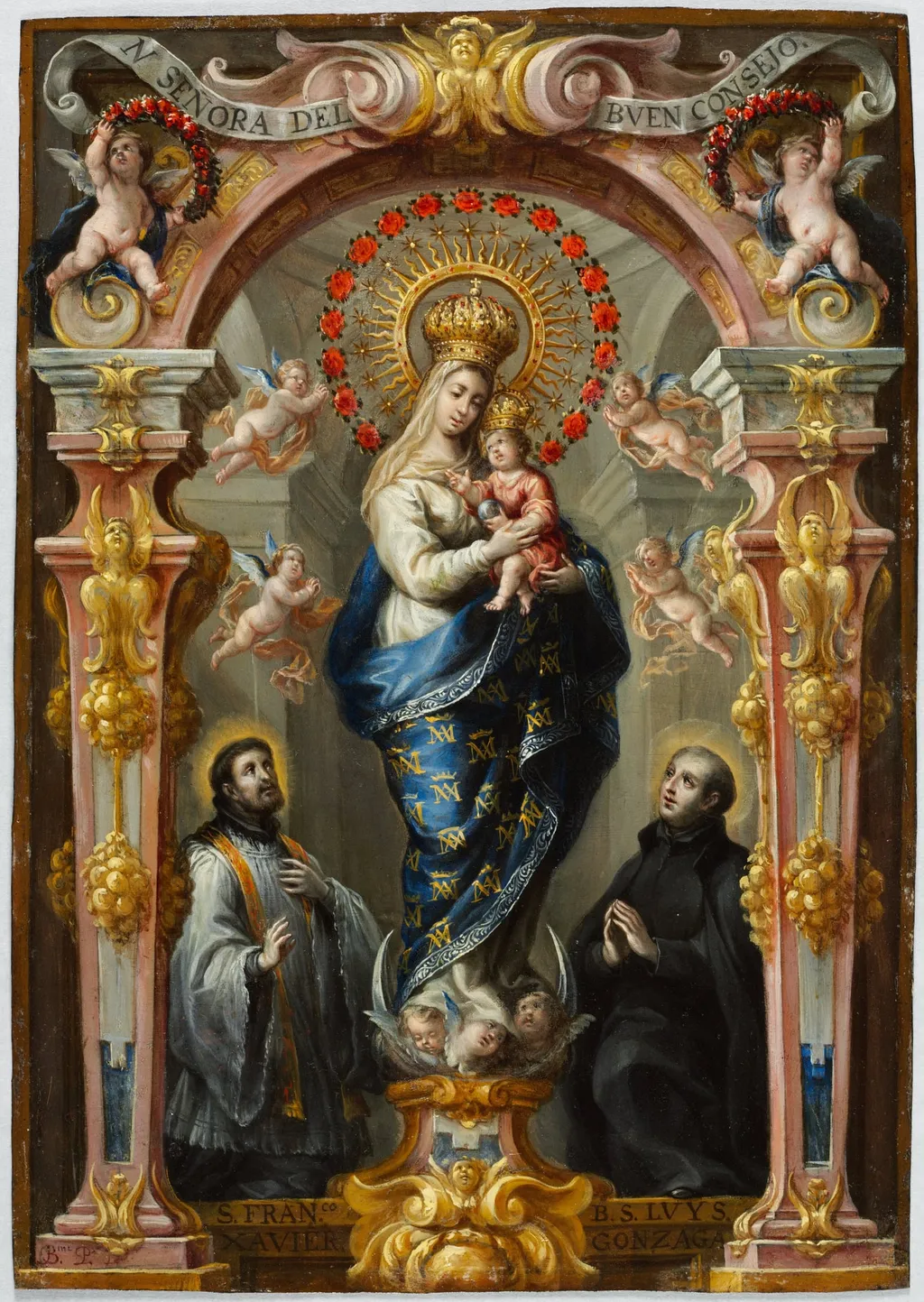
Our Lady of Good Counsel is an unspecified painting by the Baroque artist Bartolomé Pérez. It dates from 1680 and is held in the collection of the Cleveland Museum of Art.
About this work
This painting shows a fancy chapel with a Madonna and Child in the center. The walls have upside-down obelisks and bright fruits and flowers. Soft pastels make everything glow.
Pérez often decorated for Spanish royalty. He painted this like a flat version of a real wooden statue. The scene mixes real and made-up parts.
Next, check out Bartolomé Pérez (Spanish, 1634–1693).
Overview
Bartolomé Pérez painted a devotional image of the Virgin and Child within an imagined chapel interior, blending architectural fantasy with religious symbolism.
Bartolomé Pérez painted a devotional image of the Virgin and Child within an imagined chapel interior, blending architectural fantasy with religious symbolism. Though rooted in a real Jesuit chapel in Madrid, the setting is transformed through inventive design, reflecting Pérez’s background in ephemeral court decorations. The work bridges painting and sculptural representation, emphasizing the tactile presence of sacred imagery in Spanish religious culture.
Subject & Meaning
The Virgin and Child, modeled after a venerated wooden sculpture, occupy the center as objects of veneration. Surrounding elements—upside-down obelisks, abundant fruit, and floral motifs—suggest abundance and divine favor, while also evoking the transient nature of earthly beauty. The composition merges the physical space of worship with symbolic layers, reinforcing the spiritual significance of the image without literal narrative.
Technique & Style
Pérez rendered a three-dimensional polychrome statue in flat, luminous paint, using soft pastel hues to create an ethereal glow. The architecture is stylized, with impossible structural elements like inverted obelisks, suggesting a dreamlike sacred space. His handling of texture and light mimics the sheen of gilded wood, deliberately confusing the boundary between painted surface and sculpted object.
History & Provenance
Pérez, known for designing temporary court decorations that no longer survive, applied his theatrical sensibility to this painting. The subject references a specific chapel in the Jesuit Imperial College in Madrid, where the original wooden Madonna was a focus of popular devotion. This work likely served as a devotional aid or commemorative piece, preserving the memory of a sacred image through paint.
Context
In 17th-century Spain, religious art often blurred the line between the material and the divine, especially in contexts of Counter-Reformation piety. Pérez’s fusion of real and imagined elements reflects a broader cultural tendency to elevate sacred objects through visual illusion. His work aligns with contemporaries who used architecture and ornament to deepen spiritual experience.
Legacy
Though Pérez’s court decorations are lost, this painting endures as evidence of his skill in translating ephemeral spectacle into lasting image. His approach influenced how sacred sculpture was visually mediated in painting, contributing to a Spanish tradition that valued the interplay between real objects and their painted representations in devotional practice.
Artist & collection
Artist
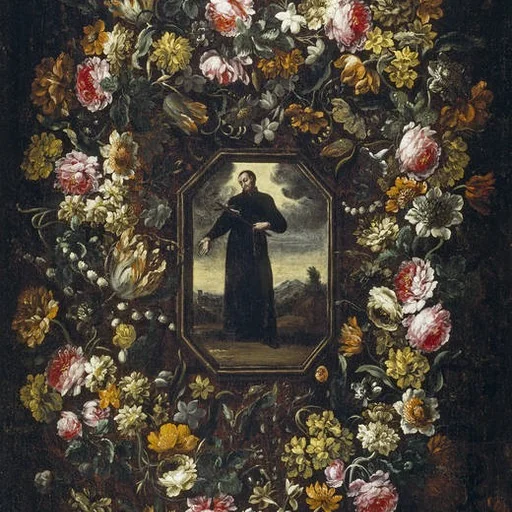
Bartolomé Pérez de la Dehesa (1634 – 16 January 1693) was a Spanish painter of the Baroque period.

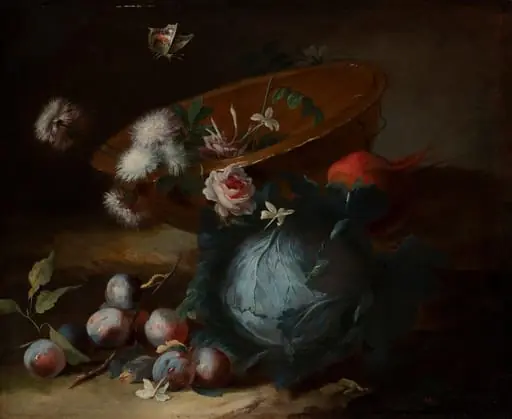
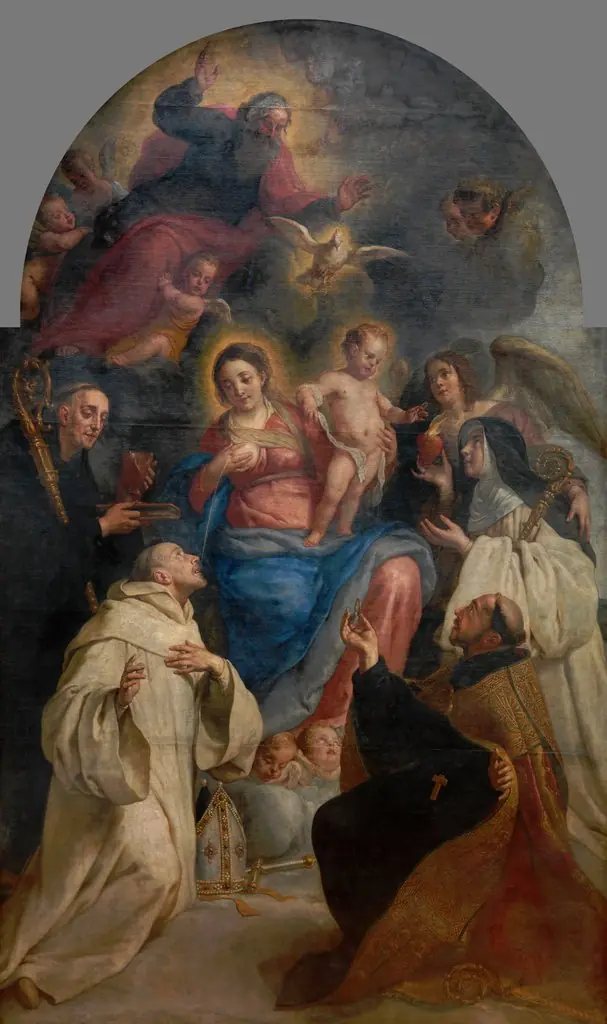 Lactatio of Saint Bernard of Clairvaux
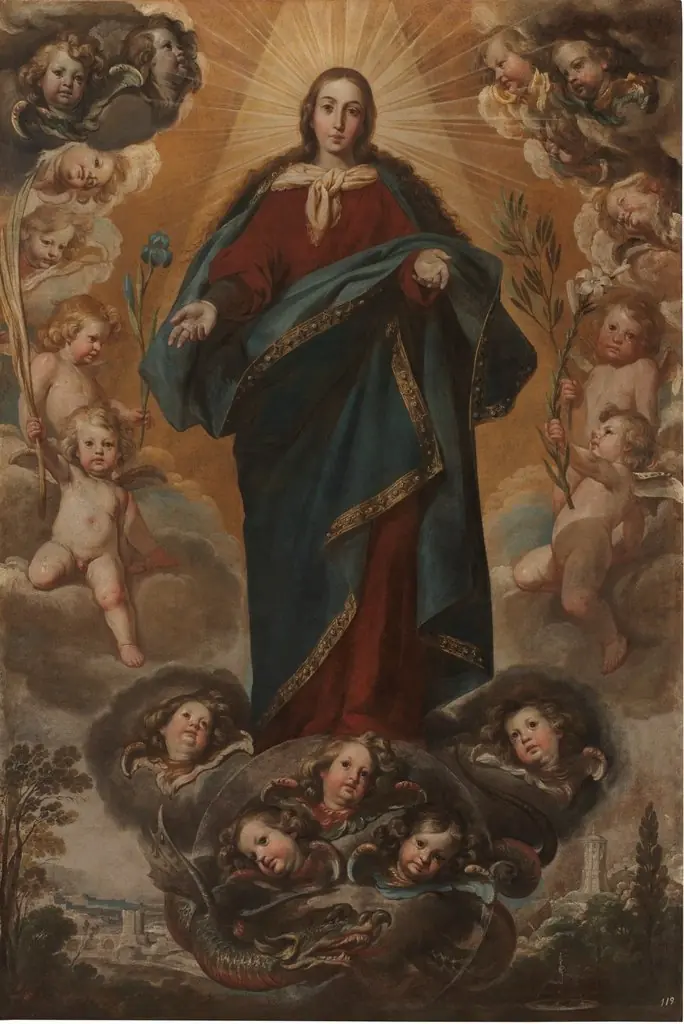 The Immaculate Conception
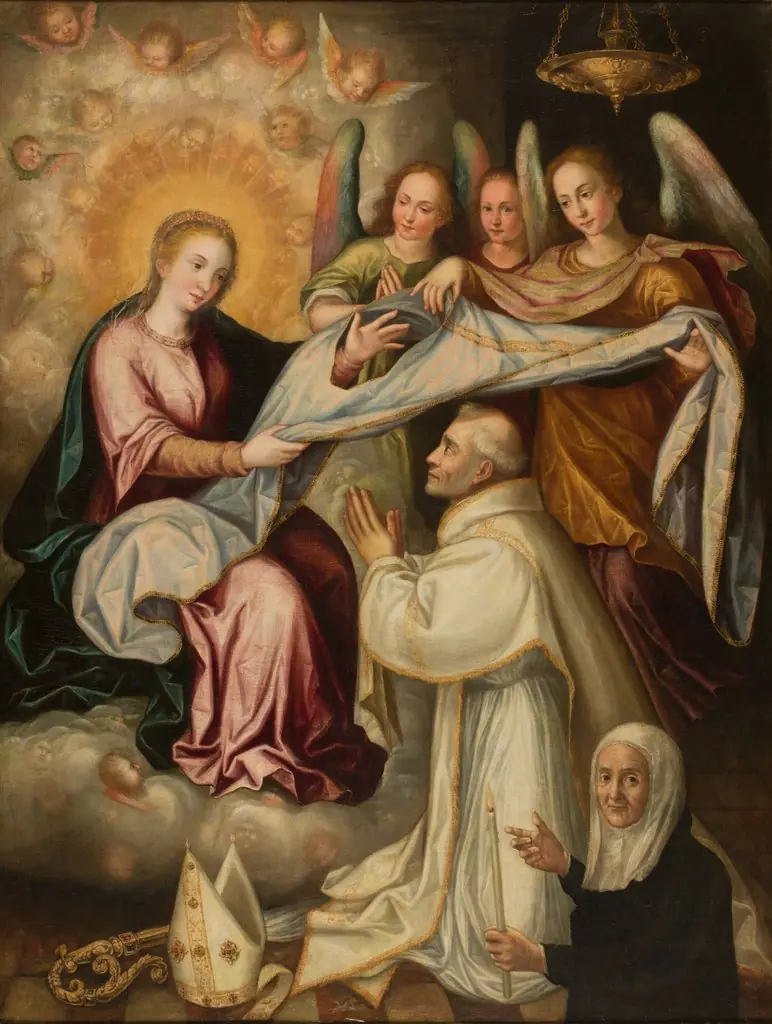 Saint Ildefonso receiving the Chasuble
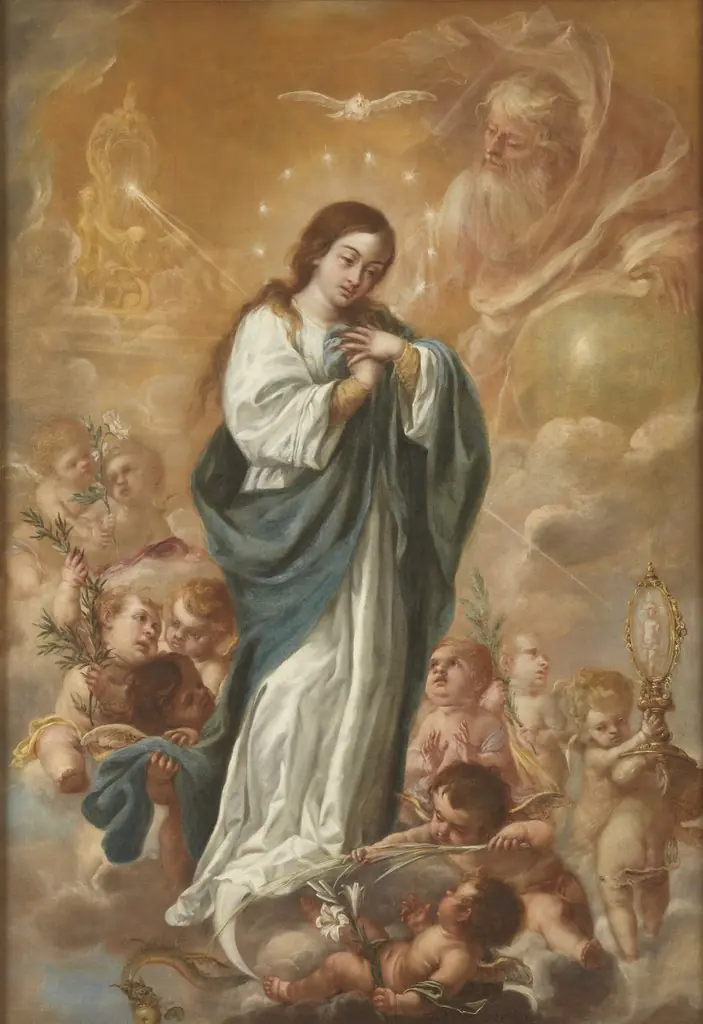 Immaculate Conception
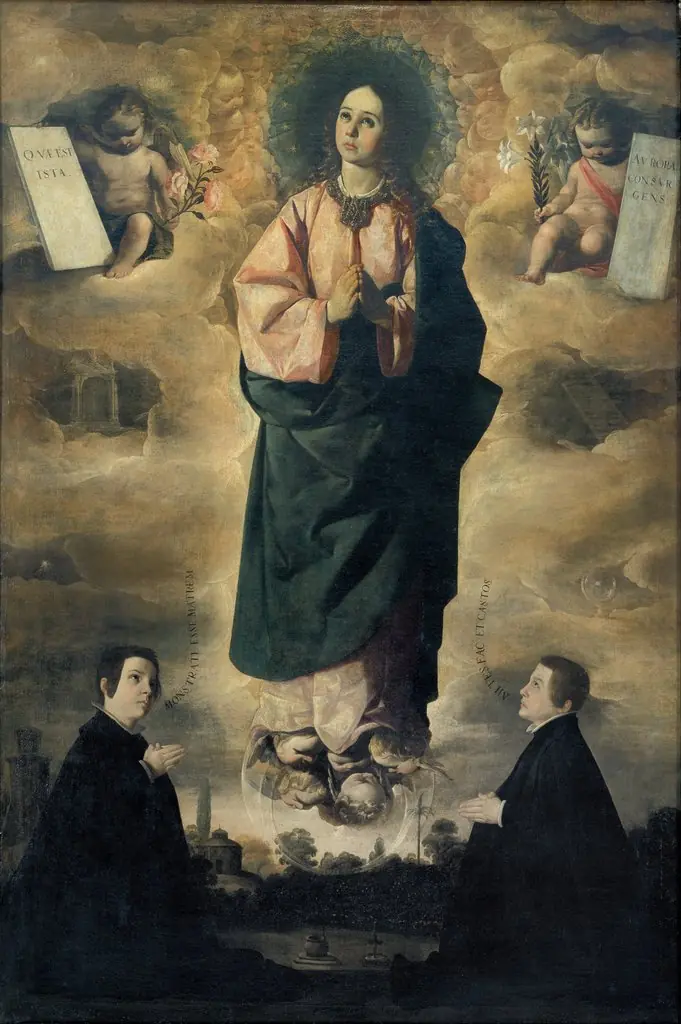 Immaculate Conception
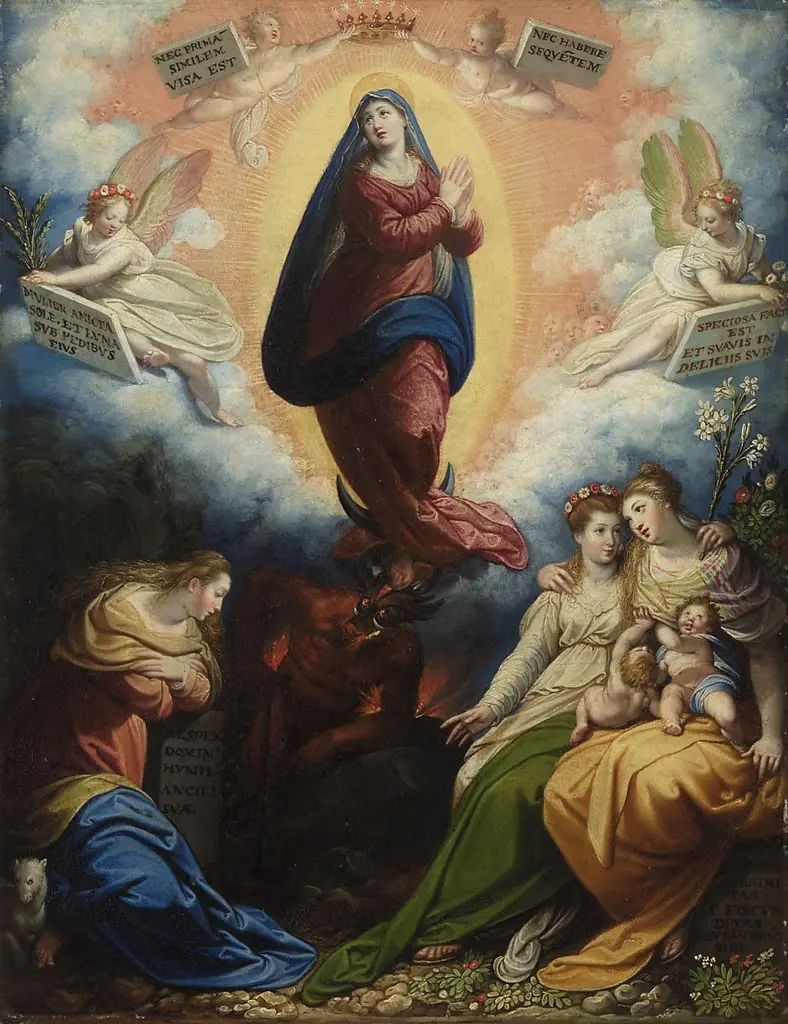 Immaculata
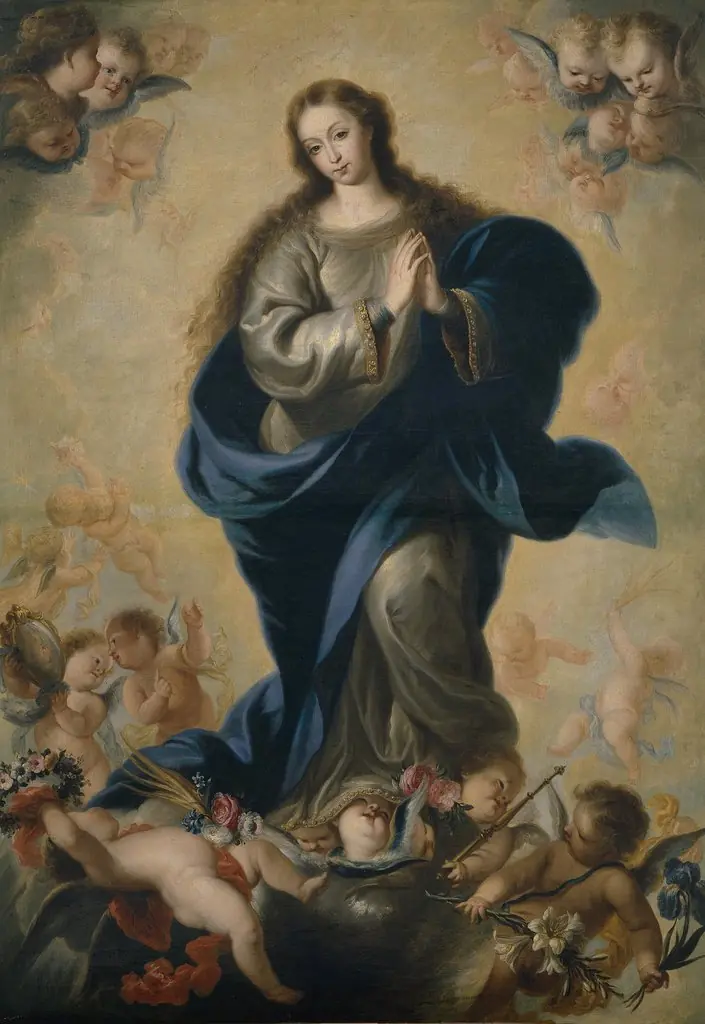 The Immaculate Conception
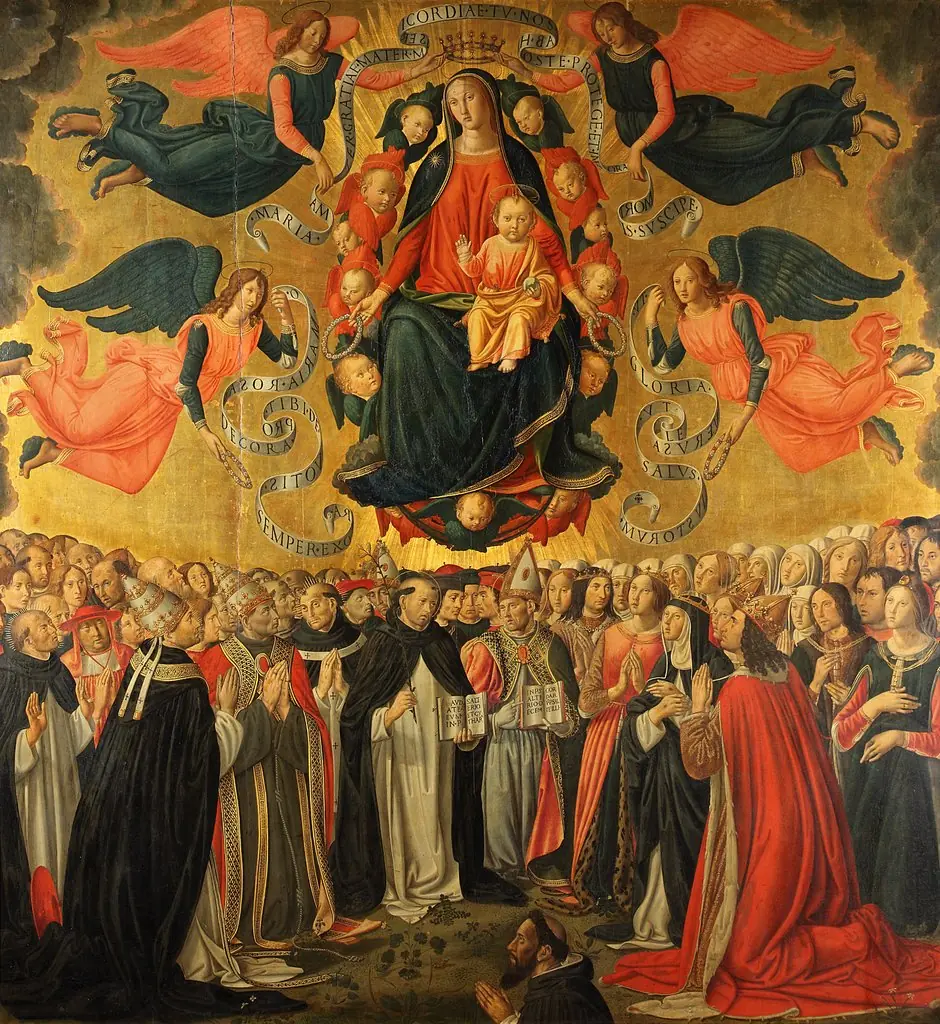 The Virgin with the Blessing Child in Glory, adored by Angels, Saints, Prayers and a Donor
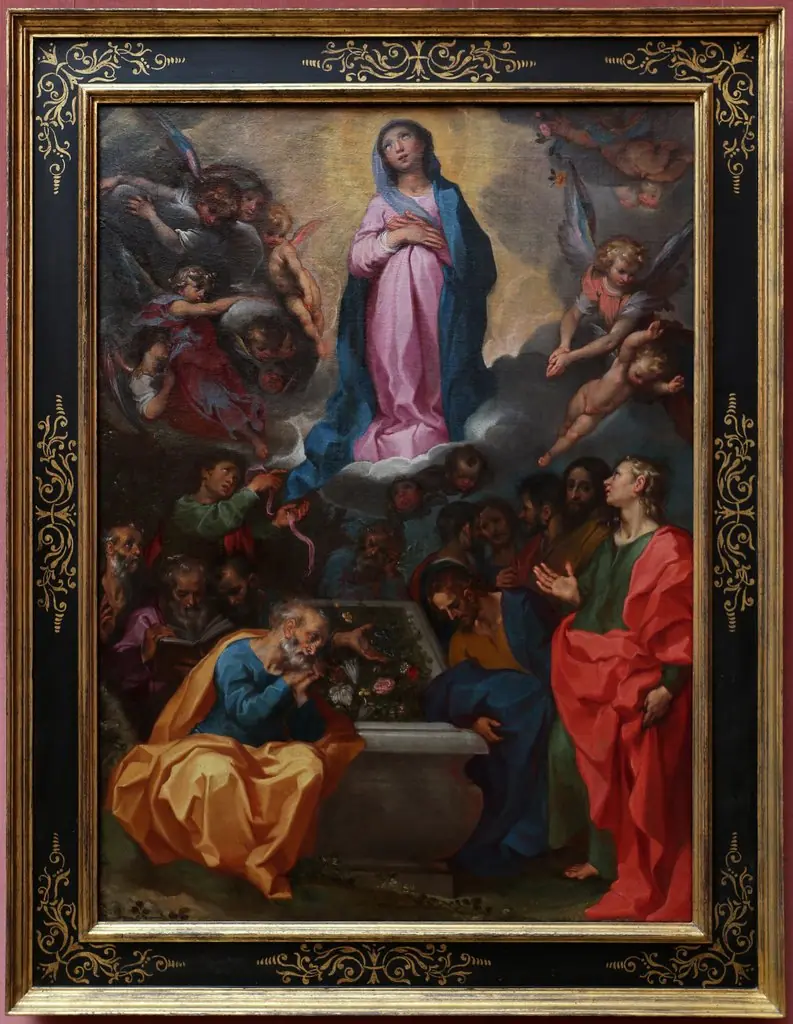 Die Himmelfahrt Mariae
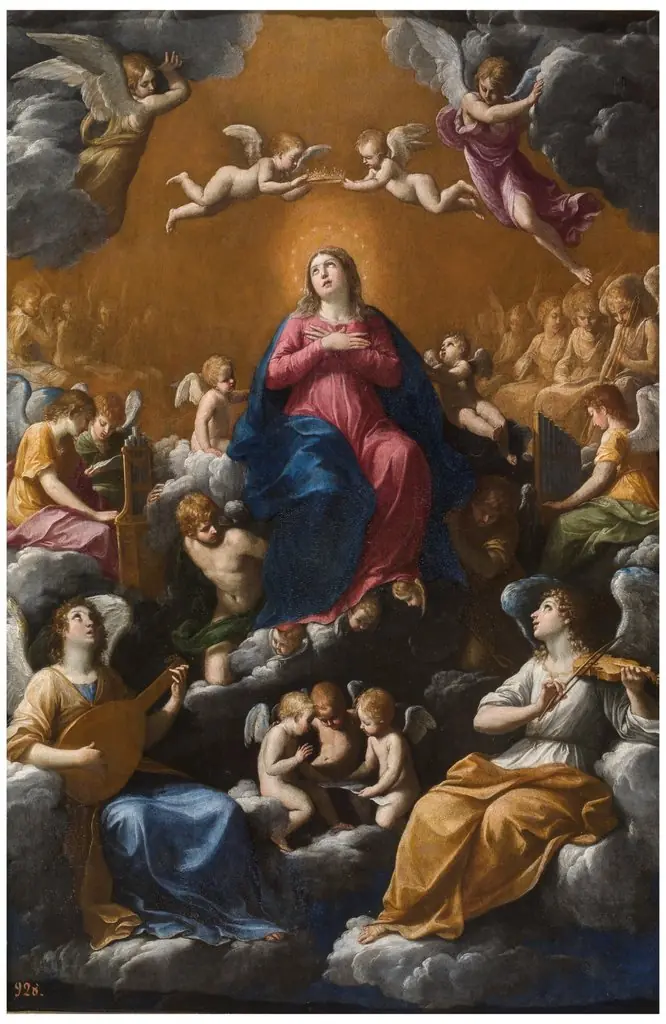 La Asunción y Coronación de la Virgen
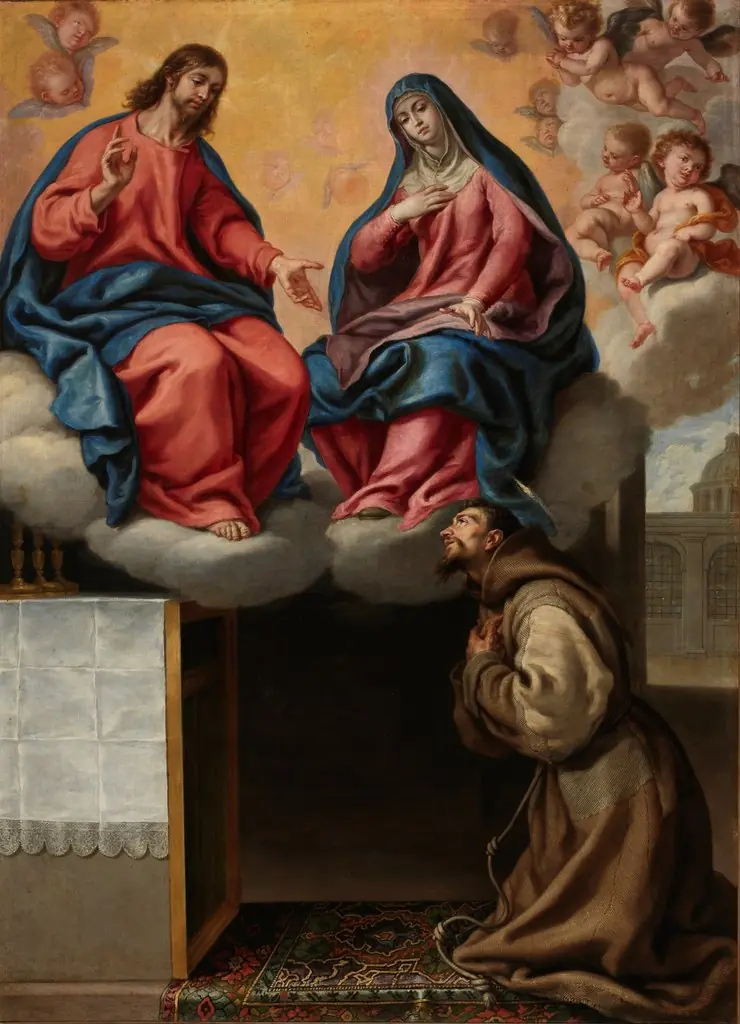 Saint Francis of Assisi in la Porziuncola