Artwork
Immaculate Conception
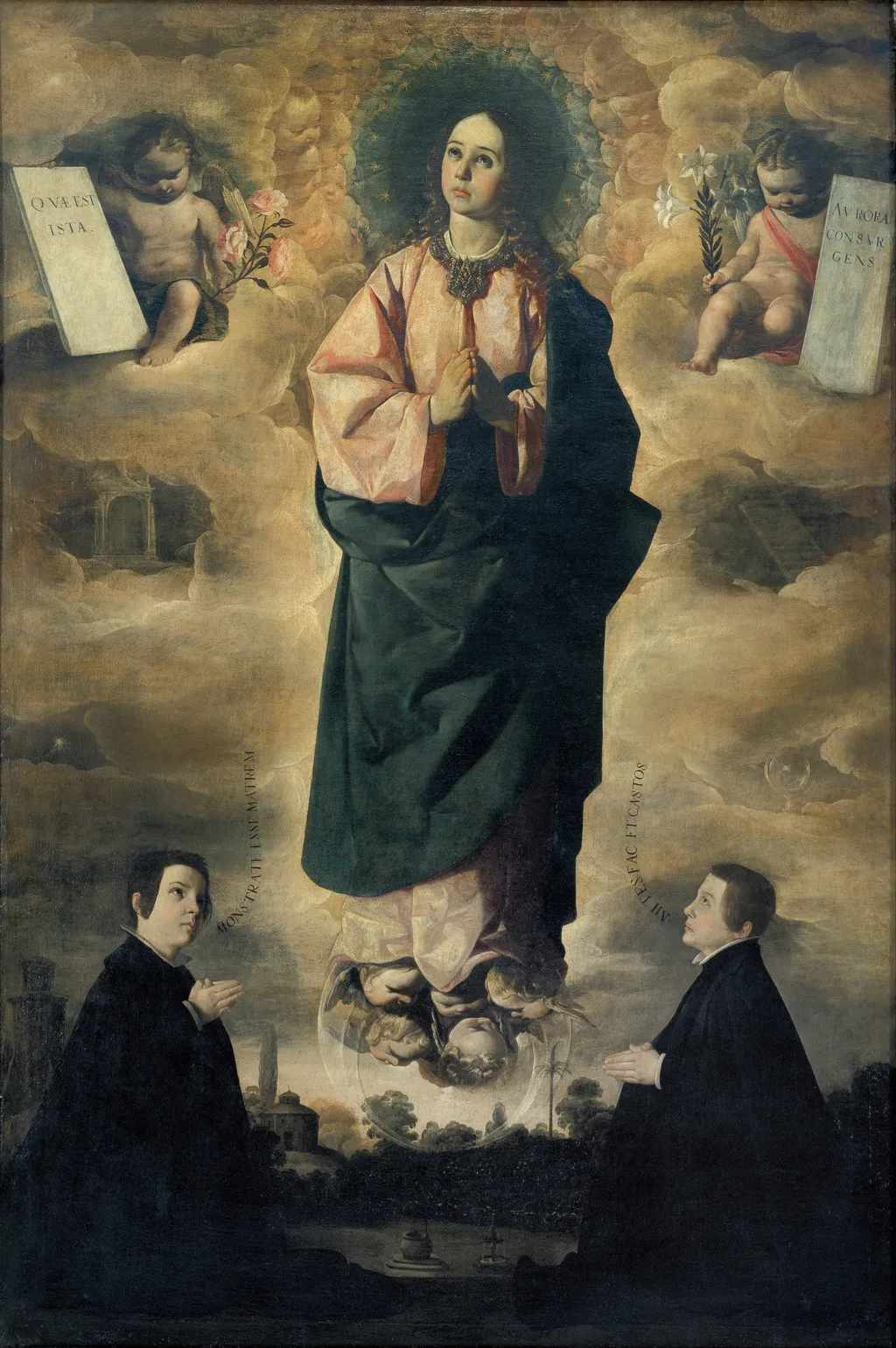
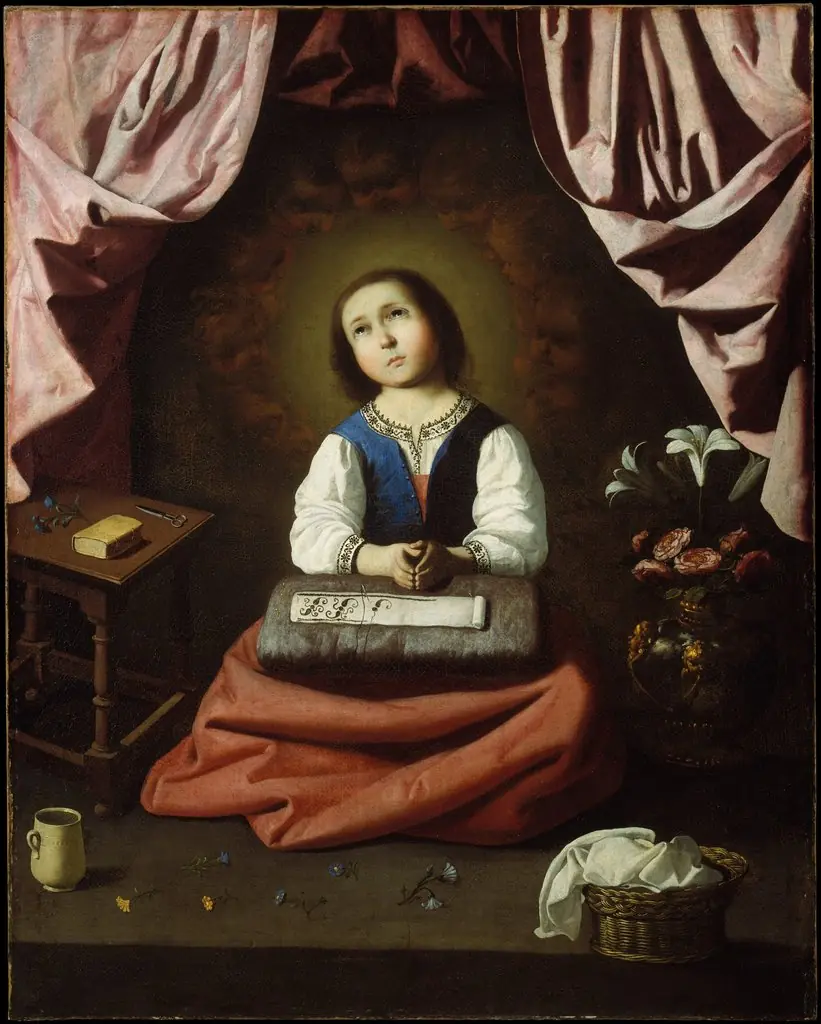
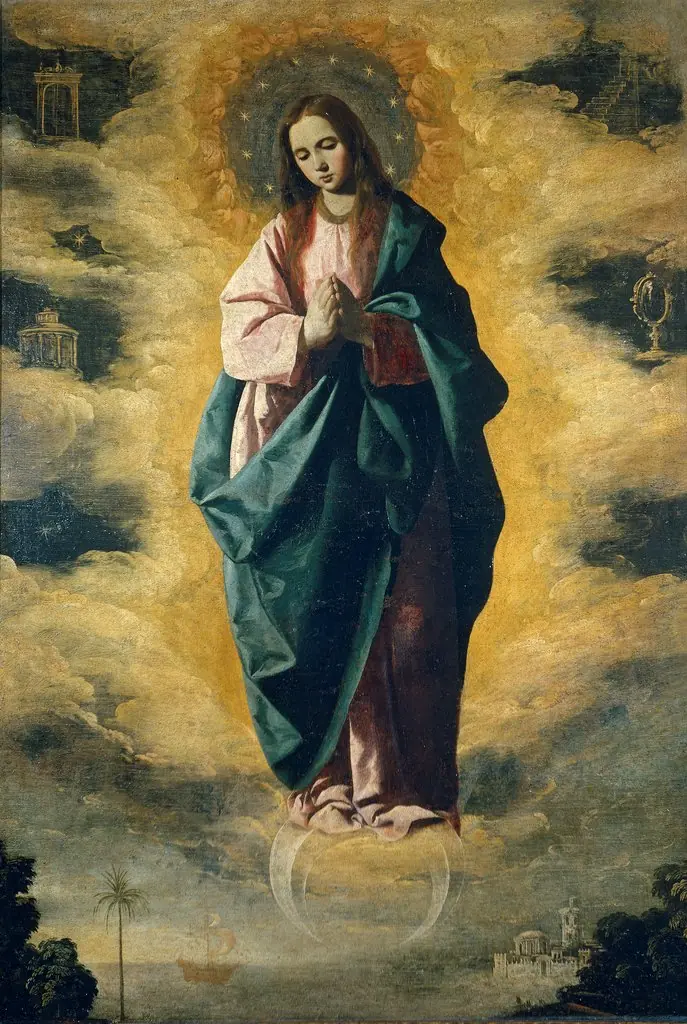
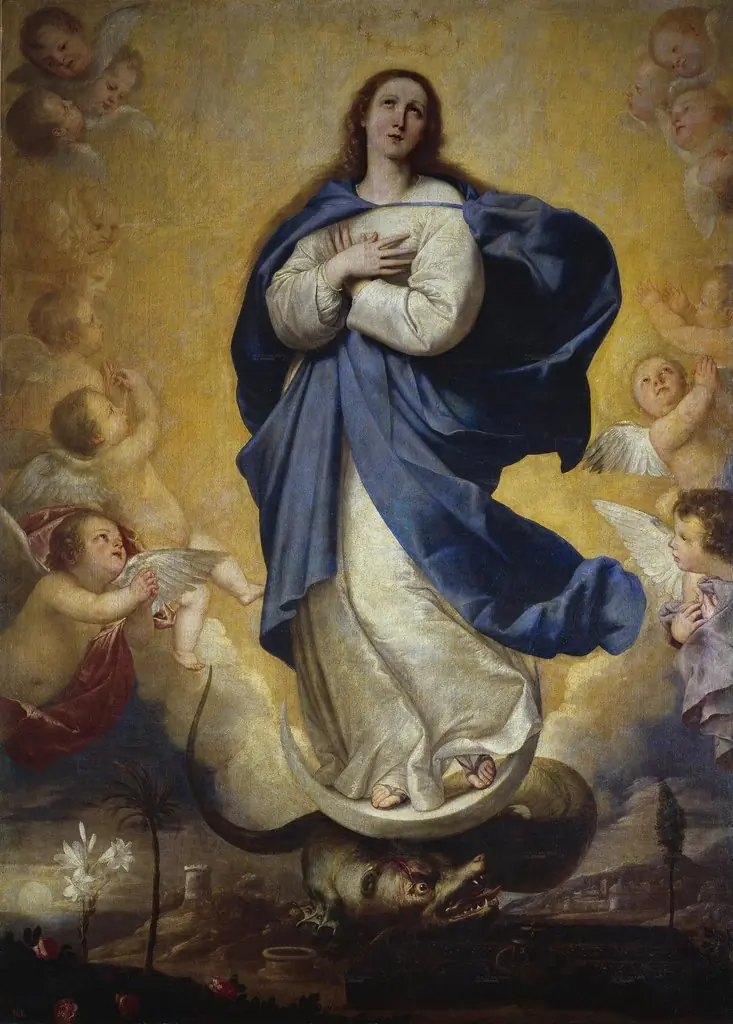
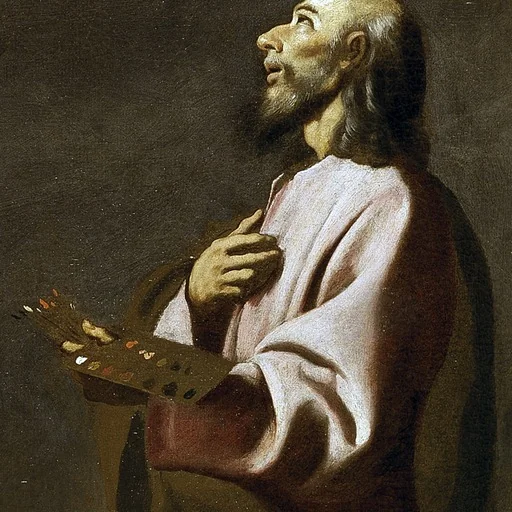
Immaculate Conception is an oil painting by the Early Baroque Italian artist Francisco de Zurbarán. It dates from 1632 and is held in the collection of the Museu Nacional d'Art de Catalunya.
About this work
Immaculate Conception is a painting by the Spanish artist Francisco de Zurbarán, made in 1632.
Immaculate Conception is a painting by the Spanish artist Francisco de Zurbarán, made in 1632. It was created with oil paint on canvas. Zurbarán was known for his careful handling of oil paint.
The work is kept at the Museu Nacional d'Art de Catalunya in Barcelona. The painting shows the Immaculate Conception of Mary, a common theme in Catholic art. It is listed in the museum’s collection.
If you like this piece, you might also check out the museum: Museu
Overview
Francisco de Zurbarán’s 1632 oil on canvas, titled Immaculate Conception, is part of the permanent collection at Barcelona’s Museu Nacional d’Art de Catalunya. The work exemplifies the Spanish Baroque painter’s mature period, presenting a devotional image that has remained in the museum’s holdings since its acquisition.
Subject & Meaning
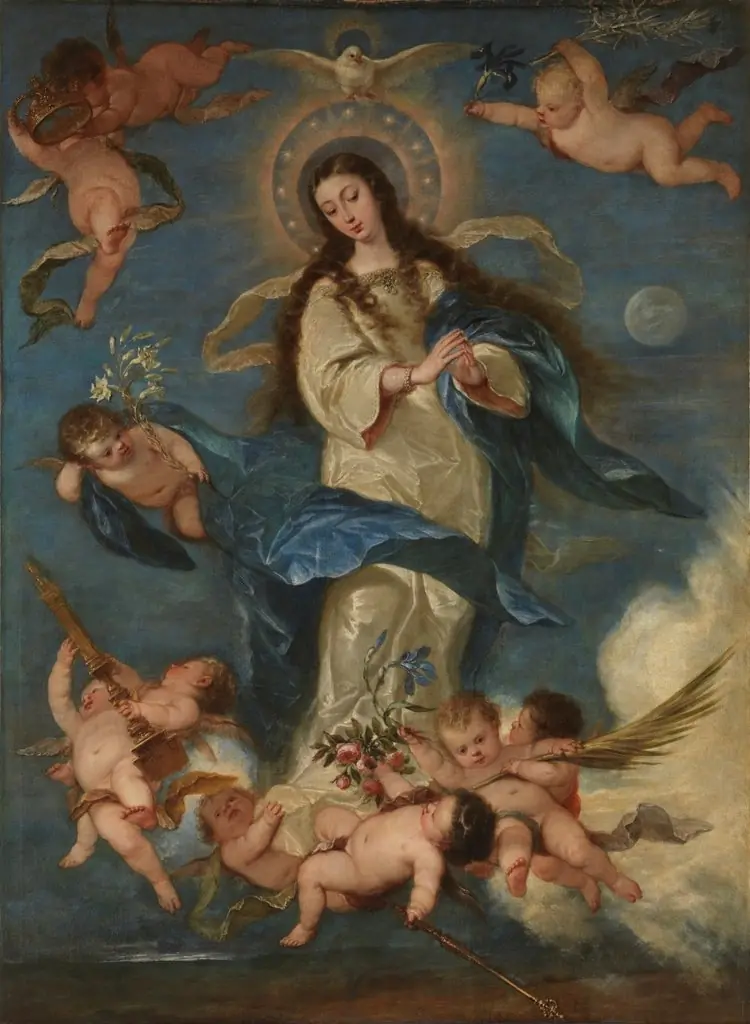
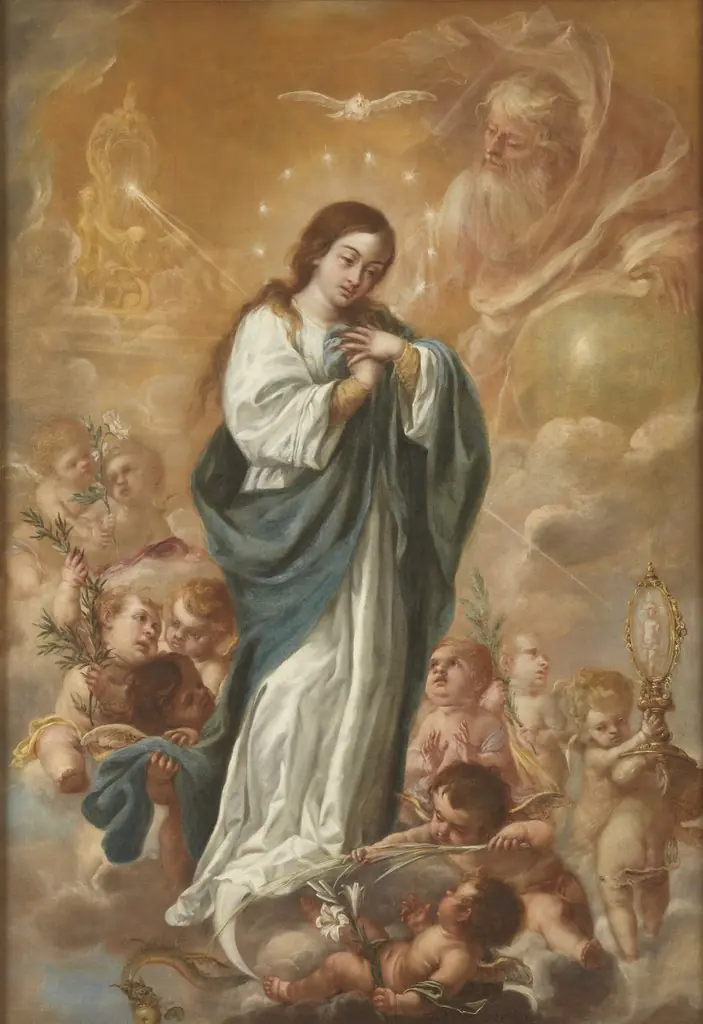
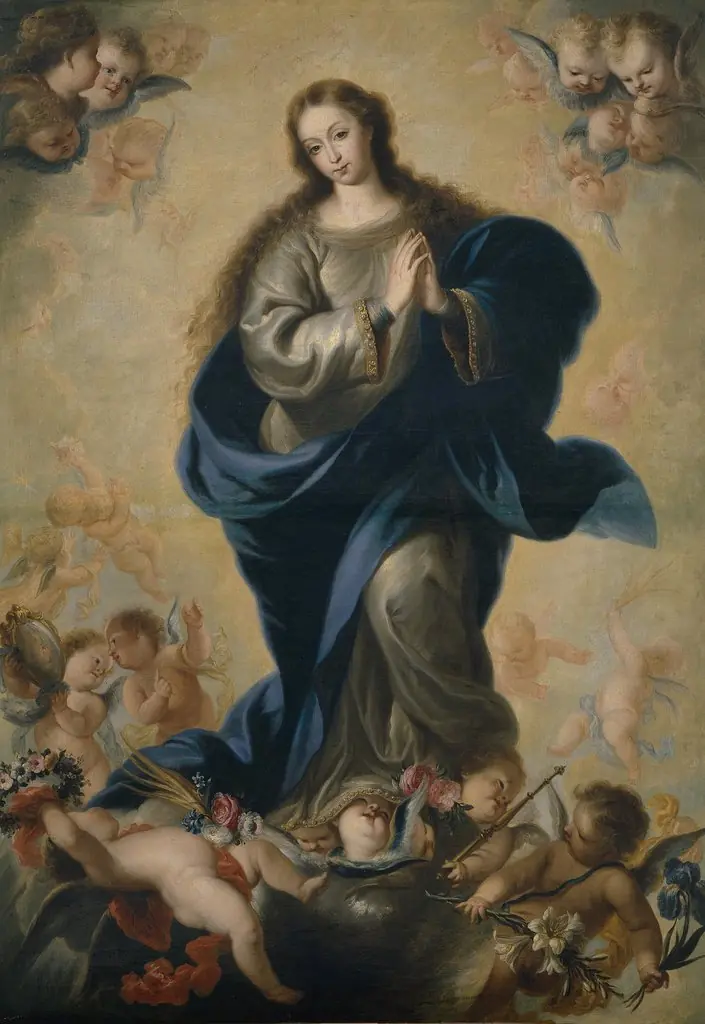
The composition depicts the Virgin Mary in the theological doctrine of the Immaculate Conception, a motif frequently employed in Catholic visual culture to emphasize her sinless birth. Zurbarán renders the figure with an aura of purity, aligning with contemporary devotional practices that sought to inspire reverence through idealized representation.
Technique & Style
Executed in oil paint, the canvas showcases Zurbarán’s meticulous brushwork and subtle modulation of light, hallmarks of his approach to rendering texture and volume. The artist’s restrained palette and careful handling of chiaroscuro create a quiet, contemplative atmosphere, allowing the figure’s form to emerge with a sculptural solidity.
History & Provenance
Completed in 1632, the painting entered the collection of the Museu Nacional d’Art de Catalunya, where it has been conserved and displayed. Documentation traces its presence in the museum’s inventory, confirming its continuous public accessibility within the institution’s Spanish Baroque holdings.
Context
During the early 17th century, the Immaculate Conception was a prevalent subject in Spanish religious art, reflecting Counter‑Reformation emphasis on Marian devotion. Zurbarán’s rendition aligns with this trend, offering a localized interpretation that balances doctrinal clarity with the painter’s characteristic realism and spiritual intensity.
Own this work as a print
Artist & collection
Artist
Francisco de Zurbarán was a Spanish Baroque painter. He is known primarily for his religious paintings depicting monks, nuns, and martyrs, and for his still-lifes. Zurbarán gained the nickname "Spanish Caravaggio",…