Artwork
El capitán Romeo muere rechazando a los franceses en la batería de la Puerta del Carmen. Episodio del primer sitio de Zaragoza
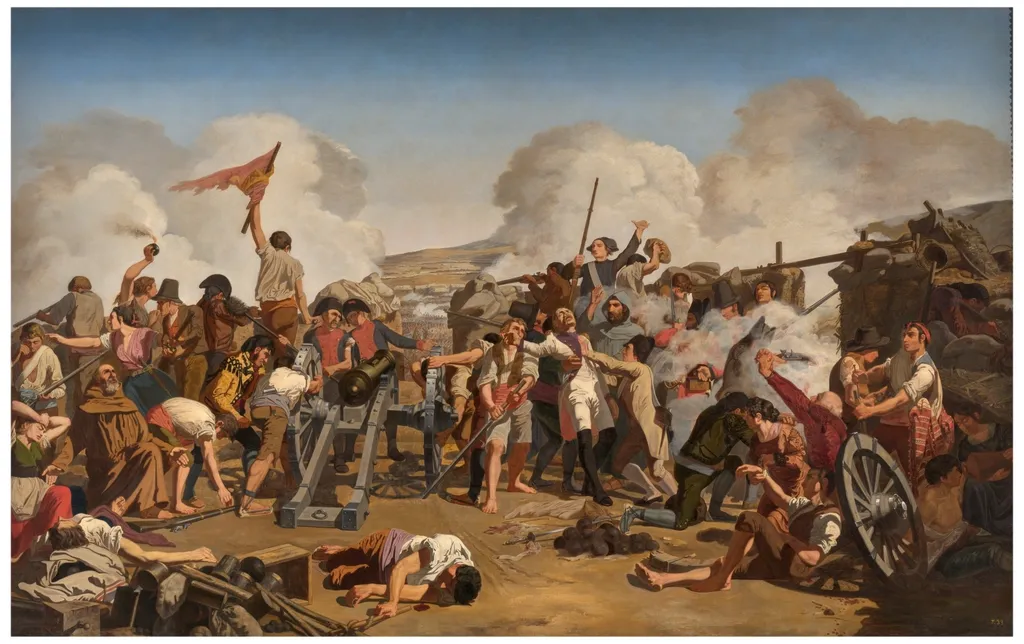
El capitán Romeo muere rechazando a los franceses en la batería de la Puerta del Carmen. Episodio del primer sitio de Zaragoza is an oil painting by Juan José Martínez Espinosa. It dates from 1858 and is held in the collection of the Museo del Prado.
About this work
Overview
Juan José Martínez Espinosa’s 1858 oil on canvas records a dramatic episode from the first siege of Zaragoza. The composition centers on a tumultuous battlefield near the Puerta del Carmen, where a Spanish captain—identified as Romeo—falls while refusing to surrender to French forces. The work is part of the Prado Museum’s collection and exemplifies mid‑nineteenth‑century historic painting.
Subject & Meaning
The scene captures the moment Captain Romeo rejects a French demand, choosing death over capitulation. Figures are shown in varied postures—some collapsed, others poised with weapons or flags—conveying the chaos and resolve of the defenders. The narrative underscores themes of patriotism and sacrifice amid the larger conflict of the Peninsular War.
Technique & Style
Martínez Espinosa employs a vigorous palette and chiaroscuro to model the crowded foreground, creating depth that draws the eye toward the central act. Loose brushwork renders the tumultuous crowd, while sharper detail defines the cannon and flag. The sky’s blue expanse and distant hills provide a contrasting calm that heightens the immediacy of the battle.
History & Provenance
Completed in 1858, the painting entered the Museo del Prado’s holdings during the late nineteenth century, reflecting the institution’s interest in works that document Spain’s national history. Its accession record lists the original title referencing Captain Romeo’s death, linking the canvas directly to contemporary commemorations of the Zaragoza sieges.
Context
The first siege of Zaragoza (1808‑1809) was a key episode of Spanish resistance against Napoleonic invasion. By portraying a specific act of defiance, the painting aligns with a broader 19th‑century trend of historicism that sought to reinforce national identity through visual retellings of heroic moments.
Own this work as a print
Artist & collection
Artist
Juan José Martínez Espinosa (1826–1902) was an artist, born in Sanlúcar de Barrameda.

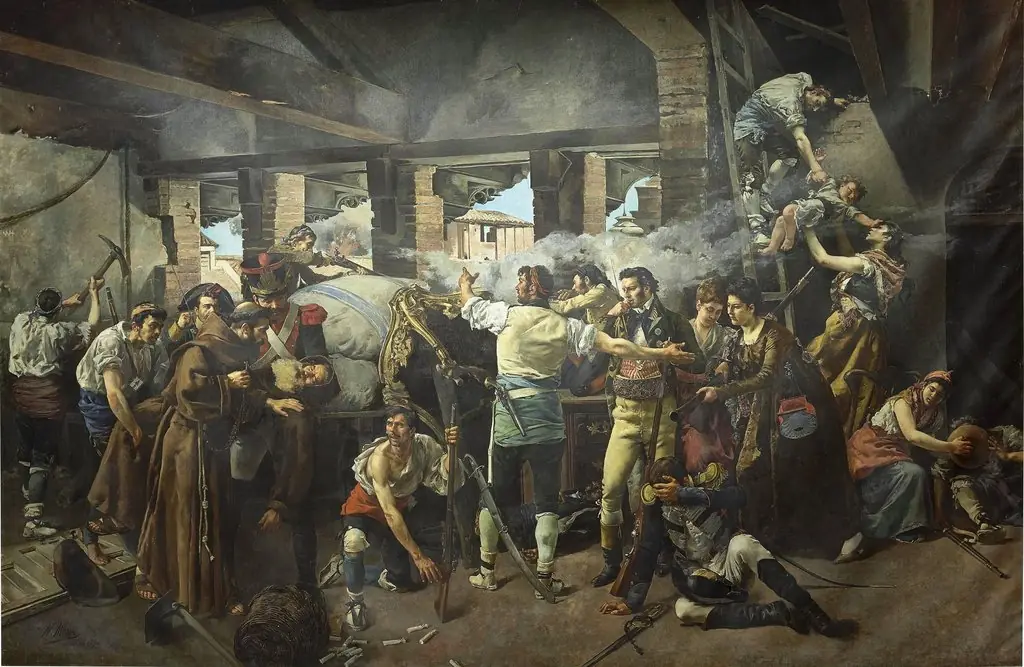 Defensa del Convento de Santa Engracia de Zaragoza 1809
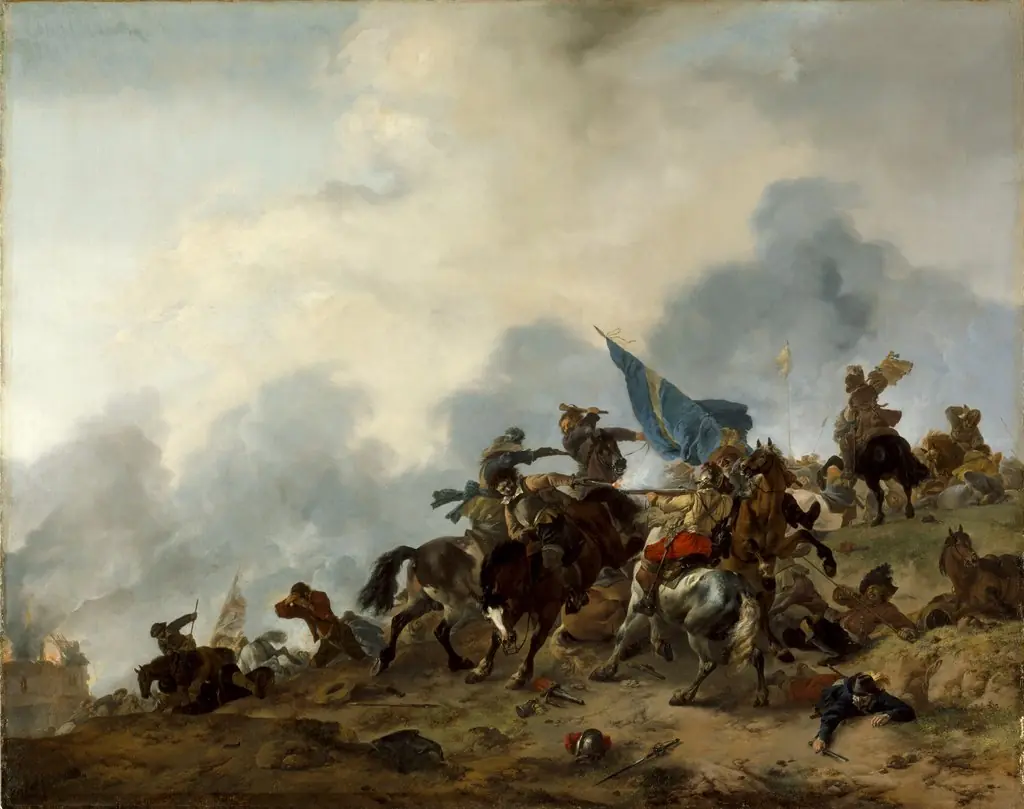 Battle Scene
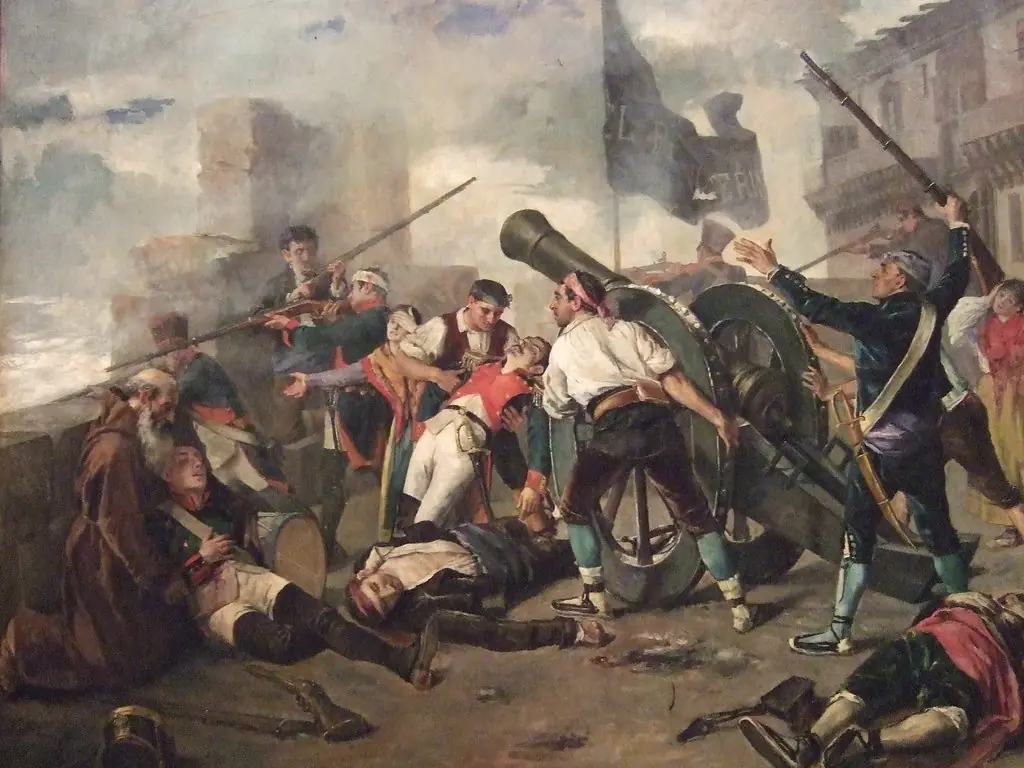 El Pilar no se rinde
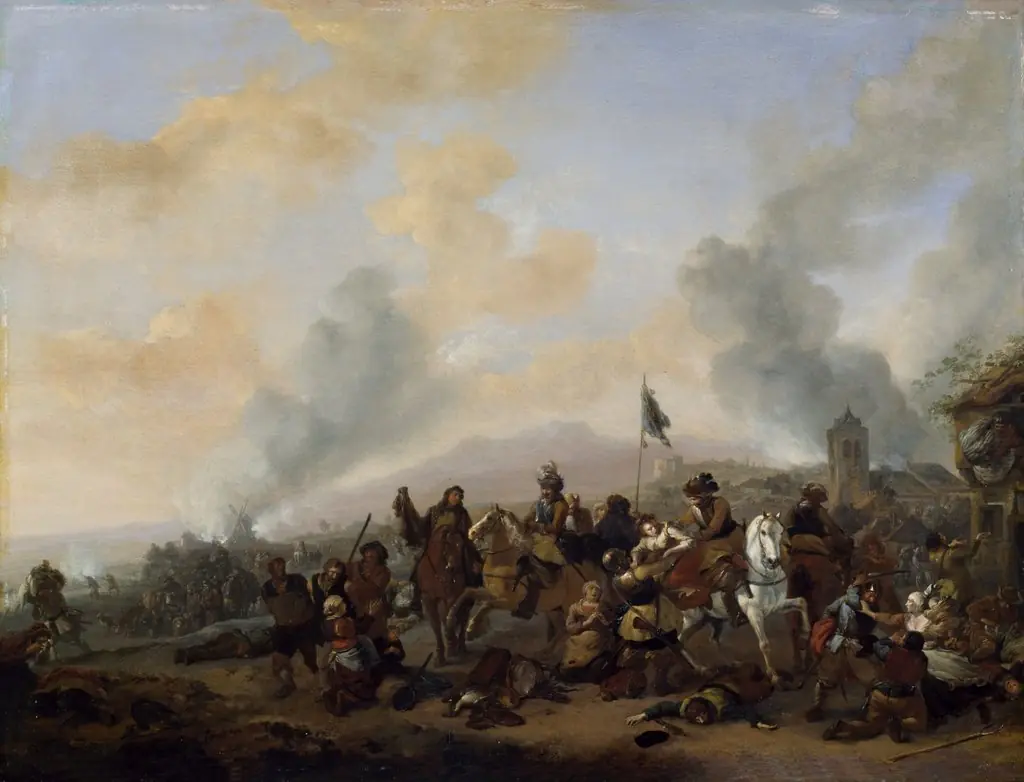 Soldiers Plundering a Village
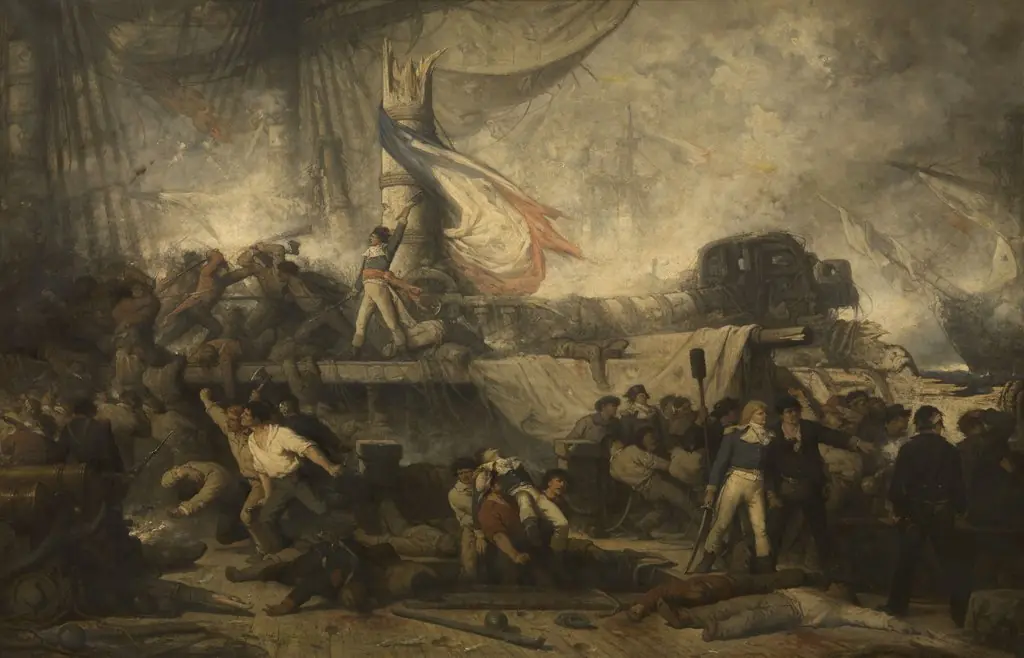 The Algeciras at the Battle of Trafalgar
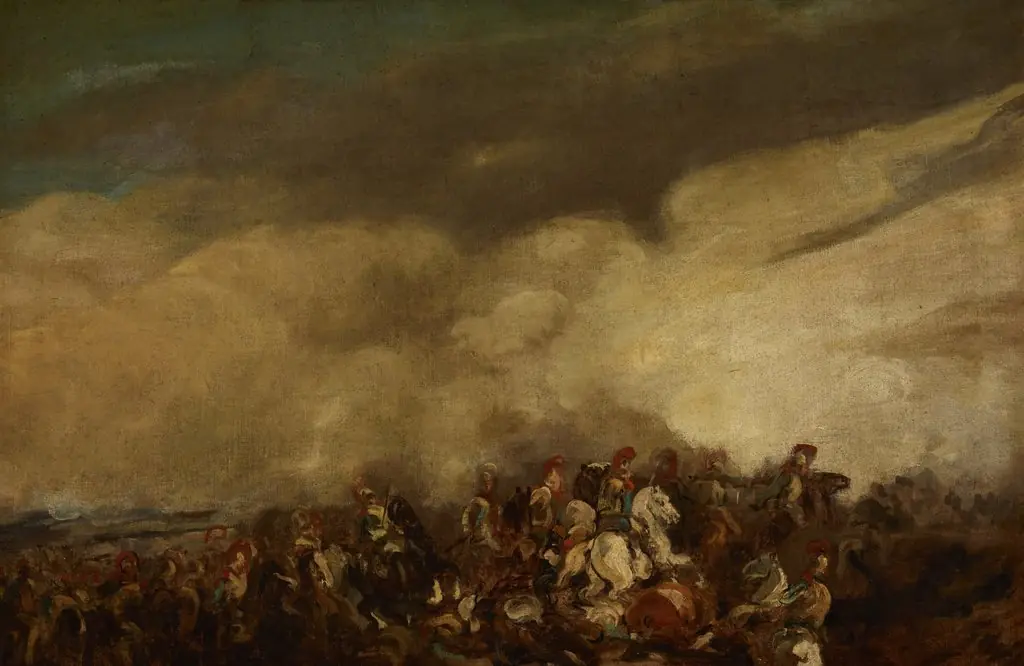 Battle
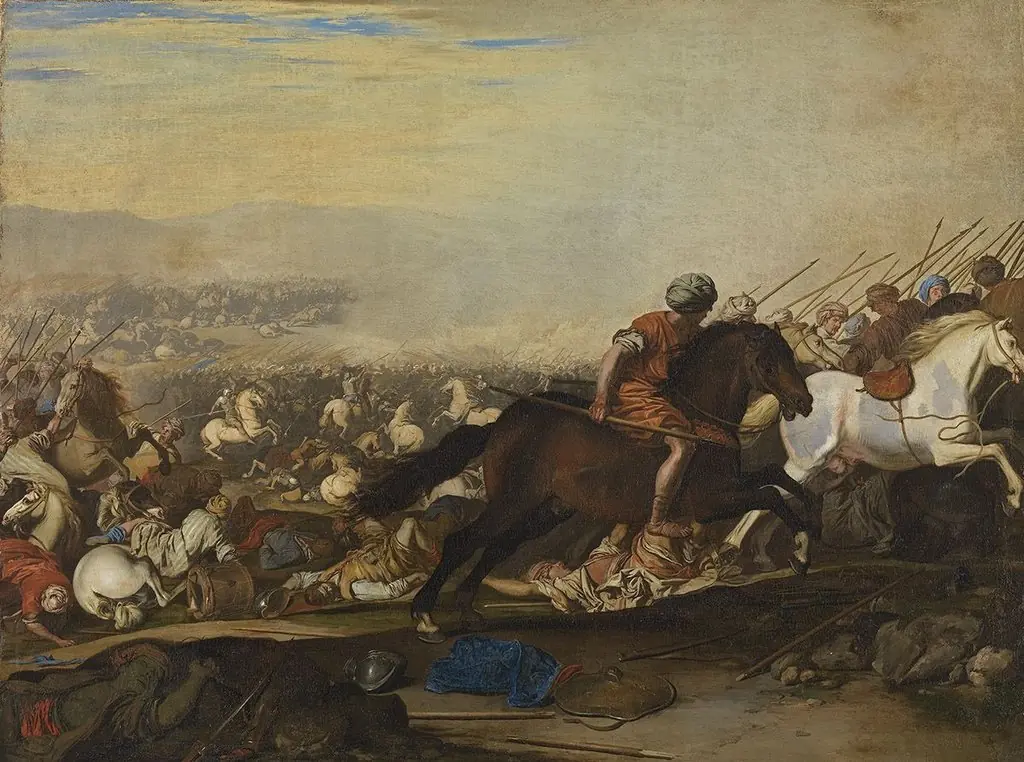 Schlachtenbild
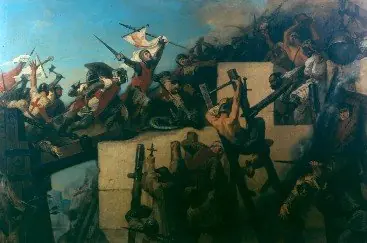 Godefroid de Bouillon during the assault on Jerusalem
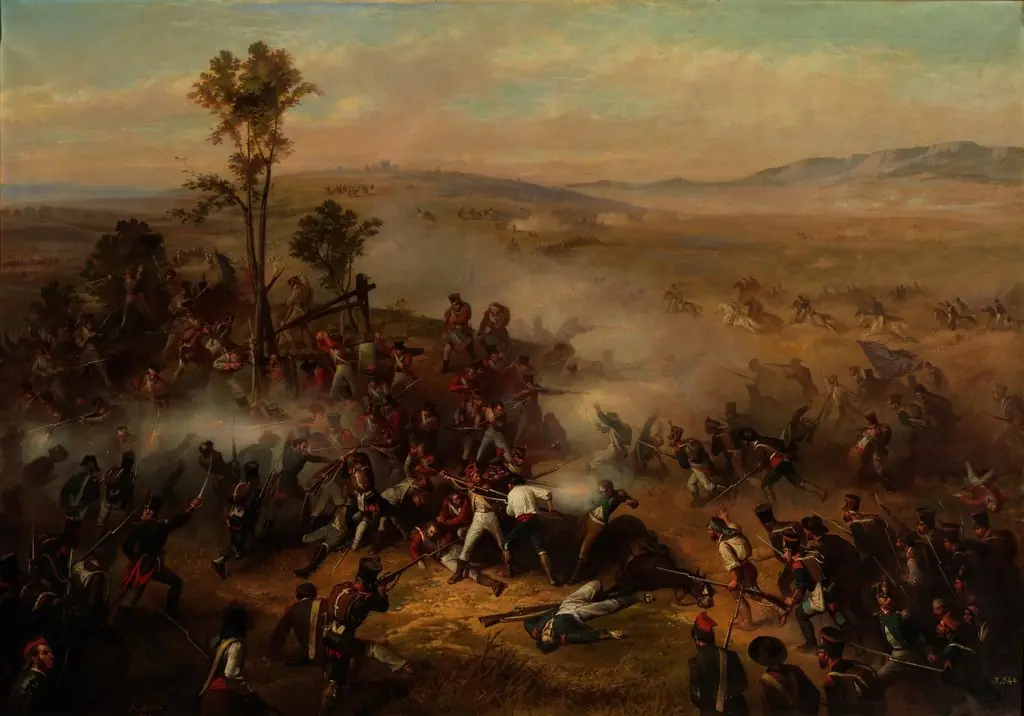 Episodio de la batalla de Bailén
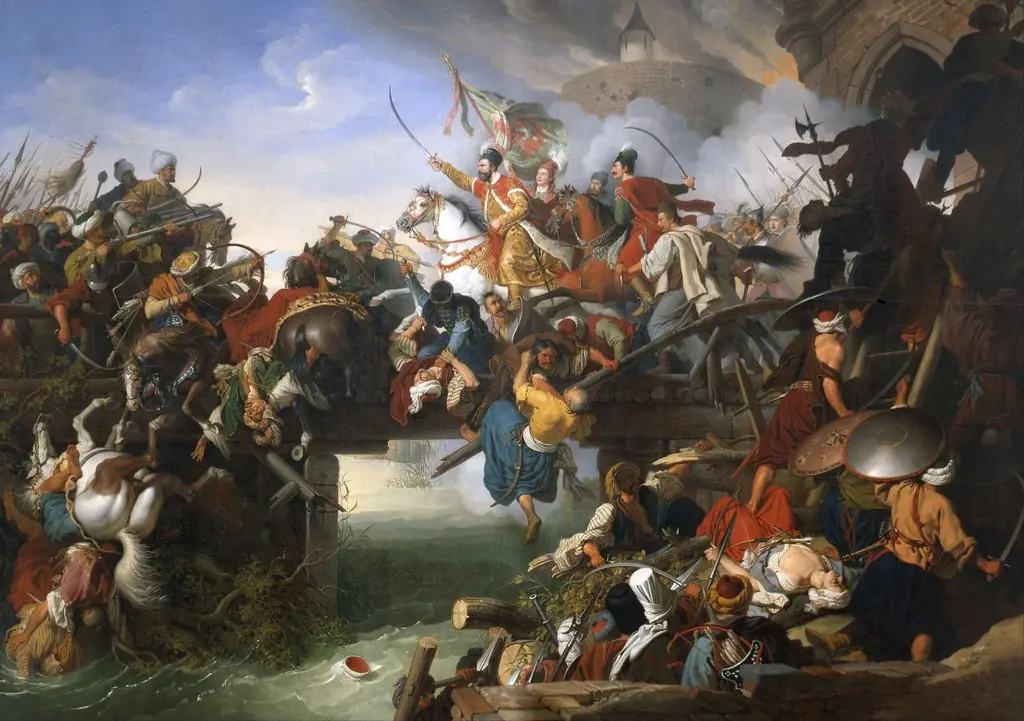 Zrínyi's Charge from the Fortress of Szigetvár
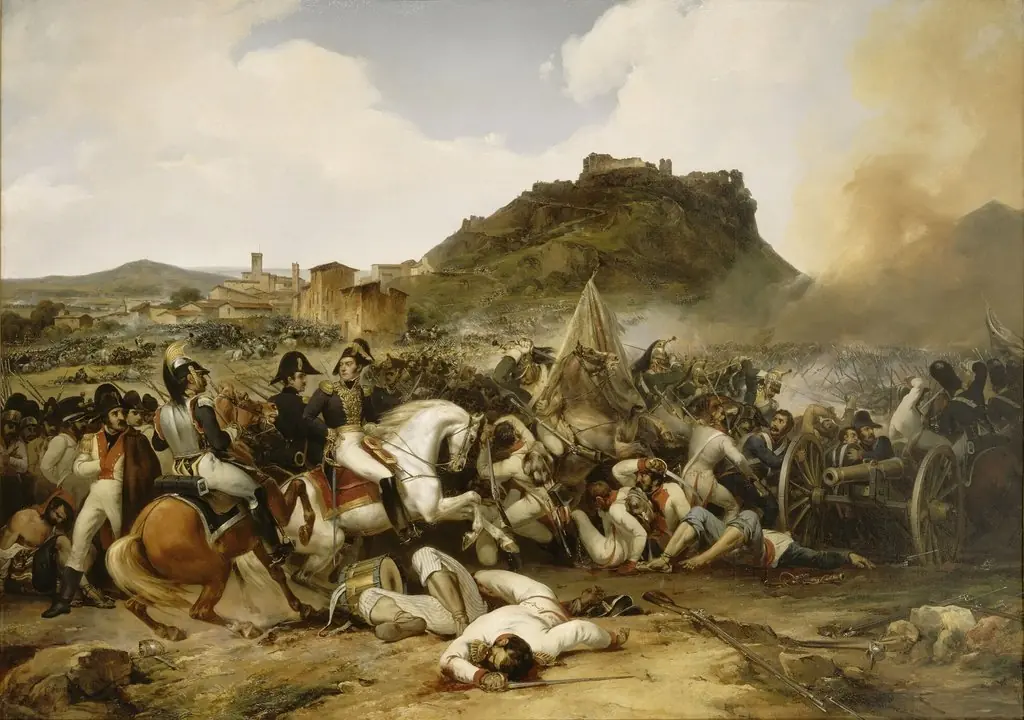 Battle of Castalla, July 21, 1812
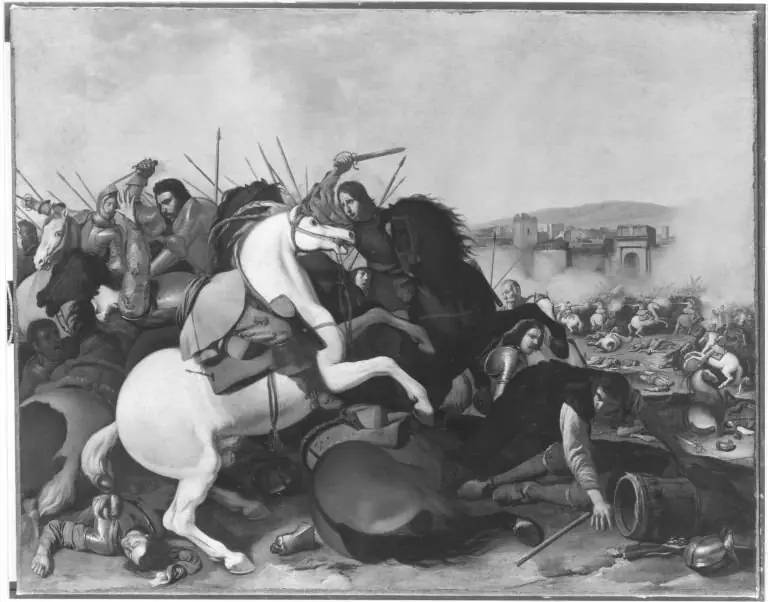 Reitergefecht