Artwork
Retour des champs
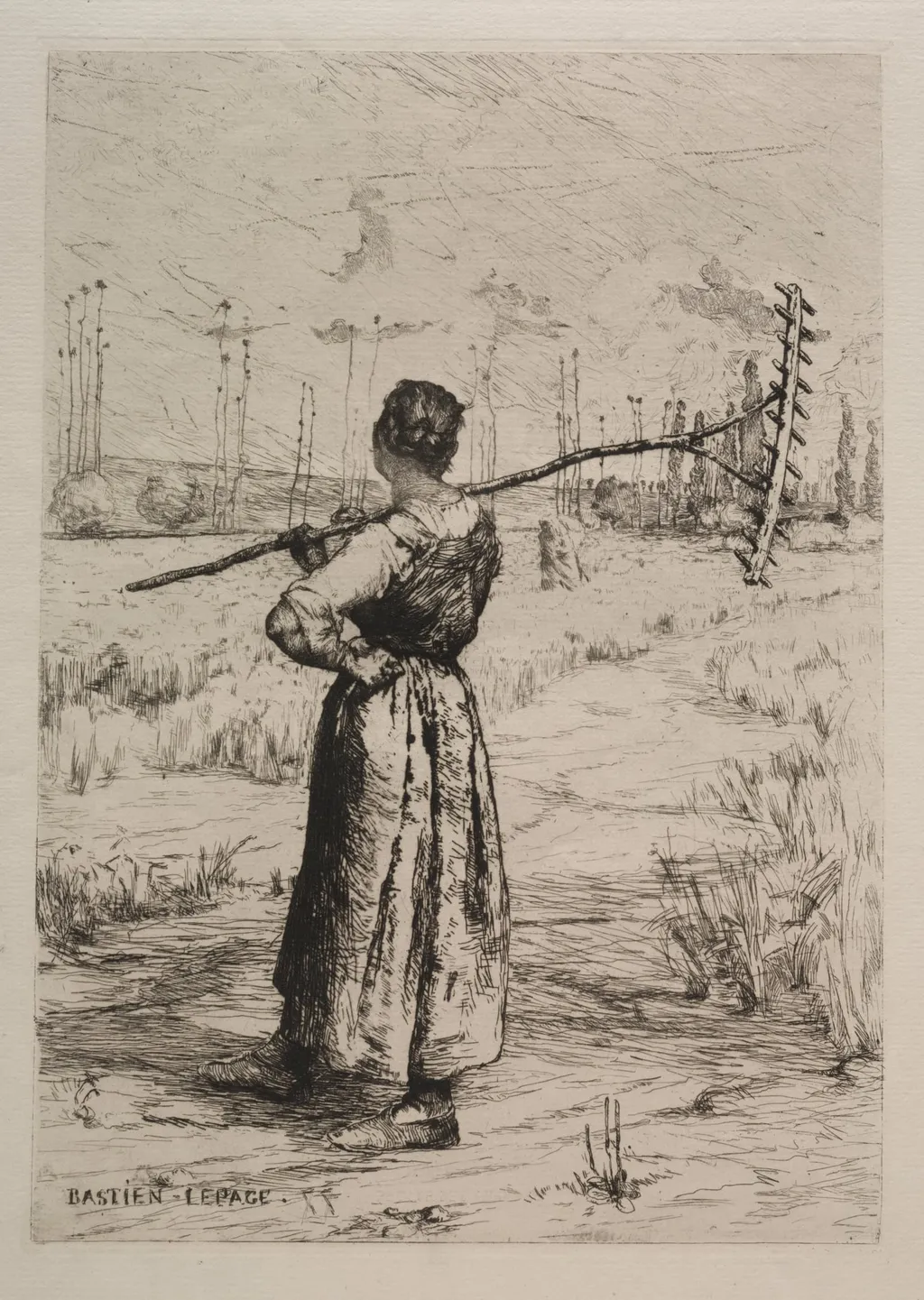
Retour des champs is a print by the Impressionist artist Jules Bastien-Lepage. It dates from 1878 and is held in the collection of the Cleveland Museum of Art.
About this work
Overview
Jules Bastien-Lepage completed *Retour des champs* in 1878 as part of his sustained engagement with rural labor and landscape.
Jules Bastien-Lepage completed *Retour des champs* in 1878 as part of his sustained engagement with rural labor and landscape. The work emerged during a period when French art was shifting toward direct observation of everyday life. Unlike idealized pastoral scenes, this print captures a moment of quiet exhaustion, grounded in the physical reality of fieldwork and the rhythms of agricultural existence.
Subject & Meaning
The figure is a peasant woman returning from labor, her posture suggesting fatigue rather than romance. Her back turned to the viewer, she carries a rake as both tool and extension of her body. The absence of narrative or sentiment shifts focus to the dignity of routine labor. The setting—unremarkable fields under shifting light—emphasizes the unvarnished continuity of rural life, rejecting theatricality in favor of quiet presence.
Technique & Style
Bastien-Lepage employed precise draftsmanship and subtle tonal gradations to render texture and form. The woman’s dress and the tall grasses are detailed without ornamentation, while the background dissolves into muted shadows. Light falls naturally across the figure, enhancing volume through soft chiaroscuro rather than dramatic contrast. The technique merges the observational rigor of Realism with the atmospheric sensitivity of Impressionist practice.
History & Provenance
Created in 1878, the work was produced during Bastien-Lepage’s most influential years, shortly after his breakthrough at the Paris Salon. It was likely made as a print, possibly an etching or lithograph, intended for wider dissemination than his paintings. Its circulation helped extend his reputation beyond France, particularly among artists seeking alternatives to academic idealism.
Context
In late 19th-century France, rural life was increasingly viewed through the lens of social change and industrial displacement. Bastien-Lepage’s focus on laborers aligned with broader cultural interest in the peasantry, yet he avoided political messaging. His approach resonated with emerging naturalist writers and artists who valued unembellished depiction over symbolism or moralizing.
Legacy
The work contributed to a broader European shift toward depicting ordinary life with psychological and physical authenticity. Artists in Belgium, Germany, and the United States cited Bastien-Lepage as an influence in their own rural studies. While not widely exhibited today, *Retour des champs* remains a quiet touchstone in the transition from 19th-century realism toward modern observational art.
Artist & collection
Artist
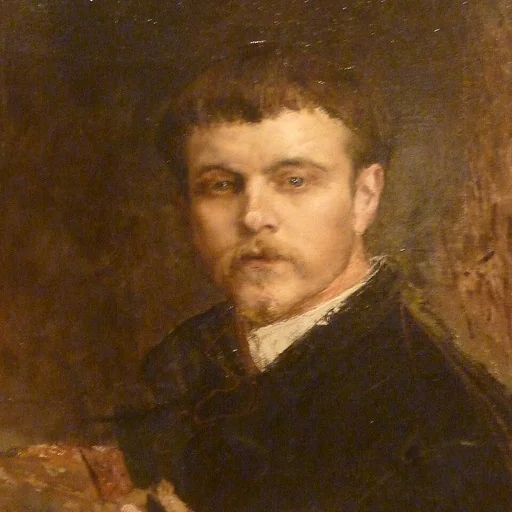
Jules Bastien-Lepage (1 November 1848 – 10 December 1884) was a French painter closely associated with the beginning of Naturalism, an artistic style that grew out of the Realist movement and paved the way for the development of…

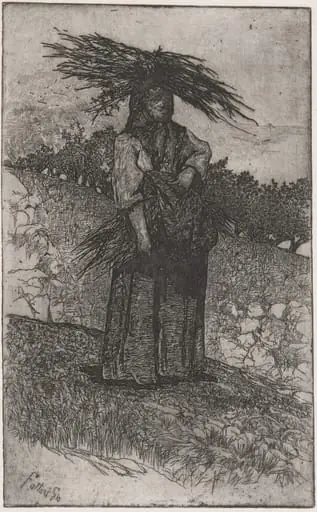 La Boscaiola: Peasant Woman Carrying Wood
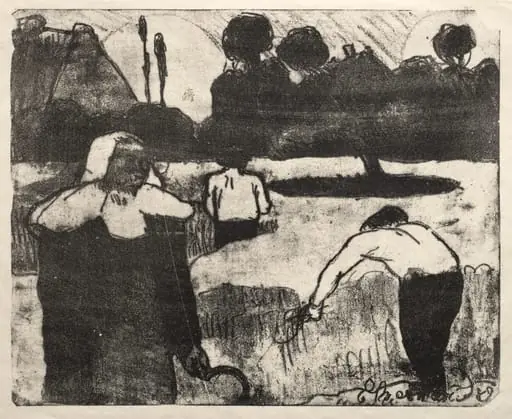 Les Bretonneries: The Harvesters (Les Moissonneurs)
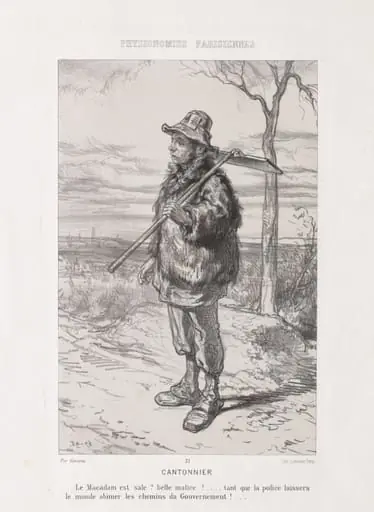 Street Sweeper
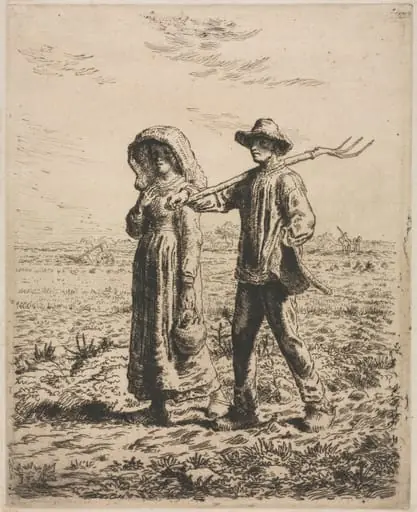 Going to work
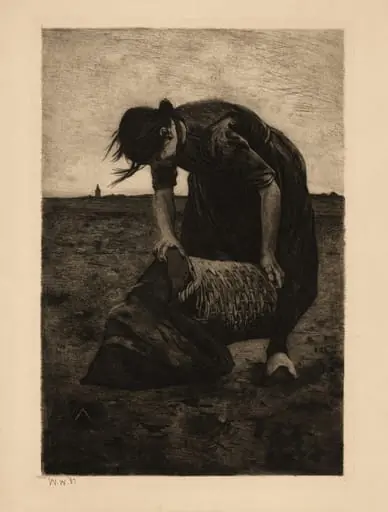 Woman with the Basket or Potato Harvester
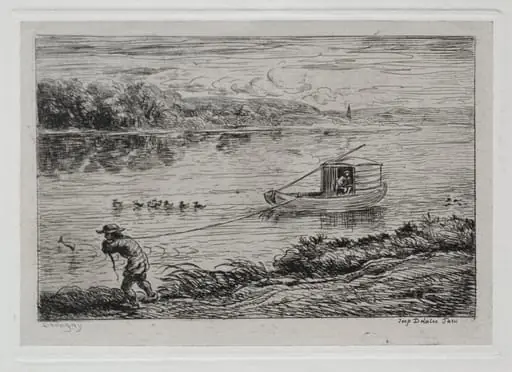 The Boat Trip: Cabin Boy Hauling the Tow-Rope or Hauling by Rope
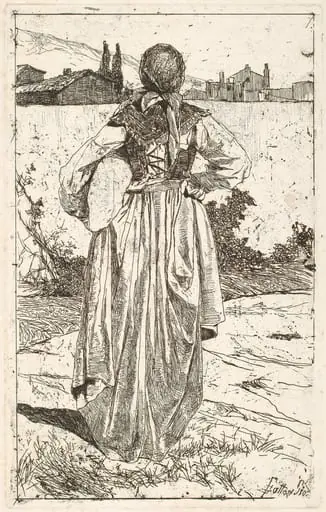 Woman of the Gabbro (Donna al gabbro)
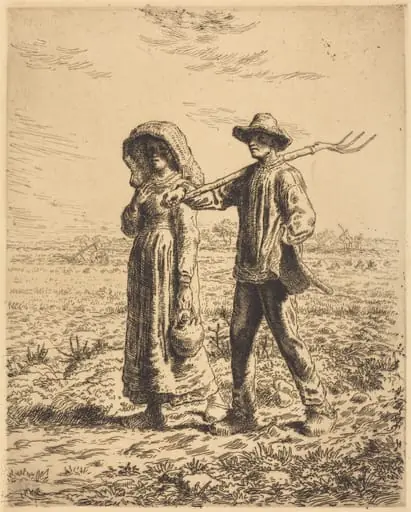 Departure for Work (Le depart pour le travail)
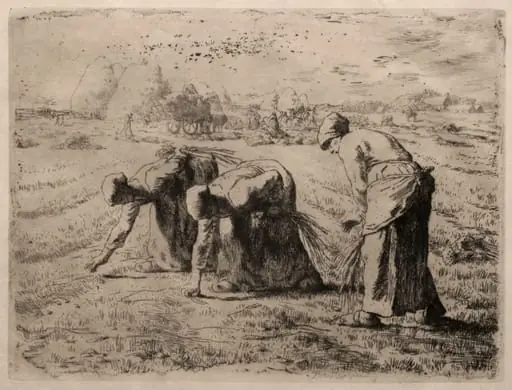 The Gleaners
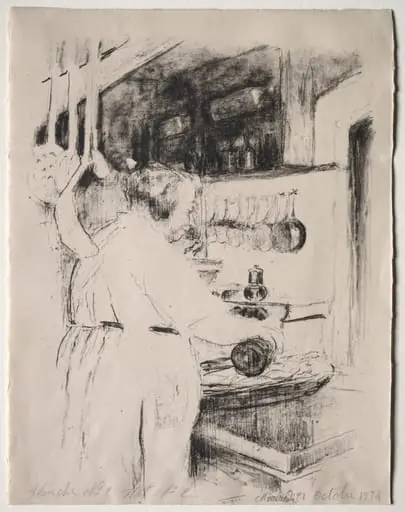 Cooking: The Cook
 Hay-making
 Retour d'une bonne action